تواصل مع شركة DONGHE


إذا كنت تتسوق منشار كابل خرساني مقابل منشار سلكي مقابل منشار حائط لمشروع قادم، فإن الصدمة الأولى هي أنك تقارن بين آلتين، وليس ثلاثة. في قطع الخرسانة، يصف منشار “cable” و“wire saw” نفس الآلة. يوضح هذا الدليل كيفية قطع كل طريقة فعليًا، ومدى عمقها، وكيفية تعاملها مع حديد التسليح، وتكلفة رحلتها، وكيفية الاختيار بينها، وكلها مكتوبة من مقاعد الأشخاص الذين قاموا ببناء آلات منشار الأسلاك الماسية، ولم يتم بيع وقت القطع.
في قطع الخرسانة، يكون منشار الكابل والمنشار السلكي هما نفس الآلة 2018 حلقة من الخرز الماسي على كابل فولاذي، يتم تشغيلها بواسطة دولاب الموازنة من خلال مجموعة من البكرات. يختلف منشار الحائط: شفرة دائرية ماسية تركب مسارًا مثبتًا بمسامير على الحائط أو الأرضية. تتعامل مناشير الحائط مع قطع مستقيمة يمكن الوصول إليها يصل عمقها إلى 36 بوصة تقريبًا؛ تقطع المناشير السلكية سمكًا غير محدود بشكل فعال بالإضافة إلى العمل الضيق أو المنحني أو تحت الماء.
الوجبات السريعة الرئيسية
- “Cable saw” و“wire saw” هما نفس الأداة، فقط منشار الحائط مختلف حقًا (الحقيقة ذات الآلتين).
- يصل منشار الحائط إلى أقل بقليل من نصف قطر نصله، لذلك حتى الشفرة مقاس 80 بوصة تعلو ما يقرب من 36 بوصة من جانب واحد (السقف نصف القطر).
- كلاهما قطع حديد التسليح؛ رأى السلك الفوز على الخرسانة المسلحة الكثيفة أو غير المنتظمة أو السميكة للغاية.
- يعمل نشر الأسلاك بحوالي 30-50% لكل مهمة أكثر من نشر الجدران، لذلك فهو مخصص للقطع التي لا يمكن لمنشار الحائط الوصول إليها.
- إنها مكملات وليست منافسة، حيث يستخدم حوالي ثلث الوظائف الصعبة كليهما بالتسلسل.
المواصفات السريعة: منشار الحائط مقابل منشار السلك (الكابل) في لمحة
| سمة | منشار الحائط (منشار المسار) | سلك / منشار كابل |
|---|---|---|
| عنصر القطع | شفرة دائرية ماسية على المسار | حبات الماس على كابل فولاذي + دولاب الموازنة |
| أقصى عمق من جانب واحد | ~12 بوصة36 بوصة (نصف قطر الشفرة محدود) | غير محدود فعليا |
| قطع الشكل | الخطوط المستقيمة فقط (المستوى المسطح) | مستقيم، منحني، مائل، لمحة |
| حديد التسليح الثقيل | نعم، ضمن حدود العمق | نعم، الأفضل للفولاذ الكثيف/غير المنتظم |
| اهتزاز | معتدل | منخفض (لطيف على الهياكل المجاورة) |
| الأفضل ل | الأبواب والنوافذ وفتحات التدفئة والتهوية وتكييف الهواء والألواح | أساسات سميكة، وأرصفة، وجسور، ضيقة/تحت الماء |
تتبع أرقام التحكم في الغبار والعمق صحيفة حقائق المشي خلف المناشير الخاصة بإدارة السلامة والصحة المهنية وبيانات شفرة الشركة المصنعة.
منشار كابل، منشار سلكي، منشار حائط: ثلاثة أسماء، آلتان

ابدأ بالمصطلحات، لأن هناك مصيدة مصطلحات مضمنة في مصطلحات البحث هذه. منشار الكابل الخرساني ومنشار السلك الخرساني هما نفس الآلة، “cable” هو السلك. كلاهما يشير إلى حلقة لا نهاية لها من الخرز المشرب بالألماس الملولب على كابل فولاذي متعدد الخيوط، مشدود ومدار حول دولاب الموازنة وسلسلة من البكرات. “Wire saw” هو المصطلح السائد في الصناعة؛ “cable Saw” هو المرادف العامي الذي ستسمعه في بعض مواقع العمل وفي الكتالوجات (يتم بيع منشار الكابل الماسي ومنشار السلك الماسي على أنهما نفس المنتج). الأداة المختلفة حقًا هي منشار الحائط: شفرة ماسية على المسار. تم توثيق تصميم الخرزة على الكابل في إيداعات براءات الاختراع لخيوط الخرز الماس.
الحقيقة ذات الآلتين
ثلاثة مصطلحات بحث شائعة: منشار كابل ha5، منشار سلكي، منشار حائط، خريطة hah لآلتين فقط لقطع الخرسانة: شفرة مثبتة على المسار (منشار حائط) وكابل ذو خرزة ماسية (منشار سلكي، منشار كابل aka). إن معرفة ذلك تمنعك من مقارنة الأداة بنفسها.
9 أنواع طرق قطع الخرسانة في لمحة
تعد مناشير الكابلات والأسلاك والجدران ثلاثة من عائلة أكبر. يصنف الجدول أدناه أنواع طرق قطع الخرسانة التسعة التي يختار الطاقم بينها بالفعل، حتى تتمكن من رؤية مكان منشار الحائط ومنشار السلك (الكابل) من بين البدائل.
| الطريقة (النوع) | كيف يقطع | العمق النموذجي/الحجم |
|---|---|---|
| منشار حائط (مسار) | شفرة ماسية دائرية على سكة مثبتة | ما يصل إلى ~ 36 بوصة (900 ملم) لكل جانب |
| سلك/منشار كابل | كابل ذو خرزة ماسية يتم تشغيله بواسطة دولاب الموازنة | عمق غير محدود |
| منشار مسطح/بلاطة | قطع الشفرة من الخلف أفقيًا | ما يصل إلى ~12 بوصة (300 ملم) |
| الحفر الأساسية | تدوير برميل الماس قليلا | فتحات مستديرة ~ 1 بوصة (25 بوصة 1500 مم) ضياء |
| رأى الدائري | شفرة حلقة الماس غريب الأطوار | ما يصل إلى ~10 بوصة (250 ملم)، زوايا متساطحة |
| منشار خرساني | سلسلة الماس على شريط الدليل | ما يصل إلى ~ 25 بوصة (635 ملم)، زوايا مربعة |
| مطارد الحائط | فتحات قطع الشفرات المتوازية المزدوجة | فتحات ~ 40 مم عميقة للكابلات/القناة |
| قطع/منشار تجريبي | شفرة كاشطة/ماس محمولة عالية السرعة | ما يصل إلى ~5 بوصة (125 ملم) |
| منشار يدوي | شفرة محمولة لقطع القطع والتفاصيل | ما يصل إلى ~5 بوصة (125 ملم) |
لماذا الارتباك مهم؟ لأن المشترين الذين يبحثون عن منشار “cable مقابل منشار سلكي، يطاردون تمييزًا غير موجود، في حين أن القرار الحقيقي 500 شفرة المسار مقابل كابل الخرزة 500 لا يتم فحصه. بالنسبة لبقية هذا الدليل، فإننا نتعامل مع منشار الكابل ومنشار السلك كطريقة واحدة ونقارنه بمنشار الحائط قطع الأسلاك الماسية للمواد غير المعدنية مثل الخرسانة والحجر كنقطة مرجعية. تقع طريقتا النشر هاتان جنبًا إلى جنب مع الحفر الأساسي والمناشير التقليدية المحمولة التي يمتلكها معظم الطاقم بالفعل. عندما تحتاج الوظيفة إلى فتحة مستديرة صغيرة فقط، تدخل طريقة ثالثة للحفر الأساسي (ما يلي) الصورة، ونغطي ذلك في قسم القرار. إن معرفة أي من طرق النشر المتاحة تناسب مشروع قطع الخرسانة في حدود الميزانية.
كيف تقطع كل طريقة: نظرة من منشئ الآلة
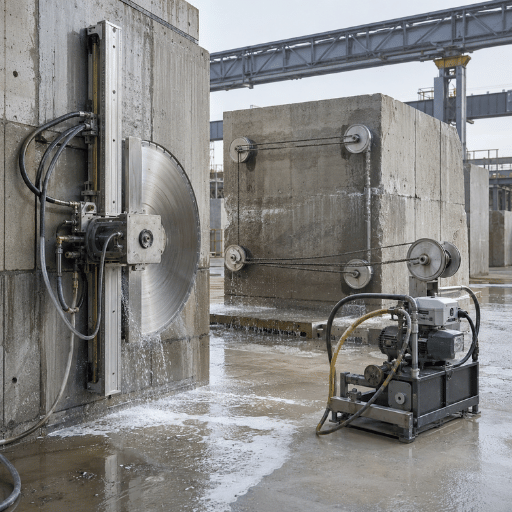
يقوم منشار الحائط والمنشار السلكي بإزالة الخرسانة بطرق مختلفة بشكل أساسي، ويشرح الميكانيكيون كل مقايضة تتبع ذلك. يقوم منشار الحائط بتثبيت شفرة ماسية دائرية على عربة تنتقل على طول سكة مثبتة على الحائط أو الأرضية؛ تغوص الشفرة إلى عمق محدد وتغذيها العربة على طول خط قطع مستقيم.
يقوم منشار سلكي بلف كابل من الخرز الماسي حول أو من خلال القسم المراد إزالته، ثم تحافظ دولاب الموازنة التي تعمل بالطاقة على تحريك الكابل بينما يسحبه نظام التغذية ببطء عبر الخرسانة من خلال حلقة مستمرة تطحن بدلاً من الشرائح.
من جانب البناء، هناك ثلاثة أرقام تشكل أداء المنشار السلكي. يعمل الكابل الماسي عادةً بسرعة حبة تبلغ حوالي 20-40 م/ث (حوالي 65-130 قدمًا/ث) حول عجلة القيادة غالبًا ما يقترب قطرها من 0.9 م (3 قدم)، ويزيل مساحة مقطعية تبلغ حوالي 1-3 متر مربع في الساعة في الخرسانة المسلحة، اعتمادًا على كثافة حديد التسليح وقوته. الخرزات نفسها هي قطعة هندسية مدروسة: براءات اختراع مثل براءات اختراع جوجل KR100613085B1 (خرز الماس للمناشير السلكية) وصف الخرز الملبد أو النحاسي الفراغي على حبل فولاذي مع وجود نوابض بينهما للتحكم في التباعد. تستخدم شفرات منشار الحائط شرائح ماسية على حافة قلب فولاذي، وهو نفس مبدأ القطع المشرب بالألماس في شكل صلب.
ملاحظة هندسية
طريقة توصيل الطاقة هي الاختيار في الداخل. تعمل كل من منصات الحائط والأسلاك على حزم الطاقة الهيدروليكية أو الكهربائية. المقايضة التي يديرها المنشئ هي التآكل: تتآكل الخرزات مقاس 11 مم بسرعة في الخرسانة الخضراء، لذلك يتم تصميم رابطة الخرز والحصى بحيث تتحمل بشدة كل مهمة، ويمكن للكابل منخفض الشد أن يتشقق اللحام خلال 8 دقائق. المحركات الكهربائية عالية التردد أكثر هدوءًا ولا تنبعث منها أي عادم، ولهذا السبب تهيمن على أعمال البناء المشغولة؛ توفر الحزم الهيدروليكية عزم دوران عاليًا للأقسام الأكثر سمكًا. تحتاج دولاب الموازنة الخاص بجهاز الأسلاك ومغزل المنشار الجداري إلى تثبيت صلب، أو كابل منخفض الشد أو مسار فضفاض هو السبب الأكثر شيوعًا للقطع خارج الخط.
إذا قمت ببناء المعدات أو شرائها بدلاً من استئجارها، فهذا هو المكان المناسب أنظمة المنشار متعددة الأسلاك وتتباعد منصات الكابلات الفردية عن محرك المغزل الخاص بمنشار الحائط. نفس ميكانيكا الماس التي تقطع السيليكون والحجر تقطع الخرسانة أيضًا؛ شرحنا على كيف تقوم المواد الكاشطة الماسية بكسر المواد الصلبة والهشة يغطي سبب أهمية رابطة الخرز واختيار الحصى بقدر أهمية الطاقة الخام.
قطع العمق والهندسة: حيث يصطدم منشار الحائط بالحائط
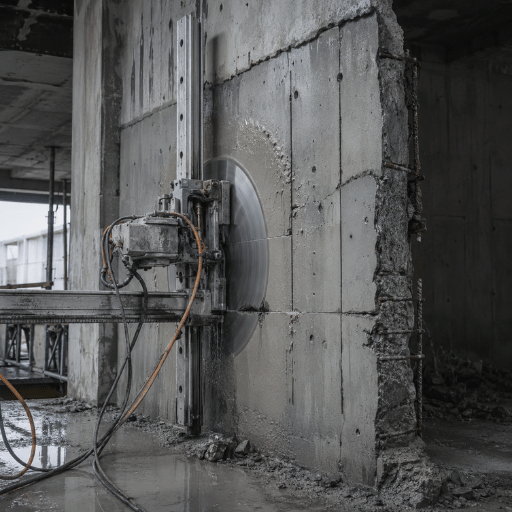
منشار الحائط مقيد هندسيًا من حيث مدى الوصول، وهو أقل سخاء بكثير مما قد تلمح إليه نصله. نظرًا لأن المغزل والواقي موجودان خارج البلاطة أو الجدار، يمكن دفن الشفرة بحوالي أقل قليلاً من نصف قطرها الإجمالي بمقدار 16 بوصة. تغوص الشفرة إلى عمق ست بوصات تقريبًا، وحتى إلى 80 بوصة ضخمة. تتوقف الشفرة عند مسافة متواضعة تبلغ 36 بوصة من وجه واحد. للتعمق أكثر، اقلب الأداة إلى الجانب الآخر وقم بتمرير ثانٍ بمقدار 100 درجة واضاعف العمق بمقدار 100 درجة مئوية أو استخدم نهجًا مختلفًا تمامًا. المناشير السلكية ليست مقيدة بحدود الحجم؛ طالما أنه من الممكن توجيه الحلقة حول قطعة العمل، فإن العمق أقل حدًا. تم وصف الكابل الماسي الذي يحل محل الشفرة ذات العمق المحدود في رأى الحبل الماسي براءات الاختراع.
السقف نصف القطر
لا يغرق منشار الحائط أكثر من نصف عمق الشفرة الإجمالي بحوالي 6 بوصات من 16 بوصة. منشار، حوالي 36 بوصة من 80 بوصة.
| قطر الشفرة | تقريبًا. عمق الجانب الواحد | كلا الجانبين |
|---|---|---|
| 16 بوصة (400 ملم) | ~6 بوصة (150 ملم) | ~12 بوصة |
| 24 بوصة (600 ملم) | ~9 بوصة 10 بوصة (250 ملم) | ~18/20 بوصة |
| 36 بوصة (900 ملم) | ~15 بوصة (380 ملم) | ~30 بوصة |
| 60.80 بوصة (1.5.2 م) | ~27 بوصة36 بوصة (700 بوصة900 ملم) | ~54 سم72 بوصة |
الهندسة تحد أيضًا من شكل القطع. تنتج مناشير الحائط قطعًا مستقيمة بتفاوتات قريبة بشكل لا يصدق. يتم استخدامها لفتحات الأبواب النظيفة، وفتحات النوافذ، والقطع الدقيقة، والقطع الأفقية، بالإضافة إلى قطع الفصل التي تقطع بشكل متساطح إلى سطح مجاور، مما يناسب تعديلات المبنى واختراق الجدران. كما أنها تشكل فتحات وممرات وصول مستقيمة عبر المباني للتهوية أو السباكة أو أعمال التدفئة والتهوية وتكييف الهواء؛ هذا النظام هو أداة التعديلات الهيكلية التي تتضمن فتحات أو لأعمدة المصاعد أو المرافق التي تمر عبر عناصر خرسانية ضخمة. لكن النظام لا يمكنه اتباع نصف قطر أو زوايا معقدة.
حديد التسليح والخرسانة المسلحة بقوة: ما الذي رأى الفوز على الفولاذ

هل سيقطع المنشار الخرساني حديد التسليح؟
من ناحية أخرى، تسمح مرونة نشر الأسلاك بإزالة أي شكل ببساطة عن طريق توجيه الحلقة عبر البكرات أو كتل الحزم؛ حتى القطع والمشطوفات المحددة المخصصة يتم إنجازها بسهولة. يتم استخدام نشر الأسلاك من هذا النوع لقطع حتى الأشكال غير المنتظمة أو الحواف المشطوفة للكتل الطبيعية الكبيرة بكفاءة في عمليات استخراج الحجارة وعمليات الحجر الأبعاد. لمزيد من المعلومات حول هذه الأمور، راجع نظرتنا العامة حول ما هو الحجر ذو الأبعاد. Zegbrk_0003 هل سيقطع حديد التسليح؟
نعم، كل من مناشير الحائط والمناشير السلكية تقطع حديد التسليح الهيكلي للخرسانة بسبب المواد الكاشطة الماسية، والتي يمكن أن تطحن أي شيء من الركام إلى المعدن. ومع ذلك، إذا كان الفولاذ الخاص بك مجمعًا بكثافة، فيمكن أن يكون المنشار السلكي هو الخيار المفضل لأرصفة الجسور أو مشاريع الأساسات الجماعية أو وسادات الآلات المعقدة، والتي تحتوي جميعها على شبكات تقوية كثيفة ومعقدة يمكن بسهولة أن تتعطل عليها الشفرة الدائرية أو أسنان الشفرة لمنشار الجدار التقليدي. Zegbrk_0004 4. قضيب تقوية فولاذي على الرغم من أن كلا الجهازين سوف يخترقان ويقطعان حديد التسليح بشكل فعال بسبب الطبيعة الصلبة للماس، عند النظر في شبكات التسليح الكثيفة كما هو الحال في سطح الجسر أو الأساسات الجماعية أو طبقة المعدات الثقيلة. سوف يلتف نهج المنشار السلكي محيط القطع بالكامل بطريقة شاملة للقطع المستمر. سيتم حظر منشار الجدار التقليدي بإطاره الصلب عندما يكون عمود الفولاذ على عمق معين. إن قدرة السلك الماسي على قطع المقاطع المعقدة والمعززة بشدة هي موضوع براءات اختراع جوجل US6881131B2.
عند التعامل مع إزالة الخرسانة المسلحة حيث يكون من المهم عدم إتلاف الهيكل المحيط، فإن التحكم في الاهتزاز أثناء إزالة المقاطع الخرسانية الكبيرة هو أمر أساسي. من الناحية العملية، فإن الخطر الميداني هو الشفرة التي ترتبط وتسخن عندما تصطدم بقضيب 32 مم على عمق كامل، لأن الفولاذ الكثيف يركز الحمل على عدد قليل من شرائح الماس ويسرع التآكل؛ ينتشر المنشار السلكي الذي يتآكل عبر الكابل المتصلب بالكامل، وهذا هو السبب الهيكلي الذي يجعل الطاقم يتحول إليه على الأرصفة المسلحة بشدة. كما يقترح معهد الخرسانة الأمريكي (انظر معهد الخرسانة الأمريكي ACI)، من المرغوب فيه تقليل الصدمات أثناء القطع إلى الحد الأدنى من الاهتزاز، وهذا هو السبب أيضًا في أن المناشير السلكية تتعامل مع معظم القطع تحت الماء ولماذا عند إجراء الهدم الانتقائي المتحكم فيه لأجزاء كبيرة من الخرسانة المجاورة للمرافق الحية أو المساحات المشغولة أو الهيكل الخرساني المجاور الحساس، تسود هذه التقنية عادةً. إنها أيضًا الطريقة المفضلة لجميع عمليات الهدم تحت الماء تقريبًا، وذلك لأن الماء يعمل كمبرد للسلك وكوسيلة لغسل حطام القطع. وينطبق هذا المبدأ نفسه للتغلب على مقاومة المواد على استخدام الأسلاك ذات الرؤوس الماسية على العديد من المواد الصلبة والهشة للغاية التي نواجهها أثناء هدم المواد الصلبة والهشة.
السرعة والإعداد ومعدل الإنتاج
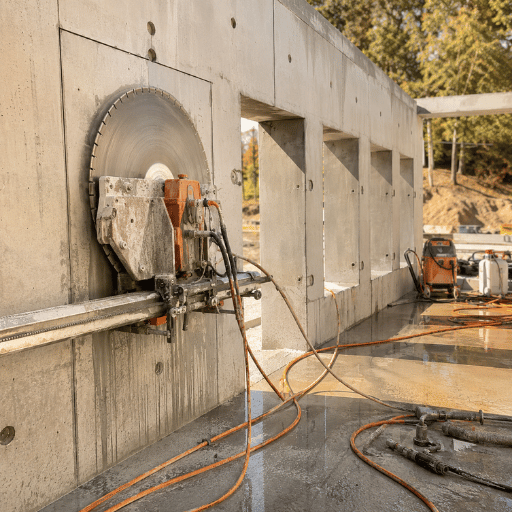
بالنسبة للقطع الموجودة على الهيكل (وبالتالي يمكن الوصول إليها ومستقيمة)، يمكن أن يكون نشر الجدار أسرع كثيرًا بشكل عام بسبب سرعة الإعداد، حيث يتم وضع المسارات، وتوصيل الشفرة، وإجراء القطع. ومع ذلك، فإن نشر الأسلاك يستبدل تعدد الاستخدامات بسرعة الإعداد، حيث يتطلب توصيل الكابل حول الهيكل، ووضع البكرات، وإعداد الشد مزيدًا من الوقت مقدمًا، ولكن عند تشغيله، يمكنه إجراء عمليات قطع لا يمكن لأي شفرة تحقيقها. ولكنه يقطع ببطء وثبات 2000 إذا كانت مواصفات المهمة تستدعي قسمًا سميكًا من الجدار أو كثافات حديد التسليح الثقيلة، فاعتمد على ذلك المقتبس 1-3 م/ساعة ليتضاءل بسرعة. لأن القطع يجب أن يظل مبللاً إدارة السلامة والصحة المهنية 29 CFR 1926.1153, توصيل المياه جزء من الوتيرة، وليس إضافة.
ما هو معدل الإنتاج الواقعي لشباك الأسلاك؟
دائمًا ما يتم إصدار فاتورة بوصة قدم إلى بوصة قدم بطول قطع X بوصة من السمك، لذا فإن قطعة من الخرسانة يبلغ سمكها بوصة واحدة وطولها قدم واحدة (على سبيل المثال، سمك 10 بوصة في ارتفاع 8 أقدام في قطع الجدار = 80 بوصة قدم).
الخطر الخفي هو القطع المتوقف: في الميدان، ادفع منشار الحائط إلى ما بعد عمقه ويمكن ربط الشفرة، لأنه لم يعد لها مدى وصول، مما يكلف إعادة تعبئة لمدة 90 دقيقة لإحضار منصة سلكية. توقع نطاقًا كبيرًا في معدلات البوصة للقدم في العديد من المنتديات التجارية عبر الإنترنت، حيث ستؤثر القوة والصلابة الإجمالية وكثافات حديد التسليح على المعدل 500، وهو ما يفسر لماذا فقط المقاولون الذين يرون الوظيفة ويمشون يمكنها أن تقدم لك عرض أسعار دقيقًا (وتكون حذرًا إذا كان لدى البائع رقم عام جاهز للانطلاق).
💡 نصيحة للمحترفين
يفيد التحكم في الاهتزاز الإنتاج، وليس فقط العاملين في الموقع من خلال خلق تأثير أقل بكثير وضوضاء أقل، وغالبًا ما يغني عن الحاجة إلى احتياطات مثل دعم العناصر المجاورة أو إيقاف عمليات الموقع للوظائف التي يتم القيام بها داخل المواقع المشغولة 5 مما يؤدي إلى إكمال المشروع بشكل أسرع بشكل عام.
مقارنة التكلفة: لماذا يكلف نشر الأسلاك أكثر (وعندما يستحق ذلك)
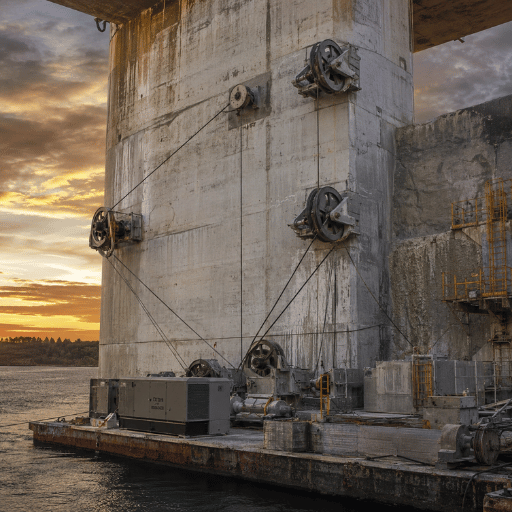
هل نشر الأسلاك أغلى حقًا من نشر الجدران؟
عموما نعم. يشير معظم المقاولين إلى معدل نشر الأسلاك الذي يكون أعلى بنسبة 30-50% في أي مهمة معينة مقارنة بالنشر على الحائط. لا تنشأ علاوة التكلفة من العلامات ولكن من التقنية نفسها. وقت إعداد نشر الأسلاك أطول؛ السلك مادة استهلاكية تتدهور مع كل بوصة قدم يتم قطعها، ويتطلب نشر الأسلاك عمومًا مشغلًا أكثر مهارة من نشر الجدران.
إن إعداد المسار السريع لنشر الجدران وأداة القطع البسيطة نسبيًا وبأسعار معقولة يعني أنه مفضل بشكل عام عندما تسمح معلمات الوظيفة بذلك وضمن حدود معقولة لسمك الخرسانة. كابل الخرز الماسي هو مادة مستهلكة مصممة للاستخدام المتكرر، مثل براءات اختراع تصميم الخرزة عرض، ويتم تسعير هذا التآكل.
هذه هي الحقيقة الصريحة: أنت لا تدفع علاوة السلك مقابل قطع أنظف في مهمة يمكن القيام بها بالفعل باستخدام منشار الحائط؛ أنت تدفع له مقابل القدرة على إجراء قطع لا يمكن لمنشار الحائط القيام به. المهمة سميكة جدًا، أو عميقة جدًا، أو منحنية، أو لا يوجد مجال لتركيب منشار الحائط. قطع الأسلاك ليس هو الخيار الأعلى سعرًا لهذا الغرض؛ إنه الخيار الوحيد. هذا هو الخطأ الأكثر شيوعًا والأكثر سهولة في تجنب النفقات في أعمال قطع الخرسانة.
| عامل | منشار حائط | سلك / منشار كابل |
|---|---|---|
| تكلفة الوظيفة النسبية | خط الأساس | ~30 preact50% أعلى |
| وقت الإعداد | قصير (مسار مرساة + شفرة) | أطول (كابل المسار + البكرات + التوتر) |
| سائق التكلفة الرئيسية | ارتداء الشفرة، والعمل | تآكل الكابلات الخرزية، العمالة الماهرة، الإعداد |
| دفع قسط عندما | غير متاح | سميكة جدًا/عميقة/منحنية، أو لا يمكن الوصول إلى المسار |
ما هي طريقة قطع الخرسانة التي يجب عليك اختيارها؟
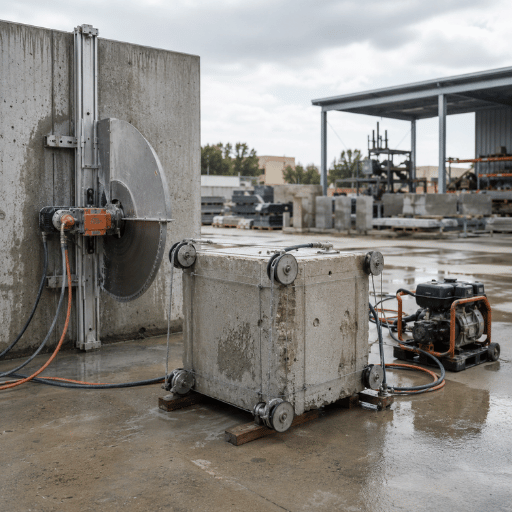
توقف عن محاولة معرفة طريقة “best” في الفراغ. قم بمعالجة القطع المحدد المعني بأهم أربعة أسئلة يمكنك طرحها: عمق القطع، وشكل القطع، وكثافة الفولاذ، ومساحة الوصول. أنت تعرف أن القطع الضحلة التي يمكن الوصول إليها والتي يقل عمقها عن 36 بوصة تذهب إلى منشار الحائط.
أنت تعلم أن القطع العميقة العمياء، والقطع المنحني، وفي مكان صغير جدًا بالنسبة للمسار، فإن الوظائف التي تتمتع بوصول ضيق جدًا تذهب إلى المنشار السلكي. وبالنسبة للثقب الدائري الصغير في البلاطة (مثل الأنبوب أو القناة)، فهو يصل إلى منصة الحفر الخرسانية، وليس المنشار. أيًا كانت الطريقة التي تختارها، فإن مهام التحكم في السيليكا فيها توجيهات إدارة السلامة والصحة المهنية لا يزال ساريًا، لذا قم بتحليل قمع الغبار في المكالمة.
| حالتك | الطريقة الموصى بها |
|---|---|
| قطع مستقيم، ≥~36 في عمق، مفتوح من جانب واحد | رأى الجدار |
| أكثر سمكًا من وصول الشفرة، أو العمق الأعمى/ذو الوجهين | رأى الأسلاك |
| قطع منحني أو مائل أو جانبي | رأى الأسلاك |
| حديد التسليح كثيف جدًا/غير منتظم (أرصفة وأساسات) | رأى الأسلاك |
| مساحة ضيقة/محدودة، لا يوجد مكان لتركيب المسار | رأى الأسلاك |
| فتحة مستديرة صغيرة للأنبوب/القناة/التدفئة والتهوية وتكييف الهواء | الحفر الأساسي |
| فتحة كبيرة بمسارات مستقيمة وزوايا عميقة | الجمع (الجدار + السلك) |
الصف الأخير إلى الأسفل! كما ترون، هذه ليست طرق متنافسة، فهي تكمل بعضها البعض. إنه خطأ سهل بشكل مدهش التغاضي عن هذه الحقيقة. في العديد من المشاريع الكبيرة، تصبح ترادفًا حقيقيًا: يقوم منشار الحائط بقطع الأقسام الرئيسية على الأرض والبلاطة بسرعة وبشكل نظيف، بينما يتم استخدام المنشار السلكي لإجراء عمليات القطع في الهياكل الأخرى وعبرها وحولها حيث يكون الوصول محدودًا للغاية. يختلف المزيج حسب الوظيفة بالطبع، لكن تقديرات تقسيم العمل تتراوح بين جدار 70% وسلك 30% لاستغلال نقاط القوة في كلا النوعين من المناشير. في عمليات الإزالة الكبيرة جدًا والوظائف ذات الوصول المقيد، يعد هذا المزيج من الأساليب أمرًا روتينيًا، ولهذا السبب فإن المقاولين الذين يقدمون كلا من نشر الجدران ونشر الأسلاك شائعون. في جوهر الأمر، يوضح الرسم البياني كيفية اختيار المنشار المناسب لكل جزء من المهمة، وليس الوظيفة ككل. يمكن للشركة التي لديها إمكانية الوصول إلى كليهما التنقل بسهولة بين الأساليب والأطقم حسب الحاجة.
السلامة والأخطاء الشائعة في نشر الجدران والأسلاك
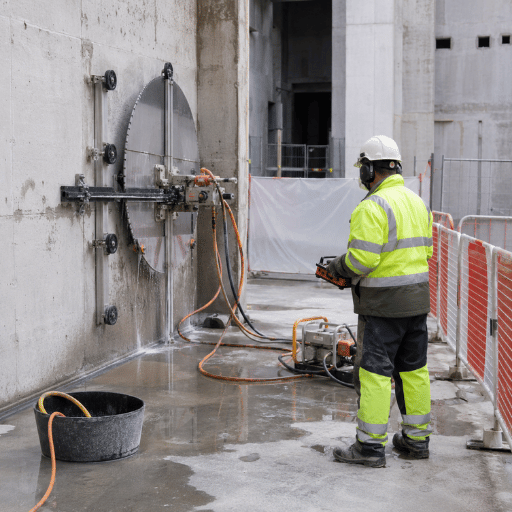
دعونا نلقي نظرة سريعة على اثنين من المخاوف الصحية المتعلقة بهذه المناشير، بدءًا من الأكثر شيوعًا والأصعب في الرؤية: غبار السيليكا البلوري القابل للتنفس. اللوائح الأمريكية تمنع القطع الجاف بهذه الأدوات. وفقا ل إدارة السلامة والصحة المهنية 29 CFR 1926.1153 الجدول 1, ، مناشير البناء الثابتة، والمناشير الكهربائية المحمولة، والمناشير الخلفية يجب أن تكون مجهزة بنظام متكامل لتوصيل المياه الذي يغذي الشفرة بالمياه بشكل مستمر.“ استخدام هذه الأدوات في الداخل أو داخل الهيكل، واستخدام جهاز التنفس الصناعي مع APF 10 إلزامية أيضًا. حد التعرض المسموح به هو 50 ميكروغرام/م3 كمتوسط مرجح زمنيًا لمدة 8 ساعات. إدارة السلامة والصحة المهنية صحيفة حقائق المشي خلف المناشير (FS-3633) يخوض في التفاصيل حول تدابير التحكم في توصيل المياه.
“منشار ”Use مزود بنظام متكامل لتوصيل المياه يغذي الشفرة بالمياه بشكل مستمر.”
osha 29 CFR 1926.1153، الجدول 1 (المناشير الخلفية)
تخطي الماء والمخاطر الحقيقية هي السيليكا: من الناحية العملية، يمكن أن يؤدي القطع الجاف إلى زيادة التعرض فوق الحد المسموح به في غضون 30 دقيقة، ويظهر الفشل بعد سنوات على أنه مرض رئوي، لأن الغبار غير مرئي عند نقطة القطع. ولهذا السبب تعامل خطة التحكم المعتمدة من NIOSH القطع الرطب على أنه إلزامي.
⚠️ مهم
الكابلات الماسية تحت التوتر تخزن الطاقة. يمكن أن يؤدي فشل الكابل أو ضعف حماية الكابل إلى خطر الإصابة؛ ولذلك فإن الحراسة والتوتر الصحيح ومنطقة الاستبعاد الآمنة أمر بالغ الأهمية. عندما يفشل منشار الحائط، يكون ذلك بشكل عام مشكلة في المسار - إما دليل فضفاض أو سكة مثبتة بشكل غير صحيح، مما يؤدي إلى انحراف الشفرة عن خط القطع.
بالإضافة إلى الغبار والمشكلات الميكانيكية، هناك خطأان تشغيليان يمكن الوقاية منهما يشيع الاستشهاد بهما من قبل المشغلين: انخفاض شد السلك أو عدم تأمين المسارات بشكل كافٍ، مما يؤدي إلى قطع غير متصل بالإنترنت وتسريع تآكل الأداة؛ والتشغيل غير المتطابق (استخدام منشار حائط في مهمة كان ينبغي أن تتضمن سلكًا في المقام الأول، أو الإمساك بجهاز سلكي لتقطيع الباب). كلاهما يهدر الوقت والمال. ستكمل حماية السمع الجيدة وإدارة اهتزاز ذراع اليد ممارسات التشغيل الآمنة اللازمة لمشغل الأسلاك أو منشار الحائط النموذجي الذي يعمل طوال الوردية.
ما الذي يتغير في قطع الخرسانة (توقعات 2026)
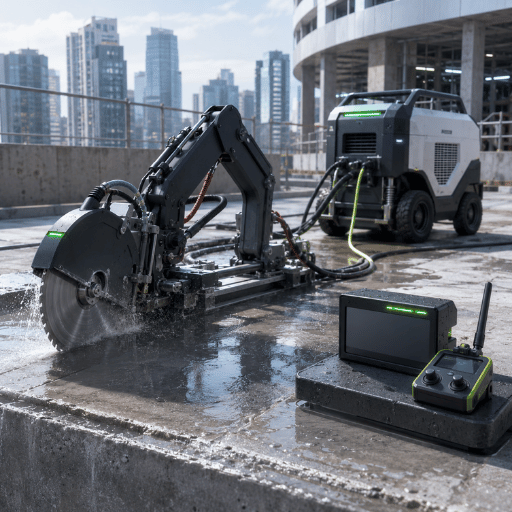
حجم السوق ليس المحرك الأكبر في قطع الخرسانة بقدر ما هو موقع العمل. مع حدوث المزيد من القطع في البناء والتجديد، وخاصة مشاريع التجديد التي تعمل على تحديث المباني الخرسانية المشغولة، يتحول الطلب نحو القطع المتحكم فيه وتكنولوجيا قطع الماس التي تقف وراءه، حيث لا يمكن نقل السكان والهيكل الحالي.
ويؤدي هذا التحول إلى توصيل الطاقة: ففي الداخل، تحل منصات الحفر الكهربائية عالية التردد محل المكونات الهيدروليكية المحمولة، مما يزيل العادم ويقطع الضوضاء، مما يجعلها أكثر عملية للأعمال داخل المبنى. تظهر منصات القطع الآلية التي يتم التحكم فيها عن بعد في مواقع أكثر صلابة لنفس الأسباب، مع خطر أقل على المشغلين ودقة أكبر. تشديد قواعد الغبار والسيليكا بموجب إدارة السلامة والصحة المهنية 29 CFR 1926.1153 هي جزء مما يدفع العمل نحو القطع المتحكم فيه.
للحصول على هذا المنظور هنا، يقدم معظم محللي السوق توقعات لقطع الخرسانة عالميًا في نطاق متوسط معدل النمو السنوي المركب المكون من رقم واحد (5%-6%) الذي يمتد إلى أوائل الثلاثينيات، وهذه التقديرات لا معنى لها نسبيًا في قرار شراء أي معدات، بما يتجاوز تقديم نظرة عامة تقريبية على السوق. إن المخاطر الحقيقية للمشتري هي المبالغة في التحديد: من الناحية العملية، كتابة مواصفات سلكية فقط حيث يمكن لمنشار الحائط أن يضيف 30% إلى التكلفة دون أي فائدة، لأن القسط يشتري إمكانية الوصول، وليس قطعًا أفضل. في قطع الخرسانة، ما يهم المشتري حقًا هو الاعتبارات التالية: الاتجاه نحو استخدام المباني المشغولة والسكنية والمجددة حيث يتضمن أي هدم لحديد التسليح والخرسانة إجراءات دقيقة للحفاظ على الهياكل مشغولة وآمنة سوف يفضل الجدران والأسلاك الأكثر دقة وغير التخريبية والمناشير السلكية التي يناقشها دليل المشتري بالتفصيل. ستبدأ المناشير الكهربائية ومناشير الجدران على وجه الخصوص في إزاحة العديد من بدائل الضوضاء والحطام وتوليد الانبعاثات مع تقدم العقد. سوف يتوسع سوق مواد قطع الخرسانة الماسية العالمية نتيجة لهذا الاستخدام المتزايد للقطع المتحكم فيه في الهياكل التي تكون فيها الدقة مهمة.
الأسئلة المتداولة
ما هو الاسم الصحيح للمنشار الخرساني؟
عرض الإجابة
تحمل المناشير الخرسانية عدة أسماء لأن كل منها عبارة عن أداة مميزة، على الرغم من أن بعضها يقع تحت مظلة عريضة منشار الخرسانة “. المنشار الجداري هو الشفرة المثبتة على المسار؛ المنشار السلكي، ويسمى أيضًا منشار الكابل، هو أداة الكابل ذات الخرز الماسي؛ ومنشار مسطح أو لوحي أو أرضي يقطع أفقيًا سطح الأرضية. تسمية الآلة المحددة تمنع ارتباك المشتري.
منشار “ring، أو منشار ”concrete، يمكن لـ“ إجراء قطع عميقة في الزوايا أو المناطق المحظورة. منشار ”cut-off“ أو ”demo نموذجي، يتم تغذية“ بالبنزين أو الكهرباء، بشفرة واحدة ثابتة، وهي فئة أخرى من الأدوات تمامًا. إن تحديد الأدوات مثل ”wall أو“ ”wire أو“ ”flat أو“ أو”handheld“ يبسط المقارنات؛ السؤال، على سبيل المثال، منشار ”cable مقابل منشار سلكي؟ سوف يسبب“ ارتباكًا لأن كلاهما كابل متطابق وهو المصطلح الأكثر عمومية والمنشار السلكي أكثر تحديدًا - حيث أن التكنولوجيا الأساسية وآليات التشغيل هي نفسها.
ما هي أفضل أداة لقطع الخرسانة؟
عرض الإجابة
منشار الحائط هو الأفضل لإجراء عمليات قطع مباشرة بسماكة تصل إلى 36-42 بوصة في أي هيكل جدار صلب، مثل الخرسانة المسلحة بقضبان التسليح، حيث تكون كفاءة الوقت والتكلفة من الأولويات. يتمتع المنشار السلكي (أو الكابل) بقدرات تتجاوز ذلك: فهو ضروري لإجراء قطع سميكة للغاية أو منحنية أو ذات شكل دقيق في الأماكن الضيقة، بالإضافة إلى القطع التي يجب إجراؤها تحت الماء أو عندما يكون الوصول إليها قيدًا خطيرًا.
لعمل فتحة صغيرة أو ثقب دائري، من الأفضل استخدام المثقاب الأساسي بدلاً من أي نوع من المنشار. تأكد من تقييم العمق والانحناء المطلوب والخصائص المحددة الأخرى للقطع، إلى جانب تفاصيل المواد والمشكلات اللوجستية الخاصة بالموقع مثل الوصول، من أجل مطابقة المعدات مع متطلبات الوظيفة بدقة.
ما هي المشاكل الشائعة مع المناشير الخرسانية؟
عرض الإجابة
المشاكل المستمرة هي استخدام المياه؛ عندما يتم حذف الماء، يؤدي ذلك إلى التعرض للسيليكا. يمكن أن تحدث قطع خارج الخط من مسار منشار الحائط غير ثابت أو من سلك ليس في حالة توتر كافٍ. يتآكل الماس بسرعة في الخرسانة شديدة الكشط أو المسلحة بشدة. يمكن أن تخرج الوظيفة عن المسار الصحيح من خلال تطبيق طريقة غير متوافقة.
يمكن تجنب كل هذه الأمور إلى حد كبير من خلال الإمداد المستمر بالمياه، والتثبيت والتوتر المناسبين، ومواصفات الماس المناسبة، واتخاذ نهج نقدي وواقعي للوصول إلى عمق القطع قبل القطع الأول.
هل يمكن استخدام نشر الأسلاك في الأماكن الضيقة أو الضيقة؟
عرض الإجابة
نعم. يمر الكابل الماسي عبر فتحة صغيرة ولا يحتاج إلى سكة حديدية، لذلك يقوم الطاقم بتشغيله في غرف ميكانيكية، وهياكل أقل من المستوى، ومحطات منخفضة الخلوص حيث لن يتناسب مسار منشار الحائط ببساطة. هذا الوصول، وليس حجم القسم، هو السبب الحقيقي وراء وصول نشر الأسلاك إلى العمل المحصور والمقيد.
هل يمكن لمناشير الحائط أن تقطع الخرسانة المسلحة بشدة؟
عرض الإجابة
نعم، طالما أنها تبقى ضمن العمق المحدد. لم تعد هناك مشكلة في الأشرطة ذات الشفرات الماسية الحالية، ولا توجد مشكلة في قطع حديد التسليح، ومنشار الحائط يقطع بسهولة الجدران والألواح المسلحة. إنه تقييد للعمق وكثافة التسليح (ليس الفولاذ)، بمجرد زيادة طول القسم أو كثافة حديد التسليح الذي يسير في اتجاه معين، سيكون المنشار السلكي متفوقًا.
من يستخدم عادةً خدمات نشر الأسلاك؟
عرض الإجابة
يعتمد المقاولون المدنيون الثقيلون، وفرق المرافق والبنية التحتية، ومديرو المنشآت الصناعية، والمهندسون الإنشائيون المكلفون بعمليات الإزالة الخاضعة للرقابة على تقنية القطع الخاصة بنشر الأسلاك. ستجد أن نشر الأسلاك في أي مكان تكون فيه الخرسانة ضخمة جدًا بالنسبة لمنشار الحائط، أو معززة جيدًا بحيث لا يمكنها المخاطرة بالعمل باستخدام الشفرة، أو عندما يكون تقليل الاهتزاز ضروريًا للهيكل الحي على الجسور والأرصفة، والأساسات الجماعية، ومرافق الطاقة والمياه، وداخل المرافق التي تخضع لإعادة الإعمار بينما يظل الأشخاص والمعدات في العمل.
يرى هؤلاء المستخدمون ميزة القدرة والسلامة الهيكلية بالإضافة إلى قيمة برامج القطع التي تجمع بين نشر الجدران والحفر الأساسي لإكمال المهام بكفاءة. يقوم العديد منهم أيضًا بكتابة نشر الأسلاك في مواصفات المشروع لإزالة الخرسانة بدقة بالقرب من المعدات الحساسة.
هل تحتاج إلى الآلة وليس الخدمة؟
نقوم بتصميم وتصنيع آلات منشار الماس السلكية التي يمكن استخدامها لقطع الحجر والخرسانة وغيرها من المواد الصلبة غير المعدنية. سواء قمت بقطعها داخليًا وترغب في مطابقة عمق القطع والشكل ومستوى الطاقة المحدد لتجهيز أجهزتنا، فيمكن أن يساعد ذلك.
لماذا كتبنا هذه المقارنة
نحن نبني آلات منشار الأسلاك الماسية، لذلك كتبنا هذا من جانب المعدات بدلاً من جانب الخدمة، ولهذا السبب يركز على الآليات الكامنة وراء كل طريقة، وسقف العمق بنصف القطر، وارتباك تسمية الكابل مقابل السلك الذي يتركه بقية الحقل دون معالجة. تم تأطير أرقام التكلفة والإنتاج هنا كنطاقات مستمدة من مصادر الصناعة العامة، وليس الوعود؛ ستعتمد أرقامك على قوة الخرسانة وحديد التسليح والوصول. تمت المراجعة من قبل فريق DONGHE الفني.
المراجع والمصادر
- 29 CFR 1926.1153، السيليكا البلورية القابلة للتنفس، الجدول 1إدارة السلامة والصحة المهنية الأمريكية
- CN104325561B منشار حبل الماس 2 براءات اختراع جوجل
- WO2015021593A1 منشار سلكي من سلسلة الخرز الماسي 2 براءات اختراع جوجل
- صحيفة حقائق المشي خلف المنشار (FS-3633)إدارة السلامة والصحة المهنية الأمريكية
- KR100613085B1، الخرز الماسي لمنشار الأسلاكبراءات اختراع جوجل
- US6881131B2، جهاز قطع الأسلاك الماسيةبراءات اختراع جوجل
- المعهد الأمريكي للخرسانة (ACI)إرشادات السلامة الهيكلية الخرسانية
مقالات ذات صلة
- تصنيع الحجر الطبيعي، كيف تشكل أسلاك الماس كتل وألواح المحاجر
- مادة كاشطة من كربيد السيليكون، كيف يقوم الماس والمواد الكاشطة الصلبة بقطع المواد الهشة
- قطع المواد الصلبة والهشة باستخدام مناشير الأسلاك الماسية
- أنظمة منشار متعدد الأسلاك، قطع متوازي للأسلاك الماسية
- آلة منشار الأسلاك الحجرية، قطع الكابلات الماسية للحجر الأبعاد

![مادة البولي سيليكون: الخصائص والدرجات والاستخدامات [دليل]](https://wiresawcutter.com/wp-content/uploads/2026/08/polysilicon-material-featured-768x512.webp "مادة البولي سيليكون: الخصائص والدرجات والاستخدامات في صناعات الطاقة الشمسية وأشباه الموصلات 12")

![مادة البولي سيليكون: الخصائص والدرجات والاستخدامات [دليل]](https://wiresawcutter.com/wp-content/uploads/2026/08/polysilicon-material-featured-150x150.webp)