تواصل مع شركة DONGHE


تم التحديث في يونيو 2026 · تمت المراجعة من قبل الفريق الفني للعلوم والتكنولوجيا في شنغهاي دونغهي
A عنصر تسخين كربيد السيليكون عبارة عن مقاومة سيراميكية غير معدنية، مصنوعة في الغالب من كربيد السيليكون المعاد بلورته (SiC)، والتي تحول التيار الكهربائي إلى حرارة مشعة عند درجات حرارة تتجاوز بكثير ما يمكن أن يبقى عليه السلك المعدني. إذا قمت بتشغيل فرن، أو فرن معالجة حرارية، أو خزان زجاجي، أو فرن مختبر عالي الحرارة، فإن عنصر SiC غالبًا ما يكون العمود الفقري وراء المنطقة الساخنة. يغطي هذا الدليل ماهية هذه العناصر، وكيفية توليد الحرارة، والأشكال والمواصفات التي ستختار بينها، ولماذا تتصرف مقاومتها بشكل غريب مع تقدم العمر، وكيفية توصيلها وحجمها، وأين يتجه الطلب.
عنصر التسخين من كربيد السيليكون عبارة عن قضيب أو أنبوب سيراميك مُعاد بلورته يعمل على تحويل التيار الكهربائي إلى حرارة مشعة عند درجات حرارة العنصر تصل إلى حوالي 1625° مئوية (2957° فهرنهايت). على عكس العناصر المعدنية، ترتفع مقاومتها الكهربائية بشكل دائم مع تقدم العمر، مما يؤدي تقريبًا إلى تشغيل كل تصميم وقاعدة أسلاك أدناه.
المواصفات السريعة: عناصر تسخين كربيد السيليكون
| مادة | إعادة بلورة / كربيد سيليكون ألفا المرتبط بالتفاعل (SiC) |
| الحد الأقصى للعنصر (السطح) درجة الحرارة | ما يصل إلى ~1625° مئوية (2957°F)؛ ~1550°C لعمر طويل |
| نطاق الفرن النموذجي | 600 درجة مئوية، هواء أو العديد من الأجواء الخاضعة للرقابة |
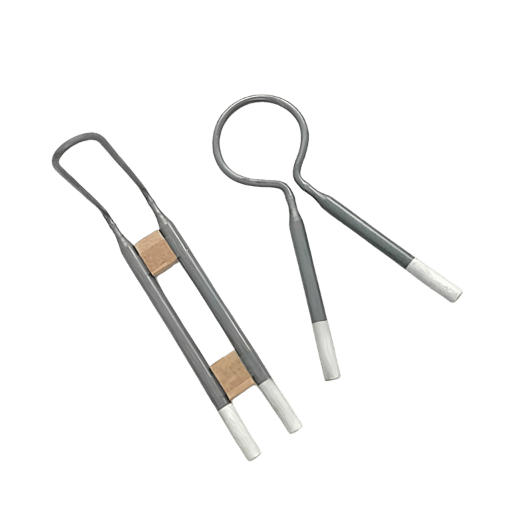
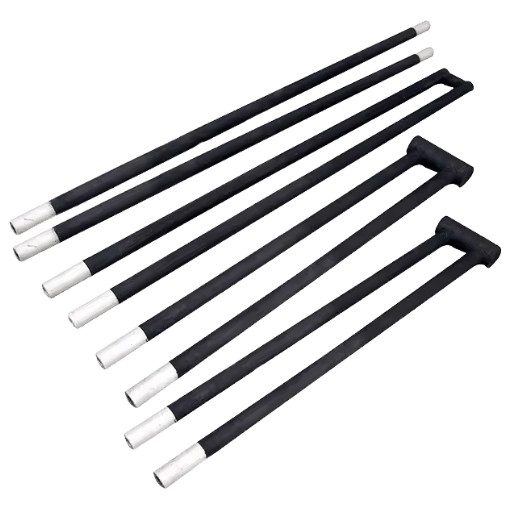
| نماذج | قضيب، أنبوب، حلزوني فردي/مزدوج، U، دمبل، ثلاثي الطور |
| الأقطار / الأطوال | 0.5 بوصة 3 بوصة (10.55 ملم) /1.10 قدم (إلى ~6 م) |
| سلوك المقاومة | يرتفع مع تقدم العمر (يقود الأسلاك المتوازية + استبدال المجموعة المتطابقة) |
| علامة نهاية الحياة | تصل المقاومة إلى ~3× القيمة الأصلية |
💡 الوجبات السريعة الرئيسية
- تتصاعد مقاومة عنصر SiC بشكل لا رجعة فيه مع تقدم العمر، وهو عكس الطريقة التي يتوقع بها معظم الناس أن يتصرف المدفأة.
- يعد تحميل الواط على السطح السفلي (W/cm²) أكبر رافعة منفردة في عمر الخدمة.
- عناصر الأسلاك بالتوازي واستبدالها كمجموعة متطابقة؛ لا تسقط أبدًا عنصرًا جديدًا في بنك قديم.
- تمتلك شركة SiC ما يقرب من 600 درجة مئوية 1600° مئوية؛ وفوق ذلك، يتولى مبيد ثنائي الموليبدينوم المسؤولية.
ما هو عنصر التسخين كربيد السيليكون؟
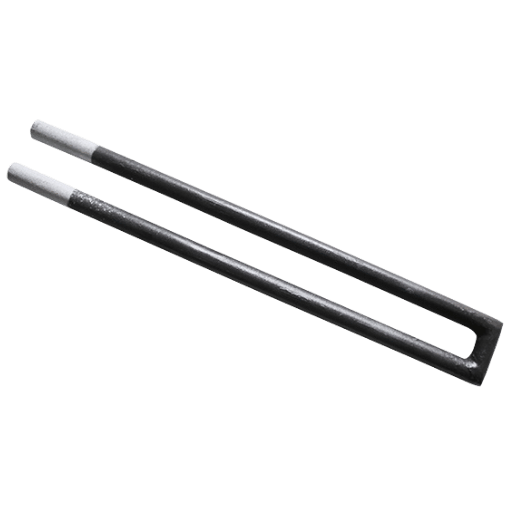
عنصر التسخين من كربيد السيليكون عبارة عن مقاومة سيراميكية غير معدنية ذات درجة حرارة عالية مصنوعة في الغالب من كربيد السيليكون المعاد بلورته (SiC)، ويتم تشكيلها ثم إعادة بلورتها إلى قضيب أو أنبوب كثيف. فهو يحول التيار الكهربائي إلى حرارة مشعة عند درجات حرارة العناصر تصل إلى حوالي 1625° مئوية، وهو ما يتجاوز بكثير ما تبقى من الأسلاك المعدنية، ولهذا السبب تقوم هذه العناصر بتشغيل الأفران والخزانات الزجاجية وأفران المعالجة الحرارية.
كربيد السيليكون نفسه، ويسمى أيضًا الكاربورندوم، هو مركب من السيليكون والكربون بصلابة أعلى من 9 على مقياس موس، وتقترب من صلابة الماس، لذلك يبقى حيث تذوب السخانات المعدنية أو تتدلى. تستخدم معظم العناصر SiC المعاد بلورته، في حين أن المناطق الساخنة الحلزونية غالبًا ما تكون مصنوعة من كربيد السيليكون المرتبط بالتفاعل للحصول على كثافة إضافية.
تهيمن عائلتان من البناء. يعطي SiC المعاد بلورته القضيب الكلاسيكي بمنطقة ساخنة مركزية ونهايتين أكثر برودة. يحتوي SiC المرتبط بالتفاعل، المستخدم في العناصر الحلزونية المشقوقة، على كثافة أعلى لمقطع عرضي أصغر. تظهر نفس عائلة SiC الصلبة والهشة عبر العمل الدقيق عالي التقنية، من جلخ كربيد السيليكون الحبوب للسبائك من شرائح منشار سلك الماس. وفقًا للمعهد الوطني الأمريكي للمعايير والتكنولوجيا، كان قضيب SiC (Globar) المعاد بلورته قويًا ومقاومًا للأكسدة بدرجة كافية ليكون بمثابة معيار انبعاث الأشعة تحت الحمراء الثانوية, ، تلميح مفيد حول مدى استقرار المادة عند الحرارة الحمراء. للحصول على الكيمياء والخلفية البلورية، انظر نظرة عامة على كربيد السيليكون من ويكيبيديا.
إحدى النتائج العملية لهذه الصلابة: عناصر SiC هشة وتتشقق بسهولة إذا تم طرقها أو تثبيتها بلا مبالاة، وهي سمة يتعلمها أي شخص قام بقطع سبائك SiC بسرعة. من الناحية العملية، يعد العنصر المتصدع مشكلة الضمان الأكثر شيوعًا في الفرن الجديد، ولهذا السبب تنتهي درجة حرارة دقيقة على البارد وتتحمل قطرًا ضيقًا يبلغ حوالي ±0.5 مم من المادة عند التثبيت. كمادة خزفية، يوفر SiC موصلية كهربائية عالية نسبيًا للسيراميك، بالإضافة إلى مقاومة قوية للأكسدة والتآكل، وتشوه منخفض، والمتانة التي تجعله واحدًا من أصعب أنواع السيراميك لعناصر التسخين في الخدمة. ساعدت العلامة التجارية الأكثر شهرة، خط Kanthal's Globar، في جعل SiC المعاد بلورته هو الإعداد الافتراضي للأفران الكهربائية ذات درجة الحرارة العالية.
كيف تولد عناصر تسخين كربيد السيليكون الحرارة

يتم تسخين عناصر SiC عن طريق تسخين الجول: يمر تيار عبر العنصر، ويلتقي بمقاومته الكهربائية، وتصبح تلك الطاقة حرارة، بعد W = I²R، حيث W هي الطاقة بالواط، I هي التيار، و R هي المقاومة. يتم تشكيل العنصر بحيث تعمل منطقته الساخنة المركزية بمقاومة عالية وتتوهج، بينما يحمل الطرفان الأكثر برودة مقاومة منخفضة ويظلان باردين حيث يعبران جدار الفرن.
يقوم المهندسون بألمنيوم تلك الأطراف الباردة، ويقوم أحد الأساليب الحاصلة على براءة اختراع بتوسيع المقطع العرضي للنهاية الباردة خصيصًا المقاومة النهائية واحتفظ بتلك الحرارة داخل الغرفة. احصل على نسبة المنطقة الساخنة إلى النهاية الباردة بشكل خاطئ وسخونة الأطراف الزائدة، وهو فشل يؤدي إلى تشقق العنصر حيث يترك الجدار. يقوم المهندسون بقياس النسبة لأن السبب الجذري لمعظم حالات الفشل المبكرة هو النهاية الباردة شديدة الحرارة، وليس المنطقة الساخنة؛ يعمل فرن الإنتاج على مدار 24 ساعة يوميًا عند درجة حرارة 1400° مئوية ويعاقب أي عدم تطابق.
كيف يولد عنصر التسخين من كربيد السيليكون الحرارة؟
يولد عنصر تسخين كربيد السيليكون الحرارة بشكل مقاوم: يتدفق التيار الكهربائي عبر المنطقة الساخنة SiC عالية المقاومة، وتبدد المادة تلك الطاقة الكهربائية على شكل حرارة مشعة. مقاومة المنطقة الساخنة كبيرة، حوالي 600 إلى 1400 أوم مم²/م بمجرد وصول سطحها إلى حوالي 1050° مئوية، لذلك حتى التيار المتواضع ينتج حرارة مشعة مكثفة وموحدة.
المقاومة ليست ثابتة: من درجة حرارة الغرفة حتى حوالي 800° مئوية تنخفض (معامل سلبي)، ثم فوق 800° مئوية ترتفع مرة أخرى مع درجة الحرارة (معامل موجب)، وتصل إلى الحد الأدنى في مكان ما بينهما. هذا المنحنى على شكل حرف U هو أول غرابة يجب ترويضها في نظام التحكم في الفرن.
عندما يتم تسخين كربيد السيليكون في الهواء فإنه يتأكسد ببطء أيضًا، وهو التفاعل الذي يصبح القصة المركزية لعنصر الحياة، الموضح أدناه. تمت دراسة نمو الأكسيد هنا على مستوى علوم السطح، على سبيل المثال في أعمال وزارة الطاقة الأمريكية على أكسدة كربيد السيليكون.
الأنواع والأشكال: عناصر القضيب، الحلزوني، الدمبل، وU
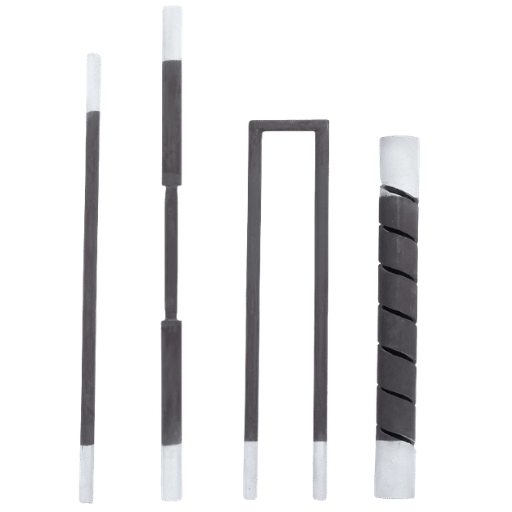
يتم اختيار شكل العنصر ليناسب هندسة الفرن، وتخطيط الأسلاك، ومقدار سطح المنطقة الساخنة الذي تحتاجه. ست عائلات تغطي كل فرن تقريبًا
| يكتب | استمارة | الأفضل ل |
|---|---|---|
| إد (قضيب) | قضيب مستقيم، منطقة ساخنة + 2 طرفي بارد | أفران الصناديق والأنابيب العامة |
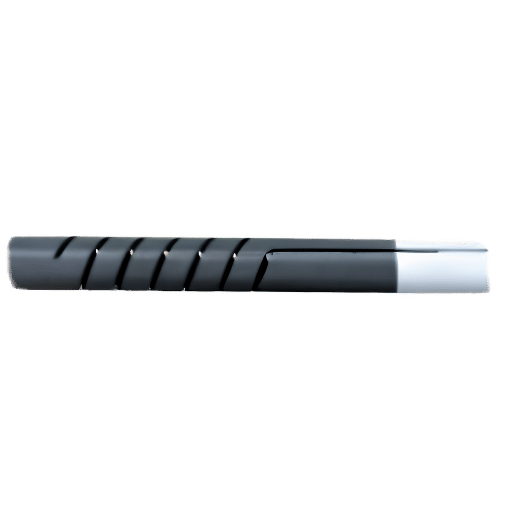
| SC (دوامة واحدة) | منطقة ساخنة ذات فتحات حلزونية | مقاومة أعلى بطول أقصر |
| SG (دوامة واحدة، مرتبطة بالتفاعل) | المنطقة الساخنة الحلزونية عالية الكثافة | تقليل أو تآكل الأجواء |
| SCR (دوامة مزدوجة) | كلا المحطتين في نهاية واحدة | أسلاك أحادية الطرف، وغرف ضيقة |
| SGR (دوامة مزدوجة، مرتبطة بالتفاعل) | محطات طرفية أحادية الكثافة وعالية الكثافة | غرف مدمجة عالية التحمل |
| نوع U | ساقان متصلتان بدبوس الشعر | كلا الوصلتين على جانب واحد |
| ديسيبل (الدمبل) | نهايات باردة متضخمة | خسائر نهاية أقل، تسخين أقل لجدار الفرن |
| فتحة (أكس) | قسم التدفئة ذو الأخدود الحلزوني | واجب صارم وعرضة للتآكل |
| إل دي | قضيب طويل ذو نهاية باردة | جدران الفرن السميكة، والمحطات العميقة |
| ث (ثلاث مراحل) | متعدد الأرجل | بنوك الفرن ثلاثية الطور |
يعد اختيار الشكل الخاطئ خطأً مكلفًا: فالقضيب الطويل جدًا يترك جزءًا من منطقته الساخنة داخل جدار الفرن، حيث يسخن ويتشقق. من الناحية العملية، تفضل متاجر المعالجة الحرارية في مجال الطيران والسيارات نهايات الدمبل بمقاطع باردة مكبرة مقاس 30 مم لتقليل خسائر الجدار. تتراوح الأحجام الشائعة من 0.5 إلى 3 بوصات (10 إلى 55 مم) في القطر وطولها من 1 إلى 10 أقدام، مع مناطق ساخنة تصل إلى 4.2 متر تقريبًا. سيقوم الموردون بتخصيص التكوين والقطر والطول، بما في ذلك دبابيس الشعر ذات الفتحة الحلزونية من النوع U، لتتناسب مع الفرن الخاص بك. لاحظ أن الفتحة الحلزونية في عنصر حلزوني واحد ليست زخرفية: فهي تقلل من مساحة المقطع العرضي للمنطقة الساخنة، مما يرفع مقاومتها ويحافظ على برودة الأطراف بالنسبة للمركز، وهو نهج تم إضفاء الطابع الرسمي عليه في وقت مبكر براءات اختراع عنصر كربيد السيليكون.
نطاق درجة الحرارة والمواصفات الرئيسية
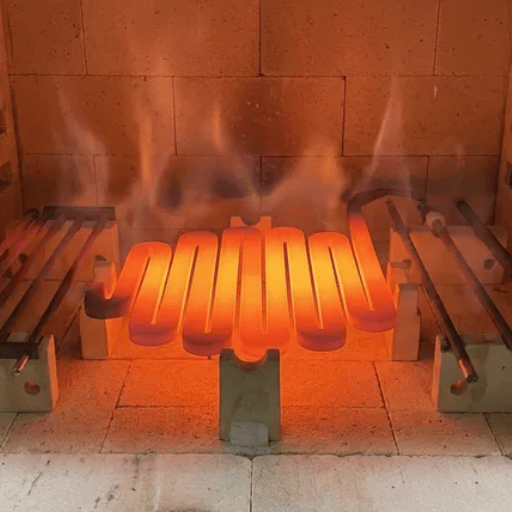
هل كربيد السيليكون مقاوم للحرارة؟ جداً. تعمل عناصر تسخين SiC عند درجات حرارة سطح العنصر تصل إلى حوالي 1625° مئوية (2957°F)، حيث تعمل معظم الأفران بدرجة حرارة متواصلة تتراوح من 600 إلى 1600° مئوية. لكن الرقم الرئيسي هو السقف، وليس سرعة الانطلاق: قم بتشغيل عنصر بشكل مستمر بالقرب من 1600° مئوية وسوف تستبدل عمر الخدمة بسرعة، لذلك يتعامل العديد من المصممين مع 1550° مئوية تقريبًا، وليس درجة حرارة التشغيل القصوى الرئيسية، باعتبارها السقف العملي طويل العمر لعنصر عالي الجودة. تحافظ SiC على قوة مفيدة ومقاومة للأكسدة عند الحرارة الحمراء، ولهذا السبب دراسات SiC لخدمة درجات الحرارة العالية في جامعة بوردو، سلط الضوء على احتفاظه بالقوة والتوصيل الحراري العالي.
| ملكية | قيمة نموذجية |
|---|---|
| أقصى درجة حرارة للسطح | ~1625° مئوية (2957°F) |
| الجاذبية النوعية | 2.6 2.8 جم/سم مكعب |
| المسامية | <30% |
| قوة الانحناء | >300 كجم؛ تمزق ~ 50 ميجا باسكال عند 25° مئوية |
| الموصلية الحرارية (1000° مئوية) | 14.19 واط/م ·° مئوية |
| الإشعاع (الانبعاثية) | 0.85 |
القيم المجمعة من بيانات عنصر SiC المنشورة؛ قم بالتأكيد مقابل ورقة بيانات المورد الخاص بك للحصول على درجة معينة.
ملاحظة هندسية
افصل بين رقمين يتم الخلط بينهما: درجة حرارة سطح العنصر ودرجة حرارة الفرن (الغرفة). يعمل العنصر دائمًا بشكل أكثر سخونة من الحجرة لأن الحرارة تتدفق من العنصر إلى الحمل. يمكن للغرفة التي تبلغ درجة حرارتها 1600° مئوية أن تدفع درجة حرارة سطح العنصر أعلى بكثير من ذلك، ولهذا السبب فإن جداول التحميل السطحي أقل من كثافة واط الغطاء مع ارتفاع درجة حرارة الغرفة.
حيث يتم استخدام عناصر التسخين كربيد السيليكون
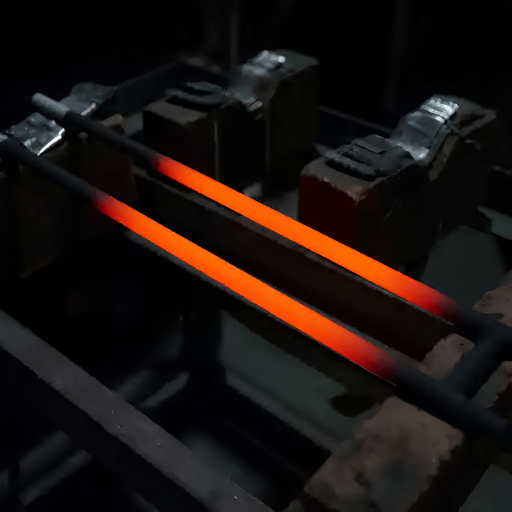
تُستخدم عناصر SiC حيثما تحتاج العملية إلى حرارة نظيفة وكهربائية وعالية الحرارة في الهواء أو في جو متحكم فيه: حرق السيراميك، وصهر الزجاج وتشكيله، والمعالجة الحرارية للمعادن، وعلم المعادن والفحص، وعلم معادن المساحيق، وتلبيد المواد المغناطيسية، وحرق النفايات، والمعالجة الحرارية لمكونات السيارات. كما أنها تثبت أفران المختبرات والأفران التجريبية.
هناك خطر يمر عبر كل تطبيق: قم بتشغيل العنصر ساخنًا جدًا بحيث لا يمكنك توفير عدد العناصر وقمت باستبدال أشهر من عمر الخدمة ببضعة واط. على سبيل المثال، سيؤدي فرن السيراميك الطبي الذي يحمل درجة حرارة 1500° مئوية إلى تشقق العناصر بسرعة إذا لم يتم تخفيض التحميل السطحي. وتشير وزارة الطاقة الأمريكية إلى ذلك حرارة العملية الصناعية هي أكبر شريحة من استخدام الطاقة الصناعية، وبالتالي فإن العناصر الموجودة خلف تلك الأفران مهمة على نطاق المصنع.
تعد أشباه الموصلات موطنًا سريع النمو لعناصر SiC، لأن نفس خطوات الانتشار والأكسدة والتلبيد ذات درجات الحرارة العالية التي تجعل رقائق الطاقة تعمل في النطاق 1200 إلى 1600° مئوية الذي تمتلكه SiC بالضبط. وهذا يربط العنصر مباشرة بالدفع الأوسع لتقطيع المواد الخام الأكثر صلابة: صانعو قطع رقاقة SiC المعدات و قطع المواد الصلبة والهشة الخطوط تغذي نفس سلسلة التوريد. قطع عمل هشة غير معدنية من المتقدمة منشار سلك الماس الخزفي العمل على الفراغات الضوئية يعتمد على نفس الأفران التي تسخنها هذه العناصر.
SiC vs MoSi2 vs Metallic Elements: نافذة التقاطع 1625°C
ما هي عيوب كربيد السيليكون؟ في الغالب اثنان: أعمار مقاومته، وسقفه، على الرغم من ارتفاعه، ليس هو الأعلى المتاح. وهنا يأتي الاختيار بين عائلات العناصر. نحن نسمي القرار نافذة كروس 1625°C: اختر العنصر الذي تضع نقطته الجميلة بين درجة حرارة التشغيل الحقيقية والجو، وليس العنصر الذي يحتوي على أكبر رقم رئيسي.
| عنصر | ماكس العملي | المقاومة مع التقدم في السن | اختره عندما |
|---|---|---|---|
| سلك FeCrAl/NiCr | ~1200 درجة حرارة1400° مئوية | يرتفع ببطء (NiCr) /مستقر | درجة حرارة منخفضة، وأقل تكلفة |
| كربيد السيليكون (SiC) | ~160051625°C | يرتفع ~3× على مدى الحياة | 600 بوصة 1600° مئوية، ركوب الدراجات، حساسة للتكلفة |
| مبيد الموليبدينوم (MoSi2) | ~1800 درجة مئوية1900° مئوية | يبقى مستقرا | فوق ~1600° مئوية، مؤكسد |
نطاقات درجة الحرارة نموذجية؛ التحقق من أوراق بيانات الصف.
وهنا الجزء غير البديهي. مبيد الموليبدينوم يصبح أكثر سخونة من SiC، والأهم من ذلك، أن مقاومته بالكاد تتغير على مدار عمره، لذلك لا يجبر مطاردة الجهد الكهربي التي يتطلبها شيخوخة SiC. فلماذا لا تستخدم MoSi2 دائمًا؟ لأن لديه فخًا خاصًا به: يعاني MoSi2 من أكسدة الآفات المتسارعة في نطاق 400 إلى 600° مئوية والتي يمكن أن تؤدي إلى تفتيت المادة، ويكون أكثر هشاشة عندما يكون ساخنًا. على عكس عناصر التنغستن، التي تتطلب فراغًا أو غازًا خاملًا، يعمل SiC في الهواء العادي؛ كما أنه أرخص من MoSi2، ويتحمل الصدمات الحرارية بشكل أفضل (يمكن أن يرتفع بمقدار 12 إلى 18° مئوية تقريبًا في الدقيقة)، وهو سعيد بالتشغيل والإيقاف. الملخص الصادق: SiC ليس أفضل عنصر في درجة الحرارة العالية، إنه الأفضل في نافذته.
مزايا SiC
- تكلفة أقل من MoSi2
- تحمل قوي للصدمات الحرارية
- جيد لركوب الدراجات على/إيقافها
- توافق الجو على نطاق واسع
قيود SiC
- المقاومة ترتفع مع التقدم في السن (مطاردة الجهد)
- السقف أسفل MoSi2
- شقوق صلبة وهشة إذا أسيء التعامل معها
- حساسة للرطوبة في التخزين
عنصر الحياة: ساعة تسلق المقاومة وميزانية عمر التحميل السطحي
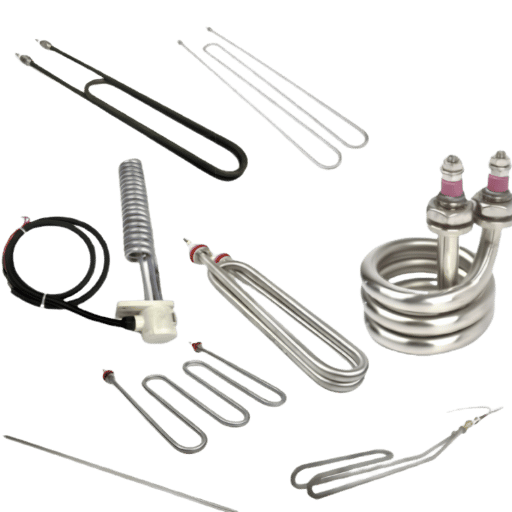
لماذا تزداد مقاومة عنصر تسخين كربيد السيليكون بمرور الوقت؟ لأنه يتأكسد ببطء. في الهواء، يبدأ سطح SiC في الأكسدة عند درجة حرارة 800° مئوية تقريبًا، مكونًا طبقة سيليكا واقية (SiO2) بين 1000 و1300° مئوية تقريبًا. يساعد هذا الفيلم في الواقع: فهو يخفف السطح ويبطئ المزيد من الأكسدة، ويستقر بالقرب من 1500° مئوية. ومفاضلته هي أن الأكسيد يستمر في السماكة على مدى آلاف الساعات، وهذا النمو يرفع المقاومة الكهربائية للعنصر بشكل مطرد. نحن نسمي هذا الانجراف المتوقع ساعة المقاومة-الصعود: لا يفشل عنصر SiC فجأة، فهو يتقدم في السن وفقًا لجدول زمني يمكنك قراءته من مقاومته المتزايدة.
يتبع تخميل السيليكا هذا الأكسدة المكافئة الكلاسيكية ذاتية التحديد الموصوفة في مراجعة تمت مراجعتها من قبل النظراء سلوك أكسدة كربيد السيليكون, ، ويتم تفصيل فيزياء الأكسدة الحرارية الأساسية في العمل عليها الأكسدة الحرارية لـ SiC في تو فيينا. قاعدة عملية في هذا المجال، أطلق عليها اسم 3x قاعدة المقاومة, ، هو أن العنصر يتم الانتهاء منه عندما تصل مقاومته إلى حوالي ثلاثة أضعاف قيمته الأصلية. هناك أيضًا جرف: ادفع السطح فوق 1627° مئوية تقريبًا ويتحلل الغشاء الواقي، وتتسارع الأكسدة، ويفشل العنصر مبكرًا، وهذا هو بالضبط سبب الخطأ في التشغيل عند السقف المقدر. يطبق التحكم الدقيق في عملية التصنيع طبقة واقية، وتقاوم درجات الكثافة العالية (HD) الأجواء المسببة للتآكل بشكل أفضل، وكلاهما يقلل وقت التوقف عن العمل عن طريق تمديد الفاصل الزمني بين تغيرات العناصر. نظرًا لأن السبب الجذري هو الأكسدة، فإن الإصلاح الهيكلي يكون أقل تحميلًا وطلاءًا واقيًا، وليس عنصرًا أكثر سخونة؛ تحافظ الدرجات المعتمدة عالية الكثافة على تحمل المقاومة لفترة أطول. نظرًا لأنه يمكن عادةً تبديل العناصر القديمة عندما يكون الفرن ساخنًا، فإن الاستبدال المخطط له يتجنب الاعتماد على مصادر الحرارة الاحتياطية.
“نحن نراقب التيار. طالما أن سحب التيار يظل ثابتًا بعد وصول الفرن إلى درجة الحرارة، فإن العناصر لا تتقدم في السن بسرعة. إن الصعود البطيء في الجهد الذي نحتاجه للوصول إلى نقطة الضبط هو مقياس الوقود الحقيقي.”
أكبر رافعة لديك هي تحميل السطح بالواط، حيث تتبدد الطاقة لكل وحدة من السطح المشع (W/cm²). فكر في الأمر على أنه ميزانية الحياة للتحميل السطحي: تحدد كل درجة حرارة للفرن سقفًا لكثافة الواط، والإنفاق تحت هذا السقف يشتري وقت التشغيل. وكما قال أحد صانعي الأفران، فإن عناصر SiC تدوم لفترة أطول إذا أبقيت تحميل سطحها منخفضًا.“
| درجة حرارة الفرن (°C) | الحد الأقصى للحمل السطحي (W/cm²) |
|---|---|
| 1100 | <17 |
| 1200 | <13 |
| 1300 | <9 |
| 1350 | <7 |
| 1400 | <5 |
| 1450 | <4 |
💡 مثال عملي: إنفاق ميزانية الحياة
خذ فرنًا بقوة 1400° مئوية، حيث يبلغ السقف حوالي 5 وات/سم². قضيب قطره 25 مم (1 بوصة) مع منطقة ساخنة 500 مم (20 بوصة) له سطح مشع يبلغ حوالي 393 × 2.5 سم × 50 سم © 393 سم². عند السقف 5 وات/سم²، يمكن لهذا العنصر أن يحمل ما يصل إلى 393 × 5 ~ 1،965 وات. التصميم بدلاً من ذلك عند نصف السقف، حوالي 2.5 وات/سم² (UC 980 وات لكل عنصر)، ويمكنك إضافة عناصر بدلاً من دفع كل عنصر بقوة أكبر، مما يمتد وقت التشغيل قبل استبدال قوى ساعة Resistance-Climb Clock. قم بتوصيل القطر الخاص بك وطول المنطقة الساخنة ودرجة حرارة الفرن ونفس الأحجام الحسابية لبنكك.
أفضل ممارسات الأسلاك والتركيب
نظرًا لأن المقاومة تنجرف لأعلى مع تقدم عمر العناصر، فإن الأسلاك ليست حاشية سفلية، بل هي نتيجة مباشرة لساعة المقاومة والتسلق. لن تتقاسم العناصر المتصلة على التوالي أو بالتوازي الطاقة بالتساوي ما لم تتطابق مقاوماتها، لذلك يتم التغلب على العنصر غير المتطابق ويحترق مبكرًا. تتبع قاعدتان مباشرة.
- ✔تفضل الاتصالات المتوازية. إذا كان يجب عليك استخدام المتسلسلة، فلا تحتفظ بأكثر من ثلاثة فروع متسلسلة.
- ✔تطابق مقاومة العناصر ضمن ±5 إلى ±10% تقريبًا عبر البنك، واستبدل البنك كمجموعة متطابقة.
- ✔استخدم محولًا متعدد النقرات أو وحدة تحكم SCR (مقوم يتم التحكم فيه بالسيليكون)، وارفع الجهد ببطء عند بدء التشغيل لتجنب زيادة التيار التي تؤدي إلى تشقق العناصر الباردة.
- ✔قم بتثبيت الأطراف الباردة المصنوعة من الألومنيوم بقوة باستخدام المشابك M أو C أو G وجديلة الألومنيوم؛ مفصل فضفاض يتقوس ويدمر النهاية. الطرف البارد الموسع منخفض المقاومة الذي يجعل هذا الاتصال موثوقًا به هو في حد ذاته تصميم العناصر الحاصلة على براءة اختراع.
- ✔قم بحفر ممر الجدار بحوالي 1.5× قطر الطرف البارد، وقم بتعبئته بخفة بألياف السيراميك، وحافظ على جفاف العناصر المخزنة.
⚠️ الخطأ الأغلى
إسقاط عنصر واحد جديد منخفض المقاومة في مجموعة من العناصر القديمة عالية المقاومة. يسحب هذا العنصر الجديد حصة غير متناسبة من الطاقة، ويسخن، ويفشل في غضون أسابيع. عندما يموت عنصر واحد في بنك قديم، إما أن يطابق البديل مع المقاومة الحالية (القديمة) لجيرانه، أو يستبدل المجموعة بأكملها. للحصول على الحماية القصوى، أعط كل عنصر وحدة التحكم الخاصة به.
على خط إنتاج يعمل لمدة 24 ساعة، يمكن أن يفشل عنصر واحد غير متطابق خلال أسابيع؛ مطابقة المقاومة ضمن 10% ومشابك عزم الدوران للمواصفات هي الفرق بين سنة الخدمة وشهر. يتقاطع تركيب العناصر وسلوك المقاومة أيضًا مع معايير السلامة لمنشآت التسخين الكهربائي مثل المواصفة IEC 60519، التي تحكم نظام الفرن الأوسع الذي توجد العناصر بداخله.
كيفية اختيار وحجم عناصر كربيد السيليكون
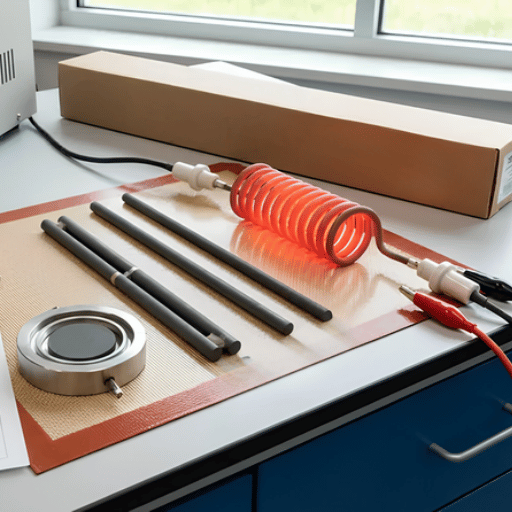
تحويل كل ما سبق إلى أمر شراء ينزل إلى قائمة مرجعية قصيرة وقابلة للتكرار. اعمل من خلال هذه الخطوات الست بالترتيب، والتي تغطي درجة حرارة التشغيل، وغطاء الحمل السطحي، وطول المنطقة الساخنة، والجو، ومساحة الجهد، وشكل العنصر، وستقوم بتسليم المورد مواصفات كاملة يمكنه الاقتباس مقابلها دون تخمين أو ذهابًا وإيابًا مكلفًا.
قائمة التحقق من حجم العناصر المكونة من 6 خطوات
- درجة حرارة التشغيل: اضبط كلاً من درجة حرارة الفرن ودرجة حرارة سطح العنصر؛ ابق تقريبًا عند 75° مئوية تحت السقف المقدر، لأن SiC يحتفظ به القوة عند درجة حرارة مرتفعة فقط تحت هذا الخط.
- غطاء التحميل السطحي: اقرأ سقف W/cm² لدرجة الحرارة هذه، ثم صمم نصفه.
- طول المنطقة الساخنة: قم بمطابقة القسم الساخن بالغرفة بحيث تبقى الأطراف الباردة في الحائط، وليس المنطقة الساخنة.
- الجو: اختر طلاء (A، B، أو مقاوم للقلويات) للبيئات المختزلة أو المحملة بالنيتروجين أو القلويات.
- ارتفاع الجهد: قم بقياس المحول أو SCR حتى تتمكن من رفع الجهد مع تقدم عمر العناصر وارتفاع المقاومة.
- الشكل والأسلاك: اختر قضيبًا أو حلزونيًا أو على شكل حرف U أو دمبل ليناسب الحجرة والتخطيط المتوازي الخاص بك، واطلب المقاومات المتطابقة.
تعتمد الأبعاد الدقيقة على الفرن الخاص بك، لذا اطلب مجموعة مطابقة للمقاومة مصممة وفقًا لأطوال المنطقة الساخنة والنهاية الباردة بدلاً من طلب مخزون عام.
الغلاف الجوي هو الخطوة التي يخطئ فيها المهندسون في أغلب الأحيان، لأن نفس العنصر يتحمل درجات حرارة مختلفة جدًا وأحمال واط اعتمادًا على الغاز المحيط به. استخدم هذا المرجع لضبط الغطاء قبل تحديد حجم الطاقة
| الجو | درجة حرارة الفرن القصوى (°C) | الحمل السطحي (W/cm²) |
|---|---|---|
| الهواء (أكسدة نظيفة) | 1600 | لكل جدول درجة الحرارة |
| شركة 18% | 1500 | 4.0 |
| ثاني أكسيد الكربون | 1450 | 3.1 |
| النيتروجين | 1370 | 3.1 |
| الميثان | 1370 | 3.1 |
| هيدروجين | 1290 | 3.1 |
| الأمونيا | 1290 | 3.1 |
| فراغ | 1204 | 3.8 |
| بخار الماء | 1090-1370 | 3.1-3.6 |
| الهالوجين | 704 | 3.8 |
تهاجم الأجواء المختزلة والحاملة للكربون طبقة السيليكا الواقية، ولهذا السبب تحدد درجة الحرارة والتحميل؛ يمكن لأنبوب الكوارتز أو الطبقة الواقية استعادة بعض الإرتفاع. في النيتروجين، احتفظ بالحمل السطحي بالقرب من 3.1 واط/سم²؛ في 18% CO يمكنك الدفع إلى حوالي 4 واط/سم²، ولكن في جو الهالوجين أبقِ الفرن أقل من 704° مئوية واحمي العنصر.
توقعات الصناعة: حيث يتجه الطلب على عنصر التدفئة SiC
المحرك الحامل لعناصر تسخين SiC ليس مخططًا للسوق، بل هو بناء. تتضاعف مصانع أشباه الموصلات الكهربائية للسيارات الكهربائية وإلكترونيات الشبكة، وتتحول الخطوات إلى خام مادة رقاقة السيليكون وsiC يلعب في العمل كربيد السيليكون MOSFET تعمل الأجهزة على نشر درجة حرارة عالية، والأكسدة، والتلبيد في النطاق 1200 إلى 1600° مئوية الذي تمتلكه هذه العناصر بالضبط. كل خط تصنيع جديد عبارة عن سحب مشتق لعناصر فرن SiC.
السياسة هي المحرك الثاني. وزارة الطاقة الأمريكية طلقة الحرارة الصناعية يستهدف الحرارة الصناعية التنافسية من حيث التكلفة مع ما لا يقل عن 85% من الانبعاثات المنخفضة بحلول عام 2035، مما يفضل التسخين بالمقاومة المكهربة التي تعمل بالكهرباء النظيفة على الأفران التي تعمل بالوقود. هذا التحول الهيكلي نحو حرارة العملية الكهربائية هو الرياح الخلفية لكل عنصر نظيف عالي الحرارة. يتوقع باحثو السوق أن ينمو سوق عناصر التسخين الكهربائي SiC بأرقام فردية عالية سنويًا خلال منتصف الثلاثينيات، لكنهم يتعاملون مع هذه الأرقام كخلفية اتجاهية؛ الإشارة الحقيقية للمشتري الذي يخطط لمشروع فرن عام 2026 هي أنه تتم إضافة سعة كهربائية عالية الحرارة، وليس تقاعدها. بالنسبة للمشترين الذين يخططون لخط 2026، تحدد المصيدة العناصر عند درجة حرارة اليوم، ثم تكتشف أن العملية تسللت إلى 1500° مئوية؛ يعد تحديث العناصر الأكثر سخونة في منتصف الإنتاج أمرًا مكلفًا، وتواجه مصانع أجهزة الطاقة التي تعمل بأفران نشر 1300° مئوية هذا بالضبط. إذا كنت تحدد خطًا جديدًا، فقم بتصميم بنك العناصر للطرف العلوي من نطاق درجة الحرارة لديك الآن، لأن تعديل العناصر الأكثر سخونة لاحقًا يعد أكثر تكلفة بكثير من شراء الإرتفاع اليوم.
الأسئلة المتداولة
س: ما هو عنصر تسخين كربيد السيليكون؟
عرض الإجابة
عنصر التسخين من كربيد السيليكون هو عنصر تسخين غير معدني عالي الحرارة مصنوع بشكل رئيسي من كربيد السيليكون المعاد بلورته. ينتج التيار الذي يمر عبر منطقته الساخنة عالية المقاومة حرارة مشعة عن طريق تسخين الجول، ويصل إلى درجات حرارة سطح العنصر تصل إلى حوالي 1625° مئوية. نظرًا لأنه سيراميك صلب ومقاوم للأكسدة وليس سلكًا معدنيًا، فإنه يعمل في أفران أكثر سخونة بكثير من عناصر النيكل والكروم أو الحديد والكروم والألمنيوم، ولهذا السبب فهو قياسي في الأفران والخزانات الزجاجية وأفران المعالجة الحرارية.
س: ما هي درجة الحرارة التي يمكن أن يصل إليها عنصر تسخين كربيد السيليكون؟
عرض الإجابة
تصل درجات حرارة سطح العنصر إلى حوالي 1625° مئوية (2957° فهرنهايت)، مع تشغيل معظم الأفران بشكل مستمر من 600 إلى 1600° مئوية. هذا السقف هو الحد الأقصى، وليس الهدف: يعمل التشغيل بالقرب من 1600° مئوية على تسريع عملية الأكسدة، لذلك يتعامل العديد من المهندسين مع حوالي 1550° مئوية كحد عملي للعمر الطويل.
س: لماذا تزداد مقاومة عنصر التسخين SiC بمرور الوقت؟
عرض الإجابة
في الهواء، يتأكسد سطح كربيد السيليكون ببطء وينمو طبقة السيليكا (SiO2). تحمي هذه الطبقة العنصر ولكنها تستمر في السماكة على مدى آلاف الساعات، مما يرفع المقاومة الكهربائية بشكل مطرد، وهي عملية تسمى الشيخوخة. يعتبر العنصر مهترئًا بشكل عام عندما تصل مقاومته إلى حوالي ثلاثة أضعاف القيمة الأصلية. يعتمد معدل الشيخوخة على التحميل السطحي ودرجة الحرارة والجو والدورة، لذا فإن العنصر المحمل بشكل خفيف في الهواء النظيف يتقدم في العمر بشكل أبطأ بكثير من العنصر الذي يتم دفعه بقوة.
س: ما هي عيوب عناصر تسخين كربيد السيليكون؟
عرض الإجابة
عناصر SiC تحمل بعض العيوب. وترتفع مقاومتها مع تقدم العمر، مما يؤدي إلى زيادة تدريجية في الجهد للحفاظ على درجة الحرارة؛ فهي صلبة وهشة، لذا فهي تتشقق إذا أسيء التعامل معها؛ ويقع سقفها أسفل مبيد ثنائي الموليبدينوم. كما أنها حساسة للرطوبة وتتحلل بسرعة إذا اقتربت من الحد المقدر.
س: هل يمكنك مزج عناصر التسخين القديمة والجديدة SiC؟
عرض الإجابة
لا. إن سقوط عنصر جديد منخفض المقاومة في بنك قديم يسحب الكثير من الطاقة، ويسخن، ويحترق في غضون أسابيع. عندما يفشل أحد العناصر، إما مطابقة الاستبدال للمقاومة القديمة لجيرانه، أو استبدال المجموعة بأكملها بحيث يتقاسم كل عنصر الطاقة بالتساوي.
س: SiC vs MoSi2: أيهما يدوم لفترة أطول؟
عرض الإجابة
يعتمد العنصر الذي يستمر لفترة أطول بشكل كامل على درجة حرارة التشغيل والواجب. فوق حوالي 1500° مئوية، عادةً ما يفوز MoSi2 لأن مقاومته تظل مستقرة ويتخطى مطاردة الجهد التي يفرضها شيخوخة SiC. ضمن نطاق SiC الخاص من 600 إلى 1600° مئوية، وخاصة في أفران ركوب الدراجات أو الصدمات الحرارية أو الأفران الحساسة للتكلفة، يعد SiC هو الخيار الأفضل قيمة؛ يعاني MoSi2 أيضًا من أكسدة الآفات عند درجة حرارة 400 إلى 600° مئوية، لذلك فهو ليس الخيار الأكثر متانة تلقائيًا.
قطع المواد الخام الصلبة والهشة SiC؟
تقوم شركة DONGHE ببناء مناشير سلكية ماسية لتقطيع كربيد السيليكون والياقوت والمواد الصلبة والهشة الأخرى مع فقدان منخفض للشق.
حول هذا الدليل
تقوم DONGHE بتصميم وبناء مناشير سلكية ماسية لتقطيع سبائك كربيد السيليكون والرقائق وغيرها من المواد الصلبة والهشة، لذلك نحن نعمل مع نفس درجات SiC المعاد بلورتها والمرتبطة بالتفاعل والتي تصنع منها عناصر التسخين. نحن لسنا مصنعين لعناصر التسخين؛ يجمع هذا الدليل بيانات المواد المنشورة ودراسات الأكسدة التي راجعها النظراء والممارسة الميدانية لمساعدة المهندسين على تحديد عناصر SiC. تمت مراجعته من قبل الفريق الفني للعلوم والتكنولوجيا في شنغهاي دونغهي.
المراجع والمصادر
- طيف انبعاث الأشعة تحت الحمراء لعناصر تسخين كربيد السيليكونالمعهد الوطني الأمريكي للمعايير والتكنولوجيا (NIST)
- سلوك مواد كربيد السيليكون تحت الظروف الجافة إلى الحرارية المائية (مراجعة الأكسدة)المكتبة الوطنية للطب (PMC)
- أكسدة كربيد السيليكون مع الأكسجين الذريوزارة الطاقة الأمريكية (OSTI)
- طرق تصنيع كربيد السيليكون لتطبيقات درجات الحرارة العاليةجامعة بوردو
- أساسيات حرارة العمليةوزارة الطاقة الأمريكية
- اللقطة الحرارية الصناعية: خفض انبعاثات التدفئة الصناعية 85% بحلول عام 2035وزارة الطاقة الأمريكية
- الأكسدة الحرارية وتنشيط المنشطات لكربيد السيليكونمعهد TU فيينا للإلكترونيات الدقيقة
- كربيد السيليكونويكيبيديا
- مبيد الموليبدينومويكيبيديا
- عناصر التسخين المقاومة الكهربائية (تصميم بارد)، براءة الاختراع CN102067720Bبراءات اختراع جوجل
![مادة البولي سيليكون: الخصائص والدرجات والاستخدامات [دليل]](https://wiresawcutter.com/wp-content/uploads/2026/08/polysilicon-material-featured-768x512.webp "مادة البولي سيليكون: الخصائص والدرجات والاستخدامات في صناعات الطاقة الشمسية وأشباه الموصلات 13")

![مادة البولي سيليكون: الخصائص والدرجات والاستخدامات [دليل]](https://wiresawcutter.com/wp-content/uploads/2026/08/polysilicon-material-featured-150x150.webp)