Свяжитесь с компанией DONGHE


Карбид кремния - синтезированное соединение кремния и углерода, записанное химически как SiC, настолько прочное, что превосходит почти все искусственные материалы, а также функционирует как широкозонный полупроводник. представлен в 1890-х годах как полирующий абразив, сегодня SiC появляется режущие инверторы для электромобилей, внутри керамики реактивных двигателей и на базовых станциях 5G. В этом руководстве рассматривается, что именно представляет собой SiC, его ценные свойства, как он производится от порошка до готовой пластины, его применение и ожидания рынка на 2026 год.
Краткий обзор: Карбид кремния (SiC)
| Химическая формула | SiC (1:1 кремний-углерод) |
| Другие имена | Карборунд; муассанит (природная форма) |
| Твердость Мооса | 9.2 — 9,5 (алмаз = 10) |
| Плотность | ~3,21 г/см³ |
| Теплопроводность | ~370·490 Вт/м кремния (370×кремний) |
| Разрыв полосы (4H-SiC) | ~3,26 эВ (кремний = 1,12 эВ) |
| Поле разбивки | ~3 МВ/см (~10× кремний) |
| Кристаллические формы | 250+ политипов; 3C, 4H, 6H наиболее распространен |
Что такое карбид кремния?
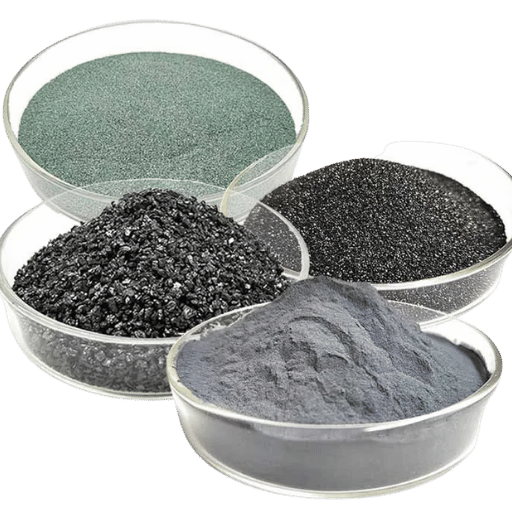
SiC - это керамика, состоящая из одного атома кремния, плотно связанного с одним атомом углерода в фиксированной тетраэдрической кристаллической структуре. Эта жестко связанная атомная связь (связь Si-C) объясняет причину, по которой материал SiC может быть изготовлен в качестве абразива, а также служить высоковольтным полупроводником.
Этот материал гораздо более легко доступен в лабораториях, чем в земле Природный карбид кремния, минерал муассанит, был впервые замечен в метеорите в 1893 году Анри Муассаном и довольно редок на нашей планете. большая часть SiC, используемого в коммерческих целях сегодня, является синтетическим и первоначально был массово произведен в качестве полировального продукта в 1893 году с использованием торгового названия carborundum. как подробно описано в Справочное резюме Википедии по карбиду кремния, этот продукт производится промышленным способом уже более 100 лет, задолго до того, как мы поняли его потенциал в электронике.
💡 Ключевой вынос
Рассматривайте SiC как два отдельных продукта: объемный карборунд коммерческого качества, производимый тонной для абразивного и структурного использования, и гораздо более дорогой монокристаллический электронный сорт, выращиваемый для высокопроизводительных устройств. Эти двое имеют общую молекулярную формулу, но мало что еще в цене или процессе.
Ключевые свойства карбида кремния
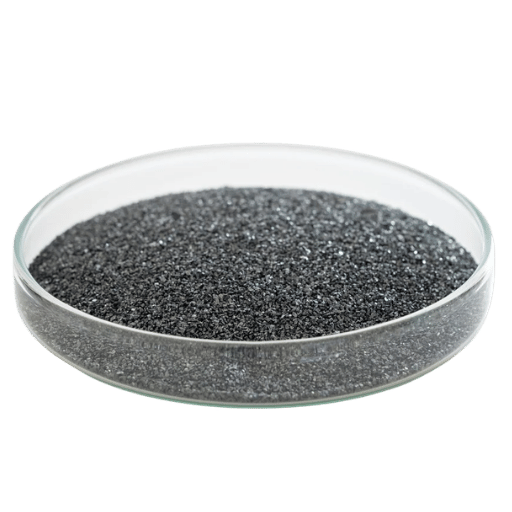
Карбид кремния является предпочтительным материалом из-за его редкого сочетания механической долговечности, термических свойств и электрического сопротивления. Его жесткая молекулярная конструкция учитывает каждое свойство, что дает особые преимущества дизайнерам, которые строят из карбида кремния.
| Собственность | Значение (4H-SiC) | Почему это важно |
|---|---|---|
| Твердость Мооса | 9.2–9.5 | Выдающаяся износостойкость; для резки требуется алмазная оснастка |
| Теплопроводность | ~370 (см. 490 Вт/м)·К | Сарайки нагреваются 3 × быстрее кремния; меньшие радиаторы нагреваются 3 × быстрее кремния; меньшие радиаторы нагреваются 3 |
| Разрыв | ~3,26 эВ | Обрабатывает более высокие напряжения и температуры, чем кремний |
| Поле разбивки | ~3 МВ/см | Более тонкие устройства блокируют одно и то же напряжение, сокращая потери |
| Максимальная рабочая температура | ~250 — — 600 °C | Работает там, где кремний (≈150°С) выходит из строя |
| Химическая стабильность | Высокий | Устойчив к кислотам и окислению; выживает в суровых условиях |
Приведенные выше значения имеют перекрестные ссылки из нескольких независимых исследовательских источников. The Архив НСМ Института Иоффе сообщает о теплопроводности 4H-SiC около 3,7 Вт/см·К (370 Вт/м·К), в то время как рецензируемый arXiv измерение анизотропной теплопроводности рекордные значения в плоскости около 393 Вт/м·К. Производители силовых устройств больше всего ценят эту способность к теплосбросу.
Тверже ли карбид кремния, чем алмаз?
Нет, и это один из самых повторяемых мифов о материале, особенно в ювелирном маркетинге муассанита. по шкале твердости Мооса он оценивает 9,2-9,5, тогда как алмаз - идеальный 10. SiC все еще нуждается в алмазных инструментах, чтобы его разрезать, но он не так тверд, как алмаз. Эта путаница имеет смысл: среди немногих сыпучих материалов, которые можно купить за килограмм, карборунд примерно так же близок к алмазу, как и все остальное.
📐 Инженерная записка
Поскольку SiC находится на уровне Mohs 9,2-9,5, почти так же тверд, как алмаз, обычная вольфрамово-карбидная или стальная оснастка не может его экономично разрезать. требует нарезки слитков SiC алмазно-покрытая проволока с размерами зерен 10-30 мкм, работающими со скоростью 10-25 м/с. Стоимость оснастки плана соответственно: алмазная проволока - это расходный материал, а не разовая покупка.
Политипы карбида кремния: 3C, 4H и 6H
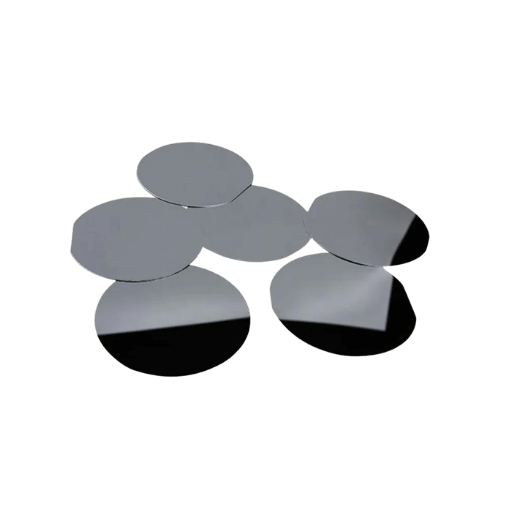
Карбид кремния причудлив, поскольку одна и та же формула SiC фактически кристаллизуется в более чем 250 видов укладки, известных как политипы. Все они имеют один и тот же химический состав, но уложены по-разному, что радикально меняет его электронное поведение.
Коммерческий интерес ограничен всего тремя из политипов. 3C-SiC (кубическая или β форма) имеет наименьшую запрещенную зону, приблизительно 2,2 эВ. Шестиугольные формы 6H-SiC и 4H-SiC имеют более широкие запрещенные зоны, примерно 3,0 эВ и 3,2-3,26 эВ соответственно, на основе данных о собственности, собранных Ссылка на карбид кремния AZoNano.
Так почему же 4H-SiC король мира мощность-полупроводник, Он предлагает самый широкий диапазон из трех плюс выше, более равномерно распределенная подвижность электронов, что уменьшает потери переключения в транзисторе Когда вы видите “SiC MOSFET” используется для описания компонента в зарядном устройстве EV, шансы, что он построен на подложке 4H-SiC. Те более тонкие кристаллографические точки покрыты в a ScienceDirect обзор принципов роста кристаллов SiC.
Как изготавливается карбид кремния: от порошка до пластины
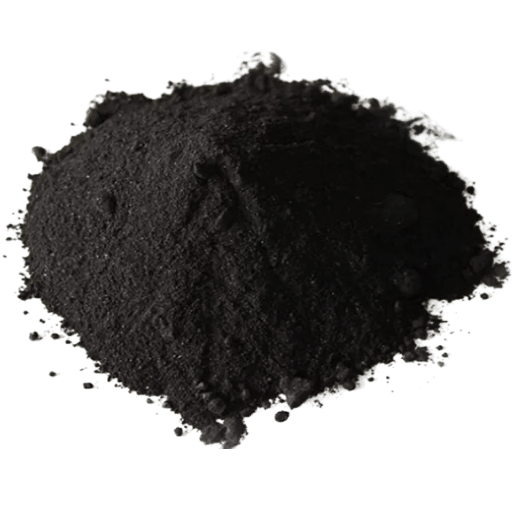
На самом деле существует два совершенно отдельных процесса создания вашего необработанного SiC - это зависит от того, пытаетесь ли вы сделать либо порошок класса “abrasive”, либо кристалл класса “electronic”. Этот сплит объясняет, почему один тип SiC продается по центам за штуку, а другой - по сотням.
Абразивная и керамическая марка: процесс Ачесона
Задуманная Эдвардом Гудричем Ачесоном и запатентованная в 1896 году, рабочая лошадка сыпучего SiC по сей день остается оригинальным процессом Ачесона. кремнеземный песок (SiO2) смешивается с источником углерода, обычно нефтяным коксом, в электрической печи сопротивления при температуре около 2500°C. Затем они объединяются, чтобы получить сырой карбид кремния, который измельчается и калибруется в песок, это SiC, обнаруженный в наждачной бумаге, шлифовальных кругах и огнеупорном кирпиче. Одна оговорка, которую стоит упомянуть заранее: США. Краткое описание проекта Национального научного фонда отмечает, что традиционный метод Ачесона выделяет токсичные газы (SOx, NOx, CO) и частицы тяжелых металлов, поэтому изучаются более чистые методы.
Электронный сорт: рост кристаллов и нарезка пластин
Полупроводниковый SiC нельзя производить просто путем измельчения печного продукта, для этого требуется один, в значительной степени бездефектный кристалл Производители выращивают цилиндрические були путем физического транспорта пара (PVT, также называемый сублимацией), медленного процесса, который занимает две-три недели на слиток. Затем этот буль нарезается тонкими пластинами, измельчается, притирается и полируется перед добавлением слоев устройства путем эпитаксии.
Нарезка пластины - скрытое узкое место. жесткий и хрупкий SiC приводит к падению скорости нарезки до примерно 3-10 мм/с против 100-200 мм/с для товарного кремния. Кроме того, каждый разрез алмазной проволоки удаляет материал в виде прорези; традиционно до примерно 200 микрон/разрез, что может стоить около 50% объема дорогого слитка. На этом этапе качество технологии резки соответствует урожайности, и это область специально построенного Пила для резки пластин SiC, не машина общего назначения нарезки. Те же проблемы справедливы для более мягких подложек на a кремниевая вафля режущая проволока пила, хотя SiC берет каждый параметр на максимум Для лабораторных или прототипов томов однопроводной прецизионная алмазная проволочная пила жертвует пропускной способностью ради гибкости.
Вот узкое место в физическом мире производственного цеха: немецкий поставщик автомобилей Tier 1 Automotive, режущий 150-мм пластины 4H-SiC для приложений с силовыми модулями 1200 В и 1700 В. Их старая пульпопильная пила теряла 220 мкм (мкм) на разрез всего 38 вафель на высоту 25 мм и использование материала 52%. Их переход на оптимизированную алмазно-проволочную резку с помощью 0,12-мм проволоки и адаптивное управление подачей сузил прокладку до 143 мкм, улучшил использование до 71% и привел к 52 вафлям на секцию без потерь. Только одно изменение восстанавливало примерно 2,4 миллиона евро ежегодно для предприятия, производящего 500 000 вафель в год.
“С SiC в Mohs 9.5 вы не тратите никакой прорези - она возвращается к вам как деньги в слитке, Резая прорези от 220 до 143 мкм, вы улучшаете использование материала с 52 до 71 процента, и ваша окупаемость пилы происходит в течение года.”
Карбид кремния пластины и силовые полупроводники
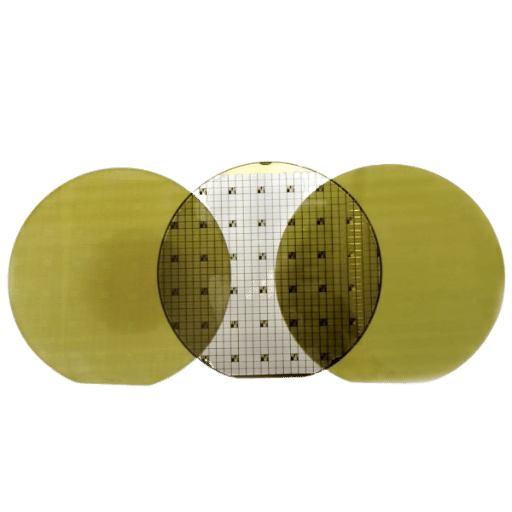
Есть основная причина, по которой карбид кремния (SiC) получает так много нажатия, и это силовой полупроводник. каждая пластина SiC является основой для транзистора или диода, который может переключать электрический ток более эффективно, чем собственный элемент (и в силовых приложениях), что эффективность имеет решающее значение для всего, от электромобилей (EV) до солнечных инверторов.
Почему карбид кремния используется в полупроводниках?
Все до широкой запрещенной зоны. так как SiC может выдержать в 10 раз больше электрического поля кремния, он может блокировать то же напряжение с гораздо меньшим количеством материала. меньше материала означает меньше сопротивления, таким образом меньше потраченной мощности и более быстрые скорости переключения. когда вы сочетаете это с высокой теплопроводностью SiC, устройства SiC работают более горячо, быстрее и требуют меньше охлаждающих характеристик каждый автомобильный 800 В EV тяговый инвертор коветов.SiC MOSFET и диоды обычно используются в электромобилях, а также в бортовых зарядных устройствах, системах быстрой зарядки постоянного тока, солнечных струнных инверторов и в промышленных приводах двигателей.
Эти пластины поставляются в стандартных размерах 100 мм, 150 мм, а теперь все больше 200 мм, каждая из которых имеет тонкий эпитаксиальный (epi) слой, выращенный сверху, в котором созданы фактические силовые устройства. большие пластины распределяют фиксированные затраты на обработку по большему количеству чипов, поэтому производители устройств мчатся к 200 мм SiC, и почему оборудование, которое его нарезает, включая хрупкие твердые материалы, обрабатываемые специальным алмазная проволочная пила, изготовленная для нарезки SiC с готовностью 200 мм, должен идти в ногу. SiC также лежит в основе устройств GaN-on-SiC для 5G RF, где теплопроводность подложки уносит тепло от слоя галлия-нитрида. смежные процессы, такие как солнечная панель и резка элементов полагайтесь на те же ноу-хау точного нарезки.
Карбид кремния против кремния против GaN
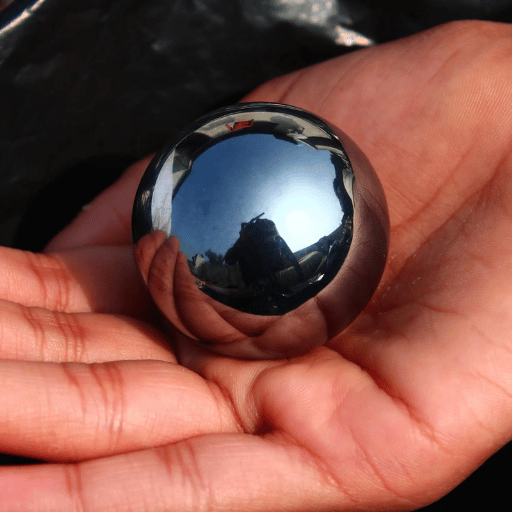
Карбид кремния редко является самостоятельным ответом. в контексте силовых устройств он находится между зрелым, недорогим кремнием и очень быстро переключающимся, но низковольтным нитридом галлия (GaN). Выбор между SiC, Si и GaN становится вопросом рабочего напряжения, частоты и температуры, а не тем, который по своей сути является “best.”
| Параметр | Кремний (Si) | Карбид кремния (SiC) | Нитрид галлия (GaN) |
|---|---|---|---|
| Разрыв | 1,12 эВ | ~3,26 эВ | ~3,4 эВ |
| Поле разбивки | 0,3 МВ/см | ~3 МВ/см | ~3,3 МВ/см |
| Типичный диапазон напряжения | <1000 В (затраты) | 650 — 3,300 В | <650 В (в основном) |
| Теплопроводность | ~1,5 Вт/см·К | ~3.7 (4,9 Вт/см·К) | ~1,3 Вт/см·К |
| Скорость переключения | Умеренный | Быстрый | Быстрый |
| Наилучшее использование | Недорогой, низковольтный | Инверторы электромобилей, солнечные, железнодорожные | Зарядные устройства, РФ, дата-центр |
Я вижу ссылочные номера, используемые для Si, а также в дискуссиях, подобных тем, которые обсуждаются Форум DigiKey Power-Semiconductor (диапазон 1.12-эВ, поле пробоя 0.3 МВ/см).Настоящие инженеры, практикующие в полевых условиях, прямо ставят фактический компромисс на r/ElectricalEngineering “ “ “ 9 “ Reddit может обрабатывать гораздо больше напряжения, чем устройство GaN“ (комментарий упоминал 3.3 кВ SiC против ~900 В GaN при аналогичной потере проводимости), что объясняет, почему высоковольтная тяга кажется привязанной к SiC.
Тест на выплату по широкопробельной системе (Wide-Bandgap Payoff Test) (три вопроса) перед переходом с кремния
- Напряжение: Вам нужно 650 В или более? Если да, то в игре SiC; если напряжение значительно ниже 650 В, кремний или GaN обычно выигрывают по стоимости.
- Температура: Будет ли аппарат работать выше ~150° C или в плотной тепловой оболочке, проводимость SiC здесь зарабатывает свою премию.
- Бюджет потерь при переключении: Преобладают ли потери при переключении над целевым показателем эффективности? быстрое переключение SiC с низкими потерями окупается; если нет, кремний дешевле.
Два или три ответа “yes” обычно оправдывают SiC. Ноль или один, а кремний остается разумным по умолчанию.
19-КРАТНОЕ Обычная ошибка
Предполагая, что SiC всегда превосходит кремний Для низковольтных, чувствительных к затратам конструкций кремний все еще дешевле, более зрелый и полностью адекватный. SiC выигрывает при высоком напряжении, высокой температуре и эффективности переключения — не по цене за устройство.
Где используется карбид кремния: применение в разных отраслях промышленности
Для чего используется карбид кремния?
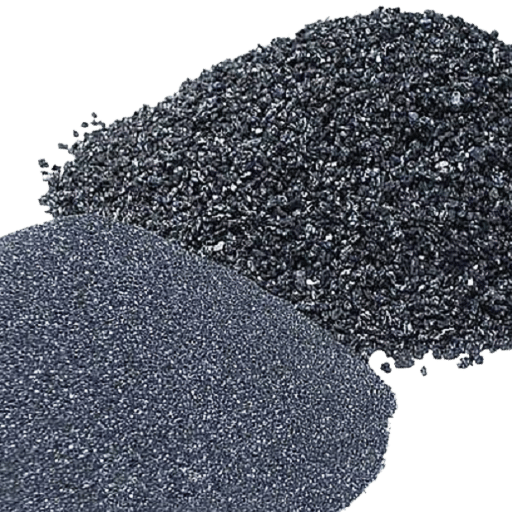
Карбид кремния охватывает необычайно широкий спектр применения, поскольку его марки служат очень разным потребностям. грубо говоря, марка абразива заканчивается резкой и шлифованием, марка керамики идет в износо - и термостойкость приложений, а электронный класс применяется в силовых электронных устройствах Основные категории разбиваются следующим образом
- Абразивы и песок: песчаная бумага, шлифовальные круги, притирочно-полировальные составы, взрывчатые вещества Зеленый и черный марки SiC имеют различную чистоту и рыхлость.
- Твердость, низкая плотность, нереакционная способность, твердая керамика, такая как SiC, желательны для использования в элементах компонентов насоса, баллистической броне и механических уплотнениях, а также в подшипниках.
- Огнеупорные материалы: Тигель для плавления, нагревательная мебель, нагревательные элементы — устойчивы к повторению высокотемпературного цикла.
- Углеродно-керамические тормозные диски: композиты C/SiC, полученные путем инфильтрации жидким кремнием, используемые в качестве тормозных дисков для высокопроизводительных и автоспортивных применений
- Силовые и радиочастотные полупроводники: SiC-МОП-транзисторы и диоды, а также устройства GaN-on-SiC для электромобилей, солнечной энергии, рельсов и 5G.
- Ювелирные изделия: синтетический муассанит, блестящая реплика с твердым бриллиантом.
Рассмотрим конкретный пример того, почему выбор класса имеет значение. поставщик тормозов для автоспорта, переходящий с чугунных дисков на C/SiC, покупает SiC за его прочность при температуре 700°C+ при сильном торможении, где железо выцветало бы. та самая рыхлая песок, который полирует объектив камеры, становится в другой форме поверхностью трения, которая останавливает суперкар, напоминание о том, что “carbide” описывает семейство продуктов, а не один Многие из этих твердых, хрупких заготовок, SiC, сапфир, кварц, и сконструированная керамика, работают на одном и том же классе оборудования, будь то пила для резки вафель сапфира или а керамическая алмазная проволочная система резки. Для более широкой категории посмотрите, как обрабатывается одна платформа резка твердого и хрупкого материала.
Чего стоит карбид кремния и безопасен ли он?
Дорого ли карбид кремния?
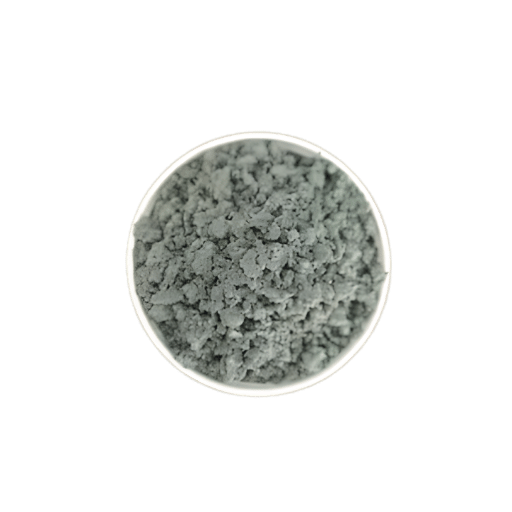
Стоимость варьируется в зависимости от сорта. абразивная крупа SiC дешева, торговый товар продается по весу. электронные пластины стоят другой набор нулей: одна цитата имеет пластину 4H-SiC диаметром 150 мм по $800-$1,200, с булями диаметром 200 мм более $15,000 каждая. Это число следует принимать с долей соли; цены на пластины колеблются в зависимости от предложения, размера и класса. Цены на пластины остаются высокими из-за барьера для входа: подъем затвердевшего кристалла происходит медленно (2-3 недели на буль), нарезка хрупкая и ресурсоемкая, а абразивные отходы и штабелирование повреждений за счет полировки.
Какой класс вам на самом деле нужен?
- Шлифовальный, полировальный, абразивный сорт струйной обработки (самый дешевый), определяемый размером и цветом песка.
- Носите детали, уплотнения, огнеупоры спеченной керамики марки, заданной плотностью и чистотой.
- Силовые или радиочастотные устройства электронный класс 4H-SiC пластины (самые дорогие), заданные по политипу, диаметру, легированию, и плотности дефекта.
текущие цены являются приблизительными и колеблющимися; перед финансовым планированием уточните у поставщиков текущее предложение (количество на начало 2026 года, без гарантии).
Безопасно ли прикасаться к карбиду кремния?
Обращение с твердым спеченным куском карбида кремния, тормозным диском, тиглем, полированной пластиной сопряжено с низким риском; склеенный материал химически инертен. Настоящей опасностью являются пыль и волокна. Согласно данным по гигиене труда, обобщенным Haz-Map (со ссылкой на ACGIH/IARC), профессиональное облучение в процессе производства Ачесона классифицируется как канцерогенное для человека (группа 1), а волокнистый карбид кремния считается возможно канцерогенным А Исследование промышленной гигиены, индексированное PubMed документально подтвержденное воздействие пыли и волокон в воздухе при производстве карборунда. На практике это означает ношение средств защиты органов дыхания при шлифовании, резке или шлифовании SiC, не избегая самого материала.
Перспективы рынка карбида кремния на 2026 год и последующий период
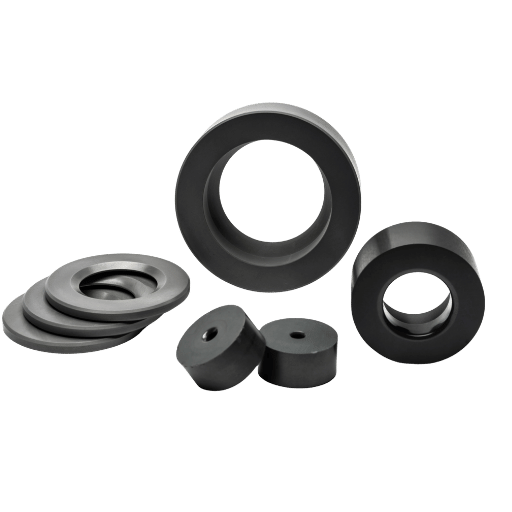
Карбид кремния выходит на один из самых горячих рынков спроса, подпитываемый почти исключительно электромобильной промышленностью. Предполагаемые рынки широкого SiC составляют около $5,5 миллиардов в 2025 году, прогнозирует Глобальная информация о рынке чтобы расти примерно на 34.6% CAGR до 2034 г. Для пластин существуют аналогичные прогнозы: Мордор Интеллект прогнозирует рост CAGR на 14,66% рынка пластин SiC в 2031 году.
В ближайшие несколько лет в SiC есть две тенденции, за которыми стоит следить Во-первых, быстро развивающийся переход от пластин 150 к 200 мм в 2026 году при 200-миллиметровой стоимости снижения за чип, но принудительное переоборудование упаковки, большая часть сегодняшнего пилинга, распиловки, погрузочно-разгрузочного оборудования не совместимы с большими диаметрами. во-вторых, спрос По данным источников в отрасли, более трех четвертей спроса на устройства SiC можно отнести на счет электромобильных преобразователей мощности, что дает рынку SiC, а также транзисторам необычную чувствительность к внедрению электромобилей.
Если вы планируете проект SiC на 2026 год, практический совет - спроектировать 200 мм, даже если вы начинаете со 150 мм, а также заложить сокращение бюджета и урожайность как затраты первого порядка, а не как второстепенную мысль, потому что при $800+ за пластину, шаг нарезки - это выигрыш или потеря прибыли. В число компаний, задающих темп, входят Wolfspeed, Infineon, STMicroelectronics, onsemi и ROHM, все они расширяют емкость SiC.
Часто задаваемые вопросы
Вопрос: Карбид кремния - это металл или керамика?
Посмотреть Ответ
Карбид кремния - это керамика - это ковалентное соединение кремния и углерода, а не металл Однако это полупроводник в монокристаллическом чистом виде, и по этой причине карбид кремния стирает грань между мирами структурной керамики и электронных материалов.
Вопрос: Где находится карбид кремния?
Посмотреть Ответ
Существует лишь чрезвычайно небольшое количество природного карбида кремния - в основном, найденного в метеоритах. большая часть карбида кремния, который производится в коммерческих целях, является синтетическим.
Вопрос: В чем разница между карбидом кремния и кремнием?
Посмотреть Ответ
Кремний сам по себе является всего лишь химическим элементом, тогда как карбид кремния является химическим соединением. Этот материал в несколько раз тверже кремния, проводит тепло во много раз лучше, и его большая запрещенная зона - 3,26 эВ для SiC по сравнению с 1,12 эВ для Si - позволяет ему выдерживать и работать в гораздо более широком диапазоне напряжений.
Вопрос: Ржавеет или разъедает карбид кремния?
Посмотреть Ответ
Нет, он не разъедает Помимо высокой устойчивости к окислению и множеству кислот и оснований, карбид кремния также устойчив к химической коррозии. эта устойчивость делает его идеальным для широкого спектра промышленных применений, требующих деталей, способных пережить воздействие жестких химикатов, таких как уплотнения насосов и тигли, используемые при высоких температурах, а также различных других компонентов, которые подвержены износу. Даже при этих повышенных температурах SiC сохраняет свою коррозионную стойкость, образуя на своей поверхности очень тонкий пассивный слой кремнезема, который служит для предотвращения дальнейшего окисления.
Вопрос: Как изготавливается пластина из карбида кремния?
Посмотреть Ответ
Для создания запаса пластин для полупроводниковых устройств монокристаллические були SiC сначала выращивают в течение нескольких недель с использованием физического транспорта пара. Полученные слитки затем нарезают на сверхтонкие пластины с помощью алмазной проволочной пилы и проходят несколько этапов шлифования, притирки и полировки для достижения подходящей поверхности. Затем на поверхность пластины наносят эпитаксиальный слой SiC. Затем этот слой можно использовать для роста структур электронных устройств.
Вопрос: Что означает SiC?
Посмотреть Ответ
SiC - это сокращенная химическая формула для описания материала карбида кремния — просто или, более конкретно, это один атом кремния, ковалентно связанный с одним атомом углерода.Карбид кремния также известен как муассанит или карборунд.
Нарезание слитков SiC на пластины? Потеря керфа и повреждение недр определяют вашу урожайность.
Об этом руководстве
В этом информационном бюллетене по карбиду кремния объединены данные по материалам эталонного класса - научные данные, полученные от авторитетных организаций, таких как Институт Иоффе, ScienceDirect и arXiv, - и практические, полученные на местах показатели эффективности, основанные на нашем опыте предоставления технологии резки алмазной проволоки для производства пластин SiC. Наш анализ проектов клиентов (работа с 4H-SiC) охватывает потери керфа и эффективность использования материалов. Данные о свойствах материалов сопоставляются и сопоставляются из множества авторитетных источников, при этом цены основаны на отраслевых оценках и отчетности.
Ссылки и источники
- Архив NSM, Термические свойства карбида кремнияИнститут Иоффе
- Анизотропная теплопроводность карбида кремния 4H и 6HарXiv
- Принципы, методы и свойства карбида кремния для роста кристалловНаукаДирект
- Воздействие карбидных волокон кремния при производстве карборундаPubMed (Национальная медицинская библиотека США)
- Новый, недорогой устойчивый процесс производства карбида кремнияНациональный научный фонд США
- Карбид кремния, опасные агенты (резюме ACGIH/IARC)Haz-карта
- Карбид кремния, свойства и применениеАЗоНано
- Карбид кремнияВикипедия
Связанные статьи
- SiC Wafer Cutting Saw, технология алмазной проволоки для нарезки карбида кремния
- Как работает алмазная проволочная пила, объясняются принципы работы
- Типы многопроволочных пильных машин, классификационное руководство
- Проволочная пила для резки кремниевой пластины, прецизионные нарезки для подложек Si
- Проволочная пила для резки сапфира, обработка твердой, хрупкой подложки
![Материал поликремния: свойства, оценки и использование [Руководство]](https://wiresawcutter.com/wp-content/uploads/2026/08/polysilicon-material-featured-768x512.webp "Поликремниевый материал: свойства, классы и использование в солнечной и полупроводниковой промышленности 12")

![Материал поликремния: свойства, оценки и использование [Руководство]](https://wiresawcutter.com/wp-content/uploads/2026/08/polysilicon-material-featured-150x150.webp)