
Entrez en contact avec la société DONGHE
-
Téléphone: +86 181-1645-5490
-
Courriel: Sales18@DongheScience.com

Comment fonctionne la découpe de scies à fil diamantées pour la céramique ?

Technologie de scie à fil diamantée pour couper la céramique
Solutions avancées de coupe de précision pour la fabrication moderne
La découpe de matériaux denses et cassables tels que la céramique a toujours été un problème et s'est accompagnée de toutes sortes de difficultés dans le passé Cependant, de nombreux développements ont été réalisés dans les processus de découpe au fil du temps car il existe plusieurs techniques et méthodes de découpe disponibles maintenant rendant de tels processus comparativement plus faciles, plus rapides et plus précis L'un d'eux est le processus presque parfait de découpe à l'aide d'une scie à fil diamantée Ceci est particulièrement efficace pour éliminer les écaillages et autres défauts Le fil revêtu de diamant est utilisé pour couper certaines des sections dans différentes industries comme l'électronique, la fabrication et la construction puisque ces industries nécessitent précision et détail.
Introduction à la technologie des scies à fil diamantées

La scie à fil diamant est une méthode de coupe dans laquelle un fil fin et polyvalent avec des diamants est utilisé pour obtenir une coupe rapide et efficace L'appareil de coupe déplace continuellement le fil, qui est incrusté de diamant, plusieurs fois sur la surface du matériau, qui est coupé et applique une pression ainsi que la vitesse Le grain diamant est très dur et peut coupez n'importe quoi, même en céramique et coupe très proprement et avec précision La surface d'une plaque ne change pas, la dissipation thermique et la déformation du matériau sont assez faibles, et la précision reste constante car il n'y a pas de distorsion.
Aperçu de la technologie de sciage par fil
Le sciage par fil s'est développé pour devenir l'une des meilleures techniques de coupe avec la plus grande précision faite à des secteurs de coupe tels que la microélectronique, la construction et la fabrication synthétique Les scies à fil modernes sont équipées de fonctionnalités automatisées et d'algorithmes intelligents pour améliorer le pouvoir correcteur de l'appareil ainsi que la réduction du gaspillage qui se produit surtout en raison des contours et des paramètres fixés.
Exemple de candidatures industrielles :
Prenons comme exemple l'utilisation de scies à fil pour trancher des tranches de semi-conducteurs Ces scies à fil modernes sont dotées de mécanismes de surveillance qui sont capables de détecter automatiquement des problèmes tels que les changements de tension superficielle ou le chemin de coupe aux détails les plus minuscules qui conduit à une production de qualité similaire sur de grands volumes De même, lors de la construction d'un bâtiment, du fil de diamant est utilisé pour couper les blocs de béton armé afin d'amortir considérablement les vibrations provoquées par le processus, ce qui est très utile lorsque l'on entreprend des activités telles que la démolition de ponts ou la coupe sous l'eau La capacité de celui-ci à réduire le gaspillage de kerf et à améliorer les capacités d'utilisation des ressources soutient les mesures de durabilité et d'économie du monde actuel.
Importance du diamant dans les processus de coupe

L'utilisation des diamants sous l'aspect de la taille est inévitable pour obtenir précision, conservation des ressources ainsi que l'efficacité dans de nombreux domaines, Naturellement étant l'une des substances les plus dures à exister, les diamants possèdent des caractéristiques qui les rendent utiles dans la fabrication d'outils de coupe et de technologies associées.
Contrôle de la dureté et des dommages
L'échelle de Mohs sur laquelle la dureté des différents matériaux est évaluée de 1 à 10, donne un chiffre de 10,0 pour les diamants Technologie qui implique machines de découpe par abrasion de diamants permet de couper des surfaces très dures telles que la pierre de granit, le béton, les aciers très résistants et d'autres surfaces avec seulement une usure minime de l'outil.
Conduction Thermique
Les diamants ont une excellente conduction thermique de près de 2200 W/m·K, contrairement au cuivre qui est un métal Ainsi, lors de l'usinage toute chaleur générée ou absorbée au sein de la machine est minime d'où tout réchauffement des pièces de la machine qui subit un usinage est évité, la protection contre ce genre de chaleur entraîne une durée de vie plus longue.
Capacité de précision
Les outils de coupe diamantés sont autorisés un haut degré de précision qui comprend également un travail détaillé avancé et même un polissage élevé Cet avantage est plus apprécié dans la production de micro-composants dans l'industrie électronique qui implique de maintenir des tolérances serrées pendant que les opérations d'usinage sont effectuées.
Stabilité chimique
Les diamants ont de fortes caractéristiques anticorrosion et résistantes aux produits chimiques qui les font résister à des conditions de fabrication difficiles. En conséquence, ils fonctionnent sans aucune altération même lorsqu’il existe des substances corruptives ou à forte humidité.
Utilisation des matériaux
La technologie des outils diamantés améliore la géométrie des fraises en supprimant la largeur des tiges (proportion de matériau découpée par l'outil de coupe).Cette progression trouve une application dans des matériaux coûteux comme les tranches de silicium et les pierres précieuses, garantissant une utilisation maximale du matériau avec un coût minimum.
Tout cela démontre clairement le rôle que joue encore le diamant dans les technologies de coupe modernes, notamment dans les domaines de la construction, de l'aérospatiale, de l'électronique et des instruments de précision.
Applications en céramique

L'industrie céramique utilise fortement les outils diamantés en raison de leur très grande dureté et de leurs propriétés efficaces d'élimination de la chaleur Dans le cadre de cet aspect, les quelques utilisations suivantes sont cruciales :
- Broyage Fin
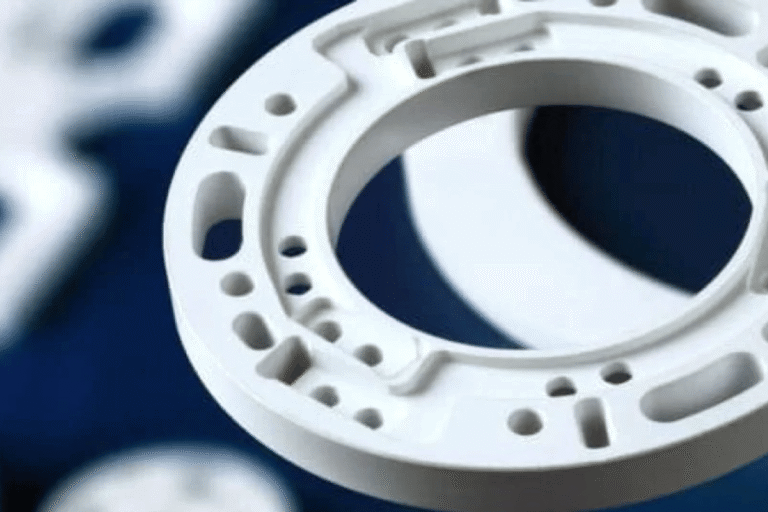
Les meules diamantées sont exécutées sur les céramiques pour remodeler et parfaire la finition de toute spécification de céramique avec la plus grande précision Ces outils permettent d'atteindre une rugosité de surface de Ra 0,05 µm ou moins, ce qui est crucial pour les applications électroniques et médicales. - Découpe Céramique
Les céramiques denses telles que l'alumine ou la zircone le sont taillé avec des scies à diamant avec un écaillage minimal Le bord est tranchant et le corps est solide, c'est pourquoi cela est nécessaire pour la céramique de haute production. - Polissage Céramique
Réalisé en finissant les composants avec un vernis spéculaire par des poudres et du tissu de meulage diamantés De telles exigences sont courantes lorsqu'il s'agit de divers produits décoratifs, notamment des carreaux de céramique de grès et des vases en céramique. - Forage de précision
Certaines industries de composants céramiques utilisent des forets diamantés dans le seul but de faire des trous à travers des substrats en céramique dure tout en minimisant les débris et en atteignant exactement la taille des trous. Ces matériaux peuvent être utilisés dans la production de cartes de circuits imprimés et de boîtiers pour capteurs. - Préparation du revêtement de barrière thermique
Les outils diamantés sont appliqués pour enlever une partie des couches céramiques en particulier lors de la préparation pour appliquer des revêtements de barrière thermique dans l'aviation et les industries de véhicules Le matériau céramique comprimé est façonné avec précision et une croissance contrôlée du revêtement est également obtenue.
L'industrie céramique bénéficie de l'application d'outils diamantés dans ces domaines d'exploitation car elle augmente l'amélioration des performances des processus de l'industrie et le respect des exigences actuelles en matière de vieillissement en minimisant les déchets et en améliorant la qualité.
Le processus de découpe de scies à fil de diamant

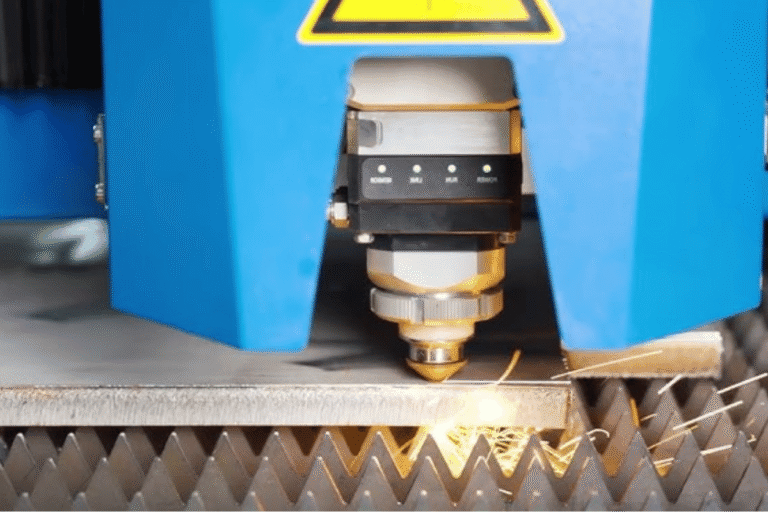
Le principe de fonctionnement de la scie à fil diamantée est le même que celui d'une scie à ruban, qui est utilisée dans le traitement de substrats résistants comme la céramique, le silicium et les pierres précieuses Elle fait usage d'un fil très mince qui est enduit ou imprégné de diamants fins de manière à couper n'importe quel matériau avec une grande vitesse et précision Cela aide à minimiser les pertes de matière, améliore la finition et réduit les forces de coupe le rendant ainsi bien adapté pour le travail de précision De plus, la présence de particules de diamant dans l'abrasif permet un fonctionnement ininterrompu tout en préservant le fil dans des conditions qui sont par ailleurs hostiles.
Comprendre le mécanisme de boucle métallique
Ce mécanisme est mis en oeuvre de telle manière que la notion simple de boucle de fil où la surface extérieure est noyée avec un abrasif diamant dur est transformée en un mécanisme de boucle de fil La surface externe qui comprend des abrasifs durs est utilisée pour effectuer la découpe de certains matériaux à la vitesse de coupe désirée Le mouvement du dispositif est minimisé à un point tel que s'il est utilisé de manière appropriée, alors il ne détruit pas l'appareil, ni son utilisation irait à l'encontre de l'opérateur prévu de la coupe Le mécanisme augmente l'efficacité en équilibrant les forces de coupe, ce qui signifie que pratiquement il n'y a pas de détérioration de l'instrument Cette technique trouve de nombreuses applications dans les industries de l'électronique et des semi-conducteurs car les dimensions et les tolérances sont critiques.
Tension du fil et son rôle dans la coupe de précision
Chaque personne comprend l'importance de la tension du fil pour la précision en ce qui concerne la coupe, en particulier dans les cas où des systèmes de coupe spéciaux à base de fil comme les scies à fil sont utilisés. La tension lors de la coupe est cruciale car l'utilisation d'une tension extrême signifie que le fil restera là où il est censé s'égarer autrement que lors de la coupe, ce qui entraînera des coupures et des erreurs déviées. Tout en mesurant la tension d'un fil, au-delà d'un certain niveau de tension, le fil se brise et en dessous d'un certain niveau de tension, le fil oscille, entraînant des coupures déplacées dues au collage et à la coupe.
Pour correspondre aux pratiques en vigueur dans le secteur, la tension du fil doit être effectuée en fonction de l'épaisseur du fil, par rapport au matériau de coupe, de la course du fil et de la vitesse de coupe. Une technologie avancée capable d'ajuster à tout moment la déformation du fil comprend des capteurs universels et des mécanismes d'auto-ajustement qui assurent partout le positionnement précis du fil. Prenons l'industrie des semi-conducteurs par exemple ; dans le sciage de tranches, les limites d'écart de tension du fil sont limitées à un seul chiffre en microns. Les systèmes de contrôle et de surveillance des technologies de coupe contribuent à l’amélioration de presque tous les processus de coupe du secteur industriel.
Étapes du processus de sciage du fil de diamant

1
Préparation du matériel
Tout commence par préparer la base, généralement un lingot de silicium cristallin, utilisé fréquemment, ou un matériau différent à d'autres fins Avant la découpe, en s'assurant qu'aucun mouvement de matériau n'est nécessaire pour éviter l'incidence des aberrations Ceci est fait pour rehausser la précision et la fiabilité de la gravure.
2
Tension et alignement des fils
Il existe un dispositif de tension automatisé dans un bâti sur lequel est montée une scie à ruban métallique en acier et le fil est tendu dans le bâti La force du fil est contrôlée et répartie sur la longueur du fil du fait de ces systèmes de tension progressive Le placement adéquat du fil élimine les défauts du procédé de sciage qui provoquent une détérioration de la qualité.
3
Coupe et Abrasion
Même à l'aide d'un fil enduit de diamant il y a un effet de refroidissement La section transversale appelée arête de coupe est placée en travers et en raison de la vitesse maximale du matériau de coupe, elle se chevauche par une bande continue abrasive grains de diamant noyés dans une coupe en fil le matériau avec peu ou pas de chaleur générée La vitesse et la précision sont pertinentes puisque toute la coupe est effectuée correctement en ce qui concerne les niveaux de tolérance spécifiés.
4
Lubrification et refroidissement
Pendant le processus de coupe, un refroidissement constant est fourni de manière à réduire la friction qui peut se produire en raison du mouvement et également à garantir que le fil du dispositif ne se réchauffe pas. Cela réduit le taux de libération du fil qui empêche le matériau d'être coupé ou formé à la surface des pièces de travail finies. Le refroidissement est appliqué de manière appropriée en utilisant de l'eau et la plupart des solutions qui assurent un refroidissement approprié.
5
Mesures de post-coupure et nettoyage
Une fois que la section requise de la pièce à usiner a été découpée avec succès à l'aide du dispositif on peut évaluer le niveau de variabilité, l'étendue de l'usure des surfaces et l'épaisseur de la section transversale de la coupe latérale de la pièce à découper sont collectés et polis Cette phase complète le processus précédent en s'assurant que les accessoires lors de la fabrication prendront et résisteront à des processus en aval aussi exigeants.
Les technologies de contrôle modernes sont appliquées à la découpe de scies à fil diamantées, où la précision et la dépendance des performances de coupe sont particulièrement importantes dans les industries, notamment celles impliquant des tranches de silicium et des techniques de sciage de type technologie photo-voltaïque.
Avantages de l'utilisation du fil de diamant pour couper la céramique
Précision Exceptionnelle
La coupe du fil diamant est extrêmement précise, ce qui est conforme au contrôle dimensionnel tout en réduisant le gaspillage de matériaux, les pièces étant fabriquées conformément à l'allocation standard.
Qualité de surface supérieure
Les performances s'améliorent lorsque des abrasifs diamantés sont utilisés car les surfaces sont plus lisses et la solidification nécessite moins et parfois pas de polissage ou de meulage.
Génération de chaleur réduite
La génération de chaleur issue du processus de découpe est considérablement réduite, empêchant ainsi la fissuration et les dommages thermiques de toutes les céramiques sensibles associées.
Rentabilité
Le gaspillage de matériaux est minimisé et tout le traitement est optimisé, réduisant ainsi considérablement les coûts globaux.
Application polyvalente
Le fil de diamant fonctionne pour presque toutes les céramiques en raison de sa capacité à fonctionner sur toutes les céramiques expansives ainsi que sur tous les composants délicats.
Avantages par rapport aux méthodes de coupe traditionnelles
| Avantage | Description |
|---|---|
| Meilleure Précision | Le coupe-fil diamant, étant une méthode de coupe plus avancée, produit une précision à moins de 0,01 mm qui est meilleure que celle réalisable par d'autres méthodes Cette méthode garantit des niveaux élevés de conformité aux exigences de la conception car le facteur d'erreur est minimisé contrairement à d'autres méthodes, par exemple la coupe de scie ou de meule. |
| Déchets inférieurs | Quel que soit le type d'outil de coupe utilisé, la perte de saignée est toujours présente, cependant, les outils de coupe fabriqués au diamant minimisent cette perte de saignée. L'utilisation de la coupe au fil de diamant améliore la capacité de saignée d'environ 0,2 mm à une épaisseur de saignée minimale possible, améliorant ainsi l'augmentation de l'utilisation du matériau, en particulier pour les céramiques coûteuses. |
| Finition Surface Supérieure | Un autre aspect du processus de coupe du fil diamant est la capacité de produire des surfaces coupées lisses en améliorant la qualité de la surface, réduisant ainsi le besoin d'activités plus longues telles que le meulage et le polissage. |
| Stress thermique réduit | L'installation forcée du matériau dans une machine de coupe générera de la chaleur par la force de friction lors de l'utilisation de machines conventionnelles Dans la coupe de fil diamant, les températures extrêmes sont évitées puisque le processus est effectué sous des températures relativement plus douces, empêchant ainsi les micro fractures dans les applications aérospatiales et électroniques. |
| Avantages environnementaux | Les produits de bruit et de poussière sont réduits et les matériaux sont très économes dans les opérations de découpe car les déchets générés sont faibles. La découpe au fil de diamant est donc une solution écologiquement acceptable, compte tenu de l'attitude actuelle à l'égard des questions environnementales, par rapport aux technologies plus anciennes. |
Typiquement ce procédé a été employé dans la découpe du marbre et du granit Cependant, avec des modifications du procédé au cours du temps, la méthode a atteint un tel niveau de perfection, qu'aujourd'hui c'est l'une des opérations clés appliquées à découpage de tout type de céramique trouvé dans diverses industries.
Performance et efficacité de coupe optimales
La capacité de l'industrie manufacturière à reconnaître, prévoir et réaliser des changements dans les schémas de coupe, les objectifs de travail et la définition des meilleures conditions de coupe pour différents matériaux afin de garantir la qualité et la précision est renforcée par une analyse et une vision innovantes avancées des technologies de l'information et de la communication permettent l'amélioration des pratiques de gestion à l'ancienne en se débarrassant des lacunes dans le fonctionnement et en veillant à ce que les ressources rares soient bien utilisées À ce titre, l'adoption du savoir-faire associé au développement de nouveaux outils de coupe assure une amélioration continue de la norme de production des matériaux ainsi que la maintenance et l'amélioration de la précision utilisée dans les processus de fabrication industrielle qui impliquent la coupe d'un matériau.
Impact sur la fabrication avancée de céramiques
- Précision améliorée des tailles et des profils :
L'existence de technologies de découpe avancées permet d'usiner jusqu'à ±0,01 mm de niveau de tolérance dans des céramiques avancées, ce qui nécessite des mesures d'assurance qualité strictes telles que celles appliquées dans les secteurs aéronautique et médical. - Zone élargie d'amélioration de la qualité de surface :
Les nouveaux procédés d'usinage appliqués offrent la possibilité de réduire la rugosité de la surface céramique à Ra < 0,2 micromètre, ce qui contribue à améliorer les composants céramiques utilisés notamment dans l'industrie mécanique lourde telle que l'industrie des semi-conducteurs. - Réduire la consommation des ressources :
Diverses techniques sophistiquées et basées sur les données ont réduit l'épuisement des matériaux généraux, entraînant une réduction de 30 pour cent des déchets de produits, ce qui est également rentable et encourage une fabrication respectueuse de l'environnement. - Efficacité améliorée :
Une précision plus élevée et une technologie d'automatisation avancée ont réduit environ un quart de la durée du cycle dans la plupart des cas et augmentent également le taux de productivité sans qu'aucun compromis ne soit fait sur les attributs de la qualité du produit. - Durée de vie du service des outils prolongée :
Grâce à l'utilisation d'outils de coupe de haute technologie et à l'optimisation de divers processus, des outils peuvent être utilisés plus longtemps dans les opérations pour 20% afin d'éviter d'arrêter les opérations et également d'engager des dépenses pour remplacer les outils utilisés pour l'usinage de céramiques robustes.
Applications et études de cas
Un défi à l'usinage de la céramique a émergé, qui a depuis aidé et accéléré différentes industries avec l'utilisation de technologies de coupe avancées Quel est leur contexte applicable ?
Aéronautique et Armement
En raison des conditions extrêmes rencontrées dans ce secteur, le déni thermique, la propulsion électrique ou même les gadgets complexes incluraient des pièces en céramique.
Équipement médical
Beaucoup de ces dispositifs intègrent des composants céramiques, car les personnes impliquées dans une intervention chirurgicale ou dans des prothèses utiliseraient de tels composants étant donné leur incapacité à se déformer ou à se corroder comme les métaux.
Electronique et Génie Électrique
Comme les céramiques possèdent une très grande capacité d'isolation électrique et de conduction thermique, elles sont essentielles dans les applications électroniques et électriques, par exemple utilisées comme substrats ou isolants.
Pièces Automobiles
Certaines pièces du moteur, telles que des soupapes, des roulements ou des joints, qui doivent être étanches à l'usure et maintenir des températures élevées en permanence, sont utilisées dans la céramique.
Étude de cas : Fabrication aéronautique
Un constructeur aéronautique bien connu a appliqué des revêtements isolants thermiques sur les aubes de turbine Ceux-ci ont été soumis à des procédés de finition céramique de nature avancée L'utilisation d'outils et de dispositifs de nouvelle génération a permis à l'entreprise de réduire le temps de fabrication d'un tiers sans altérer sa qualité Cette amélioration a entraîné une meilleure efficacité de production et un délai plus long avant que les pièces ne soient usées.
Industries utilisant la découpe de scies à fil diamantées
La découpe de scies à fil diamantées a trouvé sa place dans de nombreuses industries en raison de l'efficacité et de la précision du procédé Des méthodes de découpe rapides et précises sont nécessaires dans diverses situations De telles situations sont représentées, à titre d'exemple, par la découpe de plaquettes de silicium dans l'industrie des semi-conducteurs, de la roche et du béton armé à des fins de construction de bâtiments, des matériaux à haute température pour l'aérospatiale doivent être usinés et ainsi de suite Elle est également utilisée dans les industries photovoltaïques pour les composants du panneau solaire, dans lesquels des instruments médicaux sont utilisés, la précision mentionnée est de première importance.
Histoires de réussite en céramique
Dans le domaine de la découpe de céramiques a été particulièrement important dans l'industrie aéronautique où les composants avancés tels que les panneaux de protection thermique, et les pièces de moteur nécessitent également des céramiques de haute précision Il a été un défi pour les fabricants d'assurer un bon ajustement de ces composants par la découpe de précision, tout en minimisant simultanément tout excès de matériau qui peut devoir être jeté.
Un tel niveau de découpe peut également être atteint dans le domaine médical, où la découpe céramique à la précision a permis la réalisation d'implants plus durables et plus beaux, ainsi un soin post-chirurgie amélioré Les bénéfices mentionnés ci-dessus où la précision et la protection sont promues sont dus à l'avancement des dispositifs de découpe actuels.
Tendances futures de la technologie de coupe des scies à fil
Dans la dynamique moderne de production rapide dans plusieurs industries, la coupe ne sera pas ignorée et l'intelligence ambiante s'efforcera de réduire au minimum les coupures excédentaires, stimulant ainsi la production même dans les cas qui ne peuvent être aidés. Grâce à l'application des nouvelles versions de fils enduits de diamant, la coupe aura des conséquences majeures, du fait qu'il y aura une augmentation de l'efficacité des coupures de fil.
De plus, ils entrent en action en essayant de résoudre les problèmes persistants qui pourraient survenir dans l'aérospatiale, les semi-conducteurs ou les structures photovoltaïques et éoliennes avec une vitesse accrue des méthodes de production conventionnelles. Ces changements associés à l’industrie visent à rendre les processus à la fois efficaces en termes de temps et de coûts, tout en fournissant des résultats très précis.
Foire aux questions
1. En substance, quel est le principe de fonctionnement de l’unité de scie à fil pour couper la céramique ?
Lors de la coupe de céramique à l'aide d'une scie à fil, l'idée de base est d'utiliser un fil d'acier solide qui est recouvert de particules de diamant aux deux extrémités, ou de cercles autour des poulies Les poulies sont utilisées pour maintenir les fils et les faire avancer rapidement sur ces poulies tout en alimentant ce fil au composant céramique à une vitesse extrêmement lente Il ne s'agit pas strictement d'une méthode de ‘ coupe ’, mais plutôt d'un micro sciage Les particules de diamant qui sont situées sur la surface extérieure du fil peuvent être étirées par l'utilisateur plutôt que d'un processus de pénétration en conséquence une saignée étroite est obtenue par l'application de telles forces.
2. Quelles assurances sont fournies dans le processus selon lequel les céramiques délicates ne subissent aucun stress ou casse ?
Un avantage de la technique de coupe du fil diamant par rapport aux autres techniques impliquant le fil réside dans la résistance aux contraintes. Avec les scies mécaniques, la pression est appliquée en des points uniques où la scie entre en contact avec la surface et reste pratiquement inchangée tout au long du processus de sciage. Dans le cas ci-dessus, le fil d'acier avec des losanges est soumis à une pression uniforme appliquée à l'objet même coupé. Ce processus abrasif aide à éviter la localisation des contraintes en un seul point, réduisant ainsi l'apparition de fractures de microcontraintes, en particulier dans des matériaux comme la céramique technique. La surface en question est abrasée au cours de la coupe plutôt que pressée vers les bords de la lame, réduisant ainsi les composants de contrainte sur l'élément.
3. quelle est la composition de la machine à scier le fil de diamant ?
Une scie à fil diamantée typique est composée de plusieurs éléments essentiels :
- Fil de diamant : Traitement de surface sur un fil dans lequel il a été recouvert de diamants liés à un fil d'acier par voie de galvanoplastie ou à travers une matrice de résine.
- Système d'entraînement de fil : Systèmes qui utilisent des moteurs et des poulies pour déplacer le fil dans des charges à vitesse linéaire élevée d'un engrenage métallique à un engrenage métallique afin qu'il puisse couper n'importe quel obstacle, poussant le fil pour que de nouveaux abrasifs atteignent la zone de coupe.
- Système de tension : Un mécanisme de tensionnement qui fonctionne automatiquement pour éliminer la possibilité d'affaissement du fil et maintenir sa tension constante pendant le processus.
- Système d'alimentation : Un mécanisme d'alimentation, plus généralement CNC, qui facilite un mouvement minimum et constant de la pièce et/ou du distributeur de fil.
- Système de liquide de refroidissement : Système utilisé pour faire circuler un fluide de refroidissement à travers la zone de coupe afin de minimiser les températures, d'éliminer les fines abrasives et de soutenir le traitement.
4. Pourquoi est-il important dans ce processus d’utiliser un liquide de refroidissement, en particulier lors de la coupe de céramiques ?
Il est assez important de discuter de la pertinence d'un liquide de refroidissement au regard des deux fonctions qu'il remplit :
Contrôle thermique : La chaleur est très susceptible d'être induite sur la céramique dure par le fil de diamant Dans le cas où le liquide de refroidissement n'est pas fourni efficacement, la céramique risque d'être choquée thermiquement, entraînant des dommages brusques.
Élimination des débris : Le liquide de refroidissement élimine les fines particules céramiques générées dans la saignée pendant les opérations de broyage et empêche le fil de se coincer et d'augmenter par conséquent la friction qui peut ralentir ou gâcher la coupe.
5. Pourquoi est-il important d’utiliser des scies à fil diamantées pour couper des céramiques ?
L'utilisation de scies à fil diamantées pour travailler sur des céramiques avancées présente de très grands avantages :
- Génération à faible Kerf : Le fil très fin généralement de 0,1 mm à 0,5 mm d'épaisseur produit très peu de saignée qui maximise l'utilisation du matériau Ceci est particulièrement utile dans les cas où le coût de la céramique est assez élevé.
- Dommages souterrains minimaux : De telles coupes sont souhaitables lorsque les dommages souterrains sont minimaux puisque tout meulage ou rodage ultérieur est éliminé par le fait que la surface d'un tel matériau est déjà presque entièrement plate et lisse.
- Géométries complexes : Avec une commande CNC multi-axes appropriée, le fil peut couper n'importe quelle forme, contour ou courbe impossible à couper avec des instruments de sciage rigides.
- Précision et précision : On peut introduire moins de contraintes, une charge constante et des tailles de coupe contrôlées CNC précises allant jusqu'à microns. Recommander la lecture: Scie à fil diamant pour la découpe de céramique : le guide définitif
Publications similaires
Blogs tendances

![Matériau en polysilicium : propriétés, qualités et utilisations [Guide]](https://wiresawcutter.com/wp-content/uploads/2026/08/polysilicon-material-featured-150x150.webp)