Свяжитесь с компанией DONGHE


Обновлено июнь 2026 г. Рассмотрено технической командой Shanghai Donghe Science and Technology Co., Ltd
Фраза нарезка пластин против нарезки пластин звучит как выбор между двумя конкурирующими методами резки Это не. Нарезка пластины против нарезки пластины на самом деле вопрос о двух последовательных этапах производства, а не два конкурирующих инструмента. Нарезка и нарезка кубиками - это две разные работы, выполняемые на противоположных концах жизни пластины: нарезка превращает кристаллический слиток в голые пластины в самом начале, а нарезка кубиками разрезает готовую пластину с цепным подшипником на отдельные матрицы в самом конце. Запутывание двух приводит покупателей к сравнению машин, которые никогда не были альтернативой, и игнорированию того, где происходят их реальные материальные и стоимостные потери.
Краткий ответ: (передний) нарезка пластины превращает кристаллический традиционный иньог (или SiC/сапфир) в тонкую пластину с помощью a алмазная проволочная пила. (задняя часть) нарезка пластин превращает готовую (завершает жизненный цикл продукта) пластину в сотни штампов путем сингуляции с использованием лазерной, плазменной или скрытной технологической штампованной или лезвийной пилы (нарезной пилы) или техники нарезки кубиками (например, стелс-процесс). Это этапы, которые проходят один за другим на одном куске материала, в таком порядке, а не выбор между одним или другим.
Ключевые выводы
- Нарезка - это передок (в ясо, или Асари, или в вас); нарезка кубиками - это задний конец (пластины в вас).Разные машины. Разные фокусные точки.
- Скрытое сращивание может привести к тому, что кремниевые матрицы толщиной 60 мкм будут иметь прочность на разрушение 153 кгс (нарезание кубиками), что является самым высоким показателем среди всех протестированных методов выделения штампов.
- Окорок для нарезки лезвий проходит ~20-50 м; лазер падает ниже 10 м; плазма и скрытность приближаются к нулевому окорока.
- При нарезке падение прокладки из алмазной проволоки с 0,15 мм до 0,06 мм увеличивает количество пластин на слиток диаметром 200 мм с ~571 до ~769 (+35%).
- лазер не “просто бьет” лезвие — факт, лезвие остается более экономически эффективным даже на кремнии, где его крепление относительно дорогое и экономичное, качество боковины отличное.
Быстрые характеристики: нарезка и нарезка кубиками
| Нарезка пластины | Слиток/буль → тонкие голые пластины (передняя часть) |
| Кубики вафель | Готовая пластина → отдельные штампы (задняя часть/одиночная головка) |
| Инструмент нарезки | Алмазная многопроводная пила |
| Инструменты для нарезки кубиками | Пила для обрезки кубиками, лазер, плазма, стелс-лазер |
| Срок разреза | Нарезка: прокладка провода | Обрезка: прорезь внутри улицы |
| Типичные материалы | Si, SiC, сапфир, GaN, стекло |
Краткий обзор нарезки кубиками
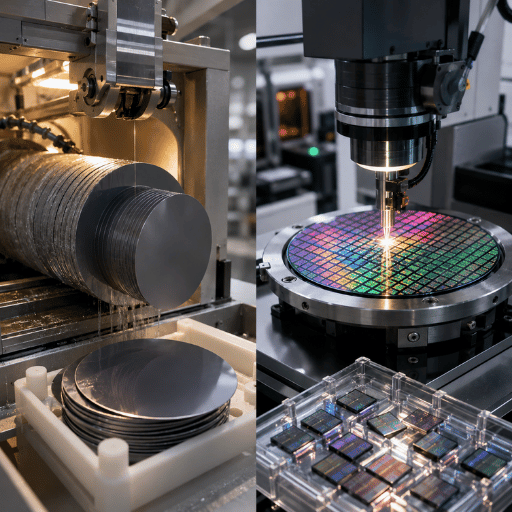
Если вы помните только одно, помните порядок. вафля есть нарезанный однажды, ближе к началу своей жизни, и нарезанный кубиками однажды, ближе к концу. между ними притерто, отполировано, легировано, узорчато с цепями, и часто истончено. поэтому, когда кто-то спрашивает, нарезка или нарезка кубиками “лучше,” честный ответ, что вопрос смешивает два этапа, которые никогда не конкурируют за одну и ту же работу.
Мы предлагаем назвать это временной шкалой "После нарезки кубиков", потому что слиток нарезается один раз на передней стадии, затем многие готовые пластины нарезаются кубиками один раз на задней стадии, и университетские руководства по фабрикам опишите ту же последовательность спереди назад, в то время как мы хотели бы сделать любой процесс или оборудование, которое вы исследуете “fit”, на соответствующей половине Матрицы 9-точечных срезов против кубиков, ниже.
| Категория | Нарезка пластины | Обрезка вафель |
|---|---|---|
| Этап | Фронтальный (первый разрез) | Задняя часть (последний разрез перед упаковкой) |
| Ввод | Кристаллический слиток/буль | Готовая, узорчатая пластина |
| Вывод | Голые пластины (пока нет цепей) | Отдельные штампы/чипы |
| Срок разреза | Проволочный керн | Керф внутри улицы/линии писца |
| Первичная оснастка | Алмазная многопроводная пила | Пила для нарезки кубиками, лазер, плазма, стелс |
| Типичное количество срезов | Сразу сотни параллельных проводов | Тысячи улиц в X и Y |
| Единица доходности | Пластины на слиток | Хорошие штампы на пластину |
| Драйвер основных затрат | Потери керфа исходного кремния | Пропускная способность и выход забойки |
| Типичная метрика качества | Керф, TTV, лук/основа (мкм) | Размер стружки и прочность на разрыв штампа |
Свободный синтез, полученный на основе академических рецензируемых и стандартных источников (перечисленных ниже); количество разрезов на продукт зависит от диаметра пластины и размера матрицы.
Нарезка пластины, пояснение: слиток на пластину
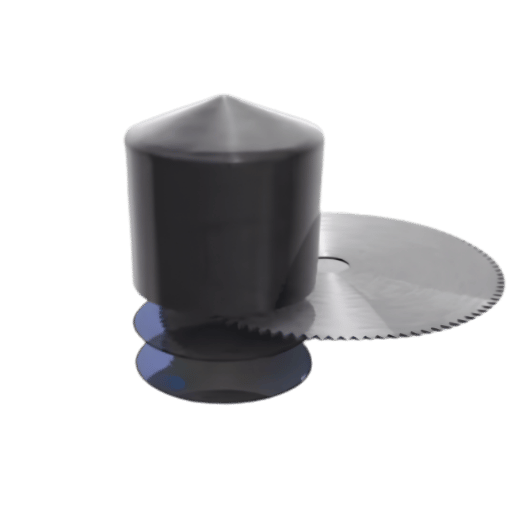
Нарезка вафель - это процесс фронтального производства, который превращает выращенный кристаллический слиток в тонкие плоские пластины Сегодня это почти полностью делается алмазной проволочной пилой, где одна стальная проволока с покрытием из алмазного абразива — намотана на сотни параллельных направляющих — разрезает весь слиток на вафли за один проход.
Старые методы суспензии и лезвий внутреннего диаметра в значительной степени отменены, и созданная ими проблема была пустой: лезвие внутреннего диаметра могло выбросить 200300 мкм кремния на разрез, в то время как современные алмазные проволочные обрезки прорезают прорезь примерно на 50 70 мкм (десятки). микрон сырья, сэкономленного на каждой пластине.
Качество нарезки оценивается по ширине прорези, общему изменению толщины (TTV), изгибу и основе, а также повреждениям недр. Они устанавливают потолок для всего, что происходит ниже по потоку: пластину, которая отрывается от проволочной пилы с высоким TTV, нельзя отполировать ровно, не удалив лишний материал, а глубокая пила повреждает колпачки, насколько тонкими она может быть позже отшлифована. Согласно исследованиям по резке алмазной проволоки, удерживая TTV под давлением около 10 мкм, резко разрезает приклад, который должен удалить полировщик. Как производитель многопроволочных пил для кремния, SiC и сапфира, мы видим это своими глазами: клиенты, гоняющиеся за большим количеством пластин на килограмм сырья, выигрывают или проигрывают на проволочном прорези задолго до того, как пластина достигнет инструмента для нарезания кубиками.
Потеря керфа не тривиальна Фронтальные исследования по огранке алмазной проволокой существуют именно потому, что кремний превратился в бородавка представляет собой большую часть сырья эти фабрики пытаются переработать Для монокристаллических слитков каждый микрон, сбритый с проволочной прокладки, - это кремний, который становится продаваемой пластиной вместо суспензии Обработка пластины начинается здесь: одна пластина должна оторваться от пилы достаточно плоской для продвинутой полупроводниковой работы Стандартные кремниевые пластины питают большую часть полупроводниковой промышленности, и этот внешний процесс в производстве полупроводников является критическим процессом для всей цепочки полупроводниковых процессов, от которого зависят более поздний процесс травления и нарезки кубиками. более глубокий взгляд на сам материал см. в нашем руководстве кремниевый вафельный материал.
Обрезка вафель, пояснение: вафля для смерти
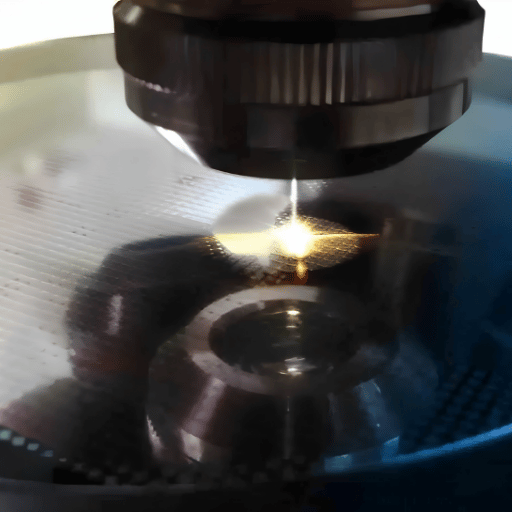
Обрезка пластин (Wafer dicing) (также называется die singulation (отливка) (отливка) - это процесс обрезки задней части пластинки, который разрезает законченную пластину с цепью на отдельные матрицы. Этот процесс обрезки пластин выполняется только после того, как пластина полностью сформирована.
К тому времени, когда пластина достигает кубиков, она уже удерживает от нескольких сотен до более 100 000 штампов на пластине толщиной 300 мм и толщиной до ~ 775 мкм, каждый из которых разделен узкой полосой движения (улица) или строкой писца (строка писца), которая уменьшилась за годы с примерно 100 мкм до всего лишь 20 40 мкм на плотном дизайне. Кубики должны рубить эти улицы, не сколывая активные цепи с обеих сторон.
Если при нарезке используется один инструмент, то для нарезки кубиками предлагаются четыре конкурирующих семейства инструментов: механическая пила для нарезки кубиками, лазерная нарезка кубиками, плазменная нарезка кубиками и скрытная нарезка кубиками. Пластина крепится на клейкой нарезной ленте, натянутой на рамку для нарезки кубиками, чтобы штампы оставались на месте во время и после нарезки, а лента, высвобождающая УФ-излучение, используется для изготовления деликатных подложек, поскольку после отверждения она позволяет чисто проходить. Диэ-сингуляция это где значение пластины окончательно разблокировано (разрушено), если сколы треснули штампы Здесь проблема в реальных деньгах: одиночный треснувший штамп на пластине с 100 000 штампов - это лом, и выбор неправильного метода нарезания кубиками умножает эту потерю.
Каждая техника обрезки (механическая пила для обрезки кубиками алмазов, работающая на лезвиях для обрезки кубиками лазера или плазменный шаг (является отдельным методом обрезки кубиками, соответствующим устройству и его полупроводниковому материалу. литейные заводы взвешивают требования к обрезке кубиками, проблемы с обрезкой кубиками и решения для обрезки кубиками, которые предоставляет данная система обрезки кубиками, и многие передают услуги по обрезке пластинами на аутсорсинг, а не запускают прецизионное обрезку пластинами собственными силами. Обрезка кубиками - это процесс, который, наконец, превращает одну пластину во многие полупроводниковые устройства. чтобы увидеть, где обрезка кубиками находится в более широком потоке, прочитайте наш обзор процесс изготовления полупроводников.
8 различий, которые действительно имеют значение
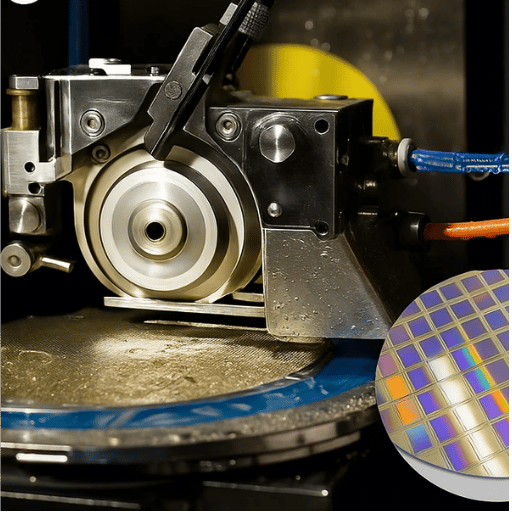
Вы найдете восемь измерений на at-a-glance столе, но вот краткий обзор, почему вы можете купить по-разному в каждом случае Номер один: Сравнение двух совершенно разных продуктов, “buing на цене” сравнение пилы для нарезки кубиками с проволочной пилой Если он не может сделать работу то он просто не может сделать это, даже нет шансов на сравнение между двумя несвязанными инструментами Вы не можете создать ya проволочной пилы никогда не будет выделять узорчатую пластину, и пила для нарезки никогда не превратит слиток в пластины.
19-КРАТНОЕ Распространенная ошибка
Также указание нарезки пластины без указания на каком этапе. Некоторые цитировали передний конец многопроводной нарезки другие задняя часть лазерное нарезка ответ 2 очень разные вопросы. всегда состояниевход (слиток или готовая пластина) и выход (вафля или матрица). .
деньги движут сроком разреза, а единицей выхода являются член разреза и единица выхода. При разрезании прорезь зависит от слитка и оценивается в пластинах на слиток. При нарезании прорезь оценивается по отношению к улице, а оценка производится с помощью хороших штампов на пластину. Объединение двух моделей для представления результатов, при которых покупатели фиксируются на недорогой части цикла и игнорируют более затратный процесс. Риск реален, поскольку два этапа отвечают на разные вопросы, поэтому котировки, которые выглядят сопоставимыми, никогда не были (разделение также видно) Документы USPTO по комбинированной лазерно-травяной сингуляции.
Сравнение четырех методов нарезания кубиками: лезвие, лазер, плазма, стелс
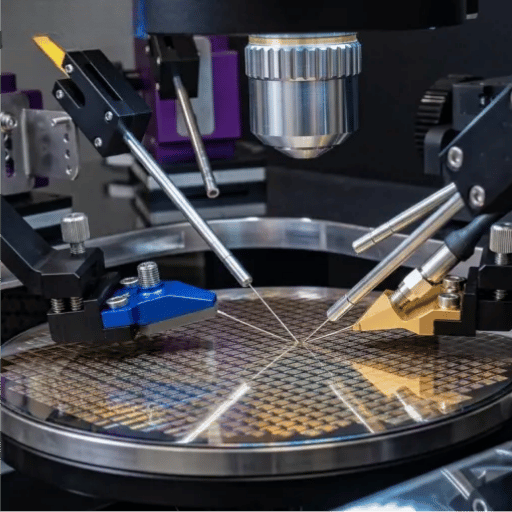
(Типично трехстороннее нарезка кубиками упоминается во многих руководствах. В действительности четыре - когда включен стелс - имеют разную силу с точки зрения кенфа, производительности нарезки кубиками, скорости, прочности кубика и т. д. На этой странице перечислены четыре: четырехметодная система показателей сингуляции. Сравнение по керну, производительности нарезки кубиками, прочности кубика и т. д.)
Каковы три основных типа методов сингуляционного нарезания кубиками?
Существует три основных типа в традиционном смысле: механическое лезвие (пилы) нарезки кубиками, лазерное нарезка кубиками, и плазменное нарезка кубиками, Четвертый, скрытый нарезка кубиками, использует инфракрасный лазер, сфокусированный внутри пластины и теперь является мейнстримом. лезвие нарезки шлифует улицу, лазер аблятирует ее, плазма травит каждую улицу сразу, и скрытность образует заглубленную трещину, которую лента затем разрывает на части.
| Метод | Механизм | Керф | Относительная сила/скорость | Лучший подгон |
|---|---|---|---|---|
| Лопатка (пила) | Алмазное лезвие при 15 000 об/мин (60 000 об/мин) | ~20 — 50 мкм | Отличная боковина; медленнее на тонких штампах | Более толстый Si, объем, обусловленный затратами |
| Лазерная абляция | Импульсный лазер удаляет уличный материал | <10 мкм | ~6,3× быстрее, чем лезвие на сверхтонком | Тонкие вафли, узкие улочки |
| Плазма | Химическое травление всех улиц сразу | Около нуля | Высокая пропускная способность; нуждается в маскировке | Плотные, маленькие матрицы/MEMS |
| Стелс | ИК-лазер трескается внутри пластины, а затем ломается | Около нуля | Наивысшая прочность штампа; сухой, без мусора | Хрупкие/сверхтонкие штампы |
Данные по керфу и режущим силам, полученные из различных рецензируемых публикаций и публикаций в отраслевых журналах, все цитируются ниже.
Это число стелс-прочности всегда шокирует. Когда сравнивайте яблоки с яблоками, согласно рецензируемому тестированию, нарезанные скрытными кубиками кремния толщиной 60 мкм достигали прочности на излом 153 кгс (самый высокий показатель среди всех изученных методов). .Это важно, потому что отказ от тонких чипсов почти всегда является напряжением задней части, а не результатом нарезания кубиками.
“По сравнению с лазерной резкой, резка лезвием для нарезки кубиками по-прежнему является важным процессом с отличным качеством боковины и относительно низкой стоимостью, метод должен следовать материалу и толщине матрицы, а не fashion.”
Керф, ширина улицы и потеря материалов: куда идут деньги
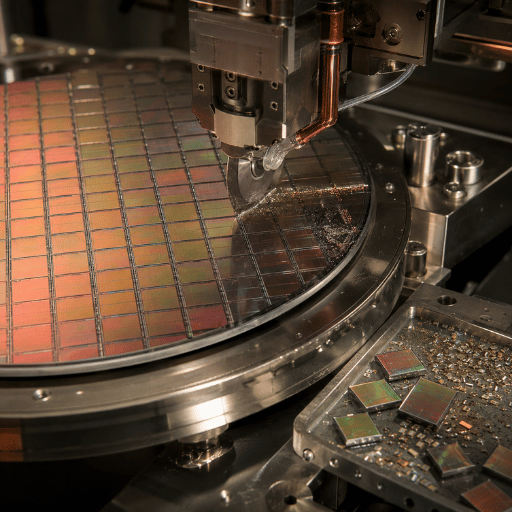
Обе стадии выбрасывают материал как прорезь, но экономика живет в разных местах. при нарезке прорезь теряется кремний сырья; при нарезке кубиками прорезь съедает на ширину улицы, которая могла бы удерживать больше штампов. Мы называем двусторонним видом Матрица затрат между керфами и улицами: входной прорезь оплачивается пластинами на слиток, задний прорезь оплачивается штампами на пластину.
📐 Инженерное примечание — пластины на слиток
Пластины на слиток = полезная длина слитка ÷ (толщина пластины + прорезь) Возьмите пригодную для использования колонку кремния толщиной 200 мм, нарезанную пластинами толщиной 0,20 мм. С устаревшей прокладкой 0,15 мм: 200 ÷ (0,20 + 0,15) = 571 вафли. Затяните алмазную проволоку до прорези 0,06 мм: 200 ÷ (0,20 + 0,06) = 769 вафельтот же слиток, +35% больше пластин, с нулевым изменением штампов, которые приходят позже. подключите свою собственную длину слитка, целевую толщину и проволочный затвор, чтобы по размеру выдержать реальный выход.
Теперь нелогичная частьИнверсия тонкого кубика. Лопастные кубики выглядят дешевле всего, потому что оборудование дешевле всего купить. Но ниже примерно 100 мкм толщина матрицы, картина перевернута: тонкие матрицы хрупкие, и лезвие сколы и растрескивание привод потери мощности, что затопляет оборудование экономия. На ультратонких пластинах, лазерная абляция проходит примерно на 6,3× быстрее, чем обрезка лезвием (минуты против примерно 25 минут на пластину) при оставлении более прочных краев матрицы Метод “cheap” становится дорогим после подсчета списанных штампов.
Процесс сопоставления с материалом: кремний, SiC, сапфир и стекло
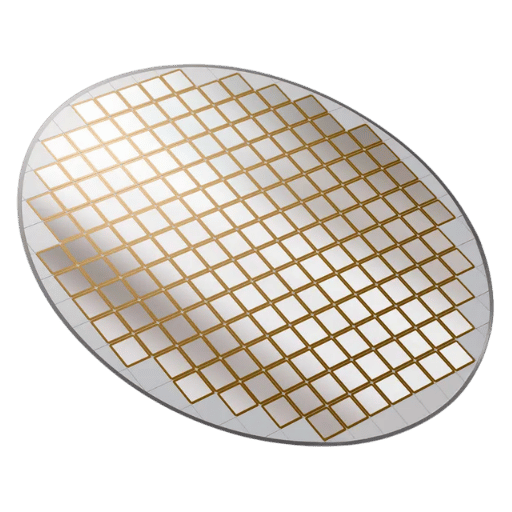
И, конечно же, существуют материалы, для которых толщина сама по себе, однако, сама по себе не является определяющим фактором; которые предъявляют особые требования к твердости материала и свойствам разрушения. Стандартный кремний работает, но материалы значительно сложнее, т.е.; тверже, прочнее и хрупче, такие как карбид кремния, сапфир или даже нитрид галлия; будет значительно более подвержен сколам или разрушениям при разрезании несовместимым оборудованием.
| Материал | Подход нарезки | Подход к нарезке кубиками |
|---|---|---|
| Кремний | Алмазная проволочная пила (зрелая) | Лезвие для толстого; лазер/стелс для тонкого |
| СиС | Алмазная проволочная пила, медленная подача | Ультратонкое алмазное лезвие или лазер |
| Сапфир | Алмазная проволочная пила | Стелс/лазер для ограничения сколов |
| Стекло/GaN | Проволочная пила или выращенная | Лазер или плазма, низкое механическое напряжение |
Для нашей собственной работы либо с карбидом кремния, либо с сапфиром; мы часто обнаруживаем, что клиенты также могут недоиспользовать мощность наших инструментов, разрезая их с такой низкой скоростью; они непреднамеренно вводят дорогостоящие проблемы на последующих этапах обработки; такие как чрезмерная полировка или даже повреждение краев, которые в конечном итоге влияют на обрезку самих пластин; см. нашу статью о Карбид кремния Абразивный; или любой из наших специализированных инструментов, например Резка пластины SiC и Сапфировая пластина Нарезка системы.
Выбор между нарезкой и нарезкой кубиками: основа принятия решений
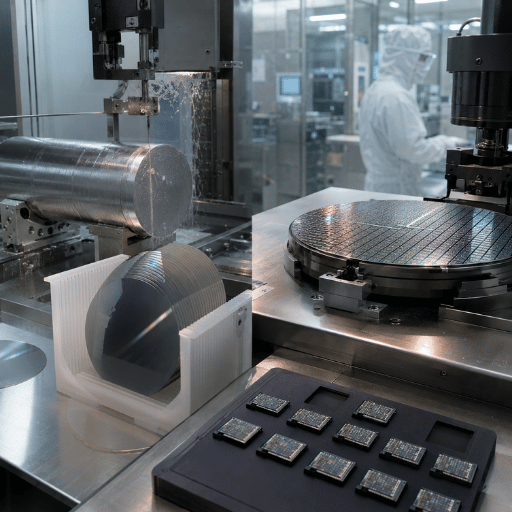
Учитывая, что сейчас есть два взаимоисключающих процесса; ваш выбор - это также два различных выбора. во-первых; как вы собираетесь разрезать свои необработанные слитки на пластины, и, во-вторых, как вы собираетесь выделять (разделять) свои пластины после того, как они были разрезаны? это простое дерево может упростить мыслительный процесс.
Дерево решений
- Если ваша задача состоит в том, чтобы разрезать слитки на пластины, то наши многолопастные пилы с алмазной проволокой (а не методы резки) - это правильный путь; настройте минимальный прорезь и TTV, а не используемый процесс.
- Самый простой способ выделить подготовленные пластины штампами размером более 150 микрон - это стандартная система нарезки лезвий (нарезка пилы).
- В случае подготовки и пения пластин с тонкими матрицами (<100 микрон); хрупкие матрицы или очень твердые матрицы, такие как SiC или сапфир; мы предлагаем использовать технологии лазерного и стелсдайсинга, поскольку оба разрезают чисто и близко к нулю прорезь, сохраняя при этом структурную целостность.
- Для небольших штампов, разрезанных большой группой; (много маленьких плотных пластин); или как один слой; - плазменное нарезание кубиков (которое может одновременно выделять весь массив штампов) - еще одна альтернатива, в которой используется прорезь, близкая к нулю.
Есть также решение о строительстве и покупке. Привлечение процесса собственными силами, принеся с собой капитальное оборудование и обученных операторов; аутсорсинг службы нарезки кубиками заменяет это платой за вафлю. Как правило, устойчиво большой объем благоприятствует владению инструментом, в то время как низкий или переменный объем и экзотические материалы благоприятствуют сервисному бюро - по крайней мере, до тех пор, пока объем не станет достаточно высоким, чтобы оправдать капитальные затраты. Для нарезки, в частности, нашего многопроволочные пильные станки предназначены для собственного производства высокопроизводительных пластин.
Контроль качества: потеря керфа, сколы, прочность TTV и штампа
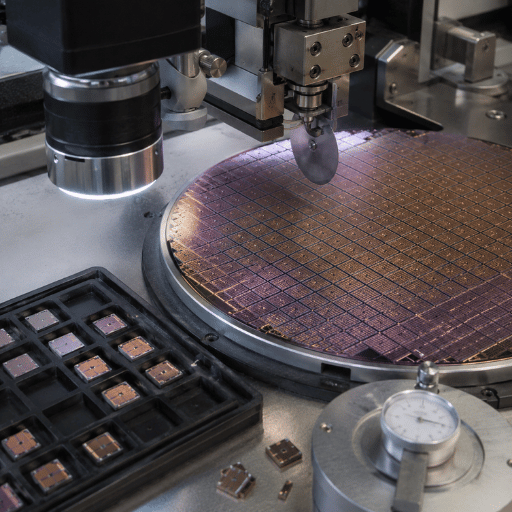
Как осуществляется контроль качества и проверка в области нарезки вафель?
Качество нарезки измеряется размером нарезки с передней и задней стороны, прочностью на разрыв матрицы и точностью установки на рез, измеряемой с помощью оптической метрологии, а для скрытых трещин - сканирующей акустической микроскопии в режиме C. Нарезка вдоль края матрицы является доминирующим режимом разрушения, а потеря текучести при нарезке сводится к трем причинам: смещение нарезки, загрязнение и сколы, за которыми квалифицированные операторы внимательно следят на каждой пластине.
Являетесь ли вы обрезкой кремниевых пластин или обрезкой полупроводниковых пластин, наиболее распространенные обрезки пластины бросают вызов прослеживание обратно к самому процессу резки Эти проблемы в обрезке пластины — вырезать чип, трещины, и дрейф, как пила перемещает пластину вдоль каждой улицы — сделать дисциплинированной технику обрезки пластины существенным, и выбор обрезки лезвия или лазер устанавливает потолок на то, что достижимо Операторы держат пластину плоским и настраивают параметры процесса, чтобы защитить качество поверхности пластины и общее качество пластины на краю матрицы; это основные типы контроля обрезки в полупроводниковой пластине, и изношенная пила для обрезки пластины появляется быстро как обрезка.
В конкретном случае нарезки кремниевой пластины, более высокая степень точности потребуется с уменьшением размеров матрицы и более тонкие допуски, следовательно, будут применяться. Аналогично, на стороне нарезки, проверки должны будут учитывать равномерность и точность прорези вместе с плоскостностью (лук, основа и TTV). В любой области, одна константа должна быть понята: повреждения, сделанные ранее, только заявить о себе с большей ценой позже; поверхностные повреждения от разреза будут диктовать, насколько тонко пластина может быть шлифована без поломки, и наш путеводитель утончение пластины начинается с нарезанного качества. обороты шпинделя обычно варьируются от 15 000 до 30 000 и даже выше при 60 000 об/мин с мелкими надрезами, но это может вызвать вибрацию между гладкой улицей и разрушенным штампом.
Перспективы отрасли: куда движется сингуляция (2025 — 2026)

Но физические - не экономические реалии меняют все - тот факт, что умирающие становятся более быстрыми (намного ниже 100 мкм) и что объемы SiC и GaN продолжают стремительно расти как при суровой механической резке. Таким образом, обратная сингуляция все больше смещается в сторону методов с нулевым изгибом, таких как лазерная или стелс-технология, как и даже плазма; для фронтальной резки с помощью методов нарезки алмазные проволоки становятся все тоньше и тоньше, чтобы максимизировать использование драгоценного сырья.
Практический урок для покупателей: прекратите обработку всех линий 2026 года, особенно тех, которые планируют обрабатывать устройства размером менее 100 мкм, такие как пильные станки, или будьте готовы включить в них лазер или стелс-возможности!
Глядя на то, где усилия, мы видим гибридные потоки, сочетающие подходы. Недавно показали документы лазерное нарезание кубиков на спине и последовательности лазер плюс травление для увеличения прочности разрыва штампа. Как только информация о задней поверхности, наблюдатели рынка прогнозируют рост оборудования для нарезки кубиков только на середине одиночных цифр до начала 2030 года, так что не первичный показатель по сравнению с методом сдвиг от любой основной цифры размера рынка. Если вы планируете расширение мощности на 2026 год, выберите инструменты нарезки кубиков на самом тонком штампе и нарезать провода на самом узком спецификации прорезей. Риск для покупателей по умолчанию для нарезки кубиков лезвиями, потому что это знакомо, даже когда тонкие SiC и GaN работы уже перешли.
Часто задаваемые вопросы
В чем разница между нарезкой пластин и нарезкой пластин?
Посмотреть Ответ
Нарезка пластины является передним этапом: она разрезает кристаллический слиток на тонкие, голые пластины с алмазной проволочной пилой, прежде чем какие-либо схемы существуют. Нарезка пластины является задним этапом: она разделяет готовую, несущую цепь пластину на отдельные матрицы с помощью пилы, лазера, плазмы или стелс-инструмента. Они сидят на противоположных концах жизни пластины и работают на совершенно разных машинах, поэтому это последовательные этапы, а не два метода, которые вы выбираете между ними.
Нарезание кубиков на пластине такое же, как и выделение кубиков?
Посмотреть Ответ
Да. Die singulation - это формальное название для нарезки пластин, процесса на обратной стороне, который разделяет готовую пластину на отдельные матрицы или чипы. оба термина используются взаимозаменяемо в производстве полупроводников. Singulation охватывает все четыре семейства методов (пила) dicing, лазерное нарезка, плазменное нарезка, и скрытное нарезка (невидимое нарезка). Поэтому всякий раз, когда вы читаете die singulation, представьте себе этап нарезки кубиками ближе к концу линии.
Заменяет ли лазерное нарезание кубиками лезвия?
Посмотреть Ответ
Не совсем. лазерное нарезание кубиками выигрывает на тонких пластинах и узких улочках, где оно работает намного быстрее и оставляет меньше механических повреждений. Но нарезание кубиками лезвий дешевле в использовании и обеспечивает превосходное качество боковин на более толстом кремнии с учетом затрат, поэтому оно остается по умолчанию для многих крупносерийных продуктов. Выбор метода следует за толщиной и материалом штампа, а не за новизной, и многие фабрики работают как с одним, так и с другим, сопоставляя каждый метод с продуктом на линии.
В чем разница между процессом CZ и FZ?
Посмотреть Ответ
Чохральский (CZ) и поплавковая зона (FZ) - это два способа выращивания кремниевого слитка, который позже разрезается на пластины. CZ вытягивает кристалл из расплава и доминирует в производстве больших объемов, а FZ обеспечивает более высокую чистоту для силовых и радиочастотных устройств.
Что такое вафельный керн и чем он отличается от кубиков?
Посмотреть Ответ
Коринг сверлит меньшие круглые пластины или тестовые купоны из более крупной пластины, изменяя ее форму. нарезка кубиками разрезает готовую пластину на множество прямоугольных штампов вдоль улиц. Короче говоря, керн меняет форму кремния, а нарезка кубиками выделяет его в чипы.
Может ли одна машина делать и нарезку, и нарезку кубиками?
Посмотреть Ответ
Нет, для двух ступеней нужны разные машины. для нарезки поперек слитка проходит алмазная многопроводная пила, чтобы сделать голые пластины, а для нарезки кубиками используется пила, лазер или плазменный инструмент на готовой пластине, чтобы разделить матрицы. Это просто разные машины, построенные для разных ступеней.
Короче говоря, нарезка и нарезка кубиками - это не конкурирующие методы, а два последовательных этапа одной и той же пластины: алмазная проволочная пила разрезает слиток на голые пластины на переднем конце, а пила, лазер, плазма или инструмент-невидимка нарезают готовую пластину на отдельные штампы на заднем конце. Подберите каждую машину к своей сцене и сопоставьте метод нарезки кубиками с толщиной и материалом матрицы.
Превращайте слитки в пластины в производственном масштабе с помощью DONGHE.
Исследуйте многопроводные пильные станки DONGHE →
Почему мы это написали
ДУНХЭ (Shanghai Donghe Science and Technology Co., Ltd.) производит алмазные проволочные пилы для нарезки кремния, SiC, и сапфира, с более чем 10 000 случаев резки в 300+ глобальных клиентов, Мы видим нарезку-vs-нарезка путаницы постоянно в вопросах покупателя, поэтому это руководство по вафельной нарезки и нарезки разделяет два этапа и делится данными о фронтальной окорока, которые оставляют без внимания ресурсы только для нарезки кубиков. рассмотрено Шанхайской Donghe Научно-технической командой, ООО.
Ссылки и источники
- Характеристика Si процессов истончения и сингуляцииНациональная медицинская библиотека НИЗ (PMC)
- Сверхточная резка пластин 4H-SiCНациональная медицинская библиотека НИЗ (PMC)
- КубикиНанопроизводственный комплекс Лурье Wiki, Мичиганский университет
- Размер скола в Si и SiC для нарезки пластин с бриллиантовым пильным лезвиемНаукаДирект
- Переработка кремния с потерей керфа из алмазно-проволочной пилыНаукаДирект
- Лазерная абляция для нарезания кубиков для сверхтонких пластинчатых пилПолупроводниковая инженерия
- Обрезка вафельПолупроводниковый дайджест
- Умереть СингуляцияВикипедия
- US20120211748A1: Способ нарезания кубиками пластины (невидимость)USPTO через патенты Google
- Алмазная пильная обработка для фотоэлектрических систем, проблемыПВ-Тех

![Материал поликремния: свойства, оценки и использование [Руководство]](https://wiresawcutter.com/wp-content/uploads/2026/08/polysilicon-material-featured-768x512.webp "Поликремниевый материал: свойства, классы и использование в солнечной и полупроводниковой промышленности 13")

![Материал поликремния: свойства, оценки и использование [Руководство]](https://wiresawcutter.com/wp-content/uploads/2026/08/polysilicon-material-featured-150x150.webp)