
Neem contact op met DONGHE Company
-
Telefoon: +86 181-1645-5490
-
E-mail: Sales18@DongheScience.com

Optisch glas snijden voor precisie-optica

Het gebied van precisie-optica, dat extreme precisie en volledige aandacht voor detail nodig heeft, baseert zijn kernwerk op de artistieke en wetenschappelijke principes van optisch glassnijden Precisie-optica maakt gebruik van geavanceerde methoden om optisch glas te creëren dat voldoet aan nauwkeurige eisen voor zijn toepassingen in medische beeldapparatuur, hoogwaardige telescopen en lasercomponenten. Deze uitgebreide gids onderzoekt de cruciale rol die optisch glassnijden speelt in de moderne technologie, de geavanceerde methoden die worden gebruikt om perfectie te bereiken, en de uitdagingen waarmee men wordt geconfronteerd bij het behouden van kwaliteit en consistentie.
Inleiding tot Optisch Glassnijden

Optisch glassnijden produceert nauwkeurige glasvormen die fabrikanten gebruiken om hun vereiste ontwerpen en operationele specificaties te creëren Het proces dient als een essentiële stap voor het produceren van lenzen, prisma's en diverse andere componenten die nodig zijn voor de productie van telecommunicatie, medische beeldvorming en consumentenelektronica. Het proces vereist zowel geavanceerde technologie als lasersnijden en diamantzaagmethoden om nauwkeurige afmetingen en gladde randen te bereiken en tegelijkertijd materiaalverspilling te verminderen. Het glas vereist exact snijden omdat eventuele fouten de optische integriteit ervan in gevaar brengen, wat essentieel is voor de werking ervan in geavanceerde technologische toepassingen. Voor afgewerkte glascomponenten, evalueer aangepaste glasfabricage van SW Glass tegen de tekening, substraat, dikte, randafwerking en optische eisen, waarbij de snijroute voor dat specifieke onderdeel is geselecteerd.
Optisch glas en zijn toepassingen begrijpen
Het geavanceerde materiaal dat bekend staat als optisch glas stelt gebruikers in staat om lichtpaden met exacte precisie te besturen Het materiaal vertoont zijn hoogste kenmerken door zijn vermogen om optische transparantie te behouden, zijn vermogen om lichtbuiging te controleren, en zijn vermogen om licht in meerdere paden te verdelen, wat het geschikt maakt voor essentiële taken waarbij lichtmanipulatie betrokken is Het materiaal functioneert op meerdere manieren over verschillende gebieden, waaronder astronomie door het gebruik ervan in telescopen, medische velden door de toepassing ervan in endoscopen en microscopen, en telecommunicatie door zijn bijdrage aan de ontwikkeling van optische vezels Het materiaal blijft essentieel voor geavanceerde optische systemen omdat het consistent kan presteren over verschillende omgevingsomstandigheden.
Het belang van precisie in optische componenten

De systeemprestaties die afhankelijk zijn van lichtmanipulatie hebben zijn optische systemen nodig om aan exacte ontwerpvereisten te voldoen. De operationele mogelijkheden van optische systemen zullen grote prestatiedalingen ervaren wanneer hun optische elementen te maken krijgen met ontwikkelings-, productie- en instelfouten. De optische componenten die uiterst nauwkeurige lichtregeling bieden, vormen de ruggengraat van industrieën die exacte prestatienormen moeten handhaven.
Waarom precisie belangrijk is in optische componenten
- 1
Verbeterde systeemefficiëntie
Lenzen en spiegels die fabrikanten met nauwkeurige specificaties maken, verminderen energieverliezen door verstrooiing en absorptie, wat resulteert in een verhoogde efficiëntie voor zowel energietransmissie als reflectie Antireflecterende coatings op lenzen zorgen ervoor dat optische systemen beter kunnen presteren omdat ze reflectieverliezen verminderen tot minder dan 1% van het totale licht dat door de lens gaat. - 2
Verbeterde resolutie en nauwkeurigheid
Precisie zorgt ervoor dat optische systemen strakke toleranties behouden, wat vooral van vitaal belang is bij toepassingen zoals microscopie en beeldvorming. Elke afwijking die een fractie van een golflengte overschrijdt, zal aberraties veroorzaken die de beeldkwaliteit en gegevenskwaliteit verminderen. - 3
Betrouwbare prestaties onder extreme omstandigheden
Hoogprecieze optische componenten zijn ontworpen om effectief te werken onder extreme omgevingsomstandigheden, waaronder intense hitte, kou en trillingen. Lucht- en ruimtevaart- en defensietoepassingen vereisen deze betrouwbaarheid omdat systemen moeten functioneren in zware operationele omgevingen. - 4
Geoptimaliseerde Lichtvoortplanting
Telecommunicatiesystemen maken gebruik van optische precisievezels die het licht in staat stellen lange afstanden af te leggen met behoud van de oorspronkelijke signaalsterkte Moderne single-mode optische vezels maken datatransmissiesnelheden mogelijk die hoger zijn dan 1 Tbps over afstanden van honderden kilometers. - 5
Uitwisselbaarheid en standaardisatie
Modulaire systemen vereisen precisieproductie omdat onderdelen hierdoor gemakkelijk tussen componenten kunnen worden uitgewisseld. De ontwerpers kunnen componenten vervangen of verbeteren zonder dat ze uitgebreide herkalibratie hoeven uit te voeren, wat resulteert in tijd- en kostenbesparingen.
Nauwkeurige optische componenten dienen als essentiële hulpmiddelen die technologische ontwikkeling mogelijk maken in alle industrieën die optische componenten gebruiken voor kritieke activiteiten, waaronder gezondheidszorg, telecommunicatie, productie en wetenschappelijk onderzoek.
Overzicht van Glassnijtechnieken
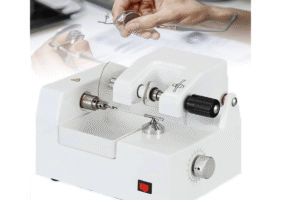
De glassnijindustrie maakt gebruik van verschillende basistechnieken die duidelijke voordelen opleveren die aansluiten bij bepaalde operationele vereisten.
Score-and-Snap-methode
Dit is de meest traditionele en veelgebruikte aanpak Het scoretool produceert een nauwkeurige glaslijn die langs de kerf breekt wanneer er kracht wordt uitgeoefend De methode werkt effectief voor standaard vlakglas, maar wordt onbruikbaar als het gaat om dikker glas en speciale glasmaterialen.
Lasersnijden
Lasertechnologie maakt gebruik van gerichte thermische energie om microscheuren in het glas te creëren, waardoor makers zeer nauwkeurige en zuivere sneden kunnen produceren. De techniek past bij toepassingen die een hoge nauwkeurigheid vereisen bij het testen van elektronica en optica.
Waterjet Cutting
Deze methode maakt gebruik van een hogedrukwaterstraal die schurende deeltjes bevat om glas te snijden zonder warmte te produceren. Met het gereedschap kunnen operators complexe glassnijontwerpen maken, omdat het meerdere snijmethoden omvat die werken met dikkere glasmaterialen.
De operationele vereisten van elke methode bepalen welke aanpak geschikt wordt omdat precisie, efficiëntie en materiaaltype moeten worden geëvalueerd.
Lasersnijtechnieken voor optisch glas
Ontwikkelingen in de moderne lasertechnologie hebben geresulteerd in geavanceerde technieken voor het hanteren van optische glasmaterialen die superieure precisie en snellere verwerkingsmogelijkheden bieden dan traditionele methoden. Lasersnijden zorgt voor schone sneden die hitteschade minimaliseren, terwijl het de creatie van patronen mogelijk maakt die micrometerprecisie vereisen.
Hoe Lasersnijden werkt
Lasersnijden werkt door een krachtige laserstraal op een materiaaloppervlak te richten dat de bundelenergie absorbeert en een intense verwarming ondergaat die resulteert in smelten of verdampen. Het productieproces van optisch glas is afhankelijk van twee essentiële elementen, namelijk nauwkeurige metingen en gereguleerde energieverdeling. Het lasersysteem maakt gebruik van een gespecialiseerd CNC-systeem (Computer Numerical Control) om snijpaden met precisie op micrometerniveau te bereiken.
Moderne technieken maken vaak gebruik van kortgepulseerde of ultrasnelle lasers, waaronder femtosecondelasers als hun primaire technologie, omdat deze lasers minimale thermische schade veroorzaken door hun vermogen om het door hitte beïnvloede zonegebied (HAZ) te beperken. Bij interactie met optisch glas is de golflengte van de straal een kritische parameter. Infraroodlasers zoals CO2-lasers functioneren beter voor het snijden van dikkere ondoorzichtige glasmaterialen, terwijl UV- of zichtbaarlichtlasers beter werken met transparante dunne materialen.
De introductie van AI-systemen in combinatie met nieuwe laserbesturingsalgoritmen heeft de operationele effectiviteit verbeterd, waardoor gebruikers complexe ontwerpen kunnen maken en tegelijkertijd materiaalverspilling kunnen verminderen.
Voordelen van lasersnijden boven traditionele methoden
De lasersnijsystemen tonen hun superioriteit aan omdat ze nauwkeurige metingen binnen het bereik van ±0,001 inch en beter dan deze drempel handhaven Het systeem bereikt deze nauwkeurigheid die de traditionele snijmethoden overtreft om nauwkeurige resultaten te produceren die nodig zijn voor toepassingen met ingewikkelde gedetailleerde ontwerpen zoals elektronica en medische apparaten.
Belangrijkste voordelen
- Contactloos proces: Lasersnijden werkt via een systeem dat elk fysiek contact met het materiaal vermijdt dat verschilt van de werking van mechanische snijgereedschappen. Het proces beschermt het gereedschap tegen degradatie, terwijl het oppervlakteschade en vervuiling van materiaal voorkomt, wat leidt tot een betere kwaliteitscontrole en consistente productie van afgewerkte onderdelen.
- Veelzijdigheid in materiaalgebruik: Lasersnijsystemen kunnen door meerdere materialen snijden, waaronder roestvrij staal, aluminium, titanium, kunststoffen, glas en composieten. Het systeem vertoont hoge prestaties bij het snijden van materialen met verschillende diktes, omdat het sneden kan creëren die enkele centimeters uitsteken zonder dat er grote veranderingen in de opstelling nodig zijn.
- Verbeterde efficiëntie en snelheid: De geavanceerde lasersnijsystemen bereiken hun maximale snijsnelheden van meerdere meters per seconde op basis van het gebruikte materiaal en de gebruikte dikte. Het systeem bereikt productietijdreducties door zijn geautomatiseerde functies die samenwerken met geautomatiseerde systemen om dit doel te bereiken in vergelijking met traditionele methoden zoals ponsen en zagen.
- Verminderde afval- en kostenbesparingen: De combinatie van geoptimaliseerde nestsoftware en smalle kerfbreedtes maakt lasersnijden mogelijk om minimale materiaalverspilling te bereiken. Het systeem realiseert gedurende zijn hele levensduur lagere operationele kosten omdat het geen verbruiksartikelen nodig heeft en de onderhoudsbehoeften heeft verminderd.
Veelgebruikte lasersystemen die worden gebruikt bij het snijden van optisch glas
CO2 Lasers
CO2 lasers worden vaak gebruikt voor het snijden van optisch glas vanwege hun hoge vermogen waardoor ze meerdere materialen met nauwkeurige nauwkeurigheid kunnen snijden De technologie levert optimale prestaties wanneer klanten producten nodig hebben met perfecte gladde randen en superieure afwerkingen.
Femtoseconde Lasers
Femtoseconde lasers snijden optisch glas door hun ultrasnelle pulstechnologie die minimale thermische schade veroorzaakt De systemen bieden ideale oplossingen voor extreem precisiewerk omdat ze elke kans op scheuren of defecten voorkomen.
Nd: YAG-lasers
Nd: YAG lasers werken effectief voor optisch glassnijden vanwege hun meerdere operationele kenmerken Het systeem levert krachtige bundels die een efficiënte werking over verschillende glasmaterialen mogelijk maken waardoor het geschikt is voor zowel industrieel als gespecialiseerd gebruik.
Excimer Lasers
Excimeerlasers functioneren als bewerkingsapparatuur voor delicaat optisch glas. Hun materiaalablatieproces produceert minimale warmte, waardoor ze nauwkeurige resultaten kunnen behouden tijdens uitdagende taken zoals microfabricage.
De selectie van lasersystemen hangt af van de combinatie van materiaaleigenschappen en de precisiebehoeften van bepaalde industriële functies. Aan verschillende productievereisten kan worden voldaan door middel van verschillende soorten apparatuur die verschillende operationele voordelen bieden.
Precisie in optisch glassnijden

Wetenschappers hebben geavanceerde lasersystemen nodig, waaronder femtosecondelasers en excimeerlasers voor nauwkeurig optisch glassnijden. De technologieën leveren nauwkeurige resultaten omdat ze thermische vervorming minimaliseren en tegelijkertijd nauwkeurige sneden creëren door ingewikkeld ontwerpwerk. Twee hoofdelementen controleren het proces, waarbij operators specifieke laserparameters moeten behouden en exacte laserrichtingssystemen moeten gebruiken.
Factoren die de precisie bij het snijden van glas beïnvloeden
- Laserparameters: De golflengte en pulsduur van de laser bepalen de snijkwaliteit door hun impact op de productie van lasercuts De kortere golflengten creëren een betere energieconcentratie wat resulteert in een betere snijprecisie door hun vermogen om fijnere sneden te produceren.
- Materiaaleigenschappen: De glassamenstelling die zowel dikte- als thermische eigenschappen omvat, bepaalt hoe het materiaal zal reageren op laserenergie die de randontwikkeling en totale precisie beïnvloedt.
- Positioneringssystemen: De zeer nauwkeurige geleidingssystemen behouden nauwkeurige controle over zowel de laseruitlijning als de laserbeweging, wat resulteert in consistente en herhaalbare snijprocessen.
- Koeltechnieken: Het materiaal ondervindt minder thermische spanning omdat de juiste koelmethoden en warmteafvoertechnieken bescherming bieden tegen de ontwikkeling van microscheuren en materiaalvervorming.
- Milieuomstandigheden: De snijprestaties moeten consistent blijven omdat de externe omstandigheden, waaronder vochtigheid, temperatuur en trillingen, ook controle vereisen.
De optimale resultaten worden bereikt door effectief beheer van deze factoren, waardoor geavanceerde toepassingsnormen kunnen worden bereikt.
Optimaliseren van het Snijproces voor betere resultaten
De selectie van gereedschappen en de behandeling van materialen en operationele instellingen hebben prioriteit nodig Fabrikanten moeten snijgereedschappen ontwikkelen die schone sneden creëren door het gebruik van superieure materialen die nauwkeurige snijkanten bevatten Werkstukken vereisen goede reinigings- en inspectieprocedures om eventuele defecten op te sporen die hun operationele functionaliteit kunnen verstoren De operators moeten de snijsnelheid aanpassen, samen met de toevoersnelheid en de snedediepte om een effectieve werking te bereiken die nauwkeurige resultaten oplevert en tegelijkertijd overmatige schade aan gereedschappen en materiaalvervorming voorkomt. Apparatuuroperators kunnen betrouwbare prestaties bereiken door middel van regelmatige onderhoudsactiviteiten en hun naleving van vastgestelde operationele protocollen.
Testen en kwaliteitscontrole bij optisch glassnijden

Het testproces voor optisch glassnijden moet drie specifieke doelen vaststellen, waaronder het handhaven van de maatprecisie en het beschermen van de oppervlaktekwaliteit en het bereiken van de vereiste tolerantieniveaus. Het testproces maakt gebruik van instrumenten zoals micrometers en schuifmaten om exacte metingen uit te voeren die helpen bij het controleren van afstandsmetingen. Bij de beoordeling van de oppervlaktekwaliteit wordt gebruik gemaakt van visuele inspecties in combinatie met optische interferometers om krassen, chips en onregelmatigheden in het oppervlak te identificeren.
Het bedrijf handhaaft consistente prestatienormen door middel van ISO-conformiteit en eindinspecties die verifiëren dat alle producten voldoen aan optische helderheid en operationele normen. Het testproces heeft volledige documentatie nodig omdat het de traceerbaarheid bevordert en de productieconsistentie vaststelt.
Geavanceerde machines voor het optische snijden van glas
De geavanceerde machines voor optisch glassnijden werken met nauwkeurige en efficiënte operationele mogelijkheden om delicate optische materialen te hanteren De machines gebruiken CNC-systemen (Computer Numerical Control) om nauwkeurige snijresultaten te bereiken die minimale operationele fouten bevatten De industrie maakt gebruik van snijgereedschappen met diamantpunten omdat ze langdurige prestaties leveren en tegelijkertijd schone glasranden produceren die de structurele integriteit van het glas behouden.
Overzicht van CNC-machines in optische glasverwerking
CNC-machines werken als essentiële hulpmiddelen die de productie van optisch glas ondersteunen door hun vermogen om nauwkeurige resultaten te creëren via hun automatische operationele mogelijkheden. De geavanceerde besturingssystemen van de machines maken uiterst nauwkeurige bewerkingen mogelijk, waaronder het vormgeven, boren en polijsten van optische materialen. De voorgeprogrammeerde algoritmen van CNC-machines stellen hen in staat complexe geometrieën te creëren met volledige precisie en consistente output, wat identieke productresultaten garandeert.
Het vergelijken van Freesmachines en Lasersnijders
Toekomstige trends in optische glassnijmachines
Optische glassnijmachines zullen evolueren naar hun toekomstige staat door middel van drie belangrijke technologische ontwikkelingen, waaronder vooruitgang op het gebied van automatisering, ontwikkeling van precisietechnologie en duurzame oplossingen. Fabrikanten gebruiken kunstmatige intelligentie en machine learning-algoritmen om de snijprecisie en operationele efficiëntie en onderhoudsvoorspellingen te verbeteren, wat resulteert in minder uitval van apparatuur.
Emerging Technologies
- AI-aangedreven automatisering: Geavanceerde algoritmen optimaliseren snijpaden en voorspellen onderhoudsbehoeften
- Lasergebaseerde dominantie: Lasertechnologieën zullen de primaire aanpak worden voor uiterst nauwkeurige resultaten met minimaal materiaalafval
- Duurzame productie: Waterrecyclingsystemen en energie-efficiënte ontwerpen ondersteunen milieudoelstellingen
Toepassingen van Optisch Glas Snijden

Meerdere industrieën maken gebruik van optisch glassnijden omdat het nauwkeurige snijmethoden levert die betere resultaten opleveren dan andere snijmethoden De technologie stelt fabrikanten in staat lenzen te produceren die worden gebruikt in camera's, telescopen en microscopen, omdat deze lenzen exacte vorm- en maatspecificaties vereisen om topprestaties te leveren. Het systeem produceert optische vezels die telecombedrijven gebruiken om datasignalen zonder verlies te verzenden. De technologie creëert glascomponenten die medische apparaten, lasersystemen en geavanceerde sensoren goed moeten functioneren omdat die systemen nauwkeurige ontwerpspecificaties vereisen.
Snijvoorbeelden: Van lenzen tot brillen
Precisieglas snijden dient essentiële functies die de productie van cameralenzen, brillenglazen en complexe microscoopoptica mogelijk maken. Onze geavanceerde snijtechnieken stellen ons in staat de vereiste precisie te bereiken die voldoet aan zowel optische als esthetische normen, terwijl we producten leveren die de beoogde doeleinden op maximale kwaliteit vervullen.
Innovatieve optische componenten in moderne technologie
Essentiële optische componenten van hedendaagse technologische systemen zijn van vitaal belang geworden voor de ondersteuning van diverse geavanceerde technologische toepassingen Hogesnelheidsinternetsystemen die gebruik maken van glasvezel samen met medische laserapparatuur en zelfrijdende autobeeldvormingssystemen zijn afhankelijk van nauwkeurig ontworpen optische systemen De componenten maken betere prestaties mogelijk door hun vermogen om licht door te geven en gerichte beelden te creëren met verbeterde visuele details.
Het gebruik van antireflecterende coatings en speciale glasmaterialen leidt tot prestatieverbeteringen die de operationele betrouwbaarheid behouden onder verschillende omgevingsomstandigheden die nodig zijn voor essentiële functies. De ontwikkeling van optische technologie creëert nieuwe ontwikkelingen die communicatiesystemen, gezondheidszorgtechnologieën en automatiseringsprocessen verbeteren.
De rol van precisie in verschillende industrieën
Het proces van het meten van de nauwkeurigheid bij productieactiviteiten, samen met de industriële toepassingen en onderhoudsactiviteiten, vereist dat organisaties nauwkeurige meetnormen bereiken.
Industrie Toepassingen
- Productie: Nauwkeurige meet - en bewerkingsprocedures creëren componenten die voldoen aan strenge kwaliteitsnormen
- Gezondheidszorg: Nauwkeurige diagnostische apparatuur en chirurgische instrumenten verbeteren de patiëntresultaten en verminderen tegelijkertijd medische fouten
- Lucht- en ruimtevaart: Precisietechniek creëert systemen die vliegtuigen beschermen tegen gevaren en tegelijkertijd superieure prestaties en bedrijfsbetrouwbaarheid leveren
Veelgestelde vragen
1. Waarom is precisie zo cruciaal bij optisch glassnijden?
Precisie heeft de hoogste prioriteit omdat zelfs de kleinste afmetingsveranderingen of veranderingen in de oppervlaktekwaliteit in optische componenten aanzienlijke prestatiedalingen in optische systemen zullen veroorzaken. Hoge precisie zorgt voor een optimale lichttransmissie, vermindert signaalverlies en verbetert de resolutie, terwijl een werking wordt gegarandeerd die betrouwbaar werkt in veeleisende situaties. Het optische systeem heeft dit element nodig om zijn volledige functionaliteit en operationele efficiëntie te bereiken.
2. Wat zijn de belangrijkste technieken die worden gebruikt voor het snijden van optisch glas?
De score-and-snap methode, waterstraalsnijden, en lasersnijden dienen als de primaire methoden voor het snijden van glas De score-and-snap methode werkt het beste voor basic vlakglas, terwijl waterstraalsnijden een hogedrukstroom van water en schuurmiddelen gebruikt voor ingewikkelde vormen zonder warmte Lasersnijden maakt gebruik van geconcentreerde thermische energie om uitzonderlijke nauwkeurigheid te bereiken en tegelijkertijd lage materiaalspanning te genereren, wat het geschikt maakt voor het vervaardigen van hoogwaardige optische producten.
3. Wat is het proces van lasersnijden voor optisch glas?
Lasersnijden maakt gebruik van een geconcentreerde lichtbundel met hoge intensiteit om glasmateriaal door te snijden De energie van de lichtbundel wordt geabsorbeerd door het materiaal, wat leidt tot verwarming, smelten en verdamping langs het specifieke pad dat het Computer Numerical Control (CNC) - systeem heeft ingesteld Femtoseconde lasersystemen bedienen geavanceerde technologie die de door hitte beïnvloede zone (HAZ) regelt om thermische schade te voorkomen en tegelijkertijd uitzonderlijk schone en nauwkeurige sneden te creëren.
4. Wat zijn de voordelen van lasersnijden ten opzichte van traditionele methoden?
Lasersnijden levert een betere nauwkeurigheid dan traditionele methoden, terwijl operators ingewikkelde vormen kunnen ontwerpen die toleranties bereiken die mechanische systemen moeilijk te bereiken vinden. Het proces functioneert zonder fysiek contact, wat leidt tot het elimineren van gereedschapsslijtage en tegelijkertijd de kans op materiaalverontreiniging en vervorming verkleint. Het systeem verbetert de operationele productiviteit, vermindert materiaalverspilling en stelt operators in staat meerdere glassoorten te hanteren die in dikte variëren.
5. Wat zijn de factoren die van invloed zijn op de snijprecisie?
Snijprecisie hangt af van meerdere factoren, waaronder de materiaaleigenschappen van glas (met name samenstelling en dikte), lasersysteemvariabelen (golflengte en pulsduur), nauwkeurigheid van het CNC-positioneringssysteem en effectieve koelmethoden die thermische spanning verwerken. De essentiële vereiste voor het bereiken van resultaten van hoge kwaliteit omvat het controleren van alle variabele factoren.
6. Hoe verifiëren we de kwaliteit van geslepen optisch glas?
Kwaliteitscontroletestprocedures verifiëren dat aan alle specificaties wordt voldaan. Dit proces maakt gebruik van uiterst nauwkeurige meetinstrumenten, waaronder micrometers en interferometers, om dimensionale verificatie uit te voeren, waarbij de oppervlaktekwaliteit wordt beoordeeld en defecten zoals krassen en chips worden gedetecteerd. Het uiteindelijke onderdeel vereist ISO-naleving, wat dient als industriestandaard voor het garanderen van zowel optische helderheid als functionele integriteit.
Conclusie
Optisch glassnijden vertegenwoordigt een hoeksteen van moderne precisieproductie, waardoor innovaties op het gebied van telecommunicatie, gezondheidszorg, ruimtevaart en consumentenelektronica mogelijk worden Van traditionele score-and-snap-methoden tot geavanceerde femtoseconde-lasersystemen: de evolutie van snijtechnieken blijft de grenzen verleggen van wat mogelijk is bij de fabricage van optische componenten. Naarmate AI-aangedreven automatisering en duurzame productiepraktijken steeds gangbaarder worden, belooft de toekomst van optisch glassnijden een nog grotere precisie, efficiëntie en verantwoordelijkheid voor het milieu. Door deze technieken, machines en toepassingen te begrijpen, kunnen professionals uit de industrie weloverwogen beslissingen nemen die technologische vooruitgang stimuleren en de hoogste kwaliteitsnormen in optische productie handhaven. Aanbevelen lezen: Laboratorium Diamantdraadzaag: De complete gids voor het snijden van precisiemonsters
Gerelateerde berichten


Trending Blogs

![Polysiliciummateriaal: eigenschappen, kwaliteiten en gebruik [Gids]](https://wiresawcutter.com/wp-content/uploads/2026/08/polysilicon-material-featured-150x150.webp)