Neem contact op met DONGHE Company
-
Telefoon: +86 181-1645-5490
-
E-mail: Sales18@DongheScience.com
Zonnepaneelglas snijden voor fotovoltaïsche productie

Het fotovoltaïsche fabricageproces heeft exacte productiebewerkingen en efficiënte productiebewerkingen nodig terwijl de glassnijmethode essentiële eisen stelt voor het maken van hoogwaardige zonnepanelen De procedure heeft invloed op zowel de duurzaamheid van panelen als de panelefficiëntie, wat het volledige fabricageproces en de bijbehorende uitgaven bepaalt Het volledige productieproces vereist kennis van geavanceerde lasersnijmethoden en nieuwe oplossingen voor materiaalbehandeling om optimale resultaten te bereiken en aan de eisen van de markt te voldoen Dit artikel onderzoekt de technische specificaties en glassnijtechnieken die worden gebruikt bij de fotovoltaïsche fabricage, waaronder essentiële technologieën, huidige uitdagingen in de industrie en best practices die in het veld worden gebruikt om toekomstige productiemethoden voor zonne-energie te ontwikkelen.
Inleiding tot de productie van zonnepanelen
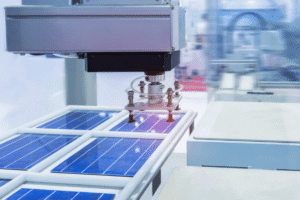
Er moeten exacte fabricagestappen worden gevolgd om zonnepanelen te maken die fotovoltaïsche (PV) modules produceren die efficiënt werken en een lange levensduur hebben Het proces begint met de productie van siliciumwafels, die als basis dienen voor zonnecellen De wafers ontwikkelen een positief-negatieve (pn) verbinding door het dopingproces die de omzetting van zonlicht in elektrische stroom mogelijk maakt Het proces verbindt de zonnecellen via een behuizing die ze beschermt tegen omgevingselementen Het assemblageproces vereist de installatie van een glazen afdekking en frame en aansluitdoos die samen de volledige zonnemodule creëren De hele procedure ondergaat strikte monitoring om te bevestigen dat het zonnepaneel zijn prestaties, betrouwbaarheid en duurzaamheid gedurende zijn hele operationele levensduur behoudt.
Overzicht van de fotovoltaïsche industrie
De fotovoltaïsche industrie heeft de laatste tien jaar een grote groei doorgemaakt vanwege technologische verbeteringen waardoor de productiekosten daalden en de wereldwijde vraag naar hernieuwbare energiebronnen toenam De sector functioneert als een essentieel element binnen de plannen voor hernieuwbare energie omdat het de uitstoot van broeikasgassen en de afhankelijkheid van fossiele brandstoffen helpt verminderen China en de Verenigde Staten en de Europese Unie fungeren als de primaire landen die fotovoltaïsche systemen vervaardigen en gebruiken Overheidsbeleid dat subsidies en fiscale stimuleringsmaatregelen omvat, is naar voren gekomen als de belangrijkste factoren die wereldwijde toepassing van zonnetechnologie mogelijk maken Onderzoekers en ontwikkelaars zetten hun werk voort om drie doelstellingen te bereiken, waaronder het verhogen van de efficiëntie en het verlagen van de kosten en het ontwikkelen van systemen die fotovoltaïsche energie combineren met andere technologieën voor hernieuwbare energie.
Belang van glas in zonnepanelen
De fotovoltaïsche cellen van zonnepanelen hebben glas nodig omdat het als hun beschermende schild fungeert De operationele levensduur van het paneel wordt verlengd omdat het materiaal wind - en regen - en hagelschade kan verdragen Het gebruik van glas met hoge transparantie maakt een maximale lichttransmissie naar de cellen mogelijk wat resulteert in betere algemene prestaties De industrie gebruikt gehard glas omdat het door zijn duurzaamheid en beschermende eigenschappen zowel zwaar weer als fysieke impact kan verdragen De prestaties en betrouwbaarheid van zonnepanelen zijn afhankelijk van glas omdat het de structurele sterkte behoudt en tegelijkertijd een optimale lichtverzameling mogelijk maakt.
Belangrijkste componenten van een zonnepaneel

Fotovoltaïsche (PV) cellen
Fotovoltaïsche cellen dienen als het essentiële onderdeel van zonnepanelen omdat ze zonlicht door middel van fotovoltaïsche technologie omzetten in elektriciteit. De cellen die elektriciteit produceren door hun lichtabsorberende eigenschappen maken gebruik van halfgeleidermaterialen die kristallijn silicium bevatten. De energieopwekkingscapaciteit van het zonnepaneel hangt af van de drie belangrijkste factoren, waaronder de kwaliteit van PV-cellen en hun specifieke type en hun configuratieontwerp.
Glaslaag
De glaslaag fungeert als het primaire beschermende element van zonnepanelen omdat het PV-cellen beschermt tegen milieueffecten Het gehard glas bereikt hoge duurzaamheidsnormen omdat het bestand is tegen schokken en verschillende temperatuurveranderingen en sterke windomstandigheden door zijn beschermende antireflecterende coatings De introductie van geavanceerde glastchnologie maakt een betere lichttransmissie mogelijk, wat resulteert in een verbeterde panelefficiëntie.
Inkapseling Materiaal
De glaslaag en het achtervel gebruiken inkapselingsmaterialen om een veilige verbinding te creëren die PV-cellen ertussen houdt. Inkapselingsmiddelen bestaan uit twee lagen die ethyleenvinylacetaat (EVA) gebruiken om isolatie en warmtebescherming te leveren. Het systeem beschermt apparatuur door de mechanische druk te verminderen en tegelijkertijd te voorkomen dat water en verontreinigingen het paneel binnendringen, waardoor de celprestaties gedurende een langere periode behouden blijven.
Achterblad
Een zonnepaneel gebruikt de achterlaag als beschermend materiaal dat het achterste gedeelte van het paneel bedekt. Het materiaal biedt een hoge elektrische isolatie en weersbestendigheid door het gebruik van polyvinylfluoride (PVF) en polyester. De achterlaag beschermt interne componenten tegen drie soorten gevaren, waaronder UV-straling en extreme temperaturen en het binnendringen van water.
Frame
Het frame biedt zowel structurele ondersteuning als stijfheid aan het zonnepaneel. Het frame gebruikt geanodiseerd aluminium als belangrijkste bouwmateriaal, waardoor het verschillende montagesystemen kan ondersteunen en tegelijkertijd bestand is tegen alle installatie- en operationele activiteiten. De nieuwste productontwerpen maken gebruik van lichtgewicht materialen die kunnen worden gerecycled om hun ecologische voetafdruk te verkleinen.
Verbindingsdoos en bedrading
De aansluitdoos functioneert als een essentieel element dat elektrische connectoren en bypass-diodes bevat die de stroomstroom regelen en tegelijkertijd het vermogensverlies tijdens schaduwrijke omstandigheden verminderen. Het systeem maakt gebruik van bedrading met hoge geleidbaarheid samen met connectoren om elektriciteit uit de modules over te dragen die aan verschillende energiebehoeften kunnen voldoen.
Anti-reflecterende coatings
Moderne zonnepanelen gebruiken antireflecterende coatings om maximale zonlichtabsorptie te bereiken. De coatings verminderen de lichtreflectie van het glasoppervlak, waardoor meer energie de PV-cellen kan bereiken. Ontwikkelingen op het gebied van de nanotechnologie hebben coatings gecreëerd die extra functies bieden, waaronder zelfreinigende mogelijkheden die de prestatie-efficiëntie gedurende langere tijd behouden.
De integratie van deze componenten, samen met de nauwkeurige assemblage van componenten en de recente materiaalwetenschappelijke ontwikkeling, stelt fabrikanten in staat zonnepanelen te creëren die verbeterde prestaties, veerkracht en betrouwbaarheid vertonen, wat voldoet aan de groeiende wereldwijde behoefte aan hernieuwbare energieproducten.
Fotovoltaïsch glas begrijpen

Fotovoltaïsch glas dient als een speciaal materiaal dat elektrische stroom produceert en tegelijkertijd als bouwmateriaal functioneert via ramen, gevels en dakramen. Het materiaal bevat fotovoltaïsche cellen waarmee het zonlicht in elektrische energie kan transformeren. Het glas behoudt zijn transparante eigenschappen en operationele vermogen omdat het natuurlijk licht binnenlaat en tegelijkertijd hernieuwbare energie genereert. Woon- en commerciële gebouwen bereiken een duurzaam ontwerp door middel van fotovoltaïsch glas omdat het hun behoefte aan niet-hernieuwbare energiebronnen en hun totale energieverbruik vermindert.
Soorten glas gebruikt in zonnepanelen
1
Tempered Glass
Het belangrijkste glas dat wordt gebruikt voor de productie van zonnepanelen is gehard glas dat mensen kennen als gehard glas Het product kan extreme weersomstandigheden doorstaan, waaronder hagelbuien en harde wind en thermische uitzetting Het temperproces maakt het glas vier tot vijf keer sterker omdat het de zonnepanelen in staat stelt hun sterkte te behouden gedurende hun gehele operationele periode.
2
Anti-reflecterend glas
Anti-reflecterend (AR) glas heeft een speciale coating die de reflectie van zonlicht van het oppervlak vermindert Het systeem verbetert de lichttransmissie naar fotovoltaïsche cellen wat leidt tot een betere efficiëntie van zonnepanelen AR-coatings kunnen de prestaties van zonnepanelen verbeteren met maximaal 2% tot 3%, afhankelijk van het materiaal en de applicatiemethode.
3
Getextureerd glas
Getextureerd glas heeft een ruw oppervlak dat effectief meer licht opvangt en tegelijkertijd de vermoeide vermoeiing van de ogen vermindert. Het systeem zorgt ervoor dat zonlicht via meerdere hoeken naar binnen kan komen, wat leidt tot een grotere energieopname tijdens perioden van beperkt daglicht. Dit glassoort wordt vaak gebruikt in gebieden met fluctuerende blootstelling aan zonlicht.
4
Low Iron Glass
Laag ijzerglas bevat zeer lage ijzerniveaus wat resulteert in een verminderde groenachtige tint die standaard glasmaterialen beïnvloedt Het materiaal bereikt een hoge helderheid en transparantie die een optimale lichttransmissie door 91%-93% van zonlicht mogelijk maakt Het materiaal staat als de topkeuze voor hoogefficiënte zonnepanelen die maximale energie-output moeten produceren.
5
Flexibel Glas
Flexibel glas functioneert als een extreem licht en flexibel glasmateriaal dat ontwerpers gebruiken om moderne zonnepanelen te creëren die draagbare en gebogen ontwerpen mogelijk maken. Het materiaal blijft sterk door zijn lichtgewicht eigenschappen, waardoor het kan worden gebruikt in meerdere zonnestraalontwerpen en voertuiggeïntegreerde fotovoltaïsche systemen.
Eigenschappen en duurzaamheid van fotovoltaïsch glas
De ingenieurs die fotovoltaïsch glas hebben gemaakt, hebben het materiaal ontworpen om uitzonderlijke prestaties te leveren, omdat de vele kenmerken ervan zowel de zonne-energiesystemen verbeteren als hun vermogen om in de loop van de tijd mee te gaan. Het glas bereikt maximale lichttransmissie door zijn ontwerp dat een hoge transparantie bereikt en antireflecterende coatings gebruikt om de energieconversie-efficiëntie te vergroten Het gespecialiseerde glas vertoont een uitzonderlijke thermische en mechanische sterkte waardoor het bestand is tegen extreme weersomstandigheden, waaronder zware hitte en zware regen en hagel. De combinatie van deze kenmerken maakt het mogelijk dat fotovoltaïsch glas zijn operationele efficiëntie behoudt en tegelijkertijd de structurele stabiliteit gedurende langere gebruiksperioden beschermt.
Recycling en duurzaamheid in de glasproductie
Het proces van recycling van glas dient als een essentieel onderdeel van duurzame productie, omdat het fabrikanten helpt hun gebruik van grondstoffen te verminderen terwijl hun energiebehoefte daalt en hun uitstoot van broeikasgassen afneemt. Glasmateriaal kan 100 procent van de tijd worden gerecycled en zijn oorspronkelijke kwaliteit en zuiverheid behouden gedurende meerdere recyclingcycli. Het recyclingproces begint met het verzamelen van glasmaterialen die vervolgens een reinigingsfase doorlopen voordat ze worden gesmolten om nieuwe producten te creëren die industrieel afval verminderen. Het gebruik van gerecycled glas, glasscherven genaamd, in productieprocessen vermindert de energiebehoefte omdat glasscherven lagere temperaturen nodig hebben om te smelten in vergelijking met onaangeroerde grondstoffen. De methode vermindert de milieueffecten van de glasproductie door de bescherming van natuurlijke hulpbronnen, waaronder zand en kalksteen.
Het productieproces van zonnepaneelglas

Het productieproces van zonnepaneelglas begint met het verkrijgen van zeer zuiver silicazand dat als primaire grondstof dient De gewenste chemische samenstelling wordt bereikt door de combinatie van silica met aanvullende materialen, waaronder natriumcarbonaat en kalksteen. Het mengsel ondergaat verwarming in een oven die extreem hoge temperaturen bereikt totdat het in een volledig gesmolten toestand verandert.
Productieprocesfasen
Het glas krijgt zijn vorm door een proces dat bekend staat als floatglasproductie, waarbij gesmolten glas op een bed van gesmolten tin wordt gegoten om een vlak oppervlak te creëren. Het glas vereist aanvullende behandelingen, waaronder temperen, om de noodzakelijke sterkte en duurzaamheid voor zonnepaneeltoepassingen te bereiken.
De toepassing van een antireflecterende coating helpt de lichttransmissie te maximaliseren en tegelijkertijd het vermogen van het paneel om energie te produceren te vergroten. Het glas ondergaat snijden in specifieke afmetingen, die vervolgens worden getest door middel van kwaliteitsinspecties om de naleving van de productienormen voor zonne-energie te bevestigen.
Eerste glassnijtechnieken
Het aanvankelijke glas scherpe proces gebruikt geavanceerde technologie die met een hoge mate van nauwkeurigheid werkt terwijl het creëren van minimale materiële afval Fabrikanten gebruiken computer numerieke controle (CNC) machines om glasplaatsneden te maken die hun precieze ontwerpvereisten aanpassen De CNC machine begint zijn werking door een vooraf gemeten sjabloon te gebruiken die werkt met diamant-getipte snijgereedschappen om hoge precisie resultaten te bereiken De gereedschappen creëren nauwkeurige lijnen die zich uitstrekken langs het oppervlak van gehard glas of onbehandeld glas Het glas ondergaat een gecontroleerd breekproces dat de vorige stap volgt omdat geautomatiseerde systemen helpen breekconsistentie te behouden langs de gescoorde lijnen.
Uit de meest recente gegevens blijkt dat industrieën nu meer de voorkeur geven aan laserglassnijmethoden dan welke andere snijtechniek dan ook. Lasersystemen produceren geconcentreerde lichtbundels die thermische energie gebruiken om glas in kleine segmenten te fragmenteren en tegelijkertijd exacte sneden te leveren waarmee ontwerpers complexe patronen kunnen creëren zonder schade door microfracturen aan het materiaal te veroorzaken. Lasersnijden produceert randen die minder ruw zijn dan traditionele mechanische scoremethoden en creëert tegelijkertijd duurzamere en sterkere resultaten. De combinatie van traditionele CNC-technologie met moderne lasertechnieken stelt fabrikanten in staat te voldoen aan de veranderende behoeften van verschillende industrieën, waaronder zonne-energie, elektronica en constructie. Het glasproductieproces bereikt een betere efficiëntie en kostenbesparing door de implementatie van geavanceerde moderne technieken.
Precision Cutting Methods for Customization
Fabrikanten gebruiken precisie snijmethoden die waterstraalsnijden en lasersnijden en CNC-bewerking omvatten om uiterst nauwkeurige resultaten te bereiken die hen in staat stellen hun meest complexe aangepaste ontwerpen te produceren De technieken bieden perfecte oplossingen voor het snijden van complexe patronen die specifieke afmetingen nodig hebben en tegelijkertijd de materialen tegen schade beschermen Lasersnijden biedt nauwkeurige randen samen met minder materiaalafval, wat het een ideale methode maakt voor projecten die zowel nauwkeurigheid als operationele efficiëntie nodig hebben Waterstraalsnijden biedt een superieure methode voor het snijden door zware materialen omdat het zijn snijprecisie gedurende het hele proces behoudt De methoden maken maatwerk mogelijk om nauwkeurige vereisten te bereiken terwijl ze gebruik maken van optimale tijd en toewijzing van middelen.
Kwaliteitscontrole bij de glasproductie
Het systeem voor kwaliteitscontrole van de glasproductie stelt productienormen vast waaraan moet worden voldaan om zowel industriële normen als eisen van de klant te bereiken. Het proces vereist drie hoofdstappen, waaronder het testen van grondstoffen op zuiverheid en het controleren van de smeltoperatie om defecten te voorkomen en het uitvoeren van thermische onderzoeken om zwakke punten in de stress op te sporen. De organisatie gebruikt optische inspectiesystemen als haar primaire methode om oppervlaktedefecten te vinden en de uniformiteit van de dikte te meten. De organisatie gebruikt strikte procesnaleving om productdefecten te verminderen en tegelijkertijd een consistente output te creëren en de betrouwbaarheid van het product te garanderen.
Leveranciers en de Supply Chain

De efficiënte creatie en distributie van hoogwaardige producten is afhankelijk van zowel leveranciers als supply chain-activiteiten Betrouwbare leveranciers leveren grondstoffen die voldoen aan vooraf gedefinieerde kwaliteitsnormen, wat rechtstreeks van invloed is op het productieproces en de productkwaliteit De supply chain bereikt tijdige materiaallevering via zijn gehele keten van activiteiten omdat het gebruik maakt van transparante communicatiemethoden De implementatie van monitoringsystemen samen met regelmatige audits zorgt voor een verantwoordelijkheid van de leverancier en zorgt tegelijkertijd voor de naleving van de regelgeving van de sector. Een goed gestructureerd supply chain-systeem verhoogt de operationele efficiëntie en vermindert tegelijkertijd de risico's die voortvloeien uit uitgestelde leveringen en onvoldoende materiaalvoorraden.
Betrouwbare glasleveranciers identificeren
- Reputatie en recensies: Onderzoek de reputatie van de leverancier in de industrie door klantbeoordelingen en getuigenissen te analyseren Leveranciers die voortdurend positieve feedback ontvangen, hebben de neiging producten en diensten van superieure kwaliteit te leveren.
- Certificeringen en naleving van normen: De leverancier moet beschikken over een ISO-certificering die fungeert als een erkende standaard voor kwaliteitsborging. De bestaande certificeringen leveren het bewijs dat het bedrijf betrouwbare producten onderhoudt die voldoen aan de industrienormen.
- Productassortiment en maatwerk: Een betrouwbare leverancier moet een grote verscheidenheid aan glasproducten aanbieden en de flexibiliteit om aan specifieke aanpassingsbehoeften voor verschillende toepassingen te voldoen.
- Leveringsefficiëntie: De capaciteit van de leverancier om producten binnen geplande termijnen te leveren, moet worden beoordeeld op zowel stiptheid als betrouwbaarheid gedurende de leveringsperioden. Stipte en betrouwbare logistiek is van cruciaal belang voor het bijhouden van de projecttijdlijnen.
- Technische ondersteuning en expertise: De leverancier moet volledige technische ondersteuningsdiensten leveren en tegelijkertijd personeelsleden in dienst nemen die over expertise beschikken om klanten te helpen met productspecificaties en gebruiksoverwegingen.
Uitdagingen bij het verkrijgen van fotovoltaïsch glas
Het proces van het verkrijgen van fotovoltaïsche glasmaterialen wordt geconfronteerd met drie fundamentele obstakels Ten eerste kan de beschikbaarheid van materiaal inconsistent zijn omdat verstoringen van de toeleveringsketen voortkomen uit geopolitieke spanningen en natuurrampen en productievertragingen Ten tweede moet het handhaven van kwaliteitsnormen consistentie bereiken omdat ondermaatse glasproducten de prestaties en levensduur van zonnepanelen zullen verminderen Ten derde ondergaan de kosten van fotovoltaïsche glasproducten grote veranderingen omdat vraagpieken en tekorten aan grondstoffen de prijs beïnvloeden. Het proces van het betrekken van materialen bij betrouwbare leveranciers vereist een uitgebreide evaluatie om te bevestigen dat ze zich houden aan duurzame en ethische productienormen. Het proces om deze uitdagingen te overwinnen vereist dat organisaties plannen ontwikkelen die afhankelijk zijn van hun vermogen om leveranciersverbindingen te beheren en marktkennis te gebruiken.
Toekomstige trends in leveranciersrelaties
Integratie van technologie
Digitale tools, waaronder kunstmatige intelligentie en blockchain-technologie, creëren voordelen voor leveranciersnetwerken door hun vermogen om de transparantie en monitoring- en communicatiemogelijkheden te vergroten. De twee technologieën zorgen voor operationele efficiëntie door hun vermogen om gegevens te genereren die organisaties kunnen gebruiken om beslissingen te nemen.
Duurzaamheid en ESG-overwegingen
Bedrijven selecteren hun leveranciers op basis van het vermogen van de leveranciers om te voldoen aan milieunormen en sociale vereisten en bestuursnormen Organisaties gebruiken tegenwoordig duurzame methoden als hun belangrijkste strategie voor het opzetten van duurzame betrouwbare zakelijke partnerschappen.
Verbeterde samenwerking
Bedrijfsorganisaties en hun leveranciers creëren nu nieuwe producten door nauwere samenwerking, waardoor ze innovatieve oplossingen kunnen ontwikkelen die voldoen aan de veranderende behoeften van de consument.
Risk Management Focus
Toeleveringsketens hebben speciale aandacht nodig omdat organisaties risico's moeten identificeren en beheren, waaronder verstoringen van mondiale gebeurtenissen, bedreigingen voor de cyberbeveiliging en materiaaltekorten.
Leverancier Diversificatie
Organisaties moeten hun leveranciersnetwerk uitbreiden omdat deze praktijk hun bedrijfsvoering beschermt tegen onverwachte verstoringen en hen tegelijkertijd operationele flexibiliteit biedt.
Glas aanpassen voor zonnepanelen
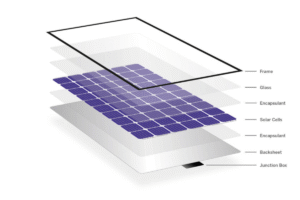
Het proces van het aanpassen van glas voor zonnepanelen vereist dat onderzoekers de glaseigenschappen optimaliseren, wat zowel de energie-efficiëntie als de duurzaamheid van het materiaal zal verbeteren. Glas met hoge transparantie zorgt ervoor dat maximaal zonlicht de zonnecellen bereikt, wat resulteert in een betere energieabsorptie. De antireflectiecoatings verminderen de lichtreflectie terwijl ze ervoor zorgen dat er meer zonlicht het paneel binnendringt, wat leidt tot een hogere algehele efficiëntie. Mensen gebruiken gewoonlijk gehard glas omdat het een sterke bescherming biedt tegen gevaren voor het milieu, zoals hagel en wind en temperatuurveranderingen. Glas moet UV-stralingsbescherming bieden omdat deze functie materiaaldegradatie in de loop van de tijd voorkomt. Deze op maat gemaakte functies zorgen ervoor dat het glas effectief bijdraagt aan de prestaties en levensduur van het paneel.
Innovatieve technieken in glasaanpassing
De ontwikkeling van antireflecterende en hydrofobe coatings voor glas, die zonnepanelen gebruiken, vertegenwoordigt een van de belangrijkste verbeteringen in het aanpassen van zonnepaneelglas Antireflecterende coatings minimaliseren de lichtreflectie zodat zonnecellen meer zonlicht kunnen opvangen. De methode verhoogt de energieconversie-efficiëntie in belangrijke mate, vooral bij gebruik in situaties met weinig licht. Hydrofobe coatings functioneren door water af te stoten terwijl vuil in contact komt, waardoor oppervlakken hun schone staat kunnen behouden voor optimale lichtopvang met minimaal onderhoud.
Impact van maatwerk op prestaties
Casestudies van op maat gemaakte zonnepanelen
Casestudy 1: Woestijnomstandigheden
Ingenieurs ontwierpen zonnepanelen voor een project uit het Midden-Oosten onder extreme woestijnomgevingsomstandigheden Ingenieurs selecteerden antireflecterende coatings en gespecialiseerde stofbestendige materialen om oplossingen te creëren die bestand waren tegen hoge temperaturen en frequente stofstormen. De installatie produceerde een 10% hogere energieopbrengst vergeleken met standaard paneelinstallaties, terwijl de behoefte aan onderhoud afnam.
Casestudy 2: Stedelijke daken
Europees programma voor stedelijke hernieuwbare energie installeerde compacte zonnepanelen die met een hoog rendement op de daken van gebouwen werkten vanwege ruimtebeperkingen De panelen bereikten een 15% hogere energieopwekking omdat ze multi-busbarcellen en bifaciale ontwerpen gebruikten om zowel direct zonlicht als gereflecteerd licht uit hun omgeving op te vangen.
Casestudy 3: Drijvende systemen
Ingenieurs ontwikkelden drijvende zonnepanelen voor Aziatische reservoirs om de energieopbrengst te optimaliseren en tegelijkertijd landruimte te behouden. De panelen gebruikten verbeterde waterdichtheid en corrosiebestendige frames waardoor ze effectief konden werken tijdens weersomstandigheden met veel vocht. Het ontwerp verminderde de waterverdamping en creëerde tegelijkertijd een hernieuwbare energiebron voor aangrenzende gemeenschappen.
Referentiebronnen
- Onderzoek naar het snijden van glazen gaten op zonne-energie met drijvende kracht met behulp van een laser van 532 nm - Het onderzoek bestudeert hoe nanoseconde lasers functioneren om zonnevlotterglas te snijden met hun hoge precisiemogelijkheden.
- Diamantdraadzagen voor glaszagen - Het onderzoek toont aan hoe diamantdraadzagen zowel nauwkeurige als effectieve glaspaneelsnijoplossingen biedt voor fotovoltaïsche installaties.
- Zonnecellen snijden met laser versus diamantdraadlus -De studie analyseert de snijprestaties van zonnecellen en glas tussen twee methoden: lasersnijden en diamantdraadlussen snijden.
- Aanbevelen lezen: Precisieglas snijdraadzaag voor industriële uitmuntendheid
Veelgestelde vragen
1. Welk type glas wordt gebruikt voor zonnepanelen en waarom is het uitdagend om te snijden?
Zonnepanelen maken gebruik van gehard glas dat een laag ijzergehalte en hoge lichttransmissie-eigenschappen bevat, samen met een antireflecterende coating. Het glas is ontworpen om maximaal licht door te geven terwijl de duurzaamheid intact blijft. De belangrijkste uitdaging bij het snijden van dit materiaal ontstaat wanneer het glas zijn getemperde toestand nog niet heeft bereikt, omdat nauwkeurig snijden exacte maatmetingen vereist, samen met onberispelijk randonderhoud. Het snijproces produceert microscheuren en spanen die fungeren als spanningspunten die resulteren in hogere breuksnelheden tijdens het thermische temperproces.
2. Wat zijn de primaire snijmethoden die worden gebruikt bij de productie van fotovoltaïsche (PV)?
De zonne glasindustrie is afhankelijk van twee precieze snijwonden technieken die gedurende de gehele bedrijfsvoering actief blijven:
Mechanisch schrijven en breken: Het proces omvat het snijden van glas door een CNC-gestuurd systeem dat een diamantwiel of carbidewiel gebruikt om een specifieke kerflijn op het glas te creëren. Het glas ondergaat een proces waarbij het gecontroleerde mechanische of thermische spanning ervaart, waardoor de scheur zich soepel uitstrekt langs de vooraf vastgestelde scribelijn.
Lasersnijden: De contactloze methode van deze technologie maakt gebruik van ultrakorte pulslasers die werken op picoseconde- of femtoseconde-golflengten om materiaal weg te strippen en tegelijkertijd een strakke rand te creëren die geen productiefouten bevat. Deze methode levert betere randresultaten op omdat het beter werkt met ingewikkelde ontwerpen en lichtgewicht glas, maar toch meer financiering nodig heeft om tot stand te komen.
3. Waarom is randkwaliteit zo cruciaal voor zonnepaneelglas?
De randkwaliteit van het glas bepaalt direct hoe goed het zonnepaneel zijn structurele sterkte en operationele prestaties behoudt gedurende zijn gehele levensduur Het glas verliest aanzienlijke sterkte wanneer de randkwaliteit verslechtert als gevolg van chipping en micro-scheur ontwikkeling en beschietingen De materiaaldefecten zullen zich uitstrekken door thermische spanning die optreedt tijdens de productie en werkelijke omgevingsomstandigheden die wind en hagel en temperatuurschommelingen met zich meebrengen Superieure randsterkte is essentieel voor het produceren van duurzame, duurzame modules.
4. Hoe beïnvloedt snijden de prestaties van anti-reflecterende (AR) coatings?
De AR-coating wordt aangebracht vóór het snijproces De snijmethode moet werken op een manier die de coating intact houdt en de randen beschermt tegen eventuele schade. Schuurtechnieken kunnen oppervlaktekrassen veroorzaken, terwijl het onjuiste gebruik van mechanisch breken zal resulteren in het afschilferen van de coating. Lasersnijden presteert over het algemeen beter dan andere methoden omdat het werkt zonder fysiek contact, waardoor oppervlaktecoatings intact blijven tijdens trimwerkzaamheden.
5. Wat is de rol van een Diamantdraadzaag in het snijden van zonneglas?
Het PV-productieproces heeft geen diamantdraadzagen nodig om standaard rechthoekige sneden van grote glasplaten uit te voeren, hoewel deze apparatuur belangrijk blijft voor gespecialiseerde behoeften. Het apparaat verwerkt siliciumblokken tot wafels, terwijl het zowel testmonsters als op maat ontworpen glasvormen snijdt die minimaal materiaalverspilling en weinig interne schade moeten hebben. De apparatuur biedt nauwkeurige metingen die het geschikt maken voor onderzoeks- en ontwikkelingswerk en voor het creëren van waardevolle productieruns in kleine volumes.
6. Welke precisietoleranties zijn vereist voor het snijden van zonneglas?
Het productieproces voor fotovoltaïsche systemen vereist strikte naleving van specifieke meetlimieten. Het moduleframe vereist een exacte maatnauwkeurigheid van minder dan één millimeter om een goede uitlijning tussen de zonnecellen en de achterlaag te bereiken. Het besturingssysteem moet randkwaliteitsparameters meten, waaronder microscheurdiepte en -frequentie, om volledige controle van de procesresultaten mogelijk te maken tijdens het temperen en evaluatie van de moduleprestaties gedurende de gehele operationele levensduur.
Gerelateerde berichten


Trending Blogs

![Polysiliciummateriaal: eigenschappen, kwaliteiten en gebruik [Gids]](https://wiresawcutter.com/wp-content/uploads/2026/08/polysilicon-material-featured-150x150.webp)