DONGHE Company に連絡してください


2026年6 月更新 上海東和科技有限公司技術チームによるレビュー
というフレーズ ウェーハスライシングとウェーハダイシング 2 つのライバルの切断方法の選択のように聞こえます。そうではありません。ウェーハのスライス vs ウェーハのダイシングは、実際には 2 つの競合するツールではなく、2 つの連続した生産段階に関する問題です。スライスとダイシングは、ウェーハの寿命の反対側で行われる 2 つの異なる作業です。スライスにより、結晶インゴットが最初の段階で裸のウェーハに変わり、ダイシングにより完成した回路ベアリングのウェーハが最後の段階で個別のダイに切断されます。この 2 つを混同すると、購入者は決して代替手段ではなかった機械を比較し、実際の材料とコストの損失がどこで発生するかを無視するようになります。.
簡単な答え: (フロントエンド) ウェーハ スライシングは、結晶質の伝統的なインヨグ (または SiC/サファイア) を、を使用して薄いウェーハに変えます ダイヤモンドワイヤーソー. (バックエンド) ウェーハ ダイシングは、レーザー、プラズマ、またはステルス プロセス ダイソーまたはブレード ソー (ダイシング ソー) またはダイシング技術 (ステルス プロセスなど) を使用したシンギュレーションによって、完成した (製品のライフ サイクルを完了する) ウェーハを数百のダイに順番に実行します。単一の材料で、どちらか一方の選択ではなく、その順序で実行されます。.
主なポイント
- スライスとはフロントエンド(yasou、asaris、またはyou);ダイシングとはバックエンド(youのウェーハの)です。機械が異なります。焦点が異なります。.
- ステルス ダイシングにより、60μm のシリコン ダイを 153 kgf の破壊強度で残すことができます。これは、テストされたダイの単一化方法の中で最も高い値です。.
- ブレード ダイシング カーフは~20-50mを動かします; レーザーは10mの下に落ちます; プラズマおよびステルス性はゼロ カーフに近づきます。.
- スライスにおいて、ダイヤモンドワイヤーカーフを0.15mmから0.06mmに落とすと、インゴット200mmあたりのウェーハ数が~571~769 (+35%) に増加します。.
- レーザーはブレードに「単純に勝つ」わけではありません。実際、ブレードはシリコン上でもコスト効率が高く、マウントが比較的高価でコスト主導型であり、サイドウォールの品質が優れています。.
クイックスペック: スライス vs ダイシング
| ウェーハスライシング | インゴット/ブール→薄い裸のウェーハ(フロントエンド) |
| ウェーハダイシング | 完成したウェーハ→個別ダイス(バックエンド/ダイスシンギュレーション) |
| スライスツール | ダイヤモンド マルチワイヤー ソー |
| ダイシングツール | ダイシングソー、レーザー、プラズマ、ステルスレーザー |
| カット幅項 | スライス: ワイヤーカーフ |ダイシング: 通り内のカーフ |
| 代表的な材料 | Si、SiC、サファイア、GaN、ガラス |
スライス vs ダイシングを一目で
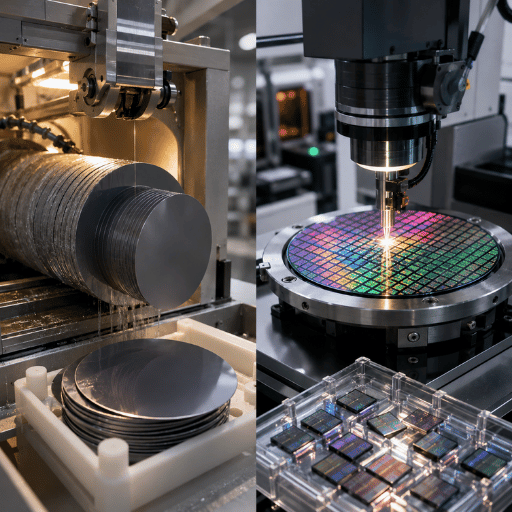
1 つだけ覚えているなら 順番を覚えておいてください ウェーハは スライスした 一度、その人生の始まり近くに、そして 角切り 一度、終わり近く。周回を重ね、磨き、ドープし、回路でパターン化し、しばしば薄くする。つまり、誰かがスライスするかダイシングするかのどちらが「より良い」と尋ねると、正直な答えは、その質問が同じ仕事を争うことのない 2 つの段階を混同しているということです。.
インゴットは前段階で 1 回スライスされ、その後、多くの完成したウェーハは後段階で 1 回サイコロ状になるため、これを「スライス - その後 - サイコロ タイムライン」と呼ぶことをお勧めします 大学 fab ガイド 同じ前後シーケンスを説明しますが、調査したプロセスや機器を以下の 9 点スライス対サイコロ マトリックスの関連する半分に「適合」させたいと思います。.
| カテゴリー | ウェハースライシング | ウェーハ ダイシング |
|---|---|---|
| ステージ | フロントエンド(ファーストカット) | バックエンド(包装前の最後のカット) |
| 入力 | 結晶インゴット/ブール | 仕上げ、パターン化されたウェーハ |
| 出力 | ベアウェーハ (回路はまだありません) | 個別の金型/チップ |
| カット幅項 | ワイヤーカーフ | 通り/スクライブライン内のカーフ |
| プライマリツーリング | ダイヤモンド マルチワイヤー ソー | ダイシングソー、レーザー、プラズマ、ステルス |
| 代表的なカットカウント | 数百本の平行線を一度に | XとYの何千もの通り |
| 収量単位 | インゴットごとのウェーハ | ウェーハごとに優れたダイ |
| 主なコストドライバー | 原料シリコンのカーフ損失 | スループットおよびダイエッジ歩留まり |
| 典型的な品質指標 | カーフ、TTV、弓/反り (μm) | チップアウトサイズ&ダイブレーク強度 |
学術査読済みおよび標準ソース (以下にリスト) から得られた自由合成。製品ごとのカット数はウェーハの直径とダイのサイズによって異なります。.
ウェーハスライス、説明: インゴットからウェーハへ
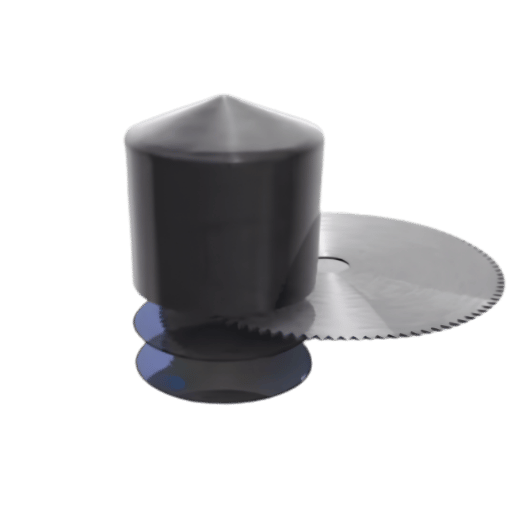
ウェーハスライシングは、成長した結晶インゴットを薄くて平らなウェーハに変えるフロントエンドプロセスです。今日では、ほぼ完全にダイヤモンドワイヤーソーで行われており、ダイヤモンド研磨材でコーティングされた 1 本のスチールワイヤーが 1 回のパスで 1 本の平行ガイドに巻かれています。.
古いスラリーと内径ブレードの方法はほとんど廃止されており、それらが生み出した問題は無駄でした。内径ブレードはカットごとに 200 ~ 300 μm のシリコンを廃棄する可能性がありますが、最新のダイヤモンド ワイヤーは縁石を約 50 ~ 70 μm × 数十にトリミングします。すべてのウェーハに節約された原料のミクロンの量。.
スライス品質は、カーフ幅、総厚さ変動 (TTV) 、弓と経糸、および地下損傷によって判断されます。これらは下流のすべてに天井を設定します: 高いTTVでワイヤーソーから剥がれたウェーハは、余分な材料を除去せずに平らに研磨することができず、深い鋸の損傷は、後で研削することができるどのように薄いキャップダイヤモンドワイヤー切断研究によると、約10µmの下でTTVを保持すると、研磨機が除去しなければならないストックが急激に切断されます。. シリコン、sic、サファイア用のマルチワイヤソーの製造業者として、私たちはこれを直接目にしています。ウェーハがダイシングツールに到達するずっと前に、原料 1 キログラムあたりにより多くのウェーハがワイヤ縁石で勝敗を左右する顧客です。.
カーフ損失は些細なことではありません。ダイヤモンド線切断に関するフロントエンドの研究は、まさにシリコンが変化したために存在します カーフスワーフは原料の大部分を占めます そのfabsはリサイクルしようとします 単結晶インゴットでは、ワイヤーカーフから削り取られたすべてのミクロンは、スラリーの代わりに販売可能なウェーハになるシリコンです ウェーハ加工はここから始まります: 単一のウェーハは、高度な半導体作業に十分な平らに鋸から剥がれ落ちる必要があります 標準シリコンウェーハは半導体業界の大部分に供給され、半導体生産におけるこのフロントエンドプロセスは、後のエッチングプロセスとダイシングが依存する半導体プロセスチェーン全体にとって重要な材料自体をより深く見るために、へのガイドを参照してください シリコンウェハー材.
ウェーハ ダイシング、説明: ウェーハからダイへ
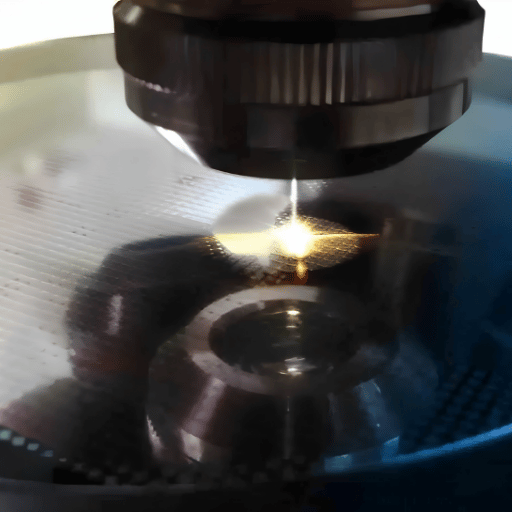
ウェーハ ダイシング ¤ ダイシングレーション ¤ とも呼ばれるは、完成した回路ベアリング ウェーハを個々のダイに切断するバックエンド ダイシング プロセスです。このウェーハ ダイシング プロセスは、ウェーハが完全にパターン化された後にのみ実行されます。.
ウェーハがダイシングに達するまでに、ウェーハはすでに数百から 100,000 個をはるかに超えるダイスを 300 mm ウェーハ上に保持し、最大厚さ約 775 μm まで、それぞれが狭い車線 ⁄ 通り、またはスクライブ ライン ⁄ で区切られており、長年にわたって縮小してきました。高密度のデザインでは、約 100μm からわずか 20 ~ 40μm に向かってダイシングします。ダイシングは、両側のアクティブな回路を欠くことなく、それらの通りを切断する必要があります。.
スライシングが単一のツールを使用する場合、ダイシングは 4 つの競合ツール ファミリを提供します: 機械式ダイシング ソー、レーザー ダイシング、プラズマ ダイシング、およびステルス ダイシング。ウェーハはダイシング フレームの上に張られた接着ダイシング テープに取り付けられているため、ダイは切断中および切断後に留まります。また、UV リリース テープは硬化するときれいに剥がれるため、デリケートな基板に使用されます。. ダイシンギュレーション ここで、ウェーハの価値が最終的にロック解除されます ――または、チッピングでダイに亀裂が入った場合、破壊されます。ここで問題は実際のお金です。100,000 ダイのウェーハ上の 1 つの亀裂が入ったダイはスクラップであり、間違ったダイシング方法を選択すると、その損失が倍増します。.
各ダイシング技術 ¤ ダイヤモンドダイシングブレードを実行する機械式ダイシングソー、レーザーダイシングプロセス、またはプラズマステップ ¤ は、デバイスとその半導体材料に適合した別個のダイシング方法です。鋳造工場では、ダイシング要件、ダイシングの課題、および特定のダイシングシステムが提供するダイシングソリューションを計量し、多くの工場は、社内で精密ウェーハダイシングを実行するのではなく、ウェーハダイシングサービスにアウトソーシングしています。 ダイシングは、最終的に1 つのウェーハを多くの半導体デバイスに変えるプロセスです。より広い流れの中でダイシングがどこに位置するかを確認するには、の概要をお読みください 半導体製造プロセス.
実際に重要な 8 つの違い
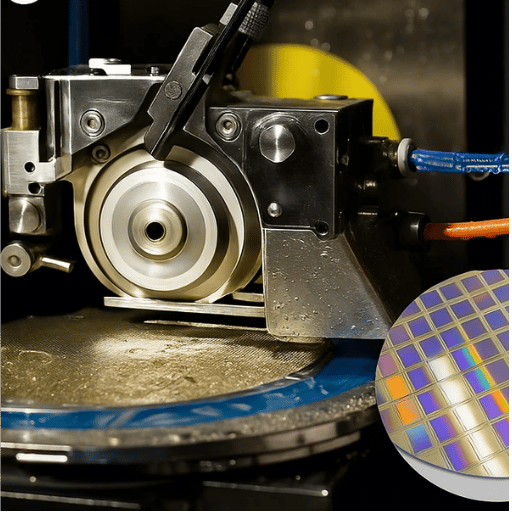
一目でわかる表には 8 つの寸法がありますが、それぞれの場合で異なる方法で購入できる理由について簡単に説明します。 1 つ目: まったく異なる 2 つの製品を比較し、「価格で購入する」こと ダイシングソーとワイヤーソーを比較すること。仕事ができない場合は単純にできません。無関係な 2 つのツールを比較する機会さえありません。 ya ワイヤーソーを作成することはできません。パターン化されたウェーハを単一化することはなく、ダイシングソーがインゴットをウェーハに変えることもありません。.
涔️ よくある間違い
また、どの段階にあるかを示さずにウェーハ切断を指定します。フロントエンドのマルチワイヤースライスを引用したものもあれば、2 つの非常に異なる質問に答えるバックエンドのレーザーダイシングを引用したものもあります。常に状態入力 (インゴットまたは完成したウェーハ) と出力 (ウェーハまたはダイ)。 .
お金を動かすのはカット幅項であり、利回り単位はカット幅項と利回り単位です。 スライシングでは、カーフはインゴットとの関係にあり、インゴットあたりのウェーハで評価されます。 ダイシングでは、カーフはストリートに関して評価され、ウェーハあたりの良好なダイで評価されます。 2 つのモデルを組み合わせてコストを表すと、購入者はサイクルの安価な部分に固執し、コストのかかるプロセスを無視することになります。 2 つの段階が異なる質問に答えるため、リスクは現実的です。そのため、比較できるように見える引用は決してありませんでした ¤ にも分離が見えます レーザーとエッチングの組み合わせによる USPTO ファイリング.
比較した 4 つのダイシング方法: ブレード、レーザー、プラズマ、ステルス
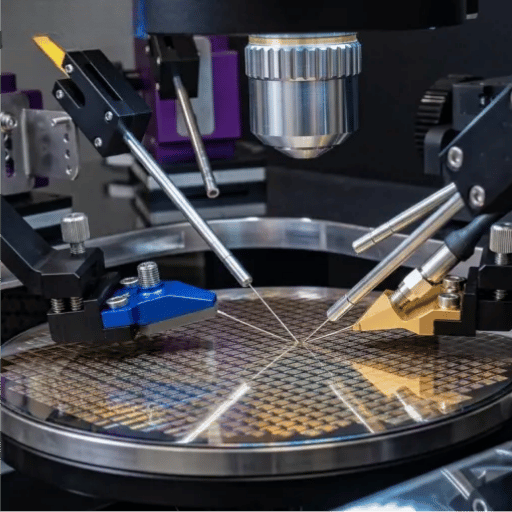
(通常、三方ダイシングは多くのガイドで言及されています。 実際には、ステルスが含まれる場合は 4 つ、kenf、ダイシング性能、速度、ダイ強度などの点で異なる強度があります。 このページには、4 つの方法、選別スコアカード、カーフ、ダイシング性能、ダイ強度などにわたる比較)
3 つの主要なタイプのシンギュレーション ダイシング方法は何ですか?
従来の意味では主に3 つのタイプがあります: 機械式ブレード (鋸) ダイシング、レーザーダイシング、プラズマダイシング 4 つ目のステルスダイシングは、ウェーハ内に集束された赤外線レーザーを使用し、現在主流になっています。 ブレードダイシングは通りを研削し、レーザーでアブレーションし、プラズマエッチングをすべての通りで一度に実行し、ステルスによって埋もれた亀裂が形成され、テープがその後スナップします。.
| 方法 | 機構 | カーフ | 相対的な強さ/速度 | ベストフィット |
|---|---|---|---|---|
| ブレード (鋸) | 15,000 ~ 60,000 rpm のダイヤモンド ブレード | ~20~50μm | 優れたサイドウォール; 薄いダイでは遅くなります | より厚いSi、コスト主導のボリューム |
| レーザーアブレーション | パルスレーザーは通りの材料を取除きます | <10μm | 超薄型ではブレードよりも約6.3×高速 | 薄いウエハース、狭い通り |
| プラズマ | すべての街路を一度に化学エッチング | ゼロに近い | 高いスループット; マスキングが必要です | 緻密で小型の金型/MEMS |
| ステルス | IRレーザーはウェーハの内部にひび割れ、その後壊れます | ゼロに近い | 最高は強さ死にます; 乾燥して下さい、破片無し | 壊れやすい/極薄ダイ |
さまざまな査読済みおよび業界誌の出版物から生成されたカーフおよび切断力のデータ。すべて以下に引用します。.
そのステルス強度数は常に衝撃的です。リンゴをリンゴと比較すると、査読済みのテストによると、, ステルスダイス加工された 60μm シリコンダイは、153 kgf の破壊強度 ¢ に達し、研究された方法の中で最も高かった. 。薄いチップによる破損は、ほとんどの場合、ダイシングの結果ではなくバックエンドの応力であるため、これは重要です。.
“「レーザー切断と比較して、ダイシングブレード切断は依然として優れたサイドウォール品質と比較的低コストの重要なプロセスであり、方法はファッションではなく、材料とダイの厚さに従う必要があります。」”
カーフ、通りの幅、物的損失: お金の行くところ
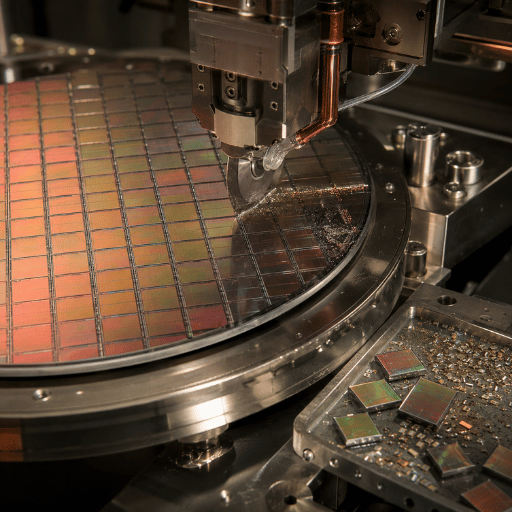
両方の段階は材料をカーフとして捨てますが、経済学は異なる場所に住んでいます スライスでは、カーフは失われた原料シリコン; ダイシングでは、カーフはより多くのダイを保持できた可能性がある通りの幅に食べて両面ビューを呼び出します カーフからストリートまでのコスト マトリックス:フロントエンドカーフはインゴットごとにウェーハで支払われ、バックエンドカーフはウェーハごとにダイで支払われます。.
莠エンジニアリングノート ――インゴットごとのウエハース
インゴットあたりのウエハース = 使用可能なインゴットの長さ × (ウエハースの厚さ + カーフ)。 0.20 mm のウエハースにスライスされたシリコンの 200 mm 使用可能なカラムを取ります。従来の 0.15 mm カーフで: 200 × (0.20 + 0.15) = 571 枚のウエハース. 。ダイヤモンドワイヤーを0.06 mmの縁石に締める:200 × (0.20 + 0.06) = 769 ウェーハ同じインゴット、, +35% もっとウエハー, 、後で来るダイにゼロ変化と。 、あなたの実質の収穫のサイズにあなた自身のインゴットの長さ、目標厚さ、およびワイヤー カーフを差し込んで下さい。.
さて 直感に反する部分は薄型反転. 装置を買う最も安価であるのでブレード ダイシングは最も安く見えますしかしおよそ100µmの下でダイ厚さ、映像は逆転します: 薄いダイは壊れやすいです、およびブレードの破片および割れるドライブ降伏損失は装置を救う超薄いウエハースの上で、, レーザーアブレーションはブレードダイシングよりも約 6.3 倍高速に実行されます (ウェーハあたり約 25 分に対して分) より強力なダイのエッジを残しながら。 「安価な」方法は、廃棄されたダイがカウントされると高価な方法になります。.
材料への一致プロセス: シリコン、SiC、サファイア及びガラス
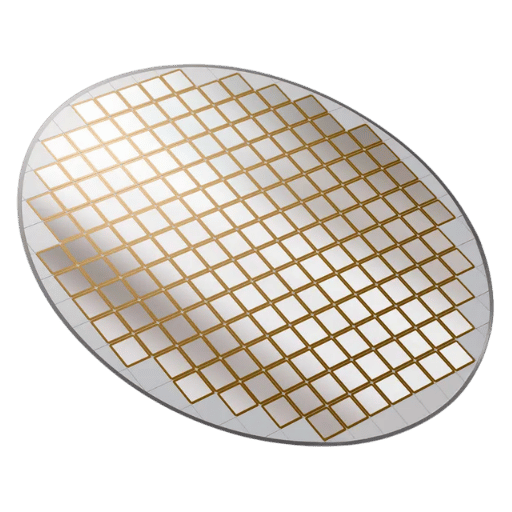
そしてもちろん、厚さだけが、しかし、それ自体が決定要因ではない材料があります; 材料の硬度と破壊特性に関する特別な要件があるもの 標準シリコンは機能しますが、材料はかなり難しい、すなわち; 硬質、硬質、炭化ケイ素、サファイア、さらには窒化ガリウムなどの脆性; 互換性のない機械によって切断されると、チッピングや破壊の影響を大幅に受けやすくなります。.
| 材料 | スライスアプローチ | ダイシングアプローチ |
|---|---|---|
| シリコン | ダイヤモンドワイヤーソー(熟成) | 厚いのための刃; 薄いのためのレーザー/ステルス |
| SiC | ダイヤモンドワイヤーソー、スローフィード | 超薄型ダイヤモンドブレードまたはレーザー |
| サファイア | ダイヤモンドワイヤーソー | チッピングを制限するステルス/レーザー |
| ガラス/gan | ワイヤーソーまたは成長したまま | レーザーまたはプラズマ、低い機械的ストレス |
炭化ケイ素、またはサファイアのいずれかを使用して私たち自身の仕事のために; 私たちはしばしば、顧客もそのような低い速度でそれらを切断することによって、私たちのツールの力を十分に活用していないかもしれない; 彼らは不注意で、その後の処理段階で高価な問題を導入している; 磨きすぎや、最終的にウェーハ自体のダイシングに影響を与えるエッジの損傷など; に関する私たちの論文を参照してください 炭化 ケイ素 研磨剤; ;または、などの当社の専門ツールのいずれか SiCウェーハ切断 そして サファイアウェーハ スライシング システム.
スライスとダイシングの選択: 意思決定の枠組み
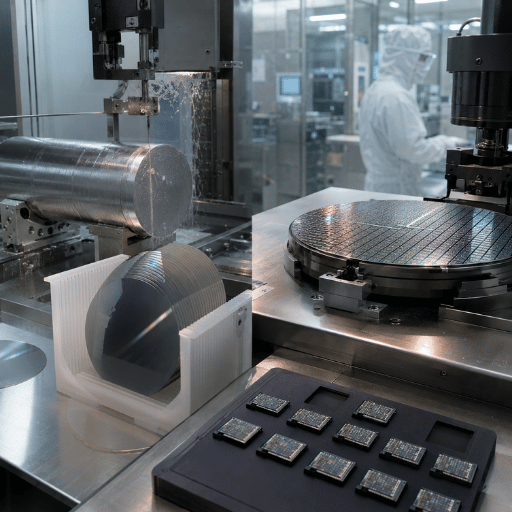
相互に排他的なプロセスが 2 つになったことを考えると; あなたの選択も 2 つの異なる選択です。まず; 生のインゴットをウェーハにどのように切断するか、そして 2 番目に、ウェーハが切断された後にどのように (分離して) 単一化するか? この単純なツリーは思考プロセスを単純化する可能性があります。.
ディシジョンツリー
- あなたの目の前の仕事があなたのインゴットをウェーハに切断することに関係しているなら、私たちのダイヤモンドワイヤーマルチブレードソー(切断方法ではありません)が最適です。使用されるプロセスではなく、最小のカーフと TTV を調整してください。.
- 150 ミクロンを超えるダイを備えた準備済みウェーハを単一化する最も簡単な方法は、標準的なブレード ダイシング システム (鋸ダイシング) です。.
- 薄いダイ (<100 ミクロン) を備えたウェーハを準備して歌う場合; SiC やサファイアのような壊れやすいダイや非常に硬いダイ。構造の完全性を維持しながら、カーフをきれいにカットし、ゼロに近いため、レーザーおよびステルスダイシング技術の使用を提案します。.
- 小さなダイの場合、大きなグループとして切断する場合でも; (多くの小さな高密度のウェーハ);または単層として; - プラズマ ダイシング (ダイのアレイ全体を一度に単一化できる) は、ほぼゼロのカーフを利用するもう 1 つの代替手段です。.
ビルド対バイの決定もあります. プロセスを社内に持ち込むことは、それに資本設備と訓練を受けたオペレータをもたらします; ダイシングサービスにアウトソーシングすることは、それをウェーハあたりの料金に置き換えます.経験則として, 安定した大ボリュームは、ツールを所有することを支持します, 一方、低または可変ボリュームとエキゾチックな材料は、サービス局を支持します-少なくとも資本支出を正当化するのに十分なボリュームになるまでスライスするために, 具体的には, 私たちの マルチワイヤーソーマシン 社内での高スループットウェーハ生産向けに設計されています。.
品質管理: カーフの損失、欠け、TTV & ダイ強度
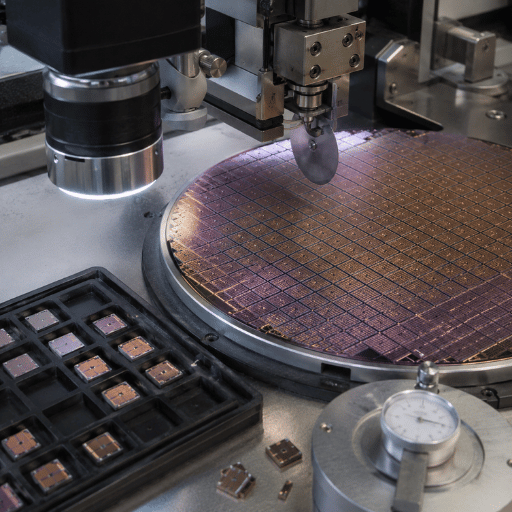
ウェハダイシングにおける品質管理と検査はどのように行われますか?
ダイシングの品質は、フロントサイドとバックサイドのチップアウトサイズ、ダイブレーク強度、カットプレースメント精度によって測定され、光学計測と、隠れた亀裂の場合はCモード走査型音響顕微鏡で測定されます。ダイスの端に沿ったチッピングが主な故障モードであり、ダイシングにおける降伏損失は、カットのミスプレースメント、コンタミネーション、チッピングの 3 つに及び、熟練したオペレーターがすべてのウェーハを注意深く監視します。.
シリコンウェーハのダイシングでも、半導体ウェーハのダイシングでも、最も一般的なウェーハのダイシングの課題は、切断プロセス自体に遡ります。ウェーハのダイシングにおけるこれらの課題 ¤ ソーが各通りに沿ってウェーハを移動させるにつれて、チップアウト、亀裂、ドリフトが発生 ¤ 規律あるウェーハのダイシング技術が不可欠となり、ブレードのダイシングまたはレーザーの選択により、達成可能なものに天井が設定されます。オペレーターはウェーハを平らに保ち、プロセスパラメータを調整して、ウェーハの表面品質とダイエッジでの全体的なウェーハ品質を保護します。これらは半導体ウェーハのダイシングにおけるダイシング制御の中核タイプであり、摩耗したウェーハのダイシングソーはチッピングとして急速に現れます。.
シリコンウェハダイシングの特定のケースでは、ダイサイズが減少するにつれてより高い精度が要求され、したがってより細かい公差が適用されます スライシング側でも同様に、チェックでは、平坦度 (弓、経糸およびTTV) とともにカーフの均一性と精度を考慮する必要があります いずれかの領域で、1 つの定数を理解する必要があります: 先に行われた損傷は、後でより大きなコストでそれ自体を知らせるだけです; カットからの表面損傷は、ウェハを壊すことなくどのように薄く研削することができるか、および私たちのガイドを決定します ウエハ 薄化 スライスした品質から始まります。スピンドル RPM は通常 15,000 ~ 30,000 の範囲ですが、細かいカットが施された 60,000 rpm ではさらに高くなりますが、滑らかなカットされたストリートと粉砕されたダイの間に振動の問題が生じる可能性があります。.
業界の見通し: 特異点がどこに向かっているのか (2025 ~ 2026 年)

しかし、経済的ではなく物理的な現実がすべてを変えています。つまり、ディーズがイベントヒナー(100μmをはるかに下回る)を獲得していること、そしてsicとganの体積が両方の懲罰的な機械的切断を急増し続けているという事実です。そのため、バックエンドのシンギュレーションは、レーザーやステルス技術などのゼロカーフ方式にますます傾いています。プラズマも同様です。スライス技術を使用したフロントエンドの切断では、ダイヤモンドワイヤーは貴重な原料の利用を最大化するためにますます細かくなっています。.
購入者にとっての実践的な教訓は、2026 年製品ラインすべての処理をやめること、特にブレードソー環境などの 100 μm 未満のデバイスを処理することを期待している製品ライン、またはその中にレーザーまたはステルス機能を含める準備をすることです!
努力がどこにあるかを見ると、アプローチを組み合わせたハイブリッドフローにあります。最近の提出書類が示しています バックサイドステルスレーザーダイシング そして、ダイブレークの強度を高めるためのレーザープラスエッチシーケンス。バックグラウンド情報としてのみ、市場監視者は、2030 年初頭までの一桁半ばのみのダイシング装置の成長を予測するため、どの見出しの市場規模の数字からも方法が移行するかどうかに比べて主要な指標ではありません。 2026 年に向けて容量拡張を計画している場合は、最も薄いダイにはダイシング ツールを選択し、最もタイトなカーフ仕様にはワイヤーをスライスします。薄い SiC と GaN の作業がすでに進んでいる場合でも、購入者にとってのリスクは、慣れているため、デフォルトでブレード ダイシングを行うことです。.
よくある質問frequently Asked Questions
ウェーハスライシングとウェーハダイシングの違いは何ですか?
回答を見る
ウェーハスライシングはフロントエンドステップです: それはダイヤモンドワイヤーソーで結晶インゴットを薄く、裸のウェーハに切断します, 任意の回路が存在する前に、.ウェーハダイシングはバックエンドステップです: それは、完成した、回路軸受ウェーハを分離し、個々のダイは、ソーを使用して、レーザー、プラズマ、またはステルスツールを実行し、ウェーハの寿命の反対側に座り、全く異なるマシン上で実行します, 彼らは、あなたが間を選ぶ2 つの方法ではなく、順次段階です。.
ウェーハダイシングはダイシングと同じですか?
回答を見る
はい。 die singulation は、完成したウェーハを個々のダイまたはチップに分離するバックエンド プロセスであるウェーハ ダイシングの正式名称です。両方の用語は半導体製造で同じ意味で使用されます。 singulation は、ブレード (鋸) ダイシング、レーザー ダイシング、プラズマ ダイシング、ステルス ダイシングの 4 つのメソッド ファミリすべてをカバーします ⁄ブレード (鋸) ダイシング、レーザー ダイシング、プラズマ ダイシング、およびステルス ダイシング ⁄それぞれがダイ間を走る通りに沿って切断します。したがって、die singulation を読むときはいつでも、ラインの終わり近くのダイシング ステップを想像してください。.
レーザーダイシングはブレードダイシングの代わりになりますか?
回答を見る
完全にではありません。レーザーダイシングは、薄いウェーハや狭い路地で勝ちます。そこでは、はるかに速く実行され、機械的損傷が少なくなります。しかし、ブレードダイシングは所有コストが安く、より厚くコスト主導のシリコンで優れたサイドウォール品質を提供するため、多くの大量生産製品のデフォルトのままです。方法の選択は、新規性ではなく、ダイの厚さと材料に従い、多くのファブは両方を実行し、各方法をライン上の製品に一致させます。.
CZプロセスとFZプロセスの違いは何ですか?
回答を見る
チョクラルスキー (CZ) とフロートゾーン (FZ) は、後でスライスしてウェーハに切断するシリコンインゴットを成長させる 2 つの方法です。 CZ は溶融物から結晶を引き出して大量生産を支配しますが、FZ は電力と RF デバイスの純度を高めます。.
ウェーハコアリングとは何ですか?また、ダイシングとどう違うのですか?
回答を見る
コーリングは、より大きなウェーハから小さな丸いウェーハやテストクーポンをドリルで削り、その形状を変えます。 ダイシングにより、完成したウェーハが街路に沿って多くの長方形のダイに切断されます。要するに、コアリングはシリコンを再形成し、ダイシングによりシリコンがチップにシングル化されます。.
1 台のマシンでスライスとダイシングの両方を行うことはできますか?
回答を見る
いいえ、2 つのステージには異なるマシンが必要です スライシングはダイヤモンドマルチワイヤーソーをインゴットに横切って実行して裸のウェーハを作りますが、ダイシングは完成したウェーハ上のソー、レーザー、またはプラズマツールを使用してダイを分離します。これらは単に、異なるステージ用に構築された異なるマシンです。.
つまり、スライスとダイシングは競合する方法ではなく、同じウェーハの 2 つの連続した段階です。ダイヤモンド ワイヤー ソーはインゴットをフロント エンドで裸のウェーハにスライスし、ソー、レーザー、プラズマ、またはステルス ツールは完成したウェーハをバック エンドの個々のダイにダイスします。各マシンを独自のステージに合わせ、ダイスの厚さと材質にダイシング方法を合わせます。.
DONGHE を使用すると、生産規模でインゴットをウェーハに変えます。.
DONGHEマルチワイヤーソーマシンを探索→
Why We Write This
DONGHE (上海東和科技有限公司) は、シリコン、SiC、サファイアをスライスするためのダイヤモンドワイヤソーを構築し、300+グローバルクライアントにわたって10,000 以上の切断ケースを持っています。 slicing-vs-dicingは購入者の質問で絶えず混乱しているのがわかります。そのため、このウェーハダイシングとスライシングのガイドは、2 つの段階を分離し、ダイシングのみのリソースが除外するフロントエンドカーフデータを共有します。上海東和科技有限公司技術チームによってレビューされました。.
参考文献と情報源
- 薄化およびシンギュレーションプロセスにおける Si の特性評価NIH 国立医学図書館 (PMC)
- 4H-SiCウェーハの超精密切断NIH 国立医学図書館 (PMC)
- ダイシングルーリー ナノファブリケーション 施設 Wiki、ミシガン大学
- ダイヤモンドソーブレードを使用したSiおよびSiCウェーハダイシングのチップサイズサイエンスダイレクト
- ダイヤモンドワイヤーソー切断からのカーフロスシリコンリサイクルサイエンスダイレクト
- 超薄型ウェーハ鋸用のレーザーアブレーションダイシング半導体エンジニアリング
- ウェーハ ダイシング半導体 ダイジェスト
- ダイシンギュレーションウィキペディア
- US20120211748A1: ウェーハのダイシング方法 (ステルス)Google特許経由のUSPTO
- PV用ダイヤモンドワイヤソーイング、チャレンジPv-tech
![ポリシリコン素材:特性、グレード、用途 [ガイド]](https://wiresawcutter.com/wp-content/uploads/2026/08/polysilicon-material-featured-768x512.webp "ポリシリコン材料: 太陽光および半導体産業における特性、グレード、用途 13")

![ポリシリコン素材:特性、グレード、用途 [ガイド]](https://wiresawcutter.com/wp-content/uploads/2026/08/polysilicon-material-featured-150x150.webp)