Get in touch with DONGHE Company
-
Phone: +86 181-1645-5490
-
Email: Sales18@DongheScience.com

Hard Alloy Wire Saw
Hard Alloy Wire Saw: The Ultimate Guide to the Precision Cutting Technology
Overtake diamond wire saw and carbide wire saw technology. Professional opinions of silicon wafer cutting, quarry applications and industrial precision cutting solutions for semiconductor, solar and construction industries.

What is Hard Alloy Wire Saw?
Definition
A hard alloy wire saw, preciously thin in weight and covered with industrial diamond or carbide grains, cuts into impenetrable materials. It speaks to the highest level of technology for cutting so ruthless and unyielding it is the technology of choice for the cutting and processing of incredibly hard and brittle material: tungsten carbide, silicon carbide (SiC), sapphire, ceramic, and semiconductor wafer.Methodology
Traditional cutting using saw teeth is not applicable to wire sawing in a hard material. The hard wire saw operates upon a very far different principle-alху kumarimaore abrasion. The particles of diamond or carbide slowly polishes the material, thereby making cuts with such minute true, with minimal loss of material in the process.💡 Key Insight
The global wire saw market reached $5.64 billion in 2025 and is projected to grow at 24.5% CAGR through 2035, driven by semiconductor manufacturing expansion, photovoltaic industry growth, and increasing demand for precision cutting solutions.
💎
Ultra-High Precision
Achieve ultra-precision (micron-range) cutting accuracy (±1-10µm) for semiconductor and optical applications that require extreme precision.
📏
Minimal Kerf Loss
Thinest wires,0.15mm thick, result in a kerf of low width, with one-fifth to two-tenth of a hundredth of material saving compared to traditional hacksaws.
✨
Superior Surface Finish
The smooth cut surface has Ra values of less than 1ľm and minimal or no post-treatment.
🔧
Versatile Applications
Cut virtually anything very hard (Mohs 7-10) such as WC, SiC, sapphire, quartz or high-tech ceramics.
How a Hard Alloy Wire Saw Machine Works
Understanding a diamond wire saw cutting mechanism is crucial for optimal performance when cutting hard alloys. A process that has many interlinked systems has to work in synchronization.
Movement of Wire
Continuous loop movement, or reciprocation, at adjustable speeds, usually around 10-40 m/s, is performed by the diamond-engrained wire for hard alloy cutting applications.
Abrasive
Diamond grains, embedded in the wire, grind into the hard alloy material. The cutting speed and finish on the surface provided is dependent on the diamond grain size—usually from some 40 to 80 meshes.
Control of Tension
To assist straight and flawless cuts to take place, we maintain exact wire tension (in around 20-50N) throughout the cutting process. These tensions are electronically controlled in real-time.
Cooling System
Coolant that is water-based keeps itself moving throughout the cutting area to flush out all debris from the region. Keeping the area cool is important unless heat can damage the wire or the object.
Types of Hard Alloy Wire Saw Machines
The contemporary hard alloy wire saw machine can come in a few configurations:
01
CNC Single Wire Saw
High Precision processing of complex shapes in delicate bits: Examples include aerospace components and medical implants.
02
Multi-Wire Saw
Heavy production scaling; some examples include wafering and segmented cutting.
03
Endless Loop Saw
This saw’s very unique cut is designed to bypass continousivation. Applications under this heading include carbide blanks and tool making.
04
Reciprocating Wire Saw
Applications are in general light purposes and include material testing and R&D applications.
Materials Cuttable via Wire Saw for Hard Materials
Technology truly delivers; the boundaries that limit the usability of wire saws have also made the list of the most challenging substances. These are the main material categories listed:
Tough Metals and Alloys
Material Types
Tungsten carbide (WC-Co); Cemented Carbide; Titanium Alloys, Ti-6Al-4V, Nickel-based Superalloy; Inconel; Toughened tool steels (>60 HRC); Cobalt-Chrome-alloy
Hardness
HRA 70-93 / HRC 45-70
Honorable Mentions
Applications for cutting teeth, wear parts, aerospace components, medical implants
Modern Ceramics & Composites
Material
Silicon carbide (SiC); Alumina (Al2O3); Zirconia; Silicon Nitride; Boron Carbide; Carbon Fiber Composites
The Most Important Benefit
Nonconductivity required (unlike EDM)
Stand-Out Applications
Because of their application in semiconductor substrates, the plates of armor and high-temperature components that are affirmed
Spun-Out Supplementary Materials
Material
Sapphire; Quartz Crystal; Optical Glass; Ferrites; Magnetic Materials; Graphite
Outstanding Advantages
Include very low-stress cutting offering preservation of crystal structure and magnetic properties.
Common Applications
LED substrates, optical components, electronic cores
Industrial Applications of Precision Wire Saw for Hard Alloy
Wire saw cutting technique is utilized in a variety of industries, where different aspects of precision, throughput, and material compatibility are to be considered.
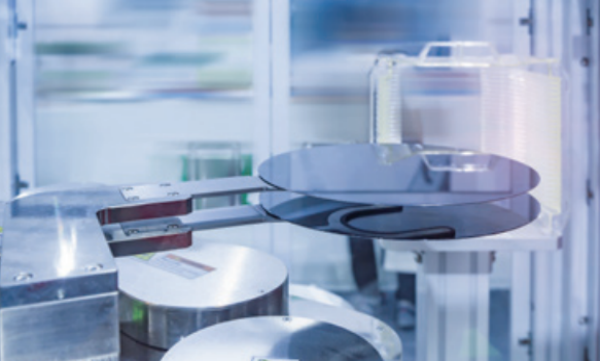
Semiconductor
Cutting of silicon wafers, SiC, and GaN.

Solar & PV
Polysilicon ingot slicing for solar cells.

Medical
Bioceramics, implant materials.
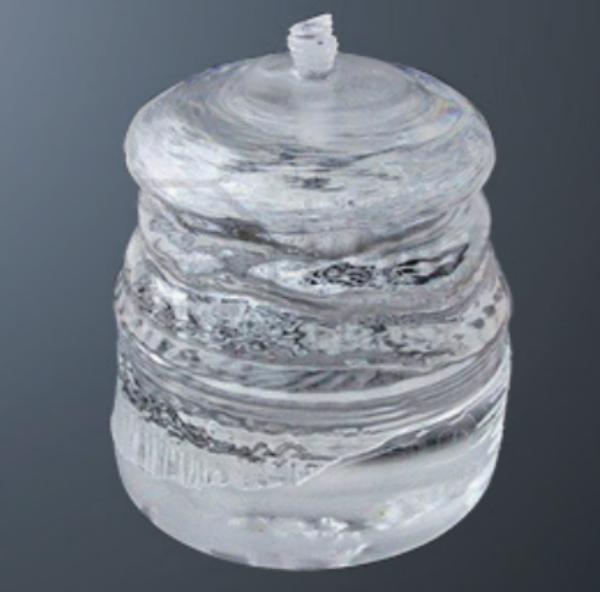
Laboratory
Sample preparation, crystal cutting.

Optics
Optical glass, sapphire, quartz.

Aerospace
Composite, titanium, specialty alloys.
Semiconductor & Electronics
Among different market segments, the semiconductor wire saw market is the biggest one. Modern multi-wire saws are capable of slicing one silicon ingot into thousands of wafers with the thickness reaching just about 100µm.
KEY APPLICATIONS:
- Silicon wafer cutting for integrated circuits
- Silicon carbide (SiC) slicing for EV components
- Gallium nitride (GaN) substrate preparation
- Sapphire cutting for LED substrates
Quarry & Construction
The quarry wire saw machines have made stone extraction possible with minimal waste and environmental impact, which is the opposite of the case with explosive methods. Besides, diamond wire cutting has considerably lowered the costs.
KEY APPLICATIONS:
- Cutting reinforced concrete structures
- Creating precise openings in buildings
- Bridge deck removal and renovation
- Underwater cutting for marine construction
Hard Metal Wire Saw Selection Guide: How to Choose the Right System
Thorough evaluation of requirements for choosing the best wire saw machine.
01 Define Material Requirements
| Category | Examples | Recommended Wire |
|---|---|---|
| Ultra-Hard (Mohs 9-10) | SiC, Sapphire, Diamond | Electroplated Diamond |
| Hard (Mohs 7-9) | Silicon, Quartz, Ceramics | Resin/Electroplated Diamond |
| Medium (Mohs 5-7) | Granite, Glass, Metals | Diamond or Tungsten |
| Soft (Mohs < 5) | Marble, Soft Metals | Carbide Grit / Abrasive |
02 Production Requirements
Volume
Low (R&D) → Single-wire; High → Multi-wire
Precision
Standard (±0.1mm) vs Ultra (±0.01mm)
Workpiece Size
Match saw capacity to largest dimensions
Automation
Manual, Semi-auto, or Fully Automated
03 Calculate Total Cost of Ownership (TCO)
Equipment Cost
Initial investment ($5k – $500k+)
Consumables
Wire, coolant, rollers (50%+ of cost)
Utilities
Power consumption & water usage
Maintenance
Scheduled service & spare parts
Training
Operator training & certification
Diamond Wire Saw for Hard Alloy: Common Challenges & Solutions
Real problems our customers face—and how we solve them
Poor Surface Quality & Micro-Cracks
“Our silicon wafers show visible saw marks and subsurface damage…”
▼
The Solution
Optimized diamond wire with finer grit size (40-60µm) & proprietary coolant. Achieve Ra < 0.5µm surface finish.
High Wire Consumption & Costs
“Diamond wire breaks frequently and wears out too fast…”
▼
The Solution
Advanced electroplated wire extends life by 2-3x. Tension monitoring prevents 95% of breakages.
Difficulty Cutting New Hard Materials
“We’re transitioning to SiC/GaN, but existing saws can’t handle it…”
▼
The Solution
Specialized SiC/GaN systems with high-tensile wire and rigid frames. 3x faster cutting speeds.
Slow Cutting Speed & Throughput
“Production cycles are too long, missing delivery deadlines…”
▼
The Solution
Multi-wire systems (500+ slices) with dual-head configs. 300-500% productivity increase.
Excessive Material Loss (Kerf)
“Losing too much expensive material. Every micrometer matters…”
▼
The Solution
Ultra-thin wire (60-80µm) achieves 100µm kerf. Material yield improves from 85% to 95%+.
Lack of Technical Support
“Current supplier just sells machines. We’re on our own…”
▼
The Solution
On-site installation, training, and 24/7 hotline. Remote diagnostics and quarterly audits.
Hard Alloy Wire Saw Customer Case Studies
Navigating success across Semiconductor, Solar PV, and Aerospace industries.
←
→
Hard Alloy Wire Saw FAQs
Comprehensive guide on functioning, applications, and maintenance of precision wire cutting systems.
What exactly is a hard alloy wire saw, and what is the functioning of a wire saw?
A hard alloy wire saw works by means of a tensioned strand—this is mostly stainless steel or a wire with diamond embedded—that is employed to cut through the material. The cutting process, whether using diamond wire or plain metal, depends on the abrasive action; in the case of diamond abrasive, it is mainly the removal of micro-fractures. A wire saw machine is in charge of the wire tension, the wire speeds, and the direction of the single wire or wire loop through the workpiece, frequently using cutting slurry for cooling and debris removal. This method is efficient, and it allows to cut many materials using a process that causes very little damage.
In what manner does a diamond wire saw differ from a normal saw or a band saw?
Diamond wire saws consist of diamond wire—where very small diamond particles are present on the wire surface—whereas band saw blades are metal belts with continuous teeth. Diamond wire cutting is superior for hard or brittle materials like stone, concrete, ceramics, and semiconductor ingots because of its very precise cuts. Within the diamond wire technology, traditional cutting methods still have their limitations, but they can offer precision, less mechanical stress, and the continuous recirculation of cutting slurry or a minimal slurry setup, depending on the configuration.
What are the common types of diamond wire and types of diamond wire suitable for various cutting applications?
Single wire with bonded diamond segments, diamond embedded wire with micro-abrasive coatings, and resin- or metal-bonded multi-strand wires are types of diamond wire. The choice of wire depends on the cutting application; for instance, high-precision semiconductor slicing prefers thin, low-speed diamond wires and precision wire saw configurations, while coarser, more durable diamond wire and higher wire life considerations are used in heavy stone and concrete cutting. Manufacturers may provide specialty formulations such as Smart Cut® diamond wire aimed directly at specific materials or sample prep tasks.
When to select a precision wire saw or a precision wire for sample preparation?
Sample preparation for materials research, medical devices, and electronics is very commonly associated with the necessity of precise cuts, minimal kerf, and low thermal/mechanical damage—here you should choose a precision wire saw. Precision wire saw systems control wire tension, wire speeds, and use fine diamond wire or a wire loop for accurate, repeatable cutting. They are very suitable for intricate cutting and in the majority of cases are considered better than band saws or other cutting tools when high precision and delicate handling are required.
What are the typical cutting applications for a diamond wire saw, including stone cutting and concrete cutting?
Diamond wire saws are extremely versatile wire saws that can cut various materials: stone cutting and concrete cutting for the building industry and quarrying, slicing semiconductor ingots and brittle ceramics in electronics, and precision cutting of metal composites. They are used as a string saw to cut water-soluble crystals or as part of industrial cutting equipment for large blocks. Moreover, cutting methods can be adjusted with slurry or with a diamond-coated wire to match the material and the desired finish.
What is the difference between a wire loop and when is it preferable to use a wire loop instead of a single wire?
A wire loop is an arrangement of diamond or stainless wire in a closed loop used for small-scale precision cutting and sample preparation. When looking for a delicate cut with a single wire in a continuous feed system, a wire loop is the preferred method because it gives a stable geometry and is widely used in lab cutting machines where intricate cuts and controlled cutting processes using a gentle approach are important. Working together with cutting slurry and slow wire speeds, wire loops will give high precision results.
What maintenance and monitoring are required for a wire saw machine to enhance the life of the wire to the fullest extent?
Key maintenance consists of not only checking the quality of the cutting slurry but also making sure that continuous recirculation of cutting slurry is taking place wherever it is needed, checking and adjusting wire tension, inspecting wire condition for wear, and maintaining guide rollers and drive systems. Monitoring cutting parameters like wire speeds, feed rate, and wire tension will help extend wire life and prevent unexpected breaks. Using the right diamond wire type and following the manufacturer’s guidelines for wire life and cutting equipment care are both crucial for efficient cutting and minimal downtime.
Are there any safety and environmental considerations to be taken into account when using diamond wire cutting technology?
To answer the question, the diamond wire cutting can be a source of slurry and fine particles that need to be managed. The environmental impact can be reduced by employing proper containment, filtration, and recirculation of cutting slurry. The operators must follow safety protocols concerning the guarding of moving parts, dust control, and waste handling. The selection of proper cutting methods and equipment causes less thermal and mechanical damage to workpieces and consequently increases the overall safety and sustainability of the cutting process.
Trending Blogs

![Polysilicon Material: Properties, Grades & Uses [Guide]](https://wiresawcutter.com/wp-content/uploads/2026/08/polysilicon-material-featured-150x150.webp)