
Get in touch with DONGHE Company
-
Phone: +86 181-1645-5490
-
Email: Sales18@DongheScience.com

Filter
Showing all 4 results
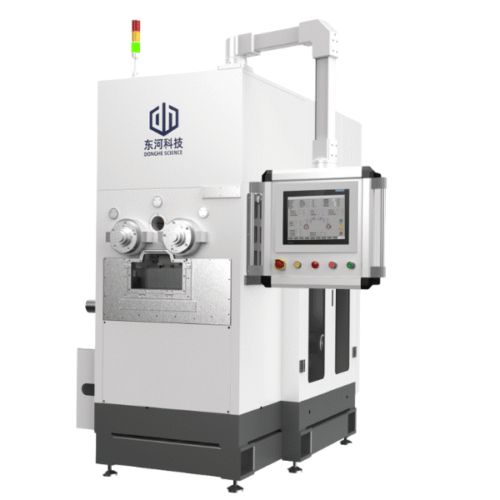
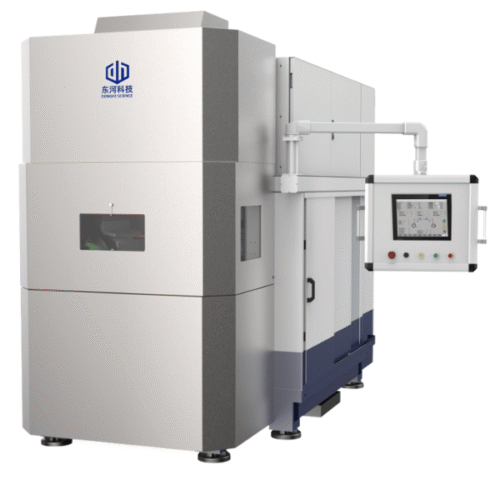

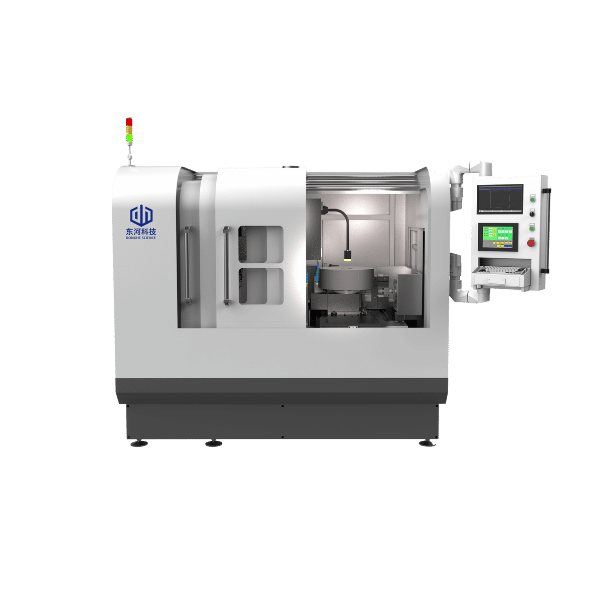
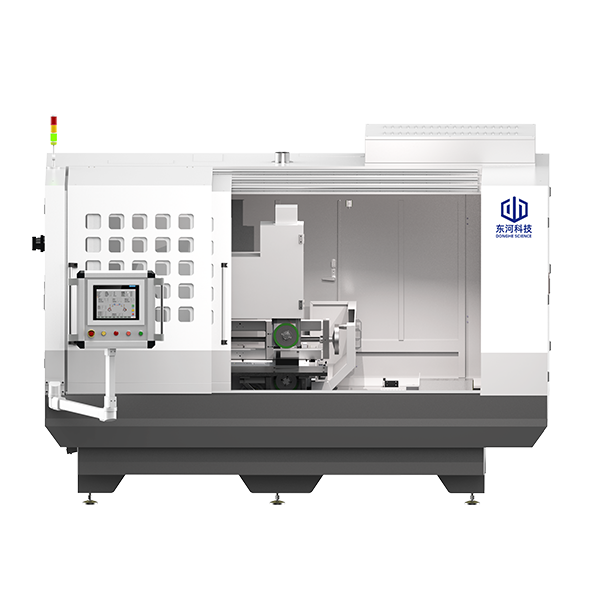
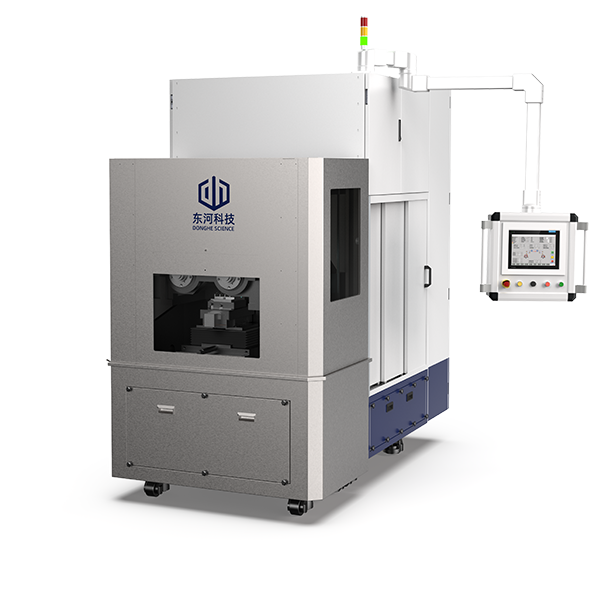
Multi wire saw
Multi Wire Saw for Semiconductor Precision Cutting
Multi wire saws are essential for the precision slicing required in semiconductor manufacturing. Donghe Science Multi Wire Saws are known for the efficiency and ability to produce high volumes of wafers with uniform thickness, which is integral in producing high-quality electronic components. Innovations in multi wire saw technology have allowed for significant advancements in the semiconductor industry, ensuring that the wafers produced are cut to exact specifications with minimal material loss.
Get Instant Quote 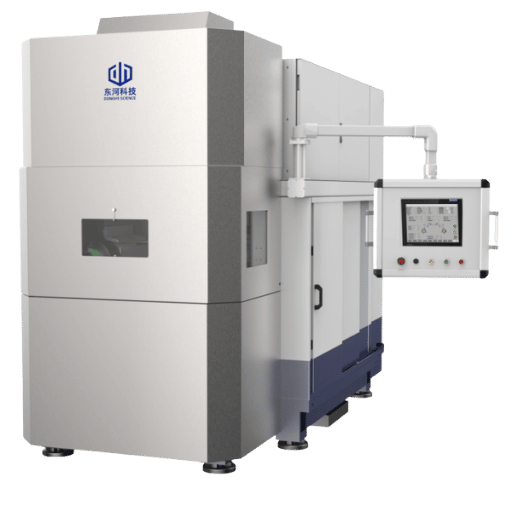
40%
Higher Production Efficiency
3-5%
Material Savings
< 75dB
Low Noise Operation
18-24
Months ROI Period
What is a Multi Wire Saw?
Diamond wire saw cutting machine (also referred to a multi wire slicing machine) is sophisticated a precision cutting equipment that slices materials to obtain thin sheets or wafers. It uses multiple diamond coated wire, and unlike previous cutting methods, this wire cutting technology offers manufacturers unrivaled yield and precision.
The evolution from conventional gang saw cutting and single-blade technologies for multi wire saw machines is remarkable. These machines are capable of performing multiple cuts with diamond wires. They have achieved a new level of production efficiency with the ability to use web parallel wires, which is most often from 16 to 80 wires.
Takeaway
In the same production time, a multi wire saw offers 40% improvement in yield over conventional gang saws with a remarkable reduction in kerf loss. Conventional methods of cutting have a kerf loss of 5 to 6 mm, while in a modern cutting methods, kerf loss is usually 2 to 3 mm.
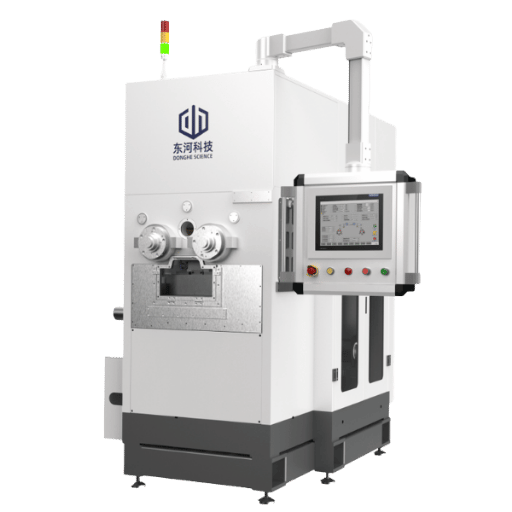
Key Advantages of Multi Wire Saw Technology
Superior Precision
Thickness tolerances of ±0.020mm with Total Thickness Variation (TTV) control achieves excellent dimensions in wafer cutting in semiconductor applications.
High Efficiency
Processes numerous slices at the same time, and improve one's throughput by 40-60% as compared to Single-Wire or Gang Saw technologies.
Minimal Kerf Loss
Very thin diamond wire (5.3mm) enables reduction in kerf loss to only 1.5-3mm and enhances the amount of machining admitted by reducing start-up inputs of raw material.
Excellent Surface Quality
The created surfaces produce values below Ra 0.8μm, bringing about the elimination or reduction of any further polish requirements.
How Does a Multi Wire Saw Machine Work?
When trying to obtain the maximum yield of materials, it is useful to optimize the cutting performance of any diamond wire saw cutting machine by understanding how it works. A multi-wire saw machine follows the continuous cutting principle, where several diamond wires move either reciprocally or unidirectionally to cut the workpiece.
Core Working Principle
To cut wire, the machine wraps high-tensile diamond wire around several grooved guide wheels (flywheels) so as to create several parallel cutting paths. The diamond wire then travels at a speed of between 10-20 m/s, with diamond particles embedded in the wire surface performing micro-cutting actions as it removes materials through abrasive action.
Get Instant QuoteKey Components of Multi Wire Saw Systems
Flywheel/Guide Wheel System
Precision-engineering guide wheels is where several grooved wheels are positioned to guide multiple diamond wires at exactly parallel spacings. The wire pitch determines the thickness of the final slab.
Wire Tension Control System
To ensure that wire tension (which is usually between 20 and 35 N) is maintained, an advanced servo control system applies wire tension so that cuts are straight and there is no breakage of the wire.
Coolant/Slurry System
System for the removal of cut swarf, and wire overheating and cutting fluid lubrication, is integrated with high-pressure systems to furnish fluid at the interface between the wire and material.
Feed Control System
The precise mechanisms allow for control of the advancement speed of the workpiece and optimize the cutting rate as a function of material hardness and condition of the wire.
Types of Multi Wire Saw Machines
Multi-wire saw machines are developed for specific applications and materials. The concept of various configurations affords the ability to specify the most appropriate diamond wire saw cutting machine according to their production demands.
Stone Multi Wire Saw
For Granite, Marble & Quartz Processing
Wire diameter: 5.3mm - 7.3mm
Wire count: 32-80 wires
Max block dimension: 3200×2000mm
Cutting speed: 15-25 m²/hour
Ideal for: Block-to-slab production
Semiconductor Multi Wire Saw
For Silicon, SiC & Sapphire Wafers
Wire diameter: 0.04mm - 0.12mm (ultra-thin)
Wire count: 1000+wires
Control on waviness value (TTV): ±5μm
Surface roughness: Ra < 0.5μm
Ideal for: Wafer resizing
Precision Material Wire Saw
For Ceramics, Glass & Composites
Wire diameter: 0.3mm - 1.0mm
Wire type: Endless diamond wire loop
Cutting precision: ±0.05mm
Materials: Ceramic, optical glass, graphite
Ideal for: R&D and radical cut-off
The Wire Sawing Process: Step By Step
1
Material Loading & Placement
Securely mount the stone block, silicon ingot, or any other block on the machine table using epoxy bonding or mechanical clamping.
2
Thread & Tension The Wire
After threading the diamond wire through the guide wheel system, it is then tensioned to an appropriate level for the specific material being cut.
3
Parameter Setting For Cutting
On the basis of the material's properties and the finish quality desired, operators set cutting speed, wire tension, feed rate, and coolant flow.
4
Cutting Process Execution
When the wire moves at high speed, the workpiece is moved into the wire field. The entire cutting process is monitored in real time for uniform quality.
5
Quality Inspection & Unloading
The finished slabs are inspected in the thickness for uniformity, surface quality, and linearity before their packaging.
Common Challenges & Our Solutions | Leading Multi-Wire Saw Manufacturer
Having served customers in over 60 countries in the last 30 years, we have identified important problems that multi wire saw operators, stone, and semiconductor processors face. Here’s how our diamond wire saw cutting machines help resolve such problems.
⚠️ Low Operational Efficiency
Production capabilities are limited by cutting speeds that are too slow and long changeover times.
✅ Our Solution
Cutting rate is optimized by our state-of-the-art servo driven systems, achieving rates of 25m² per hour. Downtimes are reduced by 40% because of our proprietary wire change systems.
⚠️ High Kerf Loss
Unprofessionally made cuts reduce profit margins of granite, marble, or silicon.
✅ Our Solution
Our method of wire cutting, which utilizes diamond wires measuring 5.3mm for stone and under 0.1mm for wafers, has Kerr loss reduction of 50% in comparison to competitor methods.
⚠️ Frequent Wire Breakage
Wasted materials, expensive downtimes, and alarming loose wire safety risks.
✅ Our Solution
Real-time monitoring coupled with intelligent wire tension control, decreases wire breakage to 95%. Downtimes are eliminated with our sophisticated auto-stop systems.
⚠️ Unsatisfactory Surface Finish
Secondary processing is necessary because of varied surface thickness, coarse finishes, and waviness.
✅ Our Solution
The achievement of an Ra < 1.0μm surface finish is made possible with our professional guide systems and vibration absorption. The result is a reduction in the need for lapping.
⚠️ Challenging Processes
Higher learning requirements, troubles locating proficient personnel, and continual settings changes.
✅ Our Solution
The easy-to-operate touchscreen HMI has preconfigured recipes for standard materials. We provide complete training and around-the-clock technical assistance.
⚠️ Unreliable After-Sales Support
Delayed technical assistance, slow spare parts availability, and prolonged downtime of machines.
✅ Our Solution
Remote troubleshooting. 48-hour service guarantee and everywhere service coverage with spare part inventories.
Details Of Critical Technical Multi Wire Saw Specifications
Understanding key technical parameters will help ensure you get the right equipment for production when assessing multi wire saw machines. Below are the most important specifications for diamond wire saw cutting machines.
| Parameter | Stone Processing | Semiconductor | Why It Matters |
|---|---|---|---|
| Cutting Speed | 10-20 m/min | 15-25 m/s | Directly impacts production throughput |
| Wire Tension Control | ±2N accuracy | ±0.1N accuracy | Ensures straight cuts and prevents breakage |
| Kerf Loss | 1.5-3.0mm | 0.1-0.15mm | Lower kerf = more material yield |
| Surface Roughness (Ra) | 0.8-1.5μm | 0.3-0.6μm | Affects polishing requirements |
| TTV (Total Thickness Variation) | ±0.1mm | ±5μm | Critical for uniformity |
| Max Block/Ingot Size | 3200×2000mm | 300mm diameter | Determines processing capacity |
| Wire Diameter | 5.3-7.3mm | 0.04-0.12mm | Thinner wire = less waste |
Application Of The Multi-Wire Saw Across Different Sectors
The multi-wire saw symbolizes flexibility in today's market. From granite block cutting to the slicing of silicon wafers, diamond wire-cutting is far better than older methods.
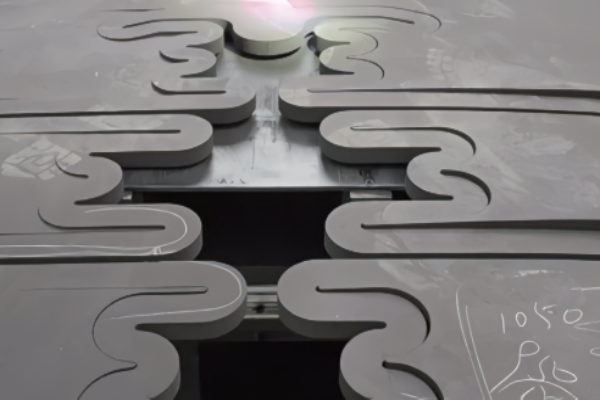
Granite Slab Cutting
Cutting granite blocks very fast into an even number of slabs with minimal wastage. Diverting toward the countertop and floor sectors.
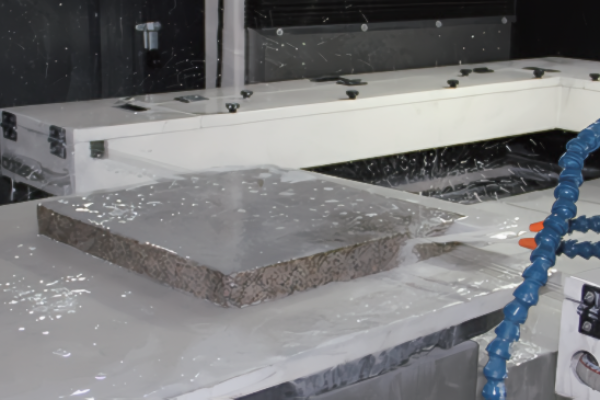
Marble Block Processing
Very gentle cutting, keeping the pattern of veins undisturbed. Optimum surface texture, which also reduces polishing time by 30%
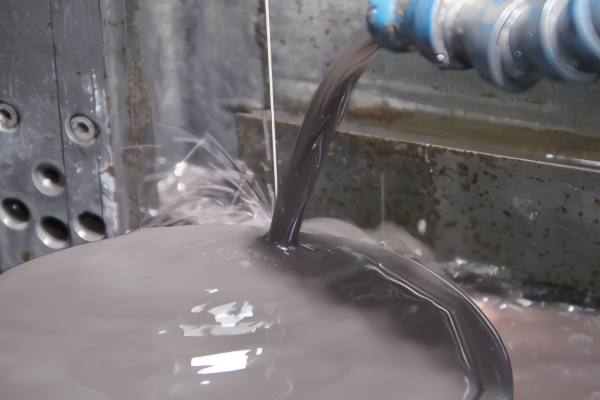
Quartz Countertop Manufacturing
Exact cutting of engineered stone with constant proportions for kitchen and bathroom applications.
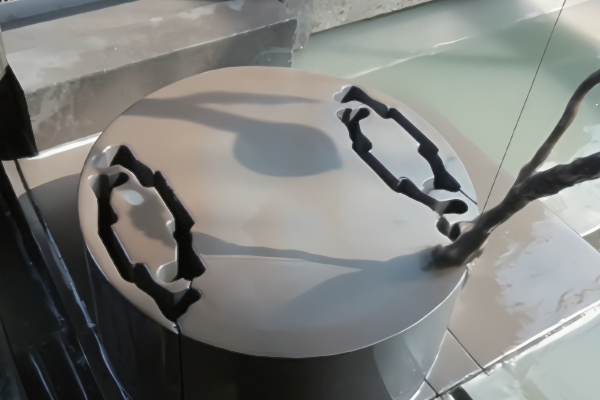
Silicon Wafer Slicing
Cutting the monocrystalline and polycrystalline ingots of silicon with a high degree of accuracy for both semiconductor and photovoltaic uses.
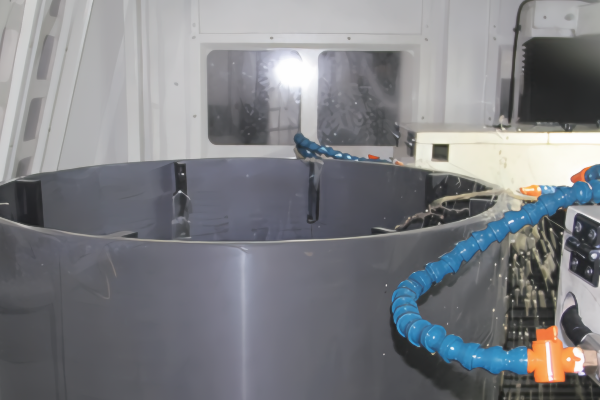
SiC Wafer Cutting
Tailored cutting solutions for silicon carbide, a prime material for power electronics and electric vehicle components.
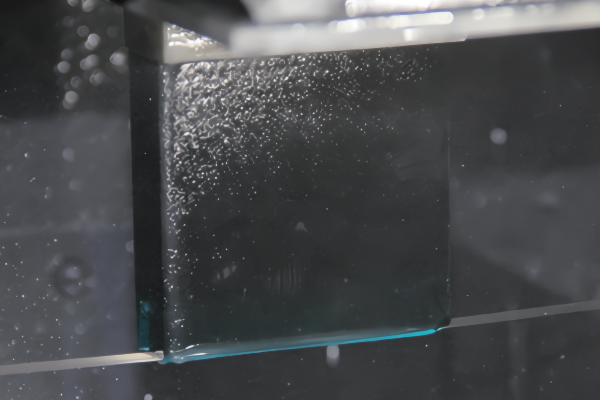
Sapphire Wafer Production
Precise cutting of the sapphire crystals for the LED substrates and optical functions.
How to Choose the Right Diamond Multi Wire Saw Machine
Choosing the right multi wire saw machine involves understanding your application, your production expectations, and analyzing the machine’s total cost of ownership in relation to these expectations. To ease the purchasing process, you can use the following steps.
1
Define Your Application & Material
Understand the primary materials you are going to be cutting (i.e. granite, marble, silicon, SiC, etc.). Different materials have different wire requirements and their cutting parameters vary.
2
Evaluate Production Requirements
Estimate the monthly and daily output that you are going to need. This, along with maximum block dimensions and the slab thickness you are targeting, will help determine wire count and machine size.
3
Compare Technical Specifications
Look at the surface quality, cutting speed, and kerf loss tolerance. Get cutting samples from the supplier and make sure this sample is of your materials.
4
Assess Manufacturer Capabilities
Look at the supplier’s years of experience, certifications (i.e. ISO, CE), and customer reviews. Then, check their after-sales service chops, especially in your location.
5
Calculate Total Cost of Ownership (TCO)
Analyze equipment costs, installation, diamond wire and other consumables, maintenance, cost of energy required to the machine running, and costs that will be incurred due to machine downtime.
Multi Wire Saw China Factory: Why Customers Choose Our Multi-Wire Saw Solutions
Global Service Network
Service centers and spare parts inventories cover more than 60 countries in minimum turn-around time.
ISO 9001 & CE Certified
All of our machines have met international standard quality and safety requirements for their essential deployment.
Full After Sales Support
We offer installation, training, maintenance, and provide lifelong technical support for the equipment.
⚙️ Interactive Tools
Multi Wire Saw Calculator Suite
Professional tools to help you calculate ROI, compare technologies, and select the right multi wire saw machine for your production needs.
Roi & Savings Calculator
Calculate your potential cost savings, material yield improvement, and investment payback period.
📋 Input Your Parameters
m²/mo
$/m²
$
days
📈 Your Roi Analysis Results
-- Payback Period
-- Annual Savings
-- Yield Improvement
-- Efficiency Gain
5-Year Cumulative Savings Projection
💡 How We Calculate This
ROI is calculated based on: (1) Material savings from reduced kerf loss (10-15% improvement), (2) Productivity gains from higher cutting speed (40-60% faster), (3) Labor cost reduction per unit, and (4) Reduced secondary processing costs due to better surface quality.
Interested In These Savings?
Get a customized quote based on your specific production requirements.
Multi Wire Saw Vs Gang Saw Comparison
Compare cutting efficiency, material yield, operating costs, and ROI between the two technologies.
📊 Side-By-Side Specification Comparison
Multi Wire Saw
Diamond Wire Technology
Kerf Loss 1.8 - 3.0 mm
Cutting Speed 15 - 25 m²/h
Material Yield 95 - 98%
Surface Roughness Ra 0.6-1.2 μm
Noise Level 75 - 85 dB
Initial Investment Higher
VS
Gang Saw
Traditional Blade Cutting
Kerf Loss 5.0 - 8.0 mm
Cutting Speed 8 - 12 m²/h
Material Yield 85 - 90%
Surface Roughness Ra 2.5-4.0 μm
Noise Level 90 - 100 dB
Initial Investment Lower
📈 Visual Performance Comparison
💰 Calculate Your Potential Savings
m²
$/m²
💵 Your Potential Savings
-- Annual Savings With Mws
-- Extra Material/Month
-- Time Saved
-- Energy Savings/Month
5-Year Total Cost Comparison
Ready To Upgrade Your Cutting Technology?
See how multi wire saw can transform your production efficiency.
Machine Selection Wizard
Answer a few questions to get personalized machine recommendations for your production needs.
Selection Progress Step 1 Of 5
What Will You Primarily Cut?
Select your main material type to help us recommend the right machine configuration.
What's Your Target Production Volume?
This helps determine the optimal wire count and machine capacity.
What's Your Top Priority?
This helps us recommend the best configuration for your needs.
What's Your Budget Range?
Select your investment budget for the equipment.
Customer Success Stories: Multi-Wire Saw & Diamond Wire Cutting Solutions
Client Overview
Industry Stone Processing - Granite & Marble Block Cutting
Location Carrara, Italy
Company Type Premium Natural Stone Supplier (Marmi Excellence S.p.A.)
Annual Production 85,000 m² of polished slabs
Equipment Replaced Traditional Gang Saw System (3 units)
The Challenge
Marmi Excellence S.p.A. is a third-generation, family-owned stone processing company from Carrara Italy, a region known for its marble. Excellence in marble processing has led to international competitiveness for marble products, which has increased operational costs for stone processing. While gang saws are known to be reliable, they cannot keep pace with the increasing demand for luxury architectural projects requiring thinner slabs, and premium surface finishes.
Identified Key Pain Points
- High kerf loss: Gang saw systems typically have a kerf loss of 8mm, producing excessive raw material waste on commercially valuable Carrara marble blocks priced over €3,000 per cubic meter.
- Surface quality limitations: Cutting surface roughness (Ra 4.5-5.2 micrometers) created additional polishing, extending the production cycle by 2-3 days.
- Inflexible production: Gang saws cannot effectively process the popular 15mm ultra-thin slabs high-end interior designers frequently request.
- Energy consumption: Operational costs for the three gang saws are significant in terms of the processed stone: 380 kWh per cubic meter of stone.
Your Proposal: Stone Multi Wire Saw System
After consultations with our engineering team and a site visit, we offer the HLMW-72 Stone Multi Wire Saw system, which has 72 diamond wire loops, optimal for premium natural stone applications. The solution comprised of:
Equipment Model: HLMW-72 Stone Multi Wire Saw
Wire Configuration: 72 diamond wire loops, 7.3mm
Maximum Block Size: 3,200mm x 2,000mm x 2,000mm
Cutting Speed: 8-12 m²/hour (adjustable based on type of stone)
Control System: Intelligent tension control with automated tracking
Additional Features: Integrated water recycling system, remote control and monitoring
Implementation Process
Our team finalized the installation and commissioning within the 18-day period allocated, which included a full training for the operator. The implementation activities were carried out as follows:
- Week 1: Site prep, equipment delivery, and foundation laying. Our engineers collaborated with the maintenance team of the client to ensure alignment and calibration of the system.
- Week 2: Electrical integration, control system configuration, and preliminary testing with the sample blocks from the client.
- Week 3: Development of the operator training program for the control and functions of the machine, the settings for different stone types, basic maintenance, and troubleshooting.
Achieved Results
| Metric | Before | After | Impact |
|---|---|---|---|
| Daily Production Output | 42 m²/day | 62 m²/day | +47% |
| Kerf Loss (per cut) | 8.0 mm | 3.8 mm | -52% |
| Surface Roughness (Ra) | 4.5-5.2 μm | 1.8-2.4 μm | -58% |
| Energy Consumption | 380 kWh/m³ | 185 kWh/m³ | -51% |
| Minimum Slab Thickness | 25 mm | 12 mm | Flexible |
| Wire Life | N/A (blade system) | 45-55 m²/wire | Optimized |
Financial Impact
In the first post-implementation year, Marmi Excellence experienced these financial results:
- Raw Material Savings: EUR 287,000 annually (less kerf loss)
- Energy Cost Savings: EUR 54,000 annually
- Additional Revenue: EUR 380,000 (due to increased production)
- Reduced Polishing Costs: EUR 42,000 annually
- Total Annual Benefit: EUR 763,000
- Return on Investment: 14 months
“The importance of this multi wire saw technology for our business cannot be overstated. It dramatically reduced material waste on our precious Carrara marble, and the surface quality improvement reduced our production process by eliminating two polishing stages. The ROI was achieved even faster than projected.”
Client Overview
IndustrySemiconductor - Silicon Wafer Production
LocationPhoenix, Arizona, United States
Company TypeTier-2 Semiconductor Wafer Supplier (SiliconTech Advanced Materials)
Product Focus200mm and 300mm Silicon Wafers
Equipment ReplacedLegacy ID (Inner Diameter) Saw System
The Challenge
SiliconTech Advanced Materials, a semiconductor wafer supplier to the automotive and industrial electronics sectors, was experiencing significant quality issues resulting from aging ID saw machinery. Automation and industrial electronics customers positioned added complexity to the ID saw resulting in new prerequisites the technology must service. Supplier ID saw technology must fulfill new automation and industrial electronics prerequisites.
Critical Issues
- Total Thickness Variation (TTV): TTV on ID saw produced wafers averaged 12-15 micrometers and was a significant issue. Advanced power electronics customers, primarily in automotive supply, had become industry restrictive for less than 8 micrometers.
- Surface damage layer: Subsurface damage depths of 25-35 micrometers required a time consuming, and costly, chemical-mechanical polishing.
- Low throughput: The saw cutting was a single wafer process. This limited the production to 180 wafers per day per machine.
- Kerf loss: The industry average for ID saw width remained at 180 micrometers. Silicon ingots of premium-grade quality were estimated to be 800 manufactured and the waste was considered significant.
Our Answer: Multi-Wire Saw for Semiconductors
Our technical team performs a thorough needs assessment, including a detailed analysis of customer wafer specifications, production goals, and projected timelines. For the customer, we proposed a multi-wire saw for the precise cutting of silicon wafers:
Equipment Model: SMWS-300, Semiconductor Multi Wire Saw
Wire Type: Ultra-fine with a 65μm core, electroplated diamond wire
Wire Pitch: 180-500μm, adjustable
Tension Control: ±0.05N precision servo system
Slurry System: Closed-loop with coolant and temperature control
Level of Automation: Fully automated for loading and unloading
Most Important Aspects of the Implementation
Considering the extreme precision and cleanroom requirements for semiconductor applications, our implementation adhered to extremely strict protocols:
- Pre-installation: Site survey and cleanroom compatibility. Our engineers provided guidelines for facility adjustments to maintain ISO Class 6 cleanliness during operations.
- Installation Phase: Equipment installation in a fully controlled environment with vibration isolation. Precision leveling accomplished within 0.02mm on the entire machine base.
- Qualification: Thorough qualification of the process with over 500 test wafers to fine-tune various parameters to numerous ingot specifications. Final qualification achieved TTV (Total Thickness Variation) values consistently below 5 micrometers.
- Knowledge Transfer: 40-hour training for system operators and process engineers on advanced parameters, process control, and maintenance.
Result Accomplished
| Metric | Before | After | Impact |
|---|---|---|---|
| Total Thickness Variation (TTV) | 12-15 μm | 4-6 μm | -63% |
| Surface Damage Depth | 25-35 μm | 8-12 μm | -66% |
| Kerf Loss (per cut) | 180 μm | 75 μm | -58% |
| Daily Wafer Output (per machine) | 180 wafers | 520 wafers | +189% |
| First-Pass Yield Rate | 82% | 96.5% | Increased |
| Wire Life | N/A (blade) | 2,800 wafers/wire set | High Efficiency |
Strategic Business Impact
- Quality Improvement: Achieved customer spec compliance rate of 99.2%
- New Business Won: USD 4.2M in new automotive sector contracts
- Production Capacity: Tripled effective capacity with same floor space
- Cost Per Wafer: Reduced by 34% including consumables
- Customer Satisfaction: Zero quality complaints in 8 months post-installation
- ROI Period: 11 months
"The accuracy of this silicon wafer multi wire saw has surpassed what we thought was possible. We went from barely meeting TTV requirements to continuously surpassing the toughest specifications, which are the most stringent in the automotive industry. The enhancement in our first-pass yield justified the investment within the first year."
Client Overview
IndustryStone Processing - Granite Block Cutting and Export
LocationBangalore, Karnataka, India
Company TypeLarge-Scale Processing and Exporting (Deccan Granites Pvt. Ltd.)
Target MarketsMiddle East, Europe, North America
Previous EquipmentMixed gang saw and frame saw systems
The Challenge
Deccan Granites Pvt. Ltd. is one of India's granite processing and export leaders. In India, this company controls and operates several quarries that contain granite varieties, including Black Galaxy, Tan Brown, and Steel Grey. Although they had strong global demand for premium products, they were unable to meet large international orders because of production bottlenecks.
Operational Challenges
- Inconsistent production: Due to inconsistent mixed-equip setups, their output quality varied, causing production planning and projections to be unreliable, especially for export orders requiring uniform slabs of specific dimensions.
- Increased rejection: With respect to surface quality and dimensional thickens, international clients, especially in the Middle East construction sector, are requesting to inspect (revise) and reject shipments that provision are not meet.
- Manually intensive operation: Existing equipment required a great deal of manual intervention which made scaling production difficult.
- Competitive pressure: New competitions from Brazil and Africa is opening, causing a shift from their previously established market positions.
Our Solution: High-Capacity Granite Multi Wire Saw
We customized the upgrade of the entire production line to focus on our high-capacity granite multi wire saw systems that are tailored to the high-demanding cutting of high-volume granite blocks:
Equipment Configuration: 2x HLMW-80 Granite Multi Wire Saw Systems
Wire Configuration: 80 diamond wire loops per machine, 6.3 mm diameter
Block Capacity: Up to 3,500mm length x 2,100mm height
Production Mode: 24/7 continuous operation capability
Control System: Centralized monitoring for both units
Support Package: 2-year comprehensive service agreement
Implementation Approach
With the urgency of the customer to optimize their production capacity, we designed an action plan that is fast-tracked and has operational continuity:
- Phase 1 - First Unit: Installed and commissioned within 21 days. Production commenced while training progressed. This unit alleviated the most urgent capacity limitations.
- Phase 2 - Second Unit: Installed 45 days after the first unit, once the operators acquired the necessary skills. Positioned to handle overflow production and facilitate a maintenance rotation.
- Ongoing Support: Local spare parts inventory established, and a maintenance technician, trained through our 80-hour advanced training course, was assigned.
Achieved Results
| Metrics | Before | After | Impact |
|---|---|---|---|
| Monthly Slab Production | 12,000 m² | 26,500 m² | +121% |
| Export Order Fulfillment Rate | 73% | 98% | Optimized |
| Customer Rejection Rate | 8.5% | 1.2% | -86% |
| Average Cutting Speed | 4.2 m²/hr | 9.8 m²/hr | +133% |
| Slab Thickness Tolerance | ±1.5 mm | ±0.5 mm | Precise |
| Labor Requirement (per shift) | 18 workers | 8 workers | -56% |
Business Transformation
- Export Revenue Increase: USD 2.8M additional annual revenue
- New Market Entry: Successfully entered premium European market
- Order Lead Time: Reduced from 45 days to 18 days
- Major Contracts Won: 3 mega-projects in UAE and Saudi Arabia
- Workforce Optimization: Redeployed workers to value-added finishing operations
- Equipment ROI: 9 months
"Prior to using multi wire saw machines, we always had to apologize to customers for delayed shipments. Now, we are the ones reaching out to customers with lead times that are either industry firsts or bests. con cutting capacity has changed from a bottleneck to a competitive advantage."
Frequently Asked Questions (FAQs)
Q: What is a multi-wire saw machine, and how does it differ from a single-wire saw?
A: A multi wire saw machine is designed to simultaneously cut blocks and slabs of stone using several diamond wire strands. This is unlike a single-wire or quarry wire saw that only makes one kerf at a time. A multi-wire cutting machine does several parallel cuts by spacing several wires, thus improving granite and marble precision, reducing handling, and optimizing stone processing at the slab and block stage.
Q: Can a multi-wire cutting machine process large slabs of granite and marble efficiently?
A: Certainly. Multi-wire saws and multi-wire cutting machines are engineered specifically for the large-scale processing of slabs and blocks of granite and marble. These machines, utilizing several wires and adjustable wire spacing, can do single or near-single-pass production of multiple uniform slabs from a stone block, significantly reducing waste and improving efficiency, which is advantageous for quarry and stone processing operations.
Q: In what way can multi wire saws help prevent waste and boost yield in the stone industry?
A: In comparison to cutting machines which make thicker cuts, multi wire saws make more uniform cuts and can create cuts with thinner kerfs. This means there is less loss. By optimizing wire spacing and picking the right type of diamond wire for the stone, stone processors can increase the yield of usable stone slabs to be gained from a block. This leads to less waste, reduction in the costs and improvements to the economics of stone cutting and quarrying.
Q: What technology innovations for multi wire saws should quarry and stone companies consider when upgrading their equipment?
A: Innovations for modular multi wire saws with diamond wire, advanced diamond wire, automated tension controls, CNC for auto adjust, improved systems for cooling/abrasive removal, and integrated CNC for automated adjustments. R&D improvements for low operating costs, increased machine speed, consistent quality for granite and marble processing, and reduced operational costs.
Q: What are the distinctions between multi-wire saws and gang saws?
A: Multi-wire saws have finer saws than gang saws and are more precise. Newer gang saws use wires coated with diamond dust to achieve a 40 percent increase in yields and faster cut times. They also reduce kerf loss with a 2 to 3 millimeter loss as compared to the 5 to 8 millimeter loss from a gang saw. Multi-wire saws also use a more environmentally friendly water-based coolant which reduces noise pollution.
Q: How long will the diamond wire last on a multi-wire saw?
A: The wire is expected to last 80 to 150 hours based on the hardness of the wire, the quality of the wire, and the foam used on the wire. For instance, a saw is expected to last 80 to 100 hours when cutting granite and 120 to 150 hours when cutting marble. If the wire is properly tensioned and is cooled, it can last 20 to 30 percent longer. The best time to replace the wire will be based on monitoring the wear patterns of the wire.
Q: What are the best materials to use with a multi-wire saw?
A: Multi-wire saws are designed optimally to cut a variety of natural stones including granite, marble, and limestone; engineered materials such as quartz and terrazzo; semiconductors like silicon, silicon carbide, and sapphire; and technical materials including optical glass, ceramics, and graphite. Each type of material will have a specific cutting parameter that will need to be used to optimize the results.
Q: What is the ROI of Multi Wire Saws?
A: ROI for most factories is within 18-24 months, which is achievable through the following combined effects: 40% production increase, 3-5% savings in materials because of less kerf loss, lower labor cost due to automation, less need for downstream processing, and less energy consumed per unit produced. To receive a detailed ROI analysis specific to your operation, please reach out to our team.
Q: What maintenance does Multi Wire Saw require?
A: With a Multi Wire Saw, maintenance is the following: daily checks of the coolant system and filters, wire guides need to be inspected and lubricated weekly, every month the tensioning system should be calibrated, and every quarter the drive belts and bearings need to be inspected. Preventive maintenance is said to lessen the risk of unplanned downtime by 80%. Our maintenance guide will offer you clarity on maintenance and more schedules in detail.
Trending Blogs

![Polysilicon Material: Properties, Grades & Uses [Guide]](https://wiresawcutter.com/wp-content/uploads/2026/08/polysilicon-material-featured-150x150.webp)