
Get in touch with DONGHE Company
-
Phone: +86 181-1645-5490
-
Email: Sales18@DongheScience.com

Alumina Ceramic Cutting Solutions

Alumina Ceramic Cutting Solutions: Complete Industry Guide
The latest developments in material science have brought about major changes to multiple industries because alumina ceramics serve as the main example of this scientific progress. Users prefer alumina ceramics for their high-precision cutting needs because these materials provide outstanding hardness and thermal stability and they resist wear.
The blog post demonstrates how alumina ceramic cutting solutions provide unique benefits which help businesses to increase their operational productivity and operational efficiency through superior cutting results. This guide provides you with complete knowledge about the scientific principles of alumina ceramics and their industrial manufacturing and machining applications which demonstrate how these cutting solutions transform the industry.
Introduction to Alumina Ceramics

Alumina ceramics function as advanced materials which demonstrate exceptional hardness and thermal stability together with their ability to withstand wear and corrosion because their primary material consists of aluminum oxide (Al₂O₃). These properties make them an ideal choice for demanding industrial applications, especially in cutting tools and machining processes. The enduring performance of alumina ceramics remains intact through their excellent electrical insulation properties and capacity to endure extreme temperatures. The combination of strength and precision and efficient operation establishes their vital importance for contemporary manufacturing.
What is Alumina?
Alumina or aluminum oxide Al₂O₃ serves as an inorganic compound that people identify through its extreme hardness and its power to withstand heat and electrical conductivity. The Bayer process extracts alumina from bauxite ore which functions as an essential material for various industrial applications. The material possesses a crystalline structure which enables it to withstand high temperatures while maintaining protection against chemical damage, making it appropriate for refractory materials and electronic devices and advanced ceramics. Aluminum production depends on alumina as a essential element, which also helps create abrasives and catalysts and biomedical implants. The material science field has advanced through research developments that enable alumina to create superior products for automotive applications and aerospace functions and energy industries, demonstrating its ongoing significance to current technological advancements.
Characteristics of Alumina Ceramics
High Hardness and Wear Resistance
The hardness of alumina ceramics reaches 9 on the Mohs scale which enables them to resist abrasion. The exceptional hardness of these materials which creates a protective barrier against abrasion makes them ideal for use in cutting tools and grinding media and wear-resistant linings.
Outstanding Thermal Stability
Alumina ceramics can endure extremely high temperatures because their melting point exceeds 2,000°C (3,632°F). The material property enables its use in high-temperature environments which need furnace components and thermal insulation.
Excellent Electrical Insulation
Alumina functions as an excellent insulator for electronics and power transmission systems because it possesses high electrical resistivity that exceeds 10¹⁴ ohm-cm.
High Corrosion and Chemical Resistance
Alumina ceramics maintain strong resistance against chemical attacks which come from acids and alkalis and other corrosive materials. This quality helps them maintain their performance and trustworthiness throughout demanding industrial and chemical processing environments.
Superior Mechanical Strength
Alumina demonstrates outstanding compressive strength which typically reaches beyond 2,000 MPa enabling it to resist heavy mechanical loads. The material possesses strength which makes it suitable for structural and load-bearing applications in engineering and manufacturing.
Applications of Alumina in Industry

Abrasives
Alumina serves as an abrasive material because it possesses exceptional hardness which reaches 9 on the Mohs scale and its material withstands wear. The material functions in grinding wheels and sandpapers and cutting tools and polishing compounds to achieve better results in material removal and surface finishing work.
Ceramics and Refractories
High-purity alumina serves as a critical component in ceramic products such as insulators, spark plug bodies, and laboratory crucibles. Because alumina maintains its structural integrity at high temperatures which reach approximately 2,072°C and its thermal stability properties, it serves as a key material for producing refractory materials which protect furnaces and kilns and combustion chambers from heat.
Electronics and Semiconductors
The electronics industry requires alumina because it functions as an electrical insulator while providing thermal conductivity. The material serves as a substrate for integrated circuits (ICs) and semiconductor devices and functions as a housing material for LEDs and high-frequency devices.
Chemical Processing Components
The chemical processing equipment needs alumina because it resists corrosion and remains chemically inert. The material serves as a catalyst support and a filtration membrane and a reactor component which can endure harsh chemical conditions and high-pressure environments.
Biomedical Applications
The medical field uses alumina because it demonstrates biocompatibility and resistance to wear. The material serves as the primary material for producing dental implants and artificial joints and surgical instruments because it delivers durability and functional performance in human body conditions.
Cutting Methods for Alumina
The process of cutting alumina needs exact measurements because its material properties make it extremely tough and fragile. The most commonly used methods include:
- Diamond Sawing
Alumina cutting requires diamond-coated saw blades because they deliver accurate results while protecting the material from harm. The method enables operators to create clean cuts while keeping the physical properties of the material intact. - Laser Cutting
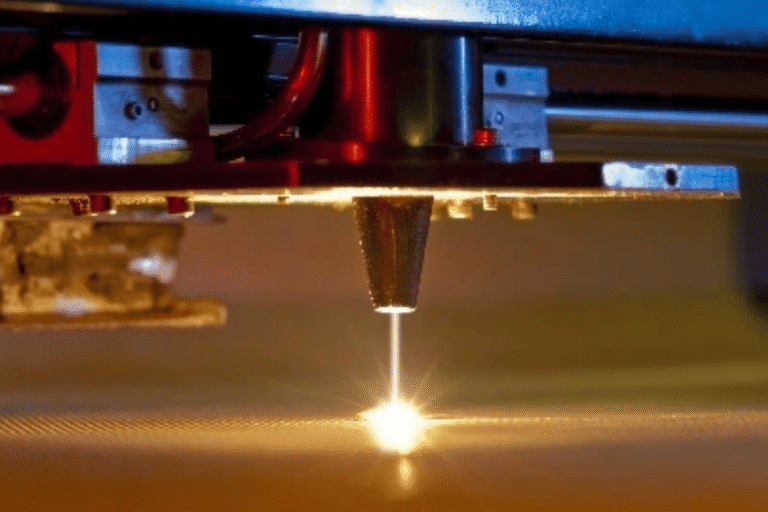
The laser system enables users to cut materials without physical contact by using concentrated energy which creates precise cuts that produce minimal heat damage. The method enables users to create complex shapes which contain fine details. - Water Jet Cutting
Abrasive water jets serve as a cutting solution for alumina because they can process materials with extreme hardness. The method enables precise cutting while maintaining the material’s original properties through the process of stress-free cutting.
Operators need to choose their methods according to specific tasks and accuracy requirements because this practice ensures both operational effectiveness and material preservation.
Laser Cutting of Alumina Ceramic
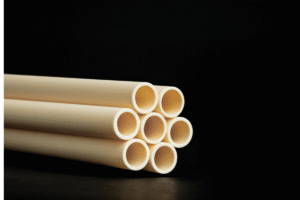
The laser cutting method for alumina ceramic requires high-powered laser beams to achieve precise cutting results. The extreme hardness and thermal stability and electrical insulation properties of alumina ceramic make its machining process extremely difficult. Laser cutting provides a solution to these problems through its contactless processing method which eliminates mechanical stress and decreases the likelihood of microcracking.
Recent advancements, supported by data from industry analyses, highlight that fiber and CO2 lasers are particularly effective for this application. Fiber lasers produce shorter wavelengths which enable them to create precise cuts with intricate details whereas CO2 lasers use their longer wavelengths to penetrate deeper into thicker materials which allows them to perform exceptionally well. The process of cutting improves through the application of assist gases which include oxygen and nitrogen because these gases remove waste while they help to remove materials more effectively.
Research shows that laser parameter optimization through power density scanning speed and pulse frequency adjustments leads to effective heat-affected zone control which results in minimal thermal deformation and preserves the structural integrity of alumina. The electronics and aerospace industries depend on laser cutting because it offers precise cutting capabilities which meet their requirements for tight tolerances and smooth edges.
Advantages of Laser-Cut Alumina
1. High Precision and Accuracy
The laser cutting technology provides precise cutting abilities because it can achieve accuracy levels which depend on specific cutting requirements. This accuracy is crucial for components in sectors like microelectronics and medical devices.
2. Minimal Thermal Deformation
Modern laser systems enable operators to adjust their output strength and operational speed parameters which results in reduced heat-affected zone (HAZ) development. The process allows alumina materials to maintain their structural integrity throughout demanding production operations.
3. Smooth Edge Quality
The laser cutting method creates edges which remain clean and smooth because it produces only minor chipping and cracking. The process eliminates the need for additional processing work, which shortens production timelines while maintaining essential component strength needed for vital functions in aerospace and automotive sectors.
4. Material Utilization Efficiency
The focused laser beam serves as the cutting instrument which leads to reduced material waste during cutting operations. The approach establishes precise cutting standards which limit material loss during production while enhancing material usage, resulting in reduced manufacturing expenses.
5. Versatile Design Capabilities
The laser systems enable operators to create intricate design patterns which produce complex profile shapes that traditional cutting technology cannot achieve. The system supports quick prototyping processes while allowing manufacturers to create customized components which meet specific design requirements.
Applications of Laser Cutting in Alumina Ceramics
The processing of alumina ceramics now depends on laser cutting because it delivers both accurate results and flexible application possibilities. The main uses of this technology are:
Microelectronics
Laser cutting serves as the primary method for creating ceramic substrates used in circuit boards because it delivers both accurate geometric results and clean edge processing needed to support complex electronic designs.
Medical Devices
Laser cutting enables the creation of custom shapes for surgical tools and implants through its precise cutting capabilities which result in accurate dimensioning.
Aerospace Components
Laser cutting precisely shapes alumina ceramics which engineers use for high-temperature and wear-resistant applications to ensure their compliance with aerospace standards.
Optical Applications
Laser systems serve as the manufacturing method for optical components which require both smooth edges and exact dimensions to achieve their desired performance.
The method achieves high operational efficiency while producing minimal material waste and delivering top-quality results in advanced applications.
Benefits of Alumina Ceramic Cutting Solutions
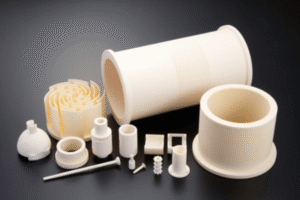
The cutting solutions made from alumina ceramic materials deliver outstanding benefits because they maintain their strength and accuracy and their capacity to withstand high temperatures. The tools show exceptional resistance to both wear and corrosion which enables them to function effectively throughout their entire operational lifespan in demanding work environments. The hardness of the materials enables precise cutting which produces clean and accurate results across different types of materials. The high-temperature performance of alumina ceramics makes them suitable for use in electronic manufacturing and aerospace engineering applications. The combination of these characteristics enables companies to spend less money on tool replacements while achieving greater operational efficiency which results in cost savings and increased productivity.
Durability and Performance
Alumina ceramics demonstrate outstanding durability because they resist both wear and corrosion while enduring mechanical stresses. The protection of alumina ceramic components from abrasive environments and extended operational periods guarantees their complete functionality. The material’s low porosity prevents the infiltration of harmful substances which helps to extend its lifespan.
The material exhibits two important characteristics which enable it to perform exceptionally well under extreme environmental conditions. The structural properties of alumina ceramics remain intact when they experience high levels of thermal and mechanical stress. The system maintains efficient operation at high temperatures which supports critical functions in thermal insulation and high-precision instrumentation. The combination of strength and dependable performance makes alumina ceramics the top choice for demanding technical applications.
Precision and Quality of Cut Alumina
Industries that require high tolerance levels and exceptional surface finishes depend on the precision and quality of their cut alumina components. The combination of laser machining and waterjet cutting together with diamond tooling delivers advanced cutting technologies which enable minimal waste while preserving the structural integrity of alumina materials. CNC machining technology has undergone major developments which now enable accurate processing of alumina materials. The newly developed technologies enable highly detailed designs which achieve exact measurements at the microscale level and fulfill the exacting standards of aerospace and electronics and medical engineering fields. The developed solutions improve production efficiency while increasing the reliability of alumina components which function in critical operational conditions.
Cost-Effectiveness and Efficiency
The latest technological developments in alumina processing and CNC machining provide manufacturers with better cost efficiency because these systems decrease material loss and shorten production durations. The technologies enable manufacturers to produce highly accurate results through a streamlined process which results in decreased expenses for both labor and energy. The processed alumina components deliver extended durability, which reduces the requirement for replacements and leads to lower operational costs. The combination of those factors leads to better production efficiency, which operates at high-quality standards throughout the entire process.
Latest Trends in Alumina Cutting Technology
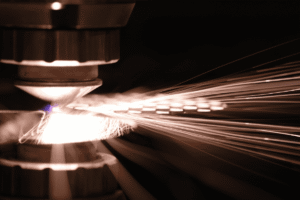
The latest developments in alumina cutting technology aim to achieve better precision and faster production rates while also protecting the environment. The current trend showcases laser-based cutting systems, which provide exceptional precision and create minimal material waste, as the most important advancement in the field. The development of diamond-coated cutting tools has led to improved tool performance which includes extended durability and the capacity to operate on harder alumina materials while minimizing tool failure and production interruptions. The industry now extensively uses automation together with smart monitoring systems which enable personnel to make immediate system changes that boost operational performance. The new technologies enable companies to produce more products which they can do at higher speeds while protecting their materials thus satisfying the growing industry need for high-quality products that remain affordable.
Innovations in the Processing of Alumina Ceramic
The field has seen five important technological developments which have occurred since it began.
- Spark Plasma Sintering (SPS)
This technique uses high-temperature plasma together with uniaxial pressure to create rapid sintering of alumina ceramics. SPS shortens the time required for sintering while it produces better densification results and raises mechanical attributes like hardness and fracture toughness. The study found that SPS enables alumina ceramics to reach almost 99% of their theoretical density within a few minutes. - Additive Manufacturing of Alumina
Additive manufacturing creates complex shapes through high-precision techniques which include stereolithography (SLA) and selective laser sintering (SLS). This method decreases material waste while enabling the creation of tailored complex parts. The latest data shows a growing requirement for 3D-printed alumina materials in both biomedical and aerospace sectors. - Nano-Alumina Reinforcement
The team achieved better thermal and mechanical performance through their application of nano-sized alumina particles. Nanotechnology improves the wear resistance and fracture toughness together with thermal conductivity of alumina composite materials. The addition of nano-alumina results in a 30% increase of flexural strength compared to traditional composite materials. - Microwave-Assisted Sintering
The new sintering technique uses microwave energy to heat ceramic materials through direct application which achieves complete and efficient thermal distribution. The method achieves two benefits because it decreases energy requirements and produces smaller microstructural features which lead to reduced grain development. The technique results in energy efficiency improvements of 50% together with material performance gains which have been documented. - Hybrid Ceramic-Metal Composites
The combination of alumina ceramics with metal components enables hybrid materials to meet the performance requirements of challenging industrial applications. The advanced infiltration processes together with coating techniques establish complete control over microstructural development. The materials demonstrate outstanding capabilities for both wear-resistant and thermal barrier protection purposes.
The newest technological innovations which improve alumina ceramic processing will enable its application in modern technologies while they simultaneously decrease environmental harm and operational expenses.
Reference Sources
- How to Cut Alumina Ceramic Substrate? | BSTCeramic
The article presents advanced laser cutting techniques which allow precise machining of alumina ceramics without physical contact during the process of handling complex geometric designs. - How to Cut Alumina Ceramic – Technical Info
The article presents two effective methods which use diamond saw blades and abrasive waterjet cutting to process alumina ceramics. - Laser Cutting of Alumina Ceramic Plates
High-powered laser beams enable precise and efficient cutting of alumina ceramic plates. - Recommend reading: Diamond Wire Saw for Ceramic Cutting: The Definitive Guide
Frequently Asked Questions
1. What Makes Cutting Alumina Ceramic Technically Challenging?
Alumina (aluminum oxide) exists as a technical ceramic material that possesses extreme hardness of 9 on the Mohs scale but exhibits brittle behavior. The material requires special machining techniques because it develops micro-cracks and chipping when exposed to mechanical forces and thermal shocks. Standard metal-cutting tools such as high-speed steel or carbide fail to cut through alumina materials. Diamond-tipped tools and laser machining which operates without contact are required by the material to create precise cuts while preserving its fundamental structural integrity.
2. Which Cutting Methods Are Most Effective for Alumina Substrates?
The optimal cutting method depends on the thickness and required precision of the workpiece:
Diamond Wire Sawing: This technique works best for cutting thick blocks and rods. It uses a diamond-impregnated wire to grind through the material gently which minimizes kerf loss and surface damage.
Laser Cutting: This technique works well for cutting thin substrates which have a maximum thickness of 2mm. The system enables fast production of complex 2D patterns through its cutting capabilities but it creates a heat-affected zone (HAZ) during the process.
Diamond Wafering/Dicing: This method serves as the common standard for electronics manufacturing. The process uses high-speed rotating diamond blades to cut wafers into individual chips which result in precise dimensional output.
Waterjet Cutting: This method works best for cutting thick plates when operators need to prevent any thermal stress on materials although it produces rougher edges than alternative cutting methods do.
3. How Does Laser Scribing Differ from Full Through-Cutting?
Laser scribing represents a partial-depth cutting method that engineers use to separate ceramic substrates. The laser creates a series of laser pulses which produce a groove or perforation line that runs through 30-50% of the material thickness. The substrate is then mechanically snapped along this fault line. The method offers faster results than full through-cutting because it creates less thermal stress on the ceramic material which decreases cracking risk at the edges. Full through-cutting is reserved for applications requiring complex contours or where mechanical snapping is not feasible.
4. What Role Does Coolant Play in Machining Alumina?
Coolant usage proves essential for most mechanical cutting activities which involve alumina materials. The ceramic surface contacts diamond abrasives resulting in high friction which generates extreme heat. The component experiences thermal shock damage which leads to immediate fracture and subsurface damage which reduces its strength when heat reaches unsafe levels. Coolant serves two functions which include acting as a lubricant to decrease cutting power and functioning as a flushing agent to eliminate abrasive ceramic dust (swarf) from the cutting area which stops tool clogging and maintains clean cutting operation.
5. Can Alumina Be Machined Using Conventional CNC Milling?
The process of CNC milling sintered alumina becomes operationally possible yet it leads to high expenses because tools lose their effectiveness at an excessive rate. The method functions best with “green” (unfired) ceramics which possess lower hardness levels. The milling process for sintered alumina requires two types of equipment which include ultrasonic-assisted machining centers and rigid CNC mills that use special diamond-coated end mills. The process requires low feed rates and high spindle speeds and flood cooling which makes it take much longer to complete than both cutting and grinding operations.
6. What Are the Best Practices for Minimizing Edge Chipping?
Effective edge chip reduction needs process parameters to be maintained through strict monitoring:
- Tool Condition: Ensure diamond tools are sharp and concentric. Worn tools increase cutting forces and vibration.
- The tool needs to enter and exit the workpiece at reduced feed rates which will result in decreased impact force.
- The ceramic edges which need support during cutting should be backed with sacrificial backing materials that include glass and resin.
- The workpiece needs to be fixed tightly to avoid creating micro-movements which will cause brittle edges to break.
Related Posts
Trending Blogs

![Polysilicon Material: Properties, Grades & Uses [Guide]](https://wiresawcutter.com/wp-content/uploads/2026/08/polysilicon-material-featured-150x150.webp)