
Get in touch with DONGHE Company
-
Phone: +86 181-1645-5490
-
Email: Sales18@DongheScience.com

The Complete Guide to Diamond Wire Saws for Laboratory Precision Cutting

Diamond wire saws have become indispensable tools in research laboratories for precision cutting of delicate materials. In the fields of semiconductors, optics, and materials science, these advanced cutting systems enable microstructural investigations with unparalleled accuracy. This comprehensive guide explores the benefits, applications, and best practices for using diamond wire saws to achieve high-quality sections while minimizing damage and optimizing specimen preparation for microscopy and analysis.
The Science Behind Diamond Wire Saws
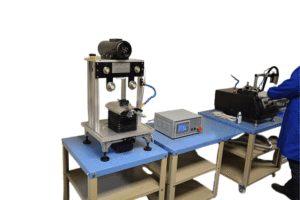
Diamond wire saws represent a significant advancement over conventional saw equipment, having largely replaced traditional blade cutting methods in precision applications. These sophisticated machines operate using a diamond-embedded wire loop or endless wire in place of a rigid blade. This wire saw system allows for precise cutting of wafers made from delicate materials while maintaining exceptional control over the cutting process.
The slender sliced film maintains a measured thickness in the micrometer range, supporting the preparation of thin sections ideal for microscopy and subsequent polishing. Through careful optimization of wire-edging speed and feeding rate, materials such as silicon wafers, optical crystals, ceramics, and stainless steel can be precision-machined with minimal damage.
What is a Diamond Wire Saw?
A diamond wire saw is a precision cutting tool that uses a thin wire coated with diamond particles to cut workpieces with minimal mechanical stress. What distinguishes this cutting tool from conventional diamond saws is its replacement of the rigid diamond blade with an elastic wire capable of very fine sectioning and slicing of brittle materials.
The laboratory setup enables careful processing of semiconductor wafers, optical components, ceramic parts, and various fragile materials at controlled speeds using specialized diamond wire options. The fine abrasive coating with diamond grains minimizes subsurface damage on the material being sampled while producing surfaces that require minimal pre-polishing.
How Diamond Wire Technology Works
In diamond wire technology, abrasive grains are fixed along a wire loop or endless wire that travels through the workpiece. During operation, carefully controlled parameters regulate material removal. The system can accommodate different material hardnesses and targeted surface finishes by adjusting wire speed, typically ranging from 4,500 to 6,500 meters per minute on laboratory systems.
Controlled advancement of specimens with regulated feed rates minimizes forces imposed on delicate paths where edges are susceptible to chipping, particularly when cutting brittle crystals or silicon wafers. Proper coolant application, tension control, and feed management are essential for achieving smooth and consistent cutting results.
Key Technical Specifications
4,500-6,500
Wire Speed Range (m/min)
300mm
Maximum Workpiece Size
Micrometer
Section Thickness Precision
Types of Diamond Wire Saws
Laboratory wire saws encompass low-speed diamond systems for delicate materials and high-precision equipment with wide-ranging capabilities to accommodate various material types:
Endless Wire Saws
Designed for cutting very long samples or production-type work, offering continuous operation capabilities
Loop Wire Saws
Targeted at research laboratories cutting smaller pieces, typically up to approximately 300 mm in size
Variable Speed Models
Equipped with speed adjustability and programmability for different material requirements
Precision Fixtures
Include specialized fixtures that reduce kerf and enhance surface finish quality
Diamond Wire Saw Applications in Laboratories

Diamond wire saws find extensive application in laboratories, from sectioning fragile specimens to production-level wafer slicing. This versatility enables precision parallel cutting across all material types. A precision saw with fine precision wire or continuous belt represents key equipment when sectioning materials like silicon, optical crystals, ceramics, and stainless steel in ways that minimize damage.
By carefully controlling wire parameters and cutting speed, precision can be achieved within a few micrometers, often requiring minimal post-processing compared to rigid blade requirements.
Precision Cutting in Research
To optimize precision cutting operations, workpiece yield rate plays a crucial role. Precision diamond wires with properly configured cutting process parameters typically employ low interaction forces that prove useful for:
- Sectioning crystalline structures with minimal stress
- Generating thin sections for microscopic investigation
- Exploring crack-free microstructures in brittle materials
- Achieving reproducible results across multiple specimens
The use of controlled speed and feed parameters minimizes subsurface damage and edge chipping, essential for acquiring reliable and reproducible research results.
Wafer Manufacturing and Processing
State-of-the-art diamond wire saw systems enable slicing of silicon and compound semiconductor ingots with minimal kerf, resulting in uniform wafer thickness still measured in the millimeter range. While continuous cutting through wire-cutting benches serves production needs, smaller benchtop wire saws (handling items up to 300 mm) can perform research-scale operations effectively.
With adjustable wire speed and cutting speed combinations, the wire sawing technique can be individually optimized for different materials to balance throughput and surface quality while reducing downstream polishing requirements. The reduced mechanical stress improves yield, flatness, and uniformity across the wafer batch.
Key Benefits
Semiconductor Processing Advantages
Diamond wire saws offer minimal kerf loss, reduced mechanical stress, improved wafer flatness, enhanced yield rates, and decreased polishing requirements compared to traditional blade cutting methods.
Polishing Techniques for Exceptional Outcomes
Selecting appropriate polishing procedures is crucial for refining the surface finish obtained from diamond wire saw cutting. The quality of the initial cut directly influences polishing cycles, particularly for clean cuts made on delicate materials. Finer slices cut with precision diamond wire saws contribute to damage suppression, enabling reduction of polishing steps and shorter polishing cycles.
In traditional procedures, low-speed diamond lapping preceded by loose abrasives helps eliminate any incidental striations in the cut surfaces. This progressive approach ensures the surface advances from one process step to the next until it reaches the required finish, whether for electron microscopy examination or component integration.
Optimal cutting parameters prove imperative since they decrease waviness and ease the polishing burden, especially when working with brittle materials that are prone to subsurface damage.
The Diamond Wire Laboratory Cutting System

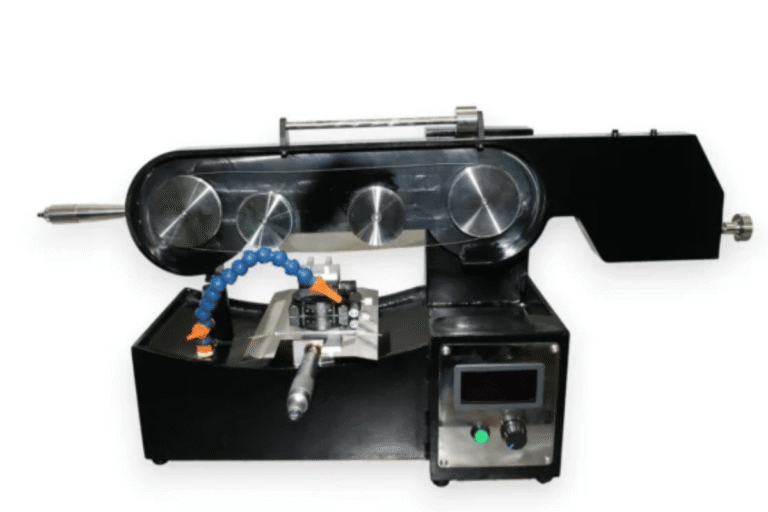
High-tech diamond wire laboratory saws comprise different mechanisms working together to achieve precise cutting of various sample types. The most critical components include:
Critical System Components
- Precision wire tension system for maintaining consistent cutting pressure
- Endless wire loop driven by sophisticated cutting machine motors
- Wire speed and cutting speed control mechanisms for parameter optimization
- Machine tension system ensuring stability throughout the cutting process
- Wire guides and pulleys for accurate wire path management
- Cooling system for temperature control during cutting operations
- Specimen mounts providing secure positioning at approximately 1 millimeter precision
These integrated components help maintain equilibrium while preserving precision and nurturing the polished surface quality suitable for microscopic examination.
Role of the Precision Wire
The wire saw replaces traditional blades with precision wire, representing a fundamental difference in cutting tool design. Through controlled force and motion, the diamond-abrasive cutting tool engages the workpiece effectively. A precision diamond wire outperforms conventional blades for this function, with numerous grits of diamond distributed along the cutting path.
This configuration allows operation at low speeds for fragile specimens, with the option to increase speeds from around 4,500 to 6,500 meters per minute based on workpiece hardness. Kerf size and subsurface damage are significantly reduced with wire-guided cutting, producing cleaner cuts compared to traditional wafer sawing methods.
Inside the Wire Loop System
Proper tension supports the continuous operation of the wire loop that serves to cut through material efficiently. The cutting process represents a carefully balanced procedure among material removal, tooling wear, and surface integrity preservation across a wide range of materials.
Tensioning, alignment, and cutting speed contribute harmoniously to correct adjustment. Higher wire speeds within appropriate limits help reduce material loss when sectioning diamond, crystals, and ceramic materials. At speeds ranging from 4,500 to 6,500 meters per minute, the system increases operational efficiency on silicon or stainless steel workpieces.
Loop configuration promotes precision cutting with limited wire wandering and heat generation, enabling continued, repeatable cuts required for clean-room-related examinations and research applications.
3000 Series Wire Saws Features
Laboratory platforms in the 3000 Series focus on accuracy, flexibility, and user control for demanding R&D purposes. These precision saw systems offer adjustable wire speed and cutting speed, providing flexibility from slow-speed cutting of delicate materials to high-speed domains suitable for semiconductor wafers and optical components up to 300 mm in size.
Advanced Features of 3000 Series Systems
Enhanced Tension Control
For consistent cutting performance
Improved Wire Guides
For precision path management
Advanced Coolant Delivery
For temperature regulation
Process Monitoring
For quality assurance
Modular Fixtures
Supporting various specimen sizes
These improvements sharpen precision cutting capabilities even with extremely brittle samples in cases where thin section production is requested. Process monitoring and modular fixtures enhance consistency and reduce downstream polishing requirements.
Advantages of Using Diamond Wire Saws
The benefits of using diamond wire saws in laboratory settings are substantial, particularly in areas such as precision cutting, throughput optimization, and specimen integrity preservation when working with various materials. The diamond wire operates as an advanced cutting tool, enabling soft brittle materials to be cut without exerting excessive pressure.
This capability aids in accurate cutting of crystals, ceramics, silicon, and even stainless steel. By carefully modifying cutting parameters, operators can decrease kerf width, improve surface finish, and produce surfaces with quality sufficient for immediate microscopic examination.
High-Quality Precision Cutting
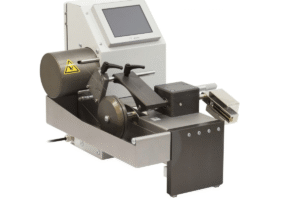
The diamond wire system is capable of quickly removing material from the workpiece while causing minimal damage and maintaining narrow kerf width. This efficiency means maximum yield from bulk ingots, converting more material into usable wafers and samples. By adjusting wire speed, the system can be used effectively from low speeds for delicate crystals up to 4,500-6,500 meters per minute for hard-to-machine substances.
This versatility allows process optimization and decreases the necessity for frequent tool changes. The result is reduced tool wear, fewer polishing steps, and increased overall production efficiency.
Technological Prowess in the Laboratory
Diamond wire cutting technology integrated with the latest wire saw systems means better software, sensors, and controls to monitor and adjust the cutting process at different points. The latest tools available strive to optimize wire loop tensioning, monitor wire speed accurately, and control cutting speed impact while maintaining comprehensive data records and traceability.
The loop system is designed for longevity, allowing extended periods of operation to accommodate longer cuts. Precision saw clamps ensure firm grip on samples for perfect cuts with millimeter precision. Advanced software and total control systems enable automation with comprehensive data logging.
These technological supports bring repeatable execution and establish robust organizational processes in the laboratory environment, ensuring consistency across multiple cutting operations and different operators.
Selecting the Right Diamond Wire Saw
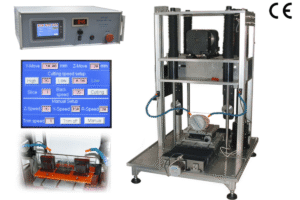
Selecting the appropriate diamond wire saw requires careful consideration of laboratory workspace constraints and machine capabilities that allow the equipment to cut multiple material types to a specified level of precision. The most important considerations include:
Factors to Consider When Selecting Equipment
-
- Desired Section Thickness: Target thickness in millimeters or micrometers for your specific application
- Maximum Workpiece Size: Accommodation for specimens up to 300 mm or larger depending on system capacity
- Wire Velocity Range: Target range of wire velocities suitable for your materials (typically 4,500 to 6,500 m/min)
- Cutting Tool Specifications: Requirements for precision wire diameter and diamond grit characteristics
- Wire System Type: Decision between endless wire or loop system based on sample size and production requirements
Recommend reading: Laboratory Diamond Wire Saw: The Complete Guide to Precision Sample Cutting
Related Posts

Trending Blogs

![Polysilicon Material: Properties, Grades & Uses [Guide]](https://wiresawcutter.com/wp-content/uploads/2026/08/polysilicon-material-featured-150x150.webp)