
Get in touch with DONGHE Company
-
Phone: +86 181-1645-5490
-
Email: Sales18@DongheScience.com

Endless Loop vs Reciprocating Wire Saw: Which is Better for Ceramics?

Endless Loop Wire Saw vs Reciprocating Wire Saw: Which is Better for Ceramics?
The process of cutting ceramics requires exacting precision and efficient work methods together with specific equipment to achieve optimal cutting results. The endless loop wire saw and the reciprocating wire saw stand as two of the most widely disputed cutting instruments for this particular application.
The two technologies exhibit specific advantages and disadvantages which vary based on the material being used and the level of accuracy required and the purpose of the material. The article will show how these two cutting methods differ from each other through a complete comparison which will help their ceramic cutting needs. The guide will help you select the best tool for your needs to achieve success in all your difficult tasks.
Introduction to Wire Saws

Wire saws serve as exact cutting tools which operate through a thin wire that contains diamond-like abrasive materials to cut through hard and brittle materials which include ceramics. The system demonstrates exceptional performance because it can create complex cuts while ensuring material requirements and producing completely smooth surfaces. The system utilizes an abrasive wire which operators pull across the surface to create material loss as the wire moves without creating harmful effects or damage to the surface. The tools provide essential benefits to electronics and aerospace and manufacturing industries which depend on accurate measurements and complete material preservation. The system serves as an essential solution for specialized cutting operations because it can process both fragile and difficult materials with very little material waste.
What is a Wire Saw?
The wire saw cutting tool uses its flexible wire which has embedded diamond and tungsten carbide abrasive materials to perform precise cutting operations. Wire saws serve as the primary cutting technology for industries that require exact material cuts which standard equipment cannot achieve. The wire system operates under controlled conditions because it receives tension which allows it to cut different materials such as silicon wafers ceramics glass metals and composites while maintaining their original shape and preventing heat damage. The wire saw technology development has reached modern advancements which include improved abrasive coatings and advanced control systems that produce precise cuts with reduced material waste and increased cutting efficiency. Wire saws provide essential cutting services to the semiconductor fabrication industry and the stone processing field and the advanced manufacturing sector.
Types of Wire Saws: Endless Loop and Reciprocating
The classification of wire saws into two major types results from their use of different operational mechanisms which separate Endless Loop Wire Saws from Reciprocating Wire Saws as their two main categories. The two systems which make up this system have distinct operational capabilities that enable them to perform their designated tasks.
1. Endless Loop Wire Saw
The endless loop wire saw operates through its continuous wire loop system which uses diamond abrasive wire to achieve efficient cutting results. The system provides uninterrupted operation which enables the machine to produce accurate results through its continuous cutting process. Endless loop wire saws feature distinct operational capabilities which enable them to function in different industrial applications.
High-Speed Cutting
The method enables fast and precise cutting which makes it suitable for cutting semiconductors that include silicon wafers.
Minimal Material Loss
The cutting procedure uses narrower kerf width which decreases the amount of material that gets wasted.
Applications in Stone Processing
The equipment functions as a standard tool for cutting granite and marble because it produces additional material removal through its work.
Durability and Long Operating Life
The loop design enables wire components to wear down at a constant rate which leads to extended operational time.
2. Reciprocating Wire Saw
The device operates through its wire system, which creates back-and-forth movements for the single wire that functions as its cutting component. The system provides precise control capabilities that enable operators to execute accurate cutting functions. The system shows two main features that make it easy to use.
Precision Control
The system enables users to create intricate designs that require advanced cutting techniques through their system.
Lower Vibration Levels
The system keeps delicate materials safe by minimizing vibrations which can cause thermal damage and microcracking.
Customizable Wire Tension
The performance of wire systems can be enhanced through wire tension adjustments which provide specific material processing capabilities.
Versatility in Material Types
The system enables users to work effectively with metals and ceramics and polymers because it can handle all three material types without performance issues.
Portable Design
Some reciprocating models are lightweight and portable, making them suitable for field applications.
The two systems of endless loop and reciprocating wire saws function as vital equipment for contemporary manufacturing operations which deliver accurate results through their work in different industrial applications.
Overview of Diamond Wire Technology
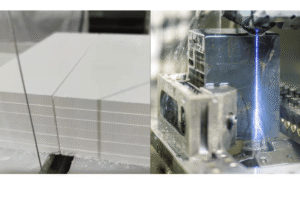
The field of precision cutting has reached a new level of development because of diamond wire technology. The systems achieve their high precision cutting capabilities through the implementation of a wire that contains industrial-grade diamond abrasives. The advanced technology of the new process enables it to cut through hard and brittle materials such as silicon and sapphire and composite materials while producing only minimal waste and preserving the surface materials. Diamond wire systems deliver their outstanding operational performance to industrial sectors which include semiconductor manufacturing and construction.
Mechanisms of Cutting
The diamond wire cutting method uses three main cutting mechanisms which include abrasion material displacement and fracture propagation. The diamond particles on the wire’s surface grind against the material to create abrasion which removes small particles from the surface. The wire applies force which creates localized deformation that results in material displacement through pushing and dislodging. The process of fracture propagation begins when the stress level reaches beyond the material’s maximum strength which leads to controlled crack formation and subsequent material separation. The cutting process achieves high precision and efficiency through these mechanisms while maintaining minimal damage to the material that undergoes processing.
How the Endless Loop Wire Saw Works
The endless loop wire saw operates by using its system to pull a thin wire which has an abrasive coating through multiple pulleys and guides while keeping the wire in a state of high tension. The system uses this mechanism to maintain a stable cutting pattern which helps to decrease both wire destruction and operational vibration. The wire material construction uses strong materials which include steel and composite alloy to create a base which receives an abrasive coating that contains diamond or silicon carbide for improved cutting performance.
The process begins with the wire being fed through the target material, with the tension and speed finely controlled by an advanced drive system. The wire’s abrasive coating enables accurate removal of materials through three processes which include abrasion and thermal energy dissipation and mechanical stress. The system achieves efficient operation because it produces precise cuts which create only minimal kerf loss which enables effective cutting of delicate materials like silicon wafers and ceramics and glass.
The current versions of the endless loop wire saw use automated tension control systems together with AI-based monitoring systems to determine optimal cutting performance which improves speed and precision. The advanced coolant delivery systems in operation decrease operational temperatures which helps to stop thermal damage while increasing wire durability. The endless loop wire saw becomes essential equipment for semiconductor manufacturing photovoltaics production and advanced material processing because of its use of advanced technologies.
How the Reciprocating Wire Saw Works?
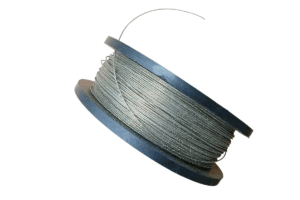
The reciprocating wire saw uses its system which moves a tensioned wire back and forth through straight lines. The wire serves as the cutting medium because it contains abrasive materials which include diamond and silicon carbide. The reciprocating wire saw creates its cutting path through the application of linear wire motion which motor systems control with precise accuracy.
The saw uses its weight to create downward force which allows the wire to move back and forth and cut through the material. The cutting process becomes more effective through wire embedded with abrasive particles which either exist in the wire or get placed on it to grind away material. The system delivers fluids to provide cooling and lubrication which protects the wire from heat and wear while maintaining a smooth cutting surface.
Reciprocating wire saws use advanced control systems which enable operators to adjust motion and feed rate settings for various material types which include hard materials like ceramics and glass. The saws prove most useful for tasks which require exact cutting methods which researchers use during sample preparation and creation of precise components and specialized research tasks.
Comparison of Cutting Mechanisms
The principal cutting techniques are sawing, abrasive cutting, laser cutting, waterjet cutting, and plasma cutting.
Industrial Applications
Industries that require accurate and delicate cutting work use reciprocating wire saws as their primary cutting tool. The main applications of this technology include:
Semiconductor Manufacturing
Used to slice silicon wafers with high precision for microchip production.
Biomedical Device Fabrication
Essential for cutting delicate materials such as bone or specialized composites used in medical equipment.
Aerospace Engineering
Utilized in machining components from brittle materials like ceramics and composite glass.
Research Laboratories
Ideal for preparing samples for microscopy or material analysis, ensuring minimal material deformation.
The saw demonstrates its capacity to make precise cuts which maintain the complete structure of both fragile and durable materials.
Applications of Endless Loop Wire Saws
- Semiconductor Industry
Endless loop wire saws are used by the semiconductor industry to cut silicon wafers which results in microchip production with exceptionally precise results. Studies show that these saws achieve tolerances which reach ±0.01 mm to minimize material waste during operation. - Photovoltaic Cell Production
The saws cut silicon ingots which solar panels require through their ability to produce clean and smooth cuts that enhance photovoltaic operational efficiency. Data shows that material loss during the cutting process is reduced by up to 40% compared to traditional methods. - Medical Equipment Manufacturing
Their ability to cut complex shapes in biocompatible materials, such as titanium or advanced polymers, makes them essential for producing surgical instruments and implants. This precision supports the high standards required in the medical field. - Optical Industry
The optical industry uses endless loop wire saws to cut lenses from brittle glass or crystal materials because these saws maintain material characteristics while creating exact lens shapes which optical systems need. - Laboratory Sample Preparation
The equipment cuts specimens for microstructural and mechanical analysis while maintaining sample integrity through minimal distortion and damage. Research has shown that these saws significantly reduce microcracks, preserving the integrity of the samples for accurate results.
Applications of Reciprocating Wire Saws
- Semiconductor Industry
The semiconductor industry uses reciprocating wire saws to cut silicon wafers into pieces for integrated circuits and solar panels. The saws deliver precise cutting outcomes which create minimal waste material thus achieving maximum resource utilization. The research shows that advanced wire saws can produce thickness measurements which stay within the range of ±10 µm, this achievement ensures stable product quality. - Optical Component Manufacturing
The production process of precision optical components depends on these saws to create lenses and mirrors through their essential role. The controlled cutting mechanism ensures surfaces require less post-processing. Research shows that efficiency can improve by 30% with modern cutting methods because they produce lower material waste than established techniques. - Geological and Archaeological Applications
The saws enable scientists to produce accurate rock and mineral samples which scientists can study without damaging their natural structure through excessive heat or physical force. This capability is crucial for preserving the original structure of rare specimens in geological studies. - Medical Implant Fabrication
The medical field uses reciprocating wire saws to cut advanced biomaterials which include titanium and ceramics for medical implant production. The technology achieves precise measurement standards which medical components must meet to comply with rigorous research requirements. - Composite Material Processing
The aerospace and automotive sectors use this method to cut high-performance composites which include carbon fiber reinforced polymer materials. The process achieves precise cuts which maintain the material’s original structural properties. Research highlights a reduction of up to 40% in edge defects when using reciprocating wire saw technology.
Which is Suitable for Ceramics and Brittle Materials?

The precise cutting control of reciprocating wire saw technology enables successful machining of ceramic materials and brittle materials. The materials with high hardness and low ductility properties become damaged through conventional cutting techniques because these methods create conditions for cracking and chipping. Studies show that reciprocating wire saws operate with two advantages because they decrease both mechanical stress and thermal loading which leads to lower micro-cracking and surface imperfections. The development of ultrasonic-assisted wire sawing represents an advanced technique that enhances cutting speed and efficiency while maintaining material integrity. This method is gaining traction among industries that need to create technical ceramics and brittle composites with exact specifications for electronics and medical devices and aerospace components.
Cutting Speeds and Precision Levels
Manufacturers use cutting speeds and precision levels as essential parameters because these factors determine both process quality and operational efficiency. The determined cutting speeds that reach optimal performance standards result in actual product output because they minimize material changes during processing. The established precision standards which determine acceptable measurement levels will produce accurate final product dimensions. The manufacturing process for technical ceramics requires manufacturers to use lower cutting speeds together with exact control systems which help them maintain material strength and produce high-quality results. Industries depend on precise calibration together with cutting-edge technologies to achieve their required performance standards during challenging operational conditions.
Cutting Speeds: Endless Loop vs Reciprocating
Endless loop cutting delivers continuous cutting at fixed speed while reciprocating cutting requires multiple movement patterns that need lower speeds to achieve accurate results.
Precision Levels in Diamond Wire Cutting
Three main factors establish the accurate performance of diamond wire cutting which depends on wire tension and operational speed together with processed material. The cutting process maintains constant wire tension which protects against cutting errors and matching cutting speed with material strength limits maintains accurate measurement results. The system achieves high precision through two methods which combine precise control of operational components with real-time system error detection and correction methods.
Impact of Cutting Speed on Material Integrity
The five main ways that cutting speed affects material integrity show their effects through presented facts and scientific evidence.
Surface Finish Quality
Higher cutting speeds typically create smoother surfaces because cutting tools spend less time in contact with materials. For materials being processed studies demonstrate that increasing cutting speed from 200 m/min to 400 m/min can decrease surface roughness by 20% because of the speed increase.
Heat Generation and Thermal Stress
Cutting at high speeds creates excessive heat in the cutting zone which results in increased thermal deformation of the material. The expansion of alloys such as aluminum occurs when cutting speeds go beyond 800 m/min which leads to dimensional accuracy loss.
Material Microstructure Alteration
The material microstructure undergoes changes at high cutting speeds because of localized annealing and phase transformation effects. Steel with high carbon content shows this effect because carbide precipitation occurs at speeds above 500 m/min.
Tool Wear and Its Indirect Effects
High cutting speeds cause faster tool wear which results in material degradation through the creation of burrs and microcracks and uneven cuts. Experimental data indicate that cutting speeds which double lead to a 30% increase in tool wear which affects the edge quality of materials.
Dimensional Tolerances
High cutting speeds create difficulties for maintaining exact dimensional tolerances because vibrations and tool deflection increase. Precision machining results show that at cutting speeds of 600 m/min the deviation reached 0.02 mm whereas at 300 m/min the deviation only reached 0.005 mm.
Optimal results require calibration of cutting speed according to material properties and desired outcomes to protect material integrity.
Advantages and Disadvantages
Advantages
Improved Efficiency
The application of cutting at higher speeds decreases machining requirements which results in shorter production cycles and enhanced operational efficiency.
Enhanced Surface Finish
The proper cutting speed optimization process enables the achievement of smoother surface finishes through decreased friction and consistent material extraction.
Time Savings
The ability to operate at higher speeds enables manufacturers to complete work within their most critical delivery times while processing additional items throughout shorter periods.
Disadvantages
Tool Wear and Tear
The practice of cutting at higher speeds results in faster tool degradation which shortens tool lifetime while increasing equipment replacement expenses.
Heat Generation
The operation at excessive speeds produces excessive thermal energy which can lead to workpiece deformation and changes in material characteristics.
Dimensional Challenges
High-speed operations produce vibrations and deflections which make it hard to maintain accurate tolerances, leading to the production of non-compliant components.
Pros and Cons of Endless Loop Wire Saws
Pros
High Precision
The exceptional accuracy of endless loop wire saws makes them suitable for cutting delicate and intricate materials.
Smooth Finish
The wire’s continuous motion provides smooth cuts that create minimal surface damage which decreases the need for extra finishing work.
Efficiency
The system enables cutting through hard materials like silicon and ceramics while losing only a small amount of material which results in enhanced productivity and reduced operational costs.
Cons
Initial Cost
The setup and maintenance of endless loop wire saw systems can be expensive compared to conventional cutting tools.
Complex Maintenance
The process needs specialized knowledge because both wire replacement and tension adjustment must happen at regular intervals.
Material Constraints
The saws perform well with hard materials but they experience difficulty when cutting through softer or more flexible materials which results in unsatisfactory performance.
Pros and Cons of Reciprocating Wire Saws
Pros
Versatile Material Cutting
Reciprocating wire saws can cut through different materials because they can work with both hard and soft materials.
Precision
These saws provide excellent control, enabling detailed and accurate cuts.
Simpler Maintenance
The system requires less maintenance work because users can easily replace wires and adjust tension, which simplifies the process.
Cons
Slower Cutting Speed
The reciprocating motion creates cutting delays which affect the progress of large-scale projects.
Higher Wear Rate
The back-and-forth wire movement causes increased wire destruction, which results in more frequent need for wire replacements.
Limited Efficiency for Thick Materials
The saws experience reduced cutting performance when they attempt to cut through extremely thick or dense materials.
Choosing the Right Technology for Your Needs

The technology selection process needs you to assess the unique requirements of your project work. The wire saw delivers precise control for delicate tasks which require intricate cuts because it serves as the perfect tool for detailed work. The use of band saws and circular saws becomes more efficient for large operations which require cutting through thick and dense materials. The material type and project scale and operational budget serve as main factors which help you select the optimal solution for your objectives. You need to achieve a proper equilibrium between precision and rapid performance along with unbroken system functionality.
Reference Sources
- Two-Way vs One-Way Diamond Wire Saw Comparison
The study examines cutting speed and wire stability and efficiency differences between endless loop and reciprocating wire saws. - What is the Advantages of Loop Diamond Wire Sawing?
The research shows loop wire sawing provides three main advantages which include better operational efficiency and improved accuracy and decreased material waste. - The Difference Between Diamond Wire Saw and Diamond Loop Wire
The two systems show distinct cost and operational efficiency and usage patterns between diamond wire saws and loop wire systems. - Recommend reading: Diamond Wire Saw for Ceramic Cutting: The Definitive Guide
Frequently Asked Questions
1. What Is the Fundamental Operational Difference Between an Endless Loop and a Reciprocating Wire Saw?
The two systems demonstrate their primary operational difference which results from their different ways of handling cutting wire movement. The endless loop wire saw operates through a diamond wire that moves in a single direction around its circular loop (which resembles a band saw). The system achieves uninterrupted performance since it operates at its highest cutting efficiency throughout its entire operational period. A reciprocating (or oscillating) wire saw, conversely, uses an open-ended length of wire wound between a supply spool and a take-up spool. The system operates through wire movement that starts in one direction until the spool reaches empty, at which point the wire begins to move back to its starting position, which creates a cutting motion that alternates between forward and backward movement.
2. Which System Offers Superior Cutting Speed and Efficiency?
The endless loop system delivers superior cutting speeds in almost all use cases. The wire achieves its maximum linear speed because it operates in one forward direction only. The endless loop system maintains operational efficiency because it does not require time for equipment to slow down before changing its operational direction, which is a requirement for reciprocating saws. The continuous contact at high speeds enables the system to remove materials at an increased rate while achieving higher production efficiency.
3. How Do the Two Methods Compare in Terms of Surface Finish and Precision?
Endless loop saws generally deliver superior surface finishes and higher precision. The unidirectional movement minimizes the vibration and “shock” caused by the periodic reversal of the wire in reciprocating systems. The system establishes stable conditions which result in cut surfaces that exhibit minimal striations and wire marks. The start-stop nature of wire direction in reciprocating saws makes it possible to achieve high precision, but this also leads to the creation of minor surface irregularities which show up as “steps” on the cut surface around the points where the system changes wire direction.
4. Why Would an Operator Choose a Reciprocating Saw over an Endless Loop Saw?
The reciprocating wire saw is often the preferred choice for cutting extremely large workpieces or ingots. The production of a continuous wire loop faces practical length constraints, but the system can operate with spools that hold wire lengths measuring several kilometers. The system enables users to create deep cuts which extend through large blocks of material that include large silicon or sapphire ingots which exceed the cutting limits of an endless loop. The machine operates more efficiently during extended cutting sessions because it continuously delivers new wire to the system from its spool.
5. What Are the Differences in Wire Wear and Lifespan Between the Two Technologies?
The two systems demonstrate distinctive wire wear patterns which create major differences. The endless loop system operates through continuous usage of its complete loop length, which results in identical wear distribution across all wire sections. The tool becomes completely unusable when the loop experiences a break. A reciprocating system operates through spool-fed wire which moves to the take-up reel after showing wear because it does not introduce new wire to the system. Users who lack optimal stroke length knowledge create localized wear in reciprocating systems. The system enables usage of extended wire lengths, which prolongs operational periods between necessary tool replacements.
6. How Does Material Waste (Kerf Loss) Compare?
The two systems achieve lower material waste through their design compared to standard blade cutting. The two systems achieve lower material waste through their design compared to standard blade cutting but reciprocating saws usually produce slightly less kerf loss. The open-ended wire capability of reciprocating systems enables them to utilize wires with smaller diameters when compared to endless loops, which need a spliced joint for operation. The spliced connection in a loop creates a vulnerability that restricts the production of extremely thin wires. Therefore, for applications requiring the absolute minimum kerf loss (like slicing precious semiconductor materials), reciprocating systems with ultra-fine wires are frequently utilized.
Related Posts
Trending Blogs

![Polysilicon Material: Properties, Grades & Uses [Guide]](https://wiresawcutter.com/wp-content/uploads/2026/08/polysilicon-material-featured-150x150.webp)