Get in touch with DONGHE Company
-
Phone: +86 181-1645-5490
-
Email: Sales18@DongheScience.com

Diamond Wire Saw Solutions for Every Ceramic Material

Diamond wire saw technology provides the most advanced solution for precisely cutting ceramic materials. The unique properties of ceramics which include their hardness and brittleness and their thermal resistance, create major difficulties for cutting and shaping operations. Diamond wire saws provide superior cutting precision while generating less waste and operating effectively with different types of ceramic materials. The guide explains how users can reach their highest operational performance and accuracy through particular equipment and methods which are suitable for working with technical ceramics and advanced composites and sensitive substrates.
Introduction to Diamond Wire Saw Technology
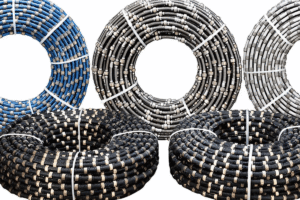
Diamond wire saw technology provides modern materials cutting methods that deliver accurate results while maintaining operational efficiency. The technology employs a slim wire that contains diamond cutting elements to create cuts in multiple materials which include ceramics and composites and other hard materials. The system operates by applying tension to the wire which moves according to precise control methods that result in minimal material waste and lower thermal effects and produce neat and precise cutting results.
Its versatility makes it an ideal choice for industries requiring high levels of precision, such as aerospace, electronics, and manufacturing. The diamond wire saws provide high cutting precision which enables them to transform material cutting methods used in different industries.
What is a Diamond Wire Saw?
A diamond wire saw is a cutting tool which uses a wire that workers stretch and place with synthetic diamond particles for cutting through different tough materials with high accuracy. The cutting method uses diamond’s abrasive nature to cut through concrete and stone and metal and advanced composite materials. Diamond wire saws are used by industries which need accurate cutting methods that generate minimum waste material in semiconductor manufacturing and mining and construction and aerospace operations.
Modern diamond wire saws use new materials and automated systems for improved operational performance and work capabilities. The system can keep tension at a constant level while it maintains steady cutting speeds and protects against the heat damage which traditional cutting methods create. The tool now achieves better precision through the development of thinner wires and new diamond coating methods which enable it to work in multiple situations.
The ongoing developments in diamond wire saw technology have established these tools as essential equipment for operations which require precise and controlled cutting methods.
Benefits of Using Diamond Wire for Precision Cutting
1. Exceptional Precision and Accuracy
Diamond wire saws provide the most accurate cutting performance which enables operators to achieve precise cuts that reach within microns of their desired targets. The semiconductor and aerospace industries require this level of precision because any small error will lead to operational and safety issues.
2. Minimized Material Waste
The diamond wire’s thin design leads to reduced kerf loss because it requires less material loss during the cutting process. The method generates more usable output because it produces higher material yields than standard cutting techniques especially when processing costly materials such as silicon and sapphire and specialized composites.
3. Enhanced Cutting Efficiency
Diamond wires maintain constant cutting speeds which enable operators to achieve high cutting performance that results in shorter processing durations. Photovoltaic cell production facilities have demonstrated manufacturing success through their ability to achieve cutting speeds that reach 20 meters per second which boosts overall production output.
4. Compatibility with Hard and Brittle Materials
The diamond wire coating provides operators with the ability to work with difficult materials which include ceramics and glass and superalloys. This technology enables industrial ceramics and medical components to function safely without risking any structural breakdown.
5. Reduced Thermal and Mechanical Stress
The low-friction cutting process generates minimal heat and mechanical forces which stop thermal deformation and micro-cracks from forming in delicate materials. This process protects the precise structure of high-precision components which include optical lenses and microchips.
Comparison with Traditional Cutting Methods
Diamond wire cutting is considered more environmentally friendly, versatile, more precise and reduces thermal and mechanical stress than most traditional cutting techniques.
Applications of Diamond Wire Saws in the Ceramic Industry

The ceramic industry uses diamond wire saws because these machines cut fragile and difficult materials with their precise and efficient cutting abilities. The tools serve to produce advanced ceramics which require precise control over component dimensions that will be used in electronics and aerospace as well as biotechnology applications. The equipment enables users to achieve precise results while cutting brittle ceramics, such as silicon carbide and alumina, because it preserves required materials and protects structural integrity.
The diamond wire saws maintain their performance during extended operation which enables high-throughput production processes to continue running efficiently while providing cost-effective solutions for industrial applications.
Cutting Different Types of Ceramics
The various ceramic materials used in different applications require specific cutting methods which must consider their unique physical characteristics such as hardness and brittleness and thermal sensitivity. Diamond wire saws which function as precision cutting tools enable operators to produce precise cuts without causing any harm to the underlying structure of their work.
Silicon Carbide (SiC)
Properties: Extreme hardness, high thermal conductivity, exceptional chemical corrosion resistance
Applications: Semiconductor production, high-temperature engineering, abrasive materials
Cutting Considerations: High-precision tools to eliminate chipping risk
Alumina (Al₂O₃)
Properties: High hardness, outstanding dielectric performance, wear resistance
Applications: Electronic substrates, medical implants, cutting tools
Cutting Considerations: Effective cooling methods to reduce thermal stress
Zirconia (ZrO₂)
Properties: High fracture toughness, thermal insulation, chemical stability
Applications: Dental ceramics, fuel cells, thermal barriers
Cutting Considerations: Precise control to prevent microcracks
Boron Nitride (BN)
Properties: High thermal stability, excellent lubricating properties, electrical insulator
Applications: Crucibles, coatings, high-temperature insulating materials
Cutting Considerations: Protective measures for layered structure vulnerability
Glass Ceramics
Properties: Excellent thermal shock resistance, optical transparency, machinability
Applications: Telescope mirrors, cookware, precision devices
Cutting Considerations: Smooth cuts without chips for optical and structural elements
Titanate Ceramics
Properties: Outstanding dielectric and piezoelectric performance
Applications: Capacitors, transducers, sonar systems
Cutting Considerations: Precision tools to maintain essential performance capabilities
The process of cutting each ceramic type requires a specific method that must protect the material’s essential properties while achieving effective results in production operations.
Utilization in Advanced Ceramics and Graphite
The combination of advanced ceramics with graphite materials establishes multiple technological applications because these materials deliver exceptional strength together with their ability to withstand high temperatures and conduct electricity.
Key Industrial Applications
- Aerospace and Defense: High-temperature ceramics for jet engines and rocket nozzles; graphite for lightweight aerospace tooling and missile components
- Electronics Industry: Advanced ceramics as capacitors, insulators, and semiconductor substrates; graphite for electrodes, heat sinks, and energy storage systems
- Medical Technology: Bioceramics for orthopedic and dental applications; graphite in medical devices including heart pumps and surgical instruments
- Energy Sector: Zirconia ceramics in fuel cells and nuclear reactors; graphite as moderator and reflector in nuclear applications
- Automotive Industry: Advanced ceramic sensors, catalytic converters, and brake pads; graphite lubricants and gaskets to enhance engine performance
- Industrial Applications: Ceramic coatings for machinery and tools; graphite for molds, seals, and crucibles in high-temperature conditions
Applications in Optical Glass and Sapphire Materials
The combination of advanced ceramics with graphite materials establishes essential improvements for the performance and quality of optical glass and sapphire materials used in various fields. The new materials demonstrate outstanding characteristics because they maintain thermal stability while providing high transparency and exceptional strength which makes them suitable for various uses.
1. Precision Optics Manufacturing
Advanced ceramics serve as the materials needed to create precision lenses and mirrors because these materials maintain dimensional accuracy while resisting thermal changes that would affect telescope and microscope optical performance.
2. High-End Electronics
Sapphire materials find extensive use in smartphone screen and watch face and optical sensor cover production because they combine both transparency and scratch resistance to deliver durable yet clear products.
3. Aerospace and Defense
The aerospace and defense industries require optical glass and sapphire materials to design sensor windows and target designation systems and laser optics which must sustain peak optical function under harsh conditions.
4. Medical Imaging Devices
Sapphire materials enable the creation of medical imaging devices which include endoscopes and laser-based diagnostic equipment that deliver medical diagnostics with high accuracy and dependable performance.
5. Laser Technology
Sapphire components serve as essential elements for developing high-power laser systems which industrial cutting and engraving and scientific research applications require because they provide excellent thermal conductivity and optical clarity.
Selecting the Right Diamond Wire Saw Solutions

The selection process for diamond wire saw solutions needs multiple important factors to be assessed so that the best solution can be found which provides maximum performance and efficiency. Your equipment and project requirements will be met through collaboration with a reliable manufacturer or supplier who provides customized solutions and technical support.
Factors to Consider When Choosing a Wire Saw
1. Wire Material Composition
The wire’s material composition determines both its operational capabilities and its longevity. The primary materials include steel wires coated with diamond particles that enable cutting through tough materials. The selection should match the hardness and abrasive properties of the target material.
2. Cutting Speed and Efficiency
The wire saw cutting speed is measured in meters per second or revolutions per minute. Higher speeds increase efficiency but require correct wire tension and cooling mechanisms to prevent wire damage and overheating.
3. Tension Control Mechanisms
The wire tension control system establishes both cutting accuracy and operational lifetime. Advanced systems contain automatic tension control equipment which maintains uniform pressure and decreases equipment damage from wear and breakage.
4. Cooling and Lubrication Requirements
Wire saw operation generates excessive heat which affects both wire strength and cutting performance. A suitable cooling and lubrication system using water or synthetic fluids eliminates heat and decreases friction.
5. Durability and Maintenance Schedule
Wire saw durability depends on usage frequency, wire type, and maintenance schedule. Operational life requires scheduled inspections for wear, proper cleaning, and tension maintenance.
6. Cost-Effectiveness
Premium wires come with greater initial expenses yet the resulting decrease in operational pauses and material waste makes this cost worthwhile. Evaluate total cost of ownership (TCO) for financial assessment.
7. Compatibility with Equipment
Verify whether the wire saw can operate with current equipment and machines. Different specifications can lead to operational problems and safety hazards.
8. Environmental and Safety Compliance
Wire saws require compliance with environmental regulations and safety standards. High-quality equipment meets industry certification standards while decreasing safety dangers.
9. Customization Options
Projects require specific wire solutions adapted to particular cutting needs. Specialized coatings and specific length and thickness combinations enable substantial productivity gains.
10. Technical Support and Training
Partner with trustworthy suppliers who deliver effective technical assistance and educational programs and warranty support for optimal system operation.
Precision Diamond Wire Saws vs. Horizontal Diamond Wire Saws
Precision diamond wire saws and horizontal diamond wire saws show differences in their construction methods and cutting applications and precision levels and cutting speed and material handling capabilities and their recommended operating situations.
Recommendations for High-Precision Slicing
To achieve high-precision slicing, consider the following recommendations:
1. Select an Appropriate Abrasive
High-quality abrasives that maintain consistent grain size and chemical makeup will produce steady cutting results which decrease surface imperfections.
2. Optimize Tension and Speed Settings
The process requires precise calibration because wire tension and cutting speed need to be established as operators create cleaner cuts which protect delicate materials from deformation.
3. Ensure Coolant Efficiency
The effective cooling system protects against overheating while it decreases friction and maintains the structural integrity of both wire and material.
4. Regular Maintenance of Equipment
The wire saw needs operators to conduct regular equipment checks because this process helps them identify and resolve any issues which affect accuracy through wear and misalignment.
5. Evaluate Material Properties
The material’s physical and chemical properties determine which operational parameters should be adjusted to achieve the best results.
The implementation of these practices will lead to improved precision and reliability of wire saw operations which will produce consistent high-quality results.
Enhancing Efficiency with Machine Integration

The implementation of advanced machines into operational processes leads to efficiency gains because the technology can automate repetitive work and diminish human errors and use resources more effectively. The combination of programmable control systems with data analytics technology allows organizations to monitor their operations in real time while making performance adjustments for optimal results.
Machine integration enables components to communicate without interruptions which results in higher operational efficiency for the entire system. The system allows operators to use its easy-to-use interfaces and modular design systems which results in faster operations and higher work output.
CNC Machining with Diamond Wire Saws
The CNC machining process uses diamond wire saws to achieve accurate cuts of hard materials which include ceramics and metals and composite materials. The machines use a diamond-coated wire which serves as a cutting instrument to deliver accurate results while producing minimal material waste. CNC systems enable users to design advanced shapes and detailed patterns which meet precise measurement standards through their programmable functionality.
The material maintains its structural integrity because diamond wire saws enable cutting without producing excessive thermal or mechanical stress. The method establishes itself as a standard practice in industries that demand high precision for aerospace and medical and electronics manufacturing operations.
Optimizing Longevity and Durability of Cutting Tools
The development of wear protection methods which increase operating efficiency will create cutting tools with extended service life and better strength properties. The most recent research findings show that selecting the right materials is essential because tools made from advanced composite materials such as polycrystalline diamond (PCD) and tungsten carbide outlast standard high-speed steel tools in wear protection.
Operators need to track their cutting parameters which include feed rate and spindle speed and depth of cut in order to achieve optimal equipment performance because these parameters help reduce tool stress and heat-related damage. The practice of regular maintenance through methods like reconditioning and sharpening gets used because it effectively extends tool life by restoring cutting edges while removing material that has built up.
Tool Optimization Best Practices
- Implement proper cooling and lubrication systems using cutting fluids to reduce friction and heat
- Utilize tool management systems with modern analytics and real-time feedback for predictive maintenance
- Apply advanced tool coatings including titanium nitride and aluminum oxide for enhanced surface hardness
- Combine these methodologies to maintain high performance during long production periods while meeting industry requirements
Innovative Features of Modern Diamond Wire Saws
Contemporary diamond wire saws employ state-of-the-art technology which enables superior operational efficiency and precision for industrial applications and material processing tasks.
1. High-Precision Cutting Technology
Modern diamond wire saws use advanced tension control systems which maintain constant wire tension during cuts to achieve precise slicing results with brittle and hard materials that include silicon and quartz and ceramics at tolerances of ±0.02 mm.
2. Multi-Wire Capability
The introduction of contemporary designs enables operators to use multiple diamond wires at once which leads to increased operational efficiency in industries that require high output. Multi-wire saws in photovoltaic manufacturing can process up to 100 wafers per operation which significantly decreases processing time.
3. Optimized Wire Composition and Coating
Modern diamond wires use advanced coatings which include nickel and resin-bonded layers to enhance diamond retention while also decreasing wire wear. The enhancements extend the operational lifespan of tools while maintaining their cutting effectiveness during challenging work situations.
4. Adaptive Speed Control and Automation
The advanced systems provide real-time monitoring capabilities which enable automatic speed changes that depend on material specifications. The system works with automated operations which provide constant performance while decreasing operator mistakes to create a more dependable operational environment.
5. Eco-Friendly Slurry and Coolant Systems
Advanced designs integrate closed-loop systems for slurry and coolant management which lead to a substantial decrease in material waste and environmental damage. The recycling system enables companies to reuse 90 percent of cutting fluids which meets industry sustainability requirements.
Future Trends in Diamond Wire Saw Technology

Diamond wire saw technology has established itself as an essential tool which provides accurate cutting results for semiconductor companies and construction businesses and photovoltaic manufacturers. The technology serves as the industry standard for contemporary cutting methods because it delivers effective performance through its precise capabilities and its ability to minimize material waste.
Current predictions indicate that diamond wire saw technology will advance through improvements in material science and automation technology. The development of ultra-durable diamond coatings and optimized wire tensioning mechanisms will create tools which enable operators to cut materials with better efficiency and extended operating lifespans.
Emerging Technologies in the Ceramic Cutting Industry
The ceramic cutting industry experienced a complete transformation through advanced robotics and automation because these technologies allowed manufacturers to produce their products with precision and maintain consistent quality throughout their large-scale production operations.
- The popularity of laser-based cutting systems exists because these systems enable operators to produce intricate designs while using only a small portion of required materials
- The performance and durability of cutting tools enhance through the application of advanced materials which include cubic boron nitride (CBN)
- The implementation of IoT devices allows businesses to track their operations in real time which helps them improve their cutting methods and results in reduced downtime and higher output
- Companies will use artificial intelligence to monitor their production workflows while they implement predictive maintenance systems that will boost their machinery performance
Future Applications of Diamond Wire Saw Solutions
Sustainability will remain essential to businesses which will increase their use of closed-loop systems and recyclable materials. The upcoming trends indicate that diamond wire saws will achieve greater precision through enhanced operational capabilities and environmentally sustainable design solutions.
Frequently Asked Questions
1. How Does the Hardness of Different Ceramic Materials Affect the Selection of Diamond Wire Saws?
The different operational requirements for ceramics emerge from their hardness levels because the materials range from machinable ceramics which exhibit lower hardness to advanced technical ceramics which include materials like alumina and silicon carbide. For softer materials, standard diamond concentrations and lower tension settings may suffice. Specialized diamond wires which use high-concentration electroplated or impregnated bonds become necessary for materials which possess ultra-hard ceramic properties that exceed 9 on the Mohs scale.
2. Can Diamond Wire Saws Effectively Process Porous Ceramic Foams Without Structural Collapse?
Yes, diamond wire sawing proves to be the most efficient technique for working with weak and permeable substances which include ceramic foams and honeycomb structures. The diamond wire saw system cuts through material with minimum force because it does not use traditional blade cutting which creates strong downward pressures that destroy fragile cell structures. The wire moves in a straight line to cut through material with reduced friction and vibration which protects the delicate internal structure while preventing edge damage and complete material breakdown.
3. What Specific Advantages Do Diamond Wire Saws Offer for Cutting Advanced Structural Ceramics like Zirconia?
Yttria-Stabilized Zirconia (YSZ) and other structural ceramics display two opposing characteristics which make them difficult to machine because they resist damage yet they develop micro-cracks during cutting. Diamond wire saws enable operators to perform cold cutting processes which help eliminate these hazards. The efficient coolant delivery directly to the cut zone, combined with low cutting forces, minimizes thermal shock and heat-affected zones (HAZ). This process enables the material to keep its mechanical properties that include fracture toughness which engineers need for high-stress use in their designs.
4. Are There Solutions for Cutting Large-Scale Ceramic Insulators or Refractories?
Absolutely. Continuous diamond wire saws serve as the only effective method for cutting industrial ceramics which include high-voltage electrical insulators and large refractory blocks which manufacturers use to create furnace linings. The machines have the capacity to handle workpieces which exceed several meters in length. The wire system enables operators to cut through thick materials which circular blades cannot handle while keeping straight lines and reducing the need for additional grinding or finishing work.
5. How Do Diamond Wire Saws Handle Composite Ceramic Materials?
Ceramic Matrix Composites (CMCs) present unique challenges because the matrix and the reinforcement fibers show different levels of abrasion resistance. The diamond wire saw system works effectively because it uses abrasive materials to cut through the material instead of using cutting edges. This prevents the delamination or fiber pull-out common with traditional machining methods. The operators can achieve precise cutting through the hard ceramic matrix and tough reinforcing fibers by adjusting both wire speed and downfeed rates.
6. What Role Does Wire Diameter Play in Maximizing Yield for Expensive Electronic Ceramics?
In the semiconductor and electronics industries, where materials like piezoelectric ceramics or high-purity alumina substrates are costly, maximizing material yield is paramount. Modern diamond wire saws use ultra-fine wires which have diameters between 0.1mm and 0.3mm. The process leads to a major decline in kerf loss which signifies the material that transforms into dust during the cutting process. A smaller kerf means more wafers or components can be sliced from a single block of raw material which directly enhances production economics and resource efficiency.
Conclusion
The process of precise ceramic cutting needs both dedicated work and advanced equipment for achieving its best outcomes. The technology of diamond wire sawing produces better accuracy because it generates less material waste and manufacturing defects. The method has established itself as an efficient and dependable solution which maintains its value for use in industries requiring high-precision work.
The article investigates diamond wire saw technology which helps ceramics manufacturing overcome specific cutting difficulties by producing outstanding results. The guide explains how users can reach their highest operational performance and accuracy through particular equipment and methods which are suitable for working with technical ceramics and advanced composites and sensitive substrates.
These technologies work together to boost productivity because they sustain the quality standards and precise requirements needed for contemporary manufacturing operations.
Key Takeaways
- ✓ Diamond wire saws achieve cutting precision within microns for ceramic materials
- ✓ Modern systems can process up to 100 wafers per operation with multi-wire capability
- ✓ Ultra-fine wires (0.1-0.3mm diameter) maximize material yield and reduce kerf loss
- ✓ Eco-friendly systems enable 90% reuse of cutting fluids for sustainability
- ✓ Photovoltaic manufacturing shows 35% reduction in material waste
- ✓ Construction applications achieve 30% faster cutting with reduced environmental impact
Related Posts
Trending Blogs

![Polysilicon Material: Properties, Grades & Uses [Guide]](https://wiresawcutter.com/wp-content/uploads/2026/08/polysilicon-material-featured-150x150.webp)