
Get in touch with DONGHE Company
-
Phone: +86 181-1645-5490
-
Email: Sales18@DongheScience.com

Preventing Chipping in Hard Material Cutting

Cutting hard materials demands precision, skill, and the right approach. The persistent challenge of chipping threatens product integrity, increases material waste, and drives up production costs. This comprehensive guide explores proven methods, advanced equipment, and critical factors that prevent chipping during hard material cutting operations, helping both seasoned professionals and those developing technical skills maintain material integrity while maximizing operational efficiency.
Understanding Chipping in Hard Materials

Chipping in hard materials manifests when cutting and machining operations cause small surface fragments to break away. This phenomenon emerges from the convergence of improper tool geometry, excessive cutting force, and inadequate material support. Material brittleness combined with thermal expansion under stress creates conditions for material failure. Preventing this requires careful attention to cutting angles, proper material positioning, and cutting speeds matched to specific work materials. Advanced techniques combining coolant application with precision cutting tools significantly reduce chipping risks while preserving material integrity.
What Causes Edge Chipping?
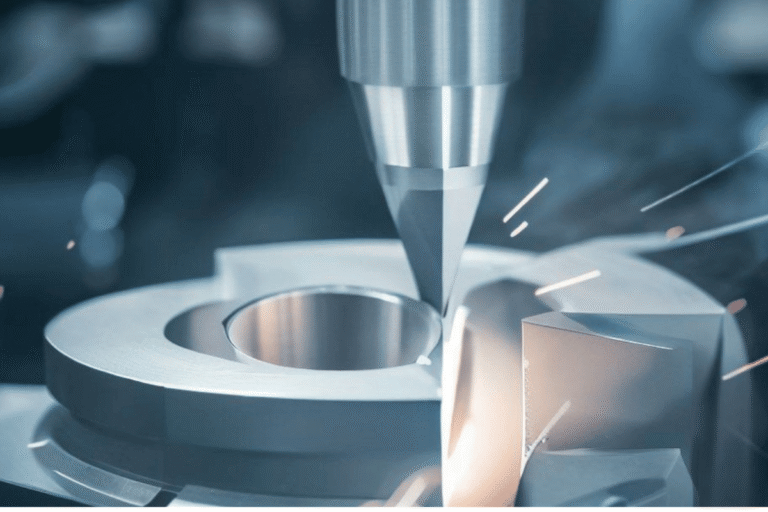
Edge chipping emerges from the interaction of three specific factors: material properties, cutting forces, and environmental conditions. The cutting edge experiences extreme stress exceeding the material’s tensile strength limit, resulting in crack formation that develops into fractures. This issue particularly affects ceramics and certain composite materials due to their low fracture resistance. Improper rake angles and dull cutting edges introduce excessive forces through incorrect tool geometry.
Recent evidence reveals that thermal fluctuations during machining serve as key factors affecting manufacturing operations. Rapid heating and cooling cycles generate thermal stress that makes brittle materials more vulnerable to edge damage. The risk intensifies when incorrect cutting speeds and feeds are used without proper lubrication. Machining vibration—technically known as chatter—can compromise edge integrity and amplify chipping danger.
Industry Solutions
Advanced machining technologies, including diamond-coated tools and CNC systems with vibration dampening, represent established best practices for edge chipping solutions. Optimizing environmental parameters through coolant application and controlled cutting environments creates significant impact on edge durability and precision enhancement.
Material Properties: Stone vs. Steel
Stone and steel exhibit distinct differences across seven physical properties that directly influence cutting approaches and chipping susceptibility.
| Property | Stone | Steel |
|---|---|---|
| Hardness | High | Moderate-High |
| Tensile Strength | Low | Very High |
| Density | Low-Moderate | High |
| Malleability | None | Very High |
| Durability | High | Extremely High |
| Thermal Conductivity | Very Low | High |
The Impact of Cutting Techniques on Chipping

Selected cutting methods significantly influence chipping outcomes by controlling material stress distribution and material failure while preserving edge quality. The following section examines five cutting methods and their effects on chipping results.
1. High-Speed Cutting
High-speed cutting reduces chipping by decreasing tool-material contact duration. Research indicates that speeds above 25,000 RPM result in lower edge damage; however, extremely high speeds can create thermal stresses leading to microfractures.
2. Waterjet Cutting
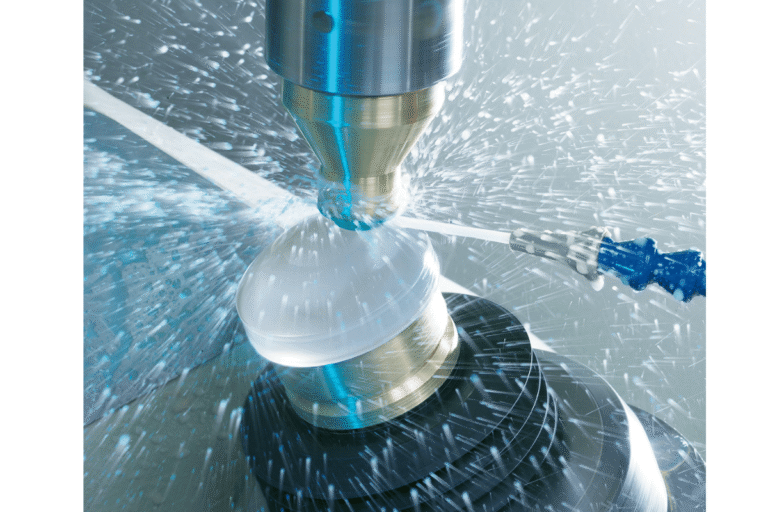
Waterjet cutting employs pressurized water containing abrasive material to achieve precise material removal with minimal mechanical impact. This technique demonstrates a 40% reduction in edge chipping compared to traditional sawing methods when working with brittle materials such as glass and stone.
3. Laser Cutting
Laser cutting uses concentrated light to melt materials at specific lines requiring removal. While this technique minimizes physical contact, it generates heat zones that can lead to thermal cracking in sensitive materials. Advanced cooling systems significantly decrease thermal cracking risk.
4. Diamond Blade Cutting
Diamond blade cutting delivers exceptional performance for hard materials such as stone and ceramics. Its abrasive surface creates precise edges while producing minimal vibrations. Experimental findings demonstrate that edge chipping decreases by 30 to 50 percent compared to carbide blades under identical conditions.
5. Slow-Feed Rate Cutting
Reducing feed rate improves cutting control by decreasing mechanical impacts and creating better edges. Research indicates that a 20 percent feed rate reduction results in approximately 15 percent decrease of edge chipping in brittle metals and synthetic composite materials.
Precise application of these cutting methods leads to reduced chipping, increased tool durability, and improved product quality.
Expert Techniques for Precision Cutting

Achieving precise cuts requires specially designed cutting tool geometries. Tools with sharper blades and lower rake angles produce cleaner cuts with fewer surface defects by reducing cutting forces. Proper cutting speed demands understanding of material properties—harder materials require slower speeds to prevent material damage and tool overheating. Lubrication plays a vital role by decreasing friction, dissipating heat, and improving cutting precision. Advanced CNC systems enable precise control through micrometer adjustments that maintain exact cutting patterns during complex operations.
Optimal Cutting Angles for Reducing Chips
Effective cutting angles must balance efficient material removal with optimal surface quality results. For softer materials, the recommended rake angle range extends from 5 degrees to 15 degrees, promoting better chip flow and reducing material distortion. Operators working with harder materials can use smaller rake angles between 0 degrees and 5 degrees for enhanced stability and longer tool operational periods. Adjusting relief angles between 6 degrees and 12 degrees enables better chip management by reducing friction between tools and workpieces.
Advanced Grinding Techniques to Prevent Chipping
Preventing chipping during grinding requires correct wheel characteristics and operating conditions. When working with materials prone to chipping, select grinding wheels with finer grit size and softer grade to minimize brittle fractures. Proper wheel dressing creates sharp cutting edges that reduce both grinding forces and material failure risks.
Operators must control feed rate and depth of cut carefully. Lighter feeds and shallower depths reduce workpiece stress. Effective coolant use requires selecting high-quality coolant and maintaining proper flow to decrease heat and thermal stress. Measuring grinding parameters alongside tool condition assessment enables operators to maintain optimal performance while extending system useful life.
Using Inserts and Carbide Tools Effectively
Key Principles for Effective Use:
- Select appropriate tool material and geometry matching both material and machining operation requirements
- Match insert type with specific cutting speeds, feeds, and depths of cut
- Maintain sharp insert edges to reduce cutting forces and prevent tool wear
- Ensure secure insert clamping and precise positioning to prevent vibrations and misalignment
- Conduct ongoing insert inspection and timely replacement for steady performance
- Apply proper lubrication and cooling methods to decrease heat production and material wear
Tool Selection for Minimizing Edge Damage
Choosing tools constructed from premium materials capable of withstanding damage protects cutting edges effectively. The most important requirement involves selecting tools with specialized designs that decrease cutting forces through reinforced edges and positive rake angles. When working with harder or abrasive materials, titanium aluminum nitride (TiAlN) coated tools provide improved equipment longevity and increased thermal protection. Tool specifications must align with both material requirements and machining conditions to prevent excess stress on cutting edges that leads to tool failure and performance decline. Regular cleaning and inspection reduce edge damage to tools significantly.
Choosing the Right Tool for Different Materials
| Material Type | Recommended Tool | Key Considerations |
|---|---|---|
| Aluminum (Soft Materials) | Sharp edges with smooth finishes | Prevents material buildup and achieves clean cuts |
| Steel or Titanium (Hard Materials) | Carbide or cobalt tools | Withstands higher temperatures and wear |
| Composites or Layered Materials | Specialized geometries | Minimizes delamination during cutting |
Always ensure compatibility between tool specifications and intended material to maintain quality and prolong tool life.
The Role of Tool Hardness in Preventing Chips
Tool hardness plays a critical role in preventing chips during machining by ensuring cutting tools maintain edge integrity under pressure. Harder tools resist both deformation and wear during operations with tough or abrasive materials, decreasing the chances of producing uneven chips. This stability results in cleaner cuts and better dimensional accuracy while protecting the workpiece from surface damage. Selecting tools with appropriate hardness for the material being machined remains essential to achieve optimal results and extend tool lifespan.
Maintenance Tips for Tools to Reduce Edge Chipping

1. Regular Inspection and Sharpening
Cutting tools require scheduled inspections to assess current wear situation, dullness degree, and micro-chipping condition. Sharpening schedules depend on material being processed and equipment operating patterns.
Impact: Tools maintained with regular sharpening schedules can see reduction in edge failure rates by up to 30%.
2. Proper Coating Selection
Advanced coating technologies including titanium nitride (TiN), titanium carbonitride (TiCN), and aluminum titanium nitride (AlTiN) should be employed for tool operations. These coatings provide enhanced thermal protection while decreasing friction, leading to reduced risk of edge damage during high-stress machining operations.
Performance Gain: Coated tools achieve 40% performance improvement in abrasive work compared to non-coated tools.
3. Reduce Cutting Speed and Feed Rate
Recommended cutting speeds and feed rates define safe limits preventing excessive stress to machining edges. Chipping incidents decrease when cutting speed reduces by 10%-20% for brittle materials. Proper parameters enable machine performance optimization through better cutting conditions.
4. Appropriate Tool Holders and Alignment
High-precision tool holders and accurate tool alignment during setup protect against both edge misalignment and uneven stress distribution. Misalignment causes uneven wear patterns leading to micro-cracks.
Critical Finding: Tool edge failures accounting for nearly 25% of all cases occur due to improper tool holder configuration.
5. Utilize Coolant Effectively
Cutting fluids and coolants control heat development while protecting equipment from thermal shock that causes edge chipping. Flood coolant systems combined with mist lubrication enable temperature reductions of up to 30%, resulting in longer tool lifespan and stable cutting performance.
Consistent execution of these practices decreases tool edge chipping while improving machining precision and operational efficiency by reducing the need for tool replacements.
Best Practices for High-Quality Cutting Results
1. Use Appropriate Cutting Tools
Select tools specifically designed for the material being cut to ensure precise cutting and efficient operation. High-grade tools reduce wear while creating clean finishes.
2. Optimize Cutting Speed and Feed Rate
Adjust cutting speed and feed rate based on material hardness and tool type. Operating within recommended parameters minimizes heat generation and tool degradation.
3. Apply Effective Coolant Strategies
Apply coolant or lubrication during cutting to maintain optimal temperatures, reducing friction and protecting tools and materials from thermal damage.
4. Perform Regular Tool Inspections
Check tools for signs of wear or damage frequently. Regular inspection helps detect cutting efficiency problems and equipment failures that maintain operational dependability.
5. Maintain Machine Calibration
Ensure machines are correctly calibrated for cutting equipment to produce accurate cuts. Misalignment leads to quality problems resulting in material rework and scrap production.
Implementing these practices enables manufacturers to achieve better cutting outcomes while decreasing downtimes and improving total operational efficiency.
Measuring and Preparing the Workpiece

Workpiece measurement and preparation function as fundamental procedures guaranteeing accurate results and operational efficiency throughout all machining and manufacturing processes. Workpiece dimensions and tolerances need measurement with advanced instruments including digital calipers, micrometers, and coordinate measuring machines (CMMs). Non-destructive testing methods such as ultrasonic testing and laser scanning enable surface inspections to detect defects before machining begins.
Workers must first clean the workpiece to remove contaminants before securing it with a vice or fixture, then create reference points for machining operations. Modern technological advancements combining automated measurement systems with CAD software produce improved accuracy and faster installation processes. These steps combined with detailed analysis and current data confirm that the workpiece meets all specification standards while helping to enhance production results.
Adjusting Machine Settings for Optimal Performance
Optimizing machine performance starts with equipment testing according to manufacturer’s specifications defining standard operating settings. Machine calibration requires assessment of tool alignment together with verification of speed and feed rates matching the material being processed. Diagnostic tools help track essential operational metrics including vibration levels and temperature to verify maintenance within safe operational limits. The testing process requires conducting test runs to achieve accuracy while making small adjustments until reaching maximum operational efficiency. Equipment maintenance performed continuously alongside equipment testing at specified times helps maintain both accuracy and reliable operation throughout extended time periods.
Monitoring Cutting Conditions to Prevent Chipping
Critical Monitoring Parameters:
- Cutting Speeds and Feed Rates: Must match material requirements to prevent excessive tool wear
- Tool Condition: Conduct tool inspections and replace broken tools as primary cause of excessive wear
- Lubrication: Maintain proper lubrication to decrease friction and thermal stress
- Vibration levels: Monitor vibration as high levels create unstable cutting environments and increase microfracture chances
Implementing ongoing monitoring procedures together with material-specific parameter compliance brings major reduction in chipping risks.
Answers to Commonly Asked Questions
Reference Sources
1. How to Prevent Chipping in Grinding?
This research investigates factors causing chipping during diamond wheel grinding and delivers essential methods for reducing this problem.
2. Best Practices for CNC Machining Difficult Materials
This article explains methods and equipment enabling successful machining of tough materials while maintaining precise measurements without creating chip defects.
3. Why Does Your Hard and Brittle Material Chip During Cutting?
This research investigates material properties together with advanced machining methods to determine how to cut hard and brittle materials without creating chips.Recommend reading: Hard and Brittle Material Cutting Wire Saw | Precision Diamond Wire Saw Machine
Key Takeaway
These sources offer essential information about methods and optimal procedures helping reduce chipping in hard material cutting operations. By implementing the expert techniques, proper tool selection, and maintenance practices outlined in this guide, manufacturers can achieve superior cutting results while minimizing material waste and production costs.
Related Posts

Trending Blogs

![Polysilicon Material: Properties, Grades & Uses [Guide]](https://wiresawcutter.com/wp-content/uploads/2026/08/polysilicon-material-featured-150x150.webp)