Get in touch with DONGHE Company
-
Phone: +86 181-1645-5490
-
Email: Sales18@DongheScience.com

Hard and Brittle Material Cutting: Complete Industry Guide

Precision, advanced techniques, and specialized tools are essential when cutting hard and brittle materials to achieve optimal results. These materials—including ceramics, glass, silicon, and certain metals—are utilized extensively in aerospace, electronics, and manufacturing industries due to their unique properties such as high strength, heat resistance, and exceptional durability. The challenge lies in their hardness and brittleness, which render traditional cutting methods insufficient and significantly complicate engineering and manufacturing processes. This comprehensive guide delves deep into cutting and processing brittle materials, providing thorough understanding of the latest technologies, best practices, and insights into companies operating in this field. Whether addressing material loss, tool wear, or output accuracy concerns, this article delivers expert knowledge to enhance your operations and explore the critical industrial processes comprehensively.
Understanding Hard and Brittle Materials
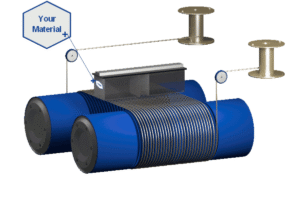
Hard and brittle materials are characterized by high hardness combined with low ductility, making them more likely to fracture than deform under stress. Common examples include ceramics, glass, and advanced composites. These materials typically possess exceptional compressive strength but exhibit high sensitivity to tension, which can cause cracking or chipping. Their special features—including high-temperature resistance and superior wear resistance—make them indispensable across electronics, aerospace, and medical device applications. Proper understanding of these characteristics is essential for selecting appropriate cutting techniques and ensuring precise, damage-free machining results.
Properties of Hard and Brittle Materials
Machining hard and brittle materials such as ceramics, silicon, and certain composites presents significant challenges. High hardness accelerates tool wear, while brittleness causes materials to crack easily under tensile stress. However, advanced machining methods have emerged as effective solutions, including laser-assisted machining (LAM), electrochemical machining (ECM), and ultrasonic vibration-assisted grinding. These methods minimize material damage through reduced mechanical forces while optimizing material removal rates.
Recent data indicates that ultra-precision machining techniques like diamond turning and focused ion beam machining have gained prominence for achieving superior surface finishes at micro and nanoscale levels. These methods employ cutting-edge technologies to balance material removal efficiency with damage control, ensuring final product structural integrity. Technique selection depends on specific material properties, desired outcomes, and operational constraints.
Key Material Characteristics
- High Hardness: Resistance to localized plastic deformation such as indentation or scratching
- Low Ductility: Minimal plastic deformation before fracture occurs
- Brittleness: Tendency to break or shatter under stress rather than bend
- High Compressive Strength: Excellent resistance under compression forces
- Low Fracture Toughness: Susceptibility to cracking and chipping under tension
- Thermal Resistance: Ability to withstand high temperatures without degradation
Applications in Manufacturing
Modern manufacturing has been transformed by advanced machining techniques enabling precise material and dimensional control. Below are five critical applications where machining methods play major roles:
These application areas highlight precision machining’s role as a continuous manufacturing process optimally suited to modern industries meeting strictest quality and efficiency standards.
Challenges Faced in Machining
Despite technological advancements, machining processes face numerous challenges affecting efficiency, productivity, and component quality. Below is a comprehensive overview of five major machining challenges:
⚠️ Critical Machining Challenges
1. Material Hardness and Machinability
Advanced materials like titanium alloys, carbon composites, and superalloys offer exceptional strength and durability but present low machinability ratings. Titanium alloys, for example, possess high strength-to-weight ratios but generate substantial heat during machining due to high melting points, resulting in accelerated tool wear.
2. Tool Wear and Tool Life
Tool wear significantly impacts precision and production costs. Research indicates that low cutting speeds or improper coatings can reduce tool life to 60% of original capacity. Operations with inadequate cooling cause rapid tool edge degradation, leading to frequent replacements, downtime, and increased overall costs.
3. Thermal Deformation
Machining processes like milling, grinding, or drilling generate enormous heat causing thermal deformation in tools and workpieces. This negatively affects dimensional accuracy and surface finish. Minor heat-induced expansion can cause tolerance breaches of 0.01 mm—more than ten times permissible error in precision manufacturing.
4. Vibration and Chatter
Vibration remains a persistent problem, particularly in high-speed applications. These vibrations adversely affect surface quality, dimensional precision, and tool performance. Literature indicates chatter can reduce machining efficiency by 20%, necessitating cutting parameter adjustments or additional damping mechanisms.
5. Environmental and Sustainability Concerns
Cutting fluids necessary for cooling and lubrication present environmental impact and disposal challenges. Sustainable machining requires alternatives like minimum quantity lubrication (MQL) or dry machining, which typically demand advanced tools and significant initial capital investment. Switching to MQL can decrease fluid consumption by 90% but often requires existing system retooling.
Innovative solutions and advanced technologies addressing these challenges enable machining industries to enhance reliability and maintain efficiency while meeting strict performance and environmental standards.
Cutting Methods for Hard and Brittle Materials
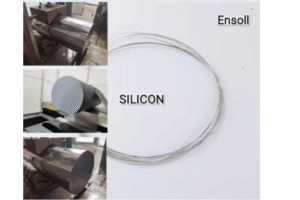
Selecting proper cutting methods is essential for obtaining precision and minimizing damage when working with hard and brittle materials like ceramics, glass, or advanced composites. Diamond cutting tools are the most popular choice due to incredible toughness and sustained sharpness required for producing precise, clean cuts. Laser cutting provides comparable accuracy using light energy to vaporize or fracture workpieces with virtually no contact. Additionally, ultrasonic machining employs high-frequency vibrations with abrasive slurry for delicate cutting operations preserving material integrity. These techniques are fundamental for achieving high-quality results in industries with strict tolerances such as aerospace, electronics, and medical manufacturing.
Traditional Cutting Techniques
Traditional cutting methods remove material through mechanical processes primarily involving tools like saws, drills, or milling machines. These techniques are favored for simplicity and ability to work with various materials including metals, plastics, and composites. Processes like turning and shaping involve direct contact between cutting tools and materials, creating desired profiles or dimensions.
While traditional cutting techniques remain vital for industries prioritizing low cost and robustness over extreme accuracy, they suffer from increased tool wear and material waste compared to non-contact machining methods. This limitation makes them complementary to modern techniques, particularly where fine tolerances or delicate material handling are required.
Abrasive Machining Processes
Abrasive machining processes are material removal methods utilizing abrasive particles to attain precise and aesthetically pleasing surfaces. Processes including grinding, honing, and lapping leverage mechanical force from tiny, sharp particles that cut or dissolve material at controlled rates. These processes find application with hard materials or components requiring extreme dimensional precision and excellent surface quality.
Advanced Cutting Techniques
Advanced cutting technologies incorporate modern innovations delivering high precision, efficiency, and versatility across manufacturing processes. Laser cutting represents one of the most significant advancements, employing highly concentrated laser beams to accurately melt, burn, or vaporize materials. This technique excels at creating intricate designs and working with thin materials while producing minimal distortion and exceptional repeatability.
Waterjet cutting utilizes powerful water jets, often mixed with abrasive particles, to cut through diverse materials like metals, ceramics, and composites without inducing thermal stresses. Electrical discharge machining (EDM) is recognized for precision-cutting hard materials through sparks or electrical discharges, making it ideal for aerospace, automotive, and medical components. Advanced technique performance has been greatly enhanced by automation and computer-aided systems, eliminating human error while enabling real-time adjustments based on detailed computational models.
Comparison of Advanced Cutting Techniques
| Technique | Advantages | Best For |
|---|---|---|
| Laser Cutting | Minimal distortion, high repeatability, no contact | Intricate designs, thin materials |
| Waterjet Cutting | No thermal stress, versatile materials | Metals, ceramics, composites |
| EDM | Precision for hard materials, complex geometries | Aerospace, automotive, medical |
Precision Cutting Tools and Technologies
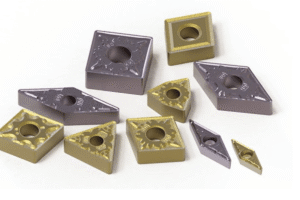
Precision cutting tools and technologies are critical factors in obtaining exact dimensions and impeccable surface quality in manufacturing. Prominent tools include laser cutters, waterjet cutters, and CNC (Computer Numerical Control) machines capable of processing metals, ceramics, and composites. These technologies provide numerous benefits including increased efficiency, reduced material waste, and ability to comply with difficult specifications for intricate designs. Their widespread use in aerospace, automotive manufacturing, and medical sectors ensures unchanging quality and adherence to demanding regulatory standards.
Laser Machining Innovations
Laser cutting has experienced significant progress through precision-enhancing technologies and automation. Ultra-short pulse lasers including femtosecond and picosecond systems enable manufacturers to achieve remarkably fine cuts and material removal with virtually no thermal distortion. These systems are tailored for intricate applications like microelectronics and medical devices where absolute precision is mandatory. Innovations in beam shaping and dynamic focusing have opened new horizons, enabling laser machining of highly reflective or brittle materials with reduced cracking or material failure risk. These advancements position laser technologies as primary factors driving higher manufacturing efficiency and precision.
Ultrasonic Vibration Cutting Techniques
Ultrasonic vibration cutting methods utilize high-frequency vibrations to improve cutting performance and accuracy. Applying ultrasonic vibrations to cutting tools reduces cutting resistance, extends tool life, and delivers superior surface finishes. Vibrations support continuous chip breaking, particularly beneficial when machining hard-to-process materials like titanium alloys or composites. This advanced method holds great importance in sectors requiring precision standards such as aerospace and medical manufacturing, where traditional practices may not meet required performance levels.
Diamond Grinding Applications
Diamond grinding is a highly efficient machining method primarily used for precise material removal and fine surface finishes, particularly effective for processing hard and brittle materials like ceramics, tungsten carbide, and hardened tool steels. As an abrasive medium, diamond particles offer the highest hardness and wear resistance among all abrasive types. Diamond grinding finds extensive use in industries where precision and quality are paramount, including semiconductor manufacturing, optical lens production, and aerospace engineering.
Recent data indicates major trends in diamond grinding include automated and CNC-controlled systems that increase process precision and efficiency. New technology enables extremely tight tolerances while reducing cycle times, making diamond grinding mandatory for producing components with complex shapes or fine surface profiles. Additionally, sustainable practices like coolant filtration systems and non-toxic lubricants are becoming increasingly common as industries shift toward environmentally friendly manufacturing processes.
Common Challenges in Cutting Hard and Brittle Materials
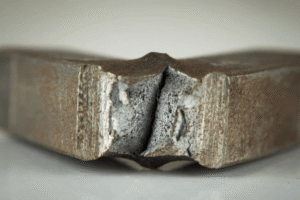
Cutting hard and brittle materials like ceramics, glass, and certain metals presents several difficulties. These materials break or chip easily due to low fracture toughness, requiring extremely precise cutting forces and tool movements. Managing cutting-generated heat is critically important as excessive temperatures cause thermal stress and material property changes. Tool wear represents another significant challenge—hard cutting tools wear quickly, requiring regular maintenance or replacement to maintain cutting accuracy. Finally, achieving tight tolerances and high-quality surface finishes demands specialized equipment and precise process parameter settings, adding complexity and expense to manufacturing operations.
Chipping and Edge Integrity
Maintaining chipping control and edge integrity are fundamental aspects of modern machining processes, especially with advanced materials like ceramics, composites, and hardened alloys. Recent studies indicate material brittleness is the primary chipping cause, directly impairing capacity to absorb impact or vibrations during cutting. Controlling chipping depends closely on precise adjustment of cutting speeds, tool design, and feed rates compatible with mechanical properties of processed materials.
Data suggests advanced coatings like diamond-like carbon (DLC) or titanium nitride (TiN) play major roles in cutting edge retention and wear rate reduction. These coatings increase tool hardness and cooling, reducing microfracture at edges through decreased frictional heat. Real-time monitoring tools based on machine learning and sensor technologies now enable predictive maintenance by detecting early edge breakage or chipping signs, improving overall process reliability and efficiency. Applying such advanced technology allows manufacturers to address chipping challenges and maintain edge integrity while ensuring precision and cost-effectiveness in production workflows.
Thermal Stress and Its Effects
Thermal stress results from temperature changes causing uneven material expansion or contraction, ultimately creating internal forces potentially damaging structure. Recent findings highlight this phenomenon’s critical role in industrial applications where materials undergo rapid thermal cycles. For instance, metals experiencing frequent heating-cooling cycles may gradually develop microcracks that grow and lead to component failure.
This particularly affects aerospace, automotive, and energy sectors where materials must cope with drastic temperature changes. Advanced materials such as thermal barrier coatings and high-performance alloys are increasingly deployed to address these problems. Computational modeling tools are increasingly utilized to predict thermal stress behavior, enabling engineers to design solutions enhancing durability while reducing downtime and improving safety in high-temperature operations. Industries confronting thermal stress employ modern technologies for increased efficiency, benefiting from enhanced system longevity and operational effectiveness.
Managing Cutting Force During Operations
Controlling cutting force during operations requires attention to several major factors for achieving accuracy and productivity. First, inspect tool material and geometry, selecting options providing minimum cutting resistance while maintaining quality. Cutting speed and feed rate selection is critically important since these parameters directly impact force generation and tool wear. Machine calibration and alignment are prioritized to eliminate unnecessary forces from mechanical inconsistencies. State-of-the-art monitoring systems enable real-time cutting force monitoring and corrections, preventing excessive wear or tool failure. This systematic method guarantees optimal output while providing machines with longer working life.
💡 Best Practices for Force Management
- Select appropriate tool materials and geometries for minimum resistance
- Optimize cutting speeds and feed rates based on material properties
- Ensure proper machine calibration and alignment
- Implement real-time monitoring systems for force detection
- Perform regular preventive maintenance to maintain accuracy
Future Trends in Hard and Brittle Material Machining
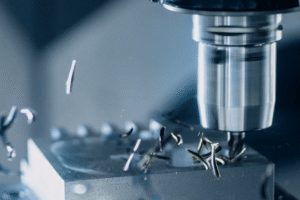
The future of hard and brittle material machining will be determined by breakthroughs in precision, efficiency, and sustainability. Ultrafast laser machining exemplifies one of the most precise methods while simultaneously reducing thermal damage and tool wear. Hybrid machining techniques combining electrical discharge machining (EDM) with traditional methods represent another major achievement, increasing both precision and surface quality. Automation and AI-powered tools enable constant monitoring and control with adjusted cutting parameters for complicated shapes while reducing material waste. Introduction of eco-friendly cooling and lubrication systems represents another significant step, making machining processes less polluting while maintaining performance levels. These changes signal an industry transitioning toward efficiency, sustainability, and reduced ecological footprint.
Emerging Technologies in Material Removal
The most important progress in material removal has come from blending additive and subtractive manufacturing systems. Hybrid manufacturing connects complex design production using additive techniques with accurate dimensional finishing using subtractive processes. Development of high-speed machining and dry cutting technologies continues making efficiency gains while reducing thermal effects and dependency on conventional cooling methods. These innovations emphasize their importance in advancing precision, sustainability, and productivity throughout material removal processes.
Integrating Automation in Cutting Processes
Automation in cutting processes delivers benefits including higher consistency, reduced human error, and substantial operational efficiency improvements. Computer-controlled systems and sensors enable real-time monitoring and parameter adjustment, maximizing accuracy and guaranteeing consistent quality results across different production cycles.
Sustainability in Hard and Brittle Material Machining
Sustainability in cutting hard and brittle materials requires careful balance of efficiency, waste elimination, and environmental considerations. Emphasis is placed on using advanced cooling techniques like minimum quantity lubrication (MQL) and cryogenic cooling to reduce environmental impact of cutting fluids. Additionally, enhanced cutting tools and methods that prolong tool life represent good practices with dual benefits—both economical and ecological. This approach improves process sustainability without sacrificing performance or precision.
🌱 Sustainable Machining Practices
- Minimum Quantity Lubrication (MQL) reducing fluid consumption by up to 90%
- Cryogenic cooling systems for improved environmental performance
- Dry machining techniques eliminating cutting fluid use entirely
- Extended tool life through advanced coatings and materials
- Coolant filtration and recycling systems
- Non-toxic lubricant alternatives
- Energy-efficient machining equipment
Frequently Asked Questions (FAQs)
What characterizes a material as “hard and brittle”?
A material is considered hard and brittle when it exhibits minimal plastic deformation and breaks rather than continuing to deform under stress. Hardness measures resistance to localized plastic deformation like indentation or scratching. Brittle materials fracture quickly when stressed—this is their defining characteristic.
Hard and brittle materials include ceramics (alumina and zirconia), semiconductors (silicon and gallium arsenide), and certain types of glass and composites. These materials’ hardness makes them challenging to machine using conventional methods.
What are the main methods to cut hard and brittle materials?
Cutting hard and brittle materials with minimal damage requires specialized cutting methods:
Diamond Abrasive Machining:
The most widely used method utilizing diamond’s superior hardness. Includes grinding, lapping, and cutting with diamond-embedded tools such as saws, wires, and grinding wheels. Material removal occurs through controlled micro-fractures.
Laser-Assisted Cutting:
This hybrid process utilizes lasers to preheat material ahead of traditional cutting tools. Concentrated heat reduces hardness and transforms material from brittle to ductile, enabling easier removal with minimal tool wear and subsurface damage.
Ultrasonic Machining:
Employs ultrasonic tools projecting abrasive slurry toward target materials. Tools produce high-frequency vibrations (over 20 kHz) creating abrasive particle impacts that chip and wear away material—suitable for intricate shapes.
Abrasive Waterjet Cutting:
High-pressure water streams mixed with abrasive particles are directed at materials. Particle force enables cutting without heat generation, avoiding thermal stress and micro-cracking.
What difficulties are faced in cutting these materials?
Machining hard and brittle materials presents challenges due to their inherent properties:
- Chipping and Cracking: Low fracture resistance causes edge chipping and surface/subsurface crack propagation. This damage can compromise mechanical integrity and functional performance.
- High Tool Wear: Hard workpieces cause rapid cutting tool deterioration, requiring frequent replacements, increasing costs, and reducing machining accuracy.
- Surface Finish and Integrity: Achieving high-quality, pristine surface finishes is difficult. Brittle fracture mechanisms leave rough surfaces with residual stresses requiring extensive post-processing like lapping and polishing.
- Precise Dimensional Control: Achieving and maintaining strict dimensional and geometric tolerances is challenging due to tool wear and unpredictable fracture propagation behavior.
Which tools are best for this type of work?
Optimal tools depend on cutting technique and material properties:
Diamond Tooling:
The conventional choice for mechanical cutting includes single-crystal diamond tools for ultra-precision turning, polycrystalline diamond (PCD) tools for high-durability applications, and metal or resin-bonded tools with fine diamond particles embedded (diamond wire and grinding wheels).
Cubic Boron Nitride (cBN):
Second to diamond in hardness. cBN tools excel at machining hard ferrous materials and certain superalloys where diamond may undergo chemical reactions.
Advanced Laser Systems:
Ultrashort-pulse lasers (femtosecond or picosecond) are increasingly employed for direct ablation. Extremely short pulse duration enables material removal with minimal heat-affected zones (HAZ), resulting in clean cuts with virtually no thermal damage.
How can chipping and cracking be reduced?
Fracture reduction requires systematic and controlled approaches:
Parameter Optimization:
Using low feed rates, shallow depths of cut, and moderate cutting speeds is crucial. These measures restrict mechanical loads that would otherwise form large cracks throughout material.
Ductile-Regime Machining:
Ductile cutting mode can be achieved even with brittle materials in ultra-precision applications. This involves maintaining extremely small uncut chip thicknesses (typically nanometer range) where material deforms plastically rather than fracturing.
Advanced Tool Selection:
Use tools with sharp cutting edges, proper rake angles, and appropriate coatings (DLC or TiN) to minimize cutting forces and friction.
Environmental Control:
Implement vibration isolation, temperature control, and proper coolant/lubrication systems to minimize external disturbances and thermal stresses.
Real-Time Monitoring:
Deploy sensor-based systems to detect early signs of chipping or cracking, enabling immediate process adjustments.
What industries benefit most from advanced cutting techniques?
Advanced cutting techniques for hard and brittle materials are essential across multiple high-precision industries:
- Aerospace: Manufacturing turbine blades, engine components, and structural elements
- Electronics & Semiconductors: Wafer dicing, circuit board fabrication, and microelectronics production
- Medical Devices: Surgical instruments, implants, and diagnostic equipment manufacturing
- Optical Systems: Precision lens grinding and polishing for cameras, telescopes, and laser systems
- Automotive: Advanced composite components and ceramic brake systems
- Energy Sector: Turbine components, solar cells, and battery systems
What are the cost considerations for advanced cutting methods?
Cost considerations for advanced cutting methods include several factors:
- Initial Equipment Investment: Advanced systems (laser, ultrasonic, EDM) require substantial capital investment
- Tool Costs: Diamond and cBN tools are expensive but offer extended service life
- Operating Expenses: Energy consumption, coolant/lubricant costs, and maintenance requirements
- Material Waste Reduction: Advanced methods minimize waste, offsetting higher operational costs
- Quality and Precision Benefits: Reduced defect rates and post-processing requirements lower total production costs
- Long-term ROI: Higher efficiency and reduced scrap rates typically justify initial investments
Key Takeaways and Best Practices
✓ Essential Best Practices Summary
- Material Assessment: Thoroughly analyze material properties before selecting cutting methods
- Tool Selection: Choose appropriate tooling based on hardness, brittleness, and desired finish quality
- Process Optimization: Fine-tune cutting parameters including speed, feed rate, and depth of cut
- Thermal Management: Implement effective cooling strategies to minimize thermal stress
- Quality Control: Deploy real-time monitoring systems for immediate defect detection
- Preventive Maintenance: Regular tool inspection and replacement schedules to maintain precision
- Sustainability Focus: Adopt eco-friendly practices like MQL and coolant recycling
- Continuous Learning: Stay updated on emerging technologies and industry innovations
Reference Sources
Below are valuable references regarding cutting hard and brittle materials:
1. Why Does Your Hard and Brittle Material Chip During Cutting?
Discusses cutting brittle materials without chipping and highlights sophisticated machining techniques.
2. A Review of Laser-Assisted Cutting of Hard and Brittle Materials
Presents laser-assisted cutting methods for preheating materials to reduce hardness and improve processing by converting brittle removal to plastic removal.
3. Grinding Brittle Materials
Discusses brittle material removal through micro-fracture and chip removal using abrasives with specific grain sizes.
4. Preparation of Very Hard Brittle Materials
Covers techniques including semi-fixed diamond abrasives and controlled polishing to minimize damage during material preparation.
5. Laser Machining of Transparent Brittle Materials
Discusses traditional and laser machining methods for transparent brittle materials, addressing issues like cracks and pits.
Recommend reading: Hard and Brittle Material Cutting Wire Saw | Precision Diamond Wire Saw Machine
Conclusion
Cutting hard and brittle materials represents one of manufacturing’s most challenging yet critical processes. Success requires comprehensive understanding of material properties, selection of appropriate cutting methods, and implementation of advanced technologies. From traditional diamond abrasive machining to cutting-edge ultrafast laser systems, the industry continues evolving toward greater precision, efficiency, and sustainability.
Key to success lies in balancing multiple factors: minimizing chipping and cracking through optimized parameters, managing thermal stresses with advanced cooling systems, selecting proper tooling for specific applications, and implementing real-time monitoring for quality control. As industries demand increasingly tighter tolerances and higher quality standards, adoption of advanced cutting techniques becomes not just beneficial but essential.
Looking forward, integration of artificial intelligence, hybrid manufacturing systems, and sustainable practices will continue reshaping the landscape of hard and brittle material machining. Organizations investing in these technologies and methodologies will be best positioned to meet future manufacturing challenges while maintaining competitive advantages in precision, quality, and environmental responsibility.
This comprehensive guide provides technical expertise on cutting hard and brittle materials using advanced methods and technologies. For optimal results, always follow material specifications, industry standards, and safety protocols.
Related Posts

Trending Blogs

![Polysilicon Material: Properties, Grades & Uses [Guide]](https://wiresawcutter.com/wp-content/uploads/2026/08/polysilicon-material-featured-150x150.webp)