
Get in touch with DONGHE Company
-
Phone: +86 181-1645-5490
-
Email: Sales18@DongheScience.com

Diamond Wire Saw Material Cutting Guide: From Silicon to Ceramics

This comprehensive guide explores precision cutting techniques used across industries such as silicon semiconductors and advanced ceramics. Diamond wire sawing stands as a primary method for achieving high-quality cuts with smooth surfaces and exceptional cutting performance. Whether you’re working in a laboratory setting or handling concrete cutting applications on job sites, this resource will help you make informed decisions about precision cutting.
Understanding Diamond Wire Saws
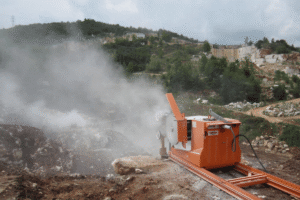
A diamond wire saw represents a cutting tool that incorporates a continuous wire embedded with diamond particles, enabling it to cut through virtually any material. Unlike conventional saw blades or band saws, diamond wire technology offers superior precision cutting with minimal kerf and reduced thermal damage. This highly adaptable cutting tool serves both research and industrial applications effectively.
What is a Diamond Wire Saw?
A diamond wire saw consists of a flexible wire, typically made of steel or cable core, covered with precision diamond abrasives. This saw wire loops through a wire saw machine that controls tension and diameter, allowing tailored cutting of hard and thin materials. The diamonds function as countless micro-cutting elements, providing a precise cutting edge with moderate chipping.
How Diamond Wire Saws Operate
The wire-cutting process relies on an abrasive relationship between diamond particles embedded in the wire and the workpiece. This interaction allows the wire to execute cutting at predetermined speeds and feeding rates. The process typically requires coolant with optimized parameters, though some applications permit dry cutting.
- Tension Control: Governs cutting pressure and material striation
- Wire Diameter: Affects precision and cutting technique
- Cutting Technique: Determines material removal efficiency
- Pulley System: Guides diamond wire for accurate workpiece engagement
- Hydraulic Drives: Enable steady cutting with constant force
Advantages Over Traditional Saw Blades
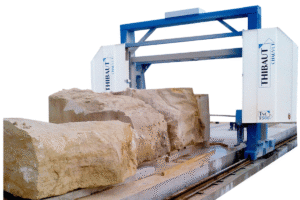
Compared to band saws or conventional saw blades, diamond wire saws deliver numerous benefits that make them the preferred choice for precision applications:
Types of Materials for Diamond Wire Cutting
Diamond wire cutting demonstrates remarkable versatility in working with diverse materials when conditions are properly managed for hardness, thickness, and geometry. From slicing semiconducting crystals to cutting concrete, the technology adapts to various substrates by modifying cutting speed, feed rate, and cooling capabilities.
Materials Best Suited for Diamond Wire Sawing
Semiconductors
Silicon, sapphire, quartz, and glass materials for precision wafer production
Advanced Ceramics
Alumina, zirconia, silicon carbide, and silicon nitride
Natural Stone
Granite, marble, and other rock-like materials
Metals & Alloys
Tool steel, titanium, nickel alloys, and carbides
Construction Materials
Reinforced concrete and composite structures
Silicon Cutting Applications
The diamond wire saw dominates ingot slicing and wafering in silicon semiconductor manufacturing. With minimal kerf formation, these saws provide high precision alongside maximum efficiency and minimal material loss.
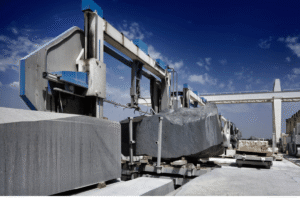
Key Benefits for Silicon Processing:
- Minimal subsurface damage and micro-cracking
- Reduced need for extensive post-cutting lapping
- Protection of delicate crystal orientation
- Superior surface smoothness compared to band sawing
- Higher throughput rates in semiconductor production
Diamond Wire Saws for Cutting Ceramics
Diamond cutting provides significant advantages for advanced ceramics including alumina, zirconia, silicon carbide, and silicon nitride. The diamond wire delivers controlled contact pressure against hard grains, ensuring clean cuts with minimal edge damage.
Optimal Parameters for Ceramic Cutting:
- Small-grit diamond selection for smooth cutting
- Conservative cutting speeds to minimize chipping
- Low feeding rates for precision control
- Coolant stabilization for swarf removal
- Consideration of dry cutting for thin sections
Selecting the Right Diamond Wire Saw
Choosing the appropriate diamond wire saw requires careful evaluation of cutting technology relative to material hardness, thickness, and geometry. This ensures precise cutting and excellent surface finish quality. Consider whether your application benefits more from dry cutting or requires coolant for stable cutting performance.
Key Factors to Consider
Comparison of Wire Saw Types
Electroplated Diamond Wire
Advantages:
- Sharp, quick sectioning capability
- Excellent for hard substrates
- Fine cutting precision
Limitations:
- Quicker wear under abrasive conditions
Sintered/Resin-Bond Wire
Advantages:
- Increased durability
- Smoother cuts on mixed materials
- Better for heavy-duty applications
Limitations:
- Less aggressive initial cutting
Precision Diamond Wire Options
For semiconductor wafers, sapphire, and advanced ceramics applications, fine wire with close diameter tolerance proves optimal for controlling microcracks and ensuring uniform cutting behavior.
Application-Specific Recommendations:
- Semiconductor & Sapphire: Fine wire with tight diameter tolerance, conservative cutting speeds
- Metals & Composites: Medium grits combined with effective coolant supply for swarf clearance
- Large Cross-Sections: Robust bond strength and larger wire diameter for stability
- High-Purity Applications: Low-contamination cores with quality wire splices
Maintenance Tips for Diamond Wire Saws
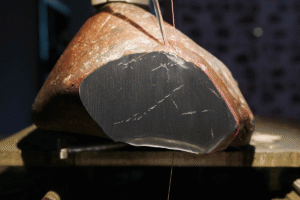
Regular maintenance preserves cutting performance and protects your investment in diamond wire and wire saw machinery. A systematic approach encompasses cleaning, calibration, lubrication, and checking of drive systems, pulleys, and guides.
Regular Maintenance Checklist
Daily Inspections:
- Verify wire alignment and tension specifications
- Ensure adequate coolant supply
- Monitor cutting speed feedback
- Check feed rate control settings
Weekly Maintenance:
- Clean wire angle and path
- Filter and replace coolant as needed
- Inspect pulleys and bearings for wear
- Recalibrate tension sensors
- Test emergency stop functions
Monthly Tasks:
- Comprehensive electrical and hydraulic drive checks
- Thorough guide and accessory inspection
- Document feed rate adjustments and performance
- Review and update maintenance logs
Best Practices for Prolonging Wire Saw Life
1. Proper Pairing
Match diamond specifications and wire diameter to specific job requirements
2. Pressure Control
Avoid excessive contact pressure through balanced speed and feed
3. Coolant Flow
Maintain optimal flow to prevent overheating without hydroplaning
4. Guide Maintenance
Keep guides clean to minimize wire edge wear
5. Wear Distribution
Rotate entrance slots for repetitive jobs to distribute component wear
6. Storage Control
Monitor storage conditions and wire coil handling procedures
Common Problems & Solutions
Recommend reading: Laboratory Diamond Wire Saw: The Complete Guide to Precision Sample Cutting
Related Posts

Trending Blogs

![Polysilicon Material: Properties, Grades & Uses [Guide]](https://wiresawcutter.com/wp-content/uploads/2026/08/polysilicon-material-featured-150x150.webp)