Get in touch with DONGHE Company
-
Phone: +86 181-1645-5490
-
Email: Sales18@DongheScience.com
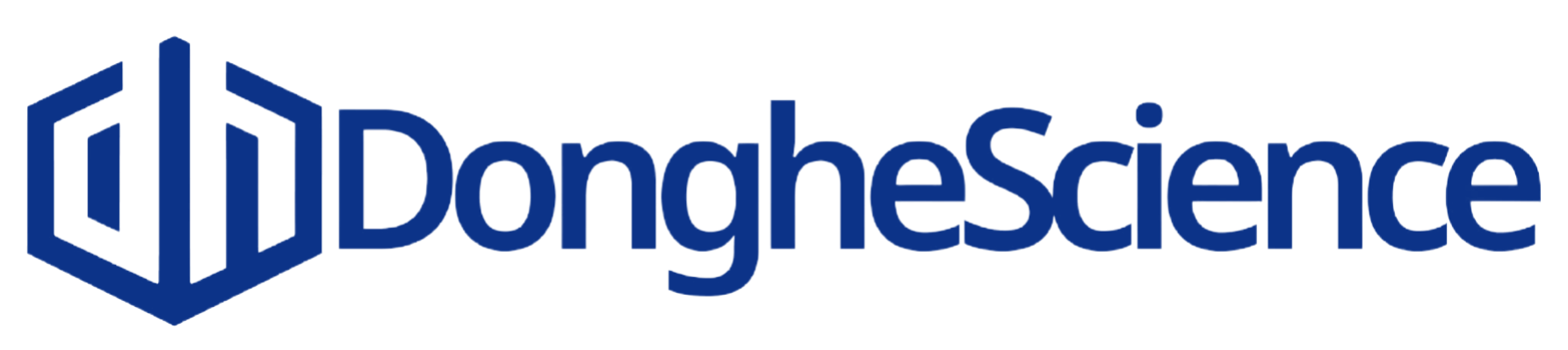
Diamond Wire Saw vs Laser Cutting vs Waterjet for Ceramics

Diamond Wire Saw vs Laser Cutting vs Waterjet: Complete Comparison Guide
The success of ceramic precision cutting work depends on which cutting method the team selects. Ceramics require special cutting methods because of their hard brittle properties which need to create clean cuts without damaging the material.
The research evaluates and contrasts three cutting methods which include Diamond Wire Saw and Laser Cutting and Waterjet Cutting. The three methods provide different advantages and limitations which determine their appropriate application for various tasks. The understanding of these methods enables you to choose the best option for your ceramic production or prototype development requirements.
Introduction to Cutting Methods for Ceramics

The three most common methods used for cutting ceramics display both effective performance and dependable results.
Laser Cutting
This method uses a high-powered laser to achieve precision cuts. The technology works best for intricate designs because it delivers precise results while consuming minimal materials. The process experiences difficulties when used on thicker ceramic materials because it creates thermal stress problems.
Waterjet Cutting
The Waterjet cutting process uses high-pressure water together with abrasive materials to cut ceramics without producing heat. The technique maintains material strength while allowing cutting of various ceramic thicknesses.
Diamond Saw Cutting
The technique uses diamond-edged saw blades which deliver precise cutting control. The system enables users to process larger materials although it lacks the accuracy which laser cutting provides.
The different methods provide distinct advantages which depend on the specific project needs for exactness and material specifications. The process of selecting an appropriate cutting method requires knowledge about the fundamental differences which exist among all available cutting techniques.
Overview of Ceramic Materials
The process of producing ceramics at high temperatures creates non-metallic materials which originate from inorganic substances and exhibit unique mechanical and thermal and electrical characteristics. The three main categories of materials, which include structural ceramics and functional ceramics and advanced ceramics, show different physical characteristics and use different operational functions. Bricks and tiles function as structural ceramics because they possess high durability and mechanical strength, while functional ceramics provide essential support to electronic devices through their function in capacitors and sensors. The advanced ceramics of silicon carbide and zirconia display essential features which include their ability to resist high temperatures and their chemical stability and their lightweight nature, which makes them essential for use in aerospace and medical and industrial fields.
The industry now focuses on developing bioinert materials for implants and ceramic-coated components for renewable energy systems, according to this current trend. The development of new technologies depends on understanding the specific properties of every ceramic type, which enables their practical implementation in advanced technology systems.
Importance of Precision in Cutting
The manufacturing and aerospace industries together with medical device production require precise cutting methods as their fundamental operational need. Engineers require precise cutting methods which produce no material waste to accomplish their complete operational requirements and engineering standards. Five fundamental factors demonstrate why precise cutting methods matter which researchers support with comprehensive research evidence.
Enhanced Material Efficiency
Precision cutting leads to better material usage because studies demonstrate that advanced cutting technologies result in material waste reductions of up to 30%. The wasteful use of raw materials becomes an urgent problem for industries that need expensive titanium and carbon fiber which they cannot replace.
Improved Product Quality
High-precision cutting methods produce parts which match exact design requirements which decrease production errors. Medical device manufacturers need to maintain strict control of their production process because even 0.01 mm of deviation from specifications will lead to functional failure of their surgical tools and implants.
Consistency in Production
The combination of laser cutting and waterjet cutting systems enables precise cutting methods to support high-volume production. The data shows that automated precision cutting achieves repeatability rates which exceed 99% which enables manufacturers to produce identical parts in large quantities.
Cost Reduction
The expenses for precision cutting technologies will be recovered through future savings which will reduce labor costs and material waste and the need for rework. The use of these technologies leads to a production cost decrease between 15-20% according to reports about companies that adopted these technological solutions.
Safety and Compliance
Precision cutting technology controls all safety requirements and regulatory obligations which aerospace and medical domains must follow. The FAA requires that aircraft manufacturers maintain their component tolerances at less than one millimeter to ensure passenger safety and operational reliability.
Precision cutting technology serves as the essential process which drives various industries to achieve their technological progress and operational efficiency and legal compliance needs.
Diamond Wire Saw for Ceramics

The diamond wire saw serves as the primary cutting instrument for ceramic materials because it provides precise cutting capabilities and operates effectively on hard brittle materials without creating cracks or defects. The wire uses embedded industrial diamond particles to efficiently cut through ceramics while reducing material loss and preventing edge chipping. The method provides high-accuracy applications which benefit electronics and aerospace component manufacturing. The non-abrasive cutting process maintains ceramic material structural integrity while reducing thermal damage risks.
How Diamond Wire Saw Works
Diamond wire saw technology operates through its specialized cutting system which utilizes high-tensile wire together with industrial diamond particles. The wire consists of a strong metal core made from steel which gets covered in diamond abrasives that enable cutting. The diamond particles grind through surface material when the wire operates at high tensions and fast movement speeds.
The latest data shows that diamond wire saw design improvements now feature optimized wire thickness and new coating methods which boost cutting performance and extend equipment life. The process helps to reduce kerf loss which measures waste material removal while delivering precise and straight cuts needed for industries that require high accuracy such as semiconductor manufacturing and photovoltaic production and aerospace engineering work. Modern systems now use automated tension control together with variable cutting speeds which help them adapt to various material characteristics while improving operational efficiency and operational adaptability. The technology enables industrial processes to treat hard and brittle materials with low damage which results in higher yield rates and productivity gains throughout multiple industrial sectors.
Advantages of Diamond Wire Cutting
- High Precision Cutting
Diamond wire cutting achieves exceptionally precise cuts which produce micrometer accurate results. The aerospace and semiconductor industries require this level of precision because even small product deviations can lead to major performance and quality issues. - Reduced Material Waste
The diamond wire’s thin diameter results in substantial reduction of kerf loss which refers to the material that gets removed during cutting. The technology enables cost savings and better resource utilization when used to cut high-value materials such as silicon and sapphire. - Versatility Across Material Types
The technology operates effectively with various hard and brittle substances which include silicon and quartz and ceramics and composite materials. Various industries adopt diamond wire cutting because of its ability to handle different production needs. - Improved Surface Finish
Diamond wire cutting produces smoother surfaces which exhibit less subsurface damage. The cutting process requires less post-processing work because of its precise cutting method which reduces the need for polishing tasks thus boosting production efficiency. - Enhanced Efficiency Through Automation
Modern diamond wire cutting systems use automated features which include tension control and variable speeds and real-time monitoring. The new system enhancements enable better operational efficiency which results in fewer human errors and produces dependable results under very tough manufacturing conditions.
Limitations and Considerations
Diamond wire cutting brings multiple benefits but has particular drawbacks that need assessment. The high initial investment cost of advanced systems and machinery stands as the main obstacle which needs to be addressed. The obstacle exists for smaller operations which lack the necessary funds to continue their work. The facilities experience ongoing expenses because diamond wires require both maintenance and replacement during operations which use highly abrasive materials and extensive machinery.
The cutting process generates material waste which presents a major constraint for diamond wire cutting despite producing less waste than conventional methods. The diamond wire cutting process requires exact calibration and expert knowledge to achieve its optimal operational performance. The wire develops premature wear which reduces its efficiency whenever the wire becomes misaligned or experiences excessive tension.
Environmental elements now hold more importance than they did in previous times. The cutting process requires proper management of cooling fluids to avoid environmental contamination or to meet regulatory standards. Industries must assess these elements to compare them with the technology’s efficiency and precision advantages before deciding whether to adopt it for their particular uses.
Laser Cutting for Ceramics
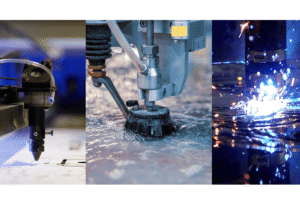
Laser cutting for ceramics serves as an accurate and effective solution which industries use to create detailed designs and maintain high precision standards. The method uses powerful laser beams to perform cutting and engraving tasks on ceramic materials while minimizing physical forces which would lead to structural damage. The method works best when used to produce intricate shapes which different fields such as electronics aerospace and medical device manufacturing require. The process needs special power and cutting speed adjustments because ceramics possess both hardness and brittleness which make it difficult to produce clean edges without causing thermal damage. The industry uses advanced laser systems which include CO2 and fiber lasers because these systems offer dependable performance and flexible capabilities to process different types of ceramic materials.
Mechanism of Laser Cutting
Laser cutting uses extreme light beams to bring materials to their melting point or their burning point or their vaporization point. The CO2 laser and fiber laser systems create a laser beam which they focus through a lens system to produce a small area that contains the highest thermal energy. The cutting process starts when the material reaches its melting point or sublimation temperature through localized heating because of the thermal interaction with the material. The system employs gas assist which uses oxygen and nitrogen or air to help remove molten material from the kerf which enables accurate cutting while stopping solidified material from attaching to the cutting edges.
The development of laser technology has reached new heights through modern innovations such as adaptive optics and enhanced beam stability which enable precise control over laser parameters. The techniques allow the optimization of power density and focus position and pulse duration which leads to reduced thermal distortion and improved edge quality. According to search index data high-efficiency systems are being used more frequently because ultrafast femtosecond lasers generate minimal heat-affected zones which improve performance for brittle materials and heat-sensitive materials. The ongoing development of laser cutting technology now combines precision with energy-efficient solutions to create better cutting results.
Benefits of Laser Cut Techniques
High Precision and Accuracy
Laser cutting achieves its outstanding accuracy through its precise beam focus and its sophisticated operational control systems. The advanced laser systems of today produce cutting tolerances that reach ±0.003 inches which enable them to create detailed patterns through their manufacturing processes.
Reduced Material Waste
The laser cutting process creates narrow cuts through materials which leads to reduced waste and better utilization of raw materials. The studies show that laser cutting leads to 10-15% less material consumption when compared to mechanical cutting processes.
Versatility in Materials
Laser cutting technology allows the processing of multiple materials which includes metals plastics wood and composite materials. CO2 lasers function as the main technology for engraving and cutting of non-metal materials while fiber lasers process reflective metals such as aluminum and brass.
Speed and Efficiency
Laser cutting provides processing speeds that exceed the efficiency of traditional cutting methods. The cutting speeds of materials vary from 20 inches per minute which applies to thick metals to over 100 inches per minute which applies to thinner sheets. The process achieves efficiency which results in shorter lead times and higher productivity.
Minimal Post-Processing Requirements
The concentrated laser energy produces edges that remain clean and smooth which eliminates the requirement for finishing work that includes grinding and polishing. The process enhances aesthetic outcomes while it also decreases the expenses involved in production.
Challenges in Laser Cutting Ceramics
Material Brittleness
The cutting process of ceramics faces challenges because these materials display inherent brittleness, which results in cracks and chips during cutting operations. The combination of these two factors creates high thermal gradients from laser heating, which leads to microcracking, that damages the final product’s structural strength.
Thermal Stress Management
The heat from laser cutting creates thermal stress hotspots because ceramics do not conduct heat well. The material will develop fractures and deformations during processing because of this thermal shock effect.
High Reflectivity in Certain Ceramic Types
Polished ceramics demonstrate high reflectivity, which affects their ability to absorb laser energy effectively. The situation requires higher power lasers, which leads to increased operating expenses.
Debris Generation
The cutting process of ceramics through laser methods produces fine particulate debris because of how the material is structured. The cutting process faces problems because inadequately handled debris creates cut inconsistencies, which require extra cleaning work.
Equipment Wear and Tear
The hardness of ceramics causes laser optics and equipment parts to experience rapid degradation. The need for constant maintenance and replacement of parts occurs because abrasive ceramic particles and powerful laser interactions cause equipment to wear out, which results in increased downtime and operational expenses.
Waterjet Cutting for Ceramics
Waterjet cutting serves as an outstanding technique for ceramic materials because it provides exact cutting results while using less material. The operation of waterjet systems differs from laser cutting because waterjet systems use high-pressure water streams together with abrasive particles to cut through hard materials. The technique enables safe operation because it produces no heat-affected zone (HAZ) during its execution. Waterjet cutting improves ceramic cutting results because it decreases the chance of cracking or fracturing which produces cleaner and more precise cuts. The system functions as a preferred method because it provides both its ability to work on complex ceramic parts and its capacity to handle technical requirements of various industries that need exact measurements and perfect surface quality.
Principles of Waterjet Cutting
The technology relies on five essential principles, which form its foundational elements.
1
High-Pressure Water Stream Generation
The waterjet cutting process depends on its capacity to create an extremely high-pressure water stream which operates at pressures exceeding 60000 psi (pounds per square inch). A specialized hydraulic intensifier pump achieves this pressure by pressurizing water to enable material cutting through various substances.
2
Abrasive Mixing for Enhanced Cutting Power
The water stream requires garnet to be introduced as an abrasive material when cutting through harder materials which include metals and ceramics. The mixing chamber processes the mixture which enables abrasive particles to accelerate their movement with the water to generate a cutting stream that can penetrate through robust materials.
3
Focusing Through a Precision Nozzle
The high-pressure water and abrasive mixture is directed through a small-diameter jewel or carbide nozzle designed for maximum energy concentration. The nozzles make it possible to direct the stream accurately because they keep energy intact while allowing specific materials to be taken away.
4
Non-Thermal Cutting Mechanism
The waterjet cutting process uses a cold-cutting principle which makes it different from conventional cutting methods. The process creates no heat-affected zone (HAZ), which causes no thermal warping or melting of materials that could lead to structural weakening in sensitive materials.
5
Versatility in Material Processing
Waterjet systems are designed to cut through various materials which include composites and metals as well as ceramics and glass and plastics. The waterjet system allows users to customize their operations through pressure settings and abrasive selection and nozzle dimensions, which help match different material properties and thicknesses.
The principles of waterjet technology work together to create efficient cutting systems that achieve precise results while enabling various operational possibilities. The technology provides multiple applications which aerospace companies and automotive businesses and manufacturing sectors can use.
Advantages of Waterjet Cutting
Precision Cutting
Waterjet cutting achieves its highest form of accuracy because it can maintain cutting tolerances which reach the extreme value of ±0.003 inches. The precise machining technique produces finished parts which need less processing because their edges match close to perfect standards.
Cold Cutting Process
Waterjet cutting operates as a cold cutting technique because it generates no heat during its execution. The process protects heat-sensitive materials like titanium and tempered glass from heat-affected zones (HAZ) and material warping and thermal distortion.
Versatility
Waterjet cutting operates effectively with various materials which include metals and composites and ceramics and stone and glass and plastics. The implementation of abrasives enables efficient cutting of heavy materials which include steel that has a thickness of 12 inches.
Environmentally Friendly
The waterjet method constitutes an environmentally safe method because it generates no dangerous fumes or gases or toxic materials during operation. The system uses water as its main resource which supports recycling efforts while decreasing harmful effects on the environment.
Minimal Material Waste
The waterjet cutting method produces narrow kerf cuts which result in maximum material usage. The process decreases production expenses while promoting sustainable manufacturing through its ability to decrease scrap material and save resources.
Disadvantages and Limitations
High Initial Investment
The expenses required for purchasing and installing waterjet cutting machines exceed the costs associated with other cutting methods. The total expenses include machine costs along with installation fees and costs for additional components which include abrasive handling systems and water recycling systems. The initial expense creates an obstacle for small-scale businesses who want to purchase this equipment.
Slower Cutting Speeds for Thick Materials
Waterjet cutting achieves precise results but its cutting speed reduces when workers cut through thicker materials. Plasma and laser cutting systems operate faster than waterjet systems when handling projects that require cutting extremely thick materials. The need to achieve high production rates limits the ability to generate output within operations that handle significant product volumes.
Maintenance and Operating Costs
Waterjet cutting reduces waste materials yet it incurs high operational costs which need to be paid for its ongoing usage. The expenses comprise essential maintenance tasks, emergency pump repairs, and the ongoing requirement of garnet abrasives. The total operating expenses consist of abrasive consumption which reaches 60% thus creating a negative impact on business profits throughout the duration.
Large Water and Power Requirements
Waterjet systems need continuous access to high-pressure water supplies along with substantial electrical energy to function. A regular waterjet pump needs to use between ten to twenty liters of water every minute based on its specific usage requirements. The situation creates problems for locations which experience water shortages or have expensive energy resources.
Material-Specific Limitations
Tempered glass and several other materials become susceptible to shattering when exposed to waterjet high-pressure streams. The process offers multiple cutting options yet certain materials need different cutting methods to achieve effective results. The use of highly abrasive or extremely hard materials results in excessive nozzle wear because of their operational characteristics.
Comparative Analysis of Cutting Methods
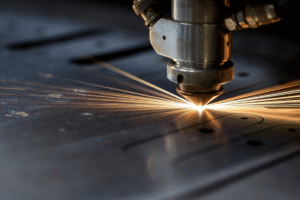
People usually select between three main cutting techniques which include waterjet cutting and laser cutting and plasma cutting. Each cutting method demonstrates distinct advantages and disadvantages which depend on the material being used and the required precision and intended use.
Precision: Diamond Wire Saw vs Laser Cutting vs Waterjet
Diamond wire saws deliver their best accuracy results through their advanced cutting methods while laser cutting produces excellent precision results for intricate detailed work and waterjet cutting reaches its optimal precision level because it can operate effectively with different types of materials.
Each method has a unique application which suits particular requirements because diamond wire saws provide precise cutting capabilities for tough materials while laser cutting works best for thin conductive materials and waterjet technology excels at processing heavy various materials.
Cost Efficiency of Each Cutting Method
The three cutting methods plasma cutting, laser cutting, and waterjet cutting produce different cost efficiencies because their equipment costs, operational costs, cutting speeds, and cutting accuracy levels differ.
The cost-effectiveness of the two methods depends on parameters such as how difficult the cuts are, material thickness, required cut quality, and hence, a special consideration must be made on the demands and economic logic of individual projects.
Reference Sources
- Diamond Wire Saw vs Laser Cutting Comparison – DONGHE
The study examines both cutting methods to determine their specific advantages in precision and material cutting performance. - Revolutionary Industrial Material Cutting Methods
The article examines modern cutting technologies which include laser and waterjet, and diamond wire loop cutting for their industrial uses. - Ceramic CNC Machining: How to Select the Perfect Tools
The article explains the difficulties of ceramic machining and assesses which cutting techniques are appropriate for various situations. Recommend reading: Diamond Wire Saw for Ceramic Cutting: The Definitive Guide
Frequently Asked Questions
1. What Are the Fundamental Differences Between These Three Cutting Methods for Ceramics?
The three technologies use different approaches to remove materials from surfaces.
Diamond Wire Saw: The mechanical abrasion process uses a steel wire which has diamond particles attached to it to cut through ceramic material at high speeds. The process requires both low stress and low temperature conditions to operate.
Laser Cutting: The process uses thermal energy to cut materials. The laser beam which has intense concentration and immense energy capacity proceeds to melt and vaporize as well as break the ceramic material according to the predetermined cutting trajectory. The process does not make contact with the material.
Waterjet Cutting: The process uses mechanical energy to remove material from surfaces. The process uses a stream of water which operates at ultra-high pressure to cut through ceramic surfaces while being combined with fine abrasive materials such as garnet. The process operates without contact between the water and the workpiece at low temperatures.
2. When Should Laser Cutting Be Preferred Over Other Methods?
Laser cutting operates best when handling thin ceramic sheets which require fast processing and requires creating complex two-dimensional designs together with three-dimensional structures. The main benefits of the system are its rapid operation speed which allows for multiple non-linear cutting options. The technology excels in applications like scribing ceramic substrates for electronics or cutting detailed patterns where the presence of a small heat-affected zone is acceptable and subsequent finishing processes may be applied.
3. What Are the Primary Advantages of Using an Abrasive Waterjet for Cutting Ceramics?
Waterjet cutting can handle all types of materials because its technology works to create accurate cuts without producing thermal stress when it cuts through materials which have thicknesses that exceed 100 millimeters. This process protects against both heat-related cracking and changes to material characteristics. The technology can cut through all types of ceramics that exist because it does not depend on their electrical conductivity or reflective properties. The method provides support for producing complex shapes while its absence of mechanical stress allows users to work with fragile materials.
4. What Are the Key Limitations of Each Technology When Processing Ceramics?
Diamond Wire Saw: The cutting procedure requires more time to complete than both waterjet cutting and laser cutting when it handles complicated cutting patterns. The tool works best to make direct cuts through materials which provide access to large blocks while it cannot create detailed cuts for internal structures.
Laser Cutting: The process has a primary constraint because the heat-affected zone HAZ creates a risk which can damage the structural integrity of the ceramic material. The system becomes less efficient when working with thick substances because the laser beam loses energy through divergence which results in less power reaching the target and the system struggles to handle highly reflective or transparent ceramics.
Waterjet Cutting: The process has a fundamental restriction because “kerf taper” causes the cut to expand at the top portion compared to the bottom section when processing thick materials. The system needs five-axis modern systems to eliminate this problem yet it remains a relevant issue. The process expenses more money because it requires both abrasives and high-pressure pump parts to operate.
5. How Do Costs Compare Across the Three Methods?
Capital Cost: Diamond wire saws typically have the lowest initial investment cost. The installation costs for high-power laser systems and ultra-high-pressure waterjet systems are considerably higher than standard equipment costs. Operational Cost: Laser cutting generally has lower consumable costs. The process of waterjet cutting requires three types of expenses which include abrasives nozzles and high-pressure seals. Diamond wire saws require users to plan for expenses which include both wire usage and coolant system operation. The material thickness and cut complexity along with production volume requirements, determine the final cost per part.
Related Posts
Trending Blogs

![Polysilicon Material: Properties, Grades & Uses [Guide]](https://wiresawcutter.com/wp-content/uploads/2026/08/polysilicon-material-featured-150x150.webp)