
Get in touch with DONGHE Company
-
Phone: +86 181-1645-5490
-
Email: Sales18@DongheScience.com

Diamond Wire Saw vs Laser Cutting Comparison

Diamond Wire Saw vs Laser Cutting
Precision Cutting Technologies Compared
Precision cutting technologies such as the diamond wire or laser cutting techniques are instrumental in determining the outcome of the cutting operation in terms of its effectiveness, precision, and outright productivity. Each of the two methods finds application in various fields but has different uses as well as application efficiencies.
Overview of Cutting Technologies

The tools for materials cutting have had a lot of progress, but these are the two that are used in most of the applications: Laser Cutting and Waterjet Cutting.
Laser Cutting
Laser Cutting is the application of light in a process where objects are cut using light with high intensity. It is thus good, if not optimum, for light designs and on most metals, plastics, and some ceramics. While the process is fast and precise enough, thick materials and any components subjected to high heating do not find this method useful.
Waterjet Cutting
In sharp contrast, Waterjet Cutting makes use of water under very high pressure and often impregnated with abrasive particles to easily cut through materials. It is an approach that is capable of performing heatless cuts on many different materials ranging from metals, glass, composites, and others.
Introduction to Laser Cutting

Laser cutting is a manufacturing technique that uses a highly concentrated beam of light to cut, engrave, or shape different materials. By focusing intense light energy onto a tiny section, the laser causes the material to melt, burn, or evaporate to create a certain shape or design.
Understanding Diamond Wire Saw
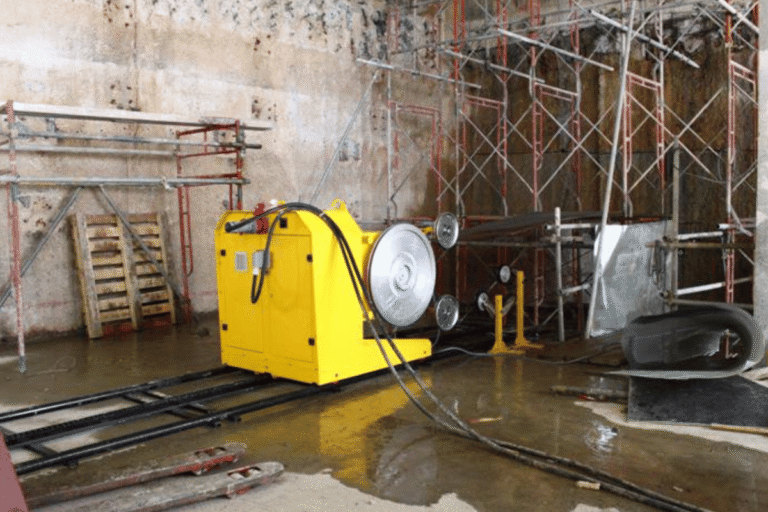
The Diamond Wire Saw is an equipment updated cutting technology that makes use of a thin tightly stretched wire which is integrated with diamond crystals to cause wear and tear of any material even the very hard types. Since the diamond, which is the hardest substance known, is used in abrasive cutting machines, this edge-cutting invention can be effectively put in its appropriate use particularly in cutting stone, concrete and even glasses or metals.
Applications of Each Cutting Method
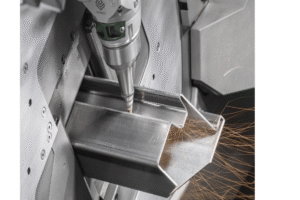
Silicon Wafer Production
Silicon wafers are prized for their thinness. The industry has adopted the use of diamond wire saw since their kerf is very small. Research shows diamond wire saws save materials at the range of almost 50% compared to traditional slurry cutting processes.
Quarry Cutting Applications
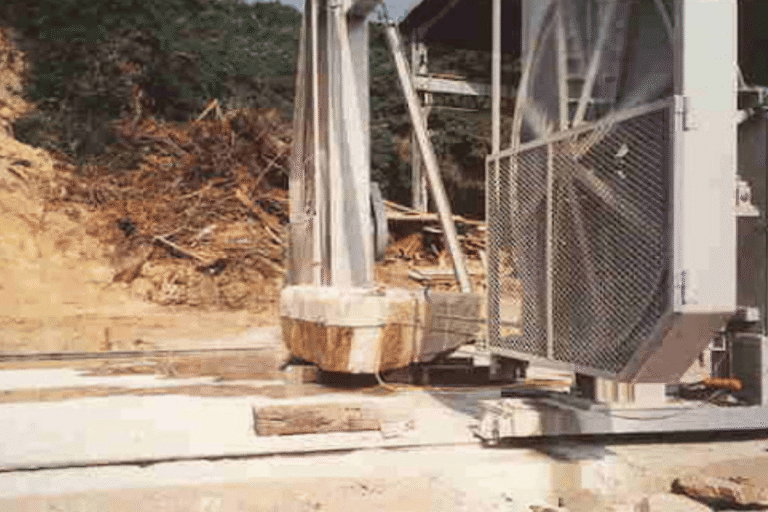
In marble, granite and limestone quarries especially, heavy duty Diamond wire saws are very highly used for cutting heavy blocks of stones. These tools can allow smooth and accurate sawing of very hard materials causing less harm to the stone block itself.
Construction and Decommissioning
Diamond wire saws can be used to cut reinforced concrete, precast structures and other hard building materials with ease and speed. It is reported that construction cutting time is decreased more than 40%.
Photovoltaic Systems Manufacturing
The production of solar panels usually entails the cutting of polycrystalline or monocrystalline silicon. Diamond wire saws allow the production of thin, even slices which can significantly increase the output of photovoltaic cells, enhancing efficiency by approximately 20%.
Aerospace Parts Manufacturing
The aerospace industry requires precision and very small tolerance. Diamond wire saws enable cutting of materials such as titanium and composites, which find much use in aerospace structures.
Comparative Analysis
| Factor | Diamond Wire Saw | Laser Cutting |
|---|---|---|
| Accuracy | ±0.1 mm – Excellent for brittle materials | ±0.003 inches – Very precise but creates HAZ |
| Materials | Hard and brittle: silicon, sapphire, titanium | Metals, plastics, wood, ceramics |
| Speed | 5-15 cm/hr – Slower but less waste | Up to 20 m/min – Much faster |
| Thermal Effect | Negligible – Cold cutting | High – Creates heat affected zone |
| Energy Use | Lower electricity consumption | Heavy energy user |
Advantages and Limitations
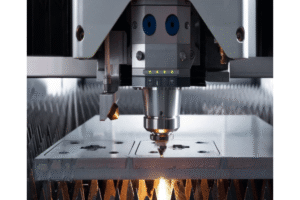
Laser Cutting Advantages
- Unparalleled precision (±0.003 inches)
- Low material wastage (90%+ utilization)
- Rapid speed (up to 20 m/min)
- Versatile material compatibility
- Minimal finishing required
Laser Cutting Limitations
- High initial investment ($10,000-$500,000+)
- Ongoing maintenance expenses
- Material restrictions (reflective metals)
- Heat damage potential
- High power requirements
Diamond Wire Saw Advantages
- High accuracy (±0.1 mm)
- Minimal material waste (0.2-0.4 mm kerf)
- Negligible thermal effect
- Smooth surface finishes
- Low vibration
Diamond Wire Saw Limitations
- Expensive initial equipment cost
- Wire breakage complications
- Tension control challenges
- Slower cutting speeds
- Requires specialized maintenance
Choosing the Best Method
| Key Point | Description |
|---|---|
| Material | The type of material being cut greatly impacts the feasibility of the method. |
| Thickness | Determines whether a method can effectively penetrate or work with the material. |
| Precision | Precision requirements dictate whether to opt for advanced or basic techniques. |
| Budget | Align the cost of the method with financial constraints. |
| Speed | Cutting speed affects productivity and project timelines. |
Speed and Efficiency Comparison
The rate at which material is cut and the precision of the cutting process are functions of the physical properties of the materials being worked on, tooling condition, cutting process technologies, cutting feed rates, and power consumption.
Key Performance Factors
- Material Type: Affects cutting speed directly
- Tool Quality: Determines precision and life
- Cutting Technology: Impacts efficiency and accuracy
- Operational Speed: Enhances production timelines
- Energy Consumption: Optimization reduces overhead
Precision and Accuracy in Cutting
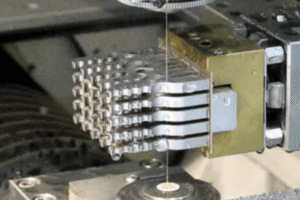
Precision in cutting processes arises from careful selection of specific technology, material properties and operational parameters. With the advancement in technology, new diamond wire saws and laser cutters give opportunities to fabricate with tighter tolerances and vending details.
Laser Cutting Precision
Delivers fast, accurate cuts even with very narrow heat affected zones, making it ideal for tasks with thermal sensitivity. Best for complex patterns and intricate designs.
Diamond Wire Precision
Unmatched when it comes to reducing kerf loss especially for brittle materials such as silicon and glass. Ideal for materials requiring minimal subsurface damage.
AI governing systems are increasingly being utilized to enhance these practices. Dedicated algorithms can adjust to dynamic changes of parameters, enhancing efficiency through reduction of material usage, improved accuracy and increased productivity.
Material Compatibility: What Works Best?
While selecting a material for a particular use, it is important to take into consideration the operational environment, the purpose of the application, and the desired performance over time.
Material Selection Considerations
In wetter and chemically aggressive conditions, PVC pipes are gradually replacing almost all materials due to their high resistance to corrosion and relatively low cost. However, when it comes to black iron, this one is ideally suited for gas transportation and industrial systems and in general heavy duty applications where the material does not lose its integrity.
Research findings support the growing adoption of hybrid systems, where PVC could be used in lighter duties as a cost-saving strategy although the black iron advanced casework frames are generally concentrated in the load-bearing concepts only.
Other Cutting Technologies
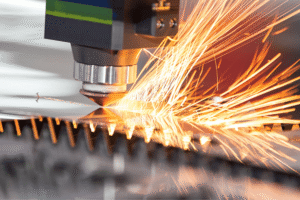
Waterjet Technology
- Able to break thick and heat malleable materials without causing any damages
- As there are no heat affected zones the material remains intact
- Can be used with many materials such as stone, glass, composites
Plasma Cutting
- Cuts with high speed and cuts only metal and other sources that conduct electricity
- For medium thicknesses less expensive than other options
- Cutting material well enough such that minimal finishing is needed
CNC Milling
- Enables wide applicability including machining of difficult geometries and contours
- Capable of being used on different materials such as metal alloys and certain types of plastic
- Allows achieving very tight dimensions and sticking to them
Frequently Asked Questions
What is the difference in the working principles of diamond wire sawing and laser cutting?
Diamond wire sawing involves the use of an extremely thin steel wire incorporating diamond particles onto its surface. The wire moves in a linear path over the workpiece, scraping off and cutting the surface of the material through friction and direct contact.
Laser cutting is a thermal cutting process which uses heat. A high energy beam of laser is targeted and used to cut away the material by melting, vaporizing, or burning it. A coolant or gas is directed at the molten cut to remove material and ensure a neat edge. This is a contactless cutting technique.
How do these modes of operation contrast in terms of material processing and physical damage?
Diamond wire cutting is a cold cutting technique. Very little heat is generated during the process, which is important when cutting materials that are sensitive to thermal variation. This method causes minimal subsurface damage, avoiding crack generation or material deformation. Best for hard, brittle, or crystalline materials such as silicon, sapphire, and composites vulnerable to thermal shocks.
Laser cutting is high in temperature and presents a heat affected zone (HAZ). This changes the material’s structural microstructure, producing thermal stresses and often causing micro-cracking in brittle materials or those vulnerable to high temperatures.
How about their speed or effectiveness?
Laser cutting is very fast in a number of materials, especially metals and plastics. There’s usually less time required and it’s easier to form shapes or make simple cuts with a laser.
Diamond wire sawing is slower, particularly when working on large dimensions or very tough metals. However, it excels in batch processing where hundreds or thousands of cuts can be made simultaneously in blocks of material.
What are the variations in cost and uses of these technologies?
Cost: Capital investment in diamond wire machines can be high, with consumables including diamond wire and cooling water. The most important cost-saving aspect is material savings per unit.
Applications: Diamond wire saws are used for thin slicing of silicon ingots into solar and semiconductor wafers, as well as cutting sapphire, ceramics, quartz, and special alloys that require minimal damage during manufacturing.
Industry Trends and Real-World Use Cases
According to recent trends, automation and precision technology are becoming more common in manufacturing methods with the improvement of machinery and the demand for high efficiency production techniques.
Current Industry Developments
- AI-powered control systems for real-time parameter adjustment
- Advanced wire coating systems increasing tool lifespan
- Improved wire tensioner devices enhancing cutting precision
- Integration of automated quality control systems
- Development of hybrid cutting systems for versatile applications
Reference Materials
- Comparison between Diamond Wire Saw vs Laser Cutting in High-Tech Performance – Emphasizes the benefits of laser processing in handling thin shapes and fragile structures, and diamond wire saw, enabling precision and brittle structures. More information here
- Continuous Diamond Wire Saw Vs. Laser Cutter – Analyzes benefits of diamond wire saws versus laser cutters such as material waste reduction, safety improvement and better capability for fragile materials. More information here
- Different Approaches to Cutting Solar Cells: Laser Use Versus Diamond Wire Loop – Considers how efficient diamond wire loop cutting is over laser cutting of solar cells in performing better in some cases. More information here
- Laser or Diamond Wire Cell Slicers – Discusses the merits of laser cutting accuracy versus diamond wire cold cutting methods relevant for solar cell fabrication.
- Wire Saw Over The Traditional Methods – Emphasizes reduced wastage of kerf as one of the tradeoff benefits of wire saw as compared to other technologies such as laser cutting. Read more here
- Recommend reading: Gantry Diamond Wire Saw: Precision Cutting Technology
Conclusion
Each technique reveals its benefits depending on the peculiarities of the set goals. Diamond wire sawing maximizes precision in material removal and conservation, whereas laser cutting maximizes speed and freedom in cutting. The best cutting method is dependent on the material to be cut, the level of precision needed, and cost considerations.
Related Posts
Trending Blogs

![Polysilicon Material: Properties, Grades & Uses [Guide]](https://wiresawcutter.com/wp-content/uploads/2026/08/polysilicon-material-featured-150x150.webp)