
Get in touch with DONGHE Company


The semiconductor industry enters 2026 strong in AI data centers, automotive electronics, high-bandwidth memory, power devices, advanced packaging, and wafer fabrication. According to the SIA, using its WSTS Spring 2026 forecast, worldwide semiconductor sales will exceed USD 1.5 trillion this year with April 2026 sales at USD 110.5 billion. At semiconductor market scale, the term semiconductor manufacturer means more than the label suggests.
Certain companies possess advanced node fabs running at 3 nm and 5 nm or mature transistor processes. Some provide wafer fabrication for DRAM, NAND, HBM, analog chips, power devices, image sensors, MCUs, wireless chips, 5G RF parts, or wafer specialties. Others supply equipment that comes before or surrounds wafer fabrication, for example silicon ingots, SiC, sapphire and hard materials with diamond wire saw equipment. The information in this list concerns actual manufacturers and manufacturing-related suppliers, rather than B2B directories, online news feeds or pure trading platforms.
How This List Was Prepared
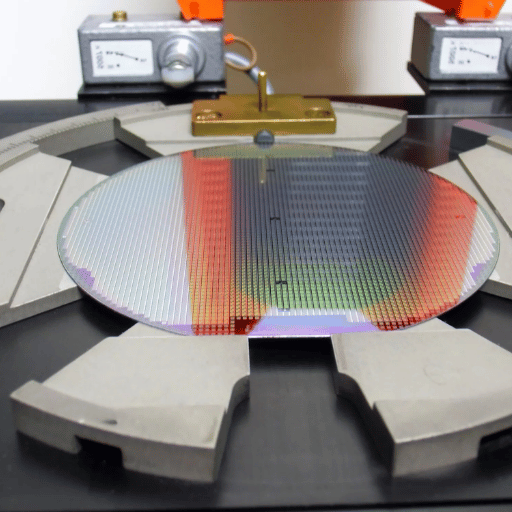
The information presented was sourced through publicly available resources on Google, company websites and in reports of relevant industries, and various industry publications. It includes those firms directly engaged in wafer fabrication manufacturing, those with foundry capabilities, those with semiconductor device production facilities, or those that produce equipment related to the semiconductor manufacturing.
Inclusion criteria
- Foundries that manufacture wafers for external customers.
- IDMs that design and manufacture their own semiconductor devices.
- Memory, analog, power, automotive, RF, and specialty semiconductor manufacturers.
- Suppliers in the semiconductor production machinery segment with implications on wafer or hard material processing.
Major semiconductor companies in the sector including NVIDIA, Qualcomm, Broadcom and AMD are largely based on their fabless chip designs; they outsource wafer manufacturing processes to foundries like TSMC and Samsung. These firms were mentioned for informational purposes and were thus excluded from the primary table of manufacturers.
2026 Ranking Context: Revenue, Fabs, Policy, and AI Demand
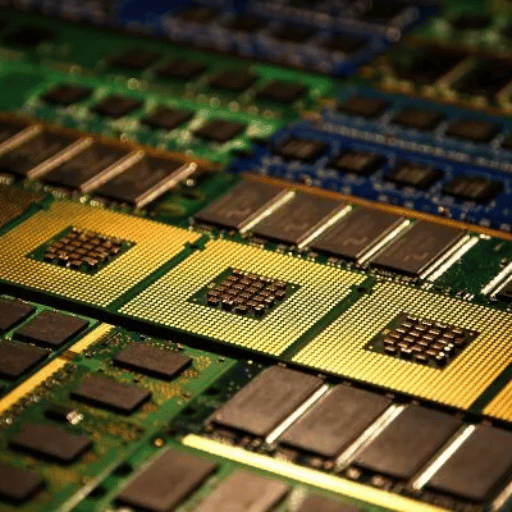
An enumeration of top-tier semiconductor companies may differ from a compilation of semiconductor manufacturing companies. Semiconductor revenue leaders traditionally highlight companies operating on a fabless basis, due to the value of the chips that such firms sell, whereas this comparison of manufacturers stresses wafer fabs, wafer fabrication sites, assembly factories, and similar manufacturing operations. In addition, governments of nations such as those in the United States (via the CHIPS Act), the European Union, Japan, South Korea, mainland China and Taiwan are all offering regional subsidy programs to boost local semiconductor industry development.
The semiconductor ecosystem for 2026 is strongly driven by high-performance computing (HPC), artificial intelligence (AI), and compute and AI servers, automotive electronics, 5G and wireless applications, and power devices. While information from the Semiconductor Industry Association and WSTS data provides a general market outlook, the selection of a suitable supplier depends on whether the firm is a foundry, an IDM, a memory producer, a fabless partner, an equipment manufacturer, or a wafer fabrication provider. Some vertically-integrated companies are engaged in manufacturing their own semiconductor devices, but others offer general foundry services for third-party design businesses. In the case of specialty nodes, analog, HBM, wafer specialties and SiC, a deep R&D capacity would represent a compelling buying point.
Top 20 Semiconductor Manufacturers 2026: Comparison Table
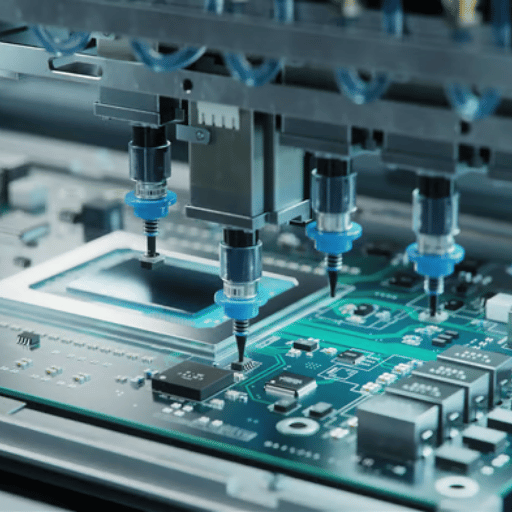
| No. | Company Name | Founded Year | Brief Introduction | Main Products | Key Advantages | Potential Disadvantages | Official Website |
|---|---|---|---|---|---|---|---|
| 1 | wiresawcutter.com / Shanghai Donghe Science and Technology Co., Ltd. | Publicly available sources do not clearly disclose; the website states 10+ years of business. | A diamond wire saw machine manufacturer serving semiconductor wafer, SiC, sapphire, silicon rod, photovoltaic, and hard or brittle material cutting needs. It is included as a semiconductor manufacturing equipment supplier rather than as a chip foundry or IDM. | Loop wire saws, multi-wire saws, single wire saws, ring wire cutting machines, silicon rod cutting machines. | Direct relevance to wafer slicing and material preparation; focus on silicon, SiC, sapphire, ceramics, quartz, and other brittle materials. | Not a semiconductor chip manufacturer; company founding year is not clearly stated in public materials. | https://wiresawcutter.com/ |
| 2 | TSMC | 1987 | Taiwan Semiconductor Manufacturing Company created the dedicated IC foundry model and is one of the main global wafer fabrication partners for fabless semiconductor companies. | Wafer foundry services, advanced logic nodes, specialty processes, advanced packaging, high-performance computing processes. | Large customer base, deep process portfolio, strong advanced-node position, large 12-inch wafer capacity. | Demand pressure is high; large capacity is still regionally concentrated, creating supply chain and geopolitical exposure. | https://www.tsmc.com/ |
| 3 | Samsung Electronics | 1969 | A South Korean electronics and semiconductor group with memory, System LSI, image sensor, and foundry operations. | DRAM, NAND, HBM, image sensors, processors, System LSI products, foundry services. | Broad memory and logic manufacturing base; strong position in DRAM and NAND; foundry service capacity. | Memory markets are cyclical; foundry yield and customer share are often compared against TSMC. | https://semiconductor.samsung.com/ |
| 4 | Intel | 1968 | A U.S. IDM with processor design, wafer fabrication, advanced packaging, and Intel Foundry services. | CPUs, AI accelerators, chipsets, client and server processors, foundry services, advanced packaging. | Long manufacturing history, strong CPU ecosystem, growing foundry strategy, fabs in the U.S. and other regions. | Process roadmap execution and foundry customer adoption remain closely watched. | https://www.intel.com/ |
| 5 | SK hynix | 1983 | A South Korean memory semiconductor manufacturer with strong DRAM, NAND, and HBM focus. | DRAM, HBM, NAND flash, SSDs, memory modules. | Strong HBM and AI memory position; deep memory process and packaging know-how. | High exposure to memory price cycles; narrower business mix than diversified IDMs. | https://www.skhynix.com/ |
| 6 | Micron Technology | 1978 | A U.S.-based memory and storage semiconductor manufacturer with global fab and packaging investments. | DRAM, NAND, HBM, SSDs, managed NAND, memory modules. | Major U.S. memory manufacturer; strong position in data center memory and storage. | Memory pricing can shift quickly; product mix is less broad than full-line semiconductor groups. | https://www.micron.com/ |
| 7 | Texas Instruments | 1930 | A global semiconductor company that designs, manufactures, and sells analog and embedded processing chips. | Analog ICs, embedded processors, power management ICs, DLP, microcontrollers. | Large analog portfolio, internal manufacturing network, strong industrial and automotive reach. | Less tied to leading-edge digital logic; analog demand can move with industrial cycles. | https://www.ti.com/ |
| 8 | Infineon Technologies | 1999 | A German semiconductor company centered on power systems, automotive electronics, security, and IoT. | Power semiconductors, MCUs, sensors, security ICs, automotive ICs, SiC and GaN devices. | Strong power and automotive position; solid fit for electrification and industrial power markets. | Automotive and industrial demand cycles can affect order flow. | https://www.infineon.com/ |
| 9 | STMicroelectronics | 1987 | A Europe-based semiconductor manufacturer serving automotive, industrial, consumer, and embedded markets. | MCUs, MEMS sensors, power discretes, SiC MOSFETs, analog ICs, automotive semiconductors. | Broad embedded, power, and sensor product base; strong position in industrial and automotive applications. | Portfolio breadth can add complexity; auto and industrial cycles affect demand. | https://www.st.com/ |
| 10 | NXP Semiconductors | 2006 | A Netherlands-based semiconductor company focused on automotive, secure connectivity, edge processing, and mixed-signal products. | Automotive processors, MCUs, RF devices, radar, secure elements, connectivity ICs. | Strong automotive and secure connectivity position; deep embedded system knowledge. | Fab-lite model means some production depends on external manufacturing partners. | https://www.nxp.com/ |
| 11 | Renesas Electronics | 2002; current Renesas Electronics operations began in 2010. | A Japanese embedded semiconductor solution provider with design, manufacture, sale, and service of semiconductor products. | MCUs, SoCs, analog ICs, power devices, embedded processors, connectivity products. | Strong automotive MCU base and broad embedded lineup. | Automotive exposure is high; the company has also grown through acquisitions, which can add integration work. | https://www.renesas.com/ |
| 12 | GlobalFoundries | 2009 | A pure-play foundry with specialty process strengths across RF, FD-SOI, silicon photonics, embedded memory, and other differentiated technologies. | RF-SOI, FD-SOI, silicon photonics, embedded memory, specialty foundry services. | Differentiated specialty foundry portfolio and multi-region manufacturing footprint. | Does not compete at the most advanced leading-edge logic nodes. | https://gf.com/ |
| 13 | UMC | 1980 | United Microelectronics Corporation is a Taiwan-based semiconductor foundry focused on IC fabrication services and specialty technologies. | Logic and mixed-signal foundry, high-voltage processes, eNVM, RF-SOI, BCD, specialty processes. | Stable mature-node and specialty foundry services; long track record in Taiwan semiconductor manufacturing. | Limited exposure to the most advanced leading-edge logic nodes. | https://www.umc.com/ |
| 14 | SMIC | 2000 | Semiconductor Manufacturing International Corporation is a China-based foundry group serving customers with 8-inch and 12-inch wafer fabrication services. | 8-inch and 12-inch foundry services, logic, mixed-signal, specialty processes. | Major mainland China wafer fabrication capacity and broad mature-node service base. | Export controls and tool access restrictions can affect advanced process development. | https://www.smics.com/ |
| 15 | Hua Hong Semiconductor | 1996/1997, depending on whether the Hua Hong Group origin or listed Hua Hong Semiconductor entity is used. | A China-based pure-play wafer foundry with specialty technology focus, especially mature-node and power-related processes. | eNVM, standalone NVM, power discrete, analog and power management, RF, logic, image sensor foundry services. | Strong specialty and mature-node focus in China; power discrete and eNVM strengths. | Smaller global scale than the largest foundries; equipment supply and geopolitical limits can affect future ramp plans. | https://www.huahonggrace.com/ |
| 16 | Powerchip Semiconductor Manufacturing Corp. (PSMC) | 1994 origin; current PSMC structure evolved later. | A Taiwan-based foundry service provider with an open foundry model and experience in memory and logic manufacturing. | Advanced memories, customized logic ICs, discrete components, foundry services. | Flexible foundry model; multiple 8-inch and 12-inch wafer fabs; memory and logic experience. | Smaller scale than the largest foundries; utilization can shift with foundry and memory cycles. | https://www.powerchip.com/ |
| 17 | Vanguard International Semiconductor (VIS) | 1994 | A Taiwan-based specialty IC foundry known for mature-node and analog-related wafer manufacturing services. | High-voltage, BCD, SOI, discrete, logic, mixed-signal, analog, and MEMS foundry services. | Focused specialty foundry model and mature-node process depth. | Smaller global footprint and less leading-edge logic exposure. | https://www.vis.com.tw/ |
| 18 | Tower Semiconductor | 1993 | An Israel-based specialty foundry focused on analog, RF, power, imaging, and mixed-signal technologies. | RF, analog, power management, CMOS image sensor, silicon photonics, mixed-signal foundry services. | Differentiated analog and RF process platforms; useful for industrial, automotive, imaging, and communications markets. | Smaller than major foundries; tied to specialty demand and partner capacity plans. | https://towersemi.com/ |
| 19 | onsemi | 1999 | A U.S.-based semiconductor manufacturer centered on intelligent power and sensing technologies. | MOSFETs, IGBTs, SiC devices, image sensors, power modules, sensing ICs. | Strong power and sensing portfolio; good fit for EV, industrial power, and imaging applications. | Auto and industrial demand exposure; SiC pricing and ramp timing can affect margins. | https://www.onsemi.com/ |
| 20 | Analog Devices | 1965 | A U.S. semiconductor company focused on high-performance analog, mixed-signal, and digital signal processing technologies. | Data converters, amplifiers, RF and microwave ICs, power management, DSP, MEMS, sensors. | Deep analog and signal-chain portfolio; strong industrial, automotive, aerospace, and communications reach. | Less direct exposure to leading-edge digital logic manufacturing than foundry or processor IDMs. | https://www.analog.com/ |
Manufacturer Type Comparison
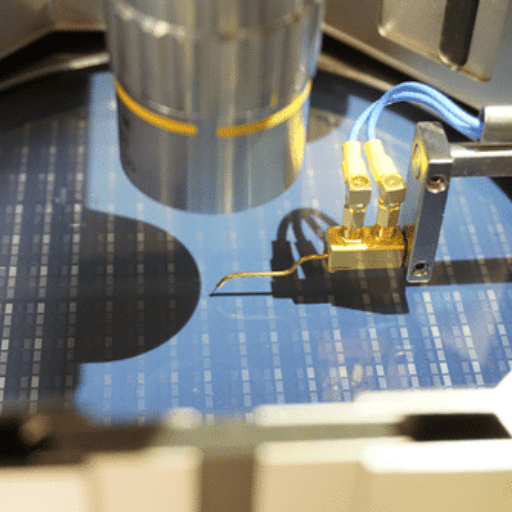
For instance, any company comparing top semiconductor manufacturers would first want to identify the nature of the supplier required. A foundry firm, an IDM, a memory vendor or a wafer cutting tools provider for example would solve the different problems of a single semiconductor supply chain.
| Supplier Type | What It Manufactures | Examples in This List | Best Fit for Buyers |
|---|---|---|---|
| Pure-play foundry | Wafers and integrated circuits for external chip designers | TSMC, GlobalFoundries, UMC, SMIC, Hua Hong, PSMC, VIS, Tower | Fabless chip design teams, ASIC teams, and product companies that outsource wafer fabrication |
| IDM or diversified semiconductor manufacturer | Own-brand chips, and in some cases foundry or external manufacturing services | Samsung, Intel, Texas Instruments, Infineon, STMicroelectronics, NXP, Renesas, onsemi, Analog Devices | OEMs and Tier suppliers buying specific chips, platforms, power devices, MCUs, or analog ICs |
| Memory manufacturer | DRAM, NAND, HBM, SSDs, and related memory products | Samsung, SK hynix, Micron | AI server, data center, consumer electronics, storage, and embedded system buyers |
| Semiconductor production equipment supplier | Machines and systems used around wafer or material preparation | wiresawcutter.com | Labs, wafer processing teams, SiC and sapphire material suppliers, photovoltaic and advanced material manufacturers |
What B2B Buyers Should Check Before Shortlisting a Semiconductor Manufacturer
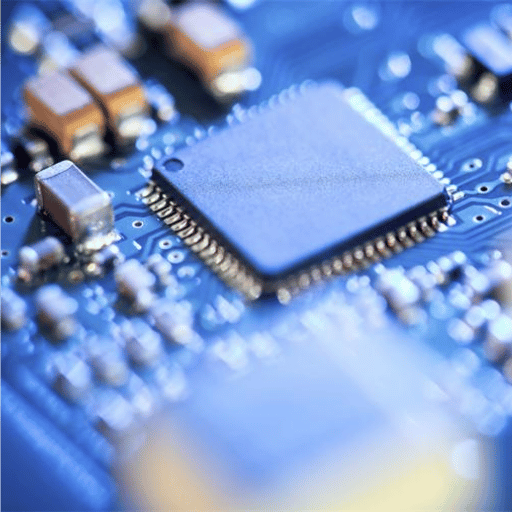
The manufacturer you need depends on the chip type. The product layer you’re buying impacts what you’re looking for. A sourcing team selecting MCUs isn’t going to use the same shopping list as a fabless team selecting a foundry or a materials team selecting a wire saw for SiC wafer slicing.
- Product category fit: ensure your chosen supplier makes logic, memory, analog, power, RF, sensors or production equipment.
- Process and node fit: leading AI logic, automotive chips, and power devices run different process flows.
- Fab footprint: location, capacity and logistics should match the product life cycle.
- Quality path: if you are buying automotive or industrial devices, check quality management systems, reliability data, failure analysis support and certifications.
- Supply continuity: memory, foundry, and power semiconductor chip supply can fluctuate, so check lead time.
- Wafer and material prep: for silicon wafers, SiC wafers, sapphire, ceramics and other materials, consider kerf loss, surface quality, TTV, wire speed, coolants, feed rates, and attachment methods.
5-Point Semiconductor Manufacturer Shortlisting Matrix
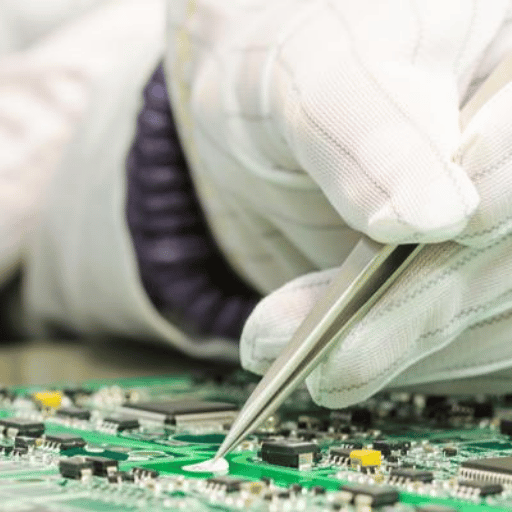
A buyer comparing semiconductor manufacturing companies should turn the longlist into a decision matrix before contacting suppliers. For automotive or industrial chips, quality systems and safety responsibilities often matter as much as revenue. ISO notes that ISO 9001 is a widely recognized quality management system, while ISO 26262 is relevant when electronics are used in road vehicles. For regional supply planning, NIST CHIPS for America and its CHIPS incentives funding information show why fabs, materials, and semiconductor manufacturing equipment are all part of the capacity discussion.
| Decision Area | What To Check | Useful Evidence | Why It Matters |
|---|---|---|---|
| Node and wafer size | Match 3 nm, 5 nm, 28 nm, 40 nm, 150 mm, 200 mm, or 300 mm needs to the supplier’s actual fab base. | Public fab list, node roadmap, wafer diameter support from 100 mm pilot wafers to 300 mm high-volume lines, and package support. | A leading logic fab, mature-node foundry, and analog IDM solve different production problems. |
| Quality and safety path | Check ISO 9001, ISO 26262, AEC-Q100, PPAP, failure analysis, and change notification practices. | Certificate scope, automotive release process, reliability reports and audit history. | Automotive and industrial buyers need repeatable controls, not only catalog availability. |
| Supply and policy exposure | Compare fab location, packaging site, export-control risk, subsidy exposure and second-source options. | Regional fab map, NIST CHIPS context, local incentive filings and logistics route. | A low unit price can be outweighed by allocation risk, shipping delay or policy limits. |
| Packaging and test | Ask whether advanced packaging, wafer-level test, burn-in, probe card support or HBM stack work is internal or outsourced. | OSAT partner list, package qualification data and test coverage statement. | The bottleneck may sit after wafer fabrication, especially for AI chips and high-reliability modules. |
| Material preparation | For silicon, SiC, sapphire, quartz or ceramics, review kerf loss, TTV, surface finish and wire speed targets. | Cutting sample report, material loss estimate and incoming wafer inspection result. | Small errors at the slicing stage can affect downstream yield before a chip ever reaches a fab line. |
| Supplier fit threshold | Use a selection threshold: process fit, quality path, capacity, engineering response and total risk must all pass. | RFQ response, engineering notes, lead-time range and qualification plan. | This avoids choosing a company only because it appears high on a semiconductor revenue list. |
For wafer preparation and hard-material slicing, wiresawcutter.com readers can also compare related resources on silicon wafer cutting wire saw systems, hard and brittle material cutting, precision diamond wire saw applications, laboratory diamond wire saw use cases, and non-metal wire saw cutting. These links are separate from the Official Website column above, which remains plain text for manufacturer comparison.
Where wiresawcutter.com Fits in the Semiconductor Manufacturing Chain
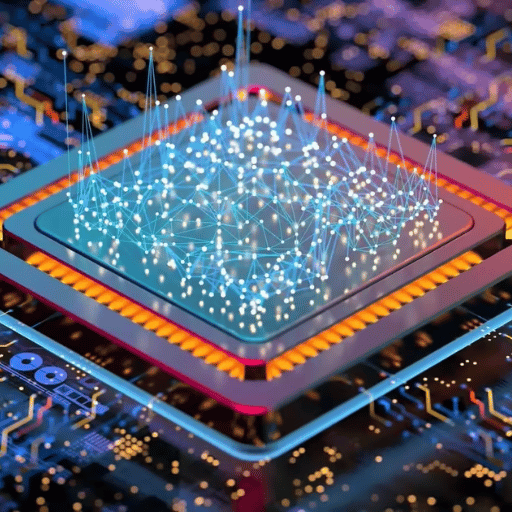
wiresawcutter.com is not a chip producer. The business is located up the stream on the manufacturing chain where wafers made of silicon, SiC, sapphire, quartz, graphite, and other fragile materials are cut, sliced or shaped in order to continue fabrication, testing, and the other downstream processes prior to device production.
This creates an opportune space to connect semiconductor manufacturing equipment supplier buyers. For wafers, even minor details with kerf, surface damage, wire speed and other parameters can impact material utilization on both sides of the fence. Thus a wire-saw supplier makes semiconductor production relevant even to a B2B buyer shopping for something besides a foundry, IDM or a memory chip manufacturer.
FAQ
Who is the largest semiconductor manufacturer in 2026?
It depends on the metrics used. Among pure-play foundries, TSMC is usually the benchmark. Vendor revenue rankings group foundries, IDMs, memory device manufacturers, and fabless AI companies together, so the highest revenue name may not be the right manufacturing partner. The right manufacturer depends on the product need, not just the total dollar value of the chip market.
Are NVIDIA, Qualcomm, Broadcom, and AMD semiconductor manufacturers?
They are significant semiconductor companies, but they mainly work at the fabless design stage. They design chips and outsource wafer fabrication to companies that manufacture them.
What is the difference between a foundry and an IDM?
A foundry manufactures the wafer for other manufacturers. An IDM, however, designs and manufactures its own semiconductor devices, though IDMs can and do offer to provide foundry services.
Which companies are strongest in memory chips?
Global memory manufacturers include Samsung, SK hynix and Micron. These companies produce DRAM, NAND, HBM, SSDs, and other memory modules used in everything from the highest-performing AI chips to basic consumer tech. HBM chip sales are a major driver of the market because AI accelerators depend on it.
Why include a wire saw manufacturer in a semiconductor manufacturer article?
Because wafer cutting sits so early in the overall chain. You can also consider companies responsible for equipment that creates wafer slices from silicon, SiC, sapphire, or quartz.
Sources Reviewed
The public sources verified were SIA/WSTS market release, Gartner public semiconductor revenue release, the official company profile page, or the public company pages for the various manufacturers listed. The official sites are listed in plain text in the table above.
- https://www.semiconductors.org/global-semiconductor-sales-increase-11-month-to-month-in-april/
- https://www.gartner.com/en/newsroom/press-releases/2025-02-03-gartner-says-worldwide-semiconductor-revenue-grew-18-percent-in-2024
- https://www.tsmc.com/aboutTSMC/company_profile
- https://wiresawcutter.com/
- https://www.ti.com/about-ti/company/ti-at-a-glance.html
- https://www.umc.com/en/About/about_overview
- https://gf.com/about-gf/
![Polysilicon Material: Properties, Grades & Uses [Guide]](https://wiresawcutter.com/wp-content/uploads/2026/08/polysilicon-material-featured-768x512.webp "Polysilicon Material: Properties, Grades & Uses in Solar and Semiconductor Industries 10")

![Polysilicon Material: Properties, Grades & Uses [Guide]](https://wiresawcutter.com/wp-content/uploads/2026/08/polysilicon-material-featured-150x150.webp)