
Get in touch with DONGHE Company


Multi Wire Saw vs Gang Saw: A Data-Driven Comparison for Stone Processing Plants
So, whether to use multi wire saw or gang saw translates to, how many usable slabs do we cut from each block and how much money do we leave on the cutting floor?
This is not a trivial matter; thin diamond multi-wire saws have a kerf of 0.5 mm, whereas the older gang saws are ³.5 mm apart. That ‘spacings’ amounts to a 17% yield difference per solid cubic meter of natural stone.
This comparison analyzes the quantifiable variation in si× categories – cutting dynamics, kerf/yield, throughput, quality, cost of ownership, and plant-fit judgment factors – through a detailed analysis of published industry standards, general specifications and published academic research data rather than intangibles, sweeping magnitudes or unsupported statements. It is relevant for any global operator of Italian marble factories or Granite stone cutting plants.
Quick Specs: Multi Wire Saw vs Gang Saw
| Parameter | Thin Multi-Wire Saw | Gang Saw |
| Diamond Wire / Blade Diameter | 0.³5–0.50 mm wire | 1.2–1.8 mm blade |
| Kerf Width | 0.5 mm | ³.5 mm |
| Slab Yield | ~55 m²/m³ | ~47 m²/m³ |
| Cutting Time per Block | 1–3 hours | 8–12 hours |
| Cutting Accuracy | ±0.3 mm | ±2–3 mm |
| Min. Slab Thickness | 5–10 mm | 15 mm |
| Rated Power | ~150 kW | ~300 kW |
| Noise Level Reduction | 40+ dB lower | Baseline (70–110 dB(A)) |
Sources: manufacturer specifications various OEMs, checked against one another; industry standard T/CMES 41001-2025.
How Each Technology Works: Cutting Mechanics Explained
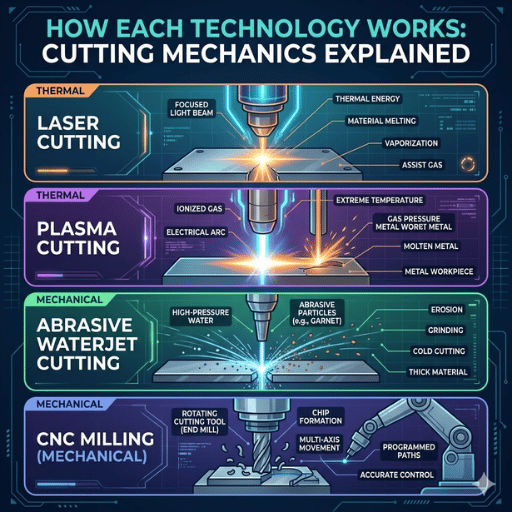
The dividing mechanics of a gang saw and a multi wire saw machine are ultimately unequal. They use two separate motions to divide a stone into slabs. This provides the logic behind the difference of volume, rapidity and surface finish.
Gang Saw: Reciprocating Frame with Steel Blades
A conventional gang saw mechanically clamps a stone block beneath a massive steel frame that supports parallel blades – generally diamond-segmented blades 1.2-1.8 mm thick. Its frame reciprocates in a chattering backward and forward oscillation while the stone is grit-ground under gravity and pressure. Water and abrasive grit (or segment diamonds) are injected into a cut zone during a cut cycle.
This reciprocating, abrasive action inherently progresses slowly – each stroke reduces material by a few microns thick, and the thick blade imposes a minimum kerf of around 3.5 mm with each cut line.
Gang saws (in the stone industry also gang saws ) are very effective with relatively soft stone materials such as marble and limestone. gang saw technology has been used for stone working for over 70 years, even back in the Italian and European marble block slicing factories.
Diamond Multi Wire Saw Machine: Continuous Loop Cutting
A diamond multi wire saw machine threads several parallel diamond-impregnated wires (0.35–0.50 mm diameter) across a pair of driven flywheels, running in a continuous loop at 25–35 m/s. All wires slice through the block simultaneously across its full height. Wire tension is monitored and adjusted in real time to maintain cutting precision across the entire slab.
📐 Engineering Note
The wire speed is 30-35 m/sec for marble and 25–28 m/s for hard granite according to the T/CMES 41001-2025 industry practice standard for thin multi-wire saw machines. This is the first standard in China in this category of machines as an industry standard and it sets specifications such as wire diameter, kerf accuracy and machine calibration procedures.
A critical split exists within the multi-wire category itself. Traditional multi-wire saws use thicker wires (5.3–7.3 mm), producing a kerf of 5.5–7.5 mm — actually worse than a diamond gang saw on material waste. Only thin or ultra-thin multi-wire saws (wire diameter under 0.50 mm) reach the 0.5 mm kerf that delivers superior yield. When evaluating stone cutting machinery and cutting technologies for your natural stone processing plant, this thin-versus-traditional distinction matters far more than the broad category label.
Kerf Width and Material Yield: Where the Numbers Diverge
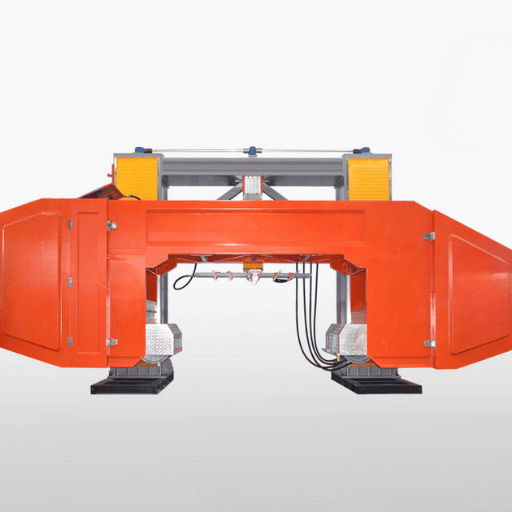
Kerf, the amount of material wasted as a consequence of each cut, is the single largest factor influencing your slab yield. Every millimeter of kerf is quite literally a millimeter of lost stone – stone that no one will ever pay for.
| Metric | Thin Multi-Wire Saw | Traditional Multi-Wire | Gang Saw |
|---|---|---|---|
| Kerf Width | 0.5 mm | 5.5–7.5 mm | 3.5 mm |
| Slabs per Cubic Meter (20 mm slab) | ~55 m²/m³ | ~36 m²/m³ | ~47 m²/m³ |
| Yield Rate | 90–97% | 60–70% | 75–80% |
| Min. Slab Thickness | 5–10 mm | 15–20 mm | 15 mm |
| Material Waste per Cut | ~70% less than gang saw | ~60% more than gang saw | Baseline |
For your high value marble – such as Carrara White which fetches $800-1,500/m retail – the impact on your revenue can be even more significant than the impact on your yield. Say just a typical 2.8 m block is ‘diced’ with five wires, it will produce eight panels more than with a saw, providing at the very least each Panel of 20 mm a net revenue off the block in excess of just over $1,000.
Another advantage of the ultra-thin wire multi-wire is the capacity for using these machines (and the related high-precision technology) on ultra-thin slabs (5-10 mm) that may be used in thin stone veneer, engineered stone composite and honeycomb products: applications unavailable to our traditional gang saw machines operating at a minimum of 15 mm strips. Therefore the presence of high-end, premium applications for such technology, such as marble, opens the market for potentially lucrative thin-slab high-end marble production lines. This approach also differentiates a premium high-end stone manufacturing business from lower end suppliers in terms of high-value application variety and by a panel perceived added-value.
📐 Engineering Note
Yield figures depend on block geometry, stone homogeneity, and operator skill. Our benchmark assumes a standard rectangular block with minimal natural fissures and fractures, with a minimum width of 0.6 times the length-to-width ratio. Multi-wire saws tend to obtain knockdowns (lost slabs) of about 7-8% and a smooth factory; irregular shape, natural veins and color inconsistency all exacerbate the deflation in bare yields and absolute dimensional output to the customer. Both technologies should technically be in compliance with the ASTM C503 standard for marble dimension stone in every other aspect, with a minimized tolerance. Even at best, yield % would be superior with a thin wire.
Cutting Speed and Production Throughput
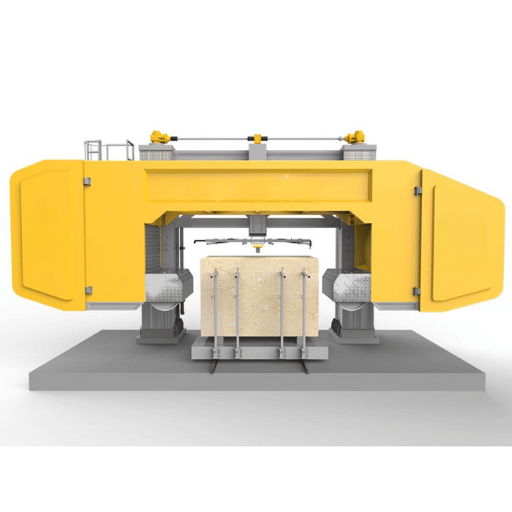
While a single multi-wire blade cuts roughly 3 times faster through the same stone type when compared to a single gang saw blade, the true operational advantage of the multi-wire lies on the multi-beam operating nature of the former, meaning that each blade does not have to take the drive to do the cut cycle in turn. Multiple single blades with multiple blades parallel to one another all require the system to accelerate to cut per blade, while this timing may be overshot in certain cases, the overall result is the same and the throughput per time is significantly lower
1–3 hrs
Multi-Wire per Block
8–12 hrs
Gang Saw per Block
3–4×
Blocks per Shift
A research piece published in the journal Stone World reported that a fabrication plant experienced a 40% increase in production in the same day of work, after upgrading from a single-blade machinery system to a 5-beam multi-wire cutting piece of equipment – despite the fact that each individual beam took longer to start than a conventional single blade.
In plants producing 3-5 blocks/day then the speed difference propagates: a multi-wire saw machine can process the same number of daily blocks in the time it would take an entire gang saw line of machines working in parallel to process. There are implications for manufacturing plant floor space consumption, production efficiency and manpower requirements throughout the stone processing industry – producing a lower cost per slab at every volume level. High cutting efficiency from multi-wire technology means a single cutting machine handles what would take multiple conventional cutting configurations:
💡 Pro Tip
Cutting speed is not the sole predictor of slab quality. Cutting parameters must match the stone hardness: about 30–35 m/s for marble, about 25–28 m/s for granite. Running wires too rapidly on hard granite wears diamond beads faster and can trigger surface micro-fractures that add polishing time downstream. Proper parameter tuning separates precision cutting from wasted stone machinery hours.
Surface Quality and Secondary Processing Impact
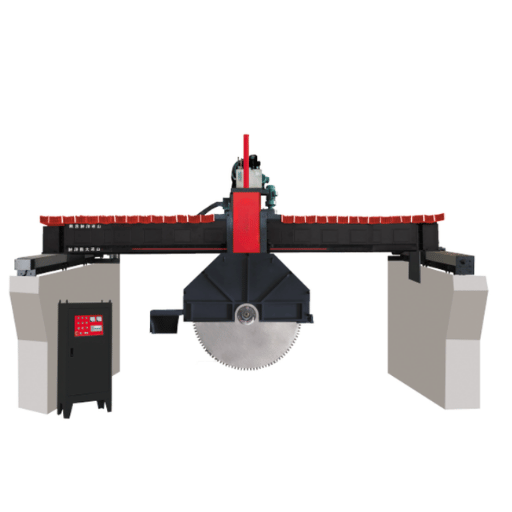
Surface finish has a direct bearing on secondary processing cost—rougher cuts means more polishing time and consumable usage before slabs have reached specification.
Multi-wire saws exhibit better surface roughness at the start of the cut due to diamond wire cutting with a constant unidirectional motion at constant tension. (As per “Advances in Manufacturing” Springer 2025), surface roughness and waviness of diamond wire sawing are directly proportional to the feed speed and wire tension (Increase in feed results in increased cutting force and roughness).
But unlike ribbon and circular saws, gang saws employ a reciprocation which exposes the stone to repetitive stress. In weak marble types, this repeated force may set up microcracks along the boundaries of the crystal grains which are only revealed on polishing. In strong granite, the problem is the opposite; the gang saw blades deflect under the effort, resulting in pockmarked surfaces that require multiple grinding passes.
In practical terms, multi-wire-cut slabs will generally need 20–30% less polishing time to reach finished-surface quality, saving secondary fabrication consumable and labour costs. Stable cutting motion from diamond wire also imparts less vibration into the raw block than a reciprocating frame saw, thus reducing the stress exerted in that raw block and the number of edge chips shown on each finished stone slab – this being a major consideration when machining high-value marble or fine stone, as every defect means a reduction of square-metre value.
Total Cost of Ownership: Investment, Consumables, and Labor
Equipment purchase price is simply a line item in a five-year cost model. Consumables burn rate, power draw, maintenance requirements and labor costs are often the determining factors in which best cutting method is found to cost the least per sq. meter of finished slab. A valid cost comparison must factor the entire block utilization rate factor- as the more effective cutting with lower kerf technology means more slabs per cubic meter of imported block which moves the line item cost in favor of thin multi-wire saw techniques.
| Cost Category | Thin Multi-Wire Saw | Gang Saw |
|---|---|---|
| Initial Equipment Investment | Comparable to large gang saws (varies by configuration) | Comparable (established supply chain, wider used market) |
| Consumable Cost per m² | ~$0.43/m² (manufacturer-reported) | $1.44–2.16/m² |
| Overall Processing Cost per m² | ~$1.44/m² | $3.60–4.31/m² |
| Annual Maintenance | <$150/year (reported) | $1,400–2,900/year |
| Energy Consumption | ~150 kW (50% lower) | ~300 kW (baseline) |
| Labor per Machine | 1 operator / 2–3 machines (CNC automation) | 1 operator / 1 machine |
| Stone Powder Waste | 80% less | Baseline |
Note: Consumable and processing cost numbers listed above are manufacturer-reported benchmarks. Actual costs also depend on stone type, wire/blade and volume of production. Please request a site specific cost analysis from your equipment supplier before making procurement decisions.
✔ Multi-Wire Saw Advantages
- 0.5 mm kerf → 17% higher yield per block
- 3–8× faster block processing time
- Cuts ultra-thin slabs down to 5 mm
- 50% lower energy consumption
- CNC automation reduces labor per machine
- 80% less stone powder waste (environmental compliance)
⚠ Multi-Wire Saw Limitations
- Gold wire costs ~30% higher per unit compared with gang saw blades
- Requires skilled technicians for wire threading and tension calibration
- Risk of wire breakage from wrong diamond bead selection or hard inclusion in stone
- Cooling/lubrication system demands more attention to prevent overheating
- Less established used-equipment market vs gang saws
⚠️ Common Mistake: Comparing Only Upfront Equipment Price
Presentation of equipment costs indicates similar upfront price for either process. But a five-year TCO estimate must include consumable consumption rate, power draw, labor requirements, and – potentially most important – the revenue over the initial capital expense generated by improvements in production efficiency and yield. In these comparative cases of “gang saw vs multi-wire,” the benefits of increased efficiency and yield tilt cost analysis heavily in favor of multi-wire. For a 10,000-m/year raw block plant, the yield benefit can mean tens of thousands of dollar in net additional revenue from one investment cycle alone, quickly returning the equipment investment.
Is there a clear-cut answer? No — each plant has different stone types, daily tonnage, product mix, and technician skill set.
Which Should You Choose? A Decision Framework by Stone Type and Plant Scale
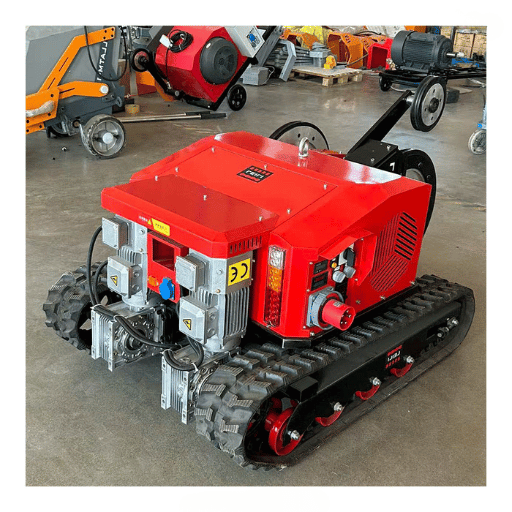
No single stone processing equipment is best for everyone. An effective choice is dependent on your stone mix, throughput, product variation, and labor force skill levels.
Key Factors to Consider
- Main stone: Soft marble/limestone is handled equally well, hard granite is easier with multi-wire (gang saw blade deflecting reduces precision when working with hard stone)
- Product mix: If ultra-thin (5-10mm for veneer/honeycomb) slabs are required, multi-wire is the exclusive solution
- Operational rate: If 3+ blocks per day are cut, speed advantages of multi-wire compound; negligible if only 1 per day
- Stone quality: Top-end marble with high-value yield (>$500/m wholesale) yields the highest dollar benefit
- Environmental regulations: Increasingly strict dust and waste mandates – 80% waste reduction of multi-wire offers a substantial margin of compliance
- Workforce: Limited level 3 CNC-trained techs, gang saw stays pragmatic short-term solution
- ✔
High-volume marble fabrication plant: Thin multi-wire saw — yield and speed advantages compound at scale - ✔
Mixed stone workshop (marble + granite + limestone): Hybrid approach — multi-wire for primary cutting, gang saw retained for bulk commodity stone - ✔
Budget-constrained startup with gang saw machine for granite as primary material: Gang saw entry point with multi-wire upgrade path as revenue grows - ✔
Premium/luxury stone specialist: Thin multi-wire saw — non-negotiable for high-value marble where every slab counts
Generally proposed is a no-brainer: traditional saw fits current quarter budget, diamond multi-wire fits the next five years’ margins and growth structure. The international natural stone industry is migrating to multi-wire: from Italy’s Carrara white quarry, to ultra-high speed factory blocks all over Asia and the Middle East. Many plants now run a hybrid setup: modern multi-wire for granite/on-spec luxury marble, bridge saws for custom work, and large-cap block cutter units to process quarried stone to the factory-sized blocks before machining.
Frequently Asked Questions

Q: How much does a multi wire saw machine cost compared to a gang saw?
View Answer
Startup costs of large gang saws and small -centre or edge mounted- multi-wire machines are now broadly similar in the hundreds of thousands of USD value depending on configuration and automation. But over the life of the unit, multi-wires expense per meter are about $0.43/m (range $0.09-$1.50/m) vs $1.44-2.16/m (range $0.60-$4.29/m) for gang saws, with a total process cost of $1.44/m vs $3.60-4.31/m. Request detailed TCO’s from multiple suppliers for your actual yearly throughput.
Q: Can a multi-wire saw cut granite as effectively as marble?
View Answer
Yes, but wire speed and diamond bead specification must be defined, as is use of hardness grade specific diamond beads. Granite requires slower wire speed (25-28 m/sec vs 30-35 for marble), and harder set diamond beads for proper cut and wear rate. Improper diamond specification particularly use of soft beads for harder stone accounts frequently for premature wire breakdown on granite. Set up of onboard computer controls for these variables in modern CNC multi-wire adds the capability to automatically set correct parameters when switching stone grade.
Q: What is the typical ROI timeline when switching from gang saw to multi-wire?
View Answer
High-volume marble plants typically hit payback within 12–18 months. Premium stone operations can break even within a single year from yield gains alone.
Q: How does kerf width affect slab yield in stone block cutting?
View Answer
Every cut line destroys stone equal to its kerf width. At 0.5 mm (thin multi-wire) versus 3.5 mm (gang saw), that is 3.0 mm less wasted material per cut. Over a full block with dozens of parallel cuts, the compounding effect is substantial — roughly 8 additional slabs from a standard 2.8 m³ block, representing a 17% yield improvement. For stone valued at several hundred dollars per square meter at wholesale, those extra slabs can add over a thousand dollars of revenue per block processed. The yield math alone often justifies the equipment decision before factoring in speed or labor savings.
Q: What maintenance does a multi-wire saw require compared to a gang saw?
View Answer
Regular wire tension monitoring, cooling system upkeep, and flywheel calibration checks are necessary with multi-wire saws for payment of $150-300 per machine annually. Maintenance on gang saws require blade segment replacements, frame realignment, and slurry system cleaning, costing approximately $1,400-2,900 per year. The critical difference: multi-wire saws require more skilled operators (trained in CNC operation) but less frequent and cheaper maintenance; gang saws have simpler maintenance but at higher frequency and expense.
Q: Is it possible to run both gang saws and multi-wire saws in the same factory?
View Answer
Absolutely. Many factories run both side by side — multi-wire for premium marble and time-sensitive orders, gang saws for bulk commodity work.
Ready to Evaluate Multi-Wire Saw Technology for Your Plant?
DONGHE has delivered over 10,000 cutting cases across 300+ stone processing facilities worldwide. ISO 9001:2015 and CE certified, with 35 national patents in diamond wire saw technology.
About This Comparison
This comparison has been compiled by DONGHE, a diamond wire saw manufacture established in 2014. Where we produce multi-wire equipment, the technical and cost data points are corroborated by multiple operator sources, published technical journal articles, and industry specific standards T/CMES 41001-2025; gang saw data based upon current operational manufacturer values and delineated academic articles. Please verify your equipment requirements through a trial with your cost-grade stone material.
References & Sources
- ASTM Standards for Dimension Stone – Natural Stone Institute
- ASTM C503/C503M: Standard Specification for Marble Dimension Stone — ASTM International
- Properties of cutting force, surface roughness and waviness in diamond wire sawing marble (2025) — Advances in Manufacturing, Springer
- Performance Evaluation to Measure Production Equipment Effectiveness in Block Cutting Machine (Gang Saw) — Mining Science, Vol. 30, 2023
- T/CMES 41001-2025: Thin Multi-Wire Saw Industry Standard — China Mechanical Engineering Society
- Benefits to a Multi-Wire Saw — Stone World
- Stone Processing Machine Market Size & Share Report — Fortune Business Insights
Related Articles
- Single Wire Saw vs Multi Wire Saw: Key Differences Explained — Understand when a single-wire machine is sufficient and when multi-wire pays off
- Single Wire vs Multi-Wire Saw: Which Do You Need? — A buyer-focused comparison for stone fabrication shops
- DONGHE Multi-Wire Saw Machine Product Range — Explore specifications and configurations
- About DONGHE: Diamond Wire Saw Technology Since 2014 — Company background and certifications
![SiC Wafer Multi Wire Saw Process, Parameters & Selection [Guide]](https://wiresawcutter.com/wp-content/uploads/2026/05/SiC-Wafer-Multi-Wire-Saw-Process-Parameters-Selection-Guide-768x512.webp "SiC Wafer Multi Wire Saw: Process, Parameters & Selection [Guide] 7")


![Polysilicon Material: Properties, Grades & Uses [Guide]](https://wiresawcutter.com/wp-content/uploads/2026/08/polysilicon-material-featured-150x150.webp)