
Get in touch with DONGHE Company
-
Phone: +86 181-1645-5490
-
Email: Sales18@DongheScience.com

How to Cut Sapphire Crystal Without Damage?

Cutting sapphire crystal without damage is a highly skilled operation that remains a significant challenge in the field of materials processing. This demanding task requires a combination of expert knowledge, specialized equipment, and a thorough understanding of the material’s unique characteristics. Sapphire crystal, being exceptionally hard—second only to diamond on the Mohs scale—necessitates flawless, damage-free cutting techniques to preserve its quality while leveraging its remarkable hardness. This comprehensive guide provides fundamental knowledge of the tools, methods, and best practices essential for successful sapphire crystal cutting. Whether you are a seasoned professional or an enthusiast seeking to understand the complexities of this remarkable material, this article equips you with the necessary information to approach the procedure with confidence and precision.
Understanding Sapphire and Its Properties
Sapphire is a mineral that primarily consists of aluminum oxide (Al₂O₃). The two most prominent features of sapphire are its remarkable hardness and its ability to transmit light with exceptional purity. Sapphire is assigned a hardness rating of 9 on the Mohs scale, ranking just after diamonds among the hardest materials known. Its exceptional hardness makes it highly resistant to scratches, though not immune to breakage. Therefore, sapphire serves as the primary material for manufacturing components in electronic and optical devices that undergo heavy use or require superior light transmission, including watch crystals, camera lenses, and scientific instruments. Additionally, sapphire exhibits excellent thermal conductivity and chemical inertness, making it suitable for high-temperature environments and areas prone to chemical exposure. The versatility and reliability of sapphire make it a premier choice for materials in both industrial and technological applications.
What is Sapphire?
Sapphire is a gemstone that has long been considered the epitome of beauty and value. Its fundamental chemical composition is aluminum oxide (Al₂O₃), but the presence of trace elements—such as iron, titanium, chromium, or magnesium—plays a significant role in determining its colors. Among all sapphire varieties, the blue color is the most renowned, resulting from the combination of titanium and iron. However, sapphires are found in various shades including pink, yellow, green, and white (referred to as “colorless sapphires”). Sapphires belong to the corundum family, and all colors except red (which is classified as ruby) are categorized as sapphires.
From a scientific perspective, sapphire scores 9 on the Mohs scale of hardness, where only diamond ranks higher. This exceptional durability enables its use across a wide variety of industries, from medical applications to electronics. Its outstanding optical clarity, thermal stability, and scratch resistance have led to its adoption not only in jewelry but also in watchmaking, electronics, aerospace, and medical devices. For instance, synthetic sapphire is manufactured for use in LED substrates, semiconductors, and smartphone screens due to its exceptional mechanical and optical properties.
Characteristics of Quality Sapphires
Color Precision and Saturation
Valuable sapphires exhibit rich, uniform, and vibrant color. Blue sapphires are priced according to their colors, ranging from deep, velvety royal blue to fancy sapphires displaying a spectrum of hues including pink and yellow. Colors that are uneven, excessively dark, or too light are less desirable.
Clarity
High-quality sapphires possess excellent clarity with minimal visible inclusions. If inclusions are present, they should not affect the stone’s brilliance or durability. In some cases, very fine rutile needles can serve as natural indicators of authenticity.
Cut and Symmetry
Precision cutting significantly influences a sapphire’s brilliance and appearance. Symmetrical, well-polished facets enhance light reflection, thereby increasing the stone’s luster. Conversely, poor cuts that are asymmetrical or feature deep pavilions can diminish the stone’s overall brilliance and value.
Carat Weight and Proportions
Larger sapphires with proper proportions are more valuable due to their rarity. However, carat weight must correspond to an appropriate size-to-weight ratio to prevent the stone from appearing too shallow or bulky, which can negatively impact both appearance and durability.
Lack of Treatments
Sapphires that are completely untreated or minimally treated (such as heat-treated for color stability) are considered more valuable. Treatments like diffusion or glass filling may enhance appearance but lower the intrinsic market value of the stone, and such modifications must always be disclosed.
Inclusions and Their Impact on Cutting
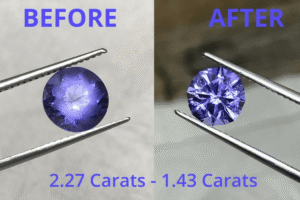
The internal flaws within sapphire significantly impact both the cutting process and the final appearance of the gem. The presence of feathers, needles, or crystalline minerals can dictate the cutter’s approach regarding purity and brilliance. The type and location of inclusions must be thoroughly examined using advanced technology including magnification and spectroscopy, ensuring that defects can be either minimized or fully concealed. Current market trends indicate that purchasers increasingly value “eye-clean” stones—those with inclusions not visible without magnification—placing greater pressure on cutters to conduct thorough analysis of inclusion placement during the lapidary process. Moreover, inclusions may compromise the stone’s mechanical stability, necessitating design modifications to eliminate weak areas that could shorten the stone’s lifespan. High-quality cutting affects not only aesthetics but also market value, emphasizing the need for precise planning and technical expertise when addressing inclusions.
The Importance of Precision in Gem Cutting
Precision in cutting is paramount as it enhances the gemstone’s quality in terms of color, clarity, and value. Accurate control of light entering and exiting the stone creates brilliance and color intensity, among other optical properties. If facets are improperly aligned or cuts are uneven, the stone loses its ability to refract light properly, diminishing its attractiveness. Additionally, precision cutting is essential for creating structurally sound gemstones, preventing the development of internal stresses or weak points that could lead to damage over time. Gem cutters who adhere to strict standards can transform rough stones into beautiful, high-quality gems that satisfy both market demands and artistic standards.
Defining Precision Cuts in Gemstone Cutting
Precision cuts in gemstone cutting involve shaping and faceting a stone with exacting accuracy to optimize its brilliance, fire, and overall visual appeal. This method enhances the gemstone’s brightness and sparkle through strategic facet placement that maximizes light refraction. Symmetry, proper proportions, and perfect cutting all significantly impact the gemstone’s value and durability. Skilled gem cutters create both beautiful and structurally sound gemstones by following scientifically established principles.
How Precision Affects Brilliance in Sapphires
The quality and appeal of sapphires are significantly enhanced through precision cutting methods. Cutters shape facets at precise angles to maximize light reflection and refraction. Recent consumer trends indicate that brilliance remains a major factor in gemstone selection, reflecting its continued importance in modern jewelry. Perfectly aligned facets allow light to enter and exit the sapphire efficiently, making the stone more luminous with vivid color. Furthermore, computer-aided cutting techniques enable gem cutters to achieve the highest precision while meeting industry standards and customer expectations. The combination of expert craftsmanship and technological innovation largely determines the brilliance, market demand, and overall perceived value of sapphires.
Tools and Equipment for Precision Cutting
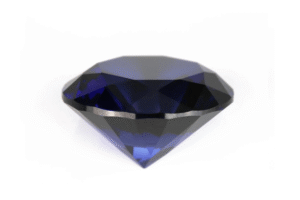
Precision cutting of sapphires requires exceptional, high-quality tools and equipment to achieve optimal results. Diamond-embedded saw blades and high-speed rotary cutting wheels are among the primary tools used for shaping and refinement. Ultrasonic cutting machines are frequently employed for intricate designs, providing complete control with minimal material waste. Advanced digital measuring devices like laser scanners ensure exact dimensions and perfect symmetry. Gem polishing laps utilizing fine diamond powder are essential for the final stage, creating sparkling and smooth gemstone surfaces. The combination of sophisticated tools and skilled craftsmanship enables high-quality cuts that meet industry standards.
Essential Equipment Checklist
- ✓ Diamond-coated saw blades for initial cutting
- ✓ High-speed rotary cutting wheels for refinement
- ✓ Ultrasonic cutting machines for intricate designs
- ✓ Laser scanners for dimensional accuracy
- ✓ Polishing laps with fine diamond powder
- ✓ Cooling systems for heat management
Techniques for Cutting Sapphire Crystals
Cutting sapphire crystals requires a meticulous procedure to ensure accuracy and preserve the material’s integrity. The process begins with orientation, where the sapphire is inspected to identify its natural crystal structure. Proper alignment minimizes stress and enhances the clarity of the stone. The rough sapphire is divided into manageable pieces through mechanical sawing, typically using diamond-coated blades. Next, faceting shapes the gemstone while preparing the surface for polishing using specialized cutting tools. Finally, polishing is accomplished with diamond powder until the desired luster and smoothness are achieved. Each step is executed with great care to improve both the gemstone’s optical properties and overall quality.
Steps to Cut the Gem Safely
Safe gemstone cutting is an exceptionally deliberate and painstaking process that ensures both material integrity and artisan safety. Below are the key stages involved to minimize risks and produce the highest quality output:
1. Preparation and Inspection
Conduct a thorough inspection of the rough gemstone to identify inclusions, fractures, or weak points that might cause problems during cutting. Use magnification tools like a jeweler’s loupe or microscope to accurately assess the stone’s structure. Mark cutting lines with non-permanent markers.
2. Selecting Equipment
Ensure proper use of cutting tools including a well-calibrated faceting machine and diamond-coated blades designed for high-precision cuts. Check and maintain equipment according to manufacturer’s guidelines to prevent mechanical failures.
3. Gemstone Stabilization
Use wax adhesive to attach the gemstone firmly to a dop stick, preventing movement during cutting and faceting. This reduces the risk of inconsistent results or breakage by eliminating any stone movement during processing.
4. Correct Speed Operation
Employ appropriate cutting speeds based on the gemstone’s hardness. Sapphires require a slow and gradual cutting process to avoid heat damage, whereas softer stones like opals need a gentle touch to prevent breakage.
5. Implementing Proper Safety Measures
Always wear protective eyewear and gloves during the cutting process to prevent injury from projectiles or sharp edges. Ensure the workspace is well-ventilated to minimize dust exposure generated during cutting and polishing.
6. Monitoring Cutting Techniques
Maintain a steady hand and apply consistent pressure to avoid cracking or uneven edges. Continuously apply water or coolant to the cutting surface to reduce friction and heat, protecting both the blade and the stone.
7. Final Inspection and Polishing
Carefully inspect the gemstone for any minor imperfections after cutting is complete. Follow with polishing using ultra-fine diamond powder or other grinding materials matched to the stone’s specific optical requirements. This final step ensures clarity, brilliance, and a smooth finish.
Different Sapphire Cuts and Their Benefits
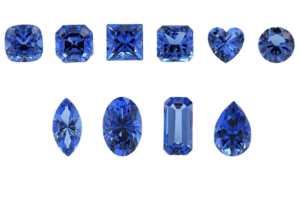
Sapphire cuts encompass various styles including round, oval, cushion, emerald, princess, asscher, marquise, heart, and pear, each offering unique brilliance, aesthetic appeal, and practical applications.
| Cut Type | Key Benefit | Appearance | Popularity |
|---|---|---|---|
| Round | Maximum sparkle | Symmetrical circle | Very high |
| Oval | Elongated look | Elegant oval | High |
| Cushion | Vintage charm | Rounded square | High |
| Emerald | Depth emphasis | Rectangular facets | Medium |
| Princess | Modern style | Square/rectangular | High |
| Asscher | Art Deco appeal | Stepped facets | Medium |
| Marquise | Unique elegance | Elongated oval | Medium |
| Heart | Romantic shape | Heart silhouette | Low |
| Pear | Versatile design | Teardrop shape | Medium |
Best Practices for Avoiding Damage
To maintain your jewelry in pristine condition and ensure its longevity, implementing certain protective practices is essential. These measures prevent damage and preserve both aesthetic beauty and structural integrity over time.
Remove During Activities
Always remove jewelry before engaging in activities involving physical force, harsh chemicals, or extreme temperatures such as swimming, cleaning, or exercising.
Regular Cleaning
Clean regularly with a soft, lint-free cloth to remove accumulated dirt and oils that can cause gemstones and settings to appear dull.
Proper Storage
Store jewelry in separate padded compartments or soft pouches to reduce the risk of scratches and impacts between pieces.
ProfessionalInspection
Schedule professional inspections at regular intervals to detect and correct issues such as weak prongs or loose stones before they cause damage.
Choosing the Right Lapidary Techniques
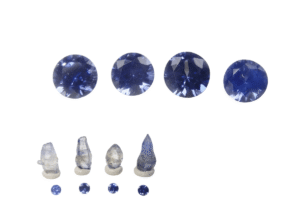
The selection of lapidary methods depends primarily on the stone’s physical characteristics and the desired final product. Diamond-producing techniques that highlight the superior properties of durable stones like quartz and sapphire are ideal for these materials. Conversely, slice cutting, which presents less risk of damage, proves most advantageous for softer gemstones like opal. All stones require polishing to achieve a glossy surface, and the selection of polishing agents should correspond to the stone’s hardness. For intricate designs, precision carving tools offer an effective alternative. Utilizing the correct tools and maintaining consistent attention to detail throughout the process ensures optimal results.
Lapidary Methods for Sapphire Cutting
Sapphires, with their exceptional Mohs hardness rating of 9, undergo a methodical and highly precise cutting process. Initially, the natural inclusions and growth lines of the sapphire are inspected to determine the optimal cutting direction, ensuring maximum transparency and optimal color distribution. Faceted cuts are typically preferred for sapphires, with common techniques including brilliant cuts or step cuts, both highly effective for enhancing light reflection and the stone’s overall brilliance.
Recent advancements in lapidary technology have demonstrated the effectiveness of diamond-coated tools for cutting and preforming sapphire stones. A diamond-fused grinding wheel cuts the rough material initially, followed by precise faceting at angles corresponding to the gemstone’s refractive properties. Computer-aided faceting machines have enabled greater precision and uniformity while minimizing human error during the cutting process.
The extensive polishing process removes micro-abrasions and imparts high gloss to sapphires. Although polishing agent selection varies depending on specific stone characteristics, cerium oxide and aluminum oxide are the most commonly recommended options. Maintaining a consistent balance between speed and pressure during polishing prevents heat generation that could introduce surface imperfections.
Evaluating the Karat and Its Importance
The purity of gold is determined by karats, with 24 karat representing the highest purity level. This measurement unit affects not only the metal’s price but also its durability and suitability for various applications. Higher purity gold commands premium market prices but exhibits greater softness and reduced durability, making it less ideal for jewelry requiring strength. In contrast, lower karat gold alloys such as 14K and 18K offer enhanced durability through the inclusion of other metals, though their intrinsic value may be somewhat lower. Proper karat grading ensures that gold properties align with intended use, whether for investment, manufacturing, or wearing. Reliable testing methods including acid tests or spectrometry are indispensable for accurate evaluation.
Comparing Sapphire Cuts to Diamond Cuts
Sapphire and diamond cuts encompass various forms including round, oval, cushion, emerald, princess, radiant, pear, marquise, asscher, and heart. However, the unique characteristics of each stone dictate the cutting process and result in different reflective properties in the final product.
| Key Point | Sapphire | Diamond |
|---|---|---|
| Hardness | Mohs 9 | Mohs 10 |
| Cut Complexity | High | High |
| Heat Sensitivity | Moderate | Low |
| Precision Need | Extreme | Very High |
| Light Dispersion | Moderate | High |
| Popular Cuts | Oval, Cushion | Round, Princess |
| Durability Focus | Essential | Essential |
| Cutting Tools | Diamond Saw | Laser Tools |
| Facet Accuracy | Critical | Critical |
| Cost of Cutting | High | High |
Sapphire crystal cutting has been revolutionized through state-of-the-art methods that prevent fractures and undesirable appearances. Diamond-coated tools specifically designed for this purpose cut the crystal with extreme precision while maintaining minimal internal stress. Heat generated during the process must be controlled through cooling systems to prevent quality degradation. The subsequent polishing stage employs superfine abrasives until the desired optical clarity and brilliance are attained. Patience and a systematic approach are critical factors for maintaining the structural quality of sapphire throughout the entire process.
Maintaining Quality During the Cutting Process
Quality control through continuous monitoring and adjustments at each stage is paramount during the cutting process. Crystal alignment is essential to prevent internal fractures and ensure the final product meets optical performance standards. Diamond-coated saws and ultra-fine polishing tools must be employed with precision to avoid structural damage. A uniformly maintained cooling system throughout the process minimizes heat stress and eliminates potential material distortions. A meticulous and precise cutting approach ensures the integrity and transparency of the final product, providing optimal durability and aesthetic value.
Assessing Quality Before and After Cutting
The entire cutting process must be accompanied by an extensive inspection protocol to guarantee optimal quality. Raw materials should be inspected thoroughly for defects such as microfractures or inclusions that could compromise structural strength before cutting commences. Recommended practices include utilizing advanced imaging techniques such as high-resolution microscopy or non-destructive ultrasonic scanning for reliable defect detection.
Post-cutting assessment is equally important, if not more so. In accordance with industry standards and recent scientific developments, optical interferometry and spectrophotometric methods should be employed to measure surface roughness and light transmission characteristics. Combining advanced inspection systems with ongoing monitoring processes enables manufacturers to achieve superior product accuracy and minimize error margins.
Common Mistakes to Avoid in Sapphire Cutting
Mistake in Selecting Saw Blade
Using incorrect saws, particularly those not diamond-coated, can result in micro-cracks and inefficient cutting. Studies confirm that diamond-coated blades reduce cutting defects by up to 40%, resulting in significantly better edge integrity.
Wrong Cooling Methods
Insufficient coolant during cutting causes thermal stress, potentially leading to cracks or material warping. Research indicates that coolant flow rates should exceed 1.5 liters per minute for optimal heat dissipation and minimal material deformation.
Lack of Proper Machine Calibration
Machines not calibrated for sapphire’s hardness (Mohs scale rating of 9) experience problems with uneven cuts or premature tool wear. Regular calibration every six months, as recommended by manufacturers, ensures precision is maintained.
Ignoring Pre-Cutting Inspections
Neglecting structural inspection, such as flaw detection or orientation analysis, may compromise end-product quality. Industry standards indicate that 25% of cutting failures could have been prevented through thorough pre-cutting analysis.
High Cutting Speed
Cutting speeds for sapphire exceeding recommended ranges (normally 50-100 mm/min) cause material overheating and micro-fractures. Maintaining cutting speeds within optimal ranges reduces material damage likelihood and improves overall process efficiency.
Final Touches for Enhancing Gemstone Brilliance
Achieving maximum gemstone brilliance requires employing superior polishing techniques with progressively finer abrasives to eliminate surface imperfections. Conduct steady inspections under high-intensity lighting to identify and rectify even the smallest defects. Additionally, perform precisely controlled cleaning procedures to remove all residues, ensuring the gemstone’s surface achieves the highest levels of light refraction and clarity.
Key Polishing Principles
- Use progressively finer abrasive compounds to gradually refine the surface
- Maintain consistent pressure and speed throughout the polishing process
- Inspect frequently under magnification to monitor progress
- Clean thoroughly between polishing stages to prevent contamination
- Utilize appropriate polishing agents matched to the stone’s hardness
Frequently Asked Questions
What makes cutting sapphire crystal significantly more challenging than other materials?
Sapphire ranks 9 on the Mohs mineral hardness scale, just below diamond at 10, making it one of the most difficult materials to cut. This exceptional hardness and brittleness make sapphire highly resistant to scratches but also prone to cracking or breakage when improper stress is applied. Consequently, conventional cutting tools made of steel or carbide are ineffective; only diamond-based tools can cut sapphire without causing structural damage.
What is the primary method used for precision cutting of sapphire?
The leading technique for precision sapphire cutting is diamond wire sawing. This method utilizes wire embedded with diamond segments that gently grind the material as the wire moves across the sapphire block or ingot. This process results in reduced material waste (kerf loss) and less internal damage compared to traditional blade sawing, preserving structural integrity.
Why is coolant usage critical during the sapphire cutting process?
Significant heat is generated during cutting due to friction between the diamond tool and hard sapphire crystal. Without proper cooling, this thermal energy causes thermal shock, creating micro-cracks or large fractures in the crystal lattice. Continuous, high-volume coolant flow—typically a water-based solution or specialized oil—is essential for heat dissipation, lubrication at the cutting interface, and flushing microscopic debris to prevent tool binding.
Can laser cutting be used for sapphire, and what are its advantages?
Yes, laser cutting represents one of the most advanced techniques for sapphire processing. The laser provides non-contact cutting that eliminates mechanical stress on the material. In stealth dicing, laser energy focuses inside the sapphire to create a modification layer allowing clean separation with minimal debris. This method proves particularly beneficial for cutting thin sapphire wafers used in electronics due to its high precision and reduced need for subsequent polishing.
How do manufacturers prevent chipping at the edges of sapphire during cutting?
Edge chipping frequently occurs due to mechanical vibration or excessively high feed rates. Technicians employ several methods to address this challenge:
- Optimized Feed Rates: Reducing cutting speed lessens the mechanical load on the crystal
- Fine-Grit Diamond Tools: Producing wires or blades with very small diamond grit sizes creates smoother surfaces with less force on corners
- Sacrificial Mounting: Placing sapphire on a “sacrificial” backing material (e.g., glass or graphite) provides support to the bottom edge, preventing chipping when the tool exits the cut
What role does crystal orientation play in the cutting process?
Sapphire is an anisotropic material, meaning its physical properties vary depending on crystal lattice direction (e.g., A-plane, C-plane, R-plane). Cutting through certain crystallographic planes can create challenges due to variations in hardness and cleavage tendency. Therefore, skilled engineers must orient the cutting direction according to crystal orientation to achieve maximum cutting speed and surface quality, ensuring the final product meets optical or mechanical requirements for its intended application.
Conclusion
Cutting sapphire crystal without damage represents a sophisticated discipline that combines scientific knowledge, advanced technology, and expert craftsmanship. Success requires understanding sapphire’s unique properties, selecting appropriate diamond-based tools, maintaining precise control throughout the cutting process, and implementing rigorous quality control measures. By following the techniques, best practices, and safety protocols outlined in this guide, both professionals and enthusiasts can achieve exceptional results that preserve the structural integrity, optical clarity, and aesthetic beauty of this remarkable material. Whether for industrial applications, jewelry creation, or technological components, mastering sapphire cutting opens doors to unlimited creative and functional possibilities. Recommend reading: Hard and Brittle Material Cutting Wire Saw | Precision Diamond Wire Saw Machine
Related Posts

Trending Blogs

![Polysilicon Material: Properties, Grades & Uses [Guide]](https://wiresawcutter.com/wp-content/uploads/2026/08/polysilicon-material-featured-150x150.webp)