
Get in touch with DONGHE Company
-
Phone: +86 181-1645-5490
-
Email: Sales18@DongheScience.com

Cutting Optical Glass with Diamond Wire Saw: Complete Guide

In applications ranging from electronics, telecommunications, scientific instruments, and medical sectors, optical glass cutting requires exceptional accuracy and precision. Diamond wire saw technology has become an essential cutting instrument where precise cuts and high speeds are concerned. This comprehensive guide expounds on cutting principles using diamond wire saw technology, with emphasis on technical and practical aspects. Whether you’re involved in glass production or seeking to improve your manufacturing practices, this guide provides a complete explanation of how diamond wire saws work, how to cut glass precisely, and how to combat challenges like breakage or mis-cutting for achieving fine workmanship.
Introduction to Optical Glass Cutting

Optical glass cutting is the technical practice of cutting or resizing glass-made lenses into precise designs before final fitting. This process requires sufficient control to avoid breaking surfaces, chipping component edges, or introducing unnecessary mechanical stress to optical elements. Diamond wire cutting and laser technologies are commonly employed due to their high precision, efficiency, and minimal material waste. Successful optical glass cutting results from an ideal combination of tool design, material properties, and operator expertise.
What is Optical Glass?
Optical glass is a specialized technical glass fabricated to control and shape light according to specific requirements, making it essential in optics and photonics. It features exceptional clarity with minimal deviation of propagating light. This is achievable only through precise manufacturing methods and strict process control. The composition of optical glass—determining which substances are added to raw silica, in what quantities, and under which conditions—is fundamental to its properties.
Modern fabrication techniques enable adjustment of refractive index and dispersion characteristics. Optical glass currently used in the market primarily consists of crown glass and flint glass, each modified to meet particular demands such as low-dispersion or high refractive index requirements. Beyond conventional applications in spectacles and microscopes, optical glass cutting serves numerous advanced technology applications including telescopes, camera lenses, fiber optics, and lasers. Recent innovations in thermal methods and shape retention processes have enabled creation of aspheric optical glasses with enhanced properties, reinforcing their critical role in modern equipment design and manufacturing.
Importance of Precision in Glass Cutting
Precision in glass cutting is fundamental to the performance, durability, and functionality of glass products across multiple industries. Erroneous cutting techniques can create minute edge expansions leading to cracks in the final product. This is particularly critical in aerospace, electronics, and medical surgery applications where even minor imperfections can compromise position or performance.
Key Factors to Consider for Precision Cutting
- Dimensional Tolerance: High precision cutting ensures glass components meet critical tolerances required for applications such as optical lenses or electronics thin films.
- Edge Finish: Proper edge finishing is essential at stress deflection and sealing points to prevent cracking.
- Material Loss Prevention: Accurate cutting and measuring processes minimize material waste, achieving efficient and cost-effective production.
- Advanced Coating Compatibility: Precision cutting creates surfaces suitable for coating processes such as anti-reflective and conductive coatings in high-technology devices.
- Consistency with Automated Equipment: Uniformly cut glass pieces integrate easily into automated assembly lines, vital in semiconductor and consumer electronics industries with mass production scales.
Overview of Optical Glass Cutting Techniques
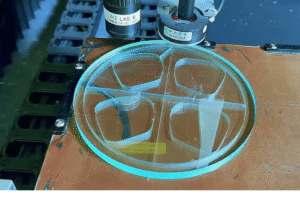
Precision-based processes are essential to preserve material structure and dimensions in optical glass cutting. Various techniques are employed depending on project objectives, including diamond scribing, waterjet cutting, and laser beam cutting. Diamond scribing enables semi-controlled fracturing along predetermined lines, while laser cutting performs edge cleavage through heat. Waterjet systems operate at very high pressures with abrasives, conducting the process without significant thermal distortion or material stress. These methods are selected when maintaining the highest precision and most rigid tolerances is essential.
Common Cutting Methods in the Industry
These methods are frequently employed in electrical engineering, aerospace, and machinery production, selected based on material type, precision requirements, and final object function.
Laser Cutting Techniques
Laser cutting employs focused light to cut various materials and can also be applied for engraving or etching purposes. Three important methods characterize laser cutting technology:
Three Primary Laser Cutting Methods
- Fusion Cutting: Applies inert gases (nitrogen or argon) to blow off molten material from the cut surface. Ideal for stainless steel or aluminum where edge oxidation must be avoided.
- Flame Cutting: Employs oxygen as assist gas which reacts with heated material, enhancing laser energy efficiency for cutting thicker steel materials.
- Sublimation Cutting: Suitable for thin optical glass cutting applications; achieves clean cuts through direct solid-to-gas transition without melting.
Laser cutting applications are widely recognized in custom metal fabrication, medical device production, and automotive manufacturing. This technology continues growing strongly in both industrial and artistic spheres due to its economy, material versatility, and accuracy.
Diamond Wire Saw Cutting
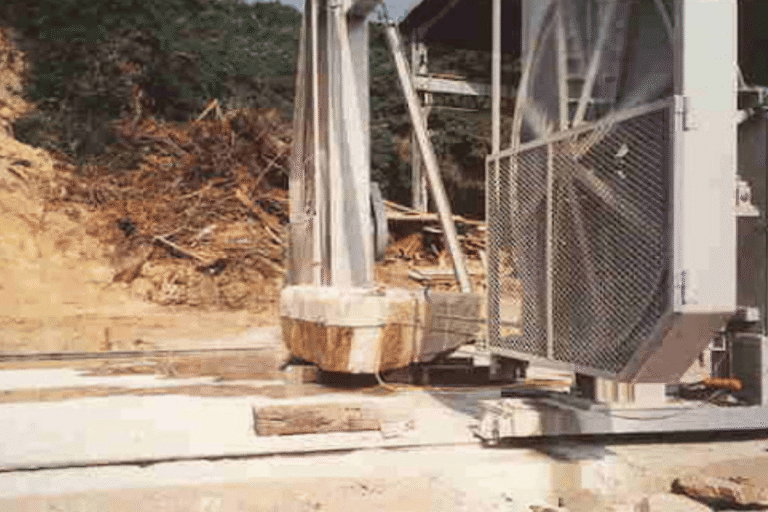
Diamond wire saw cutting represents advanced technology that has emerged as a highly effective solution across multiple sectors requiring uniform quality of sliced materials. Industries including construction, microprocessor manufacturing, and decorative stone production benefit significantly from this method. The process involves wire with abrasive beads or segments attached, achieving negligible material wastage, minimal vibrations, and remarkable surface finish. The ability to cut hard surfaces like granite, concrete, and silicon to strict thickness tolerances with extreme accuracy has made this process irreplaceable for applications requiring cutting precision in materials resistant to deformation.
Milling and Grinding Techniques
Both milling and grinding techniques are employed for material cutting and surface finishing. Milling produces vertical, horizontal, or ball-milled surfaces using rotary cutters that remove material from the workpiece. The technique’s high flexibility enables production of complex shapes across diverse resources including metals and non-metals. Grinding techniques obtain fine surface finishes and high accuracy using grinding wheels. These disciplines are essential in high-precision industries such as aviation, automotive, and rapid tooling where surface and dimensional accuracy are paramount.
Challenges in Optical Glass Cutting

Optical glass cutting presents significant challenges due to material hardness and brittleness. Achieving precision without causing surface damage such as micro-cracks or fractures requires highly controlled environments and sophisticated cutting practices. The cutting process must minimize thermal stress to avoid distortion and changes in optical properties. Edge quality is imperative because any defects affect glass performance in optical applications. Material waste and dimensional specificity add further challenges, especially for customized shapes. Specialized measures and instruments must be employed to achieve required quality levels.
Common Issues Faced by Professionals
Achieving precision without damaging material remains a key challenge in optical glass cutting. Without strict process control, fractures, uneven surfaces, and dimensional variations become prevalent. Equipment must be constantly tuned to material specifications, whether changes involve thickness or material type. Balancing efficiency and quality requirements for optical and industrial applications is a recurring challenge, necessitating continuous improvement in methods and equipment.
Impact of Material Quality on Cutting
The effectiveness, precision, and success of cutting processes are dictated by material quality. Critical considerations in assessing material impact on cutting effectiveness include:
⚠️ Critical Material Quality Factors
1. Hardness Variations:
Materials with varying hardness values cause uneven cutting tool wear, shortening service life and accuracy. Steel alloys with hard spots subject tools to chipping, necessitating additional passes and resulting in expensive production.
2. Surface Quality:
Surface defects such as scratches, burrs, or films present challenges during processing. Parts typically require cleaning or polishing first, making the process more burdensome.
3. Material Uniformity:
Uniformity refers to even distribution of molecules or atoms without irregular layers or pockets. Crystal silicon offers simple cutting due to high purity, while polycrystalline silicon presents challenges with multiple crystal orientations. Irregularities in material concentration cause varied and unstable cutting conditions, potentially resulting in distorted cut lines, structural weaknesses, and process destabilization.
4. Moisture Content:
Materials like wood and certain polymers are highly hydrated. At higher humidity, materials become denser and offer more cutting resistance, while dry materials tend to break up and emit dust during cutting.
5. Temperature Resistance:
Many substances including plastics or optical glass may buckle, shatter, or melt due to overheating during cutting. Additional cooling mechanisms, appropriate cutting speeds, and proper feeds are advisable in such cases.
Consideration of these material parameters and potential improvements provides effective enhancement of cutting precision and efficiency, particularly in high-precision and high-density assemblies.
Mitigating Risks in Optical Glass Cutting
Effective risk mitigation in optical glass cutting requires adopting advanced methodologies and precision tools addressing unique process challenges. Minimizing stress-induced fractures is a primary concern, as these can compromise material optical quality. Utilizing diamond-coated cutting tools paired with ultra-precise CNC machinery ensures minimal material stress while maintaining tight tolerances. Implementation of waterjet cutting or laser-assisted technologies allows enhanced precision and reduced thermal damage risk, especially for intricate designs or thin glass substrates.
Environmental controls such as vibration isolation and cleanroom conditions are critically important to prevent micro-contaminants or external forces from affecting the delicate cutting process. Real-time monitoring systems enabled by IoT (Internet of Things) advancements ensure immediate irregularity detection, enabling quick operational adjustments. Combining these approaches with thorough material analysis and tailored process parameters, industries achieve superior optical glass quality while reducing costly production defects.
Precision Techniques for Optical Glass

Manufacturing fine optical glass employs specific techniques aimed at reducing imperfections and improving clarity to the greatest extent possible. Important steps include advanced polishing techniques using ultra-finishing processes to produce smooth, flawless surfaces. Various shaping approaches are adopted to form products as close to final specifications as possible with minimal finishing required. Temperature and environmental factor control during manufacturing is crucial because expansion or contamination phenomena can occur. These processes collectively guarantee optical glass performance with protective characteristics and minimal flaws.
Laser Systems and Their Advantages
Laser systems provide unprecedented precision and efficiency across numerous applications. From industrial machining to medical treatments, they offer distinct advantages including high precision, minimal material usage, and ability to create complex shapes. Their non-contact operation eliminates mechanical material damage, while versatility makes them applicable across different industries. The capabilities of laser technology enable communication systems, scientific research, and manufacturing to develop to new levels, positioning lasers as key drivers in contemporary innovation.
Using CNC Machines for Precision Cutting
CNC technology is an essential component of manufacturing processes across industries due to its versatility in material processing without compromising efficiency or precision. Following computer programs that enable automation, these systems enhance productivity with highly accurate cutting operations.
Five Main Advantages of CNC Machines for Precision Cutting
1. Exceptional Cutting Accuracy and Precision
CNC machines achieve tolerances within 0.001 inch (0.0254 millimeters), essential for manufacturing aerospace components or medical devices requiring extreme precision.
2. Consistent Quality in Repeated Operations
Digital CNC equipment produces components repeatedly with minimal variation in programmed structure, maintaining standards even in large batch production.
3. Extensive Material Versatility
These devices process a wide range of materials from metals (aluminum, steel, titanium), plastics, wood, and composite materials for deployment across multiple industries.
4. Enhanced Productivity and Speed
CNC machines operate at high cutting speeds, enhancing productivity over manual processes while maintaining accuracy and improving operator performance.
5. Reduced Waste and Cost Savings
CNC machines optimize production processes while minimizing material waste and errors, reducing costs and leading to enhanced manufacturing efficiency.
CNC machines are vital in manufacturing operations emphasizing high accuracy, mass production capability, and production efficiency.
Edge Finishing and Lens Edging Techniques
Edge finishing and lens edging methods require utmost perfection and quality for performance and appearance control. High-efficiency CNC edging machines perform beveling, polishing operations, and custom edge shaping with specialized accuracy. Preventing optical glass distortion and projecting enhanced strength are critical factors, especially for high-precision and clear vision applications.
Safety Protocols in Optical Glass Cutting
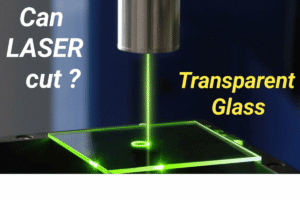
Maintaining high safety standards in optical glass cutting is essential for accident prevention and process control. All operators must wear appropriate personal protective equipment (PPE) including safety glasses, gloves, and masks against glass particles and dust. Sufficient ventilation is mandatory in work areas to control airborne particles. Machinery requires regular periodic servicing to avoid breakdowns, and safety covers must always remain in place. Providing workers with specific task instructions and safety training narrows risks and guarantees workplace safety.
Essential Safety Equipment
🛡️ Required Safety Equipment Checklist
- Safety glasses or protective eyewear
- Cut-resistant gloves
- Dust masks or respirators
- Protective clothing and aprons
- Safety boots with reinforced toes
- Ear protection for noisy operations
- First aid kits readily accessible
- Fire extinguishers (appropriate types)
Best Practices for Handling Optical Materials
When working with optical glass components, precise handling procedures must be followed to protect features and performance. Dust, skin oils, and debris can compromise seamless optical performance. Using finger gloves or cots is recommended to prevent contamination from touching surfaces. All optical surfaces must be kept clean and dry without temperature fluctuations, even when stored in carrying cases.
Antistatic equipment (mats, tools) is advised to prevent electrostatic discharge damage to coatings or delicate parts. Working in a non-abrasive manner using compressed air, specific microfiber cloths, and approved optical cleaning solvents throughout cleaning operations is highly recommended. This ensures design tools don’t wear out and equipment doesn’t deviate from specifications—critically important in telecommunications equipment, medical optical instruments, and scientific equipment with precision moving elements.
Emergency Procedures in the Cutting Process
During emergencies, swift and accurate action must be taken to protect personnel, machinery, and operational continuity. The following measures align with current guidelines and industry data:
Emergency Response Protocol
- Immediate Shutdown: Stop the machine using the emergency button. Modern machinery features safety systems that automatically cut power when activated.
- Power Isolation: Ensure electrical, hydraulic, and pneumatic power supplies are shut off. Follow LOTO (lock out/tag out) procedures to prevent accidental machine activation.
- Hazard Assessment: Check problem severity for risks such as temperature increase, ignition, or potential component failure. Take preventive action, such as using appropriate fire extinguishers for metal or electrical fires if necessary.
- Material-Specific Response: For issues involving materials such as glass or fiberglass, address fires using water or suitable fire extinguishers as appropriate.
- Monitor Environmental Conditions: Observe noise and vibration levels in cutting operations. Equipment users should monitor themselves for exposure to excessive noise and vibration conditions.
- First Aid and Emergency Assistance: Administer first aid according to established standards and evacuate affected individuals to ensure their safety. For serious conditions, notify emergency response teams immediately.
- Incident Documentation: Write comprehensive reports about incidents including causes, measures applied, and equipment status. This information assists investigations and informs process improvement decisions.
Proper observance of these procedures combined with periodic safety education and safety management significantly minimizes emergency occurrence and damage during optical glass cutting operations.
Future of Optical Glass Cutting Technologies

A new chapter in optical glass cutting is emerging due to innovations in precision machinery, automation, and materials science. Breakthrough approaches including ultra-rapid laser ablation using femtosecond pulses are transforming the process through enhanced accuracy with minimal heat-affected zones. Cutting machines will increasingly adapt to real-time conditions, perform predictive diagnostics, and operate more efficiently through artificial intelligence integration.
Research demonstrates additive manufacturing processes being integrated with conventional methods to manufacture increasingly complex optical components. Ongoing development of new coatings and treatments for optical glass addresses durability and anti-reflection challenges, enabling materials to handle harsh conditions in high-density applications such as telecommunications, medical imaging, and aerospace industries.
Statistical studies and analytical reviews indicate market demand for automated solutions capable of handling higher volumes with reduced waste due to increased competition. Companies investing in smart manufacturing technology and environmentally sustainable practices are positioned to become frontrunners in optical glass cutting innovation.
🚀 Emerging Technologies in Optical Glass Cutting
- Femtosecond laser ablation for ultra-precise, heat-free cutting
- AI-powered adaptive cutting systems with real-time parameter optimization
- Hybrid additive-subtractive manufacturing for complex geometries
- Advanced anti-reflection and durability coatings
- Automated high-volume processing with minimal waste
- Predictive maintenance and diagnostic systems
Conclusion

The significance of establishing timely safety standards and maintaining operational excellence in optical glass cutting processes cannot be overstated. Reducing risks and preventing workplace dysfunction requires implementing appropriate documentation, education, and equipment maintenance programs along with advanced process control procedures. Comprehensive information and strong supporting documentation enable effective emergency response and prevention. Implementation of proper safety protocols ensures operations remain stable and efficient even under challenging conditions.
Final Thoughts on Precision and Safety
Accuracy is paramount in optical glass cutting operations. Achieving high precision and maintaining the highest safety standards requires appropriate technology, meticulous processes, and commitment to continuous improvement. Maintaining focus in these directions yields excellence even in the most challenging industries.
Resources for Further Learning
To advance your knowledge of optical glass cutting, examine industry periodicals such as Optical Fabrication & Testing Technical Papers, or consult established standards from organizations like the International Commission on Glass (ICG). Technology insights and practice improvements can be found by engaging in webinars, whitepapers, or courses offered by optical cutting equipment manufacturers. Recommend reading: Gantry Diamond Wire Saw: Precision Cutting Technology
Frequently Asked Questions (FAQs)
What are the main methods for optical glass cutting?
Several types of optical glass cutting are preferred depending on precision requirements, material type, and production volume:
- Scribing and Breaking: This classical process makes a line on glass using diamond or tungsten carbide scribing tools, then applies breaking force along the scribed line. Recommended for simple geometrical shapes and thick substrates.
- Diamond Sawing: Applies rotary wheels or wire saws embedded with diamond particles. Achieves high accuracy for thick, intricately shaped, and hard optical materials. Diamond wire sawing particularly reduces kerf thickness and subsurface damage.
- Laser Cutting: Relies on accurately focused laser beams to remove or vaporize material through heat for clean, perfect cuts. Especially suitable for thin, brittle, or complex-shaped components with minimal force application.
- Abrasive Waterjet Cutting: Uses concentrated water streams containing abrasive materials. This cold cutting method causes no thermal stress, making it effective for varied design capabilities.
What instruments and devices are needed for high-precision cuts?
Appropriate tool selection plays a major role in attaining required dimensional precision and surface finish for optical components:
- Mechanical Cutting: Precision tools such as single crystal diamond scribers and diamond grit-embedded saw blades.
- Diamond Wire Sawing: Steel wire with adequate tensile strength bearing evenly dispersed diamond particles of specific micron sizes for efficient cutting and minimal kerf loss.
- Laser Cutting: System configuration includes laser sources (CO2, excimer, or femtosecond lasers), high-precision focusing optics, and CNC motion systems ensuring submicron-accurate complex cutting paths.
What problems are encountered in optical glass cutting?
Optical glass cutting faces several material-related challenges:
- Brittleness: Glass is prone to fracture, chipping, and microcracks under mechanical loading. Preventing subsurface damage is critical for optical glass products.
- Thermal Shock: Rapid or uneven temperature changes cause internal stresses resulting in cracks. This is especially important in laser cutting where heat must be properly managed.
- Dimensional and Geometrical Tolerances: Optics require very high precision for thickness, surface shapes, and parallelism. Meeting these specifications consistently requires rigidly controlled processes and precision machinery.
- Material Diversity: Optical glasses comprise various structures and properties (silica, borosilicate, sapphire). Each material requires different parameters and techniques for optimal cutting.
How is cutting precision assured?
Achieving high precision in optical glass cutting involves sophisticated equipment, proper controls, and accurate measurement techniques:
- Optimizing Process Parameters: Cutting speed, feed rate, tool pressure, laser power, and coolant flow must be controlled and optimized for specific glass types and desired conditions.
- Vibration Damping: Equipment must be rigid and well-isolated to reduce vibration transfer to workpieces, preventing surface scratches and shape distortions.
- In-Process Monitoring: Advanced real-time monitoring systems adjust parameters during processing to maintain quality throughout cutting cycles.
- Post-Process Metrology: Components are measured using precision equipment such as interferometers, profilometers, and coordinate measuring machines (CMMs) to ensure specification compliance.
What are the essential best practices for optical glass cutting?
Best practices are required for manufacturing high-quality optical components:
- Material-Specific Approach: Identify the optical glass type and prescribe suitable cutting methods capable of working with that material.
- Tool Maintenance: Ensure proper and timely maintenance of cutting tools. Blunt scribers, worn diamond saws, or misaligned laser optics lead to poor quality cuts and component rejection.
- Coolant and Debris Control: Effective coolant management prevents heat buildup and abrasive debris that cause surface scratches during mechanical cutting.
- Minimize Post-Processing: Aim for efficient cutting where shaped parts nearly match final dimensions with minimal additional polishing or grinding required.
How does accurate cutting play a crucial role in modern technologies?
Most cutting-edge machines and devices depend on efficient optical component performance:
- Telecommunications: Data transmission over optical fibers requires precisely cut glass components that cause no signal obstruction or loss.
- Electronics: Glass substrates must be precisely diced for displays, CMOS and CCD cameras, and MEMS devices where device function depends entirely on cutting precision.
- Medical and Research: Smooth, flawless surfaces are necessary for lenses, prisms, and flat glass windows. Precise laser cutting is critical as minute flaws could cause adverse result changes or interfere with apparatus effectiveness.
This article provides comprehensive technical guidance on optical glass cutting with diamond wire saw technology. For optimal results, always follow manufacturer specifications and industry safety standards.
Related Posts
Trending Blogs

![Polysilicon Material: Properties, Grades & Uses [Guide]](https://wiresawcutter.com/wp-content/uploads/2026/08/polysilicon-material-featured-150x150.webp)