
Get in touch with DONGHE Company
-
Phone: +86 181-1645-5490
-
Email: Sales18@DongheScience.com

Graphite Cutting Methods: EDM vs Wire Saw vs Milling

Introduction to Graphite Cutting Techniques
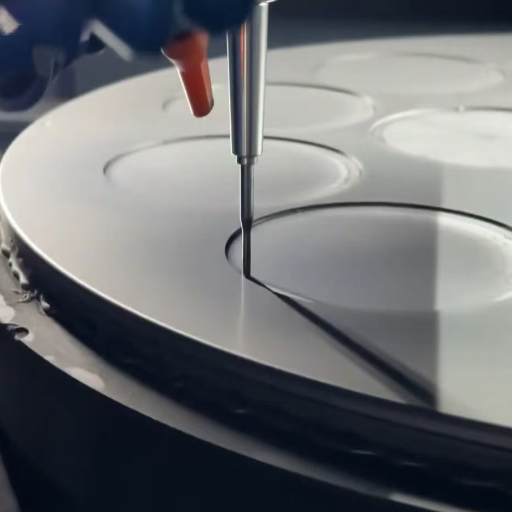
Graphite has its merits in terms of hardness, conductivity, or say, unparalleled thermal conditions which enable its many industrial uses; however, such peculiarities involve certain inconveniences, especially in mobilization or say, cutting. On this basis, graphite cutting methods are three:
Method 1
EDM
The process is highly accurate while being based on the use of electric sparks. This is a perfect design to make, especially since that design shape is not a good way to market. But the operating costs can increase.
Method 2
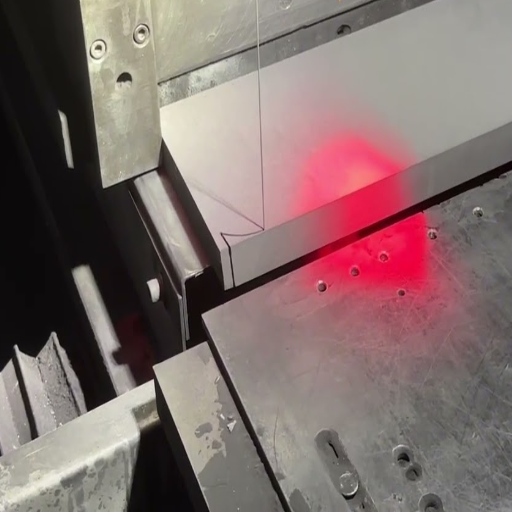
Wire Saw Cutting
The technique employs an abrasive wire for cutting, resulting in very little or no loss of material while cutting both larger blocks and smaller objects. This process enables making thin and very precise cuts over a long period of time, but is slower than other technologies.
Method 3
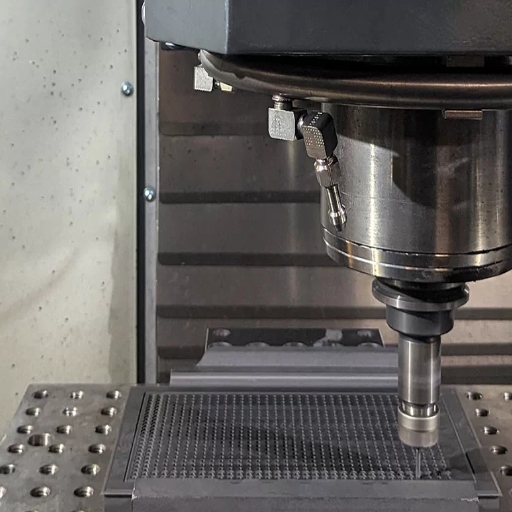
Milling
This other technique encompasses different ways of cutting and is mostly used for large sizes. It is quicker; however, there is excessive material wastage, and more complex equipment is needed for cutting.
Every technique has both advantages and disadvantages. Stitch work mainly involves those that require accuracy, time efficiency, and cost factors, which are what matter the most.
Overview of Graphite as an Industrial Material
Graphite is one of the allotropic forms of carbon in which carbon atoms are bonded in crystalline form and has its own properties, such as very high thermal conductivity, superior electrical conductivity, and, on top of that, excellent lubricity. Also, it being chemically inert, while having great resistance to high temperatures and easy corrosion, makes it suitable for harsh conditions. Moreover, graphite is classified into natural and synthetic forms depending on the use.
🪨 Natural Graphite
Certain types of graphite obtained from ores are referred to as natural graphite. Since it naturally occurs in two forms, flake and amorphous, respectively, it has the most significant applications in refractories, batteries, and lubricants.
⚗ Synthetic Graphite
The synthetic graphite is a product of carbon atoms that have been processed to a high degree. It is ideal and required in many fields whose nature is highly controlled: space technology, the semiconductor industry, and even nuclear engineering.
Numerous key industries rely heavily upon graphite as it is one of the most versatile materials known today. It is important for electric vehicle technology as one of the components of a lithium-ion battery; this means that it is also fundamental in the production of steel; it is also greatly employed in manufacturing electrodes for EDM processes. More than that, graphite is also used in the high temperature gaskets, seals, and composites where physical demands are high. On the whole, it is the performance and versatile nature of it which help to both maintain and expand its use as a key material in respective industries.
Importance of Precise Cutting Methods in Graphite Machining
Graphite cutting methods are particularly important in machining this material because of its physical characteristics, for instance, its tendency to break easily or fracture in a certain direction, only to mention a few. Graphite cutting methods help in reducing the amount of wastage as well as chipping for instance in the case where one is using the sharp hard edges for cutting parts of the material and this technique ensures the general purpose graphite does not break down or rather cut it into smaller pieces every time it is used most especially when cutting electrodes for electrodes, and other very high precision elements such as aerospace parts. The use of newer methods, such as diamond-coated cutting tools and computerised numerical control (CNC) machines, provides accuracy and prevents the wear of tools and the exposure to contaminants. More so, in any given application, these methods provide the ability to maintain certain dimensions and very small tolerances, which are more important in industrial applications of different functional graphite parts. The appropriate improvement of machining processes as such promotes productivity, helps to increase the quality of products, and prolongs service times for both tools and crafted parts.
Introduction to the Three Primary Methods: EDM, Wire Saw, and Milling
There are three graphite cutting methods in practice, such as electrical discharge machining or EDM, wire-saw cutting, and milling, and each has its own advantages for different cases. As a tool for the removal of material, EDM is employed when extremely intricate shapes with great accuracy and detail are needed, since it reduces the risk of damaging the workpiece surface. Unlike this, the cutting method wire sawing involves using a wire covered with a diamond abrasive coat, which is stretched to the limit, and the segments are precision cut, such as for large blocks of graphite, where the thickness of the element to be cut is at its minimum. The third method, milling, is a more general and conventional method where the cutting tools rotate to shape the graphite in any given geometry and is typically used when large amounts of material need to be removed, or special shapes are to be formed. Knowing when to use each of these processes depends on evaluating the machining capabilities and the extent to which surface characteristics and tolerance requirements of any structural or functional component can be achieved.
Understanding EDM for Graphite Cutting
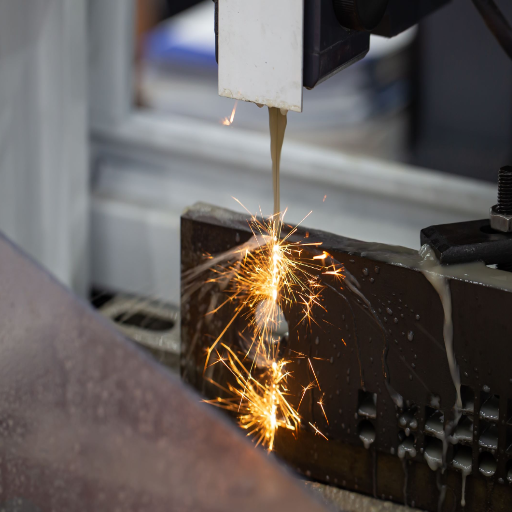
Contrary to popular belief, Electrical Discharge Machining or EDM is considered the best and the most precise non-contact graphite cutting technology, which uses electric discharges or very fine electro erosion sparks that cut through the material. It works on the high electrical conductivity of the graphite, which easily allows the workpiece to be made in complex and complicated forms, even without introducing much mechanical wear or distortion. The process of an EDM is very advantageous in the case where very small tolerance limits are expected and where designs are intricate. In such instances, it is possible to have the best finish of the surface and the finest details. In addition to this, it serves to reduce the wear on the tools used and also allows one to work on difficult-to-cut materials. Nevertheless, it should be noted that some characteristics should be taken into consideration when maximizing the use of EDM in a high-output manufacturing system, such as the fact that it is a slow material removal system as compared to milling, and in the case of EDM, there is a requirement to control the dielectric fluid present.
What Is EDM (Electrical Discharge Machining)?
Wire erosion employs electricity to shape or cut electrically conductive workpieces, including hardened steel, titanium, and its alloys, etc. The principle of material removal involves the phenomenon of spark erosion caused by electrical discharges between an electrode and workpiece material. For this purpose, a special type of fluid known as dielectric fluid is used, which prevents sparks from occurring, washes away the debris, and provides cooling to electrodes and workpieces. The Electrical discharge machining (EDM) process is very appropriately applied for cutting materials having complicated shapes, detailed features, and high tolerance requirements, such as tool steels, tungsten carbide, and advanced materials. This specifically finds uses in the fabrication of materials that require extreme dimensional control and surface smoothness, such as aerospace fittings, medical instruments, and plastic tooling elements.
How EDM Works in Graphite Machining
In EDM, low-resistance electrodes are usually required for effective erosion, and that is where graphite comes in. The predominant role of the graphite electrode is to control the electric spark’s energy so it can be used to shape or erode the metal workpiece. This works in favor of graphite electrodes because of their easy-to-machine products, wear-resistant properties even at high temperatures, and objects come back to their original size after heating. In the course of operations, the dielectric oil isolates the electrodes from the sparking area, aids in the cooling of the electrodes, and removes debris from the machining gap. The electrical flashes produced at the tip of the graphite electrodes and the metallic workpiece are balanced in such a way that the metal surface evaporates or melts at microscopic positions with high precision. This technology has the added advantage of reducing heat-induced damage to the work surface, which is critical for manufacturing high-quality components with defined geometric features.
Advantages of Using EDM for Graphite Cutting
1
Accuracy and Control
A measure of how well the tool can cut is the Electrical Discharge Machining (EDM) process, whose versatile nature enables excellent manufacturing precision and accuracy. For instance, it is excellent for graphite cutting methods where extreme precision and complex details, such as hollow tubes or sharp corners, would be involved.
2
Low Material Deformation
One reason may be that there is no contact between the workpiece and the tool; therefore, there shall be no rays or reactions applied to the graphite during EDM processing. In this case, the integrity of the materials is maintained as folks are afraid to look at machined parts for fear of breaking or deforming them.
3
Ability to Machine Intractable Materials
Graphite, being hard and fragile, makes it difficult to machine conventionally. In all those cases, EDM works wonders, since it is capable of cutting any leveled and thick materials without any loss of shape.
4
Lower Downtime
In conventional machining, graphite cutting is highly abrasive, which results in the quick wearing of the cutting tool. However, EDM graphite cutting methods lessen the problem as the cutting methods change from mechanical cutting tools to electrical erosion-discharge tools, which in turn elongate the useful life of the tools and reduce the maintenance expenses.
5
Superior Surface Finish
Comparatively, very low-surface finishes are obtained using EDM processes, which eliminates the need for additional processing or minimizes it if applicable.
6
Increased Productivity in Manufacturing of Complicated Components
EDM enables one to easily and productively create very intricate profiles, such as those required in die or electrode fabrication services, amongst others, thereby reducing the production turnaround time.
Wire Saw Cutting for Graphite
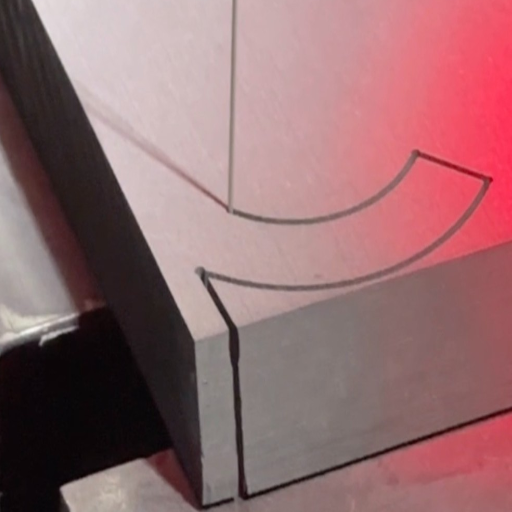
Wire saw technology is almost becoming indispensable in any graphite processing application due to its precision and efficiency. Here are a few points illustrating its merits and uses:
Material Utilization
The precise nature of the cutting technique minimizes material wastage, hence allowing high yields even on complex geometries.
Dimensional Accuracy
Timely redress is ensured for this approach in the dimensions to be addressed.
Smooth Surface Finish
The cutting technique produces surfaces with minimal finishing processes, as finishing operations barely have any work to do.
Delicate Materials
Minimal mechanical pressure makes it perfectly suitable for fragile graphite that is prone to fragmentation or cracking.
Multipurpose
The process can also be used to cut out intricate shapes and variable thicknesses as required for different industry purposes.
Principles of Wire Saw Technology
Graphite cutting methods, such as wire saw, employ a thin wire which is covered with an abrasive slurry material, tensioned tightly, and used to cut with high accuracy and efficiency different materials. The severe-duty wire moves above the area while being used, and also receives the abrasive fluid, or in certain cases, the wire has an abrasive material. This results in what is termed micro cutting, where material is utilized in small fibers as opposed to bulk fibers, filling the slurry action by the wire, unlike the usual cutting action. This method is best suited for hard and brittle substances such as graphite, silicon wafers, ceramics, and sapphire, as there is minimal mechanical stress, and higher precision cutting is achieved by minimizing dimensional errors. Wire saw continues to advance as materials that are cut through scraping or otherwise have new sanding applications requiring diamond-coated wires and automated control devices, cutting the materials within these sectors.
Applications of Wire Saws in Processing Graphite
Due to the fact that wire saws are very accurate, quick, and able to cut delicate materials like graphite without cutting so much, they are very popular. Initial Engagement of the wire saw occurs when the graphite block is cut into very thin sheets –’wafers’ – to be used in a variety of industries, including electronics and energy. Such thicknesses are often produced for making things such as battery electrodes, heat sinks, or thermal management materials. Diamond wire cord systems, particularly in wire saws, facilitate the cuts cleanly, reducing the level of kerf and retained surface locations, which is critical in cutting graphite, as it does not degrade it or reduce its functionality. Moreover, it is their ability to make works of art besides performing other engineering functions that makes them a valuable addition to the emerging technologies. This points towards the significance of wire saws when it comes to graphite cutting methods, especially for the industrial application where one has to cut graphite accurately and reliably.
Key Benefits of Wire Saw Cutting
1
The Importance of High Precision and Accuracy
The wire saw cutting systems offer the accuracy of the highest level, making it possible to design complex shapes with limited clearances. The accurate cutting to shape is done to control the size deviation, making sure that the parts are of the most consistent sizes of all.
2
Reduction of Waste
This is because the thickness of the wire used in cutting is less, which increases efficiency and reduces wastage by using less material. This is because this technique is very efficient when dealing with costly and fragile materials, such as graphite.
3
Better Finish
The stroke of the wire saws creates a fine surface finish without the application of any additional finishing tools. This feature not only saves time but also prevents damage to fragile materials.
4
Application in Different Materials
Wire saws can cut almost any kind of material, including but not limited to abrasives or composites; hence, they are highly adaptable in manufacturing processes.
5
Minimum Heat Generation
The procedure produces very little heat and does not damage the surface of the material. This feature is significant to maintain the mechanical and structural integrity of the body, in most cases, in precise applications.
Comparative Analysis of Graphite Cutting Methods

There are three well-known graphite cutting methods: (1) abrasive cutting, (2) EDM, and (3) Wire Cutting. Depending on the purpose of cutting, each method has its own plus and minus points.
1
Dust Grinding of Graphite (Abrasive Cutting / Milling)
Graphite machining processes can be easily applied to medium and large-sized components made of graphite. The main aim is not to achieve high levels of accuracy. This, however, results in the generation of a lot of dust, and as such, dust control systems are indispensable in workplaces where this is carried out. Working on graphite with this technology also results in much more accelerated wear of the tooling.
2
Electrical Discharge Machining (EDM)
EDM may be used to cut special, difficult shapes or small, intricate details in graphite, which contact, melt, and vaporize the material. Despite its high accuracy, such a method is prolonged and increases the cost because the electrodes need to be prepared. Moreover, the electrolyte is inappropriate for large amounts of material.
3
Standard Sawing (Wire Saw Cutting)
Effective and precise cuts within graphite while minimizing wastage can be achieved through wire sawing, thanks to its high accuracy. A great advantage of the technology in focus is that it causes less damage mechanically or thermally to graphite – the external appearance of the material or its properties do not change significantly. The downside is that the rate of cutting is lower compared to abrasive machining, where high rates of material removal can be achieved. It is nevertheless beneficial where very high precision is needed, or the destruction of the surface is minimal.
All methods have places where they are used, and these are detailed mainly with regard to the availability of precision, speed, saving material, and cost. All inappropriate methods of graphite cutting will not be used until all proper goals are reached; a combination of methods is necessary.
Direct Comparison of EDM, Wire Saw, and Milling Processes
| Factor | EDM | Wire Saw | Milling |
|---|---|---|---|
| Precision | Very high; complex detail achievable | High; minimal dimensional errors | Moderate; suited to simpler shapes |
| Speed | Slow material removal rate | Lower than milling; steady process | Fast, high material removal rates |
| Material Loss | Minimal; non-contact method | Very minimal; thin wire kerf | Higher material wastage |
| Surface Finish | Excellent; minimal post-processing | Very good; minimal finishing needed | Variable; may require further finishing |
| Cost | Higher operating cost; electrode maintenance | Moderate; high value per cut | Lower per unit, but higher tooling wear |
| Best For | Intricate shapes; tight tolerances | Large blocks; delicate/costly material | High throughput; simpler geometries |
| Mechanical Stress | None (non-contact) | Minimal; suitable for fragile materials | Moderate; contact-based cutting |
Neither formulation is always correct, and it varies according to the requirements of the applications in process. Use of EDM is encouraged for high precision and highly complex parts, whereas wire sawing pays more attention to saving materials and surface finish, whereas milling is most suitable for speed and throughput in relatively simple operations.
Suitability for Different Use Cases and Industries
The vast array of industries often relies on CNC milling applications that include advantages such as flexibility, high precision, and a range of materials. For instance, it satisfies the manufacturing requirements of aerospace and automotive industries that have very accurate parts such as engines, structural components, and precision fittings. The medical sector is another major beneficiary as milling is appropriate for the production of implants and surgical instruments, and prosthetic devices within the required tolerances. Milling is also pivotal in the electronics industry, where it involves shaping enclosures and conductive elements for gadgets. On the other hand, these technologies are relatively useful for other broader applications, such as prototyping, where they allow the quick production of parts made from diverse materials, including metals and plastics. These technologies, however, are limited in the application for more complex microfabrication or where cumulative geometric accuracy is required, since more advanced technologies such as laser additive manufacturing may be employed.
Future Trends in Graphite Cutting Technologies
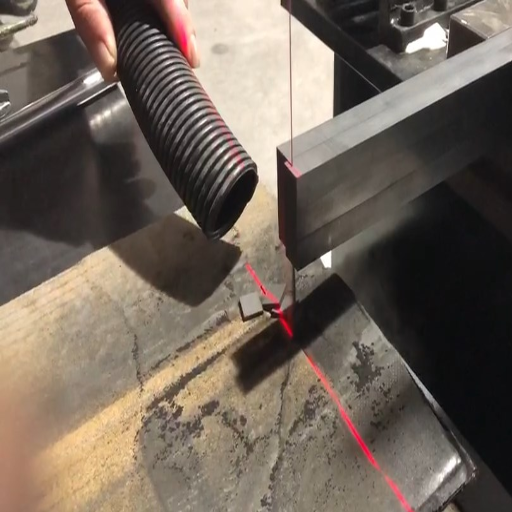
Graphite remains relevant to industrial applications till these are some of the contemporary issues at hand. Manufacturing and technological applications that incorporate graphite continue due to the changing manufacturing processes. Consequently, the evolution of graphite cutting methods will continue to be necessary as needs in the industry keep on changing. Multiple aspects will aid in the advancement of graphite cutting:
- The automation and artificial intelligence incorporation to enhance accuracy and efficacy during cutting.
- Developing diamond-coated cutting facilities to address interim wear and ensure ultra-fade edge durability while undertaking endless operations.
- Growing interest in the use of laser technology, especially in cases when micrometer tolerances and complex shapes are involved, as it decreases heat generation and enhances precision.
- Machines are being developed by combining additive manufacturing with machining and subtractive processes, which will facilitate faster fabrication while eliminating darting and deformation of graphite workpieces.
These developments are majorly driven by the rising expectations of precision and performance in sectors like semiconductors, aircraft, and energy storage devices.
New Advancements in Cutting Techniques Optimized for Graphite
Present advances of the graphite cutting technologies are centred on developing the measures of their precision and of their efficiency and durability to play the role of continuous time changes as it concerns the methods of industries. The greatest improvement is the diamond tooling because it is made from the toughest material, which aids in having a more than good finish that is smooth even after coupled cutting, and this eliminates what should have been taken by the graphite dust. Furthermore, HSM technology accommodates spindle speeds and feed rate mechanisms, which allow a more efficient way of removal of materials as required without getting off-track. Moreover, their devices come with a more sophisticated cooling lubrication system and lubricants like MQL in the machines, which aid cutting oils and are more effective in preventing overheating of the working tools. These graphite cutting methods are important for industries that require high precision, such as aerospace, electronics, and energy.
Integration of Automation and Smart Tools in Graphite Machining
Efficiency and finesse in the process of machining graphite are a result of implementing automation and advanced systems. CNC machines with real-time status reporting and flexible adjustment functionality allow steady operation and reduce the risks of making mistakes. Also, there is the accurate use of sensors and interconnected devices for proactive diagnosis and regulation of machining conditions that aid in improving productivity and durability by decreasing unproductive time. This category of development helps to fulfill the complex requirements of contemporary industries more efficiently and more effectively.
Sustainability Improvements in Cutting Processes
♻ Sustainability Spotlight
The environmental footprint of cutting processes can be drastically reduced by employing energy-efficient equipment and other practices aware of the environment. One of the critical ways to achieve this is through minimum quantity lubrication systems, which greatly reduce the need to apply cutting fluids and hence less wastage and negative impact on the environment. Furthermore, the reuse and recycling of cutting fluids and chip materials help optimize the use of resources.
Another aspect that can be improved is the use of more energy-efficient machines, as well as the use of renewable sources in production. New generation machines, variable frequency drives, and energy consumption control devices provide energy saving without loss of performance.
Modern technology has also made it possible to digitally plan and control cutting configurations, for example, by simulating and optimizing every manufacturable component through CAM software. It helps to decrease overcutting and improve work performance by using less material and producing less waste. These are the activities that are conducted with the aim of making our slicing practices less destructive to the environment.
Reference Sources
Discusses a hybrid machining method combining WEDM and wire saw techniques.
An experimental investigation on micro machining of fine-grained graphite
Explores machining parameters and accuracy for EDM electrodes made of fine-grained graphite.
Frequently Asked Questions (FAQs)
How is Surfacial Smoothing in Comparison for EDM, Diamond Wire Saw, and Milling?
In general, the surface quality produced by various cutting techniques, such as wire EDM, diamond saw wire, and milling differ with wire EDM resulting in the least or no mechanical deformation of a very focused eroded surface to the point that high-quality finishes with very tight tolerances are obtained. From this definition, it follows that wire EDM, which is rather popular among the materials with high precision requirements, such as graphite in mold castings, tends to produce a better surface finish as compared to graphite cutting methods, which are dirtier and mechanical (EDM) knife cutters. On the other hand, diamond wire saw cutting would provide a finer cut comparison; however, such a surface could appear with a rough finish due to the abrasive effect of diamond wire, and with small linear material thickness removed when thin or fragile breaks are being worked upon, thus reducing working time significantly. Simple milling with blade(s) or cutter(s) could provide a proper finish, more so when making complex shapes and drawing them, but extra finishing may be needed to remove and smoothen the feather edges of the design, or the tool marks left in the part, especially in cases of intricate components or where the desired surface quality increases the customer’s expectations.
What level of control and dimensional accuracy should I anticipate from different graphite cutting methods?
Considering Mode and Equipment, Control, and Dimensional Accuracy will be dependent on the calculations made in the design of the parts. For example, EDM has excellent control, high precision, and a smooth finish ascribed to repetition in the cycle. Therefore, it is preferred where very close precision and complex forms are involved, for instance, in electronic or aerospace components. Milling allows, within limits, the control of material removal through the movement of a multi- axis machine and the use of appropriate tools, but in some cases, the accuracy of some drawings can be limited due to the wear of the cutting blades, seooles the feed rate and the stiffness of the machine tool. However, in my experience, diamond wire saws do not, as such, lead to better precision than an ordinary band saw. However, they remove material quite fast and do not result in too much wastage, unlike usual band saws, hence commonly preferred where a cutoff and high efficiency cross section without so much concern for precision is required.
What are the limiting factors on using wire EDM, diamond wire saw, and milling cutting, apart from the expenses incurred in each case?
Costing factors to be taken into account are the tool, operational costs, and time efficiency. Wire EDM is usually more expensive to operate due to the additional costs involved: wire, dielectric, and a slower rate of material removal, but lower finishing costs may be incurred after using wire EDM as the final cut is of very high precision. Diamond wire saws cost less than wire EDM: consumable diamond wire is used, but it makes it possible to make rapid cuts for mass excavation and is productive for mass production. Milling involves a relatively cheaper initial cost for basic installations; however, the cost of purchasing tools and final shaping may rise if producing more complicated features or precise workmanship is desired.
Which is most suitable when producing thin or complex parts made from graphite?
When addressing the concern of graphite cutting methods, EDM vs. wire saw vs milling – fine and elaborate carbon or graphite parts are best controlled through wire-EDM. The main characteristic of the EDM framework is that it erodes. This is done with the help of electrical current flow, so there are no mechanical cutting touches – this means that there is very little or no deformation restriction or distortion of cutting surfaces, narrow features can be achieved, and tight tolerances can be met. Coming to diamond wire saws, these can be used to cut thin sections effectively without breaking or chipping. Thin sections, however, may experience mechanical stresses or cause chipping in the parts cut as they delicately enhance the edges of the material, leaving the desired shapes, which are very fragile in nature. Using milling as an example, if intricate details have to be milled for such features, costs increase in terms of multi-axis features. Additionally, increasing costs vary with multilithography and obtaining very thin features due to some limitations in the blade diameters in tool deflection, or also feed strategies.
What specific factory constraints should each of these cutting methods look out for?
Every technique turns out to be a failure in a specific context: wire EDM can only cut electrically conductive materials, and there is a possibility of being slow in bulk removal rate; it also requires proper dielectric and electrode management. Diamond wire saws limit use, especially regarding abrasive wear, the possibility of excessive roughness in the edges, and reduced accuracy for intricate profiles. They are used for modest block slicing applications. The use of the milling process is constrained by tool reach, possible warmth-association and wear on the instruments, and the extreme limits of the thickness or size of kerf widths attainable, or undertaking complex internal configurations on any design except complex multi-axis machines.
Which of the above methods is most efficient when manufacturing high-precision molds or such components?
It has been found that cutting methods such as wire EDM are used for the production of high-precision molds or such details where dimensional accuracy and surface quality are of great importance. These methods can be used in different cases where wire cutting is better in terms of producing low tolerances, smooth surface finish, and patterns than milling. Handy, the CNC milling is very precise; however, a mechanical finish is sometimes required if the feed rates are low and milling utilizes high-speed machines. Also, diamond wire saws cannot be used as a fine finishing medium; they are effective when it comes to tough cutting or removing material before any production stage finish.
Can the product’s outcome and efficiency be affected by the variables such as the electrode, the diamond abrasives, the feed, and the axes?
The outcomes are significantly influenced by the respective process variables: in the case of wire EDM, the wear condition of the electrode, sparking parameters, dielectric, and its flow control can affect the erosion rate, the nature of the surface, and the tolerance of figures. In the case of diamond wire saws, factors such as the concentration of diamonds, wire speed, tension of wire, and rate of feed affect the quality of the cut, the width of the kerf, and the life of the tool, and thus wire saws economically remove bulk at relatively high abrasive wear cost. For milling, the shape of the cutting tool, the speed of the spindle, the amount of feed per tooth, the use of coolants, the number of axes, all affect the surface quality, the amount of material taken off, the surplus edges if any, and in such a manner, miling with many axes will not only help to form complicated figures, but also minimize the number of additional operations.
Related Posts

Trending Blogs

![Polysilicon Material: Properties, Grades & Uses [Guide]](https://wiresawcutter.com/wp-content/uploads/2026/08/polysilicon-material-featured-150x150.webp)