
Get in touch with DONGHE Company
-
Phone: +86 181-1645-5490
-
Email: Sales18@DongheScience.com

Diamond Wire Selection Guide for Different Magnetic Materials

The selection process for suitable diamond wire designed to cut magnetic materials requires proper execution because it determines three essential elements which are cutting accuracy, operational efficiency, and material preservation. The magnetic material requirements for soft magnets used in transformers and hard magnets designed for advanced electronics applications require evaluation of wire specifications. This guide presents comprehensive details about diamond wire selection criteria which include six primary factors: material composition, wire grit size, wire tension, and cutting speed parameters. Professionals need to comprehend these parameters because they will enable them to achieve superior cutting results while minimizing material waste and tool damage. The technical information in this guide will guide manufacturers, engineers, and researchers to make better decisions which will enhance their cutting operations through precise results and improved equipment functionality.
Key Takeaway
Success in cutting magnetic materials hinges on balancing wire tension, grit size, and bonding types to ensure material integrity and minimize kerf loss.
Overview of Diamond Wire

Diamond wire functions as a cutting tool which employs a slender flexible wire that contains industrial diamond particles for slicing through hard brittle materials including silicon, ceramics, and composite materials. The wire functions by pulling across the material surface while maintaining tension, and the diamond particles serve as abrasives for accurate slicing through the material. The method provides exceptional value because it generates minimal material waste while producing precise tolerances and smooth surface finishes. The semiconductor manufacturing industry, the photovoltaic industry, and advanced engineering fields use diamond wire cutting because it delivers precise cutting results, efficient operation, and material flexibility.
What is Diamond Wire?
Flexible wires embedded with fine diamond particles are called Diamond wire, a modern cutting tool. Adams Diamond has integrated diamond particles composed of chemical vapor deposition processes onto the wire using electroplated or resin bonded diamond machining techniques. These wires include diamonds—an ultra-hard material—enabling it to cut numerous amounts of materials with great accuracy. Diamond wire found applications in semiconductor sectors as it is capable of cutting silicon wafers in sections and in devices of photovoltaics. It is also worth mentioning that engineers and manufacturers make use of this tool due to its capability of cutting hard or brittle materials, such as ceramics, glass, and composite materials, with very little heat generation.
Types of Diamond Wire
There are three primary variants of diamond wire, each tailored for specific industrial durability and precision needs:
- •
Diamond Wire Resin Bond Adhesives: This component ensures the diamond remains inside the binder while there is movement, providing excellent performance for slicing sensitive materials like silicon and sapphire. - •
Diamond Wire Metal Bonded: Composed of diamonds routed using metal, increasing durability for cutting hard and abrasive materials such as ceramics and composites. - •
Diamond Wire Electroplated: This involves electroplating diamond grits to the substrate surface, providing high precision with high cutting performance for semiconductor and photovoltaic production.
Advantages of Diamond Wire in Cutting
- ✓
Accuracy: Meant for clear and properly shaped cuts that require no additional work. - ✓
Effectiveness: A swifter process compared to traditional methods, decreasing downtime. - ✓
Several Uses: Able to cut hard and brittle materials like silicon, ceramics, and glass. - ✓
Longevity: Great wear resistance increases tool lifespan and reduces replacement frequency. - ✓
Minimal Waste: Small wire diameter reduces cutting loss, ideal for expensive materials.
Understanding Magnetic Materials
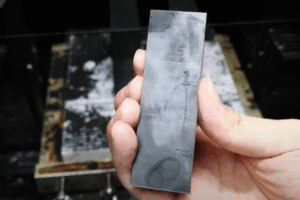
Magnetic materials refer to substances that possess magnetism, which is the capacity to either attract or repel other substances due to their magnetic nature. These materials are usually grouped into three categories: ferromagnetic, paramagnetic, and diamagnetic. Ferromagnetic materials (iron, cobalt, nickel) are the strongest magnets and retain properties without an external field. Paramagnetic materials (aluminum, platinum) are slightly attracted and do not sustain magnetism. Diamagnetic materials (copper, graphite) are pushed away from fields. A material’s behavior depends on its atomic structure and electron magnetic moments. Comprehension of these features is important for electronics, telecommunications, and power generation.
Properties of Magnetic Materials
The following is an in-depth explanation of five primary characteristics of magnetic materials:
1. Permeability: The measure of how easily a substance can be magnetized. Soft iron has high permeability, making it excellent for transformers.
2. Coercivity: The ability to withstand demagnetization. Soft magnetic materials have low coercivity, while hard magnetic materials have high coercivity for permanent magnets.
3. Retentivity: Also known as remanence; the capacity to hold residual magnetism after the external field is removed.
4. Saturation Magnetization: The highest magnetic field strength inducible in a material. Rare earth cobalt and iron have high levels.
5. Magnetoresistance: The extent to which electrical resistance alters in a magnetic field, vital for magnetic sensors and spintronic devices.
Challenges in Cutting Magnetic Materials
The unique physical and magnetic characteristics of these materials make cutting them a challenging task, both technologically and operationally.
⚠️ Critical Machining Challenges
- Hardware Interference: Strong magnetic fields can cause tool deflection and path inaccuracies.
- Tool Wear & Heat: Materials like cobalt produce vast amounts of heat, potentially lowering material coercivity.
- Surface Quality: Brittle materials like ferrites tend to chip or break easily.
- Post-Process Magnetization: Machined surfaces attract metal waste that is difficult to clean.
- Handling Safety: Magnetic attraction between tools and workpieces poses safety risks to operators.
Applications of Magnetic Materials in Industry
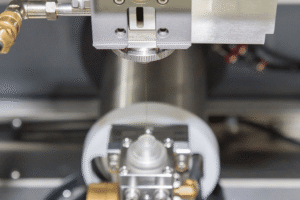
Magnetic materials are indispensable in numerous industries. Here are five illustrative examples:
- 1
Electric Motors and Generators
NdFeB magnets transform energy between mechanical and electrical states due to high temperature resistance. - 2
Transformers and Inductors
Ferromagnetic materials like silicon steel enable effective energy transmission and reduced core losses. - 3
Data Storage
Cobalt alloys are crucial for HDDs and tapes due to their high stability in condensed thin film form. - 4
Sensors and Actuators
Hall effect and magnetoresistive elements sense field variations for ABS systems and consumer automation. - 5
Medical Application (MRI)
Superconducting NbTi magnets develop stable fields for high-detail internal organ imaging.
Choosing the Right Diamond Wire
Selection relies on several factors including material nature, required accuracy, and environmental conditions. For hard materials like silicon, thin wires with small grains are used. Thicker, coarser wire is appropriate where speed is prioritized over finishing. It is essential to choose a wire according to required service life without compromising tensile strength.
Factors to Consider
💡
Selection Checklist
- Abrasive Grit Size: 325-400 MX for precision; 100-200 mesh for rough cutting.
- Tensile Strength: Must withstand high-speed operation to reduce breakage.
- Coating & Bonding: Electroplated for durability; resin-bonded for delicate conditions.
- Material Compatibility: Diamond distribution must match the sensitivity of the substrate.
- Operating Parameters: Speed, tension, and lubrication must be optimized for temperature resistance.
Type of Diamond Wire for Specific Magnetic Materials
| Wire Type | Target Material | Key Feature |
|---|---|---|
| Nickel-Plated | Ferrites | Corrosion Resistance |
| Resin-Bonded | Rare Earth (NdFeB) | Flexibility for Brittle Parts |
| Electroplated | Alnico Alloys | High Durability/Speed |
| Multi-Layer Coated | Laminates | Wear Resistance |
| Thin Blade Wire | Micron-scale layers | Minimum Kerf Loss |
Wire Specifications and Standards
Wire used for precision cutting should be selected from existing specifications and standards:
- Wire Gauge: Typically between 50 µm to 200 µm depending on hardness.
- Breaking Strength: High tensile strength is vital for stability at operating speeds.
- Wrapping: Materials like resin or nickel enhance the cutting process.
- Compliance: Ensure adherence to ISO or ASTM standards for uniform quality.
Diamond Wire Cutting Techniques

Modern diamond wire cut techniques require close monitoring of the following:
- Wire Tension and Speed: Improper adjustment causes frequent breakages and rough cuts.
- Lubrication or Cooling: Fluids lower produced heat and reduce wire wear.
- Material Preparation: Firmly attaching the material prevents movement during the operation.
Precision Cutting with Diamond Wire Saw
The wire saw mechanism employs a diamond wire for precise cutting of tough materials like silicon wafers and ceramics. Regulation of wire tension is critical to avoid uneven cuts. Additionally, controlling the feeding speeds ensures material removal without overheating. Scheduled inspection and replacement of worn wire assist with long-term maintenance.
Utilizing Diamond Wire Loops
Diamond wire loops offer five important benefits for industrial manufacturers:
- 1.
Precision: Tolerances as low as ±0.01 mm for ultra-precision applications. - 2.
Stiffness: Capable of retaining high tension over repetitive long cycles. - 3.
Specialty Materials: Ideal for aerospace and renewable energy (ceramics, glass). - 4.
High Speed: Cutting speeds up to 20 m/s boost large-scale productivity. - 5.
Low Kerf Loss: Loss is often less than 200 microns, critical for costly materials.
Efficiency in Cutting Hard Materials
Advanced technologies like diamond wire sawing reduce power requirements and material loss. By increasing speed and ensuring smooth cuts, these innovations guarantee accuracy and cost efficiency for demanding industries.
Reference Sources
- The Ultimate Guide to Modern Magnetic Material Processing – Industrial applications overview.
- Diamond Wire Cutting for Magnetic Materials – Identification of researcher challenges.
- Diamond Wire Loop – Ensolltoolstec – Specification selection based on hardness.
- High-Strength Abrasive Wire for Precision Cutting – Composition benefits for precise operations.
- Guide to the Best Ways to Cut Neodymium Magnets – Efficiency of diamond-coated wire.
- Recommend reading: Diamond Wire Saw Cutting Machine for Magnetic Materials: The Complete Guide
Frequently Asked Questions
1. What Are the Key Parameters to Consider When Selecting a Diamond Wire?
The primary considerations include: hardness and abrasiveness of the magnetic material, required precision, wire diameter (influencing kerf loss), and diamond grit size/concentration.
2. How Does the Type of Magnetic Material Influence Wire Selection?
Sintered Neodymium/SmCo require fine-to-medium grit to avoid micro-fractures. Ferrites need robust bonding due to abrasiveness. AlNiCo magnets use medium-grit for speed/quality balance.
3. What Is the Role of Diamond Grit Size and Concentration?
Coarser grits facilitate faster removal (rougher finish); finer grits provide superior finish. Higher concentration increases cutting speed on harder materials.
4. How Does Wire Diameter Affect the Cutting Process?
Smaller diameters (0.1–0.25 mm) reduce kerf loss but break more easily. Larger diameters (0.3–0.4 mm) offer enhanced durability for less accurate estimation.
5. What Is the Difference Between Electroplated and Resin-Bonded Diamond Wires?
Electroplated wires use a nickel coating for aggressive cutting. Resin-bonded wires offer a gentler action, minimizing subsurface damage.
6. When Should a New Diamond Wire Be Used?
Replace wire when there is a noticeable decline in efficiency, increased cutting time, or dulled diamond particles to avoid dimensional inaccuracies.
Related Posts


Trending Blogs

![Polysilicon Material: Properties, Grades & Uses [Guide]](https://wiresawcutter.com/wp-content/uploads/2026/08/polysilicon-material-featured-150x150.webp)