
Get in touch with DONGHE Company
-
Phone: +86 181-1645-5490
-
Email: Sales18@DongheScience.com

Optimizing Wire Speed and Feed Rate for Ceramics

Optimizing CNC Machining Parameters for Ceramics: Speed and Feed Guide
The production of advanced ceramics requires both accurate processes and efficient manufacturing methods. The unique properties of ceramics make them harder to work with because they have both hardness and brittleness and they can withstand high temperatures.
The process needs key machining parameters to be optimized through wire speed and feed rate determination because this method allows performance enhancement without quality compromise. The blog post explains scientific principles and methods which help researchers optimize CNC machining parameters for ceramic materials to achieve better surface quality and reduced material waste and improved production efficiency. This article presents a complete guide to achieving success in ceramic manufacturing which helps organizations improve their current operations or pursue new projects.
Understanding the Machining Parameters for Ceramics
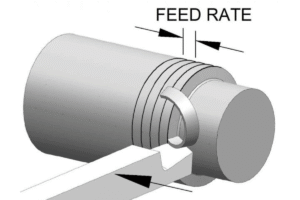
The essential cutting parameters for ceramic machining require operators to control three different parameters. The three factors directly affect three outcomes which include surface quality and tool wear as well as machining efficiency.
Cutting Speed
Cutting speeds need to be maintained at moderate levels because this procedure protects against both tool wear and material cracking. The recommended operational speed for ceramic materials should be maintained at lower levels because of their extreme hardness and brittleness.
Feed Rate
A controlled feed rate ensures a consistent material removal process while maintaining surface integrity. High feed rates may produce surface defects while extremely low feed rates decrease operational efficiency.
Depth of Cut
Shallower cuts are advisable to reduce the risk of thermal and mechanical stresses. The ceramic machining process uses incremental passes to achieve required shapes while maintaining material strength.
The users achieve high-quality results through their precise management of these parameters which results in extended tool life and reduced production costs.
Importance of Speed and Feed in Ceramic Machining
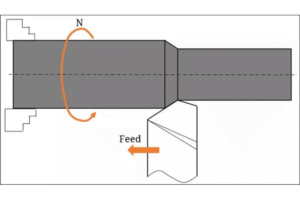
The selection of appropriate speed and feed rates is paramount in ensuring optimal results in ceramic machining. Both parameters directly influence surface finish and dimensional accuracy and tool wear. The following five critical considerations were outlined with their respective impacts.
Material Hardness and Brittleness
The inherent hard and brittle nature of ceramics requires operators to use lower feed rates which help reduce micro-cracking risk. Higher speeds allow operators to achieve better material removal rates but they need to keep their speed limits under strict control.
Tool Wear Dynamics
The use of high cutting speeds causes tool wear to increase because of the friction and heat it generates which results in a shorter tool lifespan. Low-speed operations create material adhesion problems which reduce production efficiency. The two extremes require operators to find a midpoint which will enable them to achieve maximum production output.
Surface Finish Requirements
The attainment of superior surface finishes requires a combination of fine feed rates and moderate cutting speeds which will minimize surface irregularities and vibrations. Deviations from the required specifications create surface imperfections which will impair the component’s operational capability.
Thermal Stress Management
The combination of high speeds and insufficient cooling methods creates thermal stress problems which result in increased chances of mechanical failure. The implementation of controlled feed rates together with proper cooling techniques will solve this problem while maintaining material quality during the machining process.
Chip Formation and Removal
Chips which originate from ceramic materials because of their brittle characteristics produce small particles which behave like abrasive materials. The use of correct speed together with feed rates allows operators to achieve efficient chip removal while avoiding clogging and protecting the machined surface from harm.
Machinists use parameter control to stabilize product quality while increasing tool efficiency and reducing production costs.
Key Parameters Affecting Precision in CNC Machines
1
Machine Rigidity and Stability
CNC machine precision depends on the machine’s structural design which determines its ability to maintain operational accuracy. The machine operates with high rigidity because its structural design prevents vibrations and deformation from impacting its performance, which allows it to achieve micrometer-level tolerances. The frame design and material composition which includes cast iron and polymer composites establish this particular attribute of the machine.
2
Spindle Accuracy and Runout
The spindle’s rotational accuracy is a critical determinant of machining precision. The spindle rotational axis needs to maintain minimal runout which should typically stay between 2 and 10 microns because this range protects both dimensional accuracy and surface integrity.
3
Thermal Stability
The heat that machine parts generate during machining creates thermal expansion which causes components to expand. Advanced CNC systems use thermal compensation technologies and temperature-resistant materials to resolve this problem. For instance, maintaining ambient temperatures between 20-22°C reduces thermal-induced errors.
4
Tool Calibration and Wear
Proper tool calibration ensures consistent positioning and alignment throughout the machining process. Tool wear monitoring systems measure tool wear, which requires monitoring to keep dimensional deviations under 5-10 microns.
5
Positioning and Repeatability of Axis Drives
CNC machine precision depends on the accurate operation of axis drive systems which use ball screws and linear guides. Modern drives achieve repeatability tolerances as low as ±0.002 mm, facilitated by servo motors and high-resolution encoders for precise positioning control.
The implementation of these parameters enables manufacturers to attain precise machining results which lead to decreased defects and enhanced productivity.
Overview of Machining Speed and Feed Rate
The parameters of machining speed and feed rate serve as essential factors that determine both the operational efficiency and the resulting quality of machining processes. Machining speed defines the cutting tool and workpiece rotational speed which industrial standards measure in surface feet per minute (SFM) or meters per minute (m/min) units. The feed rate establishes how fast the tool or workpiece moves during each revolution or specific time period which industry standards measure in inches per minute (IPM) and millimeters per minute (mm/min) units. The selection and calibration process of these variables enables us to achieve optimal material removal rates while reducing tool wear and sustaining specific surface finish requirements.
Best Practices for Precision Cutting in Ceramic Machining
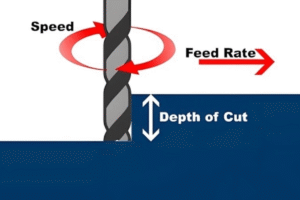
- Tool Selection
The selection process requires ceramic machining tools which should include tools that have diamond coatings or cubic boron nitride (CBN) specifications to provide both durability and precise performance. - Machine Rigidity
The installation of extremely rigid machine systems results in reduced vibration which causes microfractures that lead to chipping damage of ceramic materials. - Cutting Speed and Feed Rate
The ceramic material cutting process needs optimal speed and feeding rate settings which depend on the material hardness and brittleness properties. The process needs lower operational speeds together with precise material delivery to avoid damaging the material. - Coolant Usage
The process needs adequate coolant or cutting fluid application because it removes heat which reduces thermal stress that jeopardizes workpiece structural integrity. - Progressive Depth of Cut
The method uses small cuts to create multiple incremental cuts because it helps protect the tool from damage while maintaining correct surface conditions. - Inspection and Testing
The team conducts regular inspections of both the tool and machined ceramic components to identify and address wear or deviations which ensures continuous quality maintenance throughout the operation.
Machinists achieve accurate results through these practices which preserve the structural integrity of ceramic materials used in high-precision tasks.
Choosing the Right Ceramic Material
The process of selecting the right ceramic material needs to evaluate multiple factors which should meet both project specifications and operational needs. The evaluation process examines four essential properties, which include the material’s mechanical strength and its thermal resistance and electrical conductivity and its ability to withstand wear and chemical damage. The material alumina (Al₂O₃) achieves widespread use because its exceptional hardness together with its ability to withstand high temperatures makes it suitable for work in extreme heat conditions. Zirconia (ZrO₂) offers superior toughness and flexibility, which makes it suitable for applications that need materials to withstand impacts. The advanced applications of silicon carbide (SiC) and silicon nitride (Si₃N₄) result from their combination of high thermal conductivity and exceptional wear resistance.
Recent data indicates that ceramic composites have reached new performance heights because of their ability to blend different ceramic materials into composite materials. The appropriate selection process requires assessment of both cost efficiency and production ability because some ceramics need special processing methods. Engineers establish product durability through material property integration together with exact application needs which leads to operational efficiency and dependable performance.
Tips for Successful Ceramic CNC Machining
1. Select the Right Tooling Materials
The machining process for ceramics requires diamond-coated or polycrystalline diamond (PCD) tools because these materials possess exceptional hardness. Diamond tools provide excellent wear resistance together with precise performance which decreases tool wear and breakage that occurs from the abrasive properties of ceramic materials.
2. Optimize Machining Parameters
The essential functioning of cutting operations depends on operators maintaining both cutting speeds and feed rates at their correct values. The recommended machining parameters for ceramic materials require operators to use lower feed rates between 0.05 to 0.2 millimeters per revolution while operating at spindle speeds of 1000 to 2000 RPM to protect tools from damage and prevent material cracking. The process will achieve higher efficiency through the adjustment of parameters until the specific ceramic characteristics reach their necessary operational standards.
3. Implement Coolant or Lubrication Systems
The machining process benefits from high-pressure coolant systems which effectively reduce thermal stress while controlling temperature throughout the machining process. Safety precautions must be followed because thermal shock occurs when rapid temperature changes create dangerous conditions. The preferred machining method involves dry machining when specific ceramic materials permit its use.
4. Pre-Machining Surface Treatments
The use of grinding and lapping for pre-machining treatment enables sintered ceramics with rough surfaces to achieve superior results. The treatments create a uniform surface which enhances dimensional stability while decreasing the risk of material failure that occurs during CNC operations.
5. Invest in Vibration-Damping Equipment
Vibrations cause ceramic materials to break because their brittle nature makes them vulnerable to both chipping and cracking. Vibration-damping technologies establish better surface finishes at the end of production when used with reduced chatter tools because these technologies protect machine parts from damage. Advanced mounting systems provide additional workpiece stability during machining operations.
Machining Techniques for High-Precision Ceramics
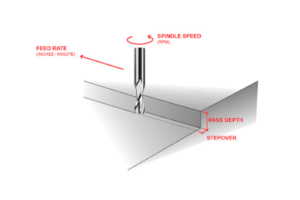
I select cutting tools for machining high-precision ceramics according to their specific hardness and brittleness characteristics. The use of diamond-tipped tools provides both operational precision and extended operational life. I choose ultrafine-grit abrasive wheels as my primary grinding tool because they create smooth surfaces which have very few surface imperfections. The process of controlling feed rates and cutting speeds needs to be performed precisely because it helps prevent cracks while ensuring accurate measurement of dimensions.
Impact of Adjustments on Finish Quality and Tool Longevity
The finished product quality and tool performance lifespan both depend on adjustments made to feed rate and cutting speed parameters. The application of lower feed rates generates smoother surface finishes which result in reduced defects. Extremely slow feed rates extended the operational life of processes yet they caused more damage to tools because of their prolonged contact with materials. The determination of optimal cutting speeds process allows for heat reduction which protects workpieces from thermal damage and extends tool service life. The process of continuously monitoring and adjusting these parameters enables the achievement of optimal surface quality results while extending the lifespan of cutting tools.
How Cutting Speed and Feed Rate Affect Surface Finish
The surface finish in machining operations depends on two important factors which are cutting speed and feed rate. The cutting speed establishes material removal from the workpiece which produces heat at the cutting interface. The research results from the industry show that cutting speeds create optimal conditions because they minimize thermal material deformation while they produce smoother surfaces and excessive speed causes thermal stress which changes the microstructure of the material.
The feed rate controls how much material enters the cutting zone for each rotation of the cutting tool. Current research in machining indicates that slower feed speeds result in improved surface quality because tools experience reduced pressure which leads to less surface damage. The advantages these processes provide to production operations face challenges because low feed rates require longer times to complete production work. When feed rates increase chip load rises which results in rougher surfaces that cause faster tool deterioration.
Research using computational simulations and experimental validation has shown that cutting speed and feed rate function together as a unified system. The optimal material combination establishes minimum surface roughness while maintaining operational efficiency through material and tool selection. Engineering frameworks which use data-driven methods enable process improvements through parameter adjustments that deliver constant high-quality finishing results.
Understanding Tool Wear in Ceramic Machining
The cutting process of ceramic materials creates tool wear through its direct contact with the strong abrasive properties found in ceramic materials. The wear mechanisms include three damage mechanisms which together with thermal degradation lead to tool performance decline. To reduce tool wear manufacturers must select cutting tools that use advanced materials like polycrystalline diamond PCD and cubic boron nitride CBN because these materials provide better protection against wear. The process will improve machining performance because the tool lifespan increases when operators reduce both cutting speed and feed rate which decreases mechanical and thermal stresses on the tool. Tool condition assessment requires regular monitoring because it helps maintain accuracy while preventing expensive operational interruptions.
Optimizing Parameters for Extended Tool Life
To achieve maximum tool life operators need to maintain appropriate relationships between cutting speed and feed rate and depth of cut. The tool maintains its original state because lower cutting speed results in decreased heat production. The process of reducing feed rate leads to decreased mechanical strain which subsequently causes reduced material deterioration. The selection of appropriate coolant or lubrication leads to major thermal reduction which enhances tool performance and extends its operational lifespan. The selected tool material for the application provides protection against wear while sustaining operational accuracy throughout extended usage periods.
Applications of Ceramic CNC Machining
Ceramic CNC machining operates in many different industrial sectors because ceramics possess exceptional material properties which make them suitable for this technique. The main uses of this technology include:
Aerospace
Manufacturing of heat-resistant components such as turbine blades and thermal insulators.
Medical
Production of biocompatible implants, surgical tools, and dental components.
Automotive
Development of high-performance parts like brake discs and engine components.
Electronics
Fabrication of insulators, semiconductors, and advanced circuitry.
Industrial Manufacturing
Creation of wear-resistant tools, cutting edges, and nozzles.
Ceramic CNC machining serves advanced industrial applications because it produces components which combine high durability with exact performance requirements.
Industries Utilizing High-Precision Ceramic Machining
The field of high-precision ceramic machining will experience major growth because technological progress and need for better performance will develop new industrial uses for the technology. The aerospace and renewable energy fields have developed increased interest in using ceramic machining technology. The industries require materials which maintain exceptional thermal stability while weighing light and resisting wear, so advanced ceramics serve as essential solutions for turbine blades and heat exchangers and lightweight structural components.
The medical device manufacturing industry has become one of the fastest expanding sectors. Medical professionals use ceramics more today because they have increased their online searches about ceramic implants and precision surgical instruments which shows the materials biocompatibility and high hardness and contamination resistance. The combination of ceramic machining with AI-enabled CNC systems helps manufacturers reach ultra-fine tolerances which improves the performance and dependability of essential industrial operations.
The available evidence shows that current machining techniques require ongoing refinement to meet the evolving demands of different industrial applications.
Common Challenges Faced in Machining Ceramics
The unique physical and chemical properties of ceramics make their machining process extremely difficult to execute. The primary challenge emerges from their exceptional toughness which requires dedicated instruments and special techniques to safeguard against material failures while achieving precise measurements. The low thermal conductivity of ceramics enables them to keep their heat during the machining operation. The material will experience permanent damage if thermal stress with microcracks and structural damage undergoes improper management. The manufacturing process requires precise material removal from ceramic components which traditional machining equipment cannot deliver to achieve tight tolerances.
Manufacturers are turning to diamond-based tooling together with sophisticated cooling systems and machine learning algorithms as solutions to their operational challenges. The system provides manufacturers with efficient tool paths which decrease human errors during production. The combination of operational systems with continuous monitoring and adjustment follows particular methods which reduce ceramic machining problems while achieving higher operational performance and decreased material consumption. Industries achieve broader ceramic adoption in high-performance applications through their technical challenges which they solve through innovative solutions.
Future Trends in Ceramic Machining Techniques
Future advancements in ceramic machining techniques will focus on precision, efficiency, and sustainability. Automated systems which use artificial intelligence for machining operations will enable operators to enhance production workflows while performing equipment maintenance which reduces downtime. The manufacturing industry will see an increase in diamond-coated tools because these ultra-hard cutting instruments provide better cutting precision while decreasing tool deterioration. The combination of laser-assisted machining with high-speed milling through hybrid machining technologies creates effective methods for machining ceramic materials which have intricate shapes. The organization will maintain sustainability as its main objective which will lead to the implementation of energy-saving machining methods and material waste-reducing techniques that maintain operational efficiency.
Reference Sources
- Ceramic CNC Machining: The Ultimate Guide
The research presents cutting speed and feed rate and spindle speed adjustment methods which prevent cracking while enabling efficient material removal. - Ceramic CNC Machining: Process, Parameters and Tips
The research shows that proper cutting speed and feed rate optimization leads to reduced tool stress which results in extended tool lifetime. - RPM’s & Feed Rates
The study presents optimal cutting speed range at 100 to 300 SFM which helps achieve balance between cutting efficiency and edge quality during machining operations. - Recommend reading: Diamond Wire Saw for Ceramic Cutting: The Definitive Guide
Frequently Asked Questions
1. What Makes Wire Speed Optimization Crucial for Machining Ceramic Materials?
The wire speed defines how effectively the ceramic material gets cut and how well its surface finishing process performs. The wire speed in wire sawing determines how often diamond abrasive particles strike the material which is measured in meters per second (m/s).
The process uses this speed because it enables better material removal while it decreases wire deflection for technical ceramics which have higher hardness. The process creates excessive speed which results in frictional heat that produces thermal damage and micro-cracking inside heat-sensitive materials.
The process uses low speed for soft ceramics and brittle ceramics because it helps to prevent vibration and protects against edge chipping. The optimization of this parameter establishes a cutting speed balance that maintains structural integrity for both the tool and workpiece materials.
2. What Effect Does Feed Rate Have on Cutting Quality?
The feed rate or downfeed speed shows how fast the wire moves through the material which gets measured in mm/min or µm/s. The cutting force which the wire applies is directly linked to this measurement.
High Feed Rate: The process achieves higher productivity results but it increases the stress levels which the wire experiences. The wire will experience “wire bowing” when feed rate exceeds its cutting capacity which will result in curved cuts and poor geometric accuracy and increased wire breakage risk.
Low Feed Rate: The process produces better surface finishes and increased precision but it results in lower production output.
The feed rate achieves optimal performance because it maintains continuous cutting pressure which enables diamond abrasives to grind ceramic material while keeping wire tension within safe operational limits.
3. What Is the Relationship Between Ceramic Hardness and Recommended Cutting Parameters?
The relationship between material hardness and feed rate operates in an inverse manner while wire speed moves in a direct correlation with material hardness.
Hard Ceramics (e.g., Alumina, Silicon Carbide): The materials need to reach wire speeds between 30 and 50 meters per second to achieve effective surface abrasion. The feed rates must remain at low levels to avoid excessive force development which would cause wire breakage and ceramic surface damage.
Softer Ceramics (e.g., Macor, Green Ceramics): The process enables higher feed rates for these materials because their resistance levels are lower. The diamond abrasive life extension becomes possible through wire speed control which effectively reduces wear.
4. What Effect Do Cooling and Lubrication Have on the Selection of Speed and Feed Rate?
The delivery of effective coolant enables operators to use more aggressive cutting parameters. The coolant works to eliminate friction heat while it also cleans ceramic swarf (debris) from the cutting area.
Heat Dissipation: The combination of high wire speeds with insufficient cooling systems creates excessive heat which results in diamond bonding matrix degradation or ceramic thermal shock.
Debris Removal: The system achieves effective flushing which prevents the wire from experiencing “loading” problems that occur when debris clogs the wire. The wire will bind if the cut zone remains blocked which forces the operator to reduce feed rate.
The system enables operators to achieve high speeds and feed rates while maintaining safety and quality standards because of its optimized coolant flow design.
5. What Are the Signs That Wire Speed or Feed Rate Is Incorrectly Set?
Operators should monitor for several indicators of suboptimal parameters:
- Wire Bowing: The wire feed rate becomes excessive when the wire moves too slow to match the guide wheel speed.
- Surface Chatter: The cut surface displays wavy patterns which creates “chatter marks” that result from excessive vibration which occurs because of incorrect speed settings or insufficient wire tension.
- Excessive Wire Wear: The diamond abrasive material loses its attachment to the wire at a fast pace which indicates two problems: wire speed is either too low or feed rate is operating at excessive levels.
- Micro-cracking: The appearance of visible cracks at the cut edge indicates two problems: the excessive force which results from feed rate reaching high levels and the thermal shock which occurs when wire speed exceeds safe limits without proper cooling.
6. Can Variable Feed Rates Be Used During a Single Cut?
Yes, utilizing variable feed rates is an advanced technique often used to improve accuracy.
Entry and Exit: The wire needs to reduce its feed rate to a lower level when it enters and exits the ceramic block. The process minimizes shock load at entry while it prevents “breakout” during the cut which would cause chipping at the bottom edge when the wire finishes the cut.
Main Cut: The process needs to increase feed rate after wire engages material because it should reach the maximum operational speed which allows for efficient cutting during most of the process.
Related Posts
Trending Blogs

![Polysilicon Material: Properties, Grades & Uses [Guide]](https://wiresawcutter.com/wp-content/uploads/2026/08/polysilicon-material-featured-150x150.webp)