Get in touch with DONGHE Company
-
Phone: +86 181-1645-5490
-
Email: Sales18@DongheScience.com

Laboratory Wire Saw Maintenance: Best Practices Guide

Laboratory wire saws are critical instruments for cutting various materials—from brittle crystals to advanced composites—with exceptional accuracy and precision. This comprehensive guide provides the essential tips and best practices needed to maintain your wire saw, ensuring smooth operation, efficient cutting, and peak performance throughout its service life.
Proper maintenance extends the life of cutting wire, increases performing ability, and prevents premature wear of critical components. The following sections explore diamond wire saw technology, its applications, and why regular maintenance practices are fundamental to achieving precise cuts and consistent results.
Understanding Diamond Wire Saw Technology
What Is a Diamond Wire Saw?
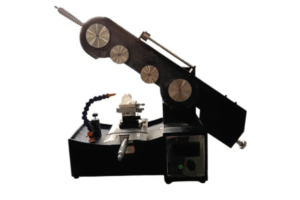
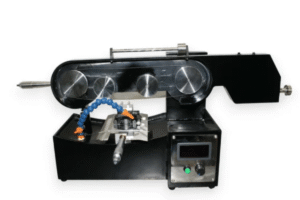
A diamond wire saw is a specialized precision cutting machine that utilizes diamond-coated wire embedded with diamond particles to achieve advanced cutting with minimal kerf width and reduced mechanical stress. The cutting process involves wire that either reciprocates or continuously runs around a system of pulleys, guided by precise mechanical controls.
Key Components of Diamond Wire Saw Systems
- Diamond-coated wire: The primary cutting element featuring abrasive diamond particles bonded to a wire core
- Pulley system: Toothed pulleys that guide and drive the wire through its cutting path
- Tension control: Mechanisms to maintain optimal wire tension throughout the cutting process
- Coolant delivery: Systems that control temperature at cutting edges and remove abraded material
- Speed controls: Variable settings that adjust cutting speed based on material properties
Cutting efficiency and quality depend heavily on proper wire tension, compatible coolant chemistry, and maintaining the integrity of the diamond coating. The preset diamond wire surface must be maintained correctly to produce precision results consistently.
Applications of Diamond Wire Saws
Diamond wire cutting technology finds applications across numerous high-precision industries and laboratory settings:
Semiconductor Industry
Cutting silicon wafers and advanced semiconductor materials where precision and minimal surface damage are paramount.
Optical Crystals
Sectioning delicate optical materials that require smooth surfaces and controlled sub-surface damage.
Ceramics & Composites
Processing advanced ceramics and fragile composite materials with minimal cracking or delamination.
Geological Samples
Preparing geological cores and rock samples for microscopy and analysis.
Laboratory applications specifically utilize wire saw systems for sample sectioning, wafering, and specimen preparation for microscopy. The diamond abrasives deliver high cutting quality with precise cuts at controlled speeds, making them indispensable for research and quality control environments.
Why Regular Maintenance Is Critical
Significance of Maintenance Routines
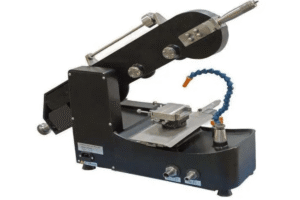
Regular maintenance is necessary to maintain optimal capacity, preserve the cutting zone, and prevent premature degradation of the diamond-coated wire and motion components. A comprehensive maintenance program delivers multiple benefits:
Benefits of Regular Maintenance
- Extended wire life: Proper care significantly extends the operational life of expensive diamond wire
- Consistent cutting performance: Regular maintenance ensures repeatable, high-quality cuts
- Reduced downtime: Preventive maintenance minimizes unexpected equipment failures
- Cost savings: Longer consumable life and fewer repairs reduce operational costs
- Optimal efficiency: Well-maintained equipment operates at peak cutting speeds and efficiency
- Safety assurance: Regular inspections identify potential hazards before they cause accidents
Maintenance tasks range from scheduled cleaning and dust removal to proper wire tensioning, timely lubrication of bearings and guides, and monitoring coolant condition. These activities enhance cutting efficiency, normalize cutting speeds, and ensure smooth, uninterrupted operation. With routine inspections, worn wire can be replaced before failure, extending both wire and machine life.
Best Practices for Laboratory Wire Saw Maintenance
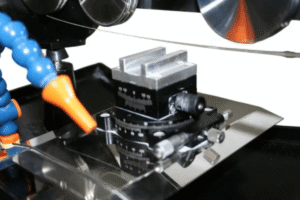
Implementing proper maintenance procedures is the most critical step in ensuring your laboratory wire saw performs optimally while delivering uniform cutting results across various specimens. The following best practices address all aspects of wire saw care, from daily operations to scheduled maintenance intervals.
Cleaning Procedures
Regular cleaning is foundational to wire saw maintenance. Dust, swarf, and cutting debris can accumulate in the cutting zone, guides, and pulleys, leading to accelerated wear and compromised cutting precision. Establish a cleaning protocol that addresses contamination at multiple levels.
- Daily Cleaning: After each cutting session, remove all visible dust and debris from the cutting area, wire guides, and pulley surfaces using appropriate cleaning tools and compressed air.
- Coolant System Maintenance: Regularly inspect and clean coolant nozzles to ensure unobstructed flow. Check coolant condition and replace when contaminated with excessive particulates.
- Filter Maintenance: Clean or replace coolant filters according to manufacturer recommendations to prevent recirculation of abrasive particles.
- Guide and Pulley Cleaning: Thoroughly clean wire guides and pulleys to remove any material buildup that could affect wire tracking or tension.
- Work Area Maintenance: Keep the surrounding work area clean to prevent contamination from entering the cutting zone or mechanical systems.
Wire Tensioning Techniques
Wire tension is paramount for cutting precision and efficiency. Proper tension determines cutting speed, track retention, and kerf quality. Incorrect tension leads to wire wandering, poor cut quality, and premature wire failure.
Tension Adjustment Best Practices
- Pre-tension wires at manufacturer-recommended baseline settings
- Make minute adjustments based on material hardness and cutting requirements
- Inspect the wire carefully to ensure diamond particles are properly distributed
- Adjust tension until the wire runs straight and steady without jumping or wandering
- Re-check tension as the wire progressively heats up under coolant flow
- Document tension setpoints for different materials and cutting operations
- Replace wire in a timely manner when tension cannot be properly maintained
To properly tension diamond wire, mount it between pulleys and check for deflection using appropriate gauges. Step the diamond-coated wire slowly back and forth to verify tracking. Monitor tension throughout the cutting process and make adjustments as needed. Always allow the wire to stabilize under operating temperature before finalizing tension settings.
Lubrication Guidelines
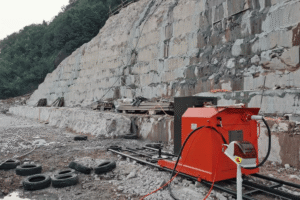
Proper lubrication of bearings, guide bushings, lead screws, and threaded components ensures smooth movement and prevents premature wear. Lubrication requirements vary based on operating conditions, material being cut, and environmental factors.
Important: Use only industry-approved lubricants compatible with your coolant chemistry. Proper lubrication prevents sand and debris from sticking to diamond particles, prolonging cutting performance. In dry atmospheres and during heavy use, increase lubrication frequency. Always lubricate immediately after cleaning to provide maximum protection.
Coolant Management
The coolant system serves multiple critical functions: temperature control, chip evacuation, lubrication enhancement, and prevention of material re-deposition on the diamond wire. Maintaining coolant quality and delivery is essential for optimal cutting performance.
Coolant System Checklist
- Check coolant level before each cutting operation
- Inspect coolant clarity and condition regularly
- Clean or replace filters according to schedule
- Verify proper flow rate and pressure at cutting zone
- Ensure nozzles are properly aligned and unobstructed
- Monitor coolant temperature during extended cutting operations
- Replace coolant when contaminated or degraded
- Use compatible coolant chemistry for specific materials
- Prevent coolant contamination from external sources
Identifying and Addressing Wear and Tear
Understanding wear patterns and addressing them promptly is crucial for maintaining cutting efficiency and preventing catastrophic failures. Regular inspection helps identify issues before they compromise cutting quality or damage equipment.
Inspecting Diamond Wire for Wear Signs
Early detection of diamond wire wear is critical to maintaining effective and precise functioning. Conduct systematic inspections before, during, and after cutting operations.
Visual Signs of Wear
- Glazing or shininess on the wire surface indicating diamond wear
- Completely worn-off diamond particles exposing the wire core
- Exposed core strands visible through the diamond coating
- Uneven distribution of abrasive particles along wire length
- Discoloration or thermal damage to the wire
Performance Signs of Wear
- Unusual sounds during cutting operations
- Increased vibrations or lateral wire movement
- Loss of tension or tracking stability
- Increased cutting speed requirements for same material
- Longer cut times compared to previous operations
- Excessive heat generation in the cutting area
- Poor surface finish on cut specimens
Warning: If the wire starts moving sluggishly or stripping abrasive particles into the cutting region, this signals that the maintenance schedule needs immediate adjustment. Continued operation with worn wire can damage guides, pulleys, and the workpiece itself.
Wire Replacement Procedures
Replace cutting wire immediately upon confirmation of significant wear. Timely replacement prevents damage to other system components and maintains cutting quality.
- Power Down: Ensure the cutting machine is completely powered off and all moving parts have stopped.
- Release Tension: Carefully release wire tension according to manufacturer procedures.
- Remove Worn Wire: Discard damaged wire properly, preventing it from blocking pulley slots or damaging guides.
- Inspect Components: Before installing new wire, inspect pulleys, guides, and tension mechanisms for wear or damage.
- Install New Wire: Thread the new diamond wire through the system following manufacturer specifications.
- Initial Tensioning: Set initial tension slightly below operating specification.
- Verify Tracking: Run the wire slowly to observe proper tracking over pulleys and through guides.
- Final Adjustments: Adjust tension to proper operating specification and verify guide alignment.
- Lubrication: Apply appropriate lubricant to mechanical components and ensure fresh coolant is available.
- Test Run: Perform a test cut to verify proper operation before production work.
After replacing wire, log cutting parameters and speeds to establish baseline performance for the new wire. This documentation helps track wire life and optimize future operations.
Preventing Equipment Damage

Operating with care and maintaining proper control minimizes mechanical stress that can damage the wire saw system. Preventive measures protect your investment and ensure consistent performance.
Essential Damage Prevention Strategies
- Maintain clean coolant to flush dust and swarf from the cutting area effectively
- Ensure full wire tension before starting cutting operations
- Verify proper pulley alignment at regular intervals
- Avoid cutting speeds outside acceptable bounds for the diamond wire and material combination
- Use only factory-specified lubricants for bearings and mechanical components
- Perform regular filter changes to prevent coolant contamination
- Check and maintain proper system alignment
- Avoid excessive feed pressure that overloads the wire
- Monitor cutting parameters and adjust when performance degrades
Recommend reading: Laboratory Diamond Wire Saw: The Complete Guide to Precision Sample Cutting
Related Posts

Trending Blogs

![Polysilicon Material: Properties, Grades & Uses [Guide]](https://wiresawcutter.com/wp-content/uploads/2026/08/polysilicon-material-featured-150x150.webp)