Get in touch with DONGHE Company
-
Phone: +86 181-1645-5490
-
Email: Sales18@DongheScience.com

Types of Diamond Wire: Electroplated vs Resin Bonded vs Brazed

The diamond wire method has transformed precision cutting across various industries, delivering exceptional accuracy while maintaining optimal output levels. However, not all diamond wire products perform equally, and selecting the right type can significantly impact your project outcomes. This comprehensive guide examines the fundamental differences between electroplated, resin bonded, and brazed diamond wires—three distinct categories designed to meet diverse cutting requirements. Whether your priorities include maximum durability, consistent cutting performance, or multi-material versatility, understanding the nuances of these diamond wire types is essential. Let’s explore their unique characteristics, applications, and advantages to help you make the best choice for your next cutting project.
Understanding Diamond Wire

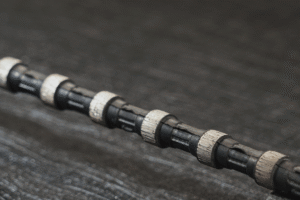
Diamond wire is classified according to its production process, which directly influences its performance characteristics and application suitability. The three primary categories include electroplated, resin-bonded, and brazed diamond wires:
Three Main Diamond Wire Categories
Electroplated Diamond Wire
Consists of a steel wire core with a single layer of diamonds attached through a nickel plating process. This wire excels in precision and cutting sharpness, making it ideal for applications requiring exact cuts, such as processing brittle materials like silicon or sapphire.
Resin Bonded Diamond Wire
Utilizes a resin matrix to encapsulate diamond particles. This wire produces smoother cuts with minimal surface damage, making it suitable for sensitive applications such as precision optics or ceramic cutting.
Brazed Diamond Wire
Created by brazing multiple layers of diamonds onto the base wire. This configuration offers exceptional durability and extended lifespan, particularly suited for demanding cutting tasks involving tough materials like stone or concrete.
Selecting the appropriate diamond wire type requires careful consideration of the material being cut, desired surface finish quality, and operational priorities. Each diamond wire variety offers distinct advantages that align with specific industrial or technical requirements.
What is Diamond Wire?
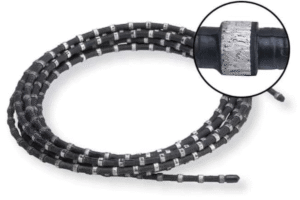
Diamond wire represents an advanced cutting technology consisting of a steel or alloy wire core embedded with industrial-grade diamond particles. These diamonds, bonded through electroplating, resin, or brazing processes, create a cutting surface that delivers both precision and efficiency. Diamond wire technology has gained widespread acceptance across construction, mining, and manufacturing industries due to its exceptional capability to cut through diverse materials including granite, concrete, glass, and metals.
Industry Impact: Recent reports highlight significant efficiency improvements in diamond wire manufacturing processes, with operations achieving notable reductions in material waste.
The cutting mechanism relies on friction generated by the wire’s movement, enabling the diamonds to slice through materials while producing clean, precise cuts. Diamond wire can operate in both wet and dry cutting conditions, enhancing its versatility across applications. The superior performance of diamond particles during continuous use makes diamond wire an invaluable tool for critical applications, delivering exceptional precision and cost efficiency.
Importance of Choosing the Right Diamond Wire

Selecting the appropriate diamond wire is crucial for optimizing cutting processes and achieving maximum efficiency. The wire’s performance directly impacts precision levels, material waste, and operational costs. Consider these five essential factors when determining the most suitable diamond wire for your application:
Key Selection Factors
- Wire Diameter
The diamond wire diameter directly influences cutting accuracy and surface quality. Thinner wires typically provide higher precision and reduced kerf loss, making them optimal for applications requiring minimal material waste. - Diamond Grit Size
Diamond grit size determines cutting speed and surface smoothness. Coarser grits enable faster cutting when working with harder materials, while finer grits produce smoother edges for delicate applications requiring premium finishes. - Bond Type
The bonding method securing diamond particles—whether resin, electroplated, or metal—determines specific durability and wear characteristics. Resin bonds excel in wet cutting applications due to their flexibility, while electroplated bonds are particularly effective for dry cutting and rapid material removal. - Material Compatibility
Different materials such as silicon, glass, and ceramics require specifically designed diamond wires tailored to their unique properties. Material hardness and brittleness determine the optimal wire type, ensuring clean cuts without breakage while maintaining consistent thickness. - Operational Parameters
Wire specifications must align with operational factors including feed rate, tension, and cutting speed to maintain consistent performance. Selecting wire designed for specific operational parameters maximizes productivity while reducing the likelihood of wire failure or irregular cuts.
By carefully evaluating these critical considerations, industries can optimize performance while extending diamond wire lifespan, ensuring reliability and efficiency throughout their production processes.
Applications in Various Industries
Diamond wire technology has become indispensable across multiple industries due to its precision, efficiency, and versatility. Here are five key sectors where diamond wire plays a critical role:
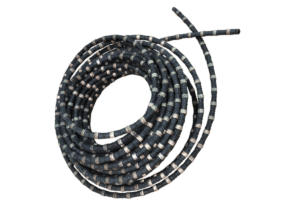
1. Semiconductor Industry
Diamond wire is predominantly utilized for wafer cutting during semiconductor fabrication. This technology slices extremely thin silicon layers with minimal material loss while reducing surface damage—essential for producing semiconductor chips under stringent quality control. Diamond wire slicing achieves thickness tolerances as precise as ±10 μm, resulting in higher yields and decreased material waste.
2. Photovoltaic (Solar) Industry
The solar energy sector employs diamond wire to cut silicon blocks into thin wafers for solar panel production. Diamond wire cutting operates significantly faster than traditional methods while maintaining superior wafer quality with smooth, damage-free surfaces.
Efficiency Gain: Reports indicate diamond wire utilizes up to 50% more silicon compared to traditional slurry-based methods, establishing it as a more sustainable and less wasteful cutting technique.
3. Construction and Demolition
Diamond wire is essential for construction and demolition projects, particularly for cutting reinforced concrete and other hard materials. This technology enables virtually vibration-free cutting, providing significant advantages in controlled demolitions and structural modifications.
Time Savings: Field reports suggest diamond wire cutting can reduce project completion time by up to 40% compared to conventional methods.
4. Aerospace Industry
The aerospace sector demands precision processing of challenging materials including titanium alloys and composites for component manufacturing. Diamond wire provides exceptional accuracy while preserving material integrity—critical for aerospace applications. Test results demonstrate that diamond wire cutting produces less tool wear and significantly higher part quality compared to traditional machining methods.
5. Jewelry Industry
Diamond wire plays a crucial role in cutting and shaping precious gemstones, including diamonds, to achieve intricate designs and premium finishes. This advanced technology enables precision cutting with reduced material loss, producing luxury jewelry pieces with consistent quality.
Waste Reduction: Diamond wire usage reportedly decreases gemstone waste by approximately 30% during the cutting process.
These applications demonstrate the versatility and critical importance of diamond wire technology across precision-driven and high-stakes industries.
Types of Diamond Wire

Diamond wire can be categorized into two primary types based on composition and application requirements:
Electroplated Diamond Wire
This category features diamond particles fused to the wire surface through an electroplating technique. Widely used for cutting materials such as sapphire, silicon, and ceramics, electroplated diamond wire delivers exceptional performance with high-speed cutting and superior accuracy for hard materials requiring precise geometrical specifications.
Resin Bonded Diamond Wire
Resin bonded diamond wire utilizes a resin compound to adhere diamonds to the wire surface. This wire type excels in cutting operations requiring controlled cutting ability while producing smooth finishes and maintaining wire strength. It proves particularly effective in applications where surface quality is paramount, such as optical components or decorative applications.
Both diamond wire types are essential for precision cutting operations, with selection depending on the material being processed and desired outcomes.
Detailed Overview of Diamond Wire Types
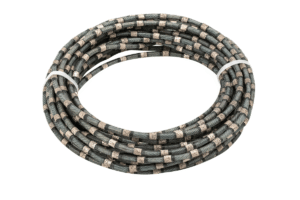
Electroplated Diamond Wire
Electroplated diamond wire features a single layer of diamond particles attached to the wire through a metallic coating, typically nickel. This construction ensures higher cutting speeds and exceptional precision due to the secure bond between diamonds and wire. This wire type is particularly effective in applications demanding rapid cutting with minimal deformation, such as semiconductor or photovoltaic applications involving challenging materials.
Resin Bonded Diamond Wire
Resin bonded diamond wire contains diamond particles embedded within a resin matrix, providing enhanced flexibility and smoother cutting surfaces. This wire is ideal for applications prioritizing superior surface finishes and minimal damage to delicate materials. It performs exceptionally well when cutting precision hard materials like ceramics and crystals, where materials are brittle or expensive.
Brazed Diamond Wire
Brazed diamond wire incorporates diamond particles attached to the wire surface through a brazing process. This wire type is favored for its remarkable longevity and cutting power, especially in demanding applications involving hard materials like metals and composites. Its robust construction minimizes wear while maintaining excellent performance even in high-temperature or high-stress environments.
Diamond Wire Varieties by Application

Solar Wafer Cutting
Specially designed for the solar industry, these wires are optimized for wafer cutting with minimal material loss and excellent surface quality—essential for efficient solar cell production.
Semiconductor Industry
Ultra-thin diamond wire used for cutting delicate materials such as sapphire and silicon with maximum precision. The thin design minimizes cutting loss while preserving material properties.
Construction and Demolition
Heavy-duty diamond wire designed to cut through reinforced concrete and steel, providing reliable solutions for demanding applications. Built to withstand extreme tension and stress.
Stone Processing
Specialized for cutting various stones including marble and granite. Superior quality and robustness guarantee smooth operation and precise cuts even with the hardest materials.
Glass and Ceramics Cutting
Enables efficient cutting with clean edges when working with fragile materials like glass and ceramics. Ideally suited for industries requiring high-quality finishes without compromising material integrity.
Diamond Wire for Stone Quarrying
Diamond wire cutting represents a revolutionary advancement in stone quarrying, delivering highly efficient and precise extraction methods. The technology provides exceptional performance in cutting accuracy while minimizing stone waste. Advanced quarrying systems designed for large-scale commercial operations maximize both cutting performance and material conservation.
Advantages Over Traditional Methods
Diamond wire cutting significantly outperforms traditional methods like explosives or conventional saws. Available data confirms that diamond wire cutting delivers superior accuracy, producing smoother surfaces with virtually no damage to quarried stone. Additionally, it dramatically reduces environmental impact by generating substantially less noise and dust compared to traditional techniques. This enhanced efficiency not only lowers operational costs but also supports sustainable resource extraction practices.
Diamond Wire for Construction Demolition
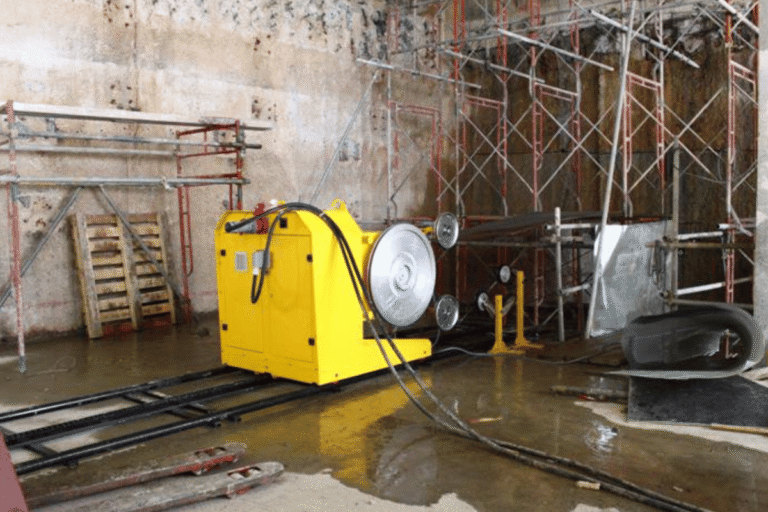
Diamond wire technology is increasingly becoming the preferred method for structural demolition due to its precision, versatility, and reduced environmental impact. Recent information from engineering and construction resources confirms that this technology cuts through tough materials like reinforced concrete rapidly while producing minimal vibrations, making it ideal for projects in noise-sensitive and environmentally conscious locations.
Key Benefits for Demolition Projects
- Prevents secondary damage such as microfractures in adjacent materials
- Preserves structural integrity of surrounding demolition areas
- Offers superior performance for complex projects where traditional methods pose greater risks
- Provides high operational effectiveness with minimal environmental impact
This method is now recognized as the optimal choice for modern demolition practices that prioritize operational efficiency while minimizing environmental disruption.
Diamond Wire for Silicon Wafer Cutting
Diamond wire technology serves as the primary method for silicon wafer cutting due to its exceptional precision and speed. The incorporation of industrial diamonds in cutting wire minimizes material waste significantly compared to traditional slurry cutting methods.
Environmental and Performance Advantages
- Environmental Sustainability: Requires less cooling water and produces minimal waste slurry, aligning with semiconductor industry sustainability goals
- Faster Cutting Speed: Enables accelerated production cycles without compromising quality
- Superior Surface Quality: Delivers better surface finishes with reduced downstream processing requirements
- Cost-Effectiveness: Combines efficiency with high-quality output for competitive market positioning
This combination of features makes diamond wire technology highly attractive to manufacturers seeking cost-effective, high-quality production in an increasingly competitive market.
Technical Specifications of Diamond Wire
Bead Types and Their Functionality
Diamond wire beads vary in construction and bonding methods, each offering distinct performance characteristics. Understanding these differences helps in selecting the optimal bead type for specific applications:
Electroplated Diamond Beads
Details: Comprise a single layer of diamond particles electroplated onto the bead surface.
Functionality: Ideal for high-precision cutting of hard materials with relatively lower costs. Frequently used in thin slicing applications requiring extremely fine tolerances.
Sintered Diamond Beads
Details: Produced by combining diamond grains with metal or ceramic bonds, then sintered under high pressure and temperature.
Functionality: Extremely durable and designed for heavy-duty applications. Deliver consistent performance even during prolonged use and high-pressure situations.
Vacuum Brazed Diamond Beads
Details: Diamond particles vacuum brazed onto the bead surface using specialized alloys.
Functionality: Provide excellent cutting efficiency and are widely used in applications requiring high precision and fine surface finishes. Their strong bond ensures extended service life.
Resin Bond Diamond Beads
Details: Diamond particles embedded into the bead surface with a resin matrix, providing flexibility and controlled cutting speed.
Functionality: Particularly useful for softer materials and applications requiring minimal resistance, such as grinding or polishing semiconductor surfaces.
Hybrid Bond Diamond Beads
Details: Incorporate various bonding techniques including resin and metal formulations to maximize cutting efficiency and service life.
Functionality: Suitable for a wide range of applications, offering a balanced combination of durability, rapid cutting, and finish quality that makes them appropriate for both general and specialized tasks.
Bonding Methods and Their Impact
The choice of bonding methods considerably impacts cutting and grinding tool performance, longevity, and efficiency. Individual methods enhance different characteristics such as wear resistance, cutting precision, or versatility across various materials. Here’s a description of the five main bonding processes and their particular impacts:
Five Primary Bonding Methods
1. Resin Bonding
Details: Uses synthetic resins as adhesives to hold together abrasive particles.
Impact: Provides excellent flexibility, making it ideal for processes requiring fine surface finishes such as tool sharpening or grinding soft materials. However, resins have lower thermal resistance compared to metals or ceramics.
2. Metal Bonding
Details: Involves powdered metals like bronze or cobalt with abrasives, sintered or plated using electroplating processes.
Impact: Delivers exceptional wear resistance and strong physical support properties, characterizing it as a favored process for cutting or grinding metals and hard materials. However, cutting speed may be slower due to rigid bonding.
3. Vitrified Bonding
Details: Utilizes a glass or ceramic matrix that holds abrasive particles through high-temperature firing.
Impact: Synonymous with precision, durability, and hard-to-machine material grinding. Its porous structure allows efficient cooling but may become brittle under heavy mechanical stress.
4. Electroplated Bonding
Details: Electroplating deposits a metal layer on the substrate to bond abrasive grains.
Impact: Enables creation of the finest and sharpest single-layer tools with exceptional precision. Perfect for complex designs but may have limited durability over time as abrasives cannot be replaced.
5. Hybrid Bonding
Details: Combines multiple techniques, such as joining resin with metal or powdered ceramics, to achieve enhanced performance.
Impact: Maximally utilizes both flexibility and strength aspects, finding applications across various industries. Overcomes drawbacks associated with individual bonding processes, allowing properties to be tailored to specific industrial requirements.
Selecting the right bonding method allows tool manufacturers to customize their products according to specific application requirements, achieving optimal performance and cost-effectiveness.
Durability Factors to Consider

Assessing tool and material durability requires thorough analysis of several factors that influence use, performance, and longevity. The following five factors are most important regarding durability:
Critical Durability Considerations
- Material Composition
The chemical makeup critically affects manufacturer product durability. High-grade alloys, composites, or synthetic materials with excellent tensile strength and wear resistance enhance overall performance even under extreme working conditions. For example, tungsten carbide possesses extraordinary hardness and thermal stability, making it widely chosen for cutting tool applications. - Thermal Resistance
Durability depends heavily on material ability to resist heat without deterioration. Materials with higher melting points or specialized coatings like ceramic or titanium nitride (TiN) demonstrate greater thermal resistance, becoming optimal choices for high-speed applications. - Wear and Abrasion Resistance
Tool surfaces used in abrasive environments must withstand erosion for extended periods. Surface treatment methods like PVD (Physical Vapour Deposition) or CVD (Chemical Vapour Deposition) are widely used to enhance surface hardness and decrease failure incidence resulting from wear. - Environmental Factors
Environmental elements including humidity, corrosive substances, or severe temperature changes can reduce durability. Using corrosion-resistant materials like stainless steel or employing surface treatments such as passivation helps prevent environmental damage. - Load-Bearing Capacity
Material resistance to mechanical loading without deforming or breaking determines durability. Tools enduring frequent stress cycles or heavy operational loads should be evaluated for fatigue resistance and yield strength—proper indicators of long-term reliability in repetitive use conditions.
By systematically addressing these factors, manufacturers can prolong tool and material lifespan while ensuring high-quality end products through proper functioning without premature wear or failure.
Choosing the Right Diamond Wire for Your Needs
Selecting the appropriate diamond wire requires careful consideration of material type and required cutting precision. When working with hard materials such as granite or quartz, choose wire with high diamond concentration and excellent bonding to obtain optimal durability and effectiveness. For softer materials, lower diamond concentration may suffice, focusing on wire that excels at producing smooth, clean cuts. Additionally, consider wire thickness—thinner wires offer greater accuracy but may have shorter lifespans, while thicker wires provide extended durability with slightly reduced precision. Always base your wire selection on exact application needs to ensure maximum performance and efficiency.
Assessing Your Specific Needs
Utilizing recent data and trends to determine necessary tools or processes for specific needs definitely increases decision-making accuracy, pointing toward advanced and efficient solutions. Analyze application specificities including material composition, required precision degree, and operational atmosphere. Industries requiring accuracy down to micrometers might choose thinner cutting solutions combined with necessary operational speed control to avoid thermal deformation. Check comparative studies from reliable sources and real-world case studies to guarantee your choice aligns with both performance requirements and industry progress. This thorough method ensures decisions are backed by empirical data combined with custom application needs.
Making an Informed Decision
Making informed choices depends on systematic assessment procedures that combine data-informed comprehension with market tendencies. Place extra emphasis on discerning exact application needs and scrutinizing quantitative evidence like performance measures and case studies. By connecting selections with both technical accuracy and practical application, you ensure results not only meet required standards but also fit operational goals.
Comparing Different Diamond Wire Types
Understanding the distinctions between black iron and PVC pipes helps illustrate material comparison principles applicable to diamond wire selection:
Reference Sources
Below are valuable references pertaining to various kinds of diamond wire:
- A General Overview of Diamond Wire Types and Applications: This article explains the properties of sintered wires along with their cutting volume and speed. Read more
- Different Diamond Wires: This article describes wire-type diamond saws with nickel-coated cores and high-concentration nickel-coated diamonds. Read more
- Diamond Wire Guidance | Mactech Offshore: This article explains different varieties of diamond wire including Electroplated, Vacuum Brazed, and Sintered wires, all consisting of synthetic diamonds. Read more
- All About Diamond Wire – Cutting Wire for Hard Materials: This article presents resin-coated wires as one of the best available options for high cut smoothness applications. Read more
- A Comparison of Wafers Sawn by Resin Bonded and Electroplated Wires: This article compares bonding layers and investigates wafer quality. Read more
- Recommend reading: Gantry Diamond Wire Saw: Precision Cutting Technology
Feel free to explore these resources for more detailed information on diamond wire technology and applications!
Frequently Asked Questions (FAQs) – Types of Diamond Wire
What are the major distinctions between electroplated, sintered, and vacuum-brazed diamond wires?
Primarily, the difference indicates the method of securing the diamond abrasive to the steel core or bead.
- Electroplated wire: Uses a nickel layer to mechanically lock a single layer of diamonds onto the surface, resulting in a very sharp tool with excellent initial cutting speed.
- Sintered wire: Mixes diamond particles with a metal powder matrix, then pressed and heated. This creates a strong, multi-layer bond where new diamonds are uncovered as the matrix decays.
- Vacuum-brazed wire: Employs a high-temperature chemical bonding process, creating a solid grip on diamonds with optimum grain exposure, providing an ideal blend of speed and life.
What is the difference between resin-bonded diamond wires and metal-bonded ones?
Resin-bonded wire contains diamond abrasive in a polymer resin matrix, as opposed to a metal bond. The resin is softer than metal, allowing for “free-cutting” action and significant vibration reduction during operation. This translates into smoother surface finishes and less subsurface damage to the material being cut. It is usually reserved for high-precision applications, not heavy-duty structural demolition.
What are the benefits of using rubber or plastic injection assembly in diamond wires?
Rubber and plastic injections are used to shield the steel cable that bears the diamond beads:
- Rubber injection: Very flexible and tough, making it ideal for quarrying and harsh construction environments where the wire encounters abrasive slurry and tight radii.
- Plastic injection: Mainly harder and frequently utilized for stationary block cutting or controlled profiling where maintaining wire stiffness is advantageous for straightness.
When is an electroplated diamond wire the best option?
Electroplated wire is frequently chosen for applications needing cutting capabilities in heavy applications like mixed materials, heavily reinforced concrete, or steel structures. The diamonds are completely visible at the surface, making this wire extremely fast with high cutting performance and no “break-in” period. It is also frequently employed in smaller, detailed cuts where tool diameter must be reduced.
Ready to Select Your Diamond Wire?
Understanding the differences between electroplated, resin bonded, and brazed diamond wires empowers you to make informed decisions for your cutting projects. Consider your material type, precision requirements, and operational conditions to select the optimal diamond wire solution for maximum performance and efficiency.
Related Posts
Trending Blogs

![Polysilicon Material: Properties, Grades & Uses [Guide]](https://wiresawcutter.com/wp-content/uploads/2026/08/polysilicon-material-featured-150x150.webp)