
Get in touch with DONGHE Company
-
Phone: +86 181-1645-5490
-
Email: Sales18@DongheScience.com

How to Reduce Kerf Loss in Diamond Wire Sawing?

One of the biggest challenges in diamond wire cutting for solar wafer production is material wastage due to kerf loss. Manufacturers are transforming their processes, focusing on optimization strategies that enhance material yield while preserving wafer structural integrity. This comprehensive guide explores proven strategies and innovations for reducing kerf loss—from optimizing cutting parameters to implementing advanced wire technologies. Whether you’re a seasoned professional or seeking deeper understanding of wafer production, you’ll discover practical insights to refine operations and achieve industry-leading results. Continue reading to uncover targeted approaches that will make a measurable impact on your manufacturing processes.
Understanding Kerf Loss in Diamond Wire Sawing

In diamond wire sawing, kerf loss represents the material removed and wasted during the sawing process. This loss occurs because the cut width, or kerf, encompasses both the material displaced by the wire and debris generated from the abrasive cutting action. Minimizing kerf loss is critical in wafer production as it directly impacts material efficiency, yields, and overall cost-effectiveness. By optimizing wire diameter, cutting speed, and slurry composition, manufacturers can significantly reduce kerf loss while maintaining product quality.
Definition and Importance of Kerf Loss
Key Definition: Kerf loss refers to material lost during cutting due to the thickness of the cutting tool and associated debris generated. Its importance lies in its direct impact on material utilization, production efficiency, and cost management. By minimizing kerf loss, manufacturers can ensure higher yields, reduced waste, and improved overall profitability in manufacturing operations.
Factors Contributing to Kerf Loss
1. Cutting Tool Thickness
The thickness of the cutting tool directly determines the amount of material displaced or removed during the cutting process. Thicker tools generally result in higher kerf loss, leading to greater material wastage. For example, a blade with a thickness of 3mm will remove more material than a blade with a thickness of 1.5mm during each cut.
2. Cutting Method and Technology
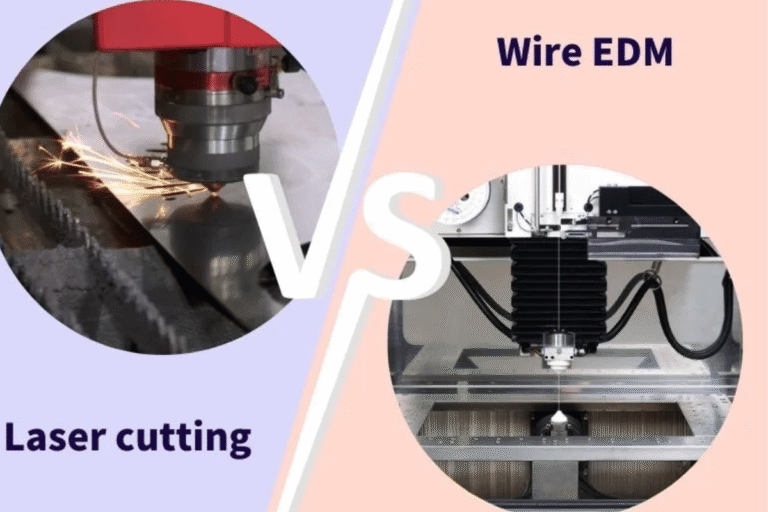
Different cutting technologies such as sawing, laser cutting, or waterjet cutting impact kerf loss differently. Traditional sawing typically generates wider kerfs compared to advanced laser cutting, which provides higher precision and narrower kerfs. Understanding the methodology and its implications helps optimize efficiency.
3. Material Properties
The type and hardness of the material being cut significantly influence kerf loss. For softer materials such as wood or foam, kerf size is often dictated by tool pressure and debris displacement. For harder materials like metals or ceramics, cutting precision and debris size affect kerf loss occurrences.
4. Operator Skill Level
Skilled operators can effectively manage cutting precision, minimize unnecessary tool pressure, and reduce deviation, thereby controlling kerf loss. Conversely, less experienced operators may inadvertently increase kerf loss due to improper handling or suboptimal equipment use.
5. Tool Wear and Maintenance
Dull or poorly maintained tools often create wider kerfs as they struggle to maintain sharpness and precision. Regular tool sharpening and maintenance are essential to keeping kerf loss within acceptable limits. Studies show that a 20% decline in tool sharpness can result in up to a 10% increase in kerf loss in certain applications.
Industry Insight: By addressing these factors through technological advancements, proper training, and regular maintenance, manufacturers can achieve significant reductions in kerf loss, improving yield and overall production efficiency.
Impact of Kerf Loss on Wafer Production

Kerf loss significantly affects wafer production, reducing material yield and overall efficiency. The following are five key impacts based on detailed observations and industry data:
| Impact Area | Description | Key Statistics |
|---|---|---|
| Material Waste | Kerf loss directly leads to wasted material during the cutting process, particularly in silicon wafer manufacturing. | 15-25% material loss depending on blade and cutting parameters |
| Cost Increase | Higher kerf loss leads to increased consumption of raw materials, driving up production costs significantly. | 1% kerf loss increase = 2-3% material cost rise |
| Process Efficiency Reduction | Excessive kerf loss translates to reduced efficiency in processes such as slicing and dicing operations. | Up to 18% efficiency improvement possible through optimization |
| Yield Decline | Wafer yield, referring to the number of usable wafers obtained from bulk material, is adversely affected by kerf loss. | 10% kerf loss = 8-12% yield reduction |
| Environmental Impact | Higher kerf loss results in increased waste, leading to greater challenges in waste management and recycling. | Reducing kerf from 25% to 15% cuts waste output by 40% annually |
⚠️ Important: By addressing and mitigating these impacts, manufacturers can optimize wafer production, reduce costs, and enhance sustainability within the industry.
Technical Strategies for Material Conservation

Optimizing Wafer Slicing Processes
Implementing precision cutting technologies, such as wire saws with finer diameters or diamond-coated blades, reduces kerf loss by minimizing material removal during slicing. Automated cutting systems equipped with real-time monitoring ensure consistent accuracy.
Enhancing Recycling Practices
Recovering and repurposing wafer offcuts and debris through advanced recycling techniques significantly reduces material waste. Efficient separation and purification processes enable reuse in production workflows.
Material Substitution
Utilizing more durable and less resource-intensive materials can reduce waste accumulation. Developing alternative substrates with comparable performance characteristics minimizes dependency on traditional wafers.
Process Optimization
Employing analytics-driven process controls can identify inefficiencies and lead to refined workflows. Techniques such as optimizing cutting speeds and coolant application directly impact material preservation and operational effectiveness.
Optimizing Wire Diameter for Reduced Kerf Loss

Optimizing wire diameter for reduced kerf loss requires a precise balance between cutting efficiency and material conservation. By selecting thinner wire diameters, manufacturers can minimize the amount of material lost during the cutting process, thereby enhancing yield. However, mechanical stability and cutting speed must also be considered to ensure that thinner wires do not compromise overall productivity or increase the risk of wire breakage. Through careful analysis and testing, the optimal wire specifications can be determined that align with both efficiency and material preservation goals.
Adjusting Machine Parameters for Efficiency
Best Practice: To optimize machine performance while maintaining efficiency, analyze operational data, adjust variables such as speed and pressure, and leverage real-time feedback systems to fine-tune parameters for consistent output quality.
Improving Wire Tension to Minimize Waste
Improving wire tension and minimizing waste focuses on calibrating tension settings accurately based on the material being used. Regular inspection and adjustment of the tensioning mechanism ensures consistent feed and prevents issues like tangling or excessive slack. Additionally, monitoring equipment during operation helps quickly identify and resolve irregularities, thereby reducing material wastage.
Enhancing Cutting Precision with Best Practices
Precision Checklist:
- Ensure all cutting tools are properly sharpened and maintained to reduce irregularities during operation
- Use high-quality cutting materials suited to the specific application for cleaner and more accurate cuts
- Regularly calibrate cutting equipment to align with manufacturing specifications and minimize deviations
- Implement precise measurement tools and techniques to verify dimensions before and after cutting
- Maintain a clean and organized workspace to reduce the risk of contamination or errors in the cutting process
Understanding Lateral Vibration of Diamond Wire
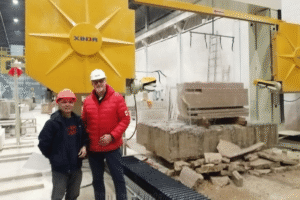
Lateral vibration in diamond wire arises primarily due to dynamic instability during operation, particularly under high-speed cutting or inconsistent tension conditions. Factors such as irregular feed rates, unbalanced forces acting on the wire, and resonance effects further exacerbate these vibrations. This phenomenon significantly impacts the precision and efficiency of cutting processes, leading to increased tool wear, surface irregularities, and possible material damage.
To address this, advanced modeling techniques and real-time monitoring systems are implemented, providing insights into vibration behavior. Computational analysis, such as finite element modeling, helps predict and minimize resonance frequencies. Additionally, optimizing operational parameters like tension control, feed rate stabilization, and employing dampening mechanisms can substantially reduce lateral vibrations. Automation driven by machine learning algorithms now also enables continuous adjustment of cutting conditions, ensuring improved accuracy and operational longevity of diamond wires.
Calibration Techniques for Accurate Cutting
Accurate calibration of diamond wire cutting systems requires a multi-step approach focused on aligning mechanical precision, software compensation, and environmental stability. A critical first step is the application of laser alignment systems to ensure the wire maintains a consistent trajectory relative to the cutting plane. This method minimizes angular deviations, which could lead to uneven cuts or material wastage.
Complementing this, advanced sensor arrays such as strain gauges and accelerometers monitor real-time wire tension and vibration, feeding data back into adaptive control systems. These systems use algorithms to fine-tune operational settings dynamically, thereby ensuring optimal cutting conditions. Environmental variables such as temperature fluctuations and humidity must also be accounted for during the calibration process. Utilizing temperature-compensated materials and enclosure systems can mitigate the effects of thermal expansion on cutting precision.
Additionally, integrating machine learning techniques allows the system to self-correct minor deviations by analyzing historical performance data and predicting future compensation requirements. By combining precise mechanical adjustments with intelligent control software, operators can achieve significant improvements in cutting accuracy, material efficiency, and overall system reliability. This methodical calibration approach ensures the process adheres to stringent industrial standards, aligning with technical advancements in manufacturing efficiency.
Regular Maintenance of Sawing Equipment
Critical Maintenance Guidelines:
Properly maintaining sawing equipment is critical for ensuring operational longevity, precision, and optimal performance. Regular maintenance routines should include inspecting blade tension, verifying alignment, and cleaning debris from vital components to mitigate wear and tear. Additionally, lubrication of moving parts must be performed at recommended intervals to prevent mechanical friction and overheating, which can compromise equipment integrity. Best practices derived from comprehensive industrial guidelines emphasize the importance of utilizing manufacturer-recommended maintenance schedules. Ensuring adherence to these guidelines, combined with ongoing monitoring of equipment performance metrics, allows operators to minimize downtime, reduce repair costs, and maintain consistent production quality.
Implications for the Photovoltaic Industry

Adhering to manufacturer-recommended maintenance schedules is critical for ensuring optimal performance and extending the lifespan of photovoltaic systems. Regular inspection and maintenance of components such as inverters, panels, and wiring not only prevent unexpected failures but also maximize energy output efficiency. By monitoring key performance indicators like energy yield and system losses, operators can identify potential issues early, enabling timely intervention and reducing overall operational costs. These practices ultimately support the long-term feasibility and reliability of solar energy solutions, fostering greater confidence in their adoption across various sectors.
Reducing Costs through Kerf Loss Management
Kerf loss management is a critical factor in optimizing the production processes of silicon wafers, particularly in industries reliant on photovoltaic cells and semiconductors. Kerf loss refers to the material lost as waste during the wafer-slicing process, primarily due to the thickness of the saw blade used and inefficiencies in cutting techniques. By mitigating kerf loss, manufacturers can significantly reduce costs associated with raw material consumption and waste processing, which are substantial in high-volume production environments.
Emerging technologies such as diamond-wire sawing and laser-cutting methods are redefining kerf management by enabling thinner cuts with minimal material waste. Additionally, integrating computational models to analyze and refine cutting precision can further improve yield rates. Utilizing slurry recycling systems to recover wasted material is another effective strategy for reducing losses and lowering operational expenses. Combined with advanced data analysis tools, manufacturers can leverage predictive analytics to optimize cutting parameters, enhance precision, and forecast potential process inefficiencies. This approach not only reduces costs but also supports sustainable production practices by minimizing material waste and environmental impact.
Cost Reduction Benefits
- Increased Yield: Reduced cutting loss means more wafers can be produced from the same ingot
- Lower Raw Material Costs: Minimized wastage translates to reduced spending on silicon and other costly substrates
- Enhanced Operational Efficiency: Higher yields mean better throughput with the same time and energy investment
Enhancing the Quality of Solar Cells
To enhance the quality of solar cells, manufacturers focus on optimizing material purity, improving manufacturing precision, and implementing advanced deposition techniques. By incorporating high-efficiency materials and refining production processes, improved energy conversion rates and long-term durability are ensured, meeting the rigorous standards of modern renewable energy demands.
Future Trends in Wafer Cutting Technology

The field of wafer cutting technology is rapidly advancing, driven by the growing demand for high-precision manufacturing in the semiconductor and photovoltaic industries. Emerging trends include the adoption of laser-based cutting techniques, which offer superior accuracy and minimal material loss compared to traditional methods. Laser dicing and stealth dicing technologies are particularly notable for their ability to process ultra-thin wafers with minimal thermal damage, ensuring higher yields and improved device performance.
Additionally, the integration of AI and machine learning in wafer inspection and cutting systems is becoming increasingly prominent. These technologies enable real-time monitoring, predictive maintenance, and adaptive process control, significantly enhancing manufacturing efficiency. The shift towards greener and more sustainable practices is also influencing the development of water-free cutting systems and recyclable abrasive materials.
According to recent data, demand for thinner and larger wafers—such as 300mm and beyond—is creating a need for innovative cutting technologies capable of maintaining structural integrity while meeting rigorous dimensional tolerances. The advancement of diamond wire sawing and hybrid cutting methodologies further highlights the industry’s push towards achieving a balance between precision, cost-effectiveness, and environmental responsibility. These evolutionary strides reflect the industry’s commitment to addressing the growing complexities of modern semiconductor and solar panel production.
Frequently Asked Questions (FAQs)
What is kerf loss in diamond wire cutting, and why is minimizing it important?
Kerf loss refers to the material wasted during the cutting process. In diamond wire sawing, it’s determined by the cut width. Minimizing kerf loss is crucial because it directly affects material yield. In industries dealing with high-value materials like silicon for solar wafers, even slight kerf width reductions can produce more wafers per ingot, lowering cost per unit and improving resource utilization.
How does wire diameter impact kerf loss?
Wire diameter is the primary determinant of kerf width. Thinner diamond wires remove less material during cutting. Therefore, transitioning to smaller diameter wires is essential for kerf loss reduction. However, excessively thin wires may become weak, requiring careful adjustment of cutting parameters to prevent wire breakage while maintaining cutting stability.
What is the impact of wire tension on material wastage?
Generally, proper wire tension contributes to lower kerf loss. Adequate tension prevents excessive lateral wire movement or bowing, allowing the wire to cut through material with less force. When the wire is fully stretched and maintains a straight line, cuts are precise and narrow. Low tension may cause the wire to move or vibrate, resulting in wider cuts and increased material removal.
Does wire speed have a direct relation with kerf loss?
Yes, wire speed plays a major role in cutting dynamics. High-speed wires may improve material removal but can also worsen cutting instability, introducing more vibrations if not properly balanced with tension and feed rates. Research indicates that excessively high wire speed can lead to slight increases in kerf loss due to dynamic effects on the wire. Cutting speed needs to be optimally set to maximize efficiency while maintaining narrow and stable cuts.
How does the quality of diamond abrasive influence kerf width?
The success of a cut and its width depend on the diamond particles’ size and distribution on the wire core. Wires with proper size and uniform diamond distribution produce smoother cuts. However, if the abrasive is not distributed properly or if particles are relatively large compared to the wire core, cutting becomes less effective and cutting width increases. Furthermore, worn wires may not cut cleanly, requiring increased cutting force, leading to wire deformation and material loss.
Do cooling fluids (coolants) have any effect on kerf loss?
Using effective cooling and lubrication is crucial for maintaining a narrow kerf. Coolant cools the wire and removes swarf (debris) from the cutting zone while preventing heat generation. If heat is generated, it can cause material or wire expansion, affecting cut precision. Proper coolant flow ensures the wire cuts cleanly without excessive friction, which is essential for maintaining minimum kerf width.
What are the financial advantages of reducing kerf loss?
Financial advantages are substantial, especially in mass production scenarios:
- Increased Yield: Reduced cutting loss means more wafers can be produced from the same ingot
- Lower Raw Material Costs: Less wastage of silicon or other costly substrates reduces overall material expenses
- Enhanced Operational Efficiency: Increased yields translate to better throughput with the same time and energy investment
Is there any environmental advantage to reducing kerf loss?
Certainly, reducing kerf loss is considered an important aspect of sustainable manufacturing. By minimizing waste, producers not only benefit economically but also create less harmful manufacturing chains. Reduced demand for newly mined and processed materials diminishes the environmental impact of mining and production significantly. Moreover, less silicon sludge or waste slurry is produced during the sawing process with reduced kerf loss. This results in decreased hazardous waste, reducing the burden on recycling and disposal systems, which leads to a smaller environmental footprint for manufacturing facilities.
Reference Sources
The following are valuable references that outline methods for reducing kerf loss in diamond wire sawing:
Improving diamond wire sawing to reduce kerf loss in solar wafer production
This research indicates that kerf loss is inversely proportional to wire tension and span, while it increases with rotating wire speed up to a certain extent, though the increase is minimal.
Reducing Solar Wafer Cutting Loss by Suppressing Lateral Movement
This paper addresses cutting loss and suggests that wire tension should be increased or wire span should be reduced to achieve desired results, while higher wire speed may have only a minor and opposite effect.
Kerf Loss: Minimizing Loss Per Cut with Expensive Materials
This discussion forum provides extensive conversation about using wire sawing as a technique for minimizing kerf loss, particularly when dealing with costly materials.
Wire Sawing vs Other Cutting Methods
According to this article, wire sawing has the least kerf loss associated with it when compared to other cutting methods, such as ID saws.
Recommend reading: Gantry Diamond Wire Saw: Precision Cutting Technology
Ready to Optimize Your Manufacturing Process?
Implement these proven strategies to reduce kerf loss, enhance material yield, and achieve industry-leading results in solar wafer production.
Related Posts
Trending Blogs

![Polysilicon Material: Properties, Grades & Uses [Guide]](https://wiresawcutter.com/wp-content/uploads/2026/08/polysilicon-material-featured-150x150.webp)