
Get in touch with DONGHE Company
-
Phone: +86 181-1645-5490
-
Email: Sales18@DongheScience.com

Wire Saw Cutting Parameters Optimization Guide

Wire saw cutting parameters must be adjusted to the highest level to meet modern manufacturing and material processing aims of precision, efficiency, and cost-effectiveness. This comprehensive manual provides a thorough examination of cutting performance and the complete output that key parameters—cutting speed, tension, and abrasive concentration—have on operations. Whether you are trying to improve surface finish quality, reduce material waste, or extend cutting wire lifetime, understanding these parameters will provide a significant competitive advantage.
Understanding Wire Saw Technology
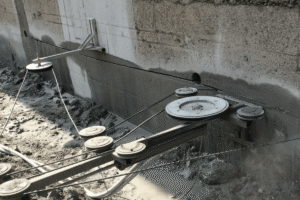
Wire saw technology represents a modern cutting method that provides the highest level of accuracy and precision when slicing materials. The system consists of a very thin, continuous wire ordinarily coated with an abrasive like diamond and operated at high speed to produce exceptionally fine cuts. This method has become essential in production areas involving hard and brittle materials such as silicon, ceramics, and metals.
Major Advantages of Wire Saw Technology
Minimal Material Loss
Extremely thin kerf width reduces waste, critical for expensive materials
Excellent Surface Quality
Produces smooth finishes requiring minimal secondary processing
Complex Shape Capability
Enables intricate cutting patterns and complicated geometries
Adjustable Performance
Wire tension, feed rate, and cutting speed can be optimized for specific applications
What is a Wire Saw?
A wire saw is a high-precision cutting tool that works with a thin, flexible wire coated with abrasive materials to cut different materials with exceptional precision. Originally developed for industrial purposes, these saws have found widespread use in the semiconductor industry, construction, and gemstone cutting. The wire accomplishes cutting through abrasive particles that gradually wear away material while the wire is pulled with significant tension and speed.
Modern Wire Saw Features
- Diamond-Coated Wires:
Advanced diamond coating technology improves cutting efficiency and durability - Computer-Controlled Systems:
Automated control enhances cutting precision and reduces material loss - Precise Tolerance Maintenance:
Keeps tolerances extremely tight for high-precision applications - Superior Surface Finishes:
Produces excellent surface quality requiring minimal post-processing
The Role of Diamond Wire in Cutting

Diamond wire cutting has secured its position as the best and most reliable method across various applications due to its unmatched precision and exceptional efficiency. The diamond-coated wire is an extremely durable material, enabling intricate cuts with minimal wastage of base material. This makes it the primary choice for processing high-value materials where maintaining structural integrity and achieving excellent surface quality are crucial.
Flexibility Advantage: Diamond wire’s versatility allows tackling the most demanding cutting jobs without exceeding specified tolerances, making it suitable for applications requiring both precision and efficiency.
Types of Wire Saws: Concrete vs. Marble vs. Granite
Wire saw machines are classified into three main categories based on their operational focus: Concrete Wire Saw, Marble Wire Saw, and Granite Wire Saw. Each type is optimized for specific material characteristics and application requirements.
Applications of Wire Saw Cutting
Wire saw cutting is a highly versatile and precise method with widespread acceptance across different industries. The following sections detail the primary application areas where wire saw technology delivers exceptional results.
- 1
Building and Demolition
Wire saws cut precisely through reinforced concrete, brick, and stone structures. The saw’s capacity for smooth cutting without damaging adjacent structures makes it ideal for sectioning bridges, foundations, and thick concrete slabs. - 2
Mining and Quarrying
Wire saw cutting has become increasingly popular for extracting blocks of natural stones such as granite, marble, and limestone without damage. Main advantages include increased efficiency, reduced waste, and preservation of stone quality during extraction. - 3
Manufacturing and Fabrication
Industrial sectors adopt wire saw cutting for processing hard materials including metals, composites, and ceramics. The technology’s capacity for intricate cuts makes it suitable for aerospace, automotive, and electronics sectors requiring high accuracy and throughput. - 4
Art and Crafting
Artists and sculptors utilize wire saw technology for implementing delicate and highly detailed designs in materials such as clay, soapstone, or specially designed foams. Complex motifs can be extracted while maintaining material integrity. - 5
Monument and Countertop Design
Wire saws are the primary choice for cutting and designing monuments, worktops, and architectural decorative elements from natural and artificial stones. Acute cutting capabilities enable both smooth and complex designs meeting aesthetic and functional requirements. - 6
Semiconductor Industry
Wire saws enable slicing silicon wafers for microchip and photovoltaic cell manufacturing. Extremely thin and uniform cuts ensure consistency while reducing material loss, meeting high-tech manufacturing requirements.
Utilizing Diamond Wire for Marble and Granite

Diamond wire technology has revolutionized marble and granite processing with its capability to cut through materials precisely, efficiently, and in an environmentally friendly manner. By using a strong steel cable embedded with diamond segments, the process achieves substantial accuracy with minimal material loss. The combination of diamond wire and highly developed machinery results in quieter operations, smoother finishes, and preserved slab integrity.
Diamond Wire Cutting Advantages Over Traditional Methods
Higher Productivity
Significantly faster cutting rates with less downtime from tool wear compared to conventional methods
Water Cooling Efficiency
Process generates minimal heat, maintaining wire life and cutting efficiency through effective water cooling
Advanced Technology Integration
Variable wire speeds and automated tension adjustments optimize cutting for different material types
Benefits of Using Diamond Wire Saws
Diamond wire saws offer numerous advantages that make them the preferred choice across multiple industries. Their combination of precision, versatility, and operational efficiency delivers superior results compared to traditional cutting methods.
Advantages of Precision Cutting

Precision cutting technology delivers exceptional benefits across industries requiring exact tolerances and superior surface finishes. Modern precision cutting techniques incorporate advanced technologies that enhance accuracy, efficiency, and material utilization.
Challenges in Wire Saw Cutting
While wire saw cutting offers numerous advantages, operators must address several challenges to maintain optimal performance. Understanding these challenges enables proactive management and effective mitigation strategies.
⚠️ Wire Consumption
Frequent wire replacement requirements increase operational costs, particularly when cutting abrasive or hard materials
⚠️ Skilled Operator Requirements
Highly trained professionals needed to determine proper parameters and avoid costly material or equipment damage
⚠️ Hard Material Challenges
Cutting very hard or reinforced materials reduces efficiency, requiring more time and resources to complete operations
⚠️ Cooling and Lubrication
Wire functioning critically depends on adequate cooling and lubrication to prevent overheating, decreased productivity, and premature equipment failure
Maintenance and Wear of Diamond Wire Saws
Maintaining diamond wire saws in optimal condition is essential for achieving best performance and maximum lifespan, particularly in harsh operating conditions. The maintenance cycle involves regular checks and proactive measures to prevent minor issues from escalating into major failures.
Comprehensive Maintenance Practices
- ✓
Regular Wire and Bead Inspection
Check for visible wear signs such as surface flattening, unevenness, or core exposure to identify issues early - ✓
Proper Tension Management
Monitor wire tension levels regularly—loose tension causes missed cuts while excessive tension leads to premature breakage - ✓
Adequate Water Supply and Cooling
Maintain minimum water supply with cooling to prevent cutting wire from wearing too quickly and losing efficiency - ✓
Parameter Adjustment Based on Material
Adjust cutting speed and feed rate according to material hardness and abrasiveness to optimize wire life and performance - ✓
Wire Cleaning and Lubrication
Regular cleaning prevents dirt trapping and ensures free wire movement, reducing friction and extending lifespan - ✓
High-Quality Material-Specific Wires
Use diamond wires specifically designed for the material being cut (granite, marble, reinforced concrete) to enhance wear resistance
Best Practice: Continuous operator training ensures latest advances and standard operating procedures are properly implemented, minimizing operational downtime and maximizing saw investment returns.
Environmental Considerations and Solutions
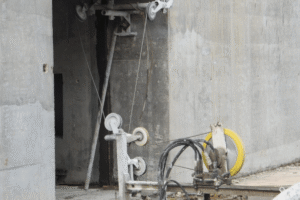
Although diamond wire sawing operations are among the most environmentally friendly cutting methods, they still impact the environment through energy consumption, water usage, and waste generation. Proper management in industrial environments requires adopting sustainable practices and advanced technologies.
Sustainable Operational Strategies
Energy-Efficient Equipment
Electric and hybrid saws significantly reduce carbon footprint compared to traditional diesel-powered machines, lowering overall energy consumption
Closed-Loop Water Recycling
Implementation of water recycling systems minimizes fresh water consumption and wastewater discharge while meeting strict environmental policies
Waste Material Recycling
Proper disposal or recycling of sawing waste materials like slurry and dust through solidification and mineral separation minimizes landfill waste
Selecting the Right Tools and Techniques
Tool and technique selection requires prioritizing the optimal confluence of efficiency, precision, and sustainability. Quality equipment customized for specific material types and operation sizes reduces downtimes and maintenance costs while enhancing overall performance.
Factors to Consider When Choosing a Diamond Wire Saw
Techniques for Optimal Cutting Performance

Achieving ultimate cutting results requires implementing several key techniques that optimize precision, efficiency, and equipment longevity. These practices ensure consistent high-quality output while minimizing waste and operational costs.
Performance Optimization Strategy
- 1
Determine Proper Wire Tension
Wire tension directly affects cutting precision and efficiency. Maintain optimal tension levels to prevent wire breakage or uneven cuts - 2
Set Cutting Speed and Feed Rate
Configure parameters to maintain high productivity without accelerating tool wear, balancing efficiency with longevity - 3
Prioritize Equipment Maintenance
Regularly check wire condition, ensure cooling system functionality, and maintain all components to sustain high performance levels - 4
Adapt Conditions for Different Materials
Adjust cutting parameters based on material characteristics to obtain desired results while minimizing waste and energy consumption
Tips for Maintaining Precision in Wire Saw Cutting
Maintaining precision in wire saw cutting operations requires comprehensive attention to critical parameters and regular monitoring. The following detailed practices enable operators to achieve consistent accuracy while extending equipment lifespan.
Precision Maintenance Checklist
Optimize Wire Tension
Optimal wire tension maintenance is critical for cutting process success. Excessive tension can cause wire breakage, while insufficient tension produces non-uniform cuts.
Recommended Range: 10–15 N (varies according to material and wire diameter)
Regularly Inspect and Replace Worn Components
Wire, pulleys, and guides require regular inspection. Monitor wear and tear, replacing damaged or worn components immediately. Worn pulleys increase vibration, negatively affecting cutting path precision.
Monitor Cutting Speeds and Feed Rates
Adjust cutting speeds and feed rates according to material hardness and thickness for precision cutting.
Soft Materials: Cutting speeds up to 20 mm/s
Hard Materials (Quartz): Slower speeds of 5–10 mm/s
Ensure Proper Cooling and Lubrication
Constant coolant flow is essential for removing heat generated during cutting and preventing temperature-related distortion.
Recommended Flow Rate: 3-5 liters per minute for cutting zone stability and crack prevention
Calibrate Equipment Regularly
Regular wire saw calibration guarantees perfect alignment and precision. Even slight misalignment can cause material wastage through deviations. Employ precision instruments like dial indicators to check alignment and make necessary adjustments.
Critical Tolerance: Alignment error of just 0.1 mm can cause material wastage
Frequently Asked Questions
What is wire saw cutting and how does it work?
Wire saw cutting is a precise material shaping process using a thin metal wire normally coated with diamond abrasive particles to cut through different materials. When tensioned and rotated quickly, the wire grinds material while making cuts to specified dimensions. This technology applies to cutting hard or brittle materials such as silicon, ceramics, granite, and concrete, offering minimal kerf loss and maximum surface quality.
Which parameters are most critical for optimizing wire saw performance?
Performance optimization requires excellent control and management of several critical parameters:
- Wire Tension: Maintain proper tension (approximately 10-15 N) for straight cuts and wire breakage prevention
- Cutting Speed: Adjust wire movement speed according to material hardness—hard materials require slower speeds (5-10 mm/s), soft materials allow faster cutting (up to 20 mm/s)
- Feed Rate: Determines wire penetration speed into workpiece
- Coolant Flow: Essential for temperature control, preventing overheating and thermal damage (3-5 liters per minute range)
What are the primary benefits of using diamond wire saws compared to traditional methods?
Diamond wire saws offer superior advantages over traditional mechanical cutting techniques:
- Precision: Extremely accurate cuts with tolerances typically within ±0.001 inches, providing high-quality surface finishes
- Reduced Waste: Tiny wire diameter results in minimal kerf loss, crucial when working with expensive raw materials
- Versatility: Capable of cutting many different materials, including hard concrete and difficult-to-cut metals
- Environmental Efficiency: Generates less dust and waste material while operating at lower noise levels
Can wire saws be used for materials other than stone?
Yes, wire saws demonstrate broad application versatility. While primary applications involve cutting natural stones like granite and marble, wire saws have become popular in the semiconductor industry for slicing silicon wafers. Additionally, building and civil engineering sectors use them for cutting reinforced concrete and metal deburring operations. Manufacturing industries apply wire saw technology to shaping metals, composites, and ceramics across various applications.
What maintenance is required to extend the lifespan of a diamond wire?
To obtain maximum operational life from diamond wire saws:
- Regular Inspection: Frequently examine wire and beads for uneven wear signs, flattening, or core exposure
- Monitor Tension: Control tension constantly within recommended limits, preventing wire breakage or missed cuts
- Clean & Lubricate: Keep wire free from slurry buildup and maintain constant coolant flow during operation to minimize friction and heat
- Calibration: Periodically calibrate machine ensuring correct alignment—even slight misalignment (0.1 mm) causes faster wear and inaccuracies
Why is coolant important in the wire sawing process?
Coolant serves two indispensable main functions: cooling and debris removal. It removes heat generated by friction between abrasive wire and workpiece, preventing thermal damage to both wire and workpiece. Additionally, coolant removes cutting slurry and particles, allowing wire to run smoothly while maintaining cutting efficiency throughout the operation.
What are common challenges faced during wire saw cutting operations?
Operators may encounter several operational challenges:
- Wire Wear and Breakage: Continuous wire replacements due to high friction and incorrect tension settings
- Material Hardness: Very hard or reinforced materials (such as concrete with rebars) slow cutting processes and accelerate tool wear
- Operational Errors: Wrong parameter settings or misalignment leading to uneven cuts or machine damage
- Environmental Management: Water usage and slurry disposal requiring effective filtration and recycling systems
How does wire saw cutting support sustainable manufacturing practices?
Wire sawing is considered more sustainable than alternative methods primarily due to considerable kerf loss decrease through narrow incision widths. The technology operates energy-efficiently compared to traditional cutting methods involving heavy cuts and high energy consumption. Modern systems feature closed-loop water recycling, minimizing freshwater consumption. Additionally, the process produces less airborne dust than dry cutting methods, contributing to cleaner, more sustainable manufacturing environments.
Recommend reading: Hard and Brittle Material Cutting Wire Saw | Precision Diamond Wire Saw Machine
Conclusion
Optimizing wire saw cutting parameters is essential for achieving precision, efficiency, and cost-effectiveness in modern manufacturing and material processing operations. By understanding and properly managing critical parameters such as wire tension, cutting speed, feed rate, and coolant flow, operators can significantly improve surface finish quality, reduce material waste, and extend cutting wire lifetime. Whether working with concrete, marble, granite, or advanced materials like silicon wafers, implementing the strategies and best practices outlined in this guide will transform your cutting operations into models of accuracy and effectiveness. Continuous attention to maintenance, environmental considerations, and technological advancements ensures sustained operational excellence and competitive advantage in today’s demanding industrial landscape.
Related Posts

Trending Blogs

![Polysilicon Material: Properties, Grades & Uses [Guide]](https://wiresawcutter.com/wp-content/uploads/2026/08/polysilicon-material-featured-150x150.webp)