
Get in touch with DONGHE Company
-
Phone: +86 181-1645-5490
-
Email: Sales18@DongheScience.com

How to Choose a Magnetic Material Cutting Machine?

How to Choose a Magnetic Material Cutting Machine: Complete Selection Guide
Essential Criteria, Technology Comparison, and Expert Recommendations
Manufacturers engaged in production of magnetic cutting machines can comprehend the essence of assigning to magnetic materials effective precision cutting through the right choice of a cutting machine. There are a great number of choices available to address each and every demand and application and this makes it very difficult to consider them all and choose the appropriate one. Usually it is the Ferrite magnets, Sintered NdFeB or flexible magnetic sheets that are trimmed and machinability is solely reliant on the construction of the machine. The purpose of this article is to assist you in choosing the right magnetic material cutting machine by examining several critical elements.
Understanding Magnetic Drilling Machines
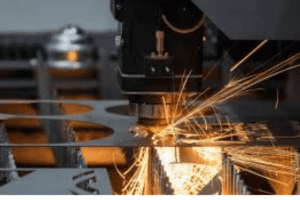
Like all methods of material processing, the magnetic drilling apparatus carries certain preference in regards to the metallic surface it lends itself to most expertly. The machines can attach to ferrous surfaces due to a heavy electromagnetic base which can work on surfaces horizontally or even vertically with precision. This must be taken into account before buying any magnetic drills – the kind of material that is to be cut, the size of the hole, and the depth of the hole and more importantly, the machine and how well it complements the cutter or the bit.
What is a Magnetic Drill?
A magnetic drill also known as a mag drill is a kind of drilling machine which is often used by construction or building professionals to drill holes in especially metallic surfaces. Such tool is equipped with an electromagnet that allows it to easily adhere to steel or any other magnetic surface being used. A magnetic drill is designed and used for proper cutting of holes, tapping, counter sinking or boring. Modern magnetic drills such as electric and battery operated drills with features like speed controller or the ability to fit enhanced annular or twist drills are applicable in construction as well as manufacturing and metalwork industries where very high standards of service and performance are required while carrying heavy-duty drilling activities.
Types of Magnetic Drills
Magnetic drills come in a variety of types based on their design, functionality, and use. The five types of magnetic drills which are commonly used in practice are listed below:
1. Corded Magnetic Drills
The power to run corded magnetic drills comes directly from the electric mains or power supply, with no interruptions during operation. The design increases the torque and speed value making industrial applications easier to work on. Corded drills rely upon heavy duty work, consuming high energy and working for longer periods.
2. Cordless Magnetic Drills
Unlike corded magnetic drills which must be connected to a power outlet to operate, cordless magnetic drills are powered by lithium-ion batteries. These drills are preferred in areas with no electricity or when working outside. Lithium-Ion cordless drills can perform most drilling operations on a fully charged battery.
3. Portable Magnetic Drills
Lightweight and compact portable magnetic drills are built for easy maneuverability, enabling users to drill even when there is little space or in awkward positions. They are very useful when the work is done on the floor and the worker is frequently moving from one site to another.
4. Hydraulic Magnetic Drills
This type of drill operates by utilizing hydraulic systems and is appropriate for places where no sparks can be generated such as in the petroleum industry or chemical plants. They are famous for their high torques and tough working mode.
5. Pneumatic Magnetic Drills
Compressed air is used as the powering agent for pneumatic magnetic drills making them safe to use even in environments which contain the risk of explosion. They are constructed in a durable manner and are able to engage in considerable amounts of drilling under extreme conditions.
Applications of Magnetic Drills
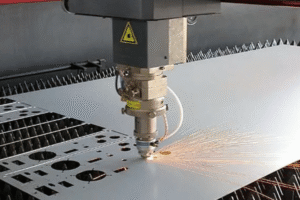
Such equipment has practical application in various industries and construction, including those that relate to machine manufacturing. The following are a few cases showcasing the use of magnetic drilling machines in different industries:
Steel Frame Construction
Magnetic drilling machines are an integral part of steel processing plants as they support the process of enhancing structures made of metal by vertically drilling through beams or columns. The magnetic fixing feature makes it possible to attach it on vertical steel surfaces.
Bridge Construction
Under bridge construction, magnetic drills are employed on clamped steel girders making them attached to the plates for mounting bolt connections. The fixation of structured elements requires such drills which are indispensable for maintenance activities.
Marine Construction
Magnetic drilling machines are used in ship building activities. Magnetic drills are designed to cater for the building or servicing of ships, extending offshore structures due to their use within confined spaces and rough environments.
Equipment Installation
For attaching heavy industrial equipment it is convenient to use magnetic drills since these machines make it easier to fabricate holes on metal backgrounds and platforms. They enable the installation of machines with high accuracy.
Pipeline Industry
Magnetic drills are used widely in pipeline and oil industries. These machines are majorly for pipe boring, notably those with large diameters in laying pipelines and carrying out maintenance work.
Choosing the Right Magnetic Cutter
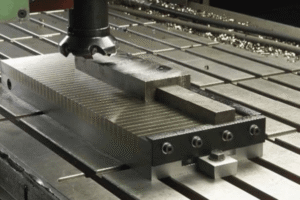
While deliberating on whether to buy a magnetic cutter, it is very important to factor in the specific material, the size of the holes and the kind of drill to be used. High-speed steel will most assuredly prove its worth for soft metals such as aluminium and mild steel. For tougher steels or prolonged work, it is better to use tungsten carbide tipped ones since they are simple and fast to cut. The cutter shape, diameter and depth for a given operation also matter.
Factors to Consider When Choosing a Cutter
- ▪Cutter Material: The material that the cutter is constructed from should be such that HSS is used for basic operations, while TCT cutters are used for certain materials which require tool protection.
- ▪Dimensional Details: The cutter should be sized properly with dimensional accuracy maintained by choice of available diameter and cutting depth in line with the task.
- ▪Compatibility: Check if the cutter will be used with a magnetic drill by ensuring the shank sizes and designs are compatible with the equipment to prevent misusage or damage.
- ▪Procedure Requirements: Make the cutting selection for a particular material and operating structure. This can be an operation for ferrous, nonferrous or any composite materials.
- ▪Operational Resistance: It is advisable to invest in quality cutters because their efficiency is high and this means that they will last longer before the need to replace them occurs.
Understanding Annular Cutters and Their Uses
Annular cutters are made for the drilling of holes into metal and other objects. A twist drill will cut the material as it rotates. This however is not the case with an annular cutter which will have to be rotated only once over the work piece leaving the core portion of the workpiece intact. It decreases cutting forces whereby it saves on lubricants when it comes to boring especially on very tough and abrasive metals. These types of tools are used within construction work as well as steel and metal fabrication and manufacturing industry. Annular cutters basically come in different sizes and varieties of materials hence come in handy for cutting different types of metals including steel, aluminum or even cast iron.
High Speed Steel vs. Carbide Cutters
| Key Parameter | High Speed Steel (HSS) | Carbide Cutters |
|---|---|---|
| Durability | High | Very High |
| Cutting Speed | Moderate | Fast |
| Heat Resistance | Moderate | Excellent |
| Hardness | Medium | Superior |
| Cost | Low | High |
| Sharpening Ability | Easy | Challenging |
| Material Suitability | General Purpose | Harder Metals |
| Efficiency | Good | Optimal |
| Longevity | Moderate | Extended |
High-speed steel cutters tend to be used in less abrasive materials and lighter duty because of affordability and sharpening ease. On the other hand, carbide cutters are a robust solution for high performance and heavy duty applications that require very high accuracy and tight tolerances. This makes them suitable for hard materials and helps enhance the life of such tools.
How to Choose the Right Magnetic Drill?
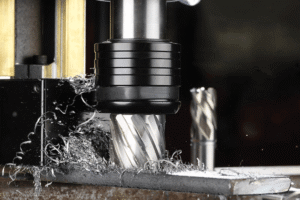
To be able to select the appropriate type of magnetic machine, one must take into account the key aspects described below:
Six Critical Selection Factors
- Material and Thickness: Notice what type of material and the thickness of it that is going to be drilled. Make sure the drill has enough power and speed adjustment to the type of material.
- Drill Capacities: Check the maximum or minimum diameter and depth the drill can handle. Fit these characteristics to the necessity of the work to be done.
- Magnetic Power: Consider how strong the magnet is, to evaluate if it will properly hold in position during the work, particularly on vertical and overhead surfaces.
- Portability and Dimensions: If a drilling machine is used multiple times and needs to be relocated very often, it is appropriate to go for a smaller compact drill.
- Mode of Operation: Understand the most favorable type of the machine – electric or pneumatic or battery operated depending on the access availability of the place.
- Compatible Accessories: Check if necessary accessories like chucks, cooling adapters can be found. Make sure it is the right type for your drill.
Maintenance Tips for Magnetic Cutting Machines
Regular Cleaning
A machine should be cleaned after each operation. This promotes effective cleaning of any metal or non-metal particles to avoid any potential contamination.
Mechanism Inspection
It is recommended to inspect parts of the device from time to time, such as cutting blades, drills, or guides for damages or wear. Extensively damaged elements should be replaced to avoid risks and improve accuracy.
Proper Lubrication
Parts which require greasing such as bearings, drive systems should be treated with suitable oils to minimize the impact of wear and prevent negative effects.
Magnet Care
It is important to clean the magnetic surface to enhance the ability to stick to objects and get rid of any stuck debris or corrosion. Assess also any degradation of the magnetic field.
Electrical Inspection
Make sure that the power cable, socket, or any connected wires do not have cuts or wear. Non-functioning of the electrical system may cause harm as a safety concern.
Follow Manufacturer Instructions
Above all else, follow the manufacturer’s instructions with regard to service frequency, cleaning agents and any other aspect of the device’s functionality.
Frequently Asked Questions
1. How to Choose a Magnetic Material Cutting Machine?
The selection has been divided into four aspects: material, accuracy, performance and price. Know the kind of material you are going to be machining. Is it hard and fragile NdFeB rare-earth magnets or is it flexible bonded magnets? Consider whether your production rate will justify investing in fast and automated equipment or it can be handled with small-scale manual production. Lastly, calculate both initial outflow of funds and continuing operation of the machine including expenses on tools, wear and tear, replacement, and repair.
2. What Are the Alternatives for Cutting Different Kinds of Magnetic Materials?
Several methods are available:
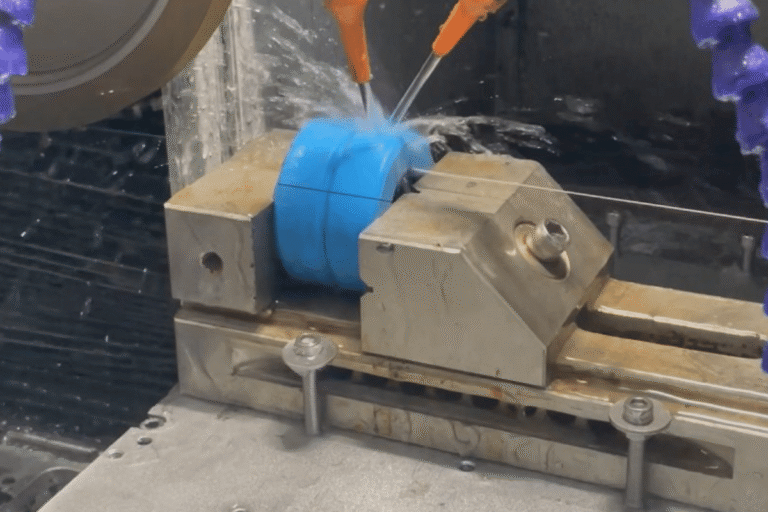
- Diamond Wire Sawing: Works well with sintered neodymium (NdFeB), samarium cobalt (SmCo), and hard ferrites. These are cold processes that limit damage by fracture and demagnetization.
- Abrasive Grinding Wheels: Used in removal of excess materials from magnetic blocks. Shapes that have minor complexity are best suited for this tool.
- Laser Processing: Metal sheeting, whether thin or soft in nature or polymer bonded magnets is normally processed this way. Avoid for hard, dense, sintered magnets.
- Abrasive Waterjet Cutting: Can cut many materials, including thicker flexible magnets. It is cold cutting, thus slower and less accurate for hard materials.
3. Does the Degree of Accuracy Demanded Influence Machine Selection?
This depends on the level of precision required. For those needing high precision, such as ensuring parallel faces or minimum wastage of a cylindrical magnetic block, a diamond wire saw is the most appropriate tool. With it, some shapes can be cut out with as little as a 0.1mm kerf resulting in the best material retention. For less severe requirements, as in rough cutting of materials, simple shapes with broad tolerances, use a grinding wheel, which is cheaper.
4. When Is Prevention of Heat Damage More Important?
Any equipment that is used for processing permanent magnets should not be exposed to excessive heat as this would result in loss of magnetism. This particularly concerns rare-earth magnets that have low Curie temperature. When it comes to sawing, the best choice would be a diamond wire saw. This equipment uses “cold cutting” since the produced heat is minimal and is effectively controlled using coolant. It is inadvisable to use laser cutting, being thermal cutting, on such materials.
5. Why Does Production Volume Influence the Cutting Machine Choice?
In anticipation of large repetitive cutting tasks, two factors are taken into consideration: automation and speed. Advanced laser cutting machines are used for cutting. If there’s not much production or if the work requires customization, it might be more useful to invest in either a grinder with manual or semi-automatic control or a smaller wire saw.
6. What Are the Main Cost and Maintenance Factors?
Different technologies have different cost structures:
- Diamond Wire Saws: Consumable is the diamond wire which needs changing periodically. Proper tension and cooling system maintenance is required.
- Abrasive Grinders: Grinding wheels get worn out and need re-dressing or replacing. Operation is costly due to heavy parts.
- Laser Cutting: No tool wear; however, cleaning optics, gas systems, and laser measures should be considered. Main expenses are energy and assisting gases.
- Waterjet Cutting: Garnet is consumed, pump parts wear out (pistons and nozzles) and uses large volumes of water and power. Maintenance need is greater due to complicated high-pressure system.
Reference Sources
- •What Machinery is Applied in the Cutting of Magnetic Materials? – A detailed article covering various cutting methods, such as diamond wire saws, lasers, water jets, and traditional abrasive machinery.
- •How to Choose a Magnetic Material Cutting Machine? – The situations that can be employed for which type of drill and cutter combinations are explained.
- •Tips on Choosing Printer/Cutter for Digital Print Cutting of Magnetic Media – Provides information about printers fitted with cutters that deal with magnetic media for printing purposes.
- Recommend reading: Diamond Wire Saw Cutting Machine for Magnetic Materials: The Complete Guide
Related Posts

Trending Blogs

![Polysilicon Material: Properties, Grades & Uses [Guide]](https://wiresawcutter.com/wp-content/uploads/2026/08/polysilicon-material-featured-150x150.webp)