
Get in touch with DONGHE Company
-
Phone: +86 181-1645-5490
-
Email: Sales18@DongheScience.com

Industrial Graphite Wire Saw | Low Kerf & Dust-Free Cutting Solutions

The advancement addresses the primary concerns of different regions, and the major concern is the future of heavy-duty cutting. Achieving high-volume slicing where people never thought it would be possible can now be accomplished in the semiconductor industry, solar cells production, the ceramic sector, and beyond. This study focuses on how recent advances in cutting have changed traditional job holding, fabrication techniques, and assemblies.
Introduction to Graphite Wire Saws
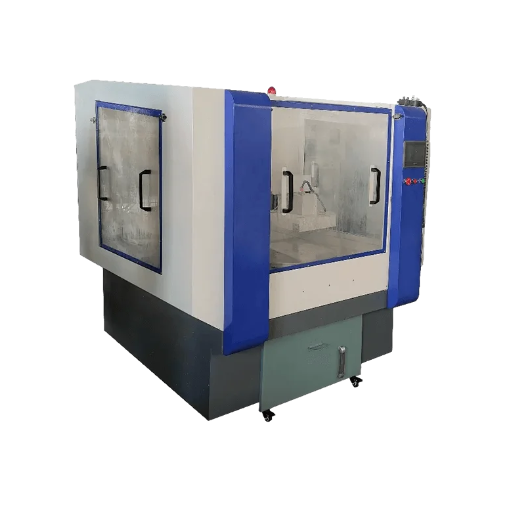
An industrial graphite wire saw refers to a tool primarily used in the cutting of rigid and easy-to-fracture materials. This tool consists of fine and robust cutting wire with abrasive grains. It allows precise cutting with minimal loss of other material. These machines are intended for use in industries where clean and efficient cutting is more essential and in accordance with predetermined dimensions. Specifically, to cut silicon wafers for the electronics industry or to cut the solar cell slices in the photovoltaic technology. This equipment’s sediments stand at a slight depth; it is exceedingly preferred for such materials.
Overview of Wire Saw Technology
The industrial graphite wire saw has many essential parts that are vital for cutting with high accuracy. In general, cutting wires comprising steel alloys or very strong metals covered with abrasive layers, such as diamond, are used to cut hard surfaces with precision. This wire is placed under tension through several relocating pulleys for steady and even motion during use. In which they have advanced control systems such as speed of the wire, stress in the wire, and cutting toughness, which are all regulated in air, thus material wastage is minimized. Oil changing processes in the engine are also available to restrict heat generation that may cause the wire and workpiece to burn.
When it comes to wire saws, they are extensively used in industrial processes, including the semiconductor industry, wherein effective slicing with minimal damage is achieved, and also in solar cell manufacturing, where every gram of material is paramount. Wire saws are considered the most advanced tools in precision machines due to constant progress in the coatings of abrasives, wire strength, and automatic structures, resulting in an increase in cut quality, a decrease in expenses, and an improvement of the cut surface.
🌬️ Importance of Dust-Free Cutting Solutions
It is of great essence to establish dust-free production techniques in modern industries because they serve to protect the physical health of operators, the environment, and enhance overall production efficiency. Traditionally, modern cutting practices have been associated with the generation of a great deal of dust, which presents serious health hazards to workers, such as respiratory diseases and other complications over a long time of exposure.
The adoption of dustless systems reduces the risks by using high-performance extraction systems in addition to enclosures in order to trap the particles as they are formed. Also, the limitation of dust has an immense benefit of improving the atmosphere and condition, and hence the productivity of industries such as semiconductors and aerospace industries, where dirt and micro impurities are directly related to quality.
Lastly, with the help of advanced filtration technologies, it is easier for such facilities to meet stringent environmental requirements imposed by legislation, thereby reducing the risk of humiliation and even bankruptcy of businesses and keeping sustainability in focus. The process is not only aligned with safety and conservation of the environment, but also makes the business profitable by reducing the time away from productive work because of too much dust and the need for such cleanup to take place.
🎯 Target Audience and Industry Needs
Dust-free systems are mainly employed in industrial facilities in sectors like pharmaceutical, food and beverage, electronics, and automotive. The need for air quality improvement and the control of contamination is paramount in these fields, due to regulatory issues that place precedence over contamination and product standards over value. Also, facilities that perform manufacturing activities that require high levels of precision cannot do away with dustless structures because they help provide workplace accuracy and protect equipment from physical wear caused by swirling particles.
For the betterment of the sector, there is an increasing focus on adopting energy-efficient and eco-friendly dust control technologies, which can also scale, while being able to work with the current facilities; this need is on the increase. Organizations are looking more towards solutions that help in maximizing efficiency, ISO cleanroom standards, for instance, as well as FDA and OSHA, and fiscal issues are of concern. They are increasingly looking at dust-free systems from the perspective of issues of technological advancement and efficiency, together with issues of law and sustainability.
Technical Specifications of Graphite Wire Saws
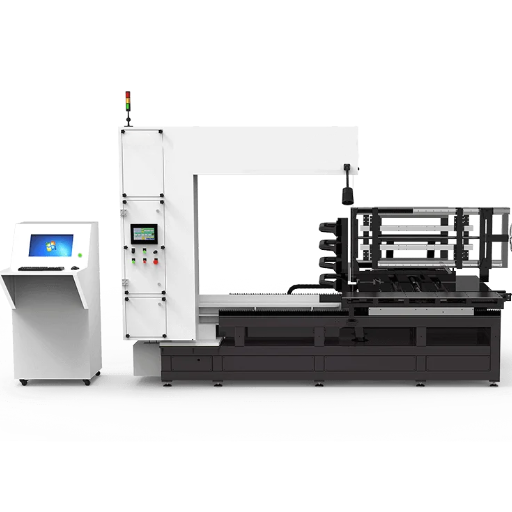
Existing in-use performance specifications for the majority of in-situ industrial graphite wire saws also apply to edger saws, band saws, and water saws. Such statistics guarantee the perfect operation of graphite machining machines, where the complexities and dependability of the design of the tool for the machining processes are concerns.
| Specification | Value / Range | Significance |
|---|---|---|
| Cut Accuracy | ±0.01 mm tolerance | Enables high-performing precision cuts |
| Wire Diameter | 0.1 – 0.5 mm | Ideal for very narrow cuts and contours |
| Material Compatibility | Brittle materials (graphite, ceramics, silicon) | Cuts without damaging the material |
| Cutting Speed | 0.1 – 2.0 m/s | Adjustable per product line and application |
| Wire Tension Control | Smart adjustment mechanism | Maintained at the requisite level for long durations without snap |
| Cooling System | Wet methods | Preserves precision; elongates tool functionality |
| Power Requirement | 240 – 480 volts | Standard industrial supply range |
Components of a Wire Saw Machine
🔄 Wire Loop
The cutting device is usually made from wires infused with diamond or abrasive, known as a wire loop. It cuts hard materials such as graphite efficiently without wasting much of it.
⚙️ Tensioning System
This is the section that keeps the wire tight to avoid any slack or wire breaks during the operation. Adequate wire tensioning is key to proper operation, and it minimizes the chances of cuts with deviations.
🎯 Pulleys and Guides
These components guide and move the wire loop appropriately to adhere to clear-cut lines. They also absorb most of the vibrations, thus achieving greater accuracy.
⚡ Drive Mechanism
In most cases, it is an electric motor that provides movement to the wire loop through the drive mechanism. Different levels of speed allow optimization in function of the material and the desired speed of cut.
❄️ Cooling and Lubrication System
This is an essential system in cutting machines, and serves several purposes such as cooling, aiding in cutting, eliminating heat build-up within the machine, and also helping to reduce friction between the wire and different parts of the machine to extend the wire’s life.
🖥️ Control Panel
The modern system of a wire saw machine contains an automated control panel that allows the operator to switch and change certain parameters, such as the cut rate, the wire’s tension, or the rate of the coolant flow. Some of the more modern systems include installations of these sensors to help in process control and monitoring.
🔩 Worktable or Fixture
It is often referred to as a worktable and is necessary for holding and cutting the materials. Often, precision fixtures and/or clamps are employed on the surface of the tables to hold and lock the materials in position during cutting operations.
Types of Graphite Cutting Wire Saw
An industrial graphite wire saw facilitates the precision cutting of graphite materials with an emphasis on other processes apart from cutting. Diverse wire saw categories are available to meet varying operational needs that arise due to the level of accuracy desired, or the hardness of the material being cut, as well as the client’s membrane, cost, or other machine requirements in large industrial graphite wire saw applications.
| Wire Saw Type | Mechanism | Best For | Limitation |
|---|---|---|---|
| Diamond Wire Saw | Metal wire embedded with artificial diamond abrasives | Surface finish priority: avoiding material loss | Higher cost |
| Electroplated Wire Saw | Single-use wire with electroplated diamond abrasive layer | High cutting speeds; moderate precision | Single-use only |
| Resin-Bonded Wire Saw | Resin bonds abrasives to the wire surface | Smooth cuts; greater bending ability | Faster degradation under intense conditions |
💎 Diamond Wire Saw
This employs a metal wire that is embedded with artificial diamond abrasives, which is capable of offering precise cuts and working with very hard graphite materials. Where a surface finish is of concern or excessive loss of materials is to be avoided, the diamond wire saw is the best way forward.
⚡ Electroplated Wire Saw
The electroplated wire saw, where the wire is one-use, is designed for precise cutting. The layer of abrasion is usually made of diamond. They offer a great deal of cutting speeds and do not cost much to produce with moderate precision cutting.
🔗 Resin Bonded Wire Saw
The resin, which stands in place of the traditional wire, ‘bonds’ the abrasives into the wire surface. Against the electroplated counterparts, they have less difficulty producing smooth cuts and greater bending ability; however, their longevity might be a problem when dealing with intense conditions because of the faster rate of degradation.
Performance Metrics: Efficiency and Precision
An essential aspect of the efficiency of industrial graphite wire saw is the material removal rate (MRR), which is a result of parameters including but not limited to the wire rotation speed, presence of abrasive, and tension. Although it is true that a higher speed of the wires might help in enhancing productivity, this is also likely to result in excessive use of the saws, ultimately reducing their lifespan, and it is thus important to try to find a balance between productivity and wear and tear of the saws. The rate at which cutting takes place is also dependent on the concentration of the abrasive, whereby a suitable concentration enables the user to cut effectively and efficiently without introducing unnecessary costs.
Level of accuracy is determined by the amount of deviation allowed without going beyond the accepted limits, the quality of the surface achieved after the cutting process, and the size of the cut. It is also essential to maintain wire tension and homogeneously distribute the abrasive in order to control the tolerances and ensure stable cuts, particularly in materials sensitive to stresses or in very high precision examples, such as silicon semiconductor wafers. Another factor to consider is the diameter of the used wire – a thinner wire will provide a small kerf as well as lesser material wastage, though it also becomes very delicate, needing to be handled with caution and care to avoid breaking or bending it when used.
To optimize these measures is to engage in the intensive calibration of operational requirements in relation to a particular material and end use to which it is going to be subjected, to ensure the best performance without causing a downfall or incurring unwanted cost.
Common Applications of Graphite Wire Saw Technology
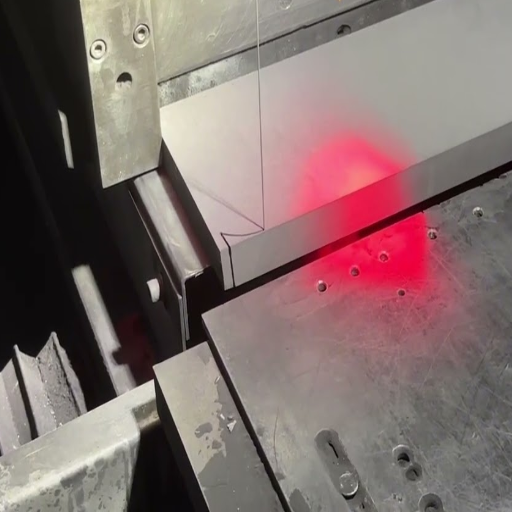
The availability of the industrial graphite wire saw engineering is particularly needed in those branches of industry where precise cutting of hard or brittle materials is essential. Semiconductor production is the main area of application, especially for this device, as there is a need to produce a bare silicon wafer with the smallest cut width in this process. Fabrication of solar cells is another sphere where such technology can be applied; in this case, it grants the possibility to obtain very thin slices of Si for solar cell fabrication. Such devices are also useful in the field of ceramic materials and other advanced composites, with the requirement of dimensional tolerance and maintenance of surface finishing. For instance, in healthcare applications, cutting of high-end biomaterials is done with such technology to meet the medical devices ultra stringent standards. These applications underline the flexibility and necessity of such technology in the current manufacturing systems.
| Industry | Application | Key Requirement |
|---|---|---|
| Semiconductors | Slicing silicon wafers | Minimum kerf; zero damage |
| Solar / Photovoltaic | Thin Si slices for solar cells | Maximum material efficiency |
| Ceramics & Composites | Dimensional tolerance cutting | Surface finish maintenance |
| Healthcare / Medical | Cutting high-end biomaterials | Ultra-stringent medical standards |
| Aerospace | Cutting titanium, carbon fiber composites | Strict dimensional requirements |
| Automotive | Engine components; custom-made molds | Functionality and production efficiency |
| Electronics | Thin and fragile substrate processing | Minimum heat; microchip-grade accuracy |
Industrial Uses in Various Sectors
In a variety of fields where accuracy and productivity are crucial, this fundamental technology is highly valued. One of the fields is the aerospace industry, where it is used profoundly in cutting and trimming of high-strength material such as titanium and carbon fiber composites that need to meet strict requirements with regard to the size of an aircraft component. In the motor vehicle sector, this technology is used in the fabrication of components like the engine and custom-made molds to enhance the functionality of vehicles, thus facilitating the production process. The electronics sector enables more thin and fragile substrate processing with a minimum of heat, a building element that is essential in the microchips used for the assembly of circuit boards, for instance. Every single application symbolizes how crucial this technology has become to achieve the goals of modern progressive industries.
Application in Photovoltaic and Ceramic Industries
The field of photovoltaics is known to employ sophisticated methods that deal with the laser processing of solar cells, and these methods have become quite commonplace within this industry. Such manipulation of lasers involves precision cutting or grooving or edge definition by means of rounding and precision, a sharp, ridged plate, which is very light with small holes drilled for its performance. Also, finer and more accurate patterns can be effectively achieved using laser processes, thus reducing energy wastage while increasing the use of the surface area and hence improving the energy conversion rates.
As is the case in other industries, such as the ceramics industry, laser technology is employed to perform machining, cutting, and surface texturing of complex ceramic artefacts with unmatched accuracy. It allows for the easy incorporation of complex features, which is often a challenge and in some cases, impossible using mechanical methodologies, as it causes warping and breakage. A laser, being contactless, guarantees instant results even as the laser burns, enabling it to be used in the production of higher-performance ceramics that are used in aerospace, medical, and even electronic devices. In sum, the competitive edge of laser use can be explained by emphasizing the degree of suggested laser functions, which are complex enough to meet the requirements of both the photovoltaic and ceramics industries.
Case Studies: Successful Implementations
Advantages of Graphite Wire Saws Over Traditional Methods
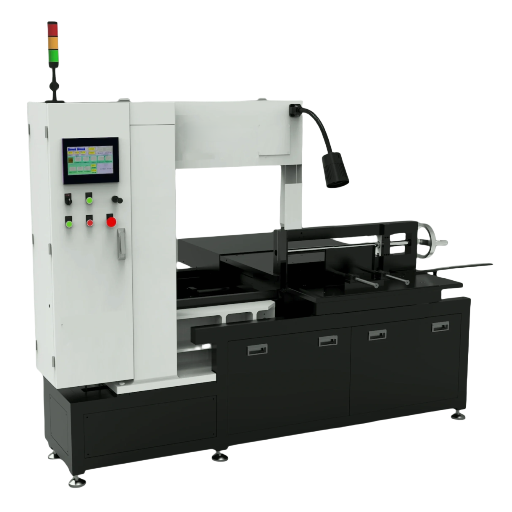
Compared to conventional cutting strategies, graphite wire saws are superior in most respects. To begin with, they ensure higher accuracy and support complex shape making with the least material resource wastage, which is crucial for manufacturing high-cost components. Moreover, by virtue of their low thermal conductivity, graphite wires minimize the chances of damage to heat-sensitive workpieces. Graphite wiring lessens tool wear and delays the usage of the tools to a greater extent, therefore, helps in reducing equipment breakdowns and maintenance overheads. Such systems are effective when it comes to cutting hard non-ferrous materials that are brittle and do not require sharp edges, while at the same time, being more productive and giving an exemplary smooth surface afterwards.
✂️ Low Kerf Cutting Benefits
The use of low kerf techniques is beneficial to a wide range of industries, especially those requiring precision and economy of material in cutting. By using such methods which bring the kerf, or the amount of wasted material during cutting, redesigning makes the operation more economic by the amount of material that is spared in the process. Also, the technique ensures accurate cutting, minimizing the error tendencies in the production of artworks and complex structures. Moreover, low kerf cutting saves on energy since there is less cutting width, so operational energy is not consumed, therefore improving the machine’s performance. These technologies find heavy usage in sectors that are sensitive about materials and specifications, like the aerospace industry, the electronics industry, and medical-oriented industries, which demand high precision in processing materials.
🛡️ Enhanced Safety and Dust Control
One of the notable benefits of modern cutting methods is the improvement of health and safety, which includes the control of dust. For instance, advanced cutting technologies such as laser and waterjet produce limitations on the amount of air particles compared with the traditional cutting processes. This reduction in dust and debris not only helps to keep the workers free of diseases that arise from breathing such substances, but also ensures the cleanliness of precision components that are machine-processed in regular or precise industries. Moreover, cutting technology removes the need for direct handling of the workpiece, human errors are minimized, and hence also accidents are controlled. With a powerful system of dust removal and clean cutting, industries meet very high health and safety standards and still have a more comfortable and efficient working environment.
💰 Cost-Efficiency and Maintenance
It is necessary to understand that enhancing the cost-effectiveness of the industrial cutting process involves minimising the wastage of the material, improving the energy efficiency of the process, and increasing the speed of operation. The introduction of computer-controlled machines has helped in reducing labour costs as well as providing more accuracy with fewer errors and thus less rework and waste. The other advanced cutting equipment comes with other things like an industrial graphite wire saw, any additional possible material per sheet is used thanks to nesting technology, and so on. It is crucial to maintain equipment properly to ensure that organizations are able to achieve efficiency. Preventative maintenance programs work to ensure that equipment is operating to its optimal level to avoid sudden malfunctions of the equipment, which will be costly in terms of downtime. Moreover, new solutions in predictive machine maintenance, powered by IoT and systems of machine learning, provide the possibility of continuous observation and aggressive problem-solving, cutting operational costs in the end.
Choosing the Right Graphite Wire Saw Supplier

While making a decision on the graphite wire saw supplier that one wishes to work with, there are several significant considerations that should be taken into account. The first step consists of assessing the vendor’s capability in fabricating, with the best quality and high precision components of industrial graphite wire saw, tools that are tailored for cutting graphite objects in particular. Be sure to confirm their quality control and manufacturing standards certification within the industry for all the products that are of the included dimensions. Besides, the possibility of getting help in case of complaints, as well as post-purchase activities have to be looked into as well. Testimonials, as well as the performance history of a given supplier, also aid in gauging their allegiance to the service of the customer. Lastly, review the cost and the time needed to produce the goods to make sure the supplier does not ruin the economics of the production plan as well as the timeline. These are the factors to be considered in order to make a wise and strategic move.
Supplier Evaluation Checklist
- Assess Fabrication Capability: Evaluate the vendor’s capability in fabricating high-quality, high-precision industrial graphite wire saw tools tailored for cutting graphite objects in particular.
- Confirm Quality Certifications: Be sure to confirm their quality control and manufacturing standards certifications within the industry for all products are of included dimensions.
- Evaluate Equipment Machine Quality: If you want to properly evaluate the effectiveness of tools and machinery, you must first explore the feature specifications and compare these to the standard performance outcome by the manufacturer. Place this against the purpose of the industry in which the product is used. Look at the components used, the design, and the durability of whatever equipment is evaluated. It is also very important to see the performance of a machine when operated in practical conditions over an extended period of time.
- Review Customer Testimonials: Testimonials as well as the performance history of a given supplier also aid in gauging their allegiance to the service of the customer. Moreover, only or mostly several reviews provide useful information about the durability of an item or the service that such an item or company offers.
- Check Post-Purchase Support: The possibility of getting help in case of complaints, as well as post-purchase activities, have to be looked into. Check the availability of replacement parts as well as trained staff and also guarantees, if provided, since they help reduce, if not eliminate, downtimes.
- Check Industry Compliance (ISO 9000 series): The individual checking the supplier seeks to establish their compliance with established norms, including the ISO 9000 series, so as to fulfill the need to prove the commitment to quality and provide consistent services.
- Review Cost and Lead Time: Review the cost and the time needed to produce the goods to make sure the supplier does not ruin the economics of the production plan as well as the timeline.
Key Factors in Supplier Selection: Not limited to a particular industry or practice, there are several factors one considers when there is a need to secure a reliable industrial supplier and eliminate any chances of disruption in operations. Such consideration of most importance includes observing spares distribution patterns, provision of technical support, and warranty, as the case may be, for a supplier dealing with industrial graphite wire saw.
Future Trends in Graphite Cutting Technology
Ongoing developments in precision engineering, enhanced automation, and eco-friendly approaches have been vital in the cutting of graphite. One, the incorporation of CNC systems has taken precision to new heights, allowing manufacturers to meet more stringent standards and design more complex shapes with less material. Two, the rise in the use of cutting tools like PCD and coated carbide tools enhances productivity, and where fast machines are used, safeguards the cutting tool by prolonging its useful time. However, the greatest breakthroughs in working methods are connected with the reduction of the number of people, the increasing of the speed of work, which involves the introduction of systems of automation and control, and complementing human beings with robots.
🤖 Automation and Robotics
The greatest breakthroughs in working methods are connected with the reduction of the number of people, the increasing of the speed of work, which involves the introduction of systems of automation and control, and complementing human beings with robots.
🌱 Environmental and Dust Control
Fabricators are on the rise in controlling dust and particulates that are released during cutting by using high-efficiency filters and addressing safety at workplaces, meeting international regulations. In addition, new waves of dry and coolant-free machining are in motion, tackling the issues of water wastage and over-reliance on chemicals through the use of such processes.
⚙️ CNC & Advanced Tooling
The incorporation of CNC systems has taken precision to new heights, allowing manufacturers to meet more stringent standards and design more complex shapes with less material. The rise in the use of cutting tools like PCD and coated carbide tools enhances productivity and safeguards the cutting tool by prolonging its useful time.
Summary
The industrial graphite wire saw cutting machine represents a decisive leap forward in precision manufacturing. By combining minimal material loss, dust-free operation, superior surface finishes, and compatibility with today’s most demanding materials — from silicon wafers to aerospace-grade ceramics — this technology is reshaping what is possible across semiconductors, solar energy, medical devices, and beyond. For manufacturers, recyclers, engineers, and procurement teams alike, understanding these systems and choosing the right supplier are the first steps toward unlocking their full transformative potential. This radical change in industrial practices shows the need for the adoption of superior, efficient, and sustainable technologies.
Reference Sources
Equipment List – Materials Research Laboratory, University of Illinois
This study focuses on the development of MEMS with superior mechanical properties, incorporating graphite.
Solid Phase Processing of Lead-Free Brass with Carbon Additions
This document discusses the use of graphite in processing materials like wires and rods.
Frequently Asked Questions (FAQs)
How does the process of cutting and processing precision graphite by means of endless diamond wire work?
An endless diamond wire, made up of diamond segments, rotates ceaselessly through a piece in the endless wire cutting process. In order to cut the graphite block into thin graphite slices of high quality using the diamond wire cutting machine, controlled feed rate, wire speed, and wire tension will be useful. This process is suitable for cutting graphite at the advanced level and allows the production of good quality cuts in equal Geometry very quickly.
Does an industrial graphite wire saw cut deep or curved cuts, and measure the cuts precisely?
Certainly, a decent continuous diamond wire machine is capable of slicing daring shapes with precision. With a set of strategies for cutting graphite, engineered motion, and favorable endless wire configurations, the unit is able to cut out contours and angles without jeopardizing core structure. If there is a need in the performance of custom tasks, it is necessary to ensure that the design provides the opportunity for adder machines and efficient holders.
How do I improve the quality of cutting ceramics and glass with the use of heavy machinery operating principles, such as an industrial wire machine?
With ceramics and glass cutting, it is important to moderate the feed, increase the speed of the wire slightly with ease, and control the tensioning of the wire to prevent chip and crack breakage. An extendable diamond wire designed appropriately for such rigid materials should be used, and the machine should be able, if necessary, to be placed on low vibration and fully automatic settings. Here, proper fixation and cooling, as well, add towards the precision of the cutting and the surface finish.
Why is an endless diamond wire better than a segmented diamond wire or monofilament wire?
An endless wire entails relatively fewer interruptions in cutting due to changeover requirements and a consistent, superior cut quality for large-scale applications. The use of continuous diamond wires facilitates even stress and strain in these-sized graphite and precision graphite slices processes, leading to faster processing and controlled backsizing limits. This can be inconvenient in applications that require many repeated areas and services that require continuous operations.
Which thickness, type of wire, and exactly what model or system would be the best choice for cutting such industrial graphite wire saw samples?
Determine the appropriate thickness of the wire and the diamond type to be employed, depending on the slice thickness and the final finishing of the surface: for example, for thin slices of high quality, they compress the wire, thus reducing the wire diameter and reducing the diamond grit, while with the rougher removal, apply a cheaper and coarser grit. Select a model that can cut pieces of graphite to the target thickness and size, not forgetting that these devices allow for changes in tension, cutting speed, and cooling. Make sure when selecting the machine that it will cut the required dimensions and angles of the sample without compromising on the cutting effectiveness.
Does the current industrial graphite wire saw offer the possibility of automation to ensure swift and accurate production?
Yes, automatic functions can now be applied to many modern diamond wire cut machines, which provide rapid and accurate cutting thanks to programmed feeds, an automatic cycle for slicing, and integrated control. The use of automatic control greatly increases the repeatability of precision diamond wire cutting processes, minimizes the need for operator intervention, and adds to the flexibility of the applications, ranging from low-volume prototyping to high-volume manufacturing, where the cutting accuracy is maintained.
Related Posts
Trending Blogs

![Polysilicon Material: Properties, Grades & Uses [Guide]](https://wiresawcutter.com/wp-content/uploads/2026/08/polysilicon-material-featured-150x150.webp)