
Get in touch with DONGHE Company
-
Phone: +86 181-1645-5490
-
Email: Sales18@DongheScience.com

How to Cut Brittle Ceramics Without Cracking?

The process of cutting brittle ceramics requires both precision and proper equipment to prevent material damage through chips and cracks. The best results in bathroom renovation tile work and ceramic piece customization for DIY projects will only become possible through your acquisition of essential knowledge about best practices. This guide presents the most suitable instruments and specialized methods which enable users to cut brittle ceramics while maintaining the material’s original form. The complete process of ceramic cutting begins with equipment selection and ends with users becoming proficient in their ceramic cutting work.
Understanding Ceramic and Porcelain Tiles
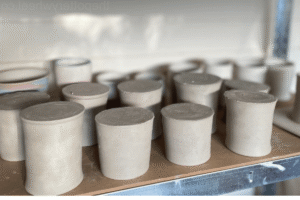
People choose ceramic and porcelain tiles for construction and design projects because both materials offer durability and attractive visual qualities. Ceramic tiles are made from red or white clay which undergoes kiln firing, and their composition results in softer tiles that workers can cut more easily. The production of porcelain tiles uses a denser clay material which requires higher temperature kiln firing to create a product with increased hardness and reduced porosity. The properties of porcelain make it suitable for areas that experience heavy foot traffic and outdoor conditions because it provides protection against moisture and physical damage. Your project needs require you to select between the two options because particular site requirements and materials durability and installation process efficiency must be considered.
Differences Between Ceramic and Porcelain Tiles
People need to analyze the unique characteristics and different uses of ceramic and porcelain tiles because extensive information shows what customers prefer. The soft nature of ceramic tiles leads to lower costs and better handling for construction work. The product functions best indoors, especially in bathroom areas which experience moderate foot traffic and in wall sections where less strength is required.
Porcelain tiles serve as the superior option because they offer better durability protection and increased resistance capabilities. The non-porous surface provides protection against moisture while the high-temperature firing process increases strength, creating a superior product for use in high-traffic areas and wet environments that include kitchens, patios, and commercial areas. The outdoor applications benefit from porcelain because it resists stains while enduring extreme temperature changes.
The manufacturing technology improvements enable porcelain to replicate natural stone and wood with great accuracy, creating an aesthetic appeal that combines practical use with design flexibility. Tile selection requires customers to consider tiles because they provide both long-lasting durability and multiple design options.
Characteristics of Brittle Ceramics

Specialized functions require special materials, which brittle ceramics provide through their distinct mechanical and physical properties. The following presents five essential properties of brittle ceramics together with their complete explanations.
High Compressive Strength
Brittle ceramics show outstanding compressive strength which reaches above 200 MPa. The material can handle heavy loads because it maintains its shape during compression tests, making it suitable for building projects.
Low Tensile Strength
Brittle ceramics display low tensile strength ranging between 20 MPa and 80 MPa because of their atomic structure. The material shows this restriction because it cannot distribute tension stress throughout its structure, leading to crack development.
Low Fracture Toughness
Brittle ceramics show fracture toughness values below 10 MPa·m^1/2, demonstrating their high risk of developing cracks when exposed to stress. The material shows this property because it lacks plastic deformation mechanisms, resulting in brittle material failure.
High Hardness
Brittle ceramics show high resistance to abrasion and wear because their hardness values reach between 6 and 9 according to the Mohs scale. This property enables the materials to function effectively as cutting tools and protective coatings used in environments that experience high levels of wear.
Thermal Stability
Ceramics show consistent mechanical properties throughout their entire temperature range. The materials maintain reliable performance in thermal cycling situations because their thermal expansion coefficients remain below 10 x 10^-6 /°C and they can endure temperatures above 1,000°C.
Engineers need to develop solutions which can address the challenges that arise from the brittle nature of these features because their benefits become clear during specific applications.
Importance of Cutting Techniques

The processing and use of ceramics depend on cutting techniques which exist because ceramics have brittle and hard properties. The implementation of proper cutting techniques creates accurate results which protect the material and decrease operational waste throughout the entire process. The following section provides five comprehensive cutting methods which professionals use to process ceramics.
Laser Cutting
The process of laser cutting uses focused laser beams to create exact ceramic cuts which generate low thermal stress while achieving high precision. The method demonstrates excellent performance when applied to thin ceramic materials which contain detailed designs that can achieve tolerances of ±0.01 mm. The method becomes less effective when applied to thicker materials because thermal damage and microcrack formation occur during the process.
Waterjet Cutting
Waterjet cutting uses high-pressure water streams which carry abrasive particles to cut through ceramic materials. The technique demonstrates exceptional performance because it can handle thick ceramic materials while producing clean edges which do not create any thermal stress. Ceramics require pressures above 60,000 psi for most applications because this level of pressure produces effective results.
Diamond Saw Cutting
Diamond-coated saws use their abrasive cutting power to create ceramic cuts which occur through the method of abrasion. The method demonstrates high precision because it works best for systems which have brittle ceramic materials that break easily. The process requires optimal rotational speed settings and cutting feed rate settings which must be achieved to avoid unexpected material damage and chipping.
CNC Grinding
The process of Computer Numerical Control (CNC) grinding enables the creation of complex shapes through the use of abrasive grinding wheels. The CNC grinding system produces automatic results which maintain high accuracy within the range of ±0.005 mm. The process requires proper cooling and speed control systems to maintain optimal equipment function because overheating leads to performance problems.
Electrical Discharge Machining (EDM)
Electrical Discharge Machining (EDM) uses electrical discharges as its primary method to make precise cuts on conductive ceramic materials. The process uses electrical discharges to eliminate material, enabling the creation of precise cuts on components which need specialized machining techniques. The main drawback of the method exists because ceramic materials need electrical conductivity for successful implementation.
The techniques possess their specific strengths and weaknesses which practitioners must evaluate together with operational needs of the ceramic material which requires mechanical strength, thermal resistance, and design specifications.
Recommended Tools for Cutting Ceramic and Porcelain Tiles

Tile Cutter
The manual tile cutter serves as an efficient tool which operators find easy to use for executing straight cuts on ceramic and porcelain tiles. The device creates a score line on the tile surface which enables users to break the tile for precise results without using electricity.
Wet Saw
A wet saw is the perfect tool for making accurate and tidy cuts that work especially well with porcelain, which is a challenging material. The system operates with a diamond blade and water combination which ensures precise results while keeping users safe by minimizing dust and heat production.
Angle Grinder
An angle grinder equipped with a diamond blade provides users with a powerful cutting tool that enables them to create both straight lines and custom shapes. The tool enables users to create detailed designs while working on small tile pieces.
Tile Nippers
Tile nippers serve as necessary tools which enable users to create precise edge and corner shapes. The tool works best for making minor changes instead of handling extended or straight cutting tasks.
Diamond Hole Saw
A diamond hole saw creates precise circular holes which serve as pipe and fixture access points while delivering clean results on porcelain and other tough tile materials.
The selection of tools occurs because each tool provides different advantages which customers select based on their intended cutting needs and the particular characteristics of the materials they will cut and the required cutting accuracy.
Overview of Tile Cutting Tools
The selection of proper tile cutting equipment requires three essential elements which include material type, project dimensions, and required precision. Manual tile cutters and wet saws remain in demand because these tools enable users to operate them with multiple options while delivering strong operational results. Workers who need to perform large projects which require ongoing work use wet saws as their main cutting tool because the machine maintains precise cutting ability during extended usage. The manual cutter system provides users with a convenient option which enables easier operation for their small-scale projects.
Essential tools for creating complex patterns and making specialized cuts include handheld tools which consist of tile nippers and drills. The public frequently searches for diamond-tipped blades and bits because these tools provide a reliable solution to cutting materials which include granite and quartz tiles according to modern tiling requirements. Users achieve their optimal performance results by learning which tile type and project requirements they need to follow while using advanced tool technologies.
Best Tool for Cutting: Wet Saw vs. Manual Tile Cutter
The comparison between a wet saw and a manual tile cutter for tile cutting requires assessment of their precise cutting ability together with their capacity to work with different materials, their cutting speed, and waste production.
The table enables users to select their project requirements through documented evidence. Wet saws deliver precise cutting and versatile operation for hard tiles, whereas manual tile cutters suit small, basic ceramic and porcelain projects.
Using Angle Grinders and Glass Cutters
Operators use angle grinders to achieve precise edge work when they need to cut different types of tile materials. The diamond blade enables them to cut through ceramic tiles, porcelain tiles, and natural stone tiles. The equipment operates at high speeds which creates excessive dust and noise, thus forcing users to wear goggles, dust masks, and gloves for their safety.
Glass cutters, on the other hand, are designed specifically for straight cuts on glass tiles. The process uses scoring to create a line, which workers use to snap the material, producing straight edges. This tool works best for small projects that involve thin glass tiles because it provides an affordable solution which requires minimal effort to complete basic tasks.
Tips for Cutting Ceramic and Porcelain Tiles Without Cracking

- 1
Use the Right Tools
The selection of tools should be based on tile cutting requirements which must use tile cutter, wet saw, and diamond blade tools that match the tile dimensions and thickness specifications. - 2
Score Before Cutting
The manual tile cutter needs the operator to maintain continuous force which will create an exact break line through which the tile should be scored. - 3
Apply Even Pressure
The person should apply consistent force during tile snapping because this method helps create a clean break which prevents any damage to the tile. - 4
Keep the Tile Stable
The tile requires secure connection to flat ground because this connection maintains tile position during the cutting operation. - 5
Use Water for Cooling
A wet saw needs water to operate because water cools the blade while it protects against heat build-up which causes cracking. - 6
Work Slowly and Precisely
The process of making cuts requires careful handling because it helps prevent mistakes which lead to breaks. Take your time to ensure accuracy.
The implementation of these protective measures establishes a safe work environment which enables you to achieve precise ceramic and porcelain tile cuts without any defects.
Preparing the Tile and Work Area

The process of cutting and installing ceramic and porcelain tiles demands that people prepare both the tile materials and their installation space before they begin work. The first step in tile installation requires workers to verify that the installation area meets three conditions: it must be clean, it must be level, and it must be free of all debris. The installation process will experience problems because the tiles will not adhere properly to the surface which has various uneven areas. The tiles must be measured and marked with exactness while using a pencil or chalk line as a guide to achieve precise results.
Workplace Ergonomics
Current trends and popular search methods demonstrate that ergonomic design for work areas represents the most effective solution to enhance productivity while reducing employee fatigue. The process of cutting requires a secure workstation which enables workers to access all necessary tools and materials without interruption. Workers who use safety equipment which consists of gloves and protective eyewear will experience reduced risks during their preparation activities. Your work area preparation and tile setup will lead to improved project results when you follow these established methods.
Marking the Cut Line Accurately
Use a measuring tape and pencil to measure the actual tile dimensions which you need for the cut line marking. Check all measurements twice to avoid making errors and use a straightedge or T-square for drawing precise straight lines. The tile requires a cut which you create using a template or tracing guide to achieve the necessary curved or complex shape. The established precise method generates exact results while it decreases the risk of errors which might occur during the cutting procedure.
Techniques for a Clean Cut
The correct tools and methods are required to create a clean cut. The manual tile cutter and the wet saw provide the best solution for straight cuts because both tools create precise narrow edges. Operators can achieve better control and accurate cutting abilities through the use of a tile nipper and a powered rotary tool when executing curved or intricate cuts. The tile should be secured tightly before cutting begins because any movement during cutting will result in damaged edges and uneven surfaces. The professional finish requires operators to use diamond files or sandpaper for smoothing all rough edges.
Common Pitfalls to Avoid When Cutting Tiles
Using the Wrong Tools
When workers choose incorrect cutting tools for particular tile materials their work results will show negative outcomes. The right cutting equipment needs to be selected for each tile material according to its specific requirements.
Skipping Measurements
The process of measuring and marking tiles becomes essential because improper measurement causes the tiles to become misaligned during cutting. The first step requires you to measure everything before proceeding.
Applying Excessive Pressure
The process of cutting materials produces excessive force which results in unexpected tile destruction through crack formation and breakage. The worker should maintain their material pressure at a constant level which needs to stay low until they finish cutting.
Neglecting Safety Gear
The absence of protective equipment which includes safety goggles and gloves increases the danger of injuries which result from contact with sharp tile fragments and tools.
Cutting Without Securing the Tile
Workers should start tile cutting after they establish proper tile security because secured tiles prevent slips while stopping operators from making uneven cuts which create safety risks. Operators need to use clamps or hold tiles entirely still to achieve full control over their cutting tasks.
Overheating the Tile
Understanding the Risk
The tile becomes overheated when the cutting tool generates excessive friction which leads to high surface temperatures. The tile’s structural integrity becomes damaged because the material develops cracks and warps while showing surface discoloration. This demonstrates that various individuals struggle with executing their techniques and managing their equipment in an appropriate manner.
To prevent overheating of materials through evidence-based practices, organizations should implement the following procedures:
Use Continuous Coolants
The cutting process requires water or other cooling agents as necessary cooling agents. Wet saws operate effectively because they deliver continuous water flow which helps to cool down the equipment.
Adjust Cutting Speeds
Operators should use a moderate cutting speed which allows them to maintain complete control while reducing friction. The tile material sustains damage because high-speed operations generate excessive heat which operators need to prevent.
The following temperature control methods enable you to achieve better tile cutting results while keeping the tile intact during the cutting process. The organization achieves better operational performance when using these methods which also decrease the chance of making expensive mistakes.
Improper Tool Handling
The tile cutting process requires proper tool handling because any tool mishandling will result in three dangerous outcomes which include irregular cuts, material destruction, and worker accidents. The process experiences two specific issues which require resolution as its primary operational problems. Operators must use proper tool handling techniques to secure their equipment because all equipment requires permanent fastening. The operators who use tools at incorrect angles without proper equipment alignment will experience decreased accuracy in their cuts. The operational hazards will decrease when manufacturers’ guidelines together with correct handling methods are implemented because they will create safe and precise work environments.
Neglecting Safety Precautions
The risk of accidents and injuries grows when workers fail to follow safety precautions during their work with tools and machinery. Workers frequently encounter problems because they do not use required personal protective equipment (PPE) which includes safety goggles, gloves, and ear protection and they also fail to follow equipment guard and shield usage guidelines. Equipment malfunctions that create dangers for users will occur when organizations do not conduct their planned maintenance and inspection activities. Employees working in dimly lit or disorganized spaces experience reduced visibility and restricted movement. The safety of the workplace requires workers to follow safety guidelines while using personal protective equipment and keeping their work areas tidy.
Reference Sources
- Ceramic Machining Techniques – The study explains how ultrasonic machining and the use of controlled abrasion effectively reduce crack formation in ceramic materials.
- Ceramic Cutting Technology: Future in Metalworking – The research investigates advanced ceramic cutting technologies that improve metalworking processes through their implementation.
- Cracks In Pottery: Why They Happen And How To Prevent – The study provides practical methods for preventing cracks that occur during the processing and handling of ceramic materials.
- Recommend reading: Diamond Wire Saw for Ceramic Cutting: The Definitive Guide
Frequently Asked Questions
1. What Makes Ceramic Materials Prone to Cracking During Cutting?
The atomic bond structures of ceramics create strong connections between their atoms, which enables the material to achieve high hardness and compressive strength but results in complete lack of ductility. The material exhibits inherent brittleness because it does not have the capacity to undergo plastic deformation, which enables the material to endure mechanical forces. The contact point between cutting tools and workpieces experiences stress when tools create concentrated forces, which causes stress to accumulate at that specific location. The material will fracture when the stress level exceeds its fracture toughness capacity, which results in cracks that cause chipping, micro-fractures, and complete workpiece failure.
2. Which Cutting Technologies Are Recommended for Processing Brittle Ceramics?
The industry requires non-contact or low-impact machining processes because they effectively decrease the probability of workpiece cracking. The most effective technologies include:
- Diamond Wire Sawing: This method uses a thin, abrasive wire to gently grind through the material. The process creates minimal mechanical stress, which makes it appropriate for handling delicate and high-value ceramic materials.
- Abrasive Waterjet Cutting: A high-pressure stream of water mixed with abrasive particles erodes the material. The process functions as a non-thermal operation, which prevents thermal shock while generating minimal mechanical stress.
- Ultrasonic Machining: The process consists of a vibrating tool that drives abrasive particles, which exist in a slurry, to collide with the ceramic surface. The process results in controlled micro-scale chipping, which allows material to be removed without producing large cracks.
- Laser Cutting (Pulsed): Ultrashort pulse lasers create ablation, which results in material removal through a heat-affected zone (HAZ). The process produces lower thermal shock risks, which decrease cracking possibilities when compared to continuous-wave lasers.
3. How Does Thermal Shock Contribute to Cracking, And How Can It Be Controlled?
Thermal shock occurs when a rapid temperature change creates a steep thermal gradient within the ceramic, causing different parts of the material to expand or contract at different rates. Internal stress develops from this process, which ultimately leads to material failure. The control process requires effective execution through the following elements:
- Optimized Cooling: A consistent high-flow coolant system must be used to remove cutting interface frictional heat. The coolant must be applied directly to the cutting zone to maintain thermal stability.
- Process Parameter Control: All thermal cutting processes, including laser cutting, require the precise control of all operational parameters to achieve optimal results.
4. What Role Does Workpiece Support Play in Preventing Fractures?
The correct method of securing the ceramic workpiece becomes essential yet is frequently disregarded. The cutting process experiences unpredictable stress due to inadequate support, which leads to vibrations and flexing. The ceramic material needs a rigid fixture that provides complete support to stop all movement while eliminating vibrations. For thin or fragile substrates, a sacrificial backing material (e.g., a flat glass plate) can be used to provide a stable base and support the material directly at the exit point of the cut, minimizing exit chipping.
5. Can Adjusting Cutting Parameters like Feed Rate and Speed Reduce Cracking?
The successful operation of cutting processes depends on the optimization of parameters that function as the primary requirement. The industry recommends that brittle materials follow a “low and slow” approach to achieve optimal results.
- Feed Rate: The feed rate established a slow pattern, which enabled consistent movement through the material while keeping mechanical loads at their lowest possible value. The abrasive action could proceed without overwhelming the ceramic’s fracture toughness.
- Cutting Speed: Diamond wire sawing processes achieve efficient material removal through the combination of high linear wire speed with low feed rate, which generates minimal force. This balance requires exact calibration for every individual ceramic material that needs cutting.
6. Are There Any Pre-Processing or Post-Processing Steps That Can Help?
The cutting process represents the main focus of the operation, but specific steps exist that can enhance results.
- Edge Chamfering: The workpiece edges demand a small chamfer, which should be ground before cutting because it helps to decrease stress concentrations that develop from sharp corners.
- Controlled Drying/Cooling: The ceramic material needs to undergo slow and uniform drying, which establishes its equilibrium state after the wet cutting process. The process requires gradual temperature reduction to prevent stress from developing.
Related Posts
Trending Blogs

![Polysilicon Material: Properties, Grades & Uses [Guide]](https://wiresawcutter.com/wp-content/uploads/2026/08/polysilicon-material-featured-150x150.webp)