
Get in touch with DONGHE Company
-
Phone: +86 181-1645-5490
-
Email: Sales18@DongheScience.com

How to Choose the Right Graphite Wire Saw Machine

The process of choosing the right graphite wire saw machine that meets your desired level of precision and efficiency in application in any industry is never an easy decision. For this reason, the market being awash with different solutions and related accessories, an individual would need to do their research on such important issues as the types of materials being used, the cutting capability, the performance of the machine, and, more importantly, the price. Below is a synopsis of the important issue to be evaluated, which would allow an individual to make the best possible decision pertaining to their operations. This can provide the user with the viewing that suits his needs very well in terms of, perhaps, cut accuracy or efficiency of the instrument over the prescribed time. The present article clarifies how to choose a graphite wire saw machine that meets your objectives most conveniently.
Understanding the Basics of Graphite Wire Saw Machines
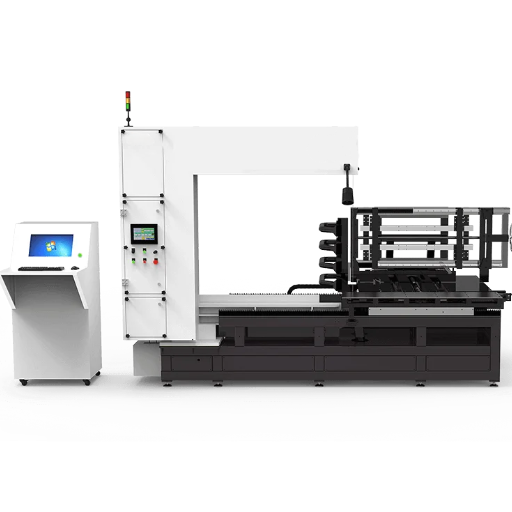
The design of graphite wire saw machines employs thin abrasive wires for the precision cutting of graphite materials. These machines work with controlled tension for the wire, along with a continual movement of the wire, which ensures minimal loss of the material being cut. The inclusion of features like changeable speed control, adjustable tensioning mechanism for the wire, cooling system, etc., is very critical for the operation of a machine, as these features increase the machine’s efficiency as well as durability. The adequate quality of cutting as well as the economy of this operation depend primarily on the wire used in the machine, its power supply, and heat control, and therefore these particulars should be considered particularly where one wants to choose a graphite wire saw machine.
Overview of Wire Saw Machines and Their Applications
Wire in machinery sees its application in a variety of sectors, including building and infrastructure, in quarries, mines, microelectronics, and gem cutting. They are basically made up of an endless wire that carries fine abrasives or diamond bits and cuts with reduced vibration and temperatures. The working of a wire saw machine is achieved by the utilization of the wire’s elasticity in conjunction with its controlled elongation and movement to effect precision cutting upon solid or delicate surfaces such as concrete, rock, silicon, crockery, among other materials.
The wire saw machine offers different applications. In the quarrying and mining industries, the machines are used for the extraction of huge blocks of marble and granite without losing more material than conventional methods. In the semiconductor industry, wire saws are used to cut silicon wafers to micrometers, which are appealing and important for making electronics. They are useful on-site when existing concrete constructions need to be demolished or renovated that involves cutting stainless steel rods. Moreover, due to their capability of conducting precision operations, they are considered important in cutting precious stones and intricate designs within ceramics.
⛏️
Quarrying & Mining
Marble & granite block extraction with minimal material loss
💻
Semiconductor
Silicon wafer slicing to micron-level tolerances
🏗️
Construction
Concrete demolition and rebar cutting for renovations
💎
Gem & Ceramics
Precision shaping of precious stones and intricate ceramic designs
✈️
Aerospace & Auto
Complex precision component cutting for high-spec materials
Such characteristics as the multipurpose use, accuracy, and high speed of wire sawing installations justify their extended utilization in the above-mentioned spheres. The rate of adoption of automation, ease of cooling wire saws, and increase in productivity will only improve with the progression of technological trends. The correct selection of the type of wire saw, its material, and its tension is important in order to achieve the settings properly and with fewer expenses.
Key Functional Characteristics and Common Uses in the Industry
Wire saw machines have many advantages since they are applicable in cutting at a relatively high speed, have high precision, and do not waste much material while cutting. Their most prominent characteristic is the ability to accomplish very complicated shapes without removing much of the content, hence this helps in fields like semiconductor technology, construction, and stone processing, amongst others. They can also cut through many types of materials, from silicon to granite, concrete, and metals, without any change in performance.
There is also the advantage that wire saw machines can be used in various and other entirely different activities, like cutting very thin and hard wafers in electronic components, or large blocks of stone, especially in quarrying. Most recent developments of wire saws incorporate wires with diamond cutting edges, giving them the ability to last longer and cut faster. There are measures that have been developed for such equipment so that the tension and cooling do not affect the quality and enhancement in cutting, as well as increasing the life span of the wire.
In industrial systems, one of the traditional applications is the semiconductor wafer fabrication, solar panels manufacturing, and the marble or granite work used in construction. In addition, precision cutting equipment also has wide usage in the aerospace and automotive industries, whose activities are of a highly complex nature and call for the use of particular materials. This trend is mainly due to the need for absolute precision, effectiveness, and economy in a wide range of applications.
Key Features to Evaluate in a Graphite Wire Saw Machine
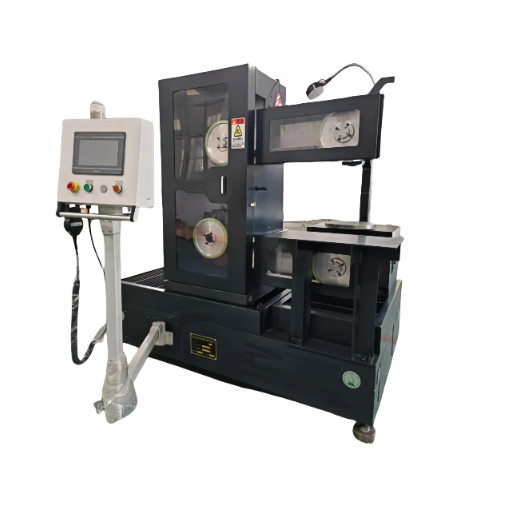
🛡️
Reliability
Consider the quality of the machine’s construction and the toughness of the individual components to determine the usefulness of the equipment regarding the high standards required by most industries. In particular, all elements should have good fatigue resistance and also slow plastic deformation.
🎯
Accuracy
Identify the precision of the cutting as well as the ability to execute tight tolerance designs and cuts on fragile materials. In particular, it is important for designers working in the aviation and electronics industries.
⚡
Speed and Efficiency of Cutting
Think about the fact that how fast the machine can cut, which will also affect the quality of cutting. This also reduces production time, thereby enhancing efficiency.
🔄
Adaptability
It is important to find out the range of wire diameters if the machine allows cutting and whether it is designed for the cutting of different materials such as metals, ceramics, and composites.
💰
Operational Costs
It is important to focus on cost issues while making a decision to choose a graphite wire saw machine, especially when operations on that machine are done often. Consider evaluating how much energy it takes, how often it needs repairs, or how efficiently it uses wires. This will help you determine if a particular machine is worth using frequently or not.
🖥️
Steering and Checking Mechanisms
Find systems with several automated features, for instance, those with user-adjustable parameters, and with real-time indicators to help to enhance the processes and avoid making mistakes.
⚠️
Protective Elements
Ascertain that the machine has strong safeguards, for instance, a machine cut-off system and operator shielding to protect the operator during operation.
Importance of Precision and Cutting Efficiency
In every production or manufacturing process, precision and efficiency in cutting are among the most important aspects, altering the quality of the products, the use of resources, and the cost of operation. This is because high precision helps in ensuring that parts are well within manufacturing tolerances, hence avoiding any chances of malfunctioning or poor assembly. Conversely, the means of cutting and processing a material determine how fast the productions occur and at what performance level; efficient cutting limits the rate of material processing. Breaking the two variables helps optimize the level of wastage, the time taken to perfect a strategy, and the life span of the tool without affecting its performance. With advances in technology, including the use of CNC machines and laser cutters, cutting and shaping have become more precise and efficient as machines maintain a stable rate of working and can adjust processes according to the requirements. Focusing on these criteria for such equipment is vital for sustained operational success and competing efficiently with other businesses in the industry.
Durability, Material Compatibility, and Maintenance Requirements
The durability, compatibility of materials, and requirement of maintenance are factors immensely important when examining industrial machinery. Durability means the capability of the equipment to endure a long period of use in various environmental conditions, which comes from the type of material from which the equipment is made, and the level of wear, rust, and high temperature it can resist. Compatibility of the materials used also means that the items that will be in contact with the equipment are safe from reactions, contamination, or damage. Proper maintenance is required in order to maintain the level of performance and make any mechanism work for a longer period. This can be achieved by lubrication, checks, and topping up worn-out parts at the appropriate time. Planning preventive maintenance schedules and employing good quality paraphernalia can go a long way in minimizing downtimes and other inconveniences of industrial processes. Allowing the choice of a graphite wire saw machine might benefit the workers.
Assessing Your Application Needs
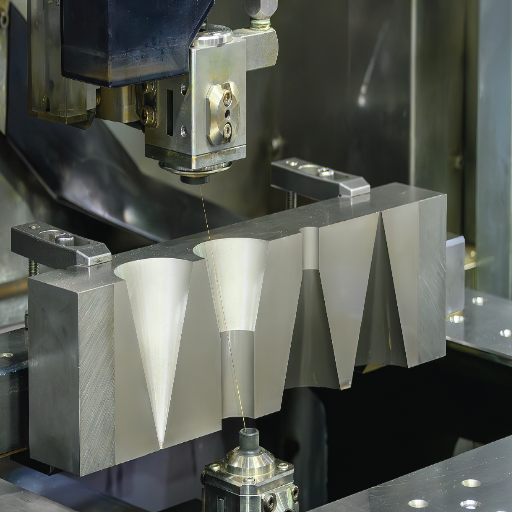
To have any meaningful understanding of your application requirements, it is essential to first determine the fundamental conditions and demands of the operation. It becomes imperative to identify the precise roles of the system or machine, which include, but are not limited to, load carrying, extreme temperatures, and resistance to specific chemicals. Check for any existing systems that may cause incompatibility and necessitate unwarranted changes. Think about existing techniques that meet existing standards or bear such insignia to achieve quality and acceptability. Taking such things into consideration at the initial stage eradicates the anticipated challenges and ensures that the performance of the solution is precisely what you need.
Determining the Scale of Operations (Industrial or Small-Scale)
When evaluating the benefits of a large-scale and a small-scale approach, one’s emphasis is placed on certain evaluation parameters:
| Parameter | 🏭 Industrial Scale | 🔧 Small Scale |
|---|---|---|
| Production Volume | Mass production with a great amount of functional equipment available in large quantities | Limited, highly personalized operations; flexible manufacturing for individual orders |
| Financial Considerations | Does not suffer from prohibitive initial costs for changes in plant, equipment, and materials | More affordable start-up; however, relative expenditure tends to be higher due to slower production rates |
| Space & Infrastructure | Requires ample space for equipment, warehousing materials, and logistics including loading docks | Highly efficient within limited working space |
| Market Needs & Scalability | Designed for steady demand of large quantities; ideal for established high-volume markets | More leeway for markets with low or fluctuating levels of demand; highly adaptable |
Analyzing these themes within the framework of your business’s objectives will help you in choosing the appropriate size to run, which will be efficient, non-cost-effective, and suitably accommodative.
Types of Graphite Materials Being Processed
Industrial and small-scale production classified graphite materials as natural or synthetic graphite.
Reasons why end-users choose graphite other than natural graphite are mainly based on specific properties, price, and specific application. Each type of graphite material is further treated by such techniques as cleaning, reduction of particle size, application of outer layers, and other modifications to meet particular industrial requirements.
Evaluating Cutting Speed and Performance Metrics
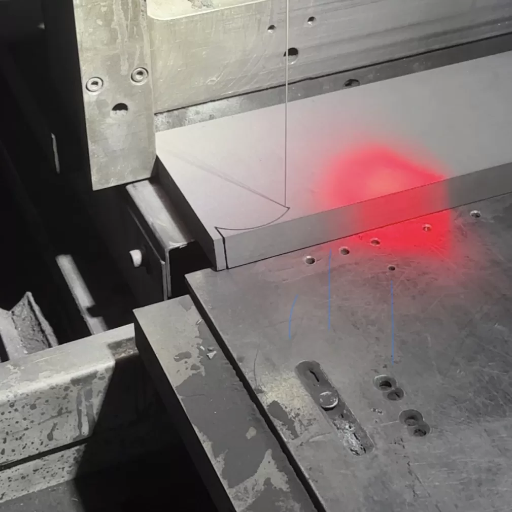
The speed of cutting affects tool life, efficiency in cutting materials, and the quality of surfaces. In ideal situations, the speed of cutting should be selected as fast as possible, but thereby the excessive wear of the tool, such as fracture, is also limited by the cutting speed. Within tools such as saws or other cutting devices, the performance is considered to be independent of the factors of cutting speeds, feed rates, and thickness of the material. It is done with the help of a number of measurement techniques, such as explicit recording of the weight of the tool, length of its overhang and position, use of thermocouples, and temperature outlines to show cutting forces in space and temperature gradients, respectively. Also, easy cost constraints are managed, and efficient processes are in place. Given that excessively high or low cutting speeds can seriously jeopardize either productivity or accuracy, it is always advised to determine an optimum cutting speed in order to achieve the desired tolerance to a particular detail.
⚡ Key Insight: Excessively high or low cutting speeds can seriously jeopardize either productivity or accuracy. Always determine an optimum cutting speed to achieve the desired tolerance for each particular material and application.
How Cutting Speed Impacts Productivity
The cutting speed when performing machining operations influences productivity, tool life, and surface quality. For example, increased cutting speeds allow for a much quicker completion of the machining process and improved efficiency. However, this may also lead to accelerated wear of the cutting tool due to increased temperature at its edge. On the other hand, a low cutting speed may minimize the wear of the tool etiquette, although less work may be achieved over a long period, and even in certain cases or situations, additional costs may accrue. Such a cutting speed can be termed optimal since it reduces the time on the part and maintains the quality required, wasting no tools. Although the protocol for selecting the cutting speed usually defines the range of the material and the tool, along with the general criteria, this requires repeated revision and correction, which requires the performance indicators and real-time monitoring from the data in combination with these indicators.
| Speed Setting | Productivity | Tool Wear | Cut Quality |
|---|---|---|---|
| Too High | Fast | Accelerated | Risk of fracture |
| Too Low | Slow | Minimal | Additional cost accrual |
| Optimal | Maximum | Controlled | High precision |
Understanding Machine Efficiency and Energy Consumption
Machine efficiency is simply the useful work done by the machine while considering the total energy supplied. Usually, this factor is given in percentage form. To make this factor as high as possible, energy losses due to friction, heat production, and wear are tried to be eliminated as much as possible. Schedule maintenance, expert class lubrication, and fitness of the components within their operating modes considerably aid efficiency development.
For instance, the use of electricity energy depends on the concept, however design of the technology or the conditions under which it is operated. VFDs and pre-emptive repair are examples of energy-conserving technology that are incorporated into machinery of high energy efficiency. Further, the energy usage determination system provides the basis for identifying where the machines are effective, how effective, and when remedial activity should be carried out.
Modern industries rely heavily on cost-cutting and green measures; thus, manufacturers and operators have no choice but to integrate energy efficiency in parallel with production performance. Examples of ways by which a manufacturer will implement such reforms in several industries include carrying out energy assessments, making use of Industry 4.0 technology, and making use of data to improve machines, as well as energy conservation.
Comparing Different Brands and Models
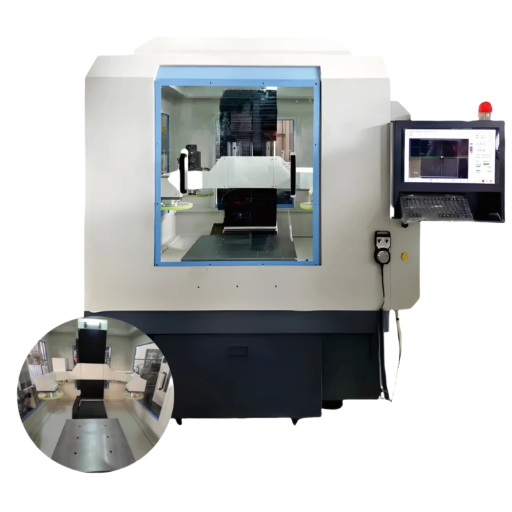
When choosing a graphite wire saw machine, a lot of considerations need to be factored in besides the brands and models. If one needs to calculate costs, energy ratings of manufacturers are very important, and so is the consideration of green initiatives. Further, the scope of use of the equipment itself and the duration of the equipment are very important in making long-term investments. Also, look at how various models will fit into the existing system and what level of after-sales service each of the brands guarantees. Scrutiny of such elements helps companies determine the most suitable products for themselves in accordance with their use and budget.
Highlighting Leading Manufacturers in the Market
Assessing the top brands shows the following three as superior in the field of their respective industries for three distinctive reasons, which include entrepreneurship, dependability, and a full range of services.
Taking the example of such a leading player, it enables the enterprises to effectively evaluate the competitive standing of their captives when it comes to achieving strategic-level goals. This type of evaluation assists in short and long-range operations planning.
Features and Technological Advancements by Top Brands
Being an analytical observer of leading companies, I find a certain number of pivotal components and technological developments encouraging their growth. These are retrofitting them with advanced robotic techniques, exploiting predictive maintenance using artificial intelligence, and sustainable systems that are capable of scaling to suit the increasing industrial needs. Moreover, innovations such as IoT-based devices and platforms put cloud operation on a different level, where there can be efficient operation monitoring and control, while enabling data-based operations for performance improvement. For example, these changes help them become more efficient, sustainable, and stable for longer periods of time.
| Technology | Benefit to Operations |
|---|---|
| Advanced Robotics | Reduces human error, increases throughput, and enables precision operations at scale |
| AI Predictive Maintenance | Detects issues before failure occurs, reducing downtime and unplanned repair costs |
| IoT-Based Devices | Enables real-time operation monitoring, remote control, and cloud-based performance analytics |
| VFD Energy Control | Adjusts speed and power dynamically to reduce energy consumption without affecting output |
| Sustainable Scalable Systems | Designed for long-term use with modular upgrades that align with growing industrial demand |
⚙️
Make the Right Decision for Your Operation
From understanding material types and machine fundamentals to evaluating cutting performance, scale of operations, and brand capabilities — every factor plays a role in selecting a graphite wire saw machine that delivers long-term precision, efficiency, and value. Use this guide as your decision-making framework to align machine choice with your operational goals.
Reference Sources
Recent Advances in Precision Diamond Wire Sawing
Key Findings: This study explores the use of diamond wire sawing for precision cutting, particularly in monocrystalline silicon rods. It highlights advancements in cutting techniques and the impact on material efficiency and precision.
Wire Electrical Discharge Machining—A Review
Key Findings: This review discusses hybrid machining methods combining wire electrical discharge machining (WEDM) with fixed abrasive wire saws. It emphasizes the benefits of combining technologies for enhanced precision and reduced material waste.
Advances in Wire EDM Technology for Cutting Silicon Carbide
Key Findings: This study focuses on the challenges of machining silicon carbide (SiC) and the role of advanced wire EDM technology in overcoming these challenges. It discusses cost, time, and resource efficiency improvements.
Frequently Asked Questions (FAQs)
When I need to cut graphite blocks, which cutting machine should I go with?
If you wish to cut graphite slabs, a water jet cutter employing diamond water saws is the most preferred option. Alternatively, you may opt for a graphite slitting machine for engaging in bigger graphite cubes. Both of these slitters employ endless diamond wires cutting graphite with precision, proportionately diminishing the sawdust and saw blade impact on the graphite block while also reducing the maintenance time of the equipment.
Would a band saw be better than a diamond wire saw for graphite when cutting?
In essence, a diamond wire saw cutting machine, the endless diamond wire saw cutting machine in particular, allows for precise cutting of diamond wire, thus offering clean, neat, and aligned cuts with minimal kerf compared to a band saw. A basic band saw might be cheaper for uncomplicated projects, however, the quality of the cut is too rough and therefore, one should use a diamond wire cutting machine for graphite machining to keep the surfaces clean and in thickness this is feasible also the dry gum groove elimination and cankje mean height spike prevention are achieved with such machines when doing precise rolling angles of the graphite on the semiconductor components.
Is it possible to quickly and accurately cut a huge graphite block using a wire cut or multi-wire system for mass production purposes?
There is not a single use of a wire-cut machine or a multi-wire diamond cutting machine to cut a large graphite block. As for a multi-wire, it is the solution to shortcuts, quick setups, and graphite blocks capable of mass production, meaning that less graphite is wasted, and there are fewer breaks in production thanks to the exact cuts.
Which DC-diopter drills in particular would be suitable for a graphite wire saw or diamond wire with CNC?
The CNC contains, among others, an inbuilt system of automatic control, which also possesses a tension control system for wire that facilitates the wires being cut consistently and smoothly, even on the dedicated high precision diamond wire saw. The qualities of the machine frame that compose the ones suitable for high precision work on CNC include the operation within a firm machine frame, so paradoxically, using this machine is conservatively possible. This helps when it comes to CNC processing of graphite and ensuring, for example, precision cutting for semiconductors and precision graphite.
What are the benefits of an endless diamond wire when needing to promptly and smoothly engage in cutting graphite?
The concept of endless diamond wire may allow for a cutting action that is not interrupted and, at the same time, promotes neat and clean diamond wire cuts due to the consistency of diamond wire cut performance. Since the wire is continuous, it enables quicker and cleaner cutting with reduced kerf loss, increased wire life, and minimal downtime in comparison to segmented wires.
Is the performance of a graphite cutting wire saw machine affected by downtime? If so, what are the causes of this effect?
A graphite cutting wire saw machine requires maintenance procedures such as checking the wire tension, changing the worn-out diamond wire, greasing the guides, and examining the bearings. Such maintenance practices extend the life of the diamond wire saw machine, reducing downtime and providing consistent, flawless cutting and polished surfaces in graphite block cutting and regular graphite processing.
Related Posts
Trending Blogs

![Polysilicon Material: Properties, Grades & Uses [Guide]](https://wiresawcutter.com/wp-content/uploads/2026/08/polysilicon-material-featured-150x150.webp)