
Get in touch with DONGHE Company
-
Phone: +86 181-1645-5490
-
Email: Sales18@DongheScience.com

Minimizing Subsurface Damage in Crystal Sawing

The demand for near-perfect microwires in the field of crystals, including semiconductor, optics, or photovoltaic, would require accuracy in cutting the crystal. Even a small defect beneath the surface, caused during cutting, can affect these costly components’ strength and operation. This piece looks into the cause and effect means of avoiding any damage within the body, maximizing the material utilization, furthering enhancement of the properties of the crystals in their respective applications. Many of these include factors influencing the properties of the plastic, such as tool design, cooling systems, or sawing technology that enable the competent use of these technologies, in order to improve the performance of the manufactured devices. More methodologies and techniques underlying the prospects of crystal jigsawing without subsurface damage will be presented further.
Understanding Subsurface Damage in Crystal Sawing
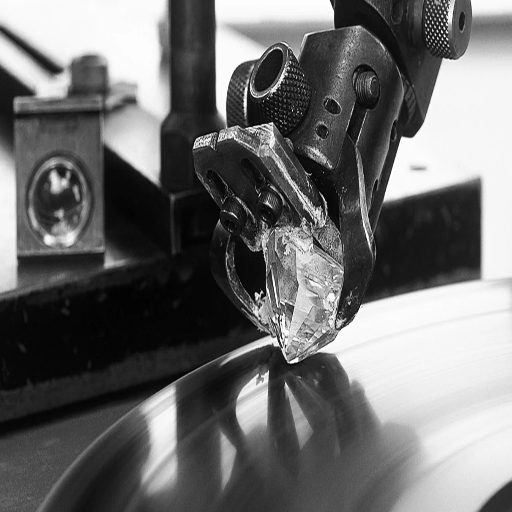
Inside the structure, below the crystal material, there might be visible subsurface damage in cutting and separation. Primary factors explaining the issue of stress caused by the process of cutting include how sharp the tool is less/hypersonic, the speed and aggressiveness of the operator, and the application of coolant or lubricant. If dull tools are used or ineffective techniques employed, microscopic imperfections can develop, which can damage the usefulness, quality, and/or performance of the crystal.
It is to be noted that to remove this, it is key that the right tools are used and properly cared for, adequate cooling is provided to avoid excessive heat, and more stages, preferably low, include low feeds or high wire sawing. Such controls prevent damage, produce better pieces of work, and increase the recovery of material.
Definition and Significance of Subsurface Damage (SSD) in Crystal Processing
Damage under containment is a term used to describe the formation of micro-level fractures/geometrical damages below the surface of the crystal as a result of mechanical/abrasive engagements such as machining, slicing, or finishing. It is rather easy to reproduce the structural defects because these can be most often seen in the STM images, but these defects will drastically change the functional characteristics of the crystal. The effects of these are also not very large but have bearings on the polishing performance of the substrate and also increase life failure rates of components of a predetermined precision, such as detailing integrated circuits and preparing optical elements.
Remedying subsurface damage during etching or thermal processing, in particular, helps maintain processing yields and the quality of the end product. Crystals containing SSD may be carried forward to the next stage of the process, e.g., in the case of CCD fabrication, resulting in the dismantling events within the inner structure of the crystal due to tensional expansion of the inner cracks. Manufacturers can also manage SSD more effectively, increase the volume of materials being utilized, and achieve better performance in a highly precise environment by employing advanced X-ray diffraction topography or optical profilometry and respective machining of submicron depths.
Detailed Exploration of How SSD Impacts Crystal Performance and Lifespan
While modeling and simulation models, subsurface damage always contributes to the effect in crystal growth and their structural behavior, in practice, this is mainly evidenced in the fraction of microscopic structures in bulk materials, mainly microcracks and dislocation zones, which can in large extent, decrease the material’s fracture toughness and cause premature failure, mechanical or thermal, under some conditions.
In addition, SSD contributes to controlling the flatness of the surface and the measure of optical homogeneity, which affects the scattering and light transmittance efficiency of an optical component. With dedicated interfaces such as lasers, any defect submerged below the surface of the target can lead to hot spots as well as total damage of the optic’s surface, known as catastrophic optical surface damage. Apart from that, SSD is responsible for long-term degradation of the materials as it tends to spread the cracks within the structure with a difference in temperature for thermal cycles or mechanical loading.
Such harmful impacts require proper control in material processing in order to be reduced. Methods such as chemical mechanical planarization (CMP) or even ‘ultra precision’ milling cut down the SSD, helping in maintaining not only the structural but also the optical performance. Introduction of more sophisticated technologies, such as atomic force microscope (AFM) and focused ion beams (FIBs) have been key in understanding and removing subsurface damage crystal, making such applications more durable and efficient.
| SSD Effect | Impact on Crystal | Mitigation Method |
|---|---|---|
| Microcracks & dislocation zones | Decreased fracture toughness; premature failure | Ultra-precision milling; CMP |
| Optical homogeneity loss | Scattering: reduced light transmittance | AFM inspection; focused ion beam (FIB) |
| Catastrophic optical surface damage | Hot spots: total surface failure in laser systems | Optical profilometry; X-ray diffraction topography |
| Long-term crack propagation | Structural degradation under thermal/mechanical cycling | Stress-relief annealing |
| CCD / IC fabrication failures | Inner crystal dismantling from tensional crack expansion | Submicron-depth machining; etching controls |
Current Methods Used to Identify and Measure SSD in Industrial Settings
In practical applications, subsurface damage (SSD) in glass is assessed by way of destructive and nondestructive techniques. The nondestructive techniques, such as optical microscopy and white light interferometry, are commonly used because possibilities for surface roughness measurements exist, and the measurement does not cause damage to the target material. The atomic force microscopy (AFM) is one of the most important pieces of equipment, in that it allows high-resolution analysis of surface as well as subsurface structures, at the level of measurements that are in nanometers.
To avoid generalization, it is important to note that structure and defect in materials are complex, and therefore more accurate assessment methods are characterized as destructive because of crystal structure and defect in such methods as microsubcutaneous polishing with the use of an electron microscope or with the help of an electron neutral atomic beam, and this is reasonable as well to give an unequivocal resolution of the pSSD layer presence. Shear waves and Raman spectroscopy, among others, however, have been used for more indirect analysis of SSD as the material behavior under shear wave mass transfer or bonding weakening. Such strategies allow societies to strategically control subsurface damage selectively in the most critical structures through precision design and manufacturing.
Key Factors Influencing Subsurface Damage During Sawing

During sawing, subsurface damage (SSD) is largely determined by a combination of material properties, characteristics of the cutting tool, and the operating conditions of the saw. A greater propensity towards SSD is exhibited by materials that have higher hardness and brittleness, as they undergo less deformation and fracturing when stressed beyond their elastic limit. The type, size, and also the extent of the dispersion of the abrasive grain in the cutting tool are indispensable for determining the damage and the depth of the defect produced. Other factors such as feed rate, cutting speed, and load exerted also influence SSD, and usually the greater the stresses or the speeds, the more damage is caused. These parameters have to be controlled in order to reduce the SSD and ensure the integrity of the workpiece.
Sawing Speed
Defines cutting speed and surface finish quality. Higher speeds improve cut precision but generate more heat, risking material deformation.
Applied Pressure
Excessive pressure causes blade deflection or breakage. Insufficient pressure leads to overheating and inefficient material removal.
Blade Type & Coating
Carbide or diamond coatings are preferred for hard materials — they maintain sharpness and reduce subsurface damage over prolonged use.
Material Hardness
Harder, more brittle materials are more susceptible to brittle fracture, forming microcracks beneath the surface under machining stress.
Abrasive Grain Dispersion
The type, size, and extent of abrasive grain dispersion in the cutting tool directly determine the depth and character of the defect produced.
Crystal Orientation
In single-crystal and anisotropic materials, crystallographic orientation significantly affects how stress-induced damage distributes during machining.
Examination of Sawing Parameters Such as Speed, Pressure, and Blade Type
Sawing plays an important role in the efficiency of materials processing, which is also important from the viewpoint of quality. First of all, the blade speed is crucial because this factor defines the cutting speed and the quality of the surface finish. As a rule, the higher the speed, the better the cut, but at the same time, more heat is generated, which can cause unwanted material deformation or damage. Alternatively, reduced speeds would be less damaging, but would also not be very effective.
Another important extraneous variable that has to be considered is the pressure or force applied. When the amplitude is too high, it can result in blade deflection, rough cuts, or even breaking of the blade, while when this value is too low, it is called ‘inefficient’ cutting because less material is removed, or there is the risk of overheating. Because of this, there is a need to make sure the load is appropriate for the hardness of the material, as well as its thickness, to avoid or minimize any damage.
The performance of a saw blade largely relies on its type, which involves the analysis of its material composition, the tooth geometry, and its coating. For instance, blades with carbide or diamond coatings are preferentially used for cutting hard materials as they are long-lasting and stay sharp, leading to reduced subsurface damage over long-term use. In order to attain optimum efficiency without compromising the material, all three components should be adjusted in tandem.
Role of Material Properties in SSD Formation
Subsurface Damage (SSD) formation and intensity in cutting and machining processes are influenced by material properties as well. The hardness of the material influences the SSD, with harder materials being more prone to brittle fracture, thereby creating microcracks beneath the material. Elastic modulus is another considerable aspect — with more elastic materials undergo deformation rather than cracking, which reduces the severity of the SSD. What’s more, especially in both single-crystal and anisotropic materials machining, the orientation of crystals affects the stress-induced damage in machining. However, the thermal properties, such as thermal conductivities and thermal expansions, also play a part in the generation of local heat and, therefore, the state of stress. The knowledge of such properties in general helps to design the best cutting tool, cutting conditions, and techniques pertinent to cutting operations so as to achieve minimum SSD and processing of the material without destruction of the structure.
Importance of Coolant and Lubrication in Minimizing Damage
In machining operations where subsurface damage is of principal interest, the role of coolant and lubrication cannot be overemphasized since they affect the efficiency of the entire process. The primary role of coolants is the safe elevation of heat away from the cutting interface of the workpiece, such that the thermal modes of deformation are not induced, nor is there a sudden increase in the material temperature that could cause thermal shock. Lubricants, however, work to bring down the resistance between the work material and the cutting tool, which in turn assists in depressing the wear of the tools and improving the quality of the finished surface. It is also recognized that efficient lubrication would also help alleviate the high mechanical loads, which have an array of effects, such as causing cracking or other failures of the structure encouragably.
When the aforementioned functions are combined, it can be deduced that a well-chosen and effectively applied interference fit system helps to minimize the wearing of the tool, and focuses on proper cutting due to the consistency made by the use of lubricants. Innovations in the supply of break systems, for example, high-pressure break systems or MQL (Minimum Quantity Lubrication) systems, have also been established and indicated their effectiveness where required for maximum heat extraction. With the incorporation of the right cooling and lubrication measures, firms can not only keep the quality of the material better and the tools in operation longer but even less expensive.
Advanced Cutting Techniques for Reducing Subsurface Damage
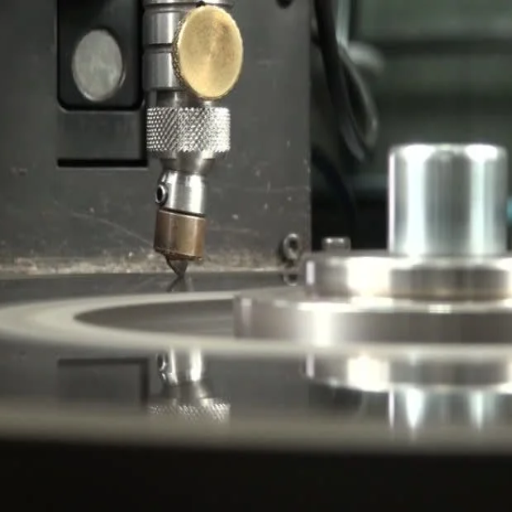
A reduction in subsurface damage in materials is dependent on using innovative cutting methods that are appropriate for the material and the conditions of the process itself. One of the most important aspects is the careful selection of cutting speed and the use of a suitable depth of cut in order to decrease the mechanical load applied to the material. Fine-grain tooling, especially PCD, is recommended for cutting materials whose surface finish is critical, and any deformation, be it thermal or mechanical, should be kept to a minimum. The use of ultra-precision machining techniques, like SPDT or Laser-assisted machining, in which the objective is to make artifact surfaces without micro-cracks, is very helpful. Some High-end monitoring devices, in the form of such devices as acoustic emission sensors and Vibration detection systems, will also aid in the generation of data with respect to the process, as far as ensuring the process is stable, while also containing any subsurface damage.
Overview of Modern Sawing Technologies
| Technology | Mechanism | Best Application | SSD Advantage |
|---|---|---|---|
| Diamond Wire Sawing | Wire embedded with industrial diamonds cuts continuously | Semiconductor wafers; ceramic & composite slicing | Minimises material waste; prevents structural collapse |
| Laser-Assisted Cutting | Pre-heats material along cut line to reduce tool stress | Superalloys; advanced ceramics; hard heat-conducting materials | Faster cutting; reduced tool wear; minimal SSD |
| SPDT (Single Point Diamond Turning) | Ultra-precision turning with a diamond-tipped tool | Optics; precision surfaces requiring nanometre accuracy | Artifact surfaces without micro-cracks |
| PCD Fine-Grain Tooling | Polycrystalline diamond cutting with fine grain structure | Critical surface finish applications | Minimises thermal and mechanical deformation |
The process of cutting with a diamond wire involves the use of a wire that locks the industry’s use of diamonds. This technology has been largely applied where a material’s wastage or loss has to be minimized, such as in wafer slicers in the semiconductor industry and the slicing of ceramic or composite materials, which are very hard and brittle. The sharpness of the entire process makes it very attractive for such fine material cuts without any possibility of structural collapse.
However, the saw cannot completely replace the laser, and instead, these technologies have been combined, to wit, laser-assisted cutting. The concept relates to pre-heating the work material along the cut line so that the process can be carried out faster without much wear of the tool. It is particularly advantageous for hard and/or heat-conducting materials, including superalloys, and some advanced ceramics. These machines are capable of efficient cutting without causing excessive subsurface damage to the workpiece, and the control systems are incorporated to ensure precision and efficiency of the processes, lowering the downtime and cost of operation, and this is a salient feature of present-day manufacturing.
Benefits of Precision Cutting over Conventional Methods
There are many benefits of precision techniques when compared to manual methods. They improve performance and precision to a greater extent. In the first place, precision machines allow minimal errors for materials’ cuts, allowing the materials to be used fully. Also, thanks to precision cutting, the materials are achieved in a fatigue life-resistant shape that is fixed to the required linear tolerances and surface finish, which stops additional processes from being done. Further improvement of the technologies allows fast mass production processes that are characteristic of, for instance, aerospace, medical device engineering, or automotive industries. To conclude, implementing subsurface damage techniques eliminates excessive tool heating and tool stresses; therefore, the lifetime of the tools as well as of the workpiece is increased, allowing one’s expenses to be reduced in the long run.
Material Science Behind Subsurface Damage in Crystals

During mechanical processing of crystals, such as grinding, lapping, and polishing, the crystals experience subsurface damage (SSD), which is mainly attributed to mechanical stresses and the impact of aggressive energy-raising interactions. Abrasive contact with the crystal surface causes inverted deformation, cracks, and other cavities to form inside the surface. Depending on the hardness of the material, its brittleness and crystallographic structure, as well as on the processes characteristic of pressure application, particle size and speed of the tool rotational movement, the degree of subsurface damage to the crystal is defined. In materials science, the concept of SSD mostly aims at covering these aspects of improvement. It can also enable modern processing methods, including chemical mechanical polishing and high-resolution inspection techniques like electron microscopy, and X-ray assessment, working for SSD depth for depth of and range. With the help of this information, decent methods of reducing the SSD can be formulated by the scientists to result in better quality surfaces, reducing optical haze, and increasing the structural integrity, especially in systems where highly perfect subsurface damage crystal-like semiconductors and optics are being used.
Analysis of the Microscopic Structural Changes Caused by Sawing
The processes of cutting by sawing bring about considerable modifications in the structure on a micro scale, predominantly in the form of subsurface damage (SSD) and stress states remaining within the material after cutting. This is due to the cutting operation, which provides the surface of the workpiece in contact with the tool with plastic deformation in the depth of the material. Most often, this may cause the appearance of internal cracks and the formation of deformation elements, as well as crystal structure changes. But the worst case is abrasive sawing, where uneven forces plus the mean temperature differences occur frequently, hence, more destruction occurs.
Several parameters or factors, like the saw blade, the cutting speed, or the properties of the workpiece, affect the degree of damage. Sophisticated instruments used, such as scanning electron microscopy and transmission electron microscopy, show that cutting deformed layer thickness can range from many microns to several tens of microns, depending on these parameters. Additionally, some crystal materials, such as silicon, may undergo phase changes when subjected to the heat and pressures used for cutting.
It is not enough just to throw some exceptional tools into the mix; new processes have to be introduced as well, such as stress-relief annealing. These tend to help decrease the SSD in the crystal without causing any structural and functional damage to the material, which is highly demanding in the case of microelectronics and optics that have different applications requiring the materials to be defect-free, because even a single problem means it loses its functions almost entirely.
Role of Fracture Mechanics in Understanding SSD
The use of cracks in fracture mechanics is central to the notion of subsurface damage crystal cutting because it helps and allows one to carry out processes of forming the cracks under stress within limits. Stress intensity factors and stress critical levels of fractures determine the combination of stress levels necessary for crack growth in such conditions, originally thought to be ‘non-cutting’, mechanical grinding or lapping processes, can cause microcracking to the surface. This is especially the case where there is pressure on weak materials such as ceramics or glasses, as it would lead to more severe damage, which is subsurface damage. Such fracture methods are based upon fracture mechanics and are vital for applications dealing with SSD since they have mechanisms that predict the extent of SSD and its alteration forms, therefore aiding design engineers in their quest in designing better machine processes as well as improving the performance of components in extreme applications such as optical components or semiconductors.
Insights into Crystal Lattice Disruption and Stress Propagation During Cutting
Disrupting the solid lattice and escalating stress levels is mainly influenced by the cutting tool and the internal atomic architecture of a material. Matrix stress levels go up significantly and locally during cutting, introducing dislocation and fracture zones where the lattice starts yielding to deformation. Peels off at the cutting part, causing plasticity in ductile floors and cracks surfacing on top of brittle floors. Variables of concern here include the shape of the tool, speed of cutting, and characteristics of the material, all important in ascertaining the extent to which the lattice shall be distorted and stress distributed. Advancements in high technology, which include, but are not limited to ultra-precision diamond turning, have tried to optimize the process to reduce such interferences with the surface smoothness and material integrity, keeping the subsurface damage crystal intact. Advanced computational models have been developed to simulate them, yielding rich insights that are applied in cutting practices enhancement and tool manufacturing.
Best Practices for Preventing Subsurface Damage in Crystal Sawing
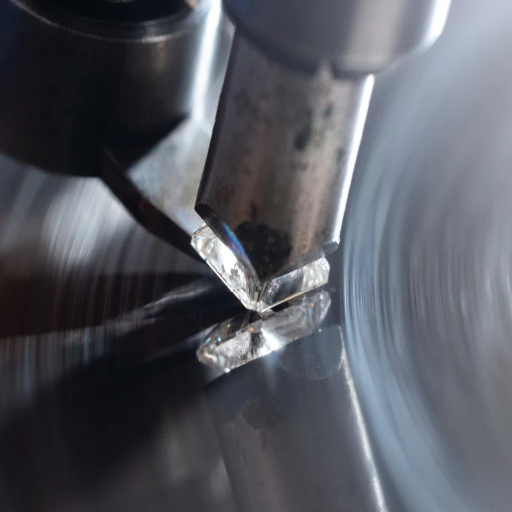
In minimizing the subsurface damage induced during crystal sawing, it is important to carefully modulate the sawing parameters that influence the mechanical stress of the substrate, such as feed rate, spindle speed, and selection of blade. Proper cooling using the right cutting fluid minimizes thermal stress and fractures or microcracks caused by overheating. Furthermore, choosing proper grit size and concentration of the blades can lead to a better cutting process and prevent any defects that might be embedded within the surface. It is also imperative that the saw equipment is precisely set up because slight misalignment can contribute to increased chip damage and material failure. Sustained application of these practices enormously improves the structural quality of crystals and their function.
- 01
Carefully Modulate Sawing ParametersCarefully modulate feed rate, spindle speed, and blade selection. Higher mechanical stresses and speeds typically produce more subsurface damage.
- 02
Apply Proper Cooling with the Right Cutting FluidProper cooling minimizes thermal stress, fractures, and microcracks caused by overheating. Consider MQL or high-pressure coolant delivery systems.
- 03
Choose Correct Blade Grit Size and ConcentrationThe right grit size and blade concentration leads to a better cutting process and prevents defects from being embedded beneath the surface.
- 04
Ensure Precise Equipment Alignment and SetupSlight misalignment in saw equipment can contribute to increased chip damage and material failure. Precision setup is non-negotiable in crystal processing.
- 05
Sustain Application of All Practices ConsistentlySustained and consistent application of these practices enormously improves the structural quality of crystals and their functional performance.
Process Optimization Guidelines, Including Adjustments in Equipment Calibration
In achieving process efficiency, it is imperative, as well as of key importance, to optimize all the equipment in order to achieve the highest possible standards of operation, where repeatability can be ensured in actions. First of all, ascertain the performance levels of the system according to specific benchmarks and note all the system deficiencies it might present in relation to such performance levels. It is also particularly important to have a routine consisting of the calibration of sensors, actuators, and control apparatus to guarantee proper reception of inputs and outputs. This is made possible by ensuring that the cutting tools are correctly positioned, temperature controls are corrected regularly, and speeds are set properly, among other cases of concern.
Additionally, deploy monitoring systems with feedback loops to continuously analyze and fix the systems in real time. Engineering a functional retrofitting schedule is equally vital; conducting periodic checks early enough alongside prompt calibration minimizes the degradation symptoms on equipment, thus prolonging service and improving performance. Through fixing these issues in a professional manner, improvements in adherence, operations, and quality of the products are guaranteed.
Training and Operational Strategies for Minimizing Human Error
In order to limit dependence on human expertise, I concentrate on developing processes of instruction that are properly organized in theory and practice. Scenario-based simulation exercises are mandatory for every worker; hence, crucial decision-making skills are enhanced as they perform real-life tasks. Furthermore, I advocate for easy-to-follow instructions with proper guidelines and steps to eliminate rote variations in work. One of the main strategies is through regular evaluations and reinforcement, which enable the filling of any gaps to facilitate uniform performance. I hope to achieve the reduction of all manner of errors and the improvement of operational efficiency by maintaining conformity to educational standards and performing self-auditing measures.
Maintenance of Tools and Consumables to Achieve Consistent Precision
Preserving the efficiency of any workshop environment through proper construction and upkeep of artifact stockpiles. Stability becomes a reality by laying out a maintenance protocol that involves scheduled visits and checks, including cleaning and verification of tools, as fits their purpose within their expected range of operation. It is the duty of every workshop operator to take note of the performance of the tools to identify the working limits of each tool before moments of failure. Consumables such as adhesives, abrasives, or lubricants require storage in compliance with manufacturer requirements, and this can be done in climatic zones to avoid deterioration. Periodical tooling control, as well as immediate training of operators in safe practices, is applicable to help prevent undesired deformation and fatigue of tools. Finally, when predictive maintenance technologies are employed, for example, when the sensors are actively in operation, outliers can be identified and acted upon beforehand, reducing the number of break times significantly and the operators working with greater accuracy.
| Maintenance Task | Frequency | SSD Prevention Benefit |
|---|---|---|
| Sensor and actuator calibration | Scheduled intervals | Ensures accurate input/output control; repeatable operations |
| Cutting tool position check | Before each run / periodic | Prevents misalignment-induced chip damage |
| Coolant / lubricant storage compliance | Ongoing | Avoids consumable deterioration and inconsistent delivery |
| Blade wear assessment | Regular tooling control intervals | Identifies working limits before blade failure occurs |
| Operator safety & practice training | Regular / scenario-based exercises | Reduces human error; improves process uniformity |
| Predictive maintenance sensors | Continuous / real-time | Identifies outliers early, reducing unplanned downtime |
Conclusion
Subsurface damage in crystal sawing is a multidimensional challenge that sits at the intersection of materials science, process engineering, and precision manufacturing. By deeply understanding how SSD forms, spreads, and manifests — and by systematically deploying the right combination of sawing parameters, coolant systems, blade selection, advanced cutting technologies, and disciplined maintenance protocols — manufacturers can reliably produce crystals with the structural purity and optical integrity demanded by today’s semiconductor, photovoltaic, and optical applications. The field continues to advance rapidly, with tools like AFM, FIB, acoustic emission monitoring, and computational lattice simulation opening new frontiers in defect-free crystal processing.
Reference Sources
This study investigated the effects of cutting parameters (velocity, feed rate, and depth) and tool wear on surface quality and subsurface damage in nickel-based single-crystal superalloys.
Surface/Subsurface Damage and the Fracture Strength of Ground Ceramics
This review summarizes experimental observations on grinding-induced microcracks, residual stresses, and flexure strength degradation in ceramics.
Frequently Asked Questions (FAQs)
Why is this case of cracks subsurface damage in the crystal?
Perhaps it is one of the following issues that mainly contribute to the damage, or in the case of present stress from the machine, it is mainly the wrong blade and the improper limits of feed speed and spindle speed in a given case that this factor is included. It is also possible that there is very little heat removal or even the presence of an antiwear motion lubricant, as the heat created by friction could cause further wear and tear or even splintering.
Why does such blade selection seem to affect subsurface damage?
This stems from the fact that when a proper blade is selected, subsurface damage is reduced. Employing a blade that has a grit size and a type of bond that does not work on the particular material that is subjected to it will cause bigger problems, but cleaner and easier cuts and fittings will be used on those who have the benefit of knowing the right kinds of crystals.
What is the importance of proper cooling solution application or lubrication in the prevention of such subsurface damage?
It is necessary to properly cool or lubricate the cutting process in order to minimize the generated heat and reduce friction. Since heat-induced stresses and material distortion can contribute to the formation of subsurface cracks, the crystal structure is preserved.
Have specific methodologies or innovations been designed with subsurface damage control?
Subsurface damage is minimized substantially by the use of precision sawing techniques such as wire sawing or laser-assisted methods. Also, advanced monitoring systems and continuous adjustment of parameters minimize or eliminate the risk of cutting defects, thereby enhancing the crystal.
Would the remaining subsurface damage have to be corrected after the sawing process?
And that’s where the post-sawing treatment, such as chemical etching, polishing, or annealing, comes in because the objective is to relieve the residual subsurface damage either through elimination or reduction. The surface of the crystal is improved in these treatments for further use or fabrication processes.
Related Posts

Trending Blogs

![Polysilicon Material: Properties, Grades & Uses [Guide]](https://wiresawcutter.com/wp-content/uploads/2026/08/polysilicon-material-featured-150x150.webp)