
Get in touch with DONGHE Company
-
Phone: +86 181-1645-5490
-
Email: Sales18@DongheScience.com

Reducing Kerf Loss: Cost Optimization Guide

Manufacturers and material processors need to focus on reducing kerf loss because it serves as an important yet often overlooked method for achieving cost reductions. The cutting and machining operations generate kerf loss which results in material waste that decreases operational productivity and resource efficiency and total business earnings. The industries that use expensive raw materials such as metal, wood, and composites will benefit from even small improvements in their kerf loss control methods which will lead to greater cost reductions.
Understanding Kerf Loss

Kerf loss refers to the material that is removed and wasted during the cutting process. A kerf emerges during the cutting process when a saw or laser tool makes a cut that extends beyond the width of its blade to the material being cut. The operating conditions of a cutting operation determine the amount of kerf loss through factors that include the cutting tool type and its thickness and the material which is being processed.
Definition of Kerf Loss
Kerf loss measures the quantity of material that cutting operations discard because of tool or beam thickness. The tool generates a kerf which creates a gap through which material disappears, and this loss directly depends on the tool width and cutting technique. The process requires precise evaluation of kerf loss because excessive loss results in higher expenses and decreased usable material production for industries that depend on precise measurements and efficient resource utilization.
Impact of Kerf Loss on Manufacturing Costs
The manufacturing costs increase because kerf loss leads to higher material expenses and lower production efficiency. The aerospace and semiconductor sectors face this material waste problem because they handle materials that have high market value. The cutting tool creates wider kerfs which lead to greater raw material waste whose costs increase according to the material’s commercial value.
Key Research Finding
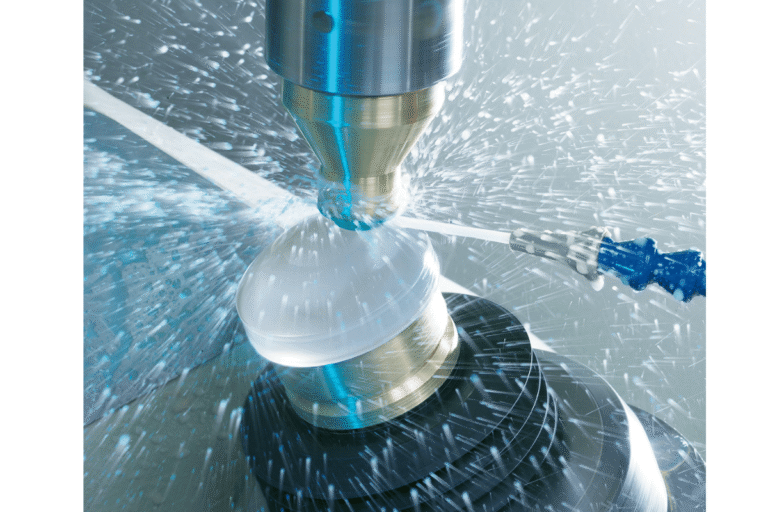
Recent research shows that advanced cutting technologies which use laser and waterjet cutting methods can minimize waste through their ability to reduce kerf width which enables a 30% better material consumption efficiency. The use of precision cutting methods eliminates the need for additional secondary processing activities which include grinding and reshaping thus decreasing operational costs.
Importance of Minimizing Kerf Loss

The manufacturing processes require kerf loss reduction because it impacts their operational efficiency and material resource consumption and capacity to achieve profitability. The research study demonstrates that reducing kerf loss presents five important benefits which scholars have documented through their research work.
1. Material Conservation
Cutting processes generate kerf loss which results in material removal that typically leads to waste. The loss reduction process enables manufacturers to preserve their essential raw materials. The use of precision cutting tools allows users to achieve kerf widths which result in a 25 percent reduction of material costs for high value materials such as titanium and aerospace-grade alloys.
2. Cost Efficiency
The process of reducing kerf loss leads to decreased material costs which represent a major component of production expenses. The research demonstrates that advanced laser cutting techniques enable manufacturers to achieve material savings of 18 percent every year.
3. Improved Product Yield
Companies who reduce their material waste increase their ability to produce more products from the same quantity of materials. Waterjet cutting technologies enable manufacturers to achieve a 15 percent increase in yield which allows them to produce finished goods with fewer resources.
4. Environmental Sustainability
The process of reducing kerf loss helps to cut industrial waste which creates a more environmentally friendly production system. The industry research shows that through kerf loss reduction manufacturing operations decrease material waste by almost 20 percent which helps support global efforts to reduce manufacturing waste.
5. Enhanced Process Efficiency
The process of reducing kerf loss decreases the amount of work needed to recover or recycle scrap materials. The production process becomes more efficient as it decreases both employee expenses and equipment downtime. The case studies show that manufacturers using precision cutting technology achieve process efficiency improvements which reach 12 percent.
Techniques for Reducing Kerf Loss in Wafer Cutting
Best Practices Checklist
- ✓Optimize blade thickness to minimize material waste while maintaining structural strength
- ✓Utilize diamond-coated blades for superior cutting performance and extended lifespan
- ✓Deploy alignment systems to eliminate waste from improper alignment and uneven cutting
- ✓Adjust cutting speed, feed rate, and cooling system operation for optimal results
- ✓Implement laser cutting methods for better precision and narrower cuts
Utilizing Diamond Wire Saw Technology
Diamond wire saw technology serves as a modern solution which various industries, such as construction and mining and semiconductor manufacturing, use to achieve precise cutting results. The method uses a wire which contains industrial-grade diamond segments to perform accurate material removal operations.
Technology Advantages
- Minimal kerf loss with enhanced cutting speed
- Ability to process hard and brittle materials without compromising accuracy
- Automatic monitoring systems for wire tension and cutting path control
- Decreased equipment breakages and operational interruptions
Optimizing Wire Saw Parameters
The optimization process for wire saw parameters needs precise control over multiple essential factors.
| Parameter | Function & Optimization Strategy |
|---|---|
| Wire Tension | The wire needs to maintain its wire tension at all times because this factor protects against wire breakage and guarantees steady cutting results. The system uses automated technology to continuously oversee wire tension and make necessary adjustments throughout operational activities. |
| Cutting Speed | The material hardness together with material brittleness establishes the appropriate cutting speed for the operation. Hard materials need slower cutting speeds because this method protects the material from damage while softer materials allow faster speeds which enhance operational efficiency. |
| Abrasive Distribution | The cutting wire achieves its most effective material removal capacity when abrasive particles get spread out evenly throughout the entire wire length. |
| Coolant Flow Rate | The proper coolant flow rate needs to be maintained because it acts as the main mechanism for controlling heat production and friction reduction and preventing thermal damage to both the wire and the material being cut. |
Implementing Lateral Vibration of Diamond Wire
The process of implementing lateral vibration in diamond wire requires the introduction of controlled oscillatory motion which operates at right angles to the wire’s main cutting path. The technique improves cutting efficiency because it decreases contact friction while it enhances the removal of debris from the cutting zone.
The system needs a vibration mechanism which enables operators to manage lateral movement by changing its frequency and amplitude. The identification of optimal vibration parameters requires adjustment based on three factors which include material hardness, cutting speed, and wire characteristics to achieve consistent performance and prevent premature wire wear or structural fatigue.
Cost Optimization Strategies in Wafer Production

The three main production improvement areas require dedicated work to achieve cost optimization in wafer manufacturing operations.
Material Utilization
Reduce material wastage through two enhancements which improve cutting precision and control saw blade thickness for optimal performance. The process enables better material utilization which results in higher production capacity.
Equipment Performance
Reach maximum equipment performance through the creation of predictive maintenance schedules which will reduce machinery breakdowns and extend equipment usage times.
Labor Automation
Implement advanced automation systems to handle repetitive tasks which will result in reduced labor costs and consistent operational procedures for production processes.
Energy Efficiency
Implement energy-saving technologies while tracking energy usage throughout manufacturing facilities to achieve cost reductions without affecting product quality.
Supply Chain Management
Establish bulk pricing agreements with suppliers while expanding supplier networks and testing different materials to achieve lower raw material expenses while meeting necessary product standards.
Analyzing Material Waste
The process of efficient material waste analysis requires two essential components which include accurate tracking systems and advanced data analysis methods that detect waste points across all production stages. The system uses real-time machine learning models which detect operational inefficiencies and present solutions for their resolution.
Facilities can identify their most wasteful operations through inline sensors and production telemetry systems which also allow them to measure material losses and execute targeted operational improvements. The usage of automated cutting and shaping systems together with high-accuracy instruments leads to decreased scrap production while the assessment of raw material tolerances guarantees optimal material use without generating unnecessary waste.
The practice of controlling material waste throughout all operational stages enables organizations to decrease their environmental footprint while increasing their profitability which supports both sustainability initiatives and financial expense control efforts.
Investing in Advanced Cutting Equipment

The deployment of advanced cutting equipment results in immediate advantages which include better accuracy and enhanced operational capabilities and diminished waste materials. The present systems function by using laser and waterjet cutting methods which enable accurate material handling with their extremely low mistake rates.
Key Investment Considerations
- Perform comprehensive cost-benefit analysis before procurement
- Assess system compatibility with existing manufacturing infrastructure
- Provide thorough operator training programs
- Ensure integration features with digital design systems
- Evaluate potential for optimal cutting patterns that eliminate unnecessary raw material usage
Training for Improved Cutting Techniques
The training program for cutting techniques develops three essential skills which are precision improvement and error reduction and efficiency enhancement. Operators need to practice with equipment because the program should teach them how to handle machine settings and safety protocols and maintenance routines.
| Training Component | Description |
|---|---|
| Equipment Operation | Hands-on practice with equipment handling, machine settings, safety protocols, and maintenance routines |
| Technical Skills | Digital design reading and blueprint interpretation skills necessary for correct implementation |
| Continuous Learning | Ongoing refresher courses introducing new tools and processes to maintain cutting technology skills |
Benefits of Reduced Kerf Loss

The process of cutting materials generates waste which results in kerf loss that impacts material utilization but this loss can be reduced to enhance material efficiency.
Increased Yield in Silicon Wafer Production
The yield increase of silicon wafer production resulted from advancements in precision manufacturing and optimized cutting technologies. The system achieves this capability through its integration of laser-based scribing and dicing systems, which enable operators to maintain precise control over wafer-splitting activities.
Advanced Manufacturing Integration
The systems work to reduce kerf loss, which is the material that gets lost during cutting, while they also reduce micro-cracking that threatens to damage wafer integrity.
The advanced metrology tools provide manufacturers with real-time inspection capabilities that enable them to detect defects, which allows for immediate identification and resolution of production line problems. Manufacturers use artificial intelligence-based predictive analytics to analyze processing conditions, which enables them to decrease variability while maintaining product quality.
Improved Efficiency and Cost Savings
Manufacturers acquire real-time global business information which helps them make better operational choices. The search data trend analysis provides valuable information which helps businesses predict demand to optimize their production capacity according to market requirements.
This collaboration leads to better inventory control which minimizes excess production costs while meeting customer requirements. The system provides decision-making support and decreases operational costs which results in both financial savings and improved business performance.
Enhanced Sustainability in Manufacturing
Sustainable manufacturing needs to achieve two goals which require decreased environmental impact and maintained production efficiency. Three activities form the core practices which include energy consumption reduction through process optimization and renewable energy implementation and waste reduction through material recycling and reuse programs.
Advanced technologies which include precision manufacturing and automation systems create a situation where resource waste and energy consumption both experience a decline. The combined efforts lead to reduced carbon emissions while resources are used more efficiently and environmental protection efforts become stronger which enables manufacturing processes to meet their sustainability objectives.
Frequently Asked Questions
What is kerf loss, and why is it a critical factor in manufacturing?
The cutting process generates kerf loss which results in material wastage that occurs when cutting tools or beams remove substance from workpieces. The manufacturing process suffers from operational disruptions when materials undergo permanent destruction through this process. Industries using high-value materials like semiconductors and aerospace alloys and precious metals achieve substantial cost reductions when their kerf width needs decrease beyond three microns.
How does blade thickness influence kerf loss?
The dimension of the blade determines how wide the cutting path will be during mechanical cutting operations. A workpiece experiences higher material waste because a thicker blade extracts more substance during its cutting procedure. The most effective method to decrease material waste requires businesses to select blades which should be operated at their lowest weight capacity while still maintaining their necessary operational performance. The diamond-coated blades enable advanced materials to achieve slender design profiles which remain functional at their required performance standards.
What role does laser cutting technology play in reducing material waste?
Laser cutting technology achieves its efficient waste reduction capability through its operation which employs high-energy light beams that create focused cutting beams instead of using physical tools. The beam enables precise cutting operations through its capacity to reach extremely narrow cutting widths which exceed the capabilities of mechanical saws. Laser cutting achieves its precision results through its non-contact method which protects materials from mechanical impacts while creating complex cuts that result in minimal waste. This method proves particularly useful for high-accuracy work which includes optical glass and silicon wafer processing.
Can process parameter optimization significantly impact kerf loss?
The process of optimizing operational parameters functions as a vital component which establishes efficiency within an organization. The organization needs to adjust three operational elements which include cutting speed and feed rate and wire sawing wire tension and coolant flow. The settings produce three operational problems which cause blades to either vibrate or deviate from their intended path or experience excessive material wear which creates wider cuts that generate increased material waste. The organization uses automated monitoring systems to handle parameter adjustments throughout production operations which help maintain narrow and exact cut dimensions.
What are the economic benefits of minimizing kerf loss?
The economic advantages are achieved through two main routes which bring down material expenses while boosting production results. The manufacturing process achieves higher output because factories can convert less material into waste thereby reducing raw material requirements for producing silicon wafers and machined components. The buy-to-fly ratio in aerospace enterprises experiences improvement while mass production processes achieve lower costs per unit. Waste reduction leads to a decrease in expenses linked to waste management and the additional processing effort required to handle waste material.
How does diamond wire saw technology improve cutting efficiency?
Diamond wire saw technology uses a slender wire which contains industrial-grade abrasive diamonds to perform cutting operations. The method demonstrates better performance when used to cut hard or brittle substances because its wire design enables users to achieve narrower cuts than standard saw blades. The system generates lower levels of friction which leads to reduced heat production. The latest advancements which include the use of lateral vibration for wire movement help the process operate more effectively through improved debris removal and decreased cutting resistance.
Reference Sources
- The research paper Kerf Loss: Minimizing Loss Per Cut with Expensive Material presents methods to decrease kerf loss when using high-value resources.
- The research investigates the development of diamond wire sawing technology which enables solar wafer manufacturing to reduce kerf loss.
- The guide Cost Optimization in Production and Manufacturinghelps manufacturers achieve cost reductions through waste minimization and material recycling and eco-friendly operational methods.
- Recommend reading: Hard and Brittle Material Cutting Wire Saw | Precision Diamond Wire Saw Machine
Related Posts

Trending Blogs

![Polysilicon Material: Properties, Grades & Uses [Guide]](https://wiresawcutter.com/wp-content/uploads/2026/08/polysilicon-material-featured-150x150.webp)