
Get in touch with DONGHE Company
-
Phone: +86 181-1645-5490
-
Email: Sales18@DongheScience.com

Why Your Ceramic Cutting Tool Wears Out Fast?

A ceramic cutting tool lifespan establishes both machining operational efficiency and total machining cost expenses. Equipment users face performance difficulties because their machines sustain immediate damage which results in prolonged periods of equipment downtime. What causes this situation to occur? The problem exists due to material defects and incorrect usage methods and additional complex factors. The article examines all main elements that lead to faster wear of ceramic cutting tools which includes material properties and machining environment. Through your understanding of these challenges you will gain practical knowledge which will enable you to extend tool life while improving cutting efficiency and decreasing operational costs.
Understanding Tool Wear in Ceramic Cutting Tools

The three main causes of tool wear in ceramic cutting tools include thermal stress and mechanical stress and chemical interactions. Ceramic materials demonstrate high wear resistance and hardness but their cutting processes become vulnerable to extended exposure to high temperatures. The thermal stresses present in the environment can create conditions that result in tool edge cracking and chipping. The combination of high cutting forces and incorrect machining parameters creates mechanical stress which leads to faster wear in applications that use hard alloys. The cutting surface experiences slow erosion because the tool material and workpiece undergo chemical reactions at high temperatures. The implementation of optimized cutting speeds and proper cooling techniques and appropriate ceramic grade selection for particular applications leads to a major decrease in tool wear.
What is Tool Wear?
Tool wear refers to the process which leads to cutting tool material loss and shape changes through mechanical and thermal and chemical forces which occur during machining operations. The process of machining depends on tool wear because it determines both the efficiency of operations and the accuracy of results which ultimately affects the lifespan of tools. Recent research shows that tool wear can be divided into three main categories which include abrasive wear and adhesive wear and chemical wear. Abrasive wear occurs when hard particles in the workpiece or chips scrape against the tool surface which leads to material removal. Adhesive wear occurs when material between the tool and workpiece bonds at high pressure which results in tearing, while chemical wear happens when oxidation or diffusion takes place at high cutting temperatures with reactive metals or alloys. Modern advancements indicate that tool wear reduction needs advanced coating technologies like PVD or CVD which manufacturers use on their tools and customized machining settings and their equipment’s cooling systems. Proper tool selection according to materials and operational requirements creates essential conditions which enable manufacturers to achieve maximum production capacity at minimum cost.
Factors Contributing to Tool Wear
- Abrasive Wear: The cutting tool surface experiences progressive material loss because hard particles or hard inclusions in the workpiece material create this damage.
- Adhesive Wear: The tool and workpiece material bond at high pressure during cutting operations, which leads to material separation that causes wear.
- Thermal Wear: The machining process generates excessive heat that causes tool materials and coatings to deteriorate during extended operational periods.
- Chemical Wear: The tool material reacts chemically with the workpiece and nearby environment, which heat accelerates to cause wear.
- Mechanical Stress: The application of excessive machining forces results in tool chipping or fracture, which occurs more frequently with brittle tool materials.
The successful management of these elements requires manufacturers to select suitable tools, establish effective machining parameters, and implement cooling and lubrication systems that function well.
Differences Between Ceramic and Carbide Tools

- 1
Material Composition
The manufacturing process for ceramic tools uses advanced ceramic materials which include aluminum oxide and silicon nitride as their primary components. Carbide tools are manufactured using tungsten carbide particles bonded with cobalt.
- 2
Hardness and Wear Resistance
The high-speed machining requirements of operations demand ceramic tools that provide both superior hardness and exceptional wear resistance. The toughness of carbide tools results in better performance under heavy loads despite their slightly lower hardness.
- 3
Heat Resistance
Ceramic tools can withstand significantly higher temperatures which allows for dry machining operations that do not require coolant. Carbide tools lose heat resistance properties which results in the need for coolant to prevent thermal degradation.
- 4
Toughness
Ceramic tools show high brittleness, which increases their risk of chipping when exposed to strong mechanical forces or when used in intermittent cutting situations. Carbide tools provide higher toughness, making them ideal for interrupted cuts or impact-heavy machining processes.
- 5
Applications
Ceramic tools serve as the optimal choice for high-speed machining operations, which involve cutting through hard materials such as cast iron and superalloys. Carbide tools offer multiple machining applications across different materials because they can handle common machining tasks that involve steels, aluminum, and non-ferrous metals.
Key Materials and Their Impact on Tool Longevity
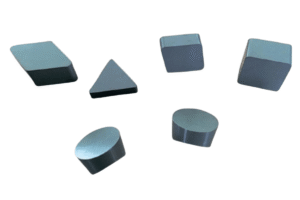
The choice of materials for cutting tools determines how long they last and how well they perform through various machining methods. The table below displays the main materials used in production and their impact on tool durability:
- 1
High-Speed Steel (HSS)
The material provides excellent toughness together with strong wear resistance which makes HSS suitable for general machining work that requires workers to operate at intermediate speeds. The material shows dependable strength when subjected to both thermal energy and mechanical force at temperatures below extreme thresholds.
- 2
Carbide
Carbide tools show exceptional strength when used in high-speed work environments. The tools show exceptional resistance to wear and heat which extends their operational life during challenging precision machining tasks.
- 3
Ceramics
Machinists use ceramic tools because their extreme hardness makes them suitable for high-speed work with tough materials. The material exhibits brittle behavior which causes it to develop chips that limit its operational capacity during cutting interruptions.
- 4
Cermets
Cermets deliver balanced performance through their combination of metal and ceramic materials which results in improved wear resistance and production of smooth surfaces during low and medium-speed tasks.
- 5
Polycrystalline Diamond (PCD)
PCD tools work effectively when handling abrasive materials such as composites and aluminum alloys. The material’s extreme hardness provides extended durability yet the product becomes unusable for ferrous materials because of its chemical reaction at high temperatures.
- 6
Cubic Boron Nitride (CBN)
CBN tools rank after diamond because they possess high hardness which makes them suitable for machining hardened steels and superalloys. The product provides excellent tool durability during continuous cutting operations yet it performs poorly when used for cutting processes with interruptions.
The selection of appropriate tool materials and their dedicated applications enables manufacturers to enhance tool longevity while maintaining consistent machining performance.
Properties of Ceramics in Cutting Tools
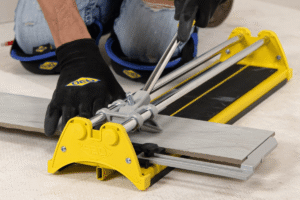
The main characteristics of ceramic materials used for cutting tools appear in the following list.
- 1
High Hardness
Ceramics show their exceptional hardness because they maintain their cutting edge after testing through 15 to 20 GPa of Vickers scale testing. The material serves as an excellent cutting tool because it enables users to work with hard materials while producing smooth surface results.
- 2
Thermal Stability
The ceramic cutting tools maintain their operational capabilities because they can handle temperatures that exceed 1000°C without sustaining damage. The material’s thermal resistance makes it appropriate for dry machining methods which operate without any cooling system.
- 3
Wear Resistance
The durability of ceramic tools stems from their excellent protection against both abrasive and chemical wear. The extended lifespan of tools leads to fewer replacement needs which boosts efficiency during continuous machine operations.
- 4
Low Density
The weight of the tool decreases because ceramics have lower density compared to traditional tool materials which include cemented carbides. The material helps decrease tool vibrations which occur during high-speed machining because it maintains tool stability.
- 5
Chemical Inertness
The high chemical resistance of ceramics protects them from reacting with the materials they cut which prevents adhesion or material buildup on their cutting edge. The property proves especially useful during the machining process of metals such as titanium and nickel-based alloys.
The combination of these properties enables ceramic cutting tools to perform well when conditions require precise work and long-lasting performance with high thermal resistance. The selection of these materials for applications which involve sudden impacts or interrupted cuts needs to consider their inherent brittleness.
Comparative Analysis: Gray Cast Iron vs. Metal

The composition of gray cast iron and metal results in different mechanical properties while they also show varying thermal conductivity, corrosion resistance, machinability, cost, strength, and application fields.
The Role of Silicon Nitride and Oxide in Tool Performance
The properties of Silicon nitride and silicon oxide make them essential materials for cutting tool technology. Silicon nitride exhibits outstanding thermal shock resistance together with mechanical strength which enables its effective use in high-speed machining applications that experience extreme temperature fluctuations. The material provides exceptional resistance to wear which extends the life of tools during challenging operational conditions.
The tool surface gains chemical stability through silicon oxide while also obtaining protection against oxidation. The property prevents chemical interactions between workpiece materials and tool components thus maintaining operational efficiency while decreasing tool wear throughout its lifespan.
The combination of these materials allows cutting tools to sustain their accuracy and strength and operational capabilities during the pressures of contemporary manufacturing methods. The combination of these two forces works to improve tool effectiveness for modern industrial requirements.
Practical Tips for Prolonging the Life of Your Ceramic Cutting Tool
- ✓Proper Cutting Speeds: The cutting speeds need to match the manufacturer’s specifications which should be followed for proper execution. Ceramic cutting tools achieve optimal performance through high-speed operation which requires operators to monitor temperature levels for both machine and human safety.
- ✓Coolant Usage: The cutting process requires operators to limit or completely remove coolant usage according to specific application requirements. Coolants create thermal shock problems when used with ceramics because they lead to material failure through damage and breakage.
- ✓Stable Workpiece Setup: The workpiece needs to be secured through proper techniques because this method will prevent vibrations which create excessive tool stress that causes early tool breakdown.
- ✓Optimal Feed Rates: The appropriate feed rate needs to be used because it enables stable cutting operations. The tool experiences increased friction through excessively low feed rates while high feed rates cause tool overload.
- ✓Routine Inspections: The tool needs to be checked at regular intervals to identify any visible signs of wear or damage. The system allows for immediate identification of problems which enables users to replace parts or make needed adjustments before additional problems develop.
- ✓Material Compatibility: Users should operate ceramic tools only on materials which match their design specifications which include hardened steels and alloys. Operators should not use ceramic tools on soft materials because this leads to chipping and performance problems.
By following these guidelines, you can maximize the lifespan and effectiveness of your ceramic cutting tools, enhancing efficiency and reducing operational costs.
Optimal Machine Settings for Ceramic Tools
Cutting Speed
The cutting speed should be set to high speeds which typically reach 600 to 1000 surface feet per minute (SFM) but actual performance depends on the selected material for machining. The heat-resistant characteristics of ceramics enable their optimal performance when they operate at high-speed conditions.
Feed Rate
The system needs to operate at a moderate feed rate because it helps achieve both material removal efficiency and surface finishing standards. Typical feed rates range between 0.002 and 0.012 inches per revolution (IPR).
Depth of Cut
The operator should maintain shallow cuts which protect the equipment from damage and prevent tool degradation. Most applications require a depth between 0.04 to 0.08 inches to function effectively.
Coolant Usage
The use of coolant is prohibited during the machining process of ceramic tools. The tools need to operate at high temperatures to achieve their full performance potential but coolant usage leads to thermal shock which results in equipment breakdown.
The implementation of these settings enables you to achieve maximum efficiency and extended lifespan for ceramic cutting tools while producing exceptional machining outcomes.
Choosing the Right Cutting Speed and Feed Rate
The selection of appropriate cutting speed and feed rate must take place because this decision affects the machining process performance. The cutting speed selection process requires assessment of the material characteristics which apply to both the workpiece and the tool. Ceramic tools operate most efficiently between cutting speeds of 650 and 3,300 feet per minute (FPM) which varies according to different applications. Operators must first determine cutting depth and operational type before they can establish proper feed rate. Finishing processes require operators to use slower feed rates which produce smooth surface finishes while roughing operations implement faster feed rates which enhance material removal efficiency. Tool lifespan and machining productivity and surface finish quality improvement depends on proper management of these elements.
Maintenance Practices for Extending Tool Life
- ✓Regular Inspection: The proper examination of tools needs to be done because their wear and damage and imperfection signs require checking regularly. The system enables users to identify problems at their initial stage which helps them avoid expensive equipment breakdowns while maintaining steady operational efficiency.
- ✓Proper Lubrication: The use of cutting fluids and lubricants allows operators to decrease friction while these substances maintain lower machining temperatures which results in extended tool life.
- ✓Keep Tools Sharp: Cutting tools need regular sharpening because it helps maintain their cutting ability while reducing unnecessary damage to equipment and materials.
- ✓Clean After Use: Workers must conduct complete tool cleaning to eliminate all debris and residue and coolant materials which lead to corrosion and performance decline with time.
- ✓Store Correctly: Tools need storage in a dry and organized area which should use protective cases or racks to prevent physical damage and protect against hazardous elements.
Advantages of Using Ceramic Cutting Tools
- ▪High Temperature Resistance: Ceramic cutting tools can withstand extreme temperatures because their construction makes them suitable for high-speed machining and cutting processes, which produce extreme heat.
- ▪Hardness and Wear Resistance: Their superior hardness allows for greater durability and extended tool life, reducing the need for frequent replacements.
- ▪Chemical Stability: Ceramic tools maintain high resistance against chemical reactions, which leads to reduced tool deterioration during the machining process of reactive materials.
- ▪Enhanced Surface Finish: These tools deliver a smoother finish on workpieces because their design enables them to sustain sharp cutting edges throughout extended operational periods.
Limitations of Using Ceramic Cutting Tools
- ▪Unable to Withstand Extreme Conditions: Ceramic tools in practice tend to break into pieces for them are sensitive to toughness and cutting into materials of these kinds.
- ▪Significant Expensive Consumption: In general it should be stated that outlaying of heat resistant ceramic cutting tool wear and economic consumption of these tools is on the high side.
- ▪Restricted Use: They work exceptionally well with the materials which are hard or extremely fast, but when it comes to the occasions where the materials are less stable or ductile, they are of limited help.
- ▪Complicated Using Process: As they are fragile, their storage and use modalities should be addressed otherwise they would be broken easily.
Benefits of Ceramic Tools in Machining
Rapid Material Removal
When compared to conventional materials like HSS or carbide, usually ceramic tools allow cutting at much greater speeds (in most cases, at several times in more than 10). Because of this, the production cycle gets shorter, which implies a larger batch size.
Derivation of the Advantage: Ceramic tools are capable of high-temperature cutting in the range of 1,000 degrees and they keep the tool hard too. This is especially true for high speed cutting operations where heat generation factors are high.
Longer Functional Life
The structure and hardness, enhanced stability of chemical compositions and other properties of the wear resistant ceramic determine the ceramic cutting tool wear life and usage thereby decreasing the time required for changing the tools.
Improved Finishing
Due to the stiffness of the ceramic tool, expansion during machining work is minimised to the appropriate tolerances. This also means less vibrations, deflects or workpiece vibrations and even surfacing imperfections.
Strength to Cut Hard Materials
It is common for tools made out of other metals to have difficulties dealing with some types of metals, like hardened steel, cast iron, superalloys, and ceramic machining. In this case, ceramic tooling has proven effective and thus is used in a wide range of activities where precision and longevity are paramount.
Limitations and Challenges in Tool Usage
There are numerous aspects that have to be taken into account when discussing the disadvantages and numerous challenges associated with ceramic tools and hence a number of these need to be put forward. Here are some challenges and a brief explanation of its technical aspects:
- Chipping and Cracking: Ceramic tools, although hard, are delicate materials. This is due to their nature, such tools tend to break easily under heavy loads or misuse, more so for interrupted cuts.
- Prices for the Raw Materials and Processing: The designs of these modern ceramic tools require elaborate sintering, extensive machining and other processes that makes their production expensive than other conventional tools.
- Resilience Against Dumps in Temperature: Even though there is excessive temperature resistance in ceramic tools, any abrupt temperature changes can cause cracking commonly known as thermal shock which can destroy the tools in addition to hindering the ceramic cutting tool wear operations with extreme heating and cooling processes often employed.
- The Limitation of Certain Ductile Metals: The cutting tools need to be coated in plastic, which is not possible for all metallic materials. As an illustration cumin, the hardness tends to cause dispensed and break of ductile or semi-ductile work materials chips.
- Need of Some Specific Tools: Most of the time, more sophisticated or deeper cutting conditions are needed for the ceramic tools to work, thus the cost of equipment and also training of personnel for the expected operations is greater.
When carrying out polishing and regrinding or sharpening of the ceramic-coated tool, it is often necessary to replace the grinded onto the cutting blade lined with some sort of bond metal for the purpose of protection, so machining is required again for the blade at the edge.
When to Consider Carbide Inserts Over Ceramic?
There are times, when due to specific reasons, I opt for carbide to ceramic as delicateness of ceramic cutting tool wear selection sometimes scares me. Such instances are – for instance interrupted cuts, high material removal rates robust machining or when machining with materials which have varying degrees of hardness. Carbide types of cutting do not easily break even at low speeds or in hard to cutting material such as stainless steel materials. Also in some occasions where there is no apparatus to utilize the carbide tools, general workers tend to have these available tools.
Frequently Asked Questions
1. What Are the Primary Mechanisms That Cause Rapid Wear in Ceramic Cutting Tools?
The wear rate for ceramic cutting tools increases because of three factors which include abrasive wear and thermal stress and chemical diffusion. Abrasive Wear occurs when workpiece material containing hard particles such as carbides and oxides contacts the cutting edge which results in physical erosion. The operation of extremely hard materials at high machining levels creates an abrasive environment which grinds down tool surfaces on a continuous basis.
Thermal Stress occurs when ceramic tools reach their highest operational levels during high-speed cutting operations which produce extreme heat that accumulates at the tool-chip contact point. Extreme temperature variations create thermal shock in ceramics which leads to micro-cracking that results in tool failure even though ceramics maintain high hot hardness. Elevated temperature levels lead to chemical reactions which occur between the tool and workpiece materials. The ceramic tool atoms can move into the workpiece chip and vice-versa, which results in tool chemical structure damage and cutting edge strength reduction.
2. How Do Cutting Parameters Influence the Lifespan of a Ceramic Tool?
The tool lifespan depends on cutting parameters which include cutting speed together with feed rate and depth of cut.
Cutting Speed: Ceramic tools operate effectively at high-speed machining, but excessive speed generates high temperatures which result in rapid mechanical wear. A feed rate that exceeds appropriate limits will increase both mechanical load and chip load at the cutting edge. The ceramic material experiences elevated pressure levels which exceed its fracture toughness capacity, thus causing chipping or complete fracture.
Depth of Cut: A large depth of cut increases the cutting forces and the volume of material being removed, which in turn elevates thermal and mechanical loads on the tool. The cutting process experiences interruptions which cause the tool to endure impact loading that negatively affects its brittle ceramic structure.
3. Does the Workpiece Material Significantly Affect Tool Wear?
The properties of the workpiece material work as the main factor that determines how long the tools will last. The ceramic tool experiences intense abrasive wear from materials which contain high hardness and abrasiveness, including hardened steels and superalloys and cast irons. The ceramic tool material experiences diffusion wear when it comes into contact with materials that display strong chemical attraction to it, particularly at the elevated cutting temperatures. The cutting process distributes heat through workpiece thermal conductivity, which results in concentrated heat zones for low thermal conductivity materials that multiply thermal wear effects.
4. What Is “Notching,” And Why Is It a Common Failure Mode for Ceramic Tools?
Notching represents a specific type of localized wear, which affects the cutting tool along the depth-of-cut line. The tool edge creates a clear groove that shows the boundary between the workpiece surface and the tool edge. The phenomenon occurs when work-hardened layer exists on workpiece surface or when chips contact specific location during abrasive interaction. The design of ceramic tools creates a brittle structure which allows stress concentration at the notch point to develop into fractures.
5. What Best Practices Can Be Implemented to Extend the Life of Ceramic Cutting Tools?
A complete process control system must operate effectively to achieve maximum working life for ceramic tools. The key best practices include the following:
The manufacturer recommended operating speed together with feed rate and depth-of-cut parameters should be followed according to the particular ceramic grade and workpiece material. The balanced approach serves as an essential requirement for successful execution.
The selected machine tool should provide high rigidity while its spindle runout remains at minimal levels. The combination of vibrations and chatter with brittle ceramic tools results in high vulnerability, which leads to premature chipping and complete tool failure. Proper Tool and Workpiece Clamping. The tool holder and workpiece should be securely clamped to prevent any movement or vibration from occurring during the cutting process.
The use of flood coolant should be avoided for most ceramic grades, which include alumina and silicon nitride. The process creates thermal shock through thermal cycling which results in cracking. A high-volume continuous application of cooling needs to be implemented to prevent temperature fluctuations during cooldown periods.
The cutting edge can gain strength against chipping and fracture damage through high mechanical loads by using tool geometries which include negative rake angle together with proper edge preparation methods like hone or T-land. Recommend reading: Diamond Wire Saw for Ceramic Cutting: The Definitive Guide
Related Posts
Trending Blogs

![Polysilicon Material: Properties, Grades & Uses [Guide]](https://wiresawcutter.com/wp-content/uploads/2026/08/polysilicon-material-featured-150x150.webp)