
Get in touch with DONGHE Company
-
Phone: +86 181-1645-5490
-
Email: Sales18@DongheScience.com

Glass Edge Chipping: Complete Troubleshooting Guide

All industrial sectors experience edge chipping problems with glass materials which occur frequently but present major challenges in both automotive manufacturing and architectural design and electronic product development. The presence of minor edge defects on glass items results in three detrimental effects which include decreased structural strength and visual attractiveness and operational capacity which results in expensive maintenance and replacement costs and possible safety risks. This comprehensive troubleshooting guide provides complete details about edge chipping which manufacturers and professionals can use to understand its causes and performance effects and use effective solutions to address the issue. The article will present operational methods and tested methods which glass production industries require to achieve production goals and maintain quality standards while testing their equipment.
Understanding Glass Edge Chipping

Glass products experience edge chipping when small pieces break away from glass edges because of mechanical force and unsafe handling methods used during their production and distribution and installation process. The main reasons for this problem include two factors which are insufficient edge strength and excessive load application and existing micro-cracks that affect the edge. The chips lead to structural damage which destroys visual appeal and creates safety hazards that violate rules. The process of edge chipping prevention requires three essential steps which include executing precise cutting operations and decreasing stress points and performing regular inspections to detect any damage or defects.
What is Glass Edge Chipping?
Glass edge chipping describes the development of small cracks which create breaks at glass edges because mechanical forces or improper glass handling or manufacturing defects cause the damage. This phenomenon predominantly occurs in situations where glass edges become vulnerable to outside forces during the processes of transport and installation and usage in structural glazing systems. The current search trends show a growing interest in studying edge chipping because this problem affects the construction and electronics and automotive manufacturing industries. The process of solving edge chipping problems requires the identification of main causes which consist of uneven edge finishing and impact forces and microscopic surface flaws combined with the use of modern technologies which include automated edge stress analysis and precision cutting methods and material coatings that strengthen edge durability.
Common Causes of Edge Chipping
Material Defects
The presence of internal material defects, which include micro-cracks and voids, results in reduced edge strength, producing chipping under stress conditions.
Improper Cutting Techniques
The use of improper cutting tools, which include blades that do not match the required specifications and dull blades and excessive cutting force, results in the creation of uneven stress distribution throughout the cutting process.
Thermal Stress
The sudden onset of temperature fluctuations together with materials that lack sufficient heat resistance capabilities results in thermal stress conditions that cause edge material to fracture and lose integrity.
Impact Forces
The process of handling materials and transporting them together with collisions from tools results in external impacts that primarily damage the edges of brittle materials.
Poor Maintenance of Tools
The use of worn-out tools and tools that have not been properly calibrated results in the production of uneven cuts which make edges more susceptible to damage.
The Impact of Edge Quality on Glass Products
The primary factor which determines glass product strength and performance and durability depends on edge quality. The material suffers from increased fracture and chip risks because poor edge quality creates weak points that fail under stress and impact. The processing of edges to high-quality standards creates edges which protect against thermal and mechanical stress through their complete smoothness and uniformity. The product gains extended lifespan through this process while installation and operational activities face reduced failure hazards which establish dependable safety standards for different uses.
Identifying the Root Causes of Glass Chipping

The three main causes of glass chipping include improper edge processing and mechanical impact and thermal stress. The material develops micro-cracks because the grinding or polishing process fails to produce proper edge quality. Accidental drops and collisions during handling create mechanical impacts that produce localized stress which results in chips. Glass experiences thermal stress when rapid temperature changes create uneven expansion or contraction which happens mostly at the edges. Organizations can achieve two goals through the process of detecting and solving these problems which include decreasing chipping rates and enhancing glass product performance.
1
Manufacturing Process Factors
The manufacturing process establishes essential parameters which determine both the lifespan and the product excellence of glass items. The process needs three main factors which determine production results: edge finishing accuracy and thermal treatment consistency and internal stress management.
2
Handling and Transportation Issues
The process of moving glass products contains various challenges because the material breaks when it experiences physical stress. The combination of improper handling and inadequate packaging solutions results in microfractures that damage the material.
3
Installation-Related Challenges
The installation process faces its most challenging point when technicians need to test the impact sensors compatibility with the current container system. Faulty data collection and less reliable system performance emerge from improperly calibrated sensors.
Manufacturing Process Factors
The glass becomes weaker through chipping because improper edge finishing creates points of weakness. The glass reaches maximum strength only when thermal treatment through tempering or annealing is applied throughout the entire material. A clean production environment helps decrease the chances of contaminants creating structural defects during manufacturing. The manufacturers achieve enhanced mechanical and thermal stress resistance in their glass products through following these specific controlled manufacturing processes.
Handling and Transportation Issues
The current method development employs shock-absorbing materials and palletization techniques, which distribute weight evenly together with contemporary shipping containers that use impact detection technology. The implementation of data-driven analytics enables companies to monitor their logistics operations through real-time measurements of vital factors, which include vibration and temperature changes and humidity. Advanced methods enable manufacturers and logistics companies to decrease damage during transit while they achieve cost reductions and maintain product standards.
Installation-Related Challenges
The different container designs and sizes necessitate the creation of specialized mounting systems which will increase both installation costs and installation time requirements. The installed systems will suffer from decreased operational performance because their installed systems need to be prepared to handle extreme temperatures and excessive vibrations during transit. The solution requires proper site assessments together with thorough testing and strict following of manufacturer guidelines.
Tools and Techniques for Glass Grinding

The process of glass grinding needs specific tools and methods because technical accuracy requires exact measurements and material preservation needs to be maintained. The primary instruments used for glass grinding operations include grinding wheels and diamond burrs together with abrasive belts which enable glass-specific abrasion control that matches its hardness. Diamond-coated tools are preferable because their long-lasting construction enables users to create smooth surfaces.
Essential Grinding Requirements
Technicians need to use standard methods which require them to maintain constant pressure while they work at designated speed limits to protect materials from damage. The grinding process needs water or coolant as a fundamental requirement because these substances help to control temperature increases and safeguard the glass from thermal stress damage. The process of glass grinding requires operators to secure the material tightly on a stable work surface because this method maintains both safety and accurate results. The operators need to conduct tool inspections at regular intervals to check for wear and they must adhere to the established maintenance guidelines for their equipment.
Overview of Glass Grinding Tools
Glass grinding tools enable precise glass edge shaping and glass surface finishing through their ability to create exact glass shapes and smooth glass surfaces. Diamond grinding wheels serve as the primary tools which provide outstanding durability to produce smooth finished surfaces. Users commonly employ belt sanders and angle grinders which need special attachments to perform different grinding tasks. Handheld glass grinders work effectively for both intricate tasks and small project work. The tool selection process needs to include products which provide both speed control features and compatibility with cooling systems to improve operational efficiency and worker safety.
Choosing the Right Diamond Tool for Edging
The selection process for diamond tools which serve the purpose of edging requires users to gain complete knowledge about both material characteristics and their specific project needs. The continuous rim diamond blades which operate at their highest performance level on hard surfaces such as granite and engineered stone deliver precise cutting results while their design protects against chipping. The turbo diamond blades which operate at higher cutting speeds together with their ability to remove waste material make them suitable for use on concrete and masonry surfaces.
The glass and ceramic surfaces should use fine-grit diamond hand pads or specialized edging wheels to achieve crack prevention and smooth finishing results. The products include heat-dissipating designs which provide better durability for extended operation. The products which use vacuum-brazed diamond edges as their advanced technology have become popular because they provide better cutting performance while reducing equipment damage. The correct selection process requires users to compare tool specifications against their particular needs for materials and results.
Best Practices for Effective Grinding
To achieve optimal grinding results, it is essential to select the appropriate tool for the specific material and application. Users frequently inquire about maintaining consistent pressure during grinding. The application of moderate pressure between light and heavy creates an optimal condition that both removes materials effectively and extends the lifespan of tools because excessive pressure results in abrasive surface components overheating and developing early wear.
Users should select grinding equipment that offers adjustable speed options because this feature enables them to achieve better control of their operations according to the different material hardness and texture requirements. The process of regular maintenance, which includes removing debris from the tool and conducting wear assessments, serves as a vital method to maintain both performance and safety standards. The implementation of these procedures results in increased operational effectiveness while extending the functional duration of grinding machines.
Prevention Strategies for Edge Chipping
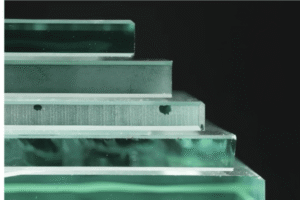
The application of specialized tools and techniques which minimize stress on material edges serves as the essential method to avoid edge chipping. The use of cutting tools which feature sharp high-quality edges should be employed to minimize unnecessary pressure during operations. Operators should set feed rates and cutting speeds to match material tolerances while they should avoid using quick or forceful cutting methods which may damage edges.
Key Prevention Strategies
- Sharp High-Quality Tools: Use cutting tools which feature sharp edges to minimize unnecessary pressure during operations.
- Proper Feed Rates: Set feed rates and cutting speeds to match material tolerances while avoiding quick or forceful cutting methods.
- Material Support: Ensure that material remains properly supported throughout processing to maintain stability and prevent vibrations.
- Cooling Systems: Implement cooling systems to protect material by decreasing heat accumulation which jeopardizes material structure.
- Regular Inspections: Conduct tool inspections at regular intervals to identify wear and damage because dull or defective tools represent a major factor which leads to chipping.
Proper Handling Techniques
The first step toward material quality preservation and operational efficiency maintenance requires organizations to implement precise handling techniques. The equipment must match the exact dimensions and weight of materials because it serves as the essential equipment for their safe transport and storage operations. The use of padded clamps and soft-grip tongs provides protection against surface scratches and dents which can damage delicate materials. Organizations can reduce their risk of structural warping and stress development by establishing constant control over humidity and temperature conditions. The proper handling protocols training through which personnel receive their education remains a highly requested guideline because of its significance. The implementation of these strategies together with evidence-based practices enables industries to boost productivity while they maintain material integrity.
Optimizing Installation Procedures
The process requires us to assess site conditions while verifying that all materials and tools match required specifications and performing pre-installation tests. Error reduction and workflow efficiency result from the application of specific methods and the use of technical knowledge which results in consistent production of high quality results.
Regular Maintenance of Tools and Equipment
Equipment requires preventive maintenance procedures which consist of cleaning inspections and lubrication activities to maintain optimal performance and increase equipment lifespan and minimize operational downtime. The equipment needs to undergo scheduled maintenance which includes inspection and cleaning and lubrication work to stop equipment from getting worn out. The process of maintaining equipment functionality requires the replacement of worn parts together with the calibration of necessary tools and the secure storage of equipment. The organization guarantees equipment reliability and operational safety through its commitment to following manufacturer maintenance schedule instructions.
Repair Solutions for Chipped Glass Edges

The basic procedure for repairing glass edges which have been chipped starts with using mild detergent and water to clean the damaged section until all surface contaminants are removed. The next step requires you to apply clear epoxy resin or glass repair adhesive to the chipped area through a process which needs to be done with consistent application. A toothpick should be used as a small applicator to distribute the adhesive inside the chip. The adhesive needs to be left to cure until it reaches complete hardness which must be done according to the manufacturer’s instructions.
Step-by-Step Repair Process
Step 1: Clean the Damaged Area
Use mild detergent and water to clean the damaged section until all surface contaminants are removed.
Step 2: Apply Adhesive
Apply clear epoxy resin or glass repair adhesive to the chipped area with consistent application.
Step 3: Distribute Evenly
Use a toothpick as a small applicator to distribute the adhesive inside the chip evenly.
Step 4: Cure the Adhesive
Leave the adhesive to cure until it reaches complete hardness according to manufacturer’s instructions.
Step 5: Sand and Polish
Use fine-grit sandpaper to gently sand the repaired area until the surface reaches the desired level of smoothness.
Assessing the Severity of Chipping
The extent of chipping damage depends on three main factors which include the size of the damage and its location and its depth whereas these three factors determine the required methods for repairing or replacing the damaged area. According to recent data, smaller chips which measure less than 1/8 inch in diameter can generally be fixed through the use of specialized adhesive products. These chips which people call “surface-level chips” exist only for cosmetic purposes because they lack any structural function.
Medium-sized chips which extend slightly deeper or cover more surface area may require professional attention to ensure structural integrity is maintained. The replacement of damaged components becomes necessary when large or deep chips cause material damage that reaches critical stress points. Search trends suggest that queries about “how to fix deep chips” underscore growing consumer interest in identifying when professional help is required versus DIY solutions. The assessment process will identify the best solution after measuring the chip size and its impact while evaluating material properties that include tempered glass characteristics and brittleness.
Repair Techniques for Minor Chips
Technicians need to use resin or filler material for minor chip repairs because it provides both structural strength and visual restoration of the damaged area. The first step requires cleaning the surrounding surface to eliminate any dirt or debris which would prevent proper adhesive bonding. The required resin application process needs a high-quality resin which has been designed to work with the specific material and must complete chip restoration through filling. The product requires a curing technique that uses UV light as its solution. The technician needs to sand and polish the area after it has cured to create a smooth surface. This method effectively stops additional damage from occurring while it extends the duration of time that the item remains usable. The repair process requires complete adherence to the repair material guidelines which manufacturers have established.
When to Replace vs. Repair
The factors that determine whether to repair or replace an item include assessment of damage and comparison between repair costs and replacement costs and estimation of remaining useful life after the item receives repairs. The repair of small chips and cracks becomes possible when the total repair expenses remain minimal and the restoration work will bring the item back to its complete operational condition. The item should be replaced when its damage results in loss of structural strength or safety or when repair costs exceed half of replacement expenses. The process of replacement becomes the optimal choice for both durability and cost savings when an item reaches its operational limit.
Reference Sources
- 5 Troubleshooting Steps When Your Lapping Disc Leaves Edge Chipping on Optical Glass – The article provides useful methods which help to identify and solve problems that cause edge chipping during lapping processes.
- Troubleshooting For Glass Art – The article examines why glass art experiences edge chipping problems and presents methods to fix these issues through various grinding methods.
- How to Diagnose Glass Breakage Patterns – The process describes how internal stress and surface defects lead to glass destruction and chip development.
- Recommend reading: Precision Glass Cutting Wire Saw for Industrial Excellence
Frequently Asked Questions
1. What Are the Primary Causes of Edge Chipping During Glass Cutting or Grinding?
Glass surfaces experience edge chipping when excessive mechanical forces contact the glass material. The main factors which cause the problem include the following:
Improper Tool Selection: A cutting wheel or grinding bit or diamond wire requires a specific abrasive grit size which should match the particular glass material being processed.
Excessive Feed Rate or Pressure: The cutting and grinding process becomes dangerous when operators apply force at an excessive speed which creates microfractures that develop into visible chips.
Vibration: Workpiece instability together with machinery instability produces strong forces which move through the system to damage edge stability.
Inadequate Coolant: The system needs sufficient coolant flow because thermal protection becomes necessary when coolant flow gets stopped which makes friction increase and thermal damage happen.
Dull Tooling: The operation of worn or dull cutting tools requires operators to apply more force which increases the chance of chipping.
2. How Does Glass Type Influence Its Susceptibility to Edge Chipping?
Glass materials demonstrate different hardness and brittleness characteristics because each glass composition contains distinct chemical components. Fused silica and sapphire and borosilicate glass processing requires manufacturers to select finer abrasives which should be used at reduced speeds because these materials need extensive protection against fractures. Users should understand that soda-lime glass possesses a chipping tendency which results from improper handling techniques because the material resists damage more than users realize. The creation of internal stresses during manufacturing generates weak points which make materials more vulnerable to chipping.
3. What Preventive Measures Can Be Taken to Minimize Edge Chipping?
An organization needs to implement process control through systematic processes which will help them reduce edge chipping:
Optimize Tooling: The selection of abrasive grit size and bond type needs to match the specific glass processing operation of glass materials. The process of creating smooth edges needs finer grit because it produces better results than rougher grit.
Control Parameters: The operation requires both feed rates and grinding pressure to be reduced because these elements cause mechanical stress. Operators should start with initial settings that need to be modified based on actual requirements.
Ensure System Rigidity: Operators must check machinery stability while the workpiece needs to be properly clamped.
Maintain Adequate Coolant Flow: The system needs to provide uninterrupted clean coolant which moves toward the cutting point to decrease thermal stress while removing debris.
Regular Tool Maintenance: The organization requires cutting wheel and dressing grinding bit and diamond wire inspection at set times to achieve best cutting performance.
4. How Can I Troubleshoot Chipping When Using a Diamond Wire Saw?
Edge chipping with diamond wire saws occurs because of problems with wire tension along with wire speed and wire stability:
Check Wire Tension: The absence of wire tension permits wire fluttering which creates inconsistent contact for freon pipes and generates impact chips. The material experiences additional stress when operators apply excessive tension.
Adjust Wire Speed: Material gets damaged through cutting and chipping when operators select wire speeds that exceed necessary limits. The speed needs to be decreased because it enables controlled material extraction.
Inspect Guide Pulleys: Worn or misaligned guide pulleys create a situation which produces vibrations that interfere with wire operation and result in low edge quality.
Verify Coolant Delivery: The system needs to redirect coolant to reach the workpiece entry and exit points of the wire.
5. What Is the “Two-Step” Or “Step-Cutting” Method, And How Does It Prevent Chipping?
The two-step method begins with an initial shallow scoring pass which is followed by slow low-pressure cutting throughout the intended pathway until they reach full-depth execution. The initial pass creates a controlled groove that relieves stress and guides the main cutting tool which significantly decreases the risk of uncontrolled fractures and edge chipping that occur during the final deep pass. This technique works very well with materials that break easily.
Related Posts


Trending Blogs

![Polysilicon Material: Properties, Grades & Uses [Guide]](https://wiresawcutter.com/wp-content/uploads/2026/08/polysilicon-material-featured-150x150.webp)