
Get in touch with DONGHE Company
-
Phone: +86 181-1645-5490
-
Email: Sales18@DongheScience.com

Diamond Wire Saw vs Band Saw for Graphite: Which is Better?

When working with graphite, especially for precision cutting, a high-quality tool should be used so that a good cut is achieved. The two standard tools—diamond wire saw vs band saw—are in order of preference for certain advantages and disadvantages depending on the need. This text is aimed at offering a comprehensive review of the two cutting tools, taking into consideration especially factors affecting accuracy, material loss, effectiveness and efficiency or cost. An in-depth understanding of these devices is critical, be it in industry production or research and development applications, where there is a need to work with the most efficient tolerances. This article sheds light on which method performs better and which one works best in graphite cutting.
Introduction to Graphite Cutting Tools

The tools that cut graphite are designed in consideration of the peculiarities of this material, which is very brittle, yet highly conductive. The tools need to be crafted such that they allow working accurately without causing any chipping or breaking of the material while cutting it. These include the diamond-coated saws and the state of art high speed CNC, which are best suited to enable precision and eliminate wastages of material. It is a matter of system requirements, such as quality and speed of cut or cutting cost, when deciding on the type of tool for a cutting operation. Thus, the manufacturers boost the productivity and reduce the costs of processing graphite for wide areas, both research and industrial activities, by the use of appropriate tools.
When working with graphite, especially for precision cutting, a high-quality tool should be used so that a good cut is achieved. The two standard tools—diamond wire saw vs band saw—are in order of preference for certain advantages and disadvantages depending on the need. This text is aimed at offering a comprehensive review of the two cutting tools, taking into consideration especially factors affecting accuracy, material loss, effectiveness and efficiency or cost. An in-depth understanding of these devices is critical, be it in industry production or research and development applications, where there is a need to work with the most efficient tolerances. This article sheds light on which method performs better and which one works best in graphite cutting.
Overview of Graphite as a Material and Its Applications
An allotrope of carbon, graphite has a structure of layers of flat planes, responsible for its unique features, including effective thermal and electrical conductance, low friction coefficient, and resistance to chemical attack. These features arise from its specific hexagonal arrangement of the carbon atoms, which can firmly hold each other by the relatively weak Van der Waals forces and allow one of the layers to easily slip over the other. Graphite is also known to be ultra-heat resistant and can withstand more than 3600°F (2000°C) even in non-reactive atmospheres, making it a perfect material for extreme temperatures.
The dimensional stability of graphite is extensively associated with lots of industries. Specific application on batteries is one, especially on lithium-ion batteries, as it is the core material of anode components, being that it is electrically conductive and embodies good energy density. Similarly, it is also heavily incorporated in refractory vessels such as spans for melting furnaces or casting units due to the above-stated property of withstanding extremes of temperatures and thermal shock, respectively. The lubricant industry also takes advantage of graphite lubricity, especially in cases where high temperatures and pressures are experienced, where normal lubricants can’t be used. It is also worthy to mention the application of graphite in the manufacture of electrodes for the electric arc furnace, as a moderator in nuclear reactors, and more recently as a precursor for the synthesis of graphene, for which novel devices and systems for nanotechnology have been proposed.
Key Industrial Applications of Graphite
🔋
Lithium-Ion Batteries
Core anode material with superior energy density
🏭
Refractory Vessels
Melting furnaces and casting units
⚙️
Lubricants
High-temp, high-pressure applications
⚡
Electric Arc Electrodes
Furnace electrode manufacturing
☢️
Nuclear Reactors
Neutron moderator material
🔬
Graphene Synthesis
Nanotechnology precursor material
As the years go by, the development of new products and the increase in eco-friendly technologies, all these guarantee that graphite will cut across these engineered and scientific applications.
Importance of Choosing the Right Cutting Tool for Graphite
Choosing the right cutting tool for graphite is a critical factor for achieving accuracy, effectiveness, and tool life in machining operations. Abrasive in nature, graphite accelerates the wear of the tool significantly, and hence diamond-coated or high-grade carbide tools are preferable. Diamond-coated tools help in rough boring and finishing as they stay sharp longer, ensuring the usage for a longer period without much or any drop in performance. Also, well-defined geometry of the tool should be considered, especially when it comes to demanding applications with high requirements and fine details, to prevent chipping and to achieve the desired cuts.
Furthermore, it is also critical that the use of the correct tools, enforcement of the correct facilities, while graphite cutting, is controlled, not to mention any right management of the fine particles to avoid damaging equipment and even the health of anyone around. One can only reap the benefits of cutting graphite by employing the right tools and methodology, which allows for easier cutting, cheaper operational maintenance, and constantly maintaining a tolerance, something which is very important in the aerospace, electronics, and energy industries, all of which require tolerances of less than a millimetre to be acceptable. The selection of the right tool, cutting process, and integrating the listed features increases the amount of output and improves the durability and enhancement of the product made.
Critical Industries Requiring <1mm Tolerances:
✈️ Aerospace
💡 Electronics
⚡ Energy
💡 Electronics
⚡ Energy
What is a Diamond Wire Saw?

An instance of a diamond wire saw is presented below as a reference, which is intended to represent a specific type of cutting equipment. It is a sharp, flexible wire coated with diamond grains and used for cutting hard surfaces made from stone, concrete, ceramic, and even some metallic objects. This same wire is the one compacted around or inserted into the object being cut to achieve precise and neat cutouts without unnecessary wastage of material. Bearing in mind its effectiveness and operation in harsh environments, it finds its use in construction, mining industries, and with respect to semiconductor production.
Definition and Working Mechanism of a Diamond Wire Saw
A diamond wire saw is an advanced instrument that is used to cut material, particularly one with excessive hardness. It is a composite of steel wire enhanced by the inclusion of industrial diamonds, which have established a reputation for excellent cutting strength, slippage resistance, and wear resistance. In terms of performance, the wire is introduced into the offending object, enclosing it to form a loop. The loop is then rotated at high velocities. Such an action produces heat and grind, making the bonded abrasives wear away the deposits.
There is less wastage of material when a diamond wire saw is used, and it allows neat and perfect machining even for objects that have complex surfaces or shapes. The operation is enabled and optimized by a cutting fluid which controls the wire against overheating, thereby leading to the degradation of its useful or active life. The diamond wire saw is very popular in the following industries: mining, construction, semiconductor industry, among others. In these industries, the diamond wire saw is used for: quarrying, cutting large blocks of stone, cutting concrete structures, and silicon wafer cutting, among other uses. Its precision and ability to work in adverse environments make it crucial in several industries.
Key Features and Advantages of Cutting Graphite
Distinct strategies and instruments are applied in cutting graphite considering the exceptional characteristics of the material, especially its low density, high thermal conductivity, and brittleness. Presented below are the distinct elements and the advantages of cutting graphite:
1
Strong Accuracy and Hygienic Fins
Graphite can be worked out to very strict tolerances without much chipping, using certain types of tools, such as diamond cutters or high-speed steel tools. Such a clean edge ensures components of good quality, and this makes graphite suitable for precision industries like aerospace and electronics.
2
Economical in Machining
Graphite is very easy to machine as it is not only layered but also softer than metals. This results in less wear of the cutting surfaces of the tool surfaces and faster production, which is always welcome in the context of high-volume production.
3
Slow-Burning Resistance and Hardening
Graphite has great thermal stability that demands no shifts to occur within crystal energy levels due to higher temperature exposure, even during the cutting process, i.e., during its application in casting molds for making components for high temperatures or those used in EDM.
4
Efficiency in Cost
The possibility of machining graphite reduces the level of energy that is consumed, and that ensures the machine’s tool stands for a long time before it wears to low limits or breaks down. Thus, it is an economical material to process, whether industrial on a large scale or on a small scale, due to its ubiquitous nature.
5
Numerous Applications
The fact that a hard material like graphite can be cut to peculiar shapes and sizes renders it usable in many industries, such as high-performance batteries, Electrical Discharge Machining (EDM), and refractory products, since these are all based on strength and thermal efficiency.
Provided there are well-suited tools and processes employed in the process of cutting graphite, the productivity of the former will be elevated, and the components produced will comply with the highest standards set in the sector.
Understanding Band Saws for Graphite

Band saws specifically made for graphite applications are constructed for precise and long-lasting performance. These are usually reinforced by sturdy blades that possess high tensile strength to enable sharp and precise cuts with minimal wear. It is common practice to choose a blade pitch that improves cutting efficiency and reduces scrap in the system. Variable speed options help to avoid heat generation and damage to the graphite structures. Another important feature is the dust extraction system, as the fine powder generated during cutting can impair health and cause damage to machinery. It also helps to choose a band saw containing such features that normal graphite processes can be performed more effectively and safely.
Explanation of the Band Saw Design and Operation
Band saws are cutting equipment specifically manufactured with a band made of material that is equipped with teeth for quick cutting. In terms of design and construction, it has a frame, a motor, a blade, blade guides, and a tensioning mechanism, each of which plays its role in incision without variations encountered throughout the process. The saw blade is tensed onto two or more pulleys to stabilize and control its movements. Hard blade guides, which can amazingly be made out of carbide, help place the blade on rolling elements, avoiding propagation in the way it shouldn’t and contributing to straight or radiated cuts when relevant.
Operationally, it drives the wheels so that the blade rotates at adjustable speeds, which are varied according to the requirements of the material. For instance, as far as graphite processing is concerned, it becomes necessary to have variable speed settings so as to avert heating. The cut is often managed with air or mist cooling systems inside the machine in order to preserve the blade. There is one more important specification in the band saws’ dust collection system, which, as most of the band saw users will understand, does its job of collecting the dust that is thrown during the cutting, which helps in keeping the place clean and protecting the machine.
By and large, the main things around the band saws design and its use are precision, flexibility, and safety, which remain invaluable in a case where particular machine processing is needed. And if the machines are fitted with enhancements for particular materials, for example, for graphite, as in this case, the machines guarantee efficient and trouble-free operation.
Key Components of a Band Saw
- FrameStructural backbone for rigidity
- MotorPowers the blade rotation
- BladeFine-toothed for clean graphite cuts
- Blade GuidesCarbide guides for precision paths
- Tensioning MechanismControls blade stability
How Band Saws Perform with Graphite Materials
Regarding flexibility, there are certain conditions owners must follow to get the desired results. Sawing materials such as graphite, which is soft and fragile, produces a lot of fine dust during the cutting process. Such graphite cutting band saws being used out there have to be furnished with blades meant for cutting non-ferrous metal, i.e., having a distribution with very small distance between the teeth. This is to make sure that the blades do not chip the material during the cut, and there are clean curtains. Further, there is a need to ensure that the amount of dust that is generated is collected. This is necessary as the amount of dust that is produced is very significant, and it is necessary to take care of the health of the operator as well as the inside of the machine.
One more aspect of that is the proper selection of a lubricant to use while cutting. For instance, dry lubricants such as graphite powder or specific coatings allow keeping the cutting process efficient and at the same time help to avoid the risks of clogged-up blades. It is also advisable to lessen the blade speed and the feed rate to allow more control of the graphite and enhance heat management. The modifications outlined allow a clean cut to be performed on the material without the material cutting.
In optimizing the cutting capacities of band saws for the purpose of cutting graphite, such practices ensure that objectives are attained with ease, even in the toughest environments.
Comparison of Cutting Precision

While assessing the efficiency of a cutting mechanism for a given material, one needs to consider the amount of density, strenuosity, or even expectations for that particular material, amongst many other factors. Graphite, on the other hand, is known to be extremely soft and has a very high tendency to break, so the cutting of the material has to be performed very delicately. Band saws, which dispose of a fine-toothed blade and a controlled feed, can exquisitely reduce the vibrations and spurs that might appear on the cutting surface of the material during use. On the contrary, metals are denser materials; they do not require more specialized blades, besides being able to cut faster than conventional cutting methods. Therefore, in this case, the fabrication of the cut is mainly regulated using cutting parameters, technology, and strategies that suit the material and guidelines of performance.
Detailed Performance Comparison: Diamond Wire Saw vs Band Saw
| Category | 💎 Diamond Wire Saw | 🔧 Band Saw |
|---|---|---|
| Cutting Accuracy | Superior — minimal deformation and incredibly fine kerf | Variable — depends on blade tension, tooth config, and machine settings |
| Material Loss (Kerf) | Minimal — very thin kerf reduces waste significantly | Thicker cuts — more material waste, may require further machining |
| Surface Finish | Excellent — clean, smooth edges with retained sharpness | Adequate — clean edges possible with correct blade and speed settings |
| Tool Longevity | High — diamond edges stay sharp for extended use | Moderate — requires regular blade replacement and maintenance |
| Complex Shapes | Excellent — handles intricate and complex geometries well | Limited — better suited for straight or simple curved cuts |
| Cost | Higher initial investment — offset by precision and longevity | More affordable — cost-effective for straightforward operations |
| Best Use Case | Brittle substrates, ceramics, composites, semiconductor applications | Metals, plastics, wood, and general graphite cuts |
In terms of accuracy, diamond wire saws have an edge over band saws, especially when the cutting involves extremely receptive and breakable substrates or alterations of the natural state, such as stones, ceramics, or composites of certain matrices. The superiority in precision lies in the ease of cutting operations with minimal deformations and incredibly profound kerf thanks to diamond-embedded wire that functions as the cutting edge. The cutting points of the diamond wire saw blades remain sharp throughout, ensuring that the cuts are precise for a long time, making them suitable for activities in which the emphasis is on the surface finish and accurate dimensions.
Alternatively, band saws are broader in application and are quite common in operations involving the cutting of materials such as metals, plastics, and wood. Even if the band saws are precise for machine work, they have a variable performance; this is determined by blade tension, tooth configuration, and other modified settings of the machine. They make thicker cuts than diamond wire saws, wasting more material, and require further machining to close tight clearances, in particular when dealing with hard substances.
Precision Verdict
In short, diamond wire saws are better in accuracy and useability, retaining finer tolerances for more visionary applications which need the workpiece to be perfect and clean and have minimal variation in the surface. Nevertheless, band saws are more affordable and give a more straightforward solution — achieving clean, straight cuts on materials with minimal trouble. The two could be preferred depending on the nature of the material being worked on and the desired precision of the job at hand.
Factors Influencing Precision in Graphite Cutting
Correctness and excellence in cutting graphite depend upon several factors, which must be considered, including:
- 1
Tool Selection: The material used in the cutting tool matters in relation to the desired cut quality. Diamond-coated bits are the most appreciated due to their lack of wear, superior hardness, and optimization of edge retention when working with graphite.
- 2
Machining Conditions: This refers to different factors such as the rotational speed, the rate at which the tool advances, and the amount to be taken in a single cut. High rotational speeds in combination with minimal advancement rates are most recommended for seeking lower damage surface finishing.
- 3
Composite Density and Directionality: The cutting ability of graphite can be mediated by its anisotropic density. Machining is better on fine-finished grades of graphite; however, rough-cut materials may produce rough edges requiring finishing.
- 4
Dust Management: Graphite machining requires efficient dust extraction systems like vacuums. This is because the amount of graphite dust build-up from cutting can impede tool movements, which results in cutting inaccuracies as well as equipment wear.
- 5
Thermal Stability: Changes in the temperature range within a given environment can result in the graphite material either expanding or contracting, thus leading to issues of size fitting. Such problems can be addressed by using cooling units or working under controlled temperature conditions.
- 6
Machine Rigidity and Calibration: The rigidness and consistent calibration of the cutting machines maintain the desired level of accuracy. Improper vibrations or misalignment of the machine tend to lower tolerances and produce parts with unwanted geometry.
These considerations facilitate the accuracy and achievement of very high tolerances in graphite machining, which is accomplished in sectors that require these tolerances, such as aerospace, electronics, and dies, among others.
Material Waste and Efficiency
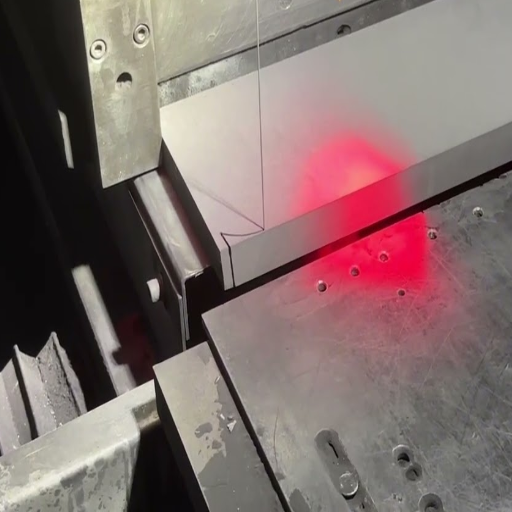
Effective control of material waste is very important in graphite machining for both economic and production efficiency. This is intended to minimize the wastage and enhance the use of material; hence, the choice of tools becomes critical in that such tools do not require high levels of unnecessary cutting, and also that the cutting parameters, such as the feed rate and the spindle speed, are optimized to achieve the required level of material use. Reprocessing through the retrieval of graphite chips and dust is equally regarded as a good practice in supporting material conservation, as it aids in the recovery of excess material and also in recycling. Following modern machining trends, more advanced methods like high-speed or mixed mode machining help enhance operational efficiency by reducing material waste and keeping the relative production tolerance high. The process is comprehensive, where all resources are properly used within the timeframe as required by modern sustainability-gear industries.
Analysis of Material Loss and Efficiency During the Cutting Process
The wastage of material and effectiveness during the cutting procedure is considered for each tool. For example, there is less material damage associated with tools such as diamond-coated cutters since these have a high wear resistance and tend to be used longer without changing performance. On the other hand, ordinary steel tools are employed to carry out less delicate work, and with those tools, more material is produced because more wear occurs and also because errors are probable. Looking at the speed of cutting, the rate of feeding, and what material is being cut, I evaluate the effectiveness of each tool and the cost of material wastage. Based on such information, recommendations can be made on which tools would be best in order to avoid wastage as much as possible and improve the efficiency of the process.
Cost Implications of Waste Management for Graphite
The organization of disposal of graphite waste includes both direct and indirect expenses and costs related to the disposal, processing, and impact of their management. Direct expenses include the compliance with local disposal standards, comprising, for instance, the transport of waste for treatment, processed upstream or downstream policy changes as may be the case. Indirect costs are associated with inefficiencies in the utilization of materials during machining processes, which result in higher consumption of input materials and eventual generation of waste. On the other hand, recycling reduces the cost of using raw materials since the same graphite can be recycled and used for specific purposes. Also, the improper management of waste will attract fines or liabilities, which mainly involve environmental issues subsequently generated. Improving machining with minimum wastage and putting in place effective recycling initiatives is seen as the best way to manage graphite waste costs.
| Cost Type | Description | Mitigation Strategy |
|---|---|---|
| Direct Costs | Transport for treatment, compliance with local disposal standards, policy changes | Streamline transport logistics, stay updated on local regulations |
| Indirect Costs | Material inefficiencies during machining, higher raw material consumption | Optimize feed rates, use precision tools to reduce scrap generation |
| Recycling Benefits | Reclaimed graphite reusable for specific secondary purposes | Establish recycling programs to recover chips and dust for reuse |
| Environmental Liabilities | Fines or penalties from improper waste management practices | Implement proper disposal protocols and sustainability initiatives |
Final Takeaway
Choose the Right Tool. Maximize Precision. Minimize Waste.
Improving machining with minimum wastage and putting in place effective recycling initiatives is seen as the best way to manage graphite waste costs while maintaining the tolerances demanded by aerospace, electronics, and energy sectors.
Reference Sources
University of Michigan – Diamond Wire Machining of Wood-Diamond wire machining of wood
This document discusses the speed and efficiency of diamond wire saws compared to conventional methods.
PubMed Central – Influence of Wire Speed on Diamond Wire Saws – The Influence of Wire Speed on Phase Transitions and Cutting Performance
Discusses the types of diamond wire saws and their performance characteristics.
Frequently Asked Questions (FAQs)
How well does one, as a diamond band saw, fare with respect to a regular bandsaw blade in terms of accuracy in precisely cutting?
A diamond band saw replaces the conventional saw blades or carbide teeth with segments impregnated with diamonds or diamond wire for cutting through hard and brittle materials. When compared to standard cutting practices as well as bandsaw blades, diamond band saws are capable of achieving cleaner cuts, crisper, with less kerf, and less grinding or mechanical damage to the workpiece. This kind of equipment can be best utilized in fractional sizes and intolerant ones as it is suited for cutting up the slices of solid work, the electronics, quartz wafers, or ceramics, or defined borders without the generation of excessive heat or burr.
How advantageous are ring saws for performing delicate jewelry making and lapidary cuts across the different sectors that require the above?
Ring saws are widely used in jewelry and lapidary industries for complex cutting, especially in materials such as gemstones and ceramics, where the contours need to be perfectly cut and polished with an edge finish. The motion of the rotating saw and the diamond-coated or impregnated wires with skin of stones enables limited chiseling of stones in a more manageable manner. This is why they are perfect for cutting precious stones and providing polished and shiny structures. Indeed, ring saws are useful in research laboratories and even in metal work where these materials are for exact heights and delicate cuts, but they do not have the capability of cutting blocks or wafers with sufficient thickness like diamond wire saws.
What does the efficiency with which diamond wire saw vs band saw, and the technologies applied with either of the saws, measure the productivity?
Diamond wire saws and diamond wire band saws are useful in a range of industries. For cutting reinforced concrete and structures in construction and in controlled demolition, these saws are used. They are used in cutting blocks and slabs in stone quarrying. The saw is applied in semiconductor processing for wave slicing at high precision or in precision trimming of silicon ingots. Even in metalwork or tooling, they cut these hard metals and other advanced materials. The choice is based on the intended use: for cutting large blocks and reducing material loss, wire saws are normally used, but for precise cutting of small parts in a straight line or compact areas, diamond band or trim saws are used.
Is it possible to cut through different types of materials, such as metals, wood, and ceramics, using a diamond band saw, or a diamond wire saw vs a band saw?
The use of diamond cutting instruments is widespread, and rightly so. Typically, diamond wire saws and diamond band saws are used to cut difficult-to-machine materials like ceramics, stone, quartz, and hard metals. Metalworking does benefit from the use of a diamond-tipped saw in some situations, such as abrasive cutting or minimizing heat-related damage. However, diamond shock cannot be used for all applications, showcasing a limitation of diamond saw applications in quite a few instances. There is a need to utilize tools for work, such as wood and most metals, cutting simply and, hence, faster saws. This is aimed at selecting the most appropriate cutting technique, which takes into consideration the hardness of the material, the roughness of the desired surface, and the tasks to be carried out.
What are the causes of diamond wire cutting a thin shell image as a result of cutting advanced materials, and how can it be prevented?
The diamond wire itself has very limited elasticity; tensioning the wire too much, running the machine in or out of feed rate too fast, having the workpiece positioned wrongly, the workpiece having hard inclusions, or melting the wire too fast, can all result in the diamond cut wire snapping. Ways of preventing the breaking of the wire during cutting include: selecting an appropriate wire type and setting of wire tensioning procedures, controlling the rate of advance as per the wire specification, using sufficient amounts of coolants to flush out swarf and heat, and checking the workpieces beforehand for the presence of any faults. Also, there is a reason why operators need competent training, including adherence to instructions, as they enhance the longevity and also the productivity of any machine, especially in the repair of costs and repair causes circumstances such as diamond wire saw vs band saw cutting expensive materials or fine detailed dimensions.
Related Posts
Trending Blogs

![Polysilicon Material: Properties, Grades & Uses [Guide]](https://wiresawcutter.com/wp-content/uploads/2026/08/polysilicon-material-featured-150x150.webp)