
Get in touch with DONGHE Company
-
Phone: +86 181-1645-5490
-
Email: Sales18@DongheScience.com

Cooling System Optimization for Glass Wire Cutting

Cooling System Optimization for Diamond Wire Saws: Complete Guide
Diamond wire saws need their cooling system to function at peak efficiency to achieve accurate glass cutting. The wire cutting process needs precise temperature control to prevent thermal damage, which enables operators to achieve uninterrupted cuts while they protect their equipment. This comprehensive guide demonstrates how essential cooling system optimization is for diamond wire saw applications by showing how cooling systems affect operational efficiency, product quality, and overall cost efficiency.
Introduction to Wire Saw Cutting
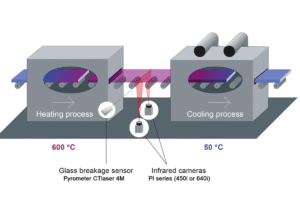
The wire saw cutting method operates with a wire that contains abrasive materials, functioning as a precise cutting instrument that cuts through hard materials such as glass, silicon, and ceramics. The method achieves high accuracy with its advanced cutting technique, which results in minimal material waste and produces smooth surface finishes.
The operation maintains constant cutting performance through its use of a continuous wire system, which can work with different types of cutting tasks. Manufacturing industries adopt this technology because it enables them to produce products to exact specifications while achieving optimal production efficiency.
Overview of Wire Saw Technology
Wire saw technology has become a vital tool which modern manufacturing needs because it provides highly accurate cutting capabilities together with multiple operational uses. The method uses thin wire blades which have diamond abrasive materials to cut through various hard materials, including monocrystalline silicon, ceramics, and glass.
Modern wire saw systems achieve their surface finishing results through continuous engineering developments which require them to maintain high material yield while producing minimal waste. The semiconductor manufacturing process, photovoltaic cell production, and gemstone processing industries increasingly use wire saw technology because it can achieve precise tolerances and handle large-scale production.
Key Technology Benefits
▸ Integrated automation systems and real-time process monitoring capabilities
▸ Enhanced operational efficiency improvements through advanced engineering
▸ Usage in advanced technological domains across multiple industries
Importance of Cooling Systems in Cutting Processes

The essential function of cooling systems in cutting operations ensures that equipment and materials maintain their highest performance, exact precision, and long-term durability. The excessive heat which cutting operations produce results in three detrimental effects which destroy material strength, reduce tool effectiveness, and harm all process results.
Comprehensive cooling systems mitigate these risks through the following key mechanisms:
Heat DissipationCooling systems function to spread out the heat which friction produces during cutting operations, protecting materials from thermal damage that includes warping, discoloration, and microstructural alterations. |
LubricationCooling systems function as lubricants through their ability to deliver proper fluids, which decreases friction between the cutting tool and the material, resulting in decreased tool wear and superior cutting accuracy. |
Chip RemovalThe cutting area receives cooling fluids which wash away debris, including swarf and chips. The process stops debris from being re-cut while it keeps the cutting area clean, which helps to achieve consistent machining results. |
Extended Tool LifeThe operational life of cutting tools increases because cooling systems maintain stable temperatures while decreasing friction, which results in less equipment downtime and decreased operational expenses. |
Enhanced Process StabilityReal-time cooling systems maintain the material’s structural dimensional integrity through direct support of cutting processes that require exact measurements, including semiconductor wafer slicing and precision metalworking. |
Key Takeaway
The correct application of cooling systems for cutting operations produces two main benefits through higher operational efficiency, which leads to better product quality, while creating more sustainable outcomes, making these systems essential for modern high-performance manufacturing.
Applications of Diamond Wire Sawing

The diamond wire sawing technique serves as a precise cutting method which multiple industries use for their operational needs. The technology demonstrates its effectiveness through its five main applications which show its useful operational capabilities.
|
1
Semiconductor Wafer SlicingDiamond wire sawing enables semiconductor manufacturers to produce ultra-thin silicon and gallium arsenide wafers through precise material cutting. The process ensures minimal material loss which helps achieve reduced kerf width and better surface finishes needed for microelectronics manufacturing. |
|
2
Solar Photovoltaic (PV) IndustryThe solar industry requires diamond wire saws which enable them to produce crystalline wafers by cutting silicon ingots into thin sheets. The technique enables production facilities to achieve their efficiency goals while achieving sustainability targets through its ability to boost production rates and decrease waste materials. |
|
3
Aerospace Component ManufacturingThe aerospace sector uses diamond wire sawing to cut advanced composite materials, titanium alloys, and other high-strength metals. The method produces high cutting precision together with low thermal distortion which enables factories to create products that fulfill tight safety regulations. |
|
4
Marble and Granite Slab CuttingThe stone industry uses diamond wire sawing as a standard method to cut marble, granite, and other natural stones into slabs. The process provides exact cuts which result in less material waste and consume less energy when compared to standard mechanical saws. |
|
5
Medical Device ProductionThe medical industry uses diamond wire sawing to slice delicate materials like ceramics and specialized metals which they require to create surgical instruments, implants, and medical tools. The equipment achieves higher accuracy because it produces clean cutting edges which doctors need to ensure patient safety and device performance. |
Fundamentals of Cooling Systems
The primary purpose of cooling systems exists to transfer heat which maintains essential components and processes at their required temperature range. The systems operate through heat exchange which uses air, water, and special coolants as their operational mediums.
The process begins when machinery or electronic devices function and emit heat into their surrounding environment. A cooling system consists of three main components which include heat exchangers that use radiators or condensers, fluid circulation systems, and temperature control systems.
Types of Cooling Systems Used in Cutting Machines
The operational requirements of industrial and manufacturing cutting machines depend on their cooling systems because these systems need to function correctly to prevent machine overheating which results in equipment failures. The machines use different cooling methods which fall into several categories:
|
1
Air-Cooling SystemsAir-cooling systems use outside air to remove heat from cutting machines. These systems function effectively in locations that do not require temperature control and when the equipment produces minimal heat. The main components include fans and heat sinks designed to maximize heat transfer to the surrounding air. |
|
2
Liquid-Cooling SystemsLiquid cooling systems use a coolant that circulates through the machine as water or a water-based solution to collect and remove heat from essential parts. These systems operate with high efficiency because they function in cutting machines that need to handle fast cutting and heavy cutting tasks. The system uses pumps, heat exchangers, and reservoirs to maintain and recycle coolant. |
|
3
Oil-Based Cooling SystemsOil-based cooling systems use special oils as their coolant material. These systems find their most useful applications in metal cutting and drilling operations which require both lubricating and heat-distributing functions. The oil protects metal parts from oxidation while it improves the performance of cutting tools. |
|
4
Cryogenic Cooling SystemsCryogenic cooling uses extremely low-temperature materials which include liquid nitrogen or carbon dioxide to cool cutting surfaces. This type of cooling is used in precision cutting applications, where minimizing thermal deformation and achieving ultra-smooth finishes are priorities. The aerospace and advanced manufacturing industries commonly employ cryogenic cooling methods. |
|
5
Hybrid Cooling SystemsHybrid systems combine two or more cooling mechanisms, such as liquid and air cooling, to provide enhanced temperature regulation and efficiency. High-performance cutting machines use these systems to operate at extreme conditions while they need to control their temperature with high accuracy. |
Selection Criteria
▸ Materials used in the cutting machine
▸ Machine’s operational requirements
▸ Required operational precision and performance standards
Water Cooling vs. Other Cooling Methods
Role of Coolants in Wire Saw Cutting
Coolants serve an essential function in wire saw cutting operations because they enhance both operational efficiency and cutting accuracy. Coolant enables heat transfer during cutting operations which prevents thermal damage to both the wire and the material being processed.
Coolants reduce friction which results in decreased wire wear and extended operational life for the wire. Coolants remove cutting zone debris which helps achieve accurate results and create clean-cut edges. Different cutting applications require specific thermal and lubrication properties therefore the selection of coolant becomes essential for achieving optimal performance.
Diamond Wire Saw Cutting Techniques

Professionals use diamond wire saw cutting as their most accurate method to perform precise cuts on stone, concrete, and metal materials. The system operates through a diamond particle wire which it uses to perform cutting tasks by moving the wire at high speed and maintaining specific wire tension levels.
The method produces small material waste while it protects nearby structures from potential damage. The equipment requires correct wire tension and cutting speed settings because these two factors determine how accurate and smooth the final results will be.
Understanding Diamond Wire Composition
The diamond wire material consists of a steel core which has high strength and is coated with industrial-grade diamond grit through a process which uses either metallic or resin-based adhesive methods. The diamond particle characteristics and selected bonding material together with additional factors determine the wire’s performance and quality.
The wire achieves its required cutting ability because its diamond distribution method provides uniform diamond placement from the wire’s center to its outer end. Modern manufacturing methods create precision-engineered diamond coatings that improve cutting efficiency while extending wire life in different working pressure situations.
Latest Research Findings
Diamond wire technology has achieved its highest level of optimization through the creation of material-specific solutions that handle silicon, granite, and other hard materials. The new technology includes specialized coatings which reduce both heat and wear during operation while producing clean and accurate cutting results.
Key Selection Factors:
▸ Material’s hardness
▸ Required cutting speed
▸ Surface finish requirements
Advantages of Using Diamond Wire in Cutting Applications
|
1
Precise Cutting With High AccuracyDiamond wire cutting delivers exceptional cutting precision because it uses diamond wire to create straight cuts which maintain constant line direction. Precision measurements in semiconductor manufacturing determine tolerances which need to maintain correct dimensions to decrease material waste during production. |
|
2
Reduced Material WastageThe diamond wire cutting method needs less material to create its cutting path because it uses a shorter width to slice through solid objects which greatly decreases the amount of material that gets wasted during production. Research results indicate that this method can decrease waste materials by up to 30 percent, especially when used for silicon wafer slicing operations. |
|
3
Enhanced Cutting SpeedDiamond wire technology allows operators to achieve faster cutting speeds because its advanced system enables them to maintain their essential work requirements. The system provides value to industrial operations which need to produce large amounts of goods because it cuts both manufacturing durations and operational expenses. |
|
4
Durability and LongevityDiamond wire cutting tools use specialized coatings to achieve increased durability which extends their cutting operational capabilities for extended periods in challenging work environments. The system helps organizations reduce their wire replacement needs because it makes maintenance planning easier and cuts down on operational interruptions during continuous manufacturing work. |
|
5
Versatility Across MaterialsDiamond wire can cut through multiple solid and brittle materials which include silicon, quartz, sapphire, and various metal and composite types. The ability to cut multiple materials from different fields of business enables companies to use fewer cutting machines which decreases their operational expenses. |
Comparative Analysis of Cutting Methods
The glass cutting industry uses three primary techniques for comparison: abrasive waterjet cutting, laser cutting, and traditional mechanical scoring methods.
Abrasive Waterjet CuttingThis method uses high-pressure water mixed with abrasive particles to cut through glass with precision. The system delivers excellent performance for creating intricate designs while protecting against thermal stress which helps to avoid damage through cracking. The system needs extensive upkeep because its operational speed is slower than competing systems. |
Laser CuttingLaser technology uses concentrated light beams to perform glass cutting operations. The method allows designers to create detailed designs which can be produced in large quantities because it combines high speed with precise cutting abilities. The process produces heat in specific areas which requires careful management because certain glass types will develop internal stresses when the heat is not controlled. |
Mechanical ScoringThis traditional method involves scoring the glass surface with a cutting wheel and subsequently snapping it along the score line. The system provides cost-effective cuts through simple operations but fails to deliver accurate results with advanced cutting methods which require specialized equipment to handle thick glass and complex designs. |
Optimization Strategies for Cooling Systems

The process of enhancing cooling system performance requires three main areas of focus which include increasing energy efficiency, preserving system functionality, and decreasing operational expenses.
Regular MaintenanceAll system components which include coils, filters, and fans need to undergo scheduled cleaning and servicing to achieve operational effectiveness and prevent unnecessary damage. |
Upgrading to High-Efficiency EquipmentReplace current systems with energy-saving solutions which include variable speed drives and high-performance chillers as the new standard. |
Implementing Advanced ControlsUse programmable thermostats together with sensors and automation systems to achieve efficient temperature control while decreasing energy use. |
Minimizing Heat LoadReduce external heat sources through better insulation, shading device implementation, and facility layout optimization which prevents heat transfer into the system. |
Monitoring and BenchmarkingMonitor performance metrics which include energy consumption and cooling capacity to identify operational deficiencies and set particular development objectives. |
Factors Influencing Cooling Efficiency
The effective performance of industrial and technological systems requires their cooling systems to function at maximum efficiency. The following factors significantly influence cooling efficiency, each playing a pivotal role in ensuring system effectiveness and reliability:
|
1
The Thermal Conductivity of MaterialsThe ability of materials to transfer heat impacts cooling efficiency directly. High thermal conductivity materials, such as copper or aluminum, provide superior heat dissipation capabilities. The thermal conductivity of copper measures approximately 401 W/m·K, making it the preferred material for use in heat exchangers. |
|
2
Fluid Flow RateThe rate at which the coolant moves through the system determines heat transfer efficiency. Higher flow rates generally improve cooling by enhancing convective heat transfer, but excessive flow can lead to pressure losses and increased energy consumption. |
|
3
Ambient Temperature and Environmental ConditionsThe external environment where the cooling system operates significantly affects performance. High ambient temperatures decrease the system’s heat rejection capabilities, while humidity levels and air quality further determine the system’s heat exchange efficiency. |
|
4
Design of Heat ExchangersThe efficiency of heat removal from heat exchangers depends on their geometric design and surface area. The performance of systems that use microchannel heat exchangers improves because these devices create additional surface contact between fluid and solid surfaces, which enables better heat transfer. |
|
5
Coolant PropertiesThe thermophysical properties of the coolant, such as specific heat capacity, viscosity, and thermal conductivity, are crucial. Water has a high specific heat capacity of 4.186 J/g·K, making it an efficient and common cooling medium, while other advanced coolants may be employed to improve thermal resistance in specialized applications. |
Innovative Practices for Better Cooling Performance
Advanced Technologies
▸ Microchannel Heat Sinks: Improves heat dissipation through expanded surface area and reduced thermal resistance
▸ Advanced Coolants: Nanofluid-based formulations improve heat transfer performance with higher thermal conductivity and reduced fluid resistance
▸ Phase-Change Materials (PCMs): Access latent heat capabilities which enable thermal energy storage through phase transition
▸ Active Cooling Techniques: Thermoelectric coolers and vapor-compression cycles achieve better temperature management in high-load conditions
▸ Real-Time Monitoring and Control: Advanced thermal monitoring systems utilize feedback loops to automatically control cooling performance
Monitoring and Maintaining Cooling Systems
Cooling systems require correct monitoring together with proper maintenance activities to ensure their operational reliability and performance effectiveness. The essential operational procedures comprise:
✓ Regular Inspections: Perform thorough inspections to discover any existing problems like component wear, leaks, and blockages affecting fans, pumps, and heat exchangers
✓ Cleaning Components: Regular cleaning of filters, fins, and vents helps maintain unobstructed airflow
✓ Performance Testing: Track temperature levels, pressure measurements, and system output to confirm cooling system functions according to operational limits
✓ Calibration of Sensors: Validate and adjust temperature and pressure sensors at regular intervals for precise monitoring
✓ Preventive Maintenance: Follow a schedule for replacing refrigerants and lubricants to maintain system performance and avoid unexpected service interruptions
Advanced Technologies in Wire Saw Machines
Modern wire saw machines use advanced technology to achieve higher cutting accuracy, improved operational performance, and enhanced equipment efficiency.
Diamond Wire TechnologyThe system uses diamond-coated wires which have exceptional durability to create precise cuts that result in minimal material waste during cutting operations on hard materials such as silicon and ceramics. |
Automated Tension ControlThe system employs automated technology which continuously monitors wire tension during cutting operations to prevent wire breakage and maintain consistent cutting results. |
Multi-Wire SystemsThese systems permit industrial applications to simultaneously cut multiple slabs which results in a substantial increase of operational output. |
Smart Monitoring SystemsThe system uses integrated sensors and software to deliver real-time information about cutting parameters which enables operators to make adjustments for maximum performance. |
Energy-Efficient DesignsThe majority of systems now include energy-saving components which help to decrease power usage while still delivering cutting performance. |
Latest Developments in Diamond Wire Saw Technology
The existing diamond wire saw technology has evolved through industrial demands which need precise results, better operational efficiency, and environmentally friendly methods. The research and development process has developed advanced materials together with control systems that lead to performance enhancements.
Recent Innovations
▸ Advanced synthetic coatings including high-purity polycrystalline diamond increase cutting durability and speed while reducing material wastage
▸ Automated tension control systems enable operators to adjust wire tension during cutting operations
▸ Machine learning algorithms create superior cutting methods through data analysis of wire wear patterns and force distribution
▸ Environmentally safe cooling systems decrease the need for conventional cooling fluids
Integration of Smart Sensors in Cooling Systems
The system uses smart sensors for cooling operations which provide real-time performance data to operators while they achieve increased energy efficiency. Smart sensors detect temperature changes, fluid pressure variations, and flow rate measurements which provide necessary data for equipment maintenance and system adjustments.
The sensors transmit their performance information through IoT technology to central systems which enable operators to make operational decisions that will prevent system outages. The smart sensor data collection system uses machine learning algorithms to create failure prediction models which help decrease operational waste while increasing energy efficiency through better fluid management.
Industry Impact
The semiconductor industry depends on these technological advancements because it requires precise cooling systems to maintain high product yield and quality standards. Smart sensors have become essential elements in developing advanced cooling technologies that achieve high energy efficiency and environmental sustainability.
Future Trends in Cooling Systems for Cutting Tools
The upcoming developments in cutting tool cooling systems will be determined by three aspects which include efficiency, precision, and sustainability.
Microchannel Cooling TechnologiesImplementation of microchannel cooling to improve heat dissipation capacity which operates directly at the cutting edge. |
Eco-Friendly CoolantsDevelopment of biodegradable and water-based options which deliver performance without harming the environment. |
Adaptive Cooling SystemsSystems that operate through sensor technology and artificial intelligence to modify flow and temperature settings according to actual tool requirements. |
Frequently Asked Questions
1. What Is the Basic Function of a Cooling System in the Diamond Wire Glass Cutting Process?
The cooling system needs to achieve three main goals which include controlling heat, providing lubrication, and eliminating swarf from the system. The diamond wire generates frictional heat which occurs when it cuts through the glass workpiece.
The cooling system transfers heat energy to the outside environment which protects the glass from thermal shock that leads to micro-cracks and complete glass fractures. The system provides lubrication to the cutting area which helps reduce friction while moving glass particles away from the cutting area to maintain a clean cutting process.
2. How Does Insufficient Cooling Impact Cutting Performance and Glass Quality?
The process of cooling fails to deliver sufficient cooling which creates multiple negative consequences. The elevated temperatures at the cutting interface cause glass to reach a semi-molten state which results in increased thermal stress fractures and subsurface damage (SSD) risks.
The process accelerates diamond wire degradation which results in premature diamond pull-out and bond material wear. The resulting cut quality is poor because it shows increased edge chipping, higher surface roughness, and reduced structural integrity of the workpiece.
3. What Are the Common Types of Coolants Used for Glass Wire Cutting?
Coolants are generally categorized as either water-based or oil-based which contain specific additives that improve their performance.
▸ Water-Based Coolants: These are the most prevalent due to their excellent heat dissipation capacity and cost-effectiveness. The products contain additives which function as corrosion inhibitors, biocides, and lubricants.
▸ Oil-Based Coolants (Straight Oils): These deliver better lubricating properties than water-based fluids which leads to decreased cutting forces and improved surface quality.
▸ Synthetic Fluids: These chemical solutions combine with water to provide cooling and lubrication capabilities while resulting in a cleaner workspace than oil-based products.
4. How Can the Delivery of Coolant Be Optimized for Maximum Effectiveness?
The process of selecting fluid requires equal importance to optimizing coolant delivery. The application method needs to guarantee that the cutting area receives full coolant distribution.
The workpiece requires high-pressure nozzles which need to be accurately positioned to achieve optimal results at the wire entry and exit points. The flow rate must deliver enough material to establish a consistent flood that simultaneously cools the interface while generating sufficient force to remove swarf from the kerf.
5. What Is the Impact of Coolant Temperature and Filtration on the Process?
The process requires stable coolant temperature control as its main requirement. The chiller system maintains coolant temperature at an optimal level which prevents glass stress from occurring due to thermal fluctuations.
The process requires strict adherence to effective filtration standards. Fine glass particles become contaminated with coolant during circulation. The system lacks a strong filtration system which allows abrasive particles to re-enter the cut process where they create surface scratches and increase wire wear.
6. What Best Practices Should Be Followed for Managing a Cooling System?
The implementation of several best practices is essential to ensure continuous system operation and to extend equipment lifespan:
▸ Monitor Coolant Concentration: Check and maintain proper coolant concentration through refractometer measurements
▸ Implement a Filtration Schedule: Regular inspection and replacement of filtration media to keep the coolant clean
▸ Check Nozzle Alignment and Flow Rate: Pre-operation check of coolant nozzle positions and flow rate verification
▸ Maintain System Cleanliness: Regular cleaning of both the coolant reservoir and system lines
▸ Select the Correct Coolant: Choose a coolant specifically formulated for glass cutting to ensure compatibility and optimal performance
Reference Sources
▸ 12 Ways to Improve Your Cutting: The article explains how cutting lubricants enhance cutting efficiency through their essential functions
▸ Optimizing Cooling and Lubrication for Cleaner Cuts: The guide provides detailed information about diamond wire saw coolant systems through its technical specifications and thermodynamic principles
▸ How Does the Type of Coolant Affect Diamond Wire Cutting: The study investigates how water-based coolants achieve successful heat dissipation during diamond wire cutting operations
Recommend reading: Precision Glass Cutting Wire Saw for Industrial Excellence
Related Posts


Trending Blogs

![Polysilicon Material: Properties, Grades & Uses [Guide]](https://wiresawcutter.com/wp-content/uploads/2026/08/polysilicon-material-featured-150x150.webp)