
Get in touch with DONGHE Company
-
Phone: +86 181-1645-5490
-
Email: Sales18@DongheScience.com

The Complete Guide to Diamond Wire Saw Glass Cutting Technology

Diamond Wire Saw Glass Cutting: Precision Technology for Modern Manufacturing
Advanced cutting solutions transforming industrial glass processing with unmatched accuracy and efficiency
The current diamond wire saw technology shows how new manufacturing methods improve material processing through better measurement systems and higher operational efficiency. The innovative glass cutting method achieves exceptional accuracy which reduces material waste and lowers production costs, leading to industrial transformations in electronics and construction and automotive manufacturing. The guide presents all details about diamond wire saw glass cutting technology, which includes its operational systems and benefits and different ways to use it. The article describes cutting technology to professionals who seek process improvement and to readers who wish to learn about current production techniques.
Introduction to Diamond Wire Saw Technology

Diamond wire saw technology represents a modern cutting technique which employs a slender wire that contains industrial diamond particles. The wire moves through the material while the system uses exacting force to produce precise and clean cuts. The wire’s diamonds deliver extreme hardness which enables the method to process difficult and fragile substances such as glass and ceramics and silicon wafers. The technology becomes essential for sectors which require high accuracy through its effective process and minimal material loss and its capacity to keep workpiece strength intact.
What is a Diamond Wire Saw?
The diamond wire saw functions as a powerful cutting machine which uses a thin wire that contains industrial-grade diamond particles to cut materials with high precision through various materials. The wire operates in a looping pattern while the diamond particles provide the necessary abrasive force to cut through materials. The tool becomes an essential part of semiconductor manufacturing and construction and mining and gemstone processing because it produces precise cuts while decreasing kerf loss and protecting materials from damage.
The newest updates in diamond wire saw technology provide better cutting performance with longer wire lifespan and automated systems that run operations with less need for human control. The diamond wire saw serves as a vital instrument for slicing through hard and brittle substances because its diamonds provide double the hardness which results in better thermal conduction for accurate work that needs high precision.
History and Evolution of Wire Saw Technology
Wire saw technology has progressed through multiple stages since its first development because multiple industries require accurate cutting. The first wire saws used basic steel wires together with abrasive materials to cut through softer materials. Researchers in material science have created diamond-embedded wires which provide superior cutting capabilities to operators who need to handle difficult materials like silicon and granite.
The introduction of multi-wire systems during the 20th century brought transformational changes to industrial operations because these systems enhanced productivity while minimizing operational waste. The latest wire saw technology now uses automated systems together with computer-controlled mechanisms to achieve unmatched precision and long-lasting performance across difficult cutting operations. The ongoing development of wire saw technology demonstrates its ability to meet the increasing requirements of industrial operations.
Advantages of Using Diamond Wire Saws
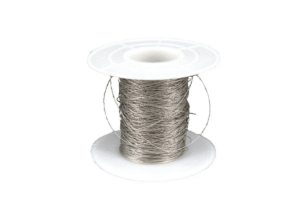
1. Precision Cutting
Diamond wire saws achieve exceptional cutting precision which enables them to execute accurate cuts through complex three-dimensional shapes. Their ability to maintain tight tolerances is vital in industries like semiconductor manufacturing and high-end construction.
2. Reduced Material Waste
The diamond wire achieves thinner cutting through its slim diameter which generates less material loss compared to conventional cutting techniques. The stone processing industry achieves material loss reductions of 20-30% which results in increased yield and cost savings.
3. Versatility Across Materials
Diamond wire saws have the ability to cut various materials which includes both hard materials like granite and quartz and delicate materials such as composites and ceramics. This adaptability makes them a versatile tool in sectors such as aerospace automotive and architectural design.
4. Lower Energy Consumption
Advanced diamond wire technology produces more efficient cutting results through its ability to decrease frictional resistance. Studies have shown a decrease in energy usage by up to 25% compared to conventional sawing systems, driving sustainability in industrial operations.
5. Enhanced Durability and Tool Lifespan
The use of industrial-grade diamonds and robust wire construction extends equipment life for industrial operations. This durable material decreases the need for wire replacement which results in less downtime and reduced operational expenses for companies.
Understanding Cutting Precision in Glass Cutting
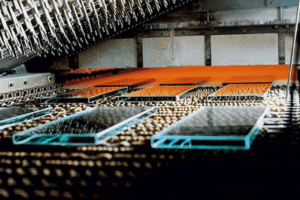
The process of glass cutting needs precise force control together with specific cutting angle measurement because both of these factors require diamond-tipped cutters and wire sawing systems to achieve optimal results. The combination of precise measurements with steady pressure delivery results in clean edge production while preventing any potential fractures or damage. Modern automated cutting technologies improve cutting precision while operational efficiency because they enable exact replication of cuts across different glass thicknesses and design patterns.
What is Cutting Precision?
The term cutting precision describes how accurately and consistently cutters can work with materials by adhering to specified dimensions and permitted variances and needed surface specifications. The manufacturing process relies on cutting precision because all industrial sectors require exact measurements to create products that function properly and look appealing in their final form.
The cutting precision of a process depends on three main factors which include the cutting tool or machine quality and the material characteristics and the worker’s correct use of all operational parameters which include speed and pressure. The introduction of CNC systems and laser-based systems as automated cutting technologies has resulted in significant progress toward achieving better cutting precision. The tools achieve their optimal tolerance limits which exist within the micrometer range while they produce consistent results and decrease material waste.
Factors Affecting Precision in Glass Cutting
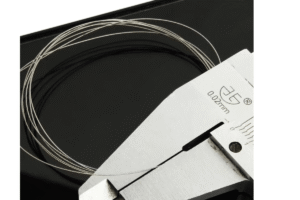
Cutting Tool Quality
The assessment of cutting tool quality shows that diamond-tipped cutters and precision laser cutters serve as advanced cutting tools which enable accurate results. The cutting tools’ sharpness together with their durability and material composition determine the precision of their cuts and the quality of the resulting surface finish. Inferior tools often lead to chipping or uneven cuts.
Material Thickness and Composition
The cutting process experiences major changes because different glass thicknesses and material compositions affect its operation. Thicker glass needs different pressure levels and cutting speed adjustments, while different glass types like tempered glass and laminated glass require special techniques to prevent material fractures and incorrect results.
Cutting Speed and Feed Rate
The cutting tool speed for glass movement and feed rate application represent two essential elements. Excessive speed creates uneven cuts which produce thermal stresses, while a slow rate generates localized heating that damages the glass surface. The process of parameter optimization produces both accurate results and defects which have been reduced.
Accuracy of Measurement and Calibration
The cutting process needs precise measurement systems which include laser alignment tools and computer-aided design (CAD) integration. Poor calibration or measurement errors can lead to misaligned cuts or dimensional deviations which ultimately compromise the end product’s specifications.
Environmental Factors
The cutting process gets affected by external factors which include both ambient temperature and humidity and vibrations. Extreme temperature changes cause glass materials to lose their physical properties, while vibrations create instability during the cutting operation which leads to decreased precision and higher material fracture risk.
Achieving Optimal Precision with Diamond Wire Saws
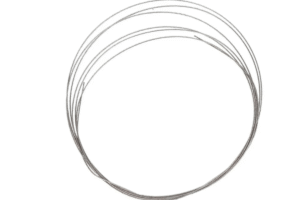
The diamond wire saws need both machine calibration and maintenance procedures to maintain their accurate performance. The process of checking wire alignment together with tension measurements needs to be done because it helps to reduce operational errors. Operators can achieve better cutting results by selecting the correct diamond grit size but they need to maintain a constant wire feed speed for both optimal cutting performance and material protection. The operators who control environmental conditions through their temperature and vibration management practices established the foundation for cutting operation stability. The implementation of these procedures will produce results that remain trustworthy and exact.
Choosing the Right Equipment for Glass Cutting

Selecting the proper equipment for glass cutting is essential to achieving clean and precise results. A high-quality glass cutter with a durable carbide or diamond-tipped wheel ensures accurate scoring of the glass surface. Wet saws with diamond blades provide better cutting results for people who need to cut thick or special glass materials. Safety gear which includes gloves and protective eyewear serves as vital equipment to protect operators during their work. The usage of a sturdy cutting surface combined with a glass work cutting board will improve both precision and stability.
Types of Diamond Wire Saw Machines
Diamond wire saw machines serve as specialized equipment which provides precise cutting capabilities for glass and stone and concrete materials. The different cutting tasks which they need to accomplish cause the machines to have distinct designs with separate operational capabilities.
Stationary Diamond Wire Saw Machines
The machines operate in permanent locations because they use their cutting wire to perform cuts on fixed workpieces. The machines can achieve high precision while cutting through granite blocks and thick glass sheets because they were designed to handle large materials.
Portable Diamond Wire Saw Machines
The equipment includes portable models which maintain lightweight characteristics through their design to enable operators who require movement between work sites. The equipment is used for smaller projects which include on-site stone slab cutting and minor construction work and emergency repair tasks.
Horizontal Diamond Wire Saw Machines
The machines use horizontal cutting technology to operate in large stone quarrying applications. The equipment implements horizontal slicing methods to extract blocks from quarry faces while keeping a constant thickness during the entire cutting process.
Contour Diamond Wire Saw Machines
The machines demonstrate their best performance when they operate during complex cutting tasks which involve curved surfaces. The machines create complex designs through their ability to shape materials which include glass and advanced ceramics under manufacturing conditions.
Automatic Diamond Wire Saw Machines
The machines use automated systems which include cutting path programming and speed control functions to achieve higher operational efficiency. The equipment functions as a standard in industrial environments which need continuous cutting of slabs and high-grade engineering components.
Each diamond wire saw machine type has its own specific function which depends on its design structure and cutting performance and operational scope. The right machine needs to be selected according to project requirements and material specifications for optimal performance.
Key Features to Look for in a Cutting Machine
- Precision Cutting Capability: The machine needs to deliver precise cutting results which determines the end product quality.
- Construction Strength: The assessment process includes testing the machine’s operational performance to determine its capacity to handle demanding continuous work requirements.
- Material Compatibility: The machine needs to demonstrate compatibility across multiple different usage scenarios.
- Advanced System Components: Features like automatic tensioning systems and programmable control systems improve performance while decreasing the need for human operators.
- Maintenance and Support: Simplicity in maintenance and technical support access both play equal roles in reducing operational interruptions.
Comparing Gryphon and Omni-2 Plus Models
This comparison measures the myriad of factors to determine which model is better aligned with specific operational needs.
Safety Protocols for Using Diamond Wire Saws
Wear Proper Personal Protective Equipment (PPE)
Workers must use safety goggles and gloves and hearing protection and appropriate footwear while performing their tasks to minimize their risk of sustaining workplace accidents.
Inspect the Equipment Before Use
The diamond wire and tensioning system and entire equipment system need to undergo complete examination which must identify any existing faults or damages that present safety risks.
Secure the Workpiece and Machine
The material needs to be securely fastened and the saw must maintain its stability to prevent any movements during the cutting process.
Follow Manufacturer Guidelines
The operating instructions and specified speed and tension and material compatibility parameters need to be followed.
Avoid Contact with Moving Parts
The operational saw requires operators to keep their hands and any loose clothing items at a distance from both the cutting wire and adjacent machinery components.
Implement Emergency Shut-Off Procedures
All personnel must understand how to operate emergency stop controls which must undergo testing to confirm their operational status and maintain their quick access capability.
Maintain a Clean Work Area
The work environment becomes safer when workers eliminate debris and establish proper lighting conditions.
Monitor for Overheating
The operational process requires workers to monitor wire and drive components for excessive heat which should lead to operational pauses when needed to stop equipment.
Diamond wire saw operators can reduce accident rates by following these safety protocols which allow them to operate their machines safely and effectively.
Essential Safety Gear for Operators
To ensure maximum safety while operating diamond wire saws, the following protective equipment is essential:
- Safety Glasses: Protects the eyes from flying debris or particles.
- Cut-Resistant Gloves: These gloves protect workers by stopping hand injuries which occur from touching sharp edges or wires.
- Hearing Protection: Earplugs or earmuffs safeguard against prolonged exposure to high noise levels.
- Steel-Toe Boots: These boots protect workers feet against falling objects which occur in their work environment.
- Dust Mask or Respirator: The device stops workers from breathing in dust and small particles which machines release during cutting.
- High-Visibility Clothing: The operator can be seen clearly by others when operating in areas with high traffic or low-visibility conditions.
The essential items operators receive lead to better workplace safety conditions and reduced chances of work-related injuries.
Common Hazards and How to Mitigate Them
Hazard: Flying Debris
The process of cutting or grinding creates flying debris which causes eye injuries.
Mitigation: Workers need to wear safety goggles or face shields because these safety devices offer complete eye protection.
Hazard: Noise Exposure
Workers who spend extended time near loud equipment will experience permanent hearing loss.
Mitigation: Workers must wear certified hearing protection devices which include earplugs and earmuffs when they enter areas with high noise levels.
Hazard: Slips and Falls
The combination of spilled liquids and loose materials and uneven surfaces creates situations which lead to accidents.
Mitigation: The organization needs to maintain a tidy workplace which requires proper cleaning procedures and employees to wear shoes with slip-resistant soles.
Hazard: Inhalation of Particles
The respiratory system suffers damage from exposure to fine particles which enter the air.
Mitigation: Workers need to wear a respirator or dust mask that protects against the specific particles present in their work environment.
Hazard: Equipment Malfunction
Equipment that does not function properly creates dangerous situations which can lead to serious injuries.
Mitigation: The organization needs to conduct regular tool inspections which include checking for damage and wear while performing maintenance according to the manufacturer’s specifications.
Best Practices for Safe Operation
- Conduct Pre-Operation Inspections: Equipment operators must perform complete equipment inspections before operation to identify all visible equipment damages and equipment wear and equipment failures. Immediate issue resolution is necessary to stop accidents from happening.
- Follow Manufacturer Guidelines: The operational guidelines and safety procedures which the manufacturer provides must be followed at all times when operating tools or machinery.
- Use Proper Personal Protective Equipment (PPE): All employees must wear suitable PPE which consists of gloves and goggles and hearing protection according to their job responsibilities and the associated dangers.
- Maintain a Clean Workspace: The workspace area must remain free of all unnecessary items including empty containers and waste materials and hazardous substances because this practice helps decrease the probability of slip and trip and fall accidents.
- Train All Personnel: All employees need training about correct equipment operation plus safe work methods which will help them lower workplace dangers.
- Establish Emergency Protocols: The emergency response procedures must include detailed steps which personnel should follow during equipment breakdowns and staff injuries and dangerous substance releases.
- Control Hazardous Energy Sources: Lockout and tagout procedures should be used to stop any machinery from starting accidentally during maintenance and repair work.
- Monitor Environmental Conditions: Personnel must observe how lighting conditions and ventilation systems and noise levels affect safe operations and they must correct any environment problems which make conditions unsafe for operation.
The implementation of these safety practices will create a secure work environment which decreases potential dangers and meets all requirements for workplace health and safety regulations.
Applications of Diamond Wire Saw Glass Cutting
Industries that require exact precision and produce minimal material waste use diamond wire saw glass cutting for their glass cutting needs. The method finds common usage in manufacturing electronic components which include display panels and optical lenses because these products need to be precisely sized with high-quality edges. The method applies to architectural glass cutting because it enables precise cutting of complex shapes while maintaining structural strength of the material. The process proves essential to automotive and aerospace and medical device manufacturing industries that require both precision and high productivity levels.
Optical Applications of Diamond Wire Saws
Diamond wire saws function as essential tools for optical manufacturing because they provide exact cutting results while producing very little material waste. The equipment performs exceptionally well when used to create optical lenses and prisms and other components which require high accuracy for imaging systems and telescopes and laser systems. The use of diamond-coated wires by manufacturers enables them to achieve ultra-fine cuts which produce less kerf loss while delivering superior accuracy than traditional cutting methods.
The latest diamond wire technology advances from recent industrial data developments enhance productivity because they enable smoother cutting processes and decrease the need for post-processing tasks which include polishing. Photonic technology and aerospace engineering and medical research fields demand specialized optical components because even microscopic defects in optical components create severe performance issues. Diamond wire saws function as essential tools for modern optical production because they produce accurate results at high speeds while maintaining lower operational costs.
Industrial Uses of Diamond Wire Saw Technology
Diamond wire saw technology serves multiple industrial sectors which need to achieve both accurate and productive material processing operations. The main uses of the technology include:
- Semiconductor Manufacturing: Production of thin and uniform silicon wafers for electronics
- Photovoltaics: Cutting silicon blocks into solar wafers with minimal material loss
- Aerospace and Defense: Precise cutting of advanced composite materials
The diamond wire saws provide unique features which enable organizations to produce high-quality and dependable components that meet their business needs.
Future Trends in Glass Cutting Applications
The future of glass cutting applications will experience a complete transformation through the implementation of automated systems, precise engineering techniques, and new material development. The current trend shows that more businesses are implementing laser glass cutting systems which use ultrafast lasers to deliver exceptional accuracy while reducing micro-cracks and surface damage. The method proves most beneficial to high-performance sectors such as electronics which require strict dimension standards for components that include smartphone displays and microchips.
The rising need for curved and three-dimensional glass in construction and automotive industries has led to the development of advanced robotic systems which use adaptive sensors to achieve high-precision complex geometry handling. Waterjet and hybrid cutting technologies have gained increased recognition because they support environmentally sustainable methods which decrease dependence on dangerous chemicals and processes that consume high amounts of energy.
The glass cutting industry can use these technological developments to fulfill customer needs for customized products and sustainable solutions and expanded production capacity which will enable them to provide advanced products to established industries and developing markets.
Polishing Techniques in Glass Cutting
The process of glass cutting requires polishing because it creates smooth edges which contain no faults and preserves the product’s structural integrity. The industry uses three primary methods which operate through mechanical polishing and chemical polishing and flame polishing.
Mechanical Polishing
This process uses abrasive tools like grinding wheels to eliminate flaws while achieving surface refinement. The technique establishes precise results which operators can manage because it delivers precise results.
Chemical Polishing
This process uses chemical solutions to dissolve micro-imperfections which create a smooth finish that maintains surface integrity.
Flame Polishing
This technique produces a polished glass edge through the application of high heat which causes the glass surface to melt. The method operates effectively with designs which contain both curved elements and complex geometric patterns.
The selected techniques serve to achieve the required finish while meeting specific application needs and processing requirements for different glass types to create products that satisfy both visual and practical requirements.
Importance of Polishing in Glass Finishing
The process of polishing glass for finishing purposes exists because it provides both aesthetic benefits and functional improvements to the finished product. A polished surface improves clarity and visual appeal, creating a sleek and professional appearance. Polishing serves to eliminate sharp edges and surface flaws which results in safe glass handling because it removes potential hazards. Polished glass exhibits reduced vulnerability to stress fractures while maintaining suitability for precise applications that require smooth surfaces which include optical equipment and architectural designs. The process of polishing glass products improves their quality and usability because it addresses safety concerns and enhances performance.
Methods for Effective Polishing
Mechanical Polishing
This method uses machinery together with abrasive tools to create a glass surface that has a smooth finish. The process uses polishing pads and belts which have fine abrasive material to create a smooth surface when used with controlled pressure.
Chemical Polishing
The method uses a chemical solution to dissolve surface irregularities. The method provides exceptional smoothness and clarity which is essential for precise applications that need optical lenses.
Cerium Oxide Polishing
The glass surface receives cerium oxide which functions as a common polishing agent through the application of a polishing wheel. The solution effectively removes scratches while producing a surface that appears clear and perfect.
Ultrafine Polishing
The advanced technique uses extremely fine abrasives which work with ultrasonic vibrations to produce high precision results and smooth surfaces in micro-scale work.
The selected methods create optimal results through their selection according to three factors which include the glass type and the required finish level and the specific application needs.
Integrating Polishing with Diamond Wire Saw Operations
Polishing operations become more precise and create better finished products when they are combined with diamond wire saw operations. The diamond wire saw cutting process requires polishing to eliminate surface defects and produce a perfect smooth finish. Polishing removes microfractures and cutting process defects to maintain material structural integrity and visual appearance.
The combination functions most effectively in high-precision applications which need perfect surface conditions to create optical components and semiconductor substrates. The integrated approach implementation streamlines production processes while delivering consistent high-quality results.
Frequently Asked Questions
1. What is the fundamental principle behind diamond wire saw glass cutting?
The process of diamond wire saw cutting uses a thin wire which has been enhanced through the insertion of industrial-grade diamond particles into its composition. The wire serves as the abrasive cutting tool. The wire generates a continuous loop or reciprocal movement to create an abrasive contact with the glass surface which uses diamond hardness to produce a controlled material removal process. The system enables operators to cut through glass which requires less energy consumption and produces less damage to the material than conventional mechanical saw systems.
2. How does diamond wire sawing differ from laser glass cutting?
The two techniques provide high accuracy but their operational foundations differ from each other. The process of laser cutting involves high-energy light beams which heat materials until they reach vaporization point. This process generates thermal stress and heat-affected zones which must undergo post-processing. Diamond wire sawing operates as a cold cutting method. The process uses mechanical abrasion to cut materials which prevents thermal shock and micro-cracking while maintaining the original glass material properties. The process provides excellent results when used with delicate optical glass that cannot withstand high temperatures.
3. Can diamond wire saws cut curved or complex shapes in glass?
The diamond wire saws can perform both intricate contour cuts and complex shape cuts. The wire provides CNC systems (Computer Numerical Control) which enables simultaneous control of multiple wire cut directions because it can cut in all possible movement directions. This construction enables the creation of natural round shapes which include internal spaces and unique designs which cannot be formed using standard round blades or score-and-snap techniques.
4. What is “kerf loss” and how does this technology minimize it?
Kerf loss refers to the amount of material that is ground away and wasted during the cutting process. The diamond wire sawing process uses cutting wires which operate at extremely small diameters. The resulting design creates a cutting channel which has a width that is narrower than standard cutting blades. The process of kerf loss reduction becomes essential when manufacturing high-value optical glass and quartz materials because it boosts material recovery and cuts down total manufacturing expenses.
5. Is water or coolant required during the cutting process?
The practice of using coolant or lubricant during diamond wire sawing operations is considered standard. The coolant system operates with permanent coolant flow which provides three important functions. The system eliminates friction heat which accumulates between the wire and glass. It also cleans the cutting area from glass debris which helps maintain smooth operations. The system increases the time which diamond wire tools can be used. The cutting process needs correct coolant management to achieve its best cutting speed and highest surface quality.
6. What types of glass can be processed using this technology?
Diamond wire saws can operate on a broad range of glass types which includes both standard and specialized glass products. The list of materials includes standard soda-lime glass and borosilicate glass and fused silica and quartz and laminated or armored glass. The technology can effectively slice composite materials that contain layered glass with polymer or metal components which create cutting difficulties because the hardness levels differ between layers.
Reference Sources
- Diamond Wire Sawing for Glass Cutting – The article demonstrates that diamond wire sawing technology enables manufacturers to achieve fast production rates which produce accurate glass cuts while generating minimal environmental waste.
- Why Diamond Wire Saws Excel in Optical Glass Cutting – The article demonstrates that diamond wire saws produce superior outcomes to laser cutting because their low-temperature operation prevents the development of thermal stress and micro-fractures.
- The Future of Precision Glass Cutting: Diamond Wire Saw Technology – The article demonstrates that diamond wire saws enable precise glass processing which achieves both high precision tolerances and fast processing times while delivering defect-free results.
- Recommend reading: Precision Glass Cutting Wire Saw for Industrial Excellence
Related Posts


Trending Blogs

![Polysilicon Material: Properties, Grades & Uses [Guide]](https://wiresawcutter.com/wp-content/uploads/2026/08/polysilicon-material-featured-150x150.webp)