
Get in touch with DONGHE Company
-
Phone: +86 181-1645-5490
-
Email: Sales18@DongheScience.com

CNC Glass Cutting Wire Saw: Features and Benefits

The CNC Glass Cutting Wire Saw demonstrates how current manufacturing technologies establish higher levels of precise measurement and operational efficiency for industrial applications. This advanced tool has been developed to solve special difficulties which emerge during glass shaping and resizing operations that demand maximum accuracy. This comprehensive guide identifies essential features, advanced functions, and main benefits of CNC Glass Cutting Wire Saw technology which enhances production processes while maintaining product quality. Discover how this technology transforms glass cutting operations, helping manufacturers achieve better accuracy, lower waste, and simplified production processes.
Introduction to CNC Glass Cutting

CNC glass cutting uses automated systems to create exact glass material shapes and dimensions. The process achieves consistent quality results because it uses computer-controlled systems to replace the manual cutting method which produces output variations. The method achieves two objectives by both enhancing cutting accuracy and decreasing material waste and shortening design time for detailed work. The adoption of CNC glass cutting is particularly advantageous in industries demanding high-volume production and intricate customization, such as automotive, construction, and electronics.
Overview of CNC Technology
CNC (Computer Numerical Control) technology refers to a manufacturing process in which pre-programmed computer software dictates the movement of machinery and tools. The system enables operators to control complicated machines which include lathes, mills, and routers through the conversion of digital design files into machine operating instructions. The system achieves complete automated operation which leads to improved accuracy and operational efficiency and consistent performance results.
CNC systems are widely used by different industries because they can efficiently manage complex design tasks while increasing production rates and delivering uniform product quality. The manufacturing process needs these machines because they create products which require high precision in industries such as aerospace, automotive, and medical devices.
Importance of Glass Cutting in Modern Manufacturing

The glass cutting manufacturing process provides modern production systems with essential advantages because it delivers both precise outcomes and adaptable solutions which meet diverse industrial requirements. The process guarantees that all glass parts fulfill their precise requirements which is essential for creating cutting-edge technologies that need to function at peak performance. Glass cutting serves essential industrial value because it provides both glass material advantages and operational benefits to major manufacturing sectors.
1
Electronics Industry
The production of screens and displays for smartphones, tablets, and televisions requires high-precision glass cutting. The development of touch-sensitive and OLED technologies requires companies to adopt precise cutting methods that enable them to achieve optimal product performance while minimizing material loss. The manufacturing of flexible displays requires manufacturers to achieve micron-level precision when working with ultra-thin glass materials.
2
Automotive Sector
The automotive industry uses glass cutting techniques to produce windshields and side windows which improve both vehicle protection and visual appeal. Designers use advanced laser cutting techniques to produce intricate patterns that maintain structural strength while decreasing manufacturing duration.
3
Construction and Architecture
Modern construction relies on glass as a vital material which architects use to create windows, facades, and structural components. Architects use glass cutting techniques to create custom architectural designs that maintain their strength and energy efficiency through low-E coating and insulated glazing technologies.
4
Medical Devices
Precision glass cutting is essential to produce medical device components which include microscope lenses, diagnostic instruments, and laboratory apparatuses. Ultra-smooth glass surfaces with precise measurements are essential to fulfill both regulatory standards and operational requirements.
5
Renewable Energy
The solar panel production process in the renewable energy sector relies on glass cutting as a vital tool for achieving precise panel dimensions. The solar glass provides high solar efficiency through its high clarity and durable performance which results from accurate cutting methods.
These examples demonstrate how glass cutting technology functions as an essential element which drives both industrial progress and waste reduction while maintaining product quality.
Introduction to Diamond Wire Saw Technology
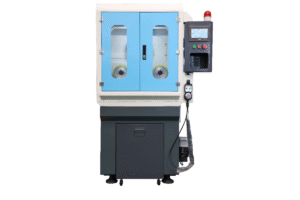
Diamond wire saw technology functions as an advanced cutting tool that delivers exceptional accuracy when cutting through tough materials. The system uses a slender wire which contains industrial-grade diamond particles to achieve precise cuts while keeping material waste to a minimum. The method proves essential for various sectors, including semiconductor production, photovoltaic cell manufacturing, and building construction because it enhances operational accuracy and productivity.
Why Diamond Wire Technology?
The process uses diamond materials which possess extreme hardness to create cutting solutions that industrial facilities prefer because they reduce energy requirements while increasing production rates. Diamond’s unmatched hardness combined with precision CNC control creates the ideal cutting solution for modern manufacturing demands.
Key Features of CNC Diamond Wire Saw Machines
High Precision Cutting
The technology provides exact material cutting which produces minimal kerf loss to create exact dimensions with perfect edges. Tolerances can reach ±0.01 millimeters, ensuring exceptional accuracy for demanding applications.
Versatility
The system possesses the ability to cut through various materials which include silicon, glass, ceramics, and specific metal types. This adaptability makes it suitable for diverse industrial applications.
Enhanced Durability
The system uses diamond-coated wires which deliver outstanding resistance to wear and provide extended operational life, reducing replacement frequency and maintenance costs.
Energy Efficiency
The system operates through power usage optimization which achieves stable performance through all operating conditions, contributing to lower operational costs and environmental sustainability.
Automated Control
CNC systems offer built-in control which enables users to program operations precisely while achieving accurate results without needing manual work. This automation ensures consistent quality and reduces human error.
Minimal Material Waste
The system has been designed to cut materials in a way that reduces waste during cutting, which makes it ideal for cutting high-value materials where material conservation is critical.
Precision Cutting Capabilities
The advanced calibration system and alignment mechanisms of the precision cutting system enable it to achieve its high accuracy level, which reaches tolerances of ±0.01 millimeters. The system maintains consistent edge quality during its operation, which includes cutting through metals, ceramics, and composite materials. The system uses high-speed motion control together with advanced tooling to produce precise cuts that meet exacting standards for specific applications.
Endless Diamond Wire Technology
Endless Diamond Wire Technology uses a continuous diamond wire loop system that matches the precise cutting requirements of its operations. The method provides constant wire wear through controlled operation, which maintains cutting performance throughout prolonged usage. The technology enables effective cutting of hard and brittle materials through its ability to slice silicon, sapphire, and quartz while producing minimal kerf loss and material waste. The product design ensures long-lasting performance, which meets the demands of high-precision industrial applications.
Versatility in Cutting Various Types of Glass
Diamond-coated wire technology demonstrates exceptional versatility in cutting various types of glass, including tempered, laminated, and borosilicate glass. Its precision ensures clean cuts with minimal edge damage, which is crucial for maintaining the integrity of the glass. Additionally, the method is adaptable to varied glass thicknesses, making it an ideal choice for industries such as electronics, automotive, and architecture. The ability to achieve high accuracy and reduce material waste enhances its applicability across diverse manufacturing processes.
Benefits of Using Wire Saw Machines in Glass Cutting

Enhanced Efficiency and Productivity
Wire saw machines significantly improve manufacturing efficiency by allowing precise and rapid cutting of materials. Their automated systems reduce manual intervention, ensuring consistent output and quicker production cycles. Additionally, the optimization of cutting processes minimizes downtime and promotes higher throughput. These advantages collectively contribute to streamlined operations and increased productivity across diverse industrial applications.
Improved Quality of Cuts on Optical Glass
The accuracy and cutting quality of optical glass have improved through the development of new cutting technologies. The modern techniques of laser-assisted machining and ultra-precision diamond cutting enable researchers to achieve micron-level accuracy, which scientists need in their work with optics and photonics. The methods create surface results that meet all optical performance requirements for lenses, mirrors, and glass components because they can stop surface defects and chipping while protecting the complete edge of the glass.
Companies can achieve better product finishes through the combination of real-time process monitoring systems and their manufacturing processes which enable them to reduce raw material consumption. The current precision standard supports the expanding requirements of medical imaging, telecommunications, and high-performance electronics which rely on optical glass components.
Cost-Effectiveness Compared to Traditional Methods
The optical manufacturing industry has achieved cost reductions through its implementation of advanced optical manufacturing technologies which utilize precision machining and advanced coating methods. The combination of automated production systems with real-time data analysis allows manufacturers to decrease errors while boosting production speed which results in lower costs per unit produced—both crucial factors in achieving cost efficiency.
Current manufacturing methods allow companies to create intricate shapes that maintain better consistency than traditional methods that require corrections after production. The new method meets both modern industrial performance requirements and environmental sustainability standards, which makes it a favored solution across different industries.
Applications of CNC Diamond Wire Cutting Machines
CNC diamond wire cutting machines operate with high precision and efficiency which makes them suitable for usage in different industrial applications. The main uses of this technology are:
- Semiconductor Industry: These machines are essential for slicing silicon wafers used in microchip production, ensuring minimal material loss and high accuracy.
- Aerospace: They are employed to cut advanced composites and hard materials like titanium, meeting stringent design and performance requirements.
- Construction and Stone Processing: The construction industry uses CNC diamond wire cutting to create precise shapes from granite, marble, and concrete. The process enables construction workers to achieve exact material dimensions.
- Electronics: The devices enable precise cutting of fragile materials such as ceramics and glass which are used in electronic equipment.
- Renewable Energy: The process enables solar wafer production which serves as a vital component for manufacturing photovoltaic cells.
CNC diamond wire cutting machines deliver precise cutting results while maintaining material waste at low levels because they can adjust their operations to suit needs of advanced technological sectors.
Industrial Uses in Glass Manufacturing
CNC diamond wire cutting machines play an essential role in glass manufacturing because they provide the required precision and efficiency needed to fulfill industrial production needs. The machines serve multiple purposes because they can cut glass, shape glass, and process various glass materials which include tempered glass, borosilicate glass, and laminated safety glass. The diamond-coated wires enable cutting operations which result in minimal material loss and protection against blade damage while delivering excellent surface results.
The technology requires high-definition screens and camera lenses to maintain precise tolerance requirements. The technology applies to architectural glass which requires designers to develop building facades that need exact measurements and real building facade designs. The glass industry relies on CNC diamond wire cutting machines as essential equipment which provides manufacturers with precise cutting capabilities and adjustable production capacity needed to run their operations.
Custom Applications in Architectural Glass
Custom applications in architectural glass involve designing and fabricating glass panels to meet specific aesthetic and functional requirements. The applications include decorative facades, energy-efficient glazing solutions, and safety features that use laminated or tempered glass. Modern technologies, like CNC diamond wire cutting, enable precise customization to achieve complex shapes, patterns, and finishes. The system enables architects and designers to combine unique visual elements with structural components while they meet safety requirements and energy efficiency standards.
Innovations in Optical Glass Cutting
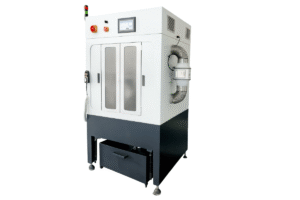
The current research efforts dedicated to optical glass cutting technology demonstrate that ultrafine laser systems combined with precision diamond cutting tools create essential progress for this technological area. The technologies provide three advantages, which include producing better edge quality, creating less material waste, and enabling precise machining of complex shapes.
The automated cutting systems which use artificial intelligence and machine learning technology achieve improved efficiency through their ability to optimize cutting paths while decreasing operational mistakes which leads to stable performance in demanding situations found in optics, photonics, and advanced display manufacturing industries.
Technical Specifications Overview
Reference Sources
- The SG 20 CNC Glass Cutting Wire Saw – The Diamond Wire Cutting system operates through its SG20 system, which utilizes a continuous diamond wire for exact glass cutting.
- The CNC Endless Diamond Wire Saw system uses diamond-coated wire to produce accurate and smooth cutting results.
- The process of optical glass machining with diamond wire saws requires crack-free cutting because it serves as a crucial requirement. Recommend reading: Precision Glass Cutting Wire Saw for Industrial Excellence
Frequently Asked Questions
1. What Is a CNC Glass Cutting Wire Saw?
A CNC glass cutting wire saw uses a diamond-impregnated thin wire to cut glass materials. The wire follows computer-controlled movements according to the programming instructions which enable the machine to perform intricate cutting tasks with precise accuracy. The cutting tool operates as an “endless” wire which can traverse different directions to form detailed patterns that cut through fragile materials like optical glass, quartz, and fused silica materials.
2. How Does CNC Technology Enhance the Glass Cutting Process?
CNC technology enables complete automated cutting operations which deliver higher precision results that maintain identical performance levels throughout different cuts. The operators provide specific design files which include CAD drawings to the machine controller, and the controller uses this information to determine how the wire and workpiece should move. The production method enables manufacturers to create complex shapes with precise dimensions because it uses automated systems that provide consistent quality throughout large scale operations, which helps to decrease human mistakes and material waste.
3. What Are the Primary Advantages of Using a Wire Saw over Traditional Glass Cutting Methods?
CNC wire saws present multiple benefits which make them superior to conventional techniques that include scoring, waterjet, and laser cutting operations. The cutting process generates mechanical forces that produce low-impact operations that result in minimal thermal energy output. The “cold cutting” method prevents thermal shock, micro-cracking, and subsurface damage which occurs with laser cutting and aggressive mechanical sawing techniques.
The wire enables the creation of tight radii and omnidirectional cuts which allow for the construction of internal cutouts and complex 3D shapes that other methods cannot duplicate. The wire diameter is extremely thin, which results in the production of a narrow kerf that defines the cutting width. The process of cutting optical glass and crystals costs less because it reduces material loss through this method.
4. What Types of Glass Materials Can Be Processed with This Technology?
CNC diamond wire saws operate as flexible cutting tools which enable them to cut various glass types from their extensive glass cutting capabilities. This includes standard soda-lime glass, borosilicate glass, and aluminosilicate glass. Moreover, the system works efficiently with materials that have high brittleness, including synthetic quartz, fused silica, sapphire, and glass-ceramics. The system can cut through composite materials that contain glass and polymer or metal layers, which presents difficulties for other cutting methods to handle.
5. Is a Coolant Required During Operation?
The use of a coolant or lubricant is standard practice. The coolant operates three essential functions, which include heat dissipation from friction at the cutting point, glass debris removal through swarf flushing, and diamond wire protection through coolant. The proper handling of coolant leads to better surface results while protecting the wire from getting blocked, which would lead to breaking during operational activities.
6. What Surface Quality Can Be Expected from a CNC Wire Saw Cut?
The CNC wire saw produces a surface finish that appears smooth and uniform, which requires less secondary processing compared to other methods. The diamond abrasive produces fine particles, which allow cutting operations to use low force, which results in edges that have slight chips. The cut surface usually has a matte finish, but the absence of deep micro-fractures allows for faster and more efficient completion of grinding and polishing steps.
Related Posts


Trending Blogs

![Polysilicon Material: Properties, Grades & Uses [Guide]](https://wiresawcutter.com/wp-content/uploads/2026/08/polysilicon-material-featured-150x150.webp)