
Get in touch with DONGHE Company
-
Phone: +86 181-1645-5490
-
Email: Sales18@DongheScience.com

Diamond Wire vs Band Saw for Glass Cutting

The glass cutting process needs two essential requirements which include exacting precision and speedful operation to meet needs of various industrial sectors that cover both architectural design work and electronic device manufacturing activities. The overall outcome of a project depends on choosing the most suitable cutting instrument for the task. The two most common cutting techniques which include diamond wire cutting and band saw cutting provide different benefits which depend on their specific uses. Through a complete technique comparison this article presents two methods which you can use to select the most appropriate solution for your specific needs. The different aspects of these cutting techniques must be understood because they determine which method will suit your needs best. The article explains the main characteristics which differentiate diamond wire cutting from band saw cutting.
Introduction to Glass Cutting Methods
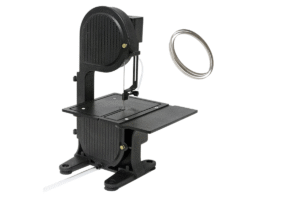
The glass cutting methods which exist today serve as essential tools for industries that require both high precision and operational efficiency. Two widely used techniques are diamond wire cutting and band saw cutting. Diamond wire cutting uses a thin wire which contains industrial-grade diamonds to create precise cuts through brittle materials such as glass. Band saw cutting uses a continuous metal loop which has an abrasive edge to cut through glass, providing the ability to create different shapes and thicknesses. The two methods both work effectively but their selection depends on factors which include required precision, material thickness, and production needs. The selection of appropriate methods for particular applications depends on understanding these characteristics.
Overview of Diamond Wire and Band Saw Technologies
Diamond Wire Technology
Diamond wire cutting provides precise cutting because it uses a thin metal wire which has diamond abrasives bonded to it for making exact cuts through glass and ceramic and semiconductor materials. The technology works best when users need to achieve precise measurements while keeping their material waste to a minimum which makes it suitable for advanced electronics and solar energy production industries. The ability to customize wire diameters to different design requirements makes the product more flexible for multiple design applications.
Band Saw Technology
Band saw technology provides better adaptability and operational efficiency because it can process various materials which include metals and composites and glass. The system uses an abrasive loop which operates continuously to achieve fast material processing rates especially in operations that handle medium and large quantities of materials. The application of the diamond wire cutting method results in narrower kerf width which leads to lower material waste when compared to other methods in most cases.
Industry analysis provides key data which shows that diamond wire cutting performs better in high-precision tasks while band saws handle production environments that value speed and cost savings. The right technology selection process needs to find a balance between production requirements and technical needs linked to material specifications and thickness and precision standards.
Importance of Choosing the Right Tool for Glass Cutting

The selection of an appropriate glass-cutting tool functions as the key element that determines manufacturing and fabrication operations to achieve precise results while maintaining operational efficiency and affordable costs.
Critical Factors to Consider
1. Material Type and Hardness
Glass can vary significantly in composition and hardness, from standard annealed glass to tempered or specialty glass types like borosilicate. The cutting tools must match the material properties because improper matching will result in cutting faults through fractures and imperfections.
2. Cutting Accuracy and Precision Requirements
Certain applications, such as optical components or electronics, demand extremely high precision. The diamond wire cutting method outperforms traditional techniques because it produces precise tolerances together with minimal edge damage.
3. Cutting Speed
The production output of a process depends on how fast the cutting tool operates. The band saw method provides greater throughput for less-important tasks, but laser and diamond cutting methods achieve better precision results in situations where accurate results are more important than fast processing times.
4. Material Thickness
The selection of a method for glass cutting depends on the thickness of the glass material. Operators can use diamond wire cutters to process thick materials, but simpler scoring and breaking techniques work better for handling thin glass materials.
5. Cost-Effectiveness
Budget constraints influence whether to prioritize precision or speed. The use of high-precision equipment requires extensive investment costs, but this choice leads to reduced material waste, while inexpensive equipment meets the requirements of handling bulk and less-important cutting tasks.
Applications in Industrial and Artistic Glasswork

Glass cutting serves various specialized purposes across both industrial and artistic domains. The five applications below demonstrate how the application of glass cutting both extends its operational range and establishes its critical value:
1
Architectural Glass
Architectural projects require high-precision glass cutting to create windows doors and skylights. The ability to customize dimensions and shapes ensures seamless integration into structures. Architectural glass requires edge accuracy because it needs to meet safety glazing standards for its implementation.
2
Automotive Glass
Automotive applications require manufacturers to produce glass components which meet specific dimensional requirements that match vehicle design. Advanced CNC glass cutting technologies enable manufacturers to produce accurate results which meet their production requirements while working with intricate shapes.
3
Electronics & Display
Glass cutting serves as a basic requirement for manufacturing electronic components which include touchscreen panels and flat-screen displays. Ultra-thin cutting methods, such as laser-assisted techniques, are utilized to maintain structural integrity while achieving micron-level precision.
4
Artistic Glasswork
Glass cutting serves as an essential tool which artists and craftsmen use to produce stained glass windows intricate sculptures and decorative panels. This application requires artists to make irregular cuts while achieving aesthetic precision through the use of glass saws and hand scoring tools.
5
Solar Panel Production
The photovoltaic industry utilizes glass cutting to produce panels with exact specifications which improve their assembly process and energy efficiency. Manufacturers use thin glass because it enables them to achieve precise cuts which decrease waste while increasing light transmission.
Key Performance Comparison

Precision: Accuracy in Cutting
Glass cutting needs exact methods which maintain constant precision while they minimize material loss and create perfect glass edges. The glass industry uses laser cutting and waterjet cutting methods because these techniques deliver high precision results while protecting the structural properties of materials. The selection of cutting techniques should match both the material characteristics and the required tolerance standards to achieve dependable results in industrial environments. The process of precise cutting demands accurate instrument calibration together with strict compliance to quality assurance requirements.
Efficiency: Speed and Material Waste
The efficiency of precision cutting operations depends on two specific factors which include cutting speed and the quantity of materials that are discarded. The use of faster cutting techniques which include laser and plasma cutting delivers time benefits for high-volume production because these methods produce precise cuts that result in reduced material waste. The optimization process of cutting patterns and layouts helps to enhance material efficiency while producing minimal scrap waste. Industrial operations require companies to find the right combination of cutting speed and waste management because both factors directly impact their financial performance and work efficiency.
Finish Quality: Surface Finish and Edge Integrity
The quality of cutting processes depends on two main factors, which are surface finish and edge integrity. The cutting process achieves a smooth surface finish when operators decrease all irregularities which result from their chosen cutting methods and equipment conditions and process parameters. The material maintains both its structural and aesthetic properties through edge integrity, which exists as clean, precise edges that lack both burrs and heat-affected zones. Laser cutting produces high-quality edges that need almost no extra work to achieve final results while mechanical methods require extra finishing work. The two main factors which control surface finish and edge quality must be determined through proper selection of cutting technology and correct adjustment of operational parameters.
Diamond Wire Saws vs Band Saws: Detailed Comparison
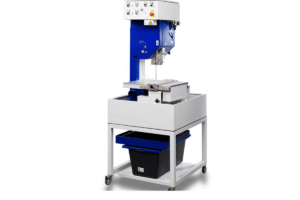
Best Use Cases for Each Method
- Bandsaw Cutting: Best suited for tasks requiring intricate or curved cuts. The equipment demonstrates its best performance when it operates on wood and plastic and selected metal materials which need precise cutting for creating nonstandard shapes and detailed design elements.
- Laser Cutting: This technology operates best under conditions that require complete accuracy and perfectly sharp boundaries. It excels in cutting complex designs on thin to medium-thickness materials, which include metal and plastic and wood, and it serves as a standard tool across manufacturing and prototyping and artistic work.
- Waterjet Cutting: The technology cuts various materials which include thick and hard materials like stone and stainless steel and glass. The method works effectively for processes that need to protect against heat damage because it maintains material integrity throughout the process.
- Plasma Cutting: The technology operates best for processing all types of electrically conductive materials which include steel and stainless steel and aluminum. The system offers speed and efficiency benefits for medium and heavy-duty tasks which industrial metal fabrication and repair work needs.
Industrial and Artistic Applications
Industrial Applications for Diamond Wire Saws
Primary Industrial Uses
Quarrying and Mining
Used for extracting large stone blocks, such as granite and marble, with minimal material wastage and high accuracy.
Construction and Demolition
Effective for cutting reinforced concrete and other dense materials in structural engineering projects.
Semiconductor Industry
Ideal for slicing brittle materials like silicon and sapphire into thin wafers, essential for electronics manufacturing.
Aerospace
Applied in cutting composites and specialized alloys to achieve tight tolerances without damaging the material.
Artistic Applications for Band Saws
Band saws serve as essential tools for artists because they produce exact and detailed cuts. The equipment serves as artists’ preferred choice for woodworking because it allows them to create complex designs which include curves and custom designs with various materials. Sculptors use band saws to precisely cut wood and plastic and lightweight metal materials. The tools enable designers to create original furniture designs and architectural models and decorative items while maintaining control throughout their design work. The equipment functions as a dependable and simple-to-operate tool which artists use in their creative work.
Comparative Performance Analysis
Reference Sources
- Diamond Wire vs Band Saw Blades and Circular Blades – Discusses the precision and specialized applications of diamond wire for glass cutting which exceeds the capabilities of band saws.
- Cutting with Diamond Wire or Band Saw Blade – Explores the use of diamond-coated band saws and diamond wire for cutting materials which include glass and ceramics and metals.
- Between Diamond Wire Saws and Band Saws Which One – The study demonstrates that diamond wire saws achieve better operational efficiency while producing less chipping damage for glass than other methods.
- Recommend reading: Precision Glass Cutting Wire Saw for Industrial Excellence
Frequently Asked Questions
1. What Is the Fundamental Operational Difference Between a Diamond Wire Saw and a Band Saw for Glass Cutting?
The two cutting tools use different operational methods because their cutting components create cuts through distinct operational mechanisms. The band saw uses a metal blade which has a flat design and creates a continuous cutting path because it operates through its downward movement to cut through materials. The diamond wire saw uses a flexible wire which has diamond particles embedded throughout its entire length. The wire can cut in any direction because it uses a cutting method which depends on its abrasive nature. The wire saw can create precise curved cuts because it uses its flexible design while a band saw blade cannot achieve this ability due to its fixed structure.
2. Which Method Offers Superior Precision for Intricate Glass Shapes?
Diamond wire saws provide superior performance for creating detailed geometrical shapes which require accurate cutting. The wire cutting tool which has a cylindrical shape enables the user to make precise cuts through sharp corners and narrow curves and complex patterns. The band saw blade requires straight cuts with only gradual curves because it has a wide cutting area which extends from front to back. The band saw will experience blade twisting which will lead to wrong cuts or blade breakage when it tries to make tight turns.
3. How Do the Two Methods Compare Regarding Material Waste (Kerf Loss)?
The diamond wire saw produces less waste material during operations because it cuts with precision. The wire diameter is typically much smaller than the thickness and set of a band saw blade. The cutting process creates a narrow cut which eliminates material from the workpiece. The cost savings gained from reduced waste applies to expensive optical glass and rare materials during production. The band saw removes a broad area of material which results in wastefulness when used for valuable materials.
4. Why Is a Diamond Wire Saw Preferred for Cutting Fragile or Brittle Glass?
Glass shows high brittleness which leads to fracture when subjected to stress. Band saws with diamond edges produce excessive downward force and vibration which makes workpieces more susceptible to chipping and shelling and complete breakage. The diamond wire cutting process requires a small amount of force and generates minimal impact energy. The diamond particles create an abrasive effect which slowly removes material while producing minimal thermal and mechanical stresses. The material provides superior performance for handling fragile glass parts which need protection against stress during use.
5. Are There Scenarios Where a Band Saw Is More Advantageous Than a Diamond Wire Saw?
Yes. The band saw serves as the preferred equipment for cutting straight lines through thick glass blocks because operators do not need to achieve precise surface finishes during their work. The equipment functions as a powerful system which enables operators to remove materials from their path through fast linear movements. The band saw provides operators with a fast and cost-effective solution for cutting large glass blocks when they require only basic size reductions without any detailed shape design work.
6. How Does the Surface Finish Quality Compare Between the Two Methods?
The diamond wire saw produces smoother surface finishes which need less time for post-processing work. The cutting process which operates at low intensity creates accurate cuts which result in near-perfect edges that show minimal micro-cracking. The band saw creates rough glass cuts which display visible saw marks and need substantial grinding and polishing work to reach an optical-quality edge.
Related Posts


Trending Blogs

![Polysilicon Material: Properties, Grades & Uses [Guide]](https://wiresawcutter.com/wp-content/uploads/2026/08/polysilicon-material-featured-150x150.webp)