
Get in touch with DONGHE Company
-
Phone: +86 181-1645-5490
-
Email: Sales18@DongheScience.com

How to Cut Ndfeb Magnets Without Demagnetization?

How to Cut NdFeB Magnets: Complete Safety and Technical Guide
Essential Tools, Methods, and Best Practices for Cutting Neodymium Magnets
Cutting NdFeB magnets requires exceptional skills because their strong magnetic characteristics need to remain intact during the cutting process. The use of incorrect cutting methods results in major problems which include demagnetization and structural damage and creation of safety risks. The guide presents a detailed method which explains how to cut neodymium magnets while protecting their magnetic strength through specific safety procedures. The right tools and methods need to be understood by engineers and DIY enthusiasts and professionals who work with advanced materials.
Introduction to Neodymium Magnets
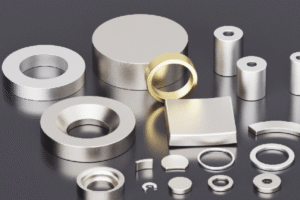
The strongest permanent magnets that exist in the market today take the form of neodymium magnets which people refer to as NdFeB magnets. The materials create magnetic fields which exceed their physical boundaries because they contain neodymium and iron together with boron as their main components. The technology finds multiple uses in various fields which include motors and generators as well as medical devices and hard drives because it produces strong magnetic fields in a compact form. Neodymium magnets require protective coatings and safe handling methods because they show both strong magnetic strength and brittle material strength along with resistance to corrosion.
What are Neodymium Magnets?
NdFeB magnets, which people refer to as neodymium magnets, operate as powerful rare-earth magnets that utilize a neodymium-iron-boron alloy. The strongest permanent magnets that companies sell today originated from their invention during 1984. The magnets produce magnetic fields that exceed 1.4 teslas because their internal structure together with their magnetic domains maintain a specific orientation. The magnets function as critical elements in various contemporary technologies which include high-efficiency electric motors wind turbine generators portable electronic devices and advanced medical imaging equipment that includes MRI machines.
Neodymium magnet production requires manufacturers to use either rapid solidification methods or sintering techniques which help them achieve both optimal performance and accurate dimensional measurements. The materials need protective coatings because they show both brittleness and oxidation susceptibility which requires protection through nickel and zinc and epoxy coatings. The production process of neodymium magnets creates environmental challenges and economic problems because it depends on rare-earth mining which requires the extraction of neodymium that exists in limited quantities.
Properties of Rare Earth Magnets
The five primary characteristics of rare earth magnets are listed in the following section.
1. High Magnetic Strength
The strongest magnetic strength of all magnets exists in neodymium (NdFeB) and samarium-cobalt (SmCo) rare earth magnets. The energy product of neodymium magnets ranges between 35 and 52 MGOe which enables them to generate strong magnetic fields while maintaining small physical dimensions.
2. Temperature Resistance
Samarium-cobalt rare earth magnets maintain their thermal stability when they operate at temperatures reaching 300°C (572°F). Neodymium magnets function well within lower temperature environments with 200°C (392°F) operating limit grades available for usage.
3. Resistance to Demagnetization
Rare earth magnets maintain their magnetization even after exposure to external magnetic fields or mechanical stress because of their high coercivity property. The technology depends on this property which requires dependable performance for extended durations in electric motors and magnetic resonance imaging (MRI) systems.
4. Corrosion Susceptibility and Protective Coatings
The composition of rare earth magnets particularly neodymium magnets leads to their high corrosion susceptibility. Protective coatings of nickel, zinc, or epoxy materials are applied to combat this issue which extends the lifespan of the magnets while improving their performance in demanding conditions.
5. High Energy Density
The design of rare earth magnets with high energy density allows their use in compact applications which require strict limitations on space and weight. The strong magnetic performance of neodymium magnets makes them suitable for use in small electronic devices which include headphones and mobile phones.
Applications of Neodymium Magnets
Neodymium magnets have strong magnetic power at their small size which makes them suitable for multiple industrial fields. The following list shows five main uses that neodymium magnets serve in different fields:
1. Electric Motors
Electric motors require neodymium magnets as their fundamental components to drive electric vehicles and industrial equipment and household devices. A typical EV motor might contain 1-2 kilograms of neodymium magnets.
2. Wind Turbines
Permanent magnet generators within wind turbines depend on neodymium magnets to create electricity. A single large-scale wind turbine can require up to 600 kilograms of neodymium-based magnets.
3. MRI Machines
MRI machines rely on neodymium magnets as essential components to create the strong magnetic fields required for their non-invasive diagnostic imaging tests used in healthcare facilities.
4. Hard Disk Drives
Hard disk drives depend on neodymium magnets as vital parts which provide exact and quick head movement for reading and writing data.
5. Audio Equipment
Neodymium magnets are widely used in the production of loudspeakers, microphones, and headphones, creating powerful clear sound through their magnetic strength.
Challenges in Cutting Neodymium Magnets
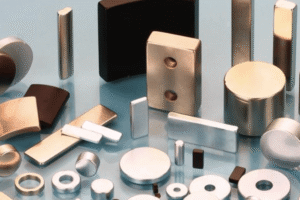
The process of cutting neodymium magnets presents multiple difficulties which arise from their material composition and their chemical behavior. Standard cutting tools fail to work with neodymium magnets because of their extreme hardness, which forces operators to use specialized tools that feature diamond-coated cutting edges. The brittle nature of neodymium magnets allows them to fracture into multiple pieces during both handling and cutting operations. The cutting process generates excessive heat, which results in two dangerous outcomes, with the first danger being material demagnetization and the second danger being neodymium ignition because it becomes highly flammable under specific conditions.
Common Issues Faced When Cutting Neodymium Magnets
1. Brittleness and Fragility
Neodymium magnets exhibit inherent brittleness which makes them susceptible to cracking and shattering when workers apply mechanical stress during cutting operations. The cutting process leads to two possible outcomes which result in either uneven edges or total material failure.
2. Loss of Magnetic Strength
The process of cutting material creates heat which reaches excessive levels that result in neodymium magnets losing their magnetic strength. The demagnetization process requires proper cooling methods to maintain operational efficiency during work activities.
3. Chipping and Sharp Edges
The cutting process produces two types of dangerous materials which include sharp edges and small chips that create safety risks. The process requires proper handling methods which include removing sharp debris to protect workers from potential dangers.
4. Need for Specialized Tools
The extreme hardness and brittleness of neodymium magnets necessitate the use of specialized cutting equipment which includes diamond-coated blades and water-cooled systems to achieve exact cutting results without damaging the magnets.
Impact of Heat on Neodymium Magnets
Neodymium magnets experience complete magnetic property and physical structural alterations because they react to high temperatures with extreme sensitivity. The following section provides detailed information about how heat interacts with these magnets:
Magnetic Strength Decline
Neodymium magnets experience magnetic strength loss when exposed to high-temperature environments. The Curie temperature which exists between 310°C and 400°C functions as the boundary which marks the point of complete magnetic property loss for all materials.
Reversible and Irreversible Losses
Scientists categorize two distinct loss types which result from heat exposure into reversible and irreversible magnetic strength reduction. The magnet experiences reversible losses at high temperatures which will disappear after the magnet reaches normal operating temperatures. Irreversible losses will permanently demagnetize the material at temperatures above its critical limits.
Structural Deformation and Brittleness
When materials endure extended high-temperature conditions, they develop permanent structural changes which increase their likelihood of becoming fragile and breaking. This situation poses a major risk to systems that need to function without interruption for extended durations.
Effect on Coatings
The protective coatings which safeguard neodymium magnets usually made of nickel or epoxy will undergo degradation and peeling once they experience heat exposure. The magnet undergoes oxidation and corrosion when this situation happens which results in reduced operational lifespan and performance capabilities.
Temperature Ratings by Grades
The different grades of neodymium magnets allow maximum temperature usage which ranges from 80°C to 230°C. Engineers should choose higher-grade magnets for applications that experience high temperatures because these magnets provide better thermal resistance than lower-grade magnets.
Essential Tools for Cutting Neodymium Magnets
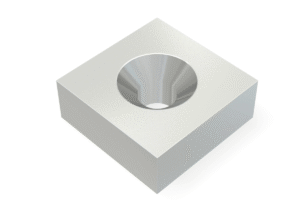
The process of cutting neodymium magnets requires meticulous accuracy because any mistakes during handling this material will result in either broken components or loss of its magnetic strength. The essential tools for this task include:
- ▪Diamond-Coated Cutting Disc: A high-quality diamond-coated disc is essential for clean and precise cuts. The discs show exceptional durability because they can withstand the extreme hardness that neodymium magnets possess.
- ▪Protective Gear: Goggles, gloves, and a mask are necessary to protect against sharp fragments, dust, and potential exposure to hazardous materials, such as neodymium particles or plating.
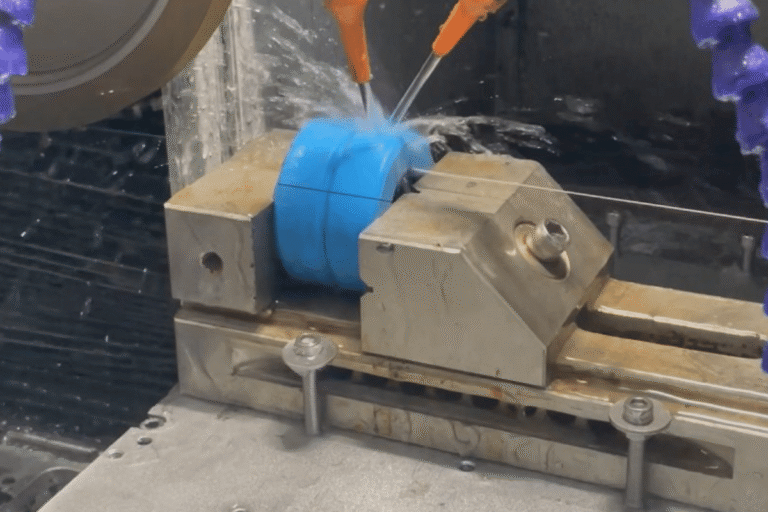
- ▪Clamp or Vise: The cutting process becomes safer through the use of a strong clamp or vise that keeps the magnet fixed during cutting operations.
- ▪Dust Collection System: A dust collection system or vacuum is essential for collecting debris while keeping the workspace in order.
- ▪Cooling System: A cooling system that uses either water or air functions as an essential tool to control heat buildup during cutting operations because it protects the magnet from overheating.
Methods to Cut Neodymium Magnets
Cutting neodymium magnets requires careful planning and the right tools because their hardness and brittleness make the cutting process difficult. The following methods are recommended:
Using a Diamond Saw
Diamond edge saws are very durable and could even withstand the hardness of neodymium while keeping heat generation low. The magnet should be securely fastened before proceeding with the cutting. Make good use of the diamond saw at reasonable speeds in order to avoid heating the product. Ensure the fluid level on the working area is adequate for reducing friction and heat. Wear safety gear including goggles, a mask and gloves because if the magnetic powder finds itself in your lungs, it will be catastrophic for your health.
Grinding Techniques for Neodymium Magnets
Whenever one has to perform grinding of neodymium magnets, it is important to apply specific methods in great detail so as to achieve desired results as well as prevent injuries. Five very important practices are the following:
Five Essential Grinding Practices
- Use of Diamond Material Wheels: Application of diamond grinding tools is fitting because diamond is extremely tough and provides an excellent surface finish. The surface must be ground with a wheel appropriate for these purposes, which will not affect the structural integrity.
- Apply Coolants: Appropriately apply a coolant which can be in the form of either oil or water throughout the entire grinding operation. This ensures that the temperatures do not build up demagnetizing the magnet or inducing thermo mechanical stress cracks. There must be a consistent flow rate so that all parts are cooled evenly.
- Regulated Speeds of Rotation: Avoid excess cutting speeds to prevent any excess heat generation on the work surface and enhance the controllability of the grinding process. The faster the abrasive wheel rotational speed, the more chances there are of micro-cracking as well as reducing performance of the magnet.
- Provide Stability: The workpiece must be well fixed against any movement and vibration at the time of machining. Magnetic or special attachments may be used to hold the magnet in place, thus averting any possibility of achieving untidy surfaces.
- Remove Dust and Particles: The process of cutting a neodymium magnet generates hazardous and highly flammable dust. Therefore, a good industrial dust collection system or suction hoods should be installed to ensure that the work remains clean and there is no fear of fire accidents.
Alternative Methods for Cutting Magnets
If standard cutting methods are unsuitable, there are other procedures that allow high precision to be achieved without damaging the magnetic properties of the magnets. The wide range of methods are as elaborated next:
| Method | Description & Applications |
|---|---|
| Wire EDM | Wire Electrical Discharge Machining uses a thin electrically charged wire which cuts through the magnets with low loss and accuracy. Useful for complex and fine designs, avoiding damage to magnetic properties. Best for fragile or complex jobs. |
| Laser Cutting | Employed when extreme precision is crucial. Creates risks due to excessive heat generation during process. Best used for thin materials or small precision cuts requiring complex shapes. |
| Water Jet Cutting | Uses high-pressure stream of water combined with abrasive elements. Avoids excessive heat production that may interfere with performance. Best used when the size or thickness of the magnet allows it. |
| Diamond Blades | Strong and long-lasting edges capable of cutting neodymium magnets without rough edges. Requires heat monitoring to prevent damage. Coolant fluids should be applied for proper cooling. |
| Cold Sawing | Cuts at slower speeds with less heat build up. Helps avoid heat damage for complex shapes. Tools should be lubricated and carefully fastened to avoid damage. |
Step-by-Step Instructions for Cutting Neodymium Magnets
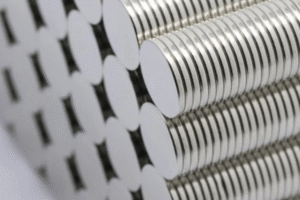
1. Identify the Magnet
Ascertain the magnet’s dimensions, configuration and coating. Understanding these factors permits one to use the most suitable tools to cut the magnet while reducing chances of fracturing or weakening it.
2. Prepare the Required Equipment
Apply a hard material resistant diamond coated cutting wheel or a fine-toothed bandsaw. Make sure you have clamps in place to hold the magnet, safety glasses, gloves, and a protective screen.
3. Prepare the Workspace
Create a safe zone that is properly ventilated to avoid the inhalation of metal magnet powder. Tools must be fixed appropriately, and the work area should be clean.
4. Secure the Magnet
Using non-magnetic clamping devices, fasten and hold the magnet in place with stability so that it does not shift while being cut. This is very important to ensure accuracy and prevent injury.
5. Execute the Cut
Carefully move the cutting tool along the designated cutting path, and apply the needed force. Do not apply excessive force because it will break the magnet. If there is too much heat from the tool, pause the cutting because high temperatures can demagnetize the material.
6. Apply Cooling
If necessary, use water or any other cutting fluid to cool the magnet so that heat is contained and the cut is neat. Be careful not to apply too much.
7. Smooth and Polish
After finishing the cut, the edges should be smoothened using either a fine sandpaper or a grinder. This helps in alleviating any tension that might lead to breakages during use or storage.
8. Clean the Work Area
Make sure that the clutter consisting of magnet powder and other wastes is cleared with tools which are not magnets so as to prevent any unnecessary or dangerous situations. Follow local policies in disposing of the wastes.
Safety Tips to Prevent Demagnetization
Storage Techniques
Avoid leaving the magnets in warm areas, places with strong electric current or any device that proves to be a magnetic source as those surroundings increase the risk of damaging the magnet.
Avoid Physical Damage
Handle the magnets gently to avoid any hits because of fall or crash as such hits would disrupt the alignment of magnetic field.
Maintain Temperature Control
In order to apply magnets most effectively and safely, it is necessary to ensure that the required temperature of the material is controlled at all times. Do not use the magnet above its respective upper temperature level.
Avoid Mechanical Stress
Each magnet must be positioned and fixed in such a way that neither any misalignment nor any mechanical force can interfere with its operation. Coating or a mechanical spacer may be provided in design when a source of failure is anticipated.
Frequently Asked Questions
1. What Are the Main Reasons That NdFeB Magnets Lose Their Magnetic Properties When They Get Cut?
Heat represents the primary reason which leads to magnetic loss during the machining process. The Curie temperature defines the maximum operational limit which NdFeB magnets can withstand before their magnetism vanishes. The cutting process will create heat which exceeds the threshold because any part of the heat-affected zone exceeds this specific temperature. The material experiences secondary disruption when it encounters high-level mechanical shock and high-frequency vibrations which interfere with its magnetic alignment.
2. Is It Preferable to Cut NdFeB Magnets in a Magnetized or Unmagnetized State?
Industrial facilities follow established procedures which require operators to conduct all cutting and machining activities on NdFeB blocks when these blocks remain unmagnetized. The method solves problems connected to magnetic swarf sticking to tools and workpieces while making the process easier to handle and eliminating all chances of demagnetization which could occur through heat generated during operations. The final step of the process involves cleaning the completed components before magnetizing them to their designated specifications.
3. Which Cutting Method Offers the Lowest Risk of Thermal Damage?
Abrasive cutting methods which employ high-quality coolant systems provide better protection against thermal damage than other methods. The diamond wire sawing method stands out as the best cutting technique. The thin wire generates minimal friction, and the continuous flow of coolant directly into the narrow kerf (cut) provides highly efficient heat dissipation. The procedure maintains magnet temperatures below critical limits which enables preservation of its magnetic characteristics.
4. Why Are Conventional Tools Not Recommended?
Sintered NdFeB magnets require specialized tools for effective cutting. The material exhibits extreme hardness with brittle properties which results in rapid tool degradation through excessive friction and heat production during cutting. The temperatures generated by dry grinding and aggressive sawing will lead to permanent demagnetization of the material. The mechanical stress which these methods impose on NdFeB brittle material leads to an elevated chance of material breakage and chip formation.
5. What Is the Critical Role of Coolant in This Process?
The operation of NdFeB magnets during machining requires a continuous and abundant supply of coolant. The coolant serves three essential functions:
- Heat Dissipation: It actively removes thermal energy through its cutting interface which prevents temperature increases.
- Swarf Removal: It cleans the tool by removing all abrasive dust and magnetic particles which occur during cutting.
- Lubrication: It reduces friction between the abrasive tool and the workpiece, ensuring a smoother cut.
6. Can Laser Cutting Be Used for NdFeB Magnets Without Causing Demagnetization?
The process of laser cutting operates as a thermal process which creates a significant risk for demagnetization. The process needs optimized parameters which include specific cutting speeds and precise power modulation and assist gas to achieve minimum heat-affected zone (HAZ). The area immediately adjacent to the laser cut will inevitably experience some magnetic degradation. The current method gets used when projects need small HAZ areas and when designers want to create complex shapes which wire sawing cannot produce.
Reference Sources
- •Guide to the Best Ways to Cut Neodymium Magnets – Shows how diamond wire saws provide precise and efficient cutting methods that maintain the magnet’s magnetic properties.
- •How to Cut or Perforate Magnets Without Losing Magnetism – IMA – Explains how to maintain magnet strength during cuts by securing the magnet in a vise to keep it stationary.
- •Machining Neodymium Magnets – Investigates how diamond burr bits and glass-cutting drill bits serve as effective tools for machining neodymium magnets. Recommend reading: Diamond Wire Saw Cutting Machine for Magnetic Materials: The Complete Guide
Related Posts


Trending Blogs

![Polysilicon Material: Properties, Grades & Uses [Guide]](https://wiresawcutter.com/wp-content/uploads/2026/08/polysilicon-material-featured-150x150.webp)