
Get in touch with DONGHE Company
-
Phone: +86 181-1645-5490
-
Email: Sales18@DongheScience.com

Reducing Surface Roughness in Ceramic Cutting

Reducing Surface Roughness in Ceramic Cutting: Complete Guide
Ceramics are now used in every industrial field due to the high strength and temperature resistance as well as the very accurate precision required in the field, however defects free machining is a problem.
Enhanced surface roughness is the main factor of non-relevance of the surface for ceramics, that is, its suppression for further use, because it limits the functionality and morphological aspects of the elements manufactured of ceramics. This paper addresses focus on surface roughness in manufacturing cycles of ceramics elements, providing comprehensive insights into reducing cutting forces and improving material quality through optimized machining processes.
Understanding Surface Roughness
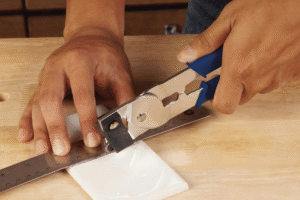
Surface Roughness refers to the differences that occur in the texture or topography of a material after it has undergone some machining processes. This is considered an essential factor affecting the quality and performance of the final product. Surface roughness is often considered in terms of certain parameters such as roughness, for example, the average roughness, Ra – the average deviation of the surface from a working one. Some of the causes of surface roughness that are worth mentioning include, tool wear, machining speed, material hardness, and other environmental aspects like vibration and temperature. Whereas reducing surface roughness in ceramic cutting is desirable, such a texture enhances the appearance of a product, as well as these, being lubrication, wearing, stressing, along with other materials of the detail and therefore it goes without saying that a surface quality is an important feature.
Definition and Importance of Surface Roughness
The term surface roughness means non-uniformity or defects found on the surface of such a material, which are the result of manufacturing techniques like, cutting, grinding or polishing. Therefore, this influence is permanent and is based on the shape of the product and its aesthetics and functionality that can be achieved or not. Reducing surface roughness is essential as it affects the performance of component interfaces, for instance, friction and wear performances, as well as sealing capabilities. Smoothening out of surface roughness improves the performance of the product and increases the service life of the product, and therefore, significantly affects the engineering and production processes.
Measuring Surface Roughness in Ceramic Materials
Reducing Surface Roughness in Ceramic Cutting of metals and non-metals is included in various techniques of surface metrology which are contemporarily standardized and well understood. One of the methods applied is contact testing where the surface of a sample is scanned by means of a stylus. Excellent precision and detail of the full periphery are what this method offers. Also, when considering a delicate or complex surface, optical or laser devices devoid of the touching component will be the way to go since they do not impose any form of mechanical force. Each set of values reported in every case relates to in service operations and rate statistics– Ra is usually used as a term in this context in order to evaluate a geometry. A particular method is selected based on the type of surface, the required measurement accuracy, and the measurement objective. Instruments must be calibrated correctly to obtain accurate results.
Factors Influencing Surface Roughness
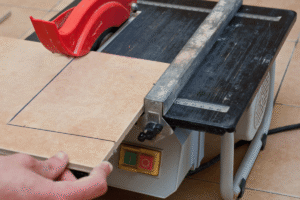
The texture as provides qualities through which a material can be judged is created by many aspects that allow for surface roughness to occur. In this section, five primary aspects will discussed.
Material Properties
It largely depends on the mechanical properties of the material-hardness level, grain properties, brittleness etc., etc-which determines the level of roughness that can be achieved. In such a case, even plastic materials will tend to bounce from the cutting tool and will not form a good surface.
Factors About Processing
Several factors relating to the processing of a workpiece such as cutting speed, correct feed and depth of cut should also be considered. Usually also says the cumulatively higher the cutter speed the finer the surface finish and vice versa the higher the feed rate the rougher the surface finish. Taking these and other variables into consideration, one would create that surface finish.
Tool Wear and Configuration
Surface finish would be evaluated based on the wear and sharpness of the cutting tools. Blunt tools or excessive wear may result in rough surfaces while machines in good condition with proper cutting angles and geometry would at least produce the smoothest surfaces of machine elements.
Lubrication and Cooling Management
Lubricants and cooling fluids applied during machining activities significantly help in the minimization of heating due to friction during cutting. This minimizes the damage to the material and enhances the polishing process. Lack of such lubrication brings about heat distortion of the part and also the production of more rough surface areas.
Ambient Conditions
External parameters like ambient temperatures, noise and machine stability will be specific to each layer and affect the final surface roughness. When the machine wobbles or the resin expands because of heat, different sections will have sunrays, outside the core moons, resulting in stepped walls.
By considering and trying to control these elements, one would be able to produce a better surface finish with various objectives, and no complaints would be evident in the operational performance or longevity of such tools.
Optimization of Cutting Parameters
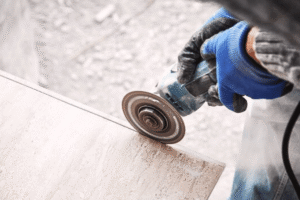
For a particular work material and surface finish requirement, the cutting speeds and feed rates need to be optimized. Whereas some cutting tool materials perform better than others when cutting specific materials at a particular speed. Combining both parameters leads to what is termed dynamic feed rate control; approach, which, in turn, enables the mechanical operational stop (cut) of the machine with most minimal tool shift leading to constant material able to be removed efficiently over a period of time. Reducing Surface Roughness in Ceramic Cutting These parameters, on the other hand, fill up detailed procedures travel from manufacturer’s recommendations, so as to retain present levels of activity within permissible limits of quality.
Key Cutting Parameters in Ceramic Cutting
Improving accuracy and productivity in cutting ceramics largely depends on how effectively unique cutting parameters are adjusted. Each of these aspects equally has significant effects on the life of the tool, the state of its surface, and finally the processes of cutting. There are five cutting parameters presented next that will be assumed to be substantial in Ceramic Cutting.
1
The Cutting Speed
When it is high as for cutting speed this is one of the operational parameters. Therefore, when cutting speed is high productivity will certainly increase, though complacently at the cost of wear. In case of ceramics, cutting speed is proposed somewhere between two hundred and five hundred meters per minute due to the type of ceramics and the tooling material.
2
Feed Rate
Feed rate determines the quality of surface as well as the speed of material wear. Balancing feed rate is necessary to achieve the desired level of accuracy without tool bending. In ceramics, feed rates span approximately 0.05–0.3 mm per revolution for the sake of uniformity in performance.
3
The Cut Thickness
Depth of cut controls the removal of material per cut operation or pass. For ceramics, shallow depths of cut or scrap thickness is more often used in order to cut down the forces on the tool. A depth of cut of ceramic material machining process is normally within the range of 0.1 to 1.0 mm, considering the operation as well as the material.
4
Tool Material and Its Coating
Relying on the tool material and coating being critical for wear control and stability at temperatures is self-evident. Tool equipment including polycrystalline diamond or cubic boron nitride (CBN) are usually enhanced with certain arduous coatings to help extend their service lives while machining hard materials like ceramics.
5
Use of Coolant
AD will eliminate the complications by focusing on any particular limitations for instance temperature and cooling. In processes involving ceramics, use of coolant is differential and usually uses either of the two water or oil based solutions, which are specially made to facilitate cooling and reduced pressure on the tool.
Optimization of these parameters demands a proper consideration of the materials applied as well as the operational purposes. These rules provide a guarantee of the ceramic cutting operations being more effective, accurate and with a longer tool life.
Adjusting Cutting Speeds and Feeds
Machining ceramics brings about such problems as cutting speed and feed rates. The cutting speed is determined by the hardness and the brittleness of the material, in most cases cutting speeds for carbide cutting tools are kept at low levels to overcome the device tilt and minimize the risks of crack propagation. Feed rates must be set in such a way that excessive processes and surface quality are avoided, but without such load application which would cause stressing, and later chipping and breakage of the tool. Cone deals with two concepts; the enhancement of the tracing process and the ceramic surface with an incremental change also as testing the working performance of the machine.
Impact of Tool Geometry on Surface Finish
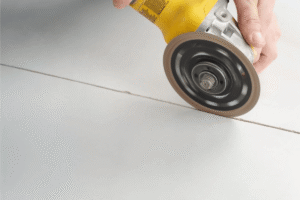
There is also the tool’s geometry, which influences the surface finish, and this is of particular importance when cutting relatively brittle materials such as ceramics. Reducing Surface Roughness in Ceramic Cutting There are several factors assessing that the tool geometry interferes with the pitch in several ways, notably:
Tool Nose Radius
The surface roughness decreases with the increase in the tool nose radii as the cusps between successive passes diminishes. That said, quite large bulging radii can cause excessive cutting forces that will vibrate the tool or bend it out of shape.
Rake Angles
The less effective the surface rough machining the positive rake angles allow material to be removed without excessive forces i.e. thin light cuts. However if a negative rake angle is used, the tool will last longer but this is not very beneficial in improving the surface quality since it adds more resistance to the work material.
Grinding
The cutting tool improves the finish because it has an acute edge, which contributes to the minimization of tool marks in the course of cutting. The blades are made dull and effective at the same time, unlike normal ones that tend to vibrate during say, turning, and when they are themselves sharp, leave undesirable surface characteristics.
Gear Geometry
Well designed relief angles are created in response to observed challenges in machining materials with tools, such as their contact with the material being worked on. With short relif angles, abrasive wear occurs more and burnishing achieved avoids chattering effects.
Helix Angle
When it comes to working with multi flute or flute cutting tools, the benefit of the helix is explored during chip technique. Higher helix angles encourage chip disposal and also break the chip thereby improving quality during displacing metals.
These parameters should be chosen to fit the material properties and machining conditions at hand in order for the desired surface finish to be made possible.
Advanced Techniques for Reducing Surface Roughness
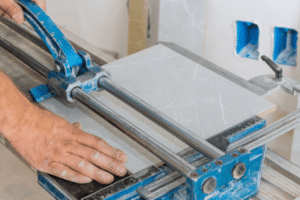
- High Accuracy Tooling
Several manufactured processes employ machines to achieve a cut shape, and therefore it is essential to use precision form cutting tools for each component. Diamond carbon knit and titanium nitride are some of the surface coatings implemented to control the durability and surface quality of tools. - Correct Cutting Speeds and Feed Rates
The surface roughness variation is attributed to the variation of the cutting speed and feed rate for different materials of the workpiece, as these influence the vibration and cutting action. - Cutting with the Help of Coolant and Lubricant
Use of improved coolants and/or lubricants in machining process will reduce the amount of heat and friction generated. Consequently, the chances of any shape distortions and surface defects will be minimal. - Use of Vibration Eliminating Devices
If these conditions are obtained with the help of damping devices or rigid machines, the appearance of chatter and deformation during machining will be reducing and will help maintaining the surface quality of the machined surface. - Post Processing Procedures
During machining, other finishing processes such as polishing, grinding or even honing are performed to achieve a very fine surface finish and to eliminate some finishing defects that remained.
Such competencies in this respect are aimed at perfecting the surface of several machined components.
Laser-Assisted Machining Methods
A technology called Laser Assisted Machining – or LAM, for short – is one of the latest innovative solutions designed by the manufacturing industry with the objective of preheating the work piece with high-energy beams before its removal is carried out. Global heating is associated with local softening and reduction of yield strength of the working material allowing its easier removal, less wear on the tool used and less effort in cutting. Hard materials which are technically challenging to machine due to toughness, such as ceramics, titanium and super alloys used in aerospace, medical or automotive sectors can be machined with LAM.
There are many advantages that are associated with the incorporation in the machining structure a laser. Friction, forces, wear, and tensile stresses in the structure of the element are all decreased by LAM laser tempering within the high temperature zones. Furthermore, it allows to work within extremely tight limits of length and assures high level of polish and finishing.
Recently, based on trends, increasing search volumes of such queries as “laser machining advantages” and “applications of laser-assisted machining” suggests that many industries nowadays tend to focus on this technique. This implies the retention of traditional means, which involves preventing the excessiveness of the tool wear in order to get more financial benefits. But that is where smart manufacturing is necessary. That, nonetheless, is a complex problem, which makes laser-assisted machining a machinist friend in economically manufacturing hard materials and their new combinations.
Utilizing Advanced Ceramic Cutting Tools
In particular, present day high speed machining owes much to modern ceramic tools that are implemented wholly for cutting reasons particularly because of its ‘strong as an ox’, heat and wear resistant properties. Areas such as superalloys,hardy steels,composite messiahs and their kind have become much less cumbersome. By mechanical constructs of a chamber with conventional equipment engaging along these ceramics may function at very high temperatures. Overall these elements enhance the utility by increasing longevity as well as the reducing of roughness of the surface during the cutting of the ceramic . Their lightness also helps work at high cutting speeds without bending the tool therefore these ceramic elements are essential in the workplace of today because tools and processes are improved.
Innovative Milling Techniques for Smoother Finishes
The craftsmanship of milling has improved drastically over time, allowing for easy construction and improvement of the surface finish of workpieces even under the most stringent of manufacturing conditions. One of the widely accepted and understood mechanisms is high speed machining (HSM) wherein the use of higher cutting speeds with higher respective feed rates is used to restrain cutting forces operating on the commodity. Consequently, this aims to remove the vibration generation from the surface and geometrical deformation of the workpiece. At the same time, the advantages include the application of advanced strategies that provide even chip removal strategies such as trochoidal milling causing the removal rate to stay almost constant while allowing for effective cooling are within the scope of the volumes achievable through removal of the workpiece.
Advancing into an era of advanced technology, it is possible to b case of milling using coated cutting tools with diamond like carbon (DLC) or titanium aluminium nitride (TIALN).The over coatings have a highly improved resistance to high temperatures and frictional properties that either increases the life of the tool or achieves better surfaces.Furthermore, it is customary now to encounter CNC systems that already have functions for active movement with various parameters, thus making it easier for the manufacturers to control the cut over single or multiple axes to the best extent possible.
So, this means that when referring to the modern indiscriminate deep hard milling, wherein the surface is formed by means of milling non-working parts, it is recommended to use high quality machining activities, changeover machines and CAD/CAM systems.In view of the aforementioned, there has been extensive research by scholars on the various improvement techniques in Roughness within Ceramic Turning Tool Inserts.
Ways to Reduce Surface Roughness
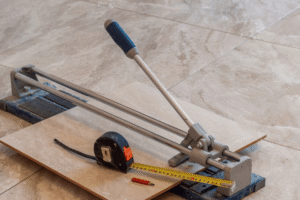
1. Cutting Parameters Adjustment
Optimize cutting speed, depth and feed rate parameters respectively in order to reduce the amount of tool marks or wavy patterns that contribute to surface roughness. Low feed rates and high cutting speeds provide the best finishes.
2. Right Tooling is Essential
Always use sharp edged tools with coatings appropriate for the satisfied materials used. Wear resistant and high performance tools help in cutting the material without much deformation and improving the quality of cut.
3. Use of Coolants / Lubricants
Cooling or lubricating processes reduce heat, protect tools from deterioration and reduces the extremely dented surfaces.
4. Stable Tool and Machine Arrangement
Check if the holder, the tool, and the machine parts are in a stable position and are in a proper alignment. Looseness in all this leads to improper cutting and undesirable surface finish.
5. Use of Finishing Processes
Finishing processes such as grinding, polishing, and honing can be employed to improve the surface roughness after milling in order to achieve the desired dimensional quality.
Effective Strategies for Tool Wear Management
Plan a System of Regular Maintenance on the Stock
Conduct regular maintenance on all tools in order to evaluate the state of wear or any other relevant deformations such as sides’ chipping, separation or bending; the expense of other type of tooling. Such tools may, presumably, affect the machining operation and even cause part failure due to use of worn down tooling. According to many authors this form of prolonging life will also help in the situation for at most 20% with periodic checks practiced.
Consider Predictive Maintenance Schemes
Consider going for predictive maintenance which relies on measuring cutting forces, vibrations, temperatures using sensors and other machine learning devices for such monitoring. This data provides a basis of forecasting wear making replacement timely, instead of resorting to injury of the component principle.
Change Existing Cutting Conditions
It is required that the feed rate, the spindle speed, and the depth of cut be correctly adjusted in accordance with the characteristics of the machined such material. Excessive rate, speed, or depth, for example, will create too much heat and friction, premature wear, and within a very short period of time such effects will be observed. Optimizing the parameters reduces the tool wear rate by 15 to 25% according to literature review.
Use Suitable Coating for the Cutting Tool
Best cutting tool that should be use to perform certain operations is either advanced material coated cutting tools such as titanium nitrogen (nitrides) or diamond carbon. The latter coating, being a low friction and high temperature resistant coating, allows the wear resistance of the working tool to increase 50% in heavy duty applications.
Use Cutting Fluids and Lubricants of High Quality
This can be achieved by ensuring using proper cutting fluids or providing new lubrication systems that will manage the excess heat produced during cutting. The correct form and application of the coolant will help in the cooling of the tool, decrease in wear, and help in the exit of the chips, which facilitates the work and increases the efficiency and durability of the tool.
Post-Processing Techniques for Enhanced Surface Quality
The need to achieve acceptable quality forms the drive behind the application of essential finishing processes; grinding metallic surfaces, polishing them or honing them at instances. Such tools aid in the total removal of traces of tool marks from the surfaces particularly as the focus moves from roughing the surface to finishing the surface as smooth as possible for various reasons. I will as well expand the range of measuring equipment which discriminates less tolerances or quality to certain levels or even prevents interference with the functions or looks of the finished part in other words makes it more appealing.
Use of Lubricants and Coolants in Ceramic Cutting
Each step in our production is dependent on proper usage of lubricants and coolants in ceramic machining to enhance tool performance, efficiency and to avoid the effects of excessive heat on the cutting tool and workpiece. This is because ceramics are extremely hard and brittle and therefore generate a lot of heat during cutting and require sufficient heat control to prevent thermal cracks and surface defects. Therefore, the coolant serves as a lubricant by minimizing the interaction between the cutting piece and the ceramics, in addition to functioning as a coolant to offset the heat generated in the process.
Recent studies confirm that particular types of lubricating oils, water-soluble greases, and even innovative nanolubricants exist, which can be applied effectively in the machining of ceramics. To illustrate, recent findings showed that the addition of nanomaterial to a liquid medium enhanced heat dissipation as compared to conduction and tool wear. A tool aids with a lot of pressure-assisted nozzles are also employed for better perfusion of the coolant up to the configured cutting edges.
Also, it has been shown that the appropriate choice of lubrication or cutting strategy for specific cutting conditions, for instance, hard or soft ceramics in different speeds or feed rates per reduction is crucial in improving machine tool performances. This however, in addition to the documented materials, provides industry with the capacity for ensuring efficient and effective components for production under harsh circumstances including very smooth surfaces, durable cutting tools, and reliable processes.
Reference Sources
- The Role of Surface Textures in Enhancing Performance of Ceramic and Superhard Tools
Investigates the ways surface textures on the cutting tool can affect and positively influenced the performance and quality of machining ceramics. - The Use of Ceramic Cutting Tools in Ecological and Precision Machining
Explains how the application of cutting fluids and appropriate tool geometry reduce cutting resistances and improve the surface finish. - Difficult-to-Process Ceramics: A Survey and a Classification of Surface Finish Method
Outlines the UN-conventional methods that are applicable for improving the quality of the surface of ceramics. Recommend reading: Diamond Wire Saw for Ceramic Cutting: The Definitive Guide
Frequently Asked Questions
1. Why Do Rough Surfaces Appear in Ceramics After Cutting Operations?
One of the surface finish capable of being described is Ra. The a is an average, ie, a material is removed when cutting takes place and hence a surface is created. The mechanical and thermal loadings of these operations means that there must be surfaces created between the tool and the work piece. Some of the factors with a greater impact on the design and subsequent operation of any surface include:
- Use of Appropriate Tools: The efficiency of the process often becomes compromised due to the use of very course abrasive, leaded or sharpened cutting ends or improper tool shaping.
- Machining Condition: Utilizing excessive feed rate, inefficient cutting speed and ineffective coolant sometimes.
- Material: Typically, ceramics are noted to possess a great degree of toughness and brittleness. This material may cause fracture of the grains and pullout.
- Vibration and Rigidity: Vibration generated from machine tool, work piece set up, and cutting.
2. How Is Quality of Surface Affected by the Type of Diamond Tool Abrasive and Grit Sizes, And Shifts Used?
One of the most important factors that determine the possible surface finish is what grit (in terms of diamond grain size or larger abrasives) is used in the process.
Smaller Diamond Grains: With a higher number of mesh or grit sizes (i.e. 600-1200 mesh) finer grits or smaller diamond particles generate longer transverse and longitudinal scratches on the finished ceramic, this also implies barring a Ra number i.e. smooth surface finish. This is employed in some cases when finishing is performed or when an extreme quality of the surface is required.
Larger Particles: Larger particles lower mesh/grit number (e.g. 80-220 mesh) overall allow for more depth of cut, but it comes at the cost of deeper and bigger scratches and more rougher surface. This is typical of cutting process at the roughening level.
It is made possible by using a two-stage technique where coarse grit tool is used in the initial stages to remove excess material and finish the surface with a fine grit tool.
3. Why Does Machine Speed and Depth of Cut Matter for the Surface Finish?
Feed Rate: In hard turning of ceramics, lower feed rates reduces the cutting force acting on each abrasive particle of griding wheel. This reduces the abrasives’ cutting depth, inhibiting any possibility of destructive fracture. This is because ductile-regime grinding takes place instead of full brittle fracture which leads to a lightly damaged surface.
Cutting Speed: Well there is no cutting speed, so aim is to increase the metal removal rate and the thermal and thrust components as they are at a minimum. It is the disadvantage of working at high speeds in that excessive heat generation and tool chatter occurs due to the vibrations. Nevertheless, working on a low speed is dangerous, as it results in more rubbing, which creates much cutting force, all these consequences contribute to poor surface finishing. A cutting speed of this kind describes a perfect situation, but it is rarely attainable owing to the diversity in materials.
4. How Else Does the Use of Coolants Aid in Improving the Surface Finish?
Sharp edges of ceramic surfaces do not form, or do so very slightly, when such materials are cut, due to the use of coolant and there is also another technique termed cutting fluid. It serves the following functions:
- Lube: It contains a number of ingredients that will go against the lube touching off the tool with the work piece it helps in minimizing the cutting forces due to high temperatures.
- Cooling: It removes the heat generated from the cutting area during operation so that ceramic material does not break due to an excessive temperature of the cutting process.
- Removal of debris: It prevents Swarf and abrasive grains that come in contact with the coated surface so that they do not attach to it and are instead washed away.
A high-pressure focused coolant is effective for achieving many of the above requirements successfully.
5. Can Confirming Surfaces Post-Reduction of Surface Roughness?
Yes, since it is necessary to remove high amounts of materials in order to attain very low Ra finishes or even Surfaces With Mirror Finish there is a need for removal procedures. The instruments used for this process are Lapping and Polishing, which usually follow the cutting of the sample.
Lapping: Basically, it consists of “lapping” a (platform) having a slurry of abrasive e.g. silicon carbide or diamond on top, to be used for more even removal of material, after the elimination of the previous geometry to some extent and improving its surface roughness.
Surface Treatment: This process is carried out soon after the lapping operation and in turn is named polishing. It is accomplished by using smaller abrasive grains especially in chemical–mechanical polishing (CMP), which is theprocess where they assist in the removal of the smallest scratches until the required surface finish is reached.
6. In What Way Rigidity of the Machines and the Cutting Tools Impact the Surface Quality?
Reduction of Surface Roughness when Machining of Ceramics Cutting of Non Metalls Difficult simplicity, it is necessary to understand the system rigidity. This is because of the vibration and deflections that occur in the entire system, be it the processing machine, the stabilized tool holder or the holding fixture, are following through into the cut and result in defects like chatter and wave patterns that are repeated throughout the surface. The solution for this problem can be:
- Enhanced machine tools with high rigidity and frequency.
- Use of tool holders of these tool holders, precise high quality tool holders that runout minimally when used in practice.
- To avoid any distortions during the cutting operation and to make sure that there are no displacements of the ceramic workpiece, the harness of the ceramic workpiece should be adequate.
Reducing Surface Roughness in Ceramic Cutting is directly connected to the system stiffness, controlling the deviation of the tool path to the minimum extent feasible, and that serves as a limit to the surface’s smoothness achievable as well.
Related Posts
Trending Blogs

![Polysilicon Material: Properties, Grades & Uses [Guide]](https://wiresawcutter.com/wp-content/uploads/2026/08/polysilicon-material-featured-150x150.webp)